Segments - by Product Type (Powder, Liquid, Oil, Capsule, Others), by Application (Food & Beverages, Pharmaceuticals, Nutraceuticals, Cosmetics & Personal Care, Others), by Distribution Channel (Online Stores, Supermarkets/Hypermarkets, Specialty Stores, Others), by End-User (Household, Commercial, Industrial)
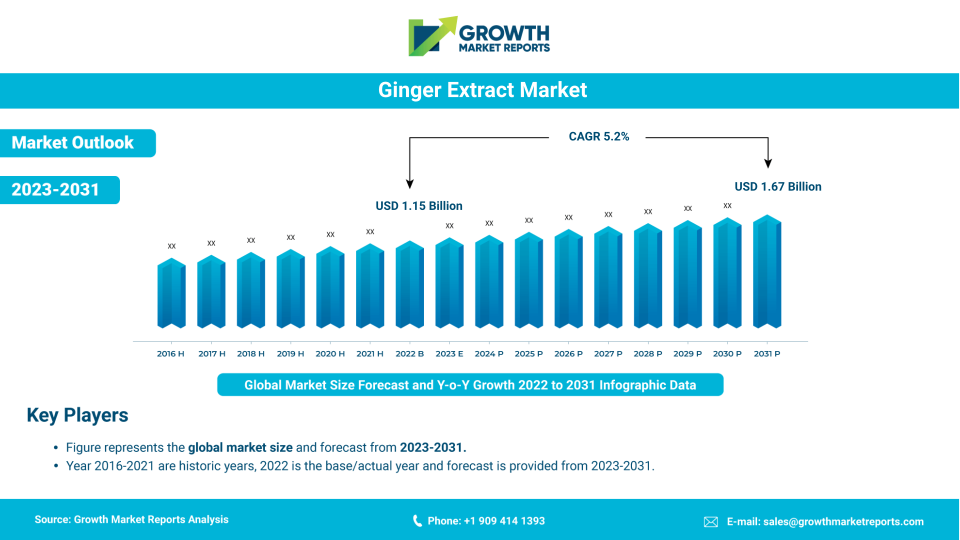
According to our latest research, the global Ginger Extract market size reached USD 1.21 billion in 2024, reflecting robust demand across diverse sectors. The market is exhibiting a strong growth trajectory, expanding at a CAGR of 6.7% from 2025 to 2033. By 2033, the ginger extract market is forecasted to achieve a value of USD 2.18 billion. This impressive growth is underpinned by rising consumer awareness of natural ingredients, increasing utilization in functional foods and beverages, and a growing preference for herbal remedies in both developed and emerging economies.
One of the primary growth factors driving the ginger extract market is the surging demand for natural and clean-label ingredients in the food and beverage industry. Consumers are increasingly seeking products that offer health benefits without artificial additives, and ginger extract is renowned for its anti-inflammatory, antioxidant, and digestive properties. The versatility of ginger extract, available in various forms such as powder, oil, and liquid, makes it a preferred choice for food manufacturers aiming to enhance flavor profiles and nutritional value. Additionally, the trend towards functional foods and beverages, which offer added health benefits, is further propelling the adoption of ginger extract in both mainstream and niche product formulations.
Another significant driver for the ginger extract market is its expanding application in the pharmaceutical and nutraceutical sectors. Ginger extract is widely recognized for its medicinal properties, including its efficacy in managing nausea, reducing muscle pain, and supporting immune health. The increasing prevalence of lifestyle-related diseases, coupled with a shift towards preventive healthcare, has led to greater incorporation of herbal extracts like ginger in dietary supplements and pharmaceutical formulations. The ongoing research and clinical trials validating the health benefits of ginger extract are also bolstering its credibility and acceptance among healthcare professionals and consumers alike, fueling sustained market growth.
In addition to its traditional uses, ginger extract is gaining traction in the cosmetics and personal care industry due to its natural anti-inflammatory and antimicrobial characteristics. The rising consumer preference for herbal and organic personal care products is prompting manufacturers to incorporate ginger extract into formulations for skin care, hair care, and wellness products. This trend is particularly pronounced in markets where consumers are highly conscious of product ingredients and their impact on health and the environment. The versatility of ginger extract, combined with its proven efficacy, is enabling its penetration into new and evolving application areas, thereby expanding the overall market landscape.
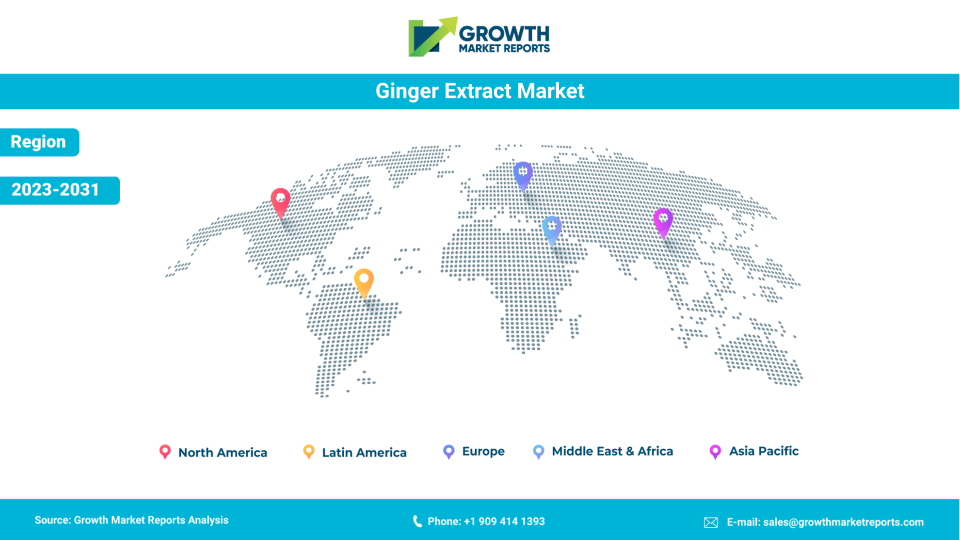
From a regional perspective, Asia Pacific continues to dominate the global ginger extract market, accounting for the largest share in both production and consumption. This dominance is attributed to the region's rich tradition of utilizing ginger in culinary, medicinal, and wellness applications, as well as the presence of major ginger-producing countries such as India and China. North America and Europe are also witnessing significant growth, driven by increasing consumer interest in natural health products and the integration of ginger extract into diverse product categories. Meanwhile, Latin America and the Middle East & Africa are emerging as promising markets, supported by rising urbanization, growing health awareness, and expanding distribution networks.
Ginger Hydrosol is emerging as a noteworthy product in the ginger extract market, offering unique applications and benefits. This aromatic water, derived from the steam distillation of ginger, is gaining popularity for its soothing and anti-inflammatory properties. In the cosmetics industry, ginger hydrosol is being incorporated into facial mists and toners, providing a refreshing and revitalizing experience for the skin. Its gentle nature makes it suitable for sensitive skin types, enhancing the appeal of natural and organic skincare products. Additionally, ginger hydrosol is finding its way into aromatherapy and wellness products, where its calming scent is used to promote relaxation and mental clarity. As consumers continue to seek holistic wellness solutions, the demand for ginger hydrosol is expected to rise, contributing to the diversification and growth of the ginger extract market.
The ginger extract market by product type is segmented into powder, liquid, oil, capsule, and others, each offering distinct advantages and catering to varied end-user preferences. Ginger extract powder remains a predominant segment due to its versatility, long shelf life, and ease of incorporation into a wide range of food and beverage products. Manufacturers favor powdered ginger extract for its consistent quality and concentrated flavor, making it ideal for large-scale food processing, spice blends, and instant beverage mixes. The growing trend of home cooking and the popularity of do-it-yourself health remedies have further spurred demand for ginger extract powder in household applications. Additionally, its convenient packaging and stable storage attributes make it a staple in both retail and industrial channels.
The liquid ginger extract segment is witnessing robust growth, particularly in the beverage and nutraceutical industries. Liquid extracts are valued for their high bioavailability and rapid absorption, making them suitable for use in functional beverages, health tonics, and dietary supplements. The increasing consumer inclination towards ready-to-consume health drinks and herbal shots has led to innovation in liquid ginger extract formulations, including sugar-free and organic variants. Moreover, liquid extracts are favored in the pharmaceutical sector for their precise dosing and ease of formulation in syrups and elixirs. The segment's growth is further supported by advancements in extraction technologies that ensure higher purity and potency.
Ginger oil, another key product type, is extensively utilized in aromatherapy, cosmetics, and personal care applications. The demand for ginger oil is being driven by its therapeutic properties, including its ability to alleviate stress, improve circulation, and provide skin-soothing benefits. As consumers increasingly seek natural alternatives to synthetic fragrances and skincare additives, ginger oil is finding its way into premium beauty and wellness products. The segment is also benefiting from the growing spa and wellness industry, where essential oils, including ginger oil, are integral to massage therapies and holistic treatments. Manufacturers are investing in sustainable sourcing and organic certification to cater to discerning consumers in this segment.
Capsules and other specialized formats, such as gummies and effervescent tablets, are gaining popularity among health-conscious consumers seeking convenient and effective ways to incorporate ginger extract into their daily routines. The capsule segment is particularly prominent in the nutraceutical and dietary supplement markets, where standardized dosages and ease of consumption are critical factors. The proliferation of e-commerce platforms has further facilitated the availability and accessibility of ginger extract capsules to a global consumer base. Additionally, innovative delivery systems and product formulations are expanding the reach of ginger extract to new demographics, including children and elderly consumers who prefer alternative dosage forms.
The "others" category encompasses emerging product types such as tinctures, concentrates, and infused products, reflecting ongoing innovation and diversification in the ginger extract market. As consumer awareness of the health benefits of ginger continues to grow, manufacturers are exploring novel formats to meet evolving preferences and application requirements. The development of value-added products and customized blends is expected to unlock new growth opportunities within this segment, further enhancing the overall market potential for ginger extract.
| Attributes | Details |
| Report Title | Ginger Extract Market Research Report 2033 |
| By Product Type | Powder, Liquid, Oil, Capsule, Others |
| By Application | Food & Beverages, Pharmaceuticals, Nutraceuticals, Cosmetics & Personal Care, Others |
| By Distribution Channel | Online Stores, Supermarkets/Hypermarkets, Specialty Stores, Others |
| By End-User | Household, Commercial, Industrial |
| Regions Covered | North America, Europe, APAC, Latin America, MEA |
| Base Year | 2024 |
| Historic Data | 2018-2023 |
| Forecast Period | 2025-2033 |
| Number of Pages | 297 |
| Number of Tables & Figures | 264 |
| Customization Available | Yes, the report can be customized as per your need. |
The application landscape of the ginger extract market is highly diversified, spanning food & beverages, pharmaceuticals, nutraceuticals, cosmetics & personal care, and other niche segments. In the food and beverage sector, ginger extract is extensively used as a flavoring agent, preservative, and functional ingredient in a variety of products, including sauces, bakery items, confectionery, and ready-to-drink beverages. The rising consumer demand for natural and health-enhancing ingredients has prompted food manufacturers to incorporate ginger extract into innovative product formulations. Additionally, the global trend towards ethnic and exotic cuisines has further fueled the adoption of ginger extract, particularly in markets where Asian and fusion foods are gaining popularity.
Pharmaceutical applications of ginger extract are expanding rapidly, driven by its well-documented therapeutic properties and growing acceptance in traditional and modern medicine. Ginger extract is widely used in the formulation of anti-nausea medications, digestive aids, and anti-inflammatory drugs, reflecting its efficacy in managing a range of health conditions. The increasing focus on preventive healthcare and the rising incidence of chronic diseases are prompting pharmaceutical companies to invest in research and development of ginger-based products. Regulatory approvals and clinical validations are further enhancing the credibility and marketability of ginger extract in the pharmaceutical sector, positioning it as a valuable ingredient in both over-the-counter and prescription medications.
The nutraceutical industry represents a significant application area for ginger extract, with growing consumer interest in natural supplements and functional foods. Ginger extract is incorporated into a wide range of nutraceutical products, including capsules, tablets, powders, and fortified beverages, targeting health-conscious individuals seeking to boost immunity, improve digestion, and manage inflammation. The increasing popularity of wellness trends, such as detoxification and holistic health, is driving demand for ginger extract-based nutraceuticals. Manufacturers are responding by developing innovative product formats and formulations that cater to specific health needs and lifestyle preferences, further expanding the market reach of ginger extract in this segment.
Grains of Paradise Extract is gaining traction in the ginger extract market as a complementary ingredient known for its unique flavor and health benefits. This extract, derived from the seeds of the Aframomum melegueta plant, is celebrated for its spicy, peppery taste and is increasingly used in culinary applications to enhance flavor profiles. Beyond its culinary uses, Grains of Paradise Extract is recognized for its potential health benefits, including metabolism boosting and anti-inflammatory properties. In the nutraceutical industry, it is being incorporated into weight management supplements and functional foods, appealing to health-conscious consumers seeking natural solutions. The growing interest in exotic and functional ingredients is driving the exploration of Grains of Paradise Extract, positioning it as a valuable addition to the diverse offerings within the ginger extract market.
In the cosmetics and personal care industry, ginger extract is gaining traction as a natural ingredient in skin care, hair care, and wellness products. Its anti-inflammatory, antioxidant, and antimicrobial properties make it an attractive addition to formulations targeting skin rejuvenation, scalp health, and overall well-being. The shift towards clean beauty and organic personal care products is prompting manufacturers to incorporate ginger extract into a variety of offerings, including creams, serums, shampoos, and masks. The segment's growth is also supported by increasing consumer awareness of the benefits of herbal ingredients and the rising demand for products with transparent and sustainable sourcing.
Other applications of ginger extract include its use in animal feed, agricultural products, and specialty wellness items. As research continues to uncover new health benefits and functional properties of ginger extract, its application scope is expected to broaden, unlocking additional growth opportunities across diverse industries. The ongoing innovation in product development and the expansion of distribution channels are further contributing to the dynamic evolution of the ginger extract market's application landscape.
The distribution channel landscape for the ginger extract market is characterized by a mix of traditional and modern retail formats, each playing a pivotal role in market penetration and consumer access. Online stores have emerged as a significant distribution channel, driven by the rapid growth of e-commerce and changing consumer shopping behaviors. The convenience of online shopping, coupled with a wide variety of product offerings and competitive pricing, has made digital platforms the preferred choice for many consumers. E-commerce giants and specialized health and wellness websites are expanding their ginger extract product portfolios, offering detailed product information, user reviews, and doorstep delivery, which further enhances consumer confidence and purchase frequency.
Supermarkets and hypermarkets continue to be important distribution channels for ginger extract, especially in urban and semi-urban areas. These retail outlets offer consumers the advantage of physical product inspection, immediate purchase, and access to a diverse range of brands and formats. The growing trend of health and wellness aisles in supermarkets has contributed to increased visibility and availability of ginger extract products. Retailers are also investing in in-store promotions, sampling campaigns, and loyalty programs to drive sales and educate consumers about the benefits of ginger extract. The expansion of supermarket chains in emerging markets is expected to further boost the distribution of ginger extract products through this channel.
Specialty stores, including health food stores, organic shops, and pharmacies, play a crucial role in catering to niche consumer segments seeking premium, organic, or specialty ginger extract products. These outlets are often preferred by health-conscious consumers who prioritize product quality, authenticity, and expert guidance. Specialty stores are known for their curated product selections, knowledgeable staff, and personalized service, which help build consumer trust and loyalty. The growing popularity of natural and organic products is prompting specialty retailers to expand their ginger extract offerings and collaborate with reputable suppliers to ensure product integrity.
Other distribution channels, such as direct sales, wholesalers, and institutional supply, cater to specific market needs and end-user segments. Direct sales channels, including business-to-business (B2B) transactions, are particularly relevant for industrial and commercial buyers seeking bulk quantities of ginger extract for manufacturing purposes. Wholesalers and distributors play a vital role in ensuring efficient supply chain management and market reach, especially in regions with fragmented retail infrastructure. The diversification of distribution channels and the adoption of omnichannel strategies are enabling manufacturers to reach a broader consumer base and respond effectively to changing market dynamics.
The evolving distribution landscape is also witnessing the integration of digital technologies, such as mobile apps, online marketplaces, and subscription services, which are reshaping how consumers discover, purchase, and engage with ginger extract products. Manufacturers and retailers are leveraging these platforms to enhance customer experience, gather market insights, and drive brand engagement, further strengthening the overall market ecosystem for ginger extract.
The end-user segmentation of the ginger extract market encompasses household, commercial, and industrial users, each contributing uniquely to market growth and product innovation. Household consumers represent a significant and growing segment, driven by increasing health awareness and the popularity of home-based wellness practices. The ease of incorporating ginger extract into daily routines, whether in cooking, beverages, or home remedies, has made it a household staple in many regions. The proliferation of health-conscious lifestyles and the influence of social media and wellness influencers are further encouraging consumers to experiment with ginger extract in various forms, from teas and smoothies to DIY skincare treatments.
Commercial end-users, including restaurants, cafes, hotels, and catering services, play a pivotal role in driving demand for ginger extract, particularly in the food service and hospitality sectors. The growing trend of health-centric menus and functional beverages in the commercial space has led to increased adoption of ginger extract as a key ingredient. Chefs and food service professionals value ginger extract for its ability to enhance flavor, provide health benefits, and meet the evolving preferences of discerning diners. The expansion of the hospitality industry and the rising popularity of experiential dining experiences are expected to further boost demand for ginger extract among commercial end-users.
Industrial end-users, such as food and beverage manufacturers, pharmaceutical companies, and cosmetic producers, account for a substantial share of the ginger extract market. These users require consistent quality, standardized formulations, and reliable supply chains to support large-scale production and product development. The integration of ginger extract into mass-produced goods, including packaged foods, dietary supplements, and personal care products, underscores its importance as a functional ingredient in industrial applications. Manufacturers are investing in advanced extraction technologies, quality assurance processes, and sustainable sourcing practices to meet the stringent requirements of industrial end-users and maintain competitive advantage.
The growing collaboration between ginger extract suppliers and end-user industries is fostering innovation and driving the development of customized solutions tailored to specific application needs. For example, food manufacturers may require ginger extract with specific flavor profiles or solubility characteristics, while pharmaceutical companies may prioritize standardized active compound concentrations. The ability to offer tailored products and value-added services is emerging as a key differentiator in the competitive ginger extract market, enabling suppliers to build long-term partnerships with end-user industries.
The dynamic interplay between household, commercial, and industrial end-users is shaping the evolution of the ginger extract market, driving product diversification, quality improvements, and supply chain enhancements. As consumer preferences and industry requirements continue to evolve, the ability of market participants to anticipate and respond to changing end-user needs will be critical to sustained growth and market leadership.
The ginger extract market presents a wealth of opportunities for stakeholders across the value chain, driven by evolving consumer preferences, technological advancements, and expanding application areas. One of the most promising opportunities lies in the development of innovative product formats and delivery systems that cater to specific health and wellness trends. For instance, the rising demand for functional foods, clean-label supplements, and personalized nutrition is creating a fertile ground for the introduction of ginger extract-infused products with targeted health benefits. Manufacturers can capitalize on this trend by investing in research and development, collaborating with health experts, and leveraging digital marketing to educate consumers about the unique advantages of ginger extract.
Another significant opportunity in the ginger extract market is the expansion into emerging markets, where rising disposable incomes, urbanization, and increasing health awareness are driving demand for natural and herbal products. Strategic partnerships with local distributors, investment in localized marketing campaigns, and adaptation of product offerings to suit regional preferences can help manufacturers tap into these high-growth markets. Additionally, the adoption of sustainable sourcing practices and transparent supply chains is becoming increasingly important to consumers and regulatory authorities, presenting an opportunity for market players to differentiate themselves through ethical and environmentally responsible business practices.
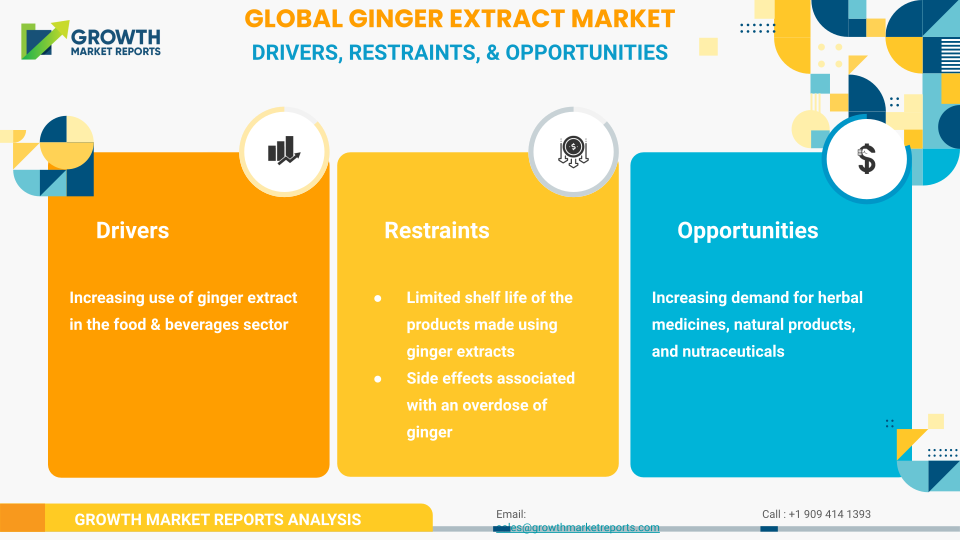
Despite the numerous opportunities, the ginger extract market faces certain restraints that could impact growth prospects. One of the primary challenges is the variability in raw material quality and supply, which can affect product consistency, pricing, and overall market stability. Fluctuations in ginger crop yields due to weather conditions, pests, and diseases can lead to supply chain disruptions and cost volatility. Additionally, the presence of adulterated or low-quality ginger extract products in the market poses a threat to consumer trust and brand reputation. To mitigate these risks, industry participants must invest in robust quality control measures, establish reliable supplier networks, and adhere to stringent regulatory standards.
The Asia Pacific region continues to dominate the global ginger extract market, accounting for the largest share of both production and consumption. In 2024, Asia Pacific contributed approximately USD 530 million to the global market, with India and China leading as the primary producers and exporters of ginger and its derivatives. The region's rich culinary traditions, widespread use of herbal remedies, and growing health consciousness are driving demand for ginger extract across multiple application areas. The market in Asia Pacific is projected to expand at a robust CAGR of 7.4% through 2033, supported by favorable government policies, increasing investment in food processing industries, and rising disposable incomes.
North America is another key market for ginger extract, driven by the growing popularity of natural health products and functional foods. The region accounted for approximately USD 290 million in market value in 2024, with the United States being the largest consumer. The integration of ginger extract into dietary supplements, ready-to-drink beverages, and clean-label foods is fueling market growth in North America. The region also benefits from a well-established distribution network, high consumer awareness, and a strong focus on product innovation. The expanding wellness and organic product segments are expected to further boost demand for ginger extract in North America over the forecast period.
Europe represents a significant market for ginger extract, with a market size of around USD 220 million in 2024. The region is characterized by a mature food and beverage industry, stringent regulatory standards, and a growing preference for natural and organic ingredients. The increasing adoption of ginger extract in functional foods, herbal teas, and personal care products is driving market expansion in Europe. Latin America and the Middle East & Africa are emerging as high-potential markets, collectively contributing over USD 170 million to the global market in 2024. These regions are witnessing rising health awareness, urbanization, and investment in retail infrastructure, which are expected to drive future growth in ginger extract demand.
The competitive landscape of the ginger extract market is characterized by the presence of numerous global and regional players, each striving to capture a larger share through product innovation, quality assurance, and strategic partnerships. The market is moderately fragmented, with leading companies focusing on expanding their product portfolios, enhancing distribution networks, and investing in research and development to stay ahead of the competition. Key players are also increasingly adopting sustainable sourcing practices and obtaining organic certifications to appeal to environmentally conscious consumers and comply with stringent regulatory requirements. The emphasis on transparency, traceability, and ethical business practices is further shaping the competitive dynamics of the ginger extract market.
Innovation remains a key differentiator in the ginger extract market, with companies investing in advanced extraction technologies, novel product formats, and customized solutions to meet the evolving needs of end-users. The development of value-added products, such as organic, non-GMO, and standardized extracts, is enabling market leaders to command premium pricing and build strong brand loyalty. Strategic collaborations with research institutions, healthcare professionals, and industry associations are also facilitating knowledge exchange, product validation, and market expansion. The ability to anticipate and respond to emerging trends, such as clean-label formulations and personalized nutrition, is critical for maintaining a competitive edge in this dynamic market.
Mergers, acquisitions, and strategic alliances are common strategies employed by leading players to strengthen their market position, expand geographic reach, and diversify product offerings. For instance, companies are acquiring local producers to secure raw material supply and enhance market penetration in high-growth regions. The integration of digital technologies, such as e-commerce platforms and data analytics, is further enabling companies to optimize supply chains, enhance customer engagement, and drive operational efficiencies. The focus on continuous improvement and customer-centric innovation is expected to shape the future trajectory of the ginger extract market's competitive landscape.
Some of the major companies operating in the global ginger extract market include Naturex (Givaudan), Archer Daniels Midland Company, Martin Bauer Group, Indena S.p.A., Sabinsa Corporation, Himalaya Wellness, Nutra Green Biotechnology, and Biolandes. These companies are recognized for their extensive product portfolios, robust quality control systems, and global distribution capabilities. Naturex, a part of Givaudan, is known for its wide range of botanical extracts and commitment to sustainable sourcing. Archer Daniels Midland Company leverages its global supply chain and technological expertise to offer high-quality ginger extracts for diverse applications. Martin Bauer Group and Indena S.p.A. are renowned for their focus on research-driven innovation and customized solutions for the food, pharmaceutical, and nutraceutical industries.
Sabinsa Corporation specializes in standardized herbal extracts and is a pioneer in the development of science-backed nutraceutical ingredients. Himalaya Wellness has established a strong presence in the herbal health and personal care segments, with a focus on traditional Ayurvedic formulations. Nutra Green Biotechnology and Biolandes are recognized for their expertise in botanical extraction and commitment to quality and sustainability. These key players, along with numerous regional and emerging companies, are continuously investing in product development, market expansion, and sustainability initiatives to strengthen their competitive position and drive long-term growth in the global ginger extract market.
The Ginger Extract market has been segmented on the basis of
Key players competing in the Ginger Extract Market are Arjuna Natural; FLAVEX Naturextrakte GmbH; Ginger Dragon; Greenutra Resource Inc.; Guangzhou Hecheng Sansheng Biotechnology Co., Ltd.; International Flavors & Fragrances Inc.; InterNaturales, LLC.; Kanegrade; Naturalin Bio-Resources Co. Ltd; Naturex SA; Nutra Green Biotechnology Co. Ltd; Pioneer Enterprise; and Xi'an PuroNature Biotechnology Co.,Ltd.
These companies adopted development strategies including mergers, acquisitions, partnerships, collaboration, product launches, and production expansion to expand their consumer base across the globe. The competitive landscape covers key insights into growth strategies adopted by major market players.
In February 2023, International Flavors & Fragrances Inc. (IFF) announced the sale of the Flavor Specialty Ingredient (FSI) business to the UK-based privately held equity firm Exponent. The deal was agreed upon USD 220 million in cash proceeds.
In December 2020, DolCas Biotech Ltd. introduced a highly concentrated completely natural ginger root extract, Ginfort, in its botanical ingredients’ offerings. It is used in the form of powder fills, liquid capsules, and soft gels.
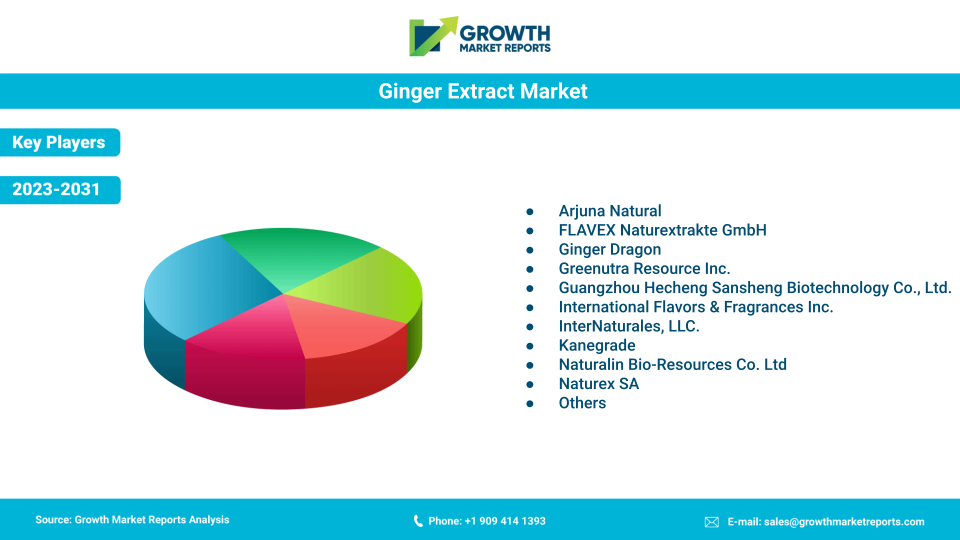
Major players include Naturex (Givaudan), Archer Daniels Midland Company, Martin Bauer Group, Indena S.p.A., Sabinsa Corporation, Himalaya Wellness, Nutra Green Biotechnology, and Biolandes.
Challenges include variability in raw material quality and supply, price fluctuations due to crop yields, and the presence of adulterated or low-quality products affecting consumer trust.
End-users include households, commercial establishments (like restaurants and hotels), and industrial users such as food manufacturers, pharmaceutical companies, and cosmetic producers.
Ginger extract products are distributed through online stores, supermarkets/hypermarkets, specialty stores, and other channels such as direct sales and wholesalers.
Asia Pacific leads the global ginger extract market in both production and consumption, followed by North America and Europe. Latin America and the Middle East & Africa are emerging as promising markets.
Ginger extract is widely used in food & beverages, pharmaceuticals, nutraceuticals, cosmetics & personal care products, and other niche applications like animal feed and specialty wellness items.
The market offers ginger extract in several forms, including powder, liquid, oil, capsules, and other formats such as tinctures and concentrates.
Key growth drivers include rising consumer awareness of natural ingredients, increasing use in functional foods and beverages, expanding applications in pharmaceuticals and nutraceuticals, and a growing preference for herbal remedies.
The ginger extract market is expected to grow at a CAGR of 6.7% from 2025 to 2033, reaching an estimated value of USD 2.18 billion by 2033.
As of 2024, the global ginger extract market size reached USD 1.21 billion, reflecting strong demand across various sectors.