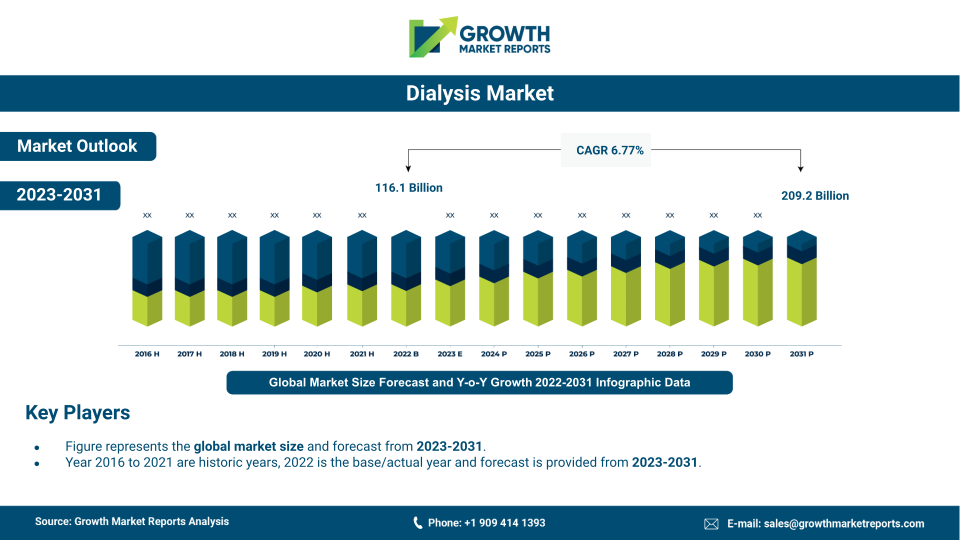
The global dialysis market size was valued at nearly USD 116.1 Billion in 2022 and is likely to reach USD 209.2 Billion by 2031, expanding at a CAGR of 6.77% during the forecast period, 2023–2031. Rising technological advancements in the field of medicine and increasing cases of chronic kidney diseases (CKDs) are likely to fuel the market.
Dialysis procedure is used to remove excess fluid and waste products, such as urea and creatinine from the body of patients with chronic renal failure. The removal of excess fluid is normally performed by the kidneys; however, due to their impairment, this is done artificially through dialysis. Chronic renal failures are becoming more prevalent due to the increasingly unhealthy practices of modern lifestyle and is a primary factor that contributes to market growth.
-
As per the National Institute of Health, CKDs affect around 37 million people in the US alone. High blood pressure and diabetes are the two common causes of kidney diseases in the US. Moreover, about one in five people live with high blood pressure and one in three people living with diabetes have kidney disease.
Dialysis is important for the treatment during the end-stage of renal disease (ESRD) and during kidney transplants. The dialysis process is conducted in two ways namely, hemodialysis and peritoneal dialysis. Hemodialysis involves the removal of the waste products, such as creatinine and urea from the patient’s blood extracorporeally. Peritoneal dialysis, on the other hand, uses the peritoneum present in the abdomen for dialysis. The need for these treatments has increased, due to the global rise in the number of patients suffering from hypertension and diabetes.
- As per the report published by the National Institute of Health in 2021, around 34.2 million people are anticipated to be affected by diabetes in the United States. This makes it 10.5% of the US population. In addition, it has also been found that approximately 73.6% of people that are suffering from diabetes and are above the age of 18 years, also have hypertension.
The market report finds that the COVID-19 pandemic boosted the global dialysis market. This treatment is required for people suffering from renal failure caused by diabetes and hypertension. However, diabetes directly affects the immunity of the body, which increases the risk of diseases and infections. People with low immunity were highly affected by the COVID-19 virus. As a result, this increased the need for frequent dialysis for patients suffering from chronic renal failure.
Dialysis Market Dynamics
Major Drivers
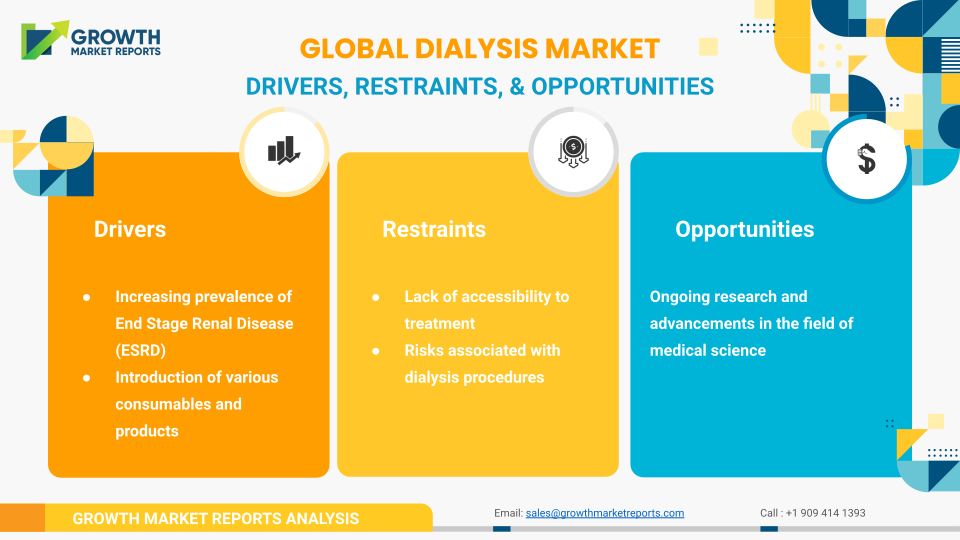
Increasing prevalence of End Stage Renal Disease (ESRD) is expected to boost the demand for dialysis treatments. In this stage, both kidneys stop working permanently and patients need to undergo long-term therapy. Moreover, the unhealthy habits of the modern lifestyle and the growing geriatric population are other factors contributing to the growth of the market.
Problems such as impairment of kidney function due to excessive consumption of alcoholic beverage and diabetes & obesity among geriatric population have increased over the years, which is likely to boosting the market.
-
As per the report published in 2021 by the Centers for Disease Control and Prevention (CDC), chronic renal disease is more common in women (14%) than in men (12%) and in the geriatric population. 38% of people aged 65 and above had chronic kidney disease, followed by people aged 45 to 64(12%) and 18 to 44 (6%).
Introduction of various consumables and products is projected to drive the market during the forecast period. Various pharmaceutical and medical companies are working on developing innovative products for patients suffering from renal failure to provide them efficient and effective care.
The development of these products is expected to get momentum with the involvement of governments, approval by regulatory bodies, and collaborative efforts between organizations. This is expected to raise awareness among patients about various treatments for renal diseases and provide them with a convenient lifestyle.
Existing Restraints
Lack of accessibility to treatment is anticipated to hamper the growth of the dialysis market. Although the outreach of dialysis treatment has grown over time, but it still has a long way to go before it becomes fully accessible to everyone. Furthermore, the obvious risks associated with dialysis procedures include muscle cramps, itchy skin, blood clots, hernia, and potassium imbalances diminished quality of life, which hinder the market.
Emerging Opportunities
Ongoing research and advancements in the field of medical science are expected to provide significant growth opportunities in the market. Apart from the constant developments for making dialysis equipment better and more efficient, the expansion of consumable pharmaceutical products has growth potential.
Additionally, products employed in the dialysis process such as catheters, blood tubes, dialyzers, and access products have a high replacement rate, which supports the overall market growth.
Scope of Dialysis Market Report
The market report includes an assessment of the market trends, segments, and regional markets. Overview and dynamics have also been included in the report.
|
Attributes
|
Details
|
|
Report Title
|
Dialysis Market - Global Industry Analysis, Growth, Share, Size, Trends, and Forecast
|
|
Base Year
|
2022
|
|
Historic Data
|
2016–2021
|
|
Forecast Period
|
2023–2031
|
|
Segmentation
|
Type (Hemodialysis Dialysis [Short Daily Hemodialysis, Conventional Hemodialysis, and Nocturnal Hemodialysis] and Peritoneal Dialysis [Automated Peritoneal Dialysis and Continuous Ambulatory Peritoneal Dialysis]), Product (Equipment [Dialysis Machines, Water Treatment Equipment, and Others], Drugs, Consumables [Dialyzers, Catheters, and Others], and Services), and End-user (Hospitals, Clinics, Treatment Centers, and Home Care Settings)
|
|
Regional Scope
|
Asia Pacific, North America, Latin America, Europe, and Middle East & Africa
|
|
Report Coverage
|
Company Share, Market Analysis and Size, Competitive Landscape, Growth Factors, Market Trends, and Revenue Forecast
|
|
Key Players Covered in the Report
|
AngioDynamics; Asahi Kasei Corporation; B. Braun SE; Baxter; BD; DaVita Inc.; Diaverum Deutschland Gmbh.; Fresenius SE & Co. KGaA; Nikkiso Co., Ltd; and NIPRO
|
Dialysis Market Segment Insights
Type Segment Analysis
Based on type, the global dialysis market is bifurcated into hemodialysis dialysis and peritoneal dialysis. The hemodialysis dialysis segment is further classified into short daily hemodialysis, conventional hemodialysis, and nocturnal hemodialysis. Similarly, the peritoneal dialysis segment is further divided into automated peritoneal dialysis (APD) and continuous ambulatory peritoneal dialysis (CAPD).
The hemodialysis dialysis segment is projected to hold the major share of the market during the projection period, due to the reliability of the procedure and its ability to efficiently remove toxic substances from the body. Thus, it is highly preferred by patients, doctors, and other healthcare professionals. Moreover, the hemodialysis procedure helps the patient’s body in maintaining proper fluid balance and control blood pressure.
-
As per the annual report published by the National Institute of Health in 2020, around 786,000 people were living with end-stage renal disease (ESRD) in the US. Out of these, approximately 29% needed kidney transplants, while 71% of people were on dialysis.
The peritoneal dialysis segment is expected to expand at a significant growth rate, as it provides more time and independence for the patient’s daily routine. Furthermore, convinience associated with this type of procedure is a major advantage, as it is done from the comfort of home or while working in the office, or any other place that is dry and clean.
The diet restrictions in peritoneal dialysis are lesser than those in hemodialysis and it does not require a needle in the veins. Its effectiveness in maintaining long-lasting kidney functions is projected to create considerable growth opportunities in the market.
- According to the report published by the National Institute of Health in 2021, a population of approximately 200,000 in North America requires dialysis treatments. Hemodialysis is anticipated to be personalized to the patients by the year 2030, focusing on factors such as arrhythmia surveillance, cardio-protection, avoidance of anticoagulation, and volume management.
Product Segment Analysis
On the basis of product, the global market is segregated into equipment, drugs, consumables, and services. The equipment segment is further categorized into dialysis machines, water treatment equipment, and others. Similarly, the consumables segment is further divided into dialyzers, catheters, and others.
The services segment is projected to register a considerable CAGR during the forecast period, owing to the growing number of treatment centers and considerable technological advancements in home-based dialysis setups.
Worldwide, the treatment centers are getting equipped with the latest technology and advanced machines, which ensures high-quality patient care in both, urgent and chronic treatments. Furthermore, increasing focus to deliver quality care by service providers at a low cost is supporting the overall growth of the market.
End-user Segment Analysis
Based on end-user, the dialysis market is segmented into hospitals, clinics, treatment centers, and home care settings. The treatment centers segment is anticipated to register a robust growth rate during the projected period, due to the high preference for patients to receive dialysis from the treatment centers. The availability of dedicated staff to care for medical needs and the favorable reimbursement policies provided by the treatment centers makes them the prime choice of patients.
- According to the National Institute of Health, the ratio of women to men suffering from ESKD is 2:3. In other words, one woman for every three men is facing the problem of kidney disease.
The home care settings segment is projected to grow at a high CAGR in the coming years, owing to the convenience and availability of cutting-edge equipment, even for home setups. The onset of the COVID-19 pandemic led to an increase in home-based healthcare setups, as patients were avoiding the risk of any unnecessary exposure to the infection.
Furthermore, home-based dialysis treatment allows for greater scheduling flexibility, lesser food restrictions, and allows for more frequent treatment, without any inconvenience.
Regional Analysis
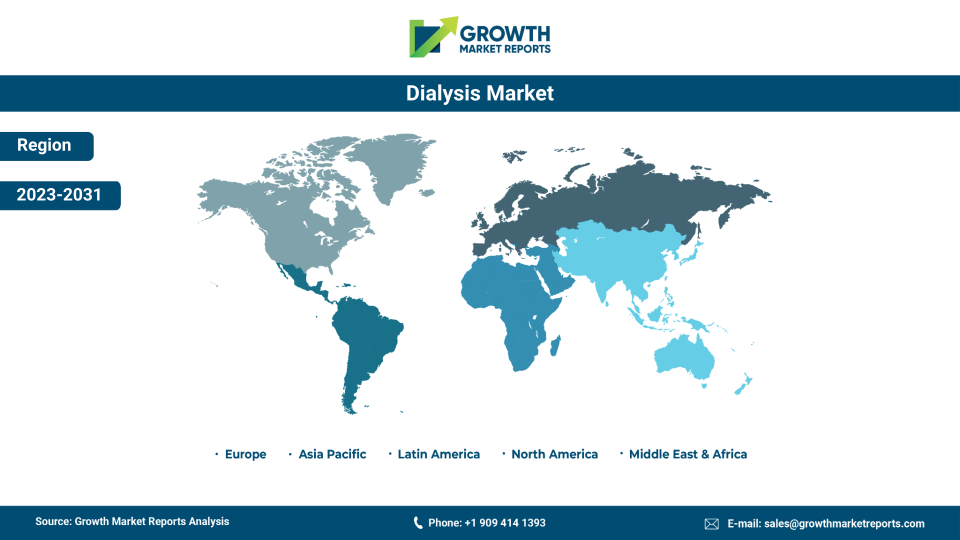
In terms of region, the global dialysis market is classified as Asia Pacific, North America, Latin America, Europe, and Middle East & Africa. Asia Pacific is expected to dominate the market during the projection period, owing to factors such as the increasing prevalence of CKD, hypertension & diabetes, and sedentary lifestyles.
The growing population with CKD disorders has increased the demand for dialysis centers for the treatment. Furthermore, increasing per capita income and growing adoption of technologically advanced products in the healthcare sector are projected to support market growth in the region.
The market in North America is anticipated to expand at a significant growth rate during the forecast period, due to a surge in the rate of kidney failure. Factors such as the unhealthy lifestyles and a rise in obesity & diabetes are fueling kidney disorders in the region.
Several other factors such as an excellent setup of healthcare analytics, the rise in disposable income, and the presence of key market players are anticipated to support the market growth in the region. Moreover, the growing implementation of the latest technology in the field of medical science supports the growth of the dialysis market in the region.
Segments
The global dialysis market has been segmented on the basis of
Type
- Hemodialysis
- Short Daily Hemodialysis
- Conventional Hemodialysis
- Nocturnal Hemodialysis
- Peritoneal Dialysis
- Automated Peritoneal Dialysis
- Continuous Ambulatory Peritoneal Dialysis
Product
- Equipment
- Dialysis Machines
- Water Treatment Equipment
- Others
- Drugs
- Consumables
- Dialyzers
- Catheters
- Others
- Services
End-user
- Hospitals
- Clinics
- Home Care Settings
Region
- Asia Pacific
- North America
- Latin America
- Europe
- Middle East & Africa
Key Players
Competitive Landscape
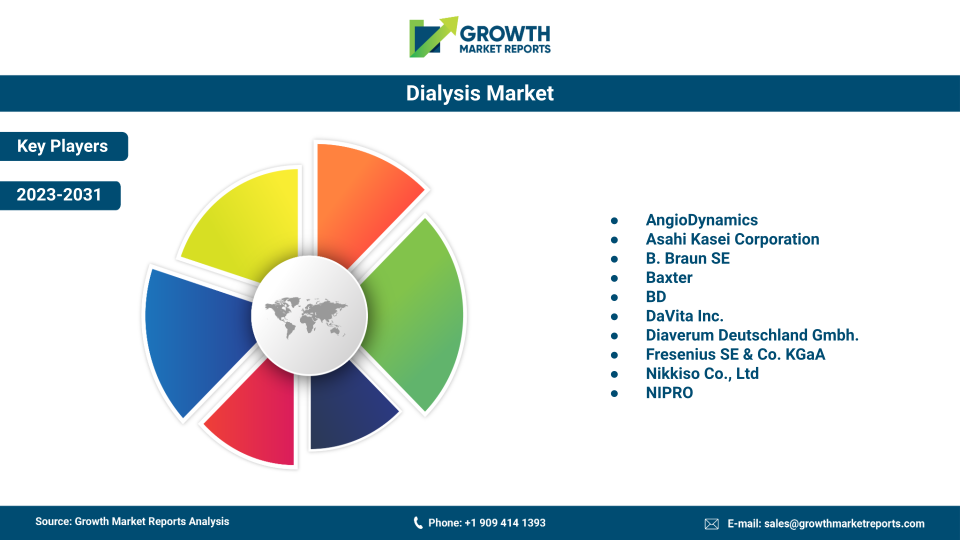
Key players competing in the global dialysis market are AngioDynamics; Asahi Kasei Corporation; B. Braun SE; Baxter; BD; DaVita Inc.; Diaverum Deutschland Gmbh.; Fresenius SE & Co. KGaA; Nikkiso Co., Ltd; and NIPRO.
These companies adopt various development strategies including collaboration, product launches, mergers, acquisitions, partnerships, and production expansion to get an edge over the competitors. Some of these companies are highly engaged in the research and development of innovative solutions to enhance patient care standards and make the process more convenient. For instance,
-
In May 2021, DaVita Inc., a prominent company in the field of medicine, collaborated with Baxter International to enhance its program for home renal care by implementing Baxter’s equipment for automated peritoneal dialysis (APD) called HomeChoice Claria. This is considered a key step toward the promotion of home dialysis among patients and is expected to help the company to improve its home dialysis program.
-
In May 2021, Fresenius SE & Co. KGaA launched a cloud-based solution called the Kinexus Treatment Management platform to enable better management of patients’ peritoneal dialysis therapy and increase nurse productivity. The platform is further aims to improve workflow, productivity, and overall patient outcomes.











 Request For Customization
 Enquiry Before Buying
 Speak With Analyst