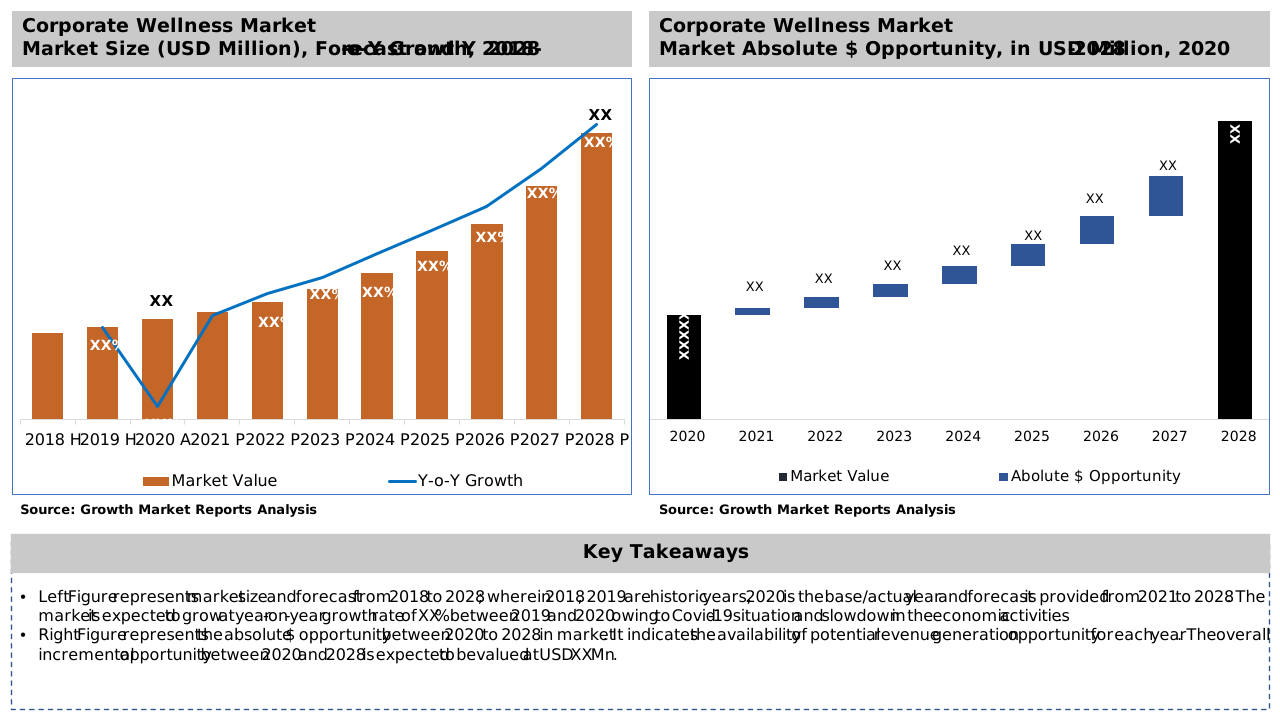
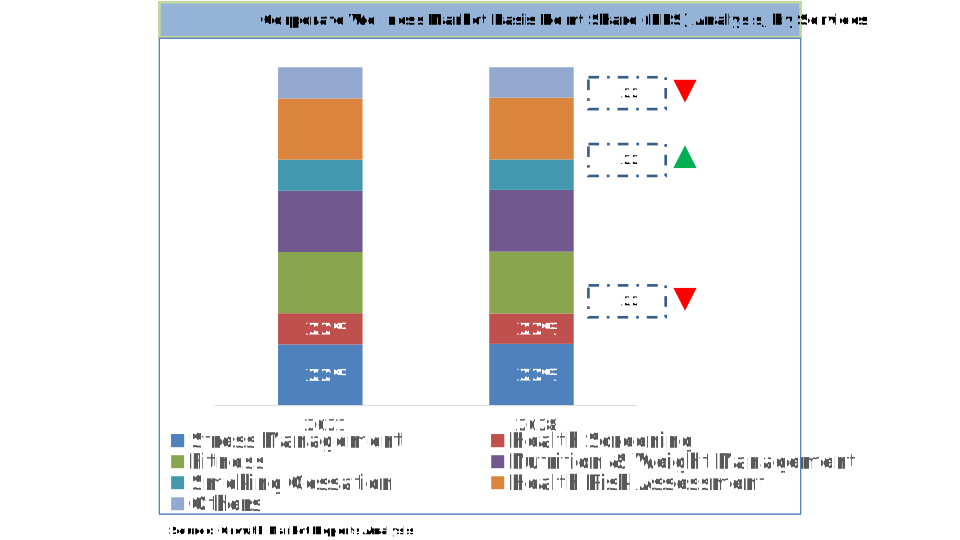
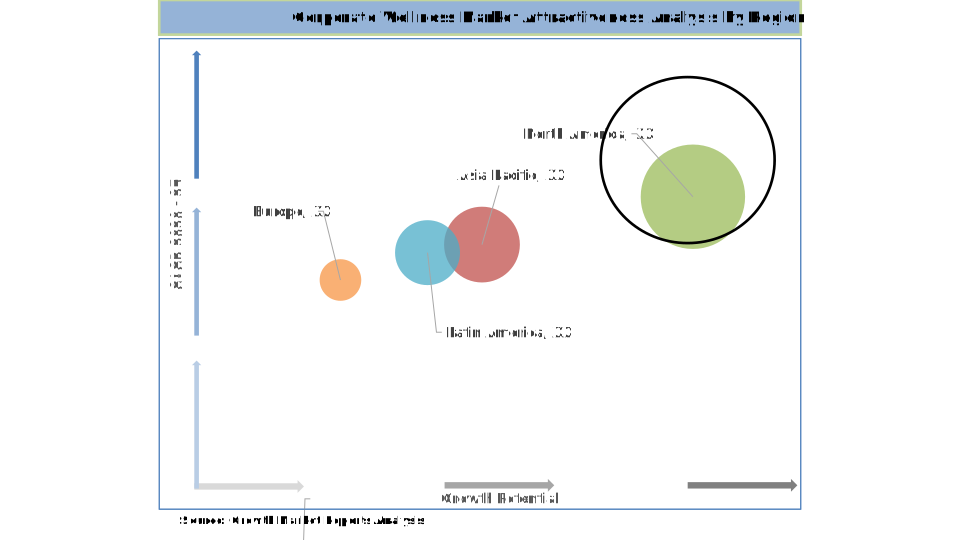
Segments - by Service (Health Risk Assessment, Fitness, Smoking Cessation, Health Screening, Nutrition & Weight Management, Stress Management, Others), by Category (Fitness & Nutrition Consultants, Psychological Therapists, Organizations/Employers), by Delivery Model (Onsite, Offsite), by End User (Small Scale Organizations, Medium Scale Organizations, Large Scale Organizations)
According to our latest research, the global corporate wellness market size reached USD 66.8 billion in 2024, reflecting a robust demand for employee well-being solutions worldwide. The market is expected to grow at a CAGR of 7.3% from 2025 to 2033, reaching a forecasted value of USD 126.1 billion by 2033. This growth is primarily driven by the increasing recognition of the impact of employee health on organizational productivity, rising healthcare costs, and a global shift towards preventive healthcare strategies. The corporate wellness market is witnessing significant traction as employers invest in comprehensive wellness programs to enhance workforce productivity, reduce absenteeism, and foster a positive work environment.
A major growth factor propelling the corporate wellness market is the escalating awareness among organizations regarding the tangible benefits of employee wellness initiatives. Companies are increasingly realizing that investing in corporate wellness programs leads to reduced healthcare costs, lower absenteeism, and improved employee morale. The rising prevalence of lifestyle-related diseases such as obesity, diabetes, and cardiovascular disorders has further prompted employers to adopt proactive wellness strategies. Additionally, the global workforce is experiencing heightened stress levels due to demanding work environments and evolving job roles, making stress management and mental health support integral components of corporate wellness offerings. This holistic approach to employee well-being is fueling the adoption of diverse wellness services across various industry verticals.
Technological advancements are another significant driver shaping the corporate wellness market landscape. The integration of digital health platforms, wearable devices, and mobile health applications has revolutionized the way wellness programs are delivered and monitored. These technologies enable real-time tracking of health metrics, personalized wellness plans, and seamless communication between employees and wellness consultants. The convenience and accessibility offered by digital solutions have increased employee participation rates and engagement levels, thereby enhancing the effectiveness of wellness initiatives. Furthermore, data analytics and artificial intelligence are being leveraged to tailor wellness programs to individual needs, ensuring better outcomes and measurable returns on investment for employers.
The evolving regulatory environment and the growing emphasis on workplace safety and health standards are also contributing to the expansion of the corporate wellness market. Governments and regulatory bodies across different regions are implementing guidelines and incentives to encourage organizations to prioritize employee health and well-being. For instance, in several countries, tax benefits and insurance premium discounts are offered to companies that implement comprehensive wellness programs. This regulatory support, coupled with the rising demand for work-life balance among employees, is prompting organizations to integrate wellness solutions into their core business strategies. As a result, the corporate wellness market is expected to witness sustained growth, with a focus on innovative service offerings and customized wellness solutions.
Workplace Wellness Programs have become an integral part of the corporate wellness landscape, offering a comprehensive approach to employee health and productivity. These programs are designed to address various aspects of employee well-being, including physical fitness, mental health, nutrition, and stress management. By implementing workplace wellness programs, organizations can create a supportive environment that encourages healthy behaviors and reduces the risk of chronic diseases. These programs often include initiatives such as health screenings, fitness challenges, and mental health workshops, which are tailored to meet the specific needs of the workforce. As companies continue to recognize the value of investing in employee wellness, workplace wellness programs are expected to play a pivotal role in enhancing organizational performance and employee satisfaction.
From a regional perspective, North America continues to dominate the corporate wellness market, accounting for the largest share in 2024. The region's leadership can be attributed to the high adoption rate of wellness programs, strong presence of key market players, and a mature corporate culture that values employee health. Europe follows closely, driven by stringent workplace health regulations and a growing emphasis on preventive healthcare. The Asia Pacific region is emerging as a lucrative market, fueled by rapid industrialization, increasing workforce size, and rising awareness about the benefits of corporate wellness initiatives. Latin America and the Middle East & Africa are also witnessing gradual growth, supported by economic development and changing workplace dynamics.
The service segment of the corporate wellness market encompasses a wide range of offerings, including health risk assessment, fitness programs, smoking cessation, health screening, nutrition and weight management, stress management, and other specialized services. Health risk assessments remain a cornerstone of corporate wellness programs, enabling organizations to identify potential health risks among employees and design targeted interventions. These assessments often include biometric screenings, health questionnaires, and lifestyle evaluations, providing valuable insights into workforce health trends. The demand for health risk assessment services is expected to grow steadily as employers seek data-driven approaches to optimize their wellness strategies and achieve measurable outcomes.
Fitness programs constitute another vital component of corporate wellness services, with organizations increasingly investing in on-site gyms, group exercise classes, and fitness challenges. The integration of wearable fitness trackers and mobile applications has further enhanced the appeal of these programs, allowing employees to monitor their physical activity and progress in real-time. Fitness initiatives not only promote physical health but also foster team building and camaraderie among employees. As sedentary lifestyles become more prevalent, the adoption of corporate fitness programs is set to rise, contributing significantly to the overall growth of the corporate wellness market.
Smoking cessation and stress management services are gaining prominence as organizations recognize the detrimental effects of smoking and chronic stress on employee health and productivity. Smoking cessation programs typically offer counseling, nicotine replacement therapies, and support groups to help employees quit smoking. Stress management services, on the other hand, include mindfulness training, relaxation techniques, and access to mental health professionals. The increasing focus on mental health awareness and the rising incidence of work-related stress are driving the demand for these specialized wellness services. Employers are prioritizing mental well-being as a key aspect of their wellness initiatives, leading to the expansion of stress management offerings within the corporate wellness market.
Nutrition and weight management services are also integral to comprehensive corporate wellness programs. These services often include personalized diet plans, nutritional counseling, and weight loss challenges designed to promote healthy eating habits and prevent obesity-related health issues. The growing prevalence of metabolic disorders and the link between nutrition and productivity have prompted organizations to collaborate with nutritionists and dietitians to deliver effective wellness solutions. Additionally, health screening services, which involve regular medical check-ups and diagnostic tests, play a crucial role in early detection and prevention of chronic diseases. The continuous evolution of service offerings and the emphasis on holistic well-being are expected to drive sustained growth in the corporate wellness market.
| Attributes | Details |
| Report Title | corporate wellness Market Research Report 2033 |
| By Service | Health Risk Assessment, Fitness, Smoking Cessation, Health Screening, Nutrition & Weight Management, Stress Management, Others |
| By Category | Fitness & Nutrition Consultants, Psychological Therapists, Organizations/Employers |
| By Delivery Model | Onsite, Offsite |
| By End User | Small Scale Organizations, Medium Scale Organizations, Large Scale Organizations |
| Regions Covered | North America, Europe, APAC, Latin America, MEA |
| Base Year | 2024 |
| Historic Data | 2018-2023 |
| Forecast Period | 2025-2033 |
| Number of Pages | 255 |
| Number of Tables & Figures | 388 |
| Customization Available | Yes, the report can be customized as per your need. |
The category segment of the corporate wellness market is divided into fitness and nutrition consultants, psychological therapists, and organizations/employers. Fitness and nutrition consultants play a pivotal role in designing and implementing wellness programs tailored to the unique needs of each organization. These professionals bring expertise in exercise science, nutrition, and health promotion, enabling them to develop evidence-based interventions that address specific health risks within the workforce. The growing demand for personalized wellness solutions has led to an increase in collaborations between organizations and external consultants, driving the expansion of this category within the market.
Psychological therapists are becoming increasingly important in the corporate wellness landscape, reflecting the rising awareness of mental health issues in the workplace. These professionals offer counseling, therapy sessions, and workshops focused on stress management, emotional resilience, and work-life balance. The integration of mental health services into corporate wellness programs is a response to the growing prevalence of anxiety, depression, and burnout among employees. Organizations are recognizing the value of psychological support in enhancing employee well-being, reducing absenteeism, and improving overall productivity. This trend is expected to continue, with a greater emphasis on mental health as a core component of corporate wellness initiatives.
Organizations and employers themselves are key stakeholders in the delivery and management of corporate wellness programs. Many large enterprises have established in-house wellness teams responsible for program design, implementation, and evaluation. These teams work closely with external consultants and healthcare providers to deliver comprehensive wellness solutions that align with organizational goals and employee needs. The involvement of employers in wellness program management ensures greater customization, higher participation rates, and better integration of wellness initiatives into the company culture. As the corporate wellness market matures, the role of employers in driving program adoption and innovation is expected to become even more significant.
The interplay between these categories—consultants, therapists, and employers—creates a dynamic ecosystem that supports the delivery of holistic and effective wellness programs. The ability to leverage expertise from multiple domains enables organizations to address the diverse health needs of their workforce, from physical fitness and nutrition to mental health and emotional well-being. This collaborative approach is becoming a hallmark of successful corporate wellness strategies, driving market growth and enhancing the value proposition for both employers and employees.
The delivery model segment of the corporate wellness market is primarily categorized into onsite and offsite models. Onsite wellness programs involve the provision of wellness services and activities within the workplace premises, such as on-site fitness centers, health screenings, and wellness workshops. These programs offer the advantage of convenience and accessibility, encouraging higher employee participation rates. Onsite models are particularly popular among large organizations with the resources to invest in dedicated wellness facilities and staff. The ability to integrate wellness activities into the daily work routine enhances engagement and fosters a culture of health within the organization.
Offsite wellness programs, on the other hand, involve the delivery of wellness services outside the workplace, often through partnerships with external wellness providers, fitness centers, or healthcare facilities. These programs offer greater flexibility and access to a wider range of services, including specialized fitness classes, counseling sessions, and health assessments. Offsite models are well-suited for organizations with distributed or remote workforces, as they enable employees to access wellness resources at their convenience. The rise of remote and hybrid work arrangements has increased the demand for offsite wellness solutions, prompting providers to develop innovative digital platforms and virtual wellness offerings.
The integration of digital health technologies is transforming both onsite and offsite delivery models, enabling organizations to offer hybrid wellness programs that combine in-person and virtual components. Mobile health applications, wearable devices, and online wellness portals allow employees to track their health metrics, participate in virtual fitness challenges, and access telehealth services from any location. This hybrid approach enhances the reach and effectiveness of wellness programs, catering to the diverse preferences and needs of a modern, mobile workforce. The growing adoption of digital solutions is expected to drive continued innovation in the delivery of corporate wellness services.
Organizations are increasingly leveraging data analytics to evaluate the impact of different delivery models on employee health outcomes and program ROI. By analyzing participation rates, health improvements, and employee feedback, employers can optimize their wellness strategies and allocate resources more effectively. The ability to measure and demonstrate the value of wellness programs is becoming a critical factor in securing ongoing investment and support from organizational leadership. As the corporate wellness market evolves, the focus on evidence-based program design and delivery will play a key role in driving market growth and enhancing the effectiveness of wellness initiatives.
The end user segment of the corporate wellness market is categorized into small scale organizations, medium scale organizations, and large scale organizations. Each segment exhibits unique characteristics and requirements when it comes to implementing wellness programs. Large scale organizations are the primary adopters of comprehensive wellness initiatives, leveraging their substantial resources to offer a wide range of services, including onsite fitness centers, health screenings, and mental health support. These organizations often have dedicated wellness teams and the ability to invest in advanced digital health solutions, resulting in higher program adoption and measurable health outcomes.
Medium scale organizations are increasingly recognizing the value of corporate wellness programs in attracting and retaining talent, improving employee engagement, and reducing healthcare costs. While they may have fewer resources compared to large enterprises, medium scale organizations are leveraging partnerships with external wellness providers and adopting scalable digital solutions to deliver effective wellness programs. The flexibility and cost-effectiveness of offsite and virtual wellness offerings make them particularly attractive to this segment. As competition for skilled talent intensifies, medium scale organizations are expected to increase their investment in employee wellness initiatives.
Small scale organizations face unique challenges in implementing corporate wellness programs, primarily due to limited budgets and resources. However, the growing availability of affordable digital wellness solutions and government incentives is making it easier for small businesses to offer basic wellness services to their employees. These programs often focus on health education, preventive screenings, and access to online wellness resources. The ability to demonstrate the ROI of wellness initiatives is crucial for small scale organizations, as they seek to balance employee well-being with financial sustainability. As awareness of the benefits of corporate wellness grows, the adoption rate among small businesses is expected to rise steadily.
Across all end user segments, the customization of wellness programs to meet the specific needs and preferences of employees is becoming increasingly important. Organizations are leveraging employee feedback, health risk assessments, and data analytics to design targeted interventions that address the unique health challenges faced by their workforce. This personalized approach enhances employee engagement, increases program effectiveness, and supports the overall growth of the corporate wellness market. As the market matures, the ability to deliver tailored wellness solutions to organizations of all sizes will be a key differentiator for service providers.
The corporate wellness market presents significant opportunities for growth and innovation, driven by the increasing demand for holistic employee well-being solutions. One of the most promising opportunities lies in the integration of advanced technologies such as artificial intelligence, machine learning, and wearable devices into wellness programs. These technologies enable the collection and analysis of real-time health data, allowing for personalized wellness interventions and continuous monitoring of employee health. The adoption of digital health platforms also facilitates remote and hybrid work arrangements, expanding the reach of wellness programs to a geographically dispersed workforce. As organizations embrace digital transformation, the demand for innovative and scalable wellness solutions is expected to surge, creating new revenue streams for market players.
Another significant opportunity is the growing emphasis on mental health and emotional well-being in the workplace. The COVID-19 pandemic has highlighted the importance of mental health support, prompting organizations to invest in counseling services, stress management programs, and resilience training. The destigmatization of mental health issues and the increasing availability of virtual mental health services are driving higher employee participation and engagement. Additionally, the expansion of wellness programs to include financial wellness, social connectivity, and work-life balance initiatives is broadening the scope of corporate wellness offerings. Service providers that can deliver comprehensive, integrated wellness solutions are well-positioned to capitalize on these emerging trends and capture a larger share of the market.
Despite the positive outlook, the corporate wellness market faces certain restraining factors that could impact its growth trajectory. One of the primary challenges is the difficulty in measuring the ROI of wellness programs, particularly in the short term. Organizations often struggle to quantify the direct impact of wellness initiatives on productivity, healthcare costs, and employee retention. This lack of clear metrics can hinder investment in wellness programs, especially among small and medium-sized enterprises with limited budgets. Additionally, varying levels of employee engagement and participation can affect the effectiveness of wellness initiatives. Overcoming these challenges will require a focus on evidence-based program design, robust data analytics, and ongoing employee education to demonstrate the value of corporate wellness solutions.
North America continues to lead the global corporate wellness market, accounting for the largest share of USD 29.1 billion in 2024. The region's dominance is attributed to the high adoption rate of wellness programs, a mature corporate culture, and the presence of leading market players. The United States, in particular, has a well-established corporate wellness industry, supported by favorable regulatory policies and a strong emphasis on employee health. The region is expected to maintain its leadership position over the forecast period, driven by ongoing innovation, increasing awareness of mental health, and the integration of advanced digital health solutions into wellness programs.
Europe is the second-largest market for corporate wellness, with a market size of USD 17.8 billion in 2024. The region benefits from stringent workplace health and safety regulations, a growing focus on preventive healthcare, and a supportive policy environment. Countries such as the United Kingdom, Germany, and France are at the forefront of wellness program adoption, with organizations investing in comprehensive health risk assessments, fitness initiatives, and mental health support. The European corporate wellness market is projected to grow at a steady CAGR of 6.8% from 2025 to 2033, driven by increasing employer awareness and the expansion of wellness services to small and medium-sized enterprises.
The Asia Pacific region is emerging as a high-growth market, with a market size of USD 12.3 billion in 2024 and a projected CAGR of 9.1% through 2033. Rapid industrialization, urbanization, and the expansion of the corporate sector are fueling demand for wellness programs in countries such as China, India, and Japan. The growing awareness of the benefits of employee wellness, coupled with rising healthcare costs and changing workplace dynamics, is prompting organizations to adopt innovative wellness solutions. Latin America and the Middle East & Africa are also witnessing gradual growth, supported by economic development, increasing workforce size, and the adoption of digital health technologies. The regional outlook for the corporate wellness market remains positive, with significant opportunities for expansion and innovation across all major regions.
The corporate wellness market is characterized by intense competition and a dynamic landscape, with a mix of global and regional players vying for market share. The competitive environment is driven by the continuous introduction of innovative wellness solutions, strategic partnerships, and mergers and acquisitions aimed at expanding service offerings and geographic reach. Leading market players are focusing on the integration of digital health technologies, personalized wellness programs, and data-driven insights to differentiate themselves and enhance their value proposition. The ability to deliver comprehensive, scalable, and outcome-oriented wellness solutions is becoming a key competitive advantage in the market.
Major companies in the corporate wellness market are investing heavily in research and development to stay ahead of emerging trends and meet the evolving needs of organizations and employees. The adoption of artificial intelligence, machine learning, and wearable devices is enabling market leaders to offer personalized wellness interventions, real-time health monitoring, and predictive analytics. Strategic collaborations with healthcare providers, fitness centers, and technology companies are also common, allowing market players to deliver integrated wellness solutions that address physical, mental, and emotional well-being. The focus on employee engagement, user experience, and measurable outcomes is driving innovation and shaping the future of the corporate wellness market.
The competitive landscape is further characterized by the presence of specialized wellness providers, fitness and nutrition consultants, and mental health professionals who cater to specific segments of the market. These niche players often collaborate with larger organizations to deliver targeted wellness services, such as stress management workshops, nutrition counseling, and fitness challenges. The increasing demand for holistic and customized wellness solutions is creating opportunities for both established players and new entrants to expand their offerings and capture a larger share of the market. As the market continues to evolve, the ability to adapt to changing employee needs and leverage technology will be critical for sustained success.
Some of the major companies operating in the corporate wellness market include Virgin Pulse, ComPsych Corporation, Wellness Corporate Solutions, Inc., Provant Health Solutions, Inc., EXOS, Sodexo, Marino Wellness, and Central Corporate Wellness. Virgin Pulse is known for its comprehensive digital health platform, offering personalized wellness programs, health coaching, and real-time analytics. ComPsych Corporation is a leading provider of employee assistance programs, mental health support, and work-life balance initiatives. Wellness Corporate Solutions, Inc. specializes in biometric screenings, health risk assessments, and wellness challenges designed to improve employee health outcomes. Provant Health Solutions, Inc. offers a range of onsite and offsite wellness services, including health screenings, coaching, and disease management programs.
EXOS is recognized for its focus on physical fitness and performance coaching, providing onsite fitness centers, group exercise classes, and personalized training programs. Sodexo offers integrated wellness solutions, including nutrition and weight management, stress management, and health education services. Marino Wellness and Central Corporate Wellness are known for their tailored wellness programs, catering to the unique needs of small and medium-sized organizations. These companies, along with other key players, are driving innovation, expanding their service portfolios, and strengthening their market presence through strategic partnerships and acquisitions. The competitive outlook for the corporate wellness market remains dynamic, with ongoing opportunities for growth, differentiation, and value creation.
The corporate wellness market has been segmented on the basis of
Key players competing in the global corporate wellness market are Wellness Corporate Solutions; Provant Health Solutions; Marino Wellness; The Vitality Group, Inc.; Central Corporate Wellness; SOL Integrative Wellness Centre; ADURO, Inc.; Fitbit, Inc.; ComPsych Corp.; Virgin Pulse, Inc.; EXOS; Privia Health Group; Wellsource, Inc.; Truworth Health Technologies Pvt. Ltd.; Well Nation; and Beacon Health Options, Inc. Companies are focusing on adapting virtual methods to maintain their competitive position in the market. Companies have been widely engaged in strategic partnership, merger & acquisition, new product launch, and collaborations to boost their market share and acquiring new buyers.
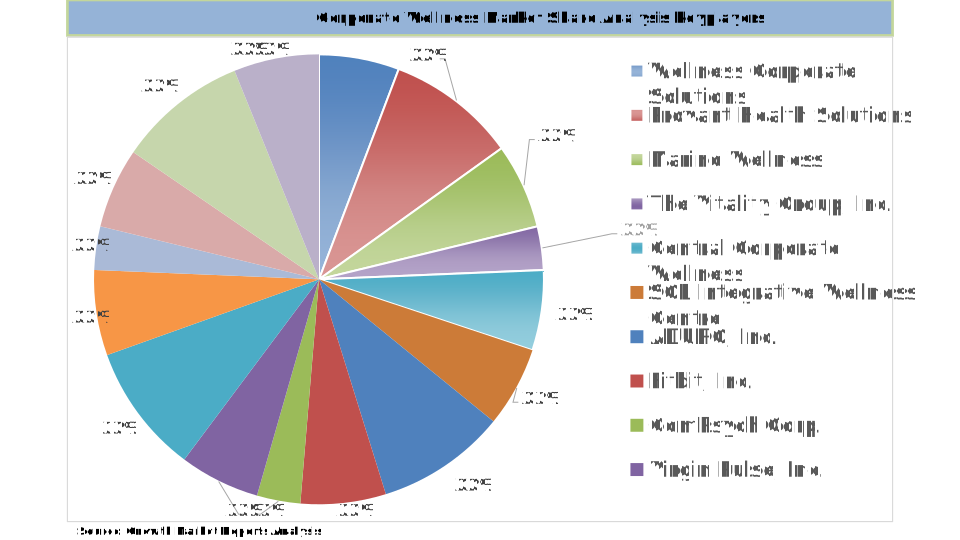
For instance, in December 2020, Mindhouse, a mental wellness startup announced the launch of Wellness Labs. This labs are a cooperative learning platform for senior human resource professionals concentrated on transitioning work environments during and post the pandemic. In June 2020, GreenLattey, an India based wellness center launched TwelveWeek Challenge App. The world’s first accomplishment store launched 360-degree wellness activity for individuals in corporate sector. This is to help people stay safe, stay healthy, and stay home program.

Mental health and stress management are integral to corporate wellness, with services like counseling, mindfulness training, and access to mental health professionals becoming increasingly important due to rising workplace stress and mental health awareness.
Challenges include difficulty measuring ROI, varying employee engagement levels, and budget constraints, especially for small and medium-sized organizations.
Major companies include Virgin Pulse, ComPsych Corporation, Wellness Corporate Solutions, Inc., Provant Health Solutions, EXOS, Sodexo, Marino Wellness, Central Corporate Wellness, and others.
Corporate wellness programs are delivered through onsite (at the workplace) and offsite (external providers or facilities) models, with increasing adoption of hybrid and digital solutions to accommodate remote and distributed workforces.
North America leads the corporate wellness market, followed by Europe and the Asia Pacific region. North America's dominance is due to high adoption rates, mature corporate culture, and strong market players.
Digital health platforms, wearable devices, and mobile applications are revolutionizing wellness delivery by enabling real-time health tracking, personalized plans, seamless communication, and improved employee engagement.
Corporate wellness programs typically offer health risk assessments, fitness programs, smoking cessation, health screening, nutrition and weight management, stress management, and other specialized services.
Key growth drivers include increased awareness of employee health's impact on productivity, rising healthcare costs, a global shift toward preventive healthcare, technological advancements, and regulatory support for workplace wellness.
The corporate wellness market is expected to grow at a CAGR of 7.3% from 2025 to 2033, reaching an estimated value of USD 126.1 billion by 2033.
As of 2024, the global corporate wellness market size reached USD 66.8 billion, with strong demand for employee well-being solutions worldwide.