Segments - by Product Type (Lower Limb Prosthetics, Upper Limb Prosthetics, Others), by Application (Orthopedic Clinics, Hospitals, Rehabilitation Centers, Others), by End-User (Adults, Pediatrics), by Distribution Channel (Direct Sales, Distributors, Online Sales, Others)
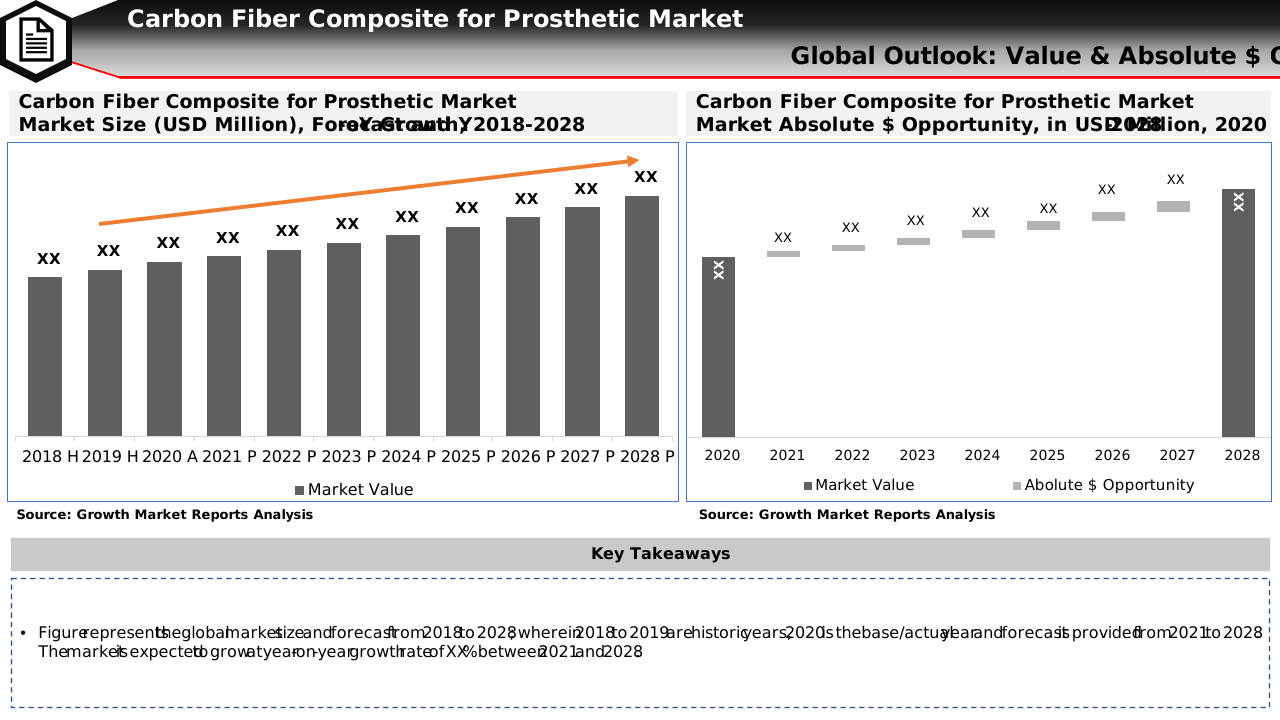
The global carbon fibre composites for prosthetic market size reached USD 1.56 billion in 2024, according to our latest research, and is expected to grow at a robust CAGR of 7.2% from 2025 to 2033. By the end of 2033, the market is forecasted to reach approximately USD 2.91 billion. This impressive growth trajectory is primarily driven by the increasing adoption of advanced prosthetic solutions, rising incidence of limb loss due to trauma and chronic diseases, and ongoing technological advancements in carbon fibre composite materials. The market’s expansion is further supported by heightened awareness regarding the benefits of lightweight, durable, and high-performance prosthetic devices.
One of the most significant growth factors for the carbon fibre composites for prosthetic market is the continuously evolving landscape of prosthetic technology. The integration of carbon fibre composites into prosthetic manufacturing has revolutionized the industry by providing unmatched strength-to-weight ratios, enhanced durability, and superior biomechanical performance. Patients increasingly demand prosthetics that not only restore mobility but also improve quality of life. Carbon fibre composites deliver on these expectations by offering lightweight solutions that minimize user fatigue and facilitate more natural movement. Furthermore, the ability of these composites to withstand repetitive stress and resist environmental degradation has made them a material of choice for high-performance prosthetic limbs, especially among active individuals and athletes.
Another critical growth driver is the rising prevalence of conditions leading to limb loss, such as diabetes, vascular diseases, and traumatic injuries. The World Health Organization reports a steady increase in the number of amputations globally, particularly among aging populations and in regions with high rates of chronic disease. This growing patient pool is fueling demand for advanced prosthetic solutions, particularly those that leverage carbon fibre composites for their superior mechanical properties. In addition, the increasing focus on personalized medicine and custom-fit prosthetics has further accelerated the adoption of carbon fibre technologies, as these materials allow for precise tailoring of prosthetic devices to individual user needs.
Healthcare infrastructure improvements and expanding reimbursement policies in both developed and emerging economies also play a pivotal role in driving market growth. Governments and private insurers are increasingly recognizing the long-term benefits of investing in advanced prosthetic technologies, including carbon fibre composites, which offer improved patient outcomes and reduced long-term healthcare costs. This trend is particularly pronounced in North America and Europe, where comprehensive healthcare systems and supportive regulatory frameworks are fostering innovation and adoption. At the same time, emerging markets in Asia Pacific and Latin America are seeing increased investments in healthcare infrastructure, which is expected to further broaden access to advanced prosthetic solutions over the forecast period.
From a regional perspective, North America currently dominates the carbon fibre composites for prosthetic market, accounting for the largest share in 2024, followed closely by Europe. The Asia Pacific region, however, is projected to witness the fastest growth rate, driven by rising healthcare spending, growing awareness, and increasing incidence of diabetes and trauma-related amputations. Latin America and the Middle East & Africa, while representing smaller market shares, are expected to see steady growth due to improving healthcare access and rising investments in rehabilitation services. These regional dynamics underscore the global nature of the market’s expansion, with opportunities emerging across both mature and developing economies.
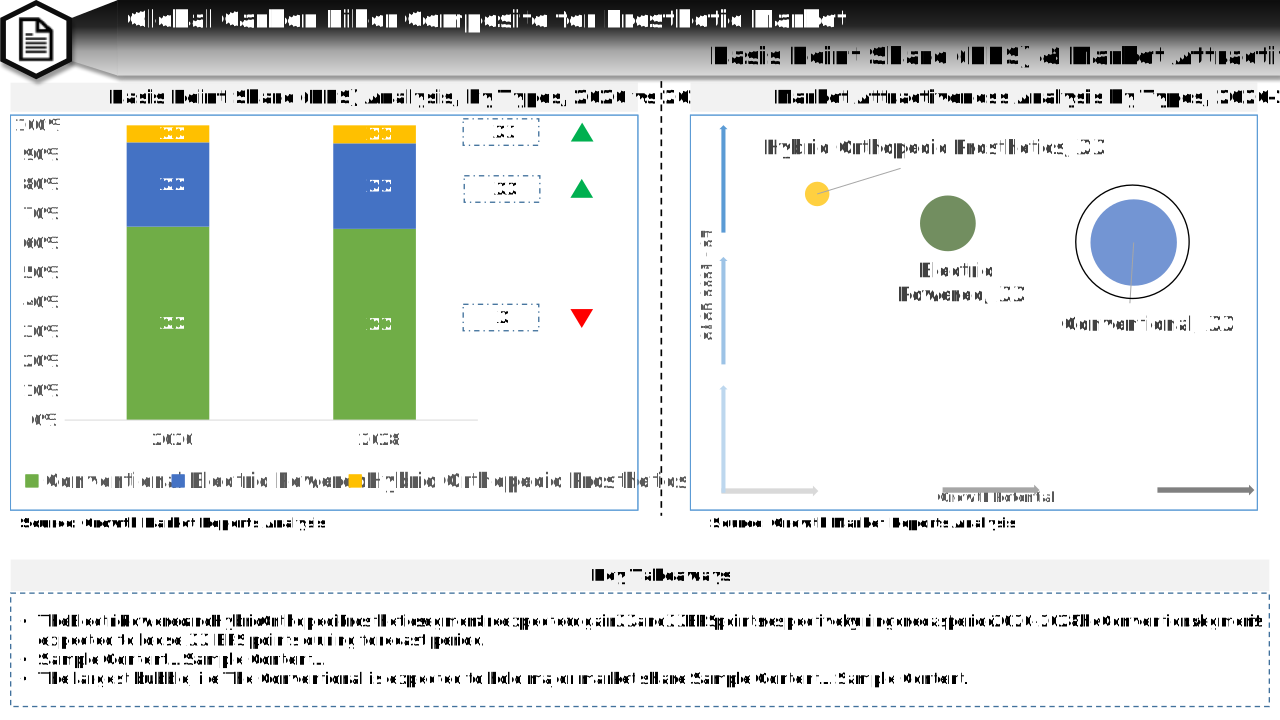
The carbon fibre composites for prosthetic market is segmented by product type into lower limb prosthetics, upper limb prosthetics, and others. Lower limb prosthetics represent the largest segment, accounting for a significant portion of the global market share in 2024. This dominance can be attributed to the higher incidence of lower limb amputations, particularly due to diabetes, vascular diseases, and traumatic injuries. Carbon fibre composites are highly sought after for lower limb prosthetics because they provide the necessary strength, flexibility, and lightweight characteristics required for daily mobility and active lifestyles. The ability of carbon fibre to mimic the natural gait and absorb impact has made it the preferred choice for manufacturing prosthetic feet, knees, and sockets.
Upper limb prosthetics, while representing a smaller segment compared to lower limb prosthetics, are experiencing a notable uptick in demand. The complexity of upper limb prosthetic design, which must replicate intricate hand and arm movements, has driven innovation in material science, with carbon fibre composites playing a crucial role. Their lightweight nature allows for greater dexterity and user comfort, which is especially important for pediatric and elderly patients. Manufacturers are investing in research and development to create multi-articulating hands and wrists that leverage the unique properties of carbon fibre, further expanding the segment’s growth potential.
The “others” segment includes specialized prosthetic devices such as facial, partial foot, and sports-specific prosthetics. This segment, though smaller, is characterized by high customization and innovation. Sports prosthetics, in particular, have gained significant attention, with carbon fibre composites enabling athletes to achieve performance levels previously unattainable with traditional materials. As awareness grows and the stigma surrounding prosthetic use diminishes, demand for these specialized devices is expected to increase, contributing to overall market growth.
Across all product types, the key trend is the shift towards personalized, patient-centric solutions. Carbon fibre composites allow for the creation of prosthetics that are tailored to the exact anatomical and functional requirements of each user. This customization not only improves comfort and usability but also enhances patient satisfaction and long-term outcomes. As 3D printing and digital modeling technologies become more widespread, the integration of carbon fibre composites into bespoke prosthetic solutions is anticipated to accelerate, further driving innovation and market expansion.
In summary, the product type segment analysis reveals that lower limb prosthetics will continue to dominate the market, but upper limb and specialized prosthetics are poised for significant growth. The versatility and superior performance of carbon fibre composites make them indispensable across all categories, ensuring their central role in the future of prosthetic device manufacturing.
| Attributes | Details |
| Report Title | Carbon Fibre Composites for Prosthetic Market Research Report 2033 |
| By Product Type | Lower Limb Prosthetics, Upper Limb Prosthetics, Others |
| By Application | Orthopedic Clinics, Hospitals, Rehabilitation Centers, Others |
| By End-User | Adults, Pediatrics |
| By Distribution Channel | Direct Sales, Distributors, Online Sales, Others |
| Regions Covered | North America, Europe, APAC, Latin America, MEA |
| Base Year | 2024 |
| Historic Data | 2018-2023 |
| Forecast Period | 2025-2033 |
| Number of Pages | 293 |
| Number of Tables & Figures | 294 |
| Customization Available | Yes, the report can be customized as per your need. |
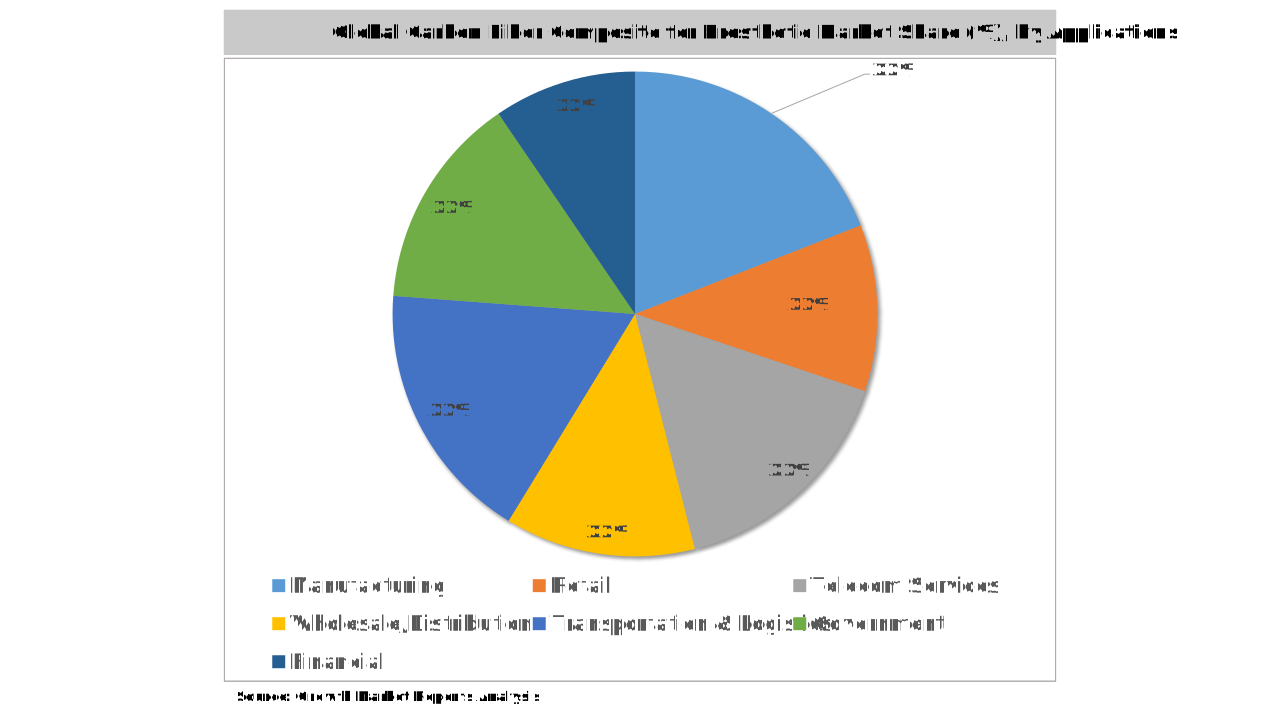
The application segment of the carbon fibre composites for prosthetic market is categorized into orthopedic clinics, hospitals, rehabilitation centers, and others. Orthopedic clinics comprise the largest application segment, reflecting the specialized care and expertise required for prosthetic fitting, customization, and follow-up. These clinics are often at the forefront of adopting advanced prosthetic technologies, including carbon fibre composites, due to their focus on optimizing patient mobility and function. The presence of skilled prosthetists and access to state-of-the-art equipment enable orthopedic clinics to deliver highly personalized solutions, driving the segment’s growth.
Hospitals are another significant application area, particularly in regions with well-developed healthcare systems. Hospitals typically serve as the initial point of care for trauma-related amputations and complex surgical procedures. The integration of carbon fibre composites in hospital-based prosthetic services is increasing, as these institutions seek to provide comprehensive rehabilitation and mobility solutions to patients. Hospitals often collaborate with prosthetic manufacturers and orthopedic clinics to ensure seamless patient transitions from acute care to long-term rehabilitation, further boosting demand for advanced materials.
Rehabilitation centers play a crucial role in the post-amputation recovery process, focusing on restoring patient function and independence. The use of carbon fibre composites in prosthetic devices provided by rehabilitation centers has grown substantially, as these materials facilitate more effective and efficient rehabilitation outcomes. Patients benefit from the lightweight and durable nature of carbon fibre prosthetics, which enable them to participate more actively in physical therapy and regain mobility more quickly. As the importance of holistic rehabilitation becomes increasingly recognized, the role of rehabilitation centers in the market is expected to expand.
The “others” application segment includes home care settings, non-profit organizations, and military rehabilitation programs. These segments, while smaller in scale, represent important growth opportunities, particularly in underserved regions and among specific patient populations. Non-profit organizations and humanitarian initiatives are leveraging carbon fibre composites to provide high-quality prosthetic solutions to individuals in low-resource settings, thereby expanding access and driving market growth. Military rehabilitation programs, on the other hand, focus on providing advanced prosthetics to veterans and active-duty personnel, further highlighting the versatility and importance of carbon fibre composites in diverse application areas.
Overall, the application segment analysis underscores the critical role of specialized care providers in driving the adoption of carbon fibre composites for prosthetics. Whether in orthopedic clinics, hospitals, or rehabilitation centers, the emphasis on patient-centered care and technological innovation is expected to sustain robust market growth throughout the forecast period.
The end-user segment of the carbon fibre composites for prosthetic market is divided into adults and pediatrics. Adults constitute the dominant end-user group, accounting for the majority of market demand in 2024. This is primarily due to the higher prevalence of limb loss among adults, driven by factors such as diabetes, vascular diseases, and occupational injuries. Adults also tend to have greater access to healthcare resources and are more likely to seek advanced prosthetic solutions that enhance mobility and quality of life. The demand for carbon fibre composites among adult users is further bolstered by the growing emphasis on active lifestyles and participation in sports and recreational activities.
The pediatric segment, while smaller, represents a critical area of focus for manufacturers and healthcare providers. Children with limb loss have unique needs, as their prosthetic devices must accommodate growth and development over time. Carbon fibre composites are particularly well-suited for pediatric prosthetics due to their lightweight and durable properties, which reduce the risk of discomfort and facilitate greater participation in daily activities. Advances in modular and adjustable prosthetic designs are enabling more effective long-term care for pediatric patients, supporting their physical and emotional well-being.
Across both end-user groups, there is a growing trend towards personalized and adaptive prosthetic solutions. Adults and pediatric patients alike benefit from the ability to customize prosthetic devices to their individual anatomical and functional requirements. Carbon fibre composites enable this level of customization, as they can be precisely molded and engineered to suit each user’s unique needs. This trend is expected to intensify as digital measurement and modeling technologies become more widely adopted in clinical practice.
Another important consideration is the psychosocial impact of limb loss and prosthetic use. Both adults and children face significant emotional and psychological challenges following amputation, and the choice of prosthetic device can have a profound effect on self-esteem and social integration. The use of carbon fibre composites in aesthetically pleasing and functional prosthetic designs is helping to reduce stigma and improve patient satisfaction. Manufacturers are increasingly collaborating with clinicians and patients to develop prosthetic devices that not only restore mobility but also enhance confidence and overall quality of life.
In conclusion, while adults remain the primary end-users in the carbon fibre composites for prosthetic market, the pediatric segment offers substantial growth potential. The ability of carbon fibre composites to address the diverse and evolving needs of both groups ensures their continued prominence in the market, driving innovation and improving outcomes for all users.
The distribution channel segment of the carbon fibre composites for prosthetic market is categorized into direct sales, distributors, online sales, and others. Direct sales represent the largest distribution channel, reflecting the complex and highly personalized nature of prosthetic device procurement. Manufacturers often work directly with healthcare providers, orthopedic clinics, and rehabilitation centers to deliver customized solutions tailored to individual patient needs. This direct engagement allows for greater quality control, faster response times, and more effective after-sales support, all of which are critical in the prosthetic market.
Distributors play a vital role in expanding market reach, particularly in regions with fragmented healthcare systems or limited access to specialized care. By partnering with local distributors, manufacturers can ensure that their products are available to a broader range of healthcare providers and end-users. Distributors also provide valuable logistical and technical support, helping to bridge the gap between manufacturers and end-users in remote or underserved areas. This channel is especially important in emerging markets, where direct manufacturer presence may be limited.
Online sales are gaining traction as digitalization transforms the healthcare landscape. E-commerce platforms and dedicated online portals are making it easier for patients and healthcare providers to access a wide range of prosthetic components and accessories, including those made from carbon fibre composites. While the sale of complete prosthetic devices online is still limited due to the need for customization and professional fitting, the online channel is increasingly being used for the procurement of replacement parts, maintenance kits, and ancillary products. This trend is expected to accelerate as digital literacy and internet penetration continue to rise globally.
The “others” segment includes government procurement programs, non-profit organizations, and humanitarian aid initiatives. These channels are particularly important in low- and middle-income countries, where access to advanced prosthetic technologies is often limited by financial and infrastructural constraints. Governments and NGOs are partnering with manufacturers to provide subsidized or free prosthetic devices to individuals in need, leveraging the durability and performance of carbon fibre composites to maximize the impact of their interventions.
Overall, the distribution channel analysis highlights the importance of a multi-channel approach in the carbon fibre composites for prosthetic market. By leveraging direct sales, distributors, online platforms, and alternative channels, manufacturers can ensure broad and equitable access to advanced prosthetic solutions, supporting market growth and improving patient outcomes worldwide.
The carbon fibre composites for prosthetic market presents numerous opportunities for growth and innovation. One of the most promising opportunities lies in the continued advancement of material science and manufacturing technologies. The development of next-generation carbon fibre composites with enhanced strength, flexibility, and biocompatibility has the potential to further improve prosthetic device performance and patient outcomes. Innovations such as 3D printing, digital modeling, and smart sensors are enabling the creation of highly customized and functional prosthetic solutions, opening new avenues for market expansion. Additionally, the increasing focus on sustainability and environmentally friendly manufacturing processes is driving research into recyclable and bio-based carbon fibre materials, which could further differentiate products and attract environmentally conscious consumers.
Another significant opportunity is the expansion of market access in emerging economies. As healthcare infrastructure improves and awareness of advanced prosthetic technologies grows, demand for carbon fibre composites is expected to rise in regions such as Asia Pacific, Latin America, and the Middle East & Africa. Strategic partnerships with local healthcare providers, governments, and non-profit organizations can help manufacturers penetrate these markets and reach underserved populations. Furthermore, the increasing prevalence of chronic diseases and traumatic injuries in these regions underscores the need for affordable, high-quality prosthetic solutions, creating a fertile environment for market growth.
Despite these opportunities, the market faces several restraining factors. One of the primary challenges is the high cost of carbon fibre composites and the associated manufacturing processes. The expense of raw materials, coupled with the need for specialized equipment and skilled labor, can make carbon fibre prosthetics prohibitively expensive for many patients, particularly in low- and middle-income countries. Limited reimbursement coverage and inadequate insurance policies further exacerbate this issue, restricting access to advanced prosthetic technologies. Addressing these cost barriers through innovation, economies of scale, and policy advocacy will be essential to unlocking the full potential of the market.
North America leads the global carbon fibre composites for prosthetic market, accounting for approximately 38% of total market revenue in 2024. This dominance is underpinned by a well-established healthcare infrastructure, high prevalence of diabetes and vascular diseases, and strong presence of leading prosthetic manufacturers. The region benefits from comprehensive reimbursement policies and a high level of patient awareness, which drive the adoption of advanced prosthetic technologies. The United States, in particular, represents the largest national market, supported by significant investments in research and development and a robust network of orthopedic clinics and rehabilitation centers.
Europe follows closely, with a market share of around 30% in 2024. The region’s growth is driven by similar factors, including a high incidence of limb loss, advanced healthcare systems, and supportive regulatory frameworks. Countries such as Germany, the United Kingdom, and France are at the forefront of prosthetic innovation, with a strong emphasis on patient-centered care and technological advancement. The European market is also characterized by a growing focus on sustainability and environmental responsibility, with manufacturers increasingly exploring eco-friendly carbon fibre materials and production processes. The region is expected to maintain a steady CAGR of 6.8% over the forecast period.
The Asia Pacific region is poised for the fastest growth, with a projected CAGR of 8.4% from 2025 to 2033. Rapid urbanization, rising healthcare spending, and increasing awareness of advanced prosthetic technologies are driving demand in countries such as China, India, and Japan. The region also faces a growing burden of diabetes and trauma-related amputations, further fueling market expansion. While Latin America and the Middle East & Africa currently represent smaller shares of the global market, they are expected to see steady growth as healthcare access improves and investments in rehabilitation services increase. Together, these regions account for the remaining 32% of global market revenue in 2024, highlighting the widespread and growing demand for carbon fibre composites in prosthetic applications worldwide.
The competitive landscape of the carbon fibre composites for prosthetic market is characterized by intense innovation, strategic partnerships, and a strong focus on research and development. Leading manufacturers are continuously investing in new materials, product designs, and manufacturing processes to maintain their competitive edge and meet the evolving needs of patients and healthcare providers. The market is moderately consolidated, with a few large players dominating the global landscape, while numerous smaller companies and startups contribute to innovation and niche market development. Collaboration with healthcare institutions, research organizations, and technology providers is a common strategy among market leaders, enabling them to leverage complementary expertise and accelerate product development.
In addition to product innovation, companies are increasingly focusing on expanding their geographical footprint, particularly in emerging markets. Strategic acquisitions, joint ventures, and distribution agreements are being pursued to enhance market presence and capitalize on growing demand in Asia Pacific, Latin America, and the Middle East & Africa. Manufacturers are also investing in digital platforms and e-commerce capabilities to reach a broader customer base and streamline the procurement process. The emphasis on customer support, training, and after-sales service is another key differentiator, as patients and healthcare providers seek comprehensive solutions that extend beyond the initial purchase.
Sustainability and ethical sourcing are emerging as important considerations in the competitive landscape. Leading companies are exploring the use of recycled and bio-based carbon fibre materials, as well as environmentally friendly manufacturing processes, to align with global sustainability goals and meet the expectations of socially conscious consumers. Regulatory compliance and quality assurance remain critical, with manufacturers adhering to stringent standards to ensure the safety, efficacy, and reliability of their products. The ability to navigate complex regulatory environments and obtain necessary certifications is a key success factor in the market.
Major companies operating in the carbon fibre composites for prosthetic market include Ottobock SE & Co. KGaA, Össur hf., Blatchford Group, Fillauer LLC, WillowWood Global LLC, Touch Bionics (Össur subsidiary), and College Park Industries. Ottobock is renowned for its comprehensive portfolio of prosthetic solutions and strong global presence, while Össur is recognized for its innovative designs and commitment to patient-centered care. Blatchford Group and Fillauer LLC are known for their focus on high-performance prosthetic components, leveraging advanced carbon fibre composites to deliver superior functionality. WillowWood and College Park Industries are distinguished by their emphasis on customization and modularity, catering to the diverse needs of adult and pediatric patients.
These companies are at the forefront of technological innovation, frequently introducing new products and features that set industry benchmarks. For instance, Ottobock’s C-Leg and Genium prosthetic knee systems utilize advanced carbon fibre composites to provide enhanced stability and natural movement. Össur’s Proprio Foot and Touch Bionics’ i-Limb Quantum exemplify the integration of smart technologies and lightweight materials to deliver superior user experiences. Partnerships with research institutions and investment in clinical trials further reinforce the leadership positions of these companies, ensuring a continuous pipeline of cutting-edge solutions for the global prosthetic market.
The Carbon Fibre Composites for Prosthetic market has been segmented on the basis of
Some of the leading players operating in the global carbon fire composites for prosthetics market are Hanger, Freedom Innovations, Blatchford, The Ohio Willow Wood, Ossur, Otto Bock HealthCare, Touch Bionics, Fillauer, Alchemy Composites, Trulife, and Kinetic Research.
Companies are consistently investing in the R&D activities and engaging in collaborations to expand their market share.
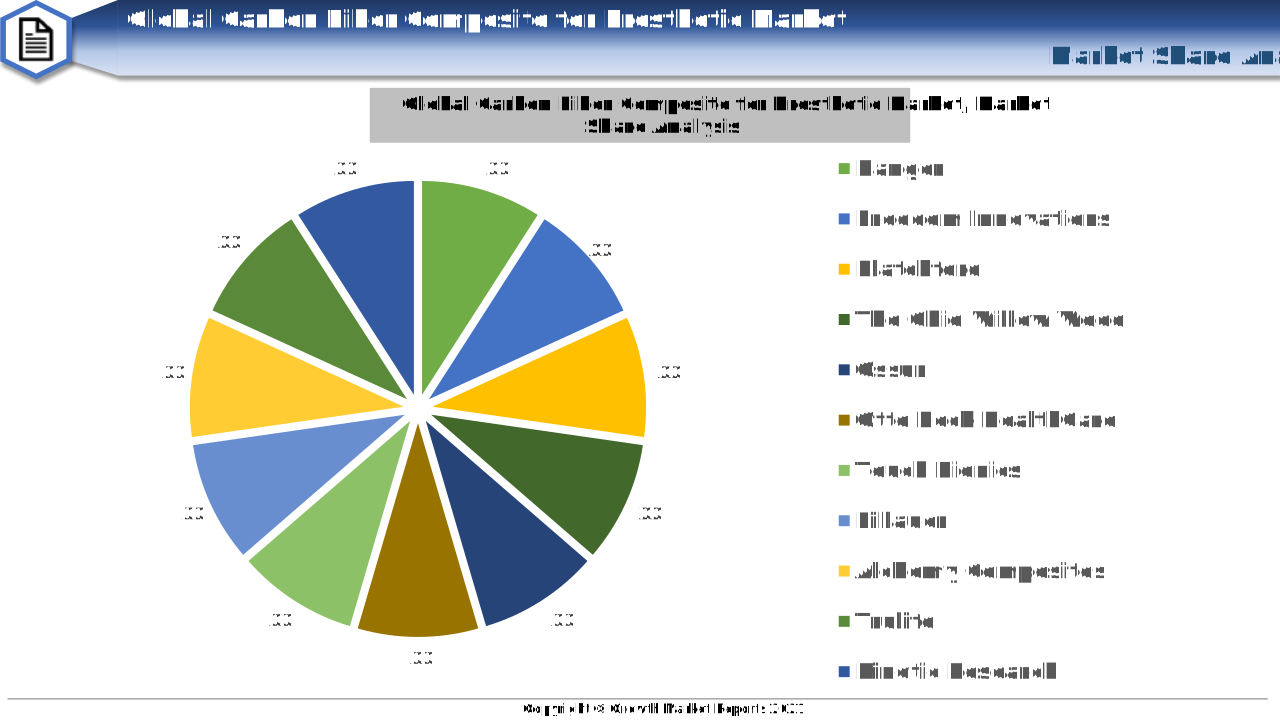
Key players include Ottobock SE & Co. KGaA, Össur hf., Blatchford Group, Fillauer LLC, WillowWood Global LLC, Touch Bionics (Össur), Steeper Group, Freedom Innovations, College Park Industries, and others.
Major challenges include the high cost of carbon fibre composites and manufacturing processes, limited reimbursement coverage, and inadequate insurance policies, which can restrict access to advanced prosthetic technologies.
Distribution channels include direct sales, distributors, online sales, and others such as government procurement and non-profit organizations. Direct sales are the largest channel due to the need for customization and after-sales support.
The main end-users are adults, who account for the majority of demand due to higher prevalence of limb loss, and pediatrics, who require lightweight and adjustable prosthetics to accommodate growth and development.
The primary application areas include orthopedic clinics, hospitals, rehabilitation centers, and others such as home care settings, non-profit organizations, and military rehabilitation programs. Orthopedic clinics currently comprise the largest application segment.
Carbon fibre composites are used in prosthetic devices for their unmatched strength-to-weight ratio, enhanced durability, and superior biomechanical performance. They help create lightweight, high-performance prosthetic limbs that minimize user fatigue and facilitate natural movement.
The market is segmented into lower limb prosthetics, upper limb prosthetics, and others (such as facial, partial foot, and sports-specific prosthetics). Lower limb prosthetics represent the largest segment due to the higher incidence of lower limb amputations.
North America currently leads the market, accounting for about 38% of global revenue in 2024, followed by Europe. The Asia Pacific region is projected to witness the fastest growth rate due to rising healthcare spending and increasing incidence of diabetes and trauma-related amputations.
Key growth drivers include increasing adoption of advanced prosthetic solutions, rising incidence of limb loss due to trauma and chronic diseases, ongoing technological advancements in carbon fibre composites, and heightened awareness of the benefits of lightweight, durable prosthetic devices.
The global carbon fibre composites for prosthetic market reached USD 1.56 billion in 2024 and is expected to grow at a CAGR of 7.2% from 2025 to 2033, reaching approximately USD 2.91 billion by 2033.