Antidepressants Market Research Report 2033

Antidepressants Market Research Report 2033

Segments - by Drug Class (Selective Serotonin Reuptake Inhibitors, Serotonin and Norepinephrine Reuptake Inhibitors, Tricyclic Antidepressants, Monoamine Oxidase Inhibitors, Atypical Antidepressants, Others), by Indication (Major Depressive Disorder, Obsessive-Compulsive Disorder, Generalized Anxiety Disorder, Panic Disorder, Others), by Distribution Channel (Hospital Pharmacies, Retail Pharmacies, Online Pharmacies, Others)

https://growthmarketreports.com/raksha
Author : Raksha Sharma
https://growthmarketreports.com/Vaibhav
Fact-checked by : V. Chandola
https://growthmarketreports.com/Shruti
Editor : Shruti Bhat

Upcoming | Report ID :HC-1223 | 4.1 Rating | 83 Reviews | 297 Pages | Format : Docx PDF

Report Description


Antidepressants Market Outlook

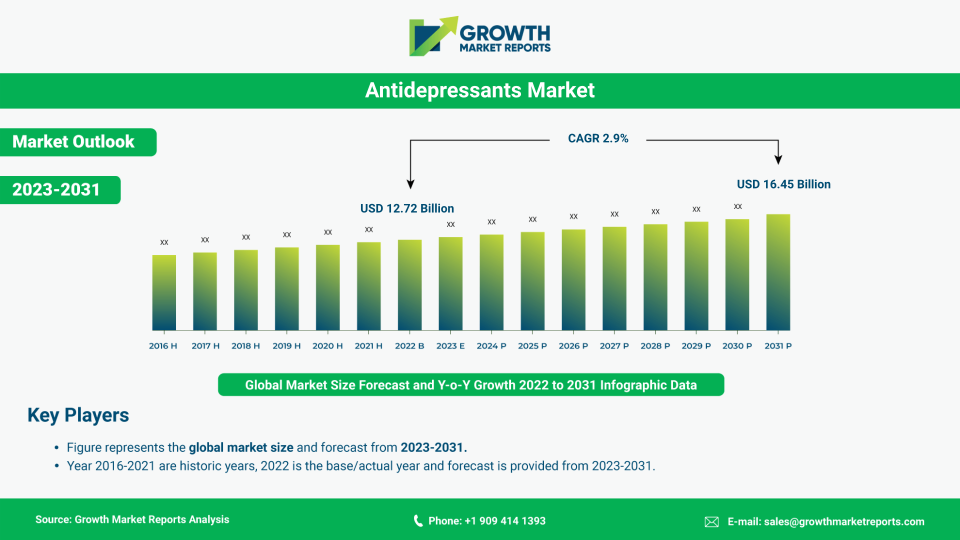
According to our latest research, the global antidepressants market size in 2024 stands at USD 17.2 billion, with a robust compound annual growth rate (CAGR) of 6.5% projected through the forecast period. By 2033, the market is expected to reach approximately USD 30.1 billion, driven by the increasing prevalence of depressive and anxiety disorders worldwide, rising awareness about mental health, and the introduction of novel therapeutics. The ongoing efforts to destigmatize mental health treatment and the expansion of healthcare infrastructure, particularly in emerging economies, are further catalyzing market growth.

A primary growth factor for the antidepressants market is the escalating global burden of mental health disorders. According to the World Health Organization (WHO), depression is one of the leading causes of disability worldwide, affecting more than 280 million people as of 2024. The rising incidence of depression, anxiety, and related mental health conditions has resulted in a surge in demand for effective pharmacological therapies. Additionally, the COVID-19 pandemic has intensified psychological distress and mental health issues, leading to an increased need for antidepressant medications. This heightened demand is further supported by expanding healthcare access, improved diagnostic rates, and the integration of mental health services into primary care, all of which contribute to the growing consumption of antidepressants across various demographics.

Another significant driver is the continuous innovation in drug development and the launch of novel antidepressant formulations. Pharmaceutical companies are investing heavily in research and development to create medications with improved efficacy, fewer side effects, and faster onset of action. The emergence of next-generation antidepressants, such as those targeting multiple neurotransmitter pathways or offering rapid relief for treatment-resistant depression, has broadened the therapeutic landscape. Furthermore, the approval of new delivery systems, including extended-release and combination therapies, has enhanced patient adherence and outcomes. The pipeline of antidepressant drugs remains robust, with several candidates in late-stage clinical trials, indicating sustained innovation and future growth prospects for the market.

The growing acceptance of mental health as a critical component of overall well-being is also fueling market expansion. Increased public awareness campaigns, governmental initiatives, and advocacy by non-profit organizations have contributed to reducing stigma and encouraging individuals to seek help for depressive and anxiety disorders. This shift in societal attitudes, coupled with improved reimbursement policies and insurance coverage for mental health treatments, has expanded the patient pool eligible for pharmacological interventions. Moreover, the proliferation of telemedicine and digital health platforms has made it easier for patients to access mental health care and obtain prescriptions for antidepressants, further supporting market growth.

In recent years, the introduction of novel antibiotics has also been a key focus in the pharmaceutical industry. One such promising development is Sarecycline Hydrochloride, a tetracycline-derived antibiotic primarily used for the treatment of acne vulgaris. Its unique mechanism of action and favorable side effect profile have made it a valuable addition to dermatological therapies. Sarecycline Hydrochloride is characterized by its narrow-spectrum activity, which specifically targets acne-causing bacteria while minimizing the impact on the gut microbiome. This targeted approach reduces the risk of antibiotic resistance and enhances patient compliance, making it an important option in the management of acne.

From a regional perspective, North America continues to dominate the antidepressants market, accounting for the largest revenue share in 2024. This dominance is attributed to high awareness levels, advanced healthcare infrastructure, and the presence of leading pharmaceutical companies in the region. Europe follows closely, with substantial government support for mental health initiatives and a rising geriatric population prone to depression. Meanwhile, the Asia Pacific region is witnessing the fastest growth, driven by increasing mental health awareness, urbanization, and improving healthcare access in countries like China, India, and Japan. Latin America and the Middle East & Africa also present significant growth opportunities due to evolving healthcare policies and the gradual reduction of mental health stigma.

Global Antidepressants Industry Outlook

Drug Class Analysis

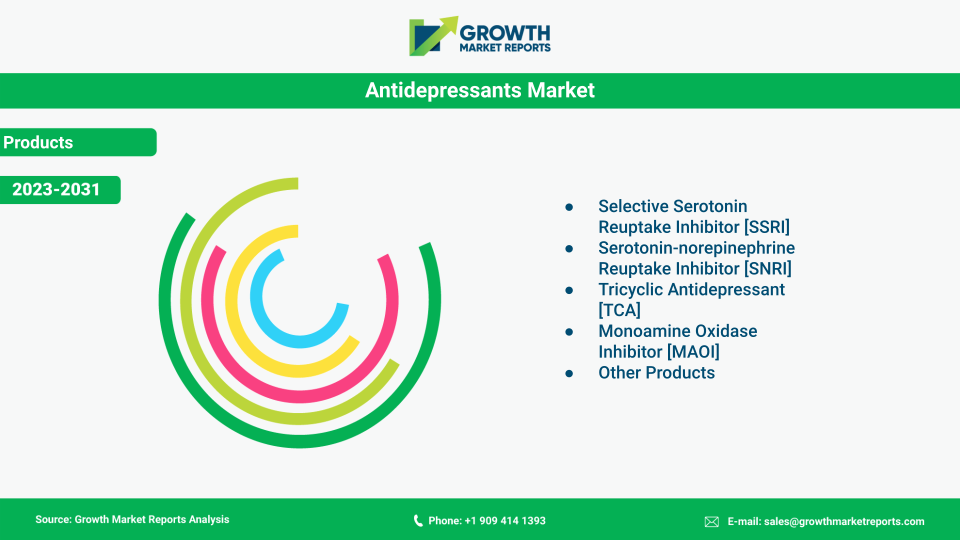
The drug class segment of the antidepressants market is highly diversified, encompassing several therapeutic categories, each with distinct mechanisms of action and clinical applications. Selective Serotonin Reuptake Inhibitors (SSRIs) represent the largest and most widely prescribed class, owing to their favorable safety profile, tolerability, and efficacy in treating major depressive disorder (MDD) and various anxiety disorders. SSRIs such as sertraline, fluoxetine, and escitalopram have become first-line therapies due to their minimal side effects compared to older antidepressants. The continued introduction of new SSRIs and the extension of indications for existing drugs are expected to maintain this classÂ’s leading position in the market.

In the realm of psychiatric treatment, Vortioxetine Hydrobromide has emerged as a noteworthy antidepressant with a distinct pharmacological profile. Known for its multimodal activity, Vortioxetine Hydrobromide modulates multiple serotonin receptors and inhibits the serotonin transporter, offering a unique mechanism that enhances both antidepressant efficacy and cognitive function. This dual action not only alleviates depressive symptoms but also addresses cognitive impairments often associated with depression. The introduction of Vortioxetine Hydrobromide reflects the ongoing innovation in antidepressant therapy, providing clinicians with a versatile tool to tailor treatment plans for patients with varying clinical needs.

Serotonin and Norepinephrine Reuptake Inhibitors (SNRIs) form another significant segment, offering an alternative for patients who do not respond adequately to SSRIs. SNRIs like venlafaxine and duloxetine are effective in treating both depressive and generalized anxiety disorders, with additional benefits for chronic pain management. Their dual-action mechanism, targeting both serotonin and norepinephrine pathways, has made them increasingly popular among clinicians. The ongoing development of novel SNRIs and the expansion of their therapeutic indications are likely to drive further growth in this segment.

Tricyclic Antidepressants (TCAs) and Monoamine Oxidase Inhibitors (MAOIs) are older classes that, while less commonly used due to their side effect profiles, still play a crucial role in treatment-resistant cases and specific clinical scenarios. TCAs, such as amitriptyline and nortriptyline, are valued for their efficacy in severe depression and certain pain syndromes, though their usage is limited by anticholinergic and cardiovascular side effects. MAOIs, including phenelzine and tranylcypromine, are typically reserved for refractory depression but require dietary restrictions and careful monitoring. Despite declining market shares, these classes remain essential options within the therapeutic arsenal.

Atypical antidepressants, including bupropion, mirtazapine, and trazodone, have gained traction due to their unique mechanisms and favorable side effect profiles. These medications are often prescribed when patients experience intolerable side effects with SSRIs or SNRIs or require adjunctive therapy. The development of novel atypical agents, particularly those targeting glutamate and other non-monoaminergic systems, represents an exciting frontier in antidepressant therapy. The “others” category, encompassing new and investigational drug classes, continues to evolve as research uncovers additional biological targets for depression treatment.

Overall, the competitive landscape among drug classes is shaped by ongoing innovation, shifting prescribing patterns, and the need for individualized treatment approaches. The increasing emphasis on personalized medicine and the identification of biomarkers for treatment response are expected to influence future trends in antidepressant prescribing, further diversifying the market and enhancing patient outcomes.

Report Scope

Attributes Details
Report Title Antidepressants Market Research Report 2033
By Drug Class Selective Serotonin Reuptake Inhibitors, Serotonin and Norepinephrine Reuptake Inhibitors, Tricyclic Antidepressants, Monoamine Oxidase Inhibitors, Atypical Antidepressants, Others
By Indication Major Depressive Disorder, Obsessive-Compulsive Disorder, Generalized Anxiety Disorder, Panic Disorder, Others
By Distribution Channel Hospital Pharmacies, Retail Pharmacies, Online Pharmacies, Others
Regions Covered North America, Europe, APAC, Latin America, MEA
Base Year 2024
Historic Data 2018-2023
Forecast Period 2025-2033
Number of Pages 297
Number of Tables & Figures 359
Customization Available Yes, the report can be customized as per your need.

Indication Analysis

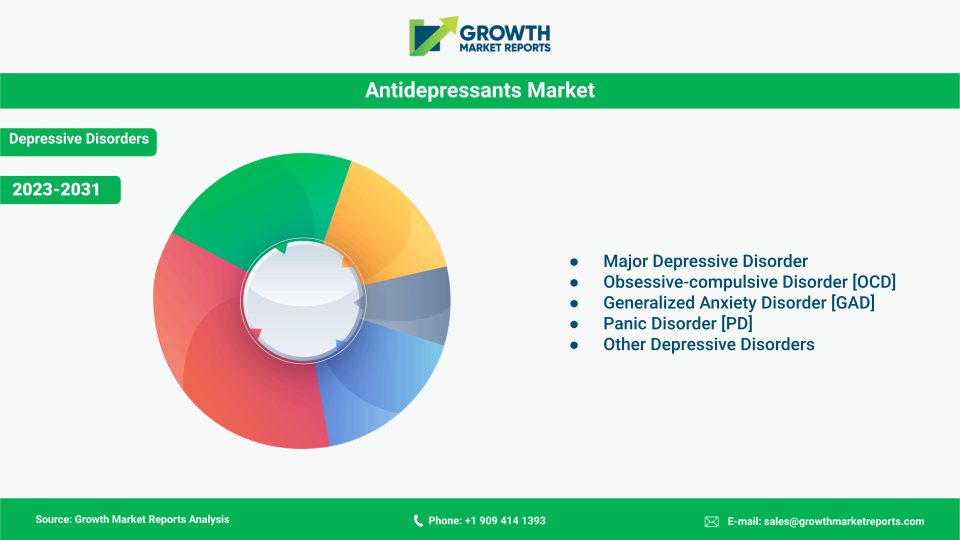
The indication segment of the antidepressants market is dominated by major depressive disorder (MDD), which accounts for the largest share of prescriptions globally. MDD is a prevalent and debilitating condition, with a growing number of patients seeking treatment due to increased awareness and improved diagnostic capabilities. The wide range of antidepressant options available for MDD, including SSRIs, SNRIs, and atypical agents, enables clinicians to tailor therapy based on individual patient needs and comorbidities. The burden of untreated depression, associated with significant morbidity and mortality, underscores the critical importance of effective pharmacological interventions in this indication.

Obsessive-compulsive disorder (OCD) and generalized anxiety disorder (GAD) represent significant secondary indications for antidepressant therapy. SSRIs and certain SNRIs are approved for these conditions, offering substantial symptom relief and improving quality of life for affected individuals. The increasing recognition of anxiety disorders as chronic and disabling conditions has led to a rise in antidepressant prescriptions for these indications. Additionally, the overlap between depressive and anxiety symptoms in many patients further supports the use of these medications across multiple psychiatric diagnoses.

Panic disorder is another important indication for antidepressant use, with SSRIs, SNRIs, and certain TCAs demonstrating efficacy in reducing the frequency and severity of panic attacks. The growing understanding of the neurobiological underpinnings of panic disorder has led to more targeted treatment approaches and improved patient outcomes. The availability of both older and newer antidepressants provides clinicians with a range of options to address the diverse needs of patients with panic disorder.

The “others” category within the indication segment includes conditions such as post-traumatic stress disorder (PTSD), social anxiety disorder, and chronic pain syndromes, where antidepressants have shown benefit. The expanding body of clinical evidence supporting the use of antidepressants in these indications is expected to drive further market growth. Additionally, ongoing research into the utility of antidepressants for emerging indications, such as menopausal symptoms and certain neurological disorders, may open new avenues for market expansion in the coming years.

Overall, the indication analysis highlights the versatility of antidepressants in managing a broad spectrum of psychiatric and medical conditions. The continued evolution of clinical guidelines and the integration of pharmacogenomic data into treatment decision-making are likely to refine indication-specific prescribing patterns, enhancing the effectiveness and safety of antidepressant therapy across diverse patient populations.

Distribution Channel Analysis

The distribution channel segment plays a pivotal role in the accessibility and availability of antidepressant medications. Hospital pharmacies are a key distribution channel, particularly for patients receiving inpatient psychiatric care or those with complex medical needs. These settings ensure the timely administration of antidepressants and facilitate close monitoring of therapeutic response and adverse effects. Hospital pharmacies often collaborate with multidisciplinary teams to optimize medication management and support transitions of care, thereby enhancing treatment continuity and patient outcomes.

Retail pharmacies account for the largest share of antidepressant sales, serving as the primary point of access for the majority of outpatients. The widespread presence of retail pharmacies, coupled with extended operating hours and convenient locations, has made them a preferred choice for patients and caregivers. Retail pharmacists play a crucial role in patient education, medication counseling, and adherence support, all of which are essential for the effective management of chronic psychiatric conditions. The integration of digital prescription services and medication synchronization programs has further streamlined the dispensing process in this channel.

Online pharmacies are gaining significant traction, particularly in the wake of the COVID-19 pandemic, which accelerated the adoption of e-commerce and telemedicine services. Online platforms offer discreet, convenient, and often cost-effective options for patients to obtain antidepressant prescriptions, especially for those residing in remote or underserved areas. The growth of online pharmacies is supported by advancements in digital health technology, secure payment systems, and regulatory frameworks that ensure medication safety and authenticity. However, challenges related to prescription verification and the potential for misuse require ongoing attention from industry stakeholders.

The “others” category encompasses a range of alternative distribution channels, including specialty pharmacies, mail-order services, and community health centers. These channels cater to specific patient populations, such as those requiring complex medication regimens or long-term maintenance therapy. Specialty pharmacies, in particular, provide comprehensive support services, including medication therapy management, adherence monitoring, and coordination with healthcare providers, thereby optimizing clinical outcomes for patients with severe or treatment-resistant depression.

In summary, the distribution channel landscape is evolving in response to changing patient preferences, technological advancements, and regulatory developments. The increasing emphasis on patient-centered care, medication adherence, and access to mental health services is expected to shape the future of antidepressant distribution, with a growing focus on integrating physical and digital channels to enhance the patient experience.

Opportunities & Threats

The antidepressants market presents numerous opportunities for growth, particularly through the development of innovative therapies and the expansion of treatment indications. The rising prevalence of treatment-resistant depression and the unmet need for rapid-acting antidepressants have spurred significant research and investment in novel drug candidates. Breakthroughs in neurobiology, including the identification of new molecular targets such as glutamate receptors and neurotrophic factors, are paving the way for next-generation antidepressants with improved efficacy and faster onset of action. Additionally, the integration of digital health tools, such as mobile applications and telepsychiatry platforms, offers opportunities to enhance patient engagement, monitor treatment response, and improve medication adherence. These advancements are expected to drive market growth by addressing existing gaps in care and expanding the therapeutic armamentarium available to clinicians.

Another promising opportunity lies in the increasing focus on personalized medicine and pharmacogenomics in psychiatry. The ability to tailor antidepressant therapy based on individual genetic profiles, biomarkers, and clinical characteristics holds the potential to optimize treatment outcomes and minimize adverse effects. Pharmaceutical companies and research institutions are actively exploring the use of companion diagnostics and precision medicine approaches to identify patients most likely to benefit from specific antidepressants. This shift towards individualized care is expected to enhance patient satisfaction, reduce trial-and-error prescribing, and improve overall treatment success rates. Furthermore, the growing acceptance of combination therapies and adjunctive treatments, such as psychotherapy and neuromodulation, creates additional opportunities for market expansion and innovation.

Despite these opportunities, the antidepressants market faces several restraining factors, most notably the persistent stigma associated with mental health disorders and the use of psychiatric medications. Cultural barriers, misconceptions about antidepressant safety and efficacy, and concerns about dependence or side effects can deter patients from seeking treatment or adhering to prescribed regimens. Additionally, the slow pace of drug development, stringent regulatory requirements, and the high cost of bringing new therapies to market pose challenges for pharmaceutical companies. The availability of generic alternatives and pricing pressures further intensify competition, potentially impacting profit margins and limiting the commercial viability of novel antidepressants.

Regional Outlook

The North American region continues to lead the global antidepressants market, accounting for a substantial share of USD 7.5 billion in 2024. This dominance is attributed to high mental health awareness, advanced healthcare infrastructure, and the presence of leading pharmaceutical companies. The United States, in particular, exhibits high prescription rates for antidepressants, supported by favorable reimbursement policies and comprehensive insurance coverage for mental health treatments. Canada also contributes significantly, with government initiatives aimed at improving access to mental health care. The North American market is expected to maintain steady growth, with a projected CAGR of 5.8% through 2033.

Europe holds the second-largest market share, with revenues reaching USD 4.9 billion in 2024. The region benefits from strong public health systems, widespread mental health awareness, and proactive government policies supporting mental health care. Countries such as the United Kingdom, Germany, and France are at the forefront of mental health advocacy and research, driving demand for antidepressant medications. The European market is characterized by a growing geriatric population and increasing recognition of depression and anxiety disorders among the elderly. Eastern European countries are also witnessing rising antidepressant consumption, supported by improving healthcare access and evolving societal attitudes towards mental health.

The Asia Pacific region is emerging as the fastest-growing market, with a current value of USD 3.2 billion in 2024 and an anticipated CAGR of 8.1% through 2033. Rapid urbanization, increasing mental health awareness, and expanding healthcare infrastructure in countries like China, India, and Japan are key drivers of growth. Government initiatives aimed at integrating mental health services into primary care and reducing stigma are further supporting market expansion. The regionÂ’s large and diverse population, coupled with rising disposable incomes and improved access to healthcare, presents significant opportunities for pharmaceutical companies to expand their footprint and address unmet mental health needs. Latin America and the Middle East & Africa, though smaller in market size at USD 1.1 billion and USD 0.5 billion respectively in 2024, are poised for moderate growth as mental health awareness and healthcare infrastructure continue to improve.

Antidepressants Market Statistics

Competitor Outlook

The antidepressants market is characterized by intense competition and a dynamic landscape shaped by the presence of both multinational pharmaceutical giants and emerging players. The competitive environment is driven by ongoing research and development activities, the introduction of novel drug formulations, and strategic collaborations aimed at expanding product portfolios and market reach. Companies compete on the basis of drug efficacy, safety profiles, pricing strategies, and brand recognition, with a growing emphasis on patient-centric approaches and personalized medicine. The increasing availability of generic antidepressants has intensified price competition, prompting innovators to focus on differentiated products and value-added services to maintain market share.

Strategic partnerships, mergers, and acquisitions are common in the antidepressants market, as companies seek to leverage complementary strengths and accelerate the development of new therapies. Collaborations with academic institutions, biotechnology firms, and digital health companies have enabled the exploration of novel drug targets, advanced delivery systems, and innovative patient engagement tools. The pursuit of regulatory approvals for expanded indications and new formulations remains a key focus, with companies investing heavily in clinical trials and real-world evidence generation to demonstrate the value of their products. Market leaders also prioritize post-marketing surveillance and pharmacovigilance to ensure ongoing safety and efficacy in diverse patient populations.

The competitive landscape is further shaped by the growing importance of digital health and telemedicine in mental health care. Companies are increasingly integrating digital therapeutics, remote monitoring, and data analytics into their offerings to enhance patient outcomes and differentiate their products. The ability to provide comprehensive support services, such as medication adherence programs and mental health counseling, is becoming a critical factor in achieving competitive advantage. Additionally, the focus on sustainability, corporate social responsibility, and ethical marketing practices is gaining prominence, reflecting the evolving expectations of patients, healthcare providers, and regulators.

Major companies operating in the global antidepressants market include Pfizer Inc., Eli Lilly and Company, GlaxoSmithKline plc, AstraZeneca plc, Novartis AG, Allergan plc (now AbbVie Inc.), Johnson & Johnson, Takeda Pharmaceutical Company Limited, Merck & Co., Inc., and Bristol-Myers Squibb Company. Pfizer is a leader with its blockbuster antidepressant, sertraline, while Eli Lilly has a strong presence with duloxetine and fluoxetine. GlaxoSmithKlineÂ’s paroxetine and AstraZenecaÂ’s quetiapine are also widely prescribed. These companies invest significantly in research and development, aiming to introduce innovative therapies and expand their product pipelines.

In addition to established players, several smaller and specialty pharmaceutical firms are making inroads into the market by focusing on niche indications, novel drug delivery systems, and the development of biosimilars and generics. Takeda Pharmaceutical Company, for example, has expanded its portfolio through strategic acquisitions and partnerships. Johnson & Johnson has made significant strides with esketamine, a novel rapid-acting antidepressant for treatment-resistant depression, reflecting the trend towards innovative therapies. The competitive landscape is expected to remain dynamic, with ongoing innovation, regulatory developments, and evolving patient needs shaping the future of the antidepressants market.

Key Players

  • Pfizer Inc.
  • Eli Lilly and Company
  • GlaxoSmithKline plc
  • AstraZeneca plc
  • Johnson & Johnson
  • Merck & Co., Inc.
  • Sanofi S.A.
  • Bristol-Myers Squibb Company
  • Novartis AG
  • Allergan plc (now part of AbbVie Inc.)
  • Takeda Pharmaceutical Company Limited
  • H. Lundbeck A/S
  • Otsuka Pharmaceutical Co., Ltd.
  • Sun Pharmaceutical Industries Ltd.
  • Teva Pharmaceutical Industries Ltd.
  • Mylan N.V. (now part of Viatris Inc.)
  • Dr. ReddyÂ’s Laboratories Ltd.
  • Cipla Limited
  • Aurobindo Pharma Limited
  • Torrent Pharmaceuticals Ltd.
Antidepressants Market Overview

Segments

The Antidepressants market has been segmented on the basis of

Drug Class

  • Selective Serotonin Reuptake Inhibitors
  • Serotonin and Norepinephrine Reuptake Inhibitors
  • Tricyclic Antidepressants
  • Monoamine Oxidase Inhibitors
  • Atypical Antidepressants
  • Others

Indication

  • Major Depressive Disorder
  • Obsessive-Compulsive Disorder
  • Generalized Anxiety Disorder
  • Panic Disorder
  • Others

Distribution Channel

  • Hospital Pharmacies
  • Retail Pharmacies
  • Online Pharmacies
  • Others

Competitive Landscape

Key players competing in the global antidepressants market include Allergan PLC, AstraZeneca, Eli Lilly and Company, GlaxoSmithKline PLC, H. Lundbeck AS, Johnson & Johnson, and Pfizer Inc.
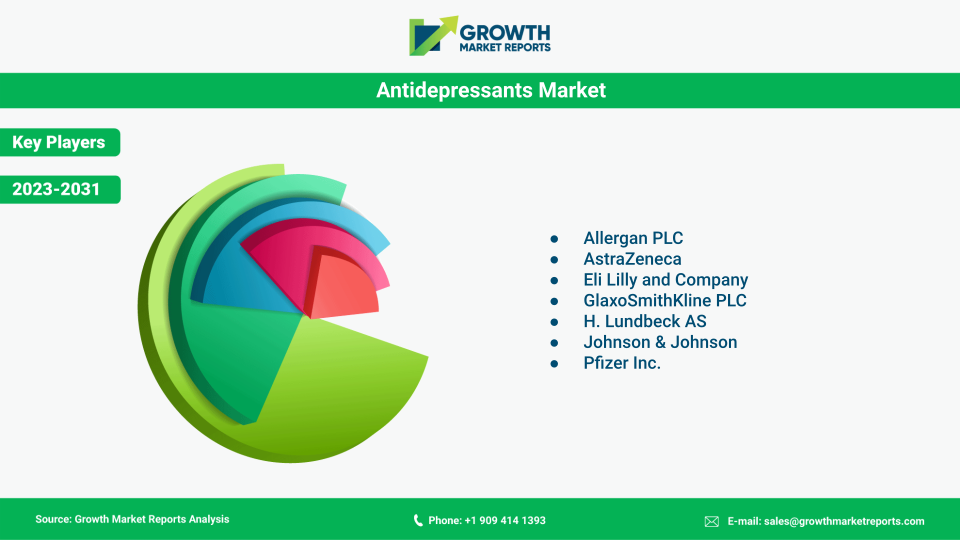
Antidepressants Market Key Players

Frequently Asked Questions

Challenges include persistent stigma around mental health, regulatory hurdles, high drug development costs, competition from generics, and concerns about side effects and medication adherence.

Trends include the development of rapid-acting and personalized antidepressants, integration of digital health tools, expansion of treatment indications, and increased focus on telemedicine and patient-centered care.

Key companies include Pfizer Inc., Eli Lilly and Company, GlaxoSmithKline plc, AstraZeneca plc, Johnson & Johnson, Merck & Co., Novartis AG, Allergan plc (AbbVie Inc.), Takeda Pharmaceutical Company Limited, and Bristol-Myers Squibb Company.

Antidepressants are distributed primarily through retail pharmacies, hospital pharmacies, and increasingly through online pharmacies. Specialty pharmacies and mail-order services also play a role.

North America holds the largest market share, followed by Europe. The Asia Pacific region is the fastest-growing market due to increasing mental health awareness and expanding healthcare infrastructure.

Major depressive disorder (MDD) is the leading indication, followed by obsessive-compulsive disorder (OCD), generalized anxiety disorder (GAD), panic disorder, and other conditions such as PTSD and chronic pain syndromes.

Selective Serotonin Reuptake Inhibitors (SSRIs) are the most widely prescribed class, followed by Serotonin and Norepinephrine Reuptake Inhibitors (SNRIs), Tricyclic Antidepressants (TCAs), Monoamine Oxidase Inhibitors (MAOIs), and atypical antidepressants.

Key growth drivers include the increasing prevalence of depressive and anxiety disorders, rising mental health awareness, innovation in drug development, improved healthcare infrastructure, and the destigmatization of mental health treatment.

The antidepressants market is expected to grow at a compound annual growth rate (CAGR) of 6.5% through 2033, reaching approximately USD 30.1 billion.

As of 2024, the global antidepressants market size is valued at USD 17.2 billion.

Table Of Content

Chapter 1 Executive Summary
Chapter 2 Assumptions and Acronyms Used
Chapter 3 Research Methodology
Chapter 4 Antidepressants Market Overview
   4.1 Introduction
      4.1.1 Market Taxonomy
      4.1.2 Market Definition
      4.1.3 Macro-Economic Factors Impacting the Market Growth
   4.2 Antidepressants Market Dynamics
      4.2.1 Market Drivers
      4.2.2 Market Restraints
      4.2.3 Market Opportunity
   4.3 Antidepressants Market - Supply Chain Analysis
      4.3.1 List of Key Suppliers
      4.3.2 List of Key Distributors
      4.3.3 List of Key Consumers
   4.4 Key Forces Shaping the Antidepressants Market
      4.4.1 Bargaining Power of Suppliers
      4.4.2 Bargaining Power of Buyers
      4.4.3 Threat of Substitution
      4.4.4 Threat of New Entrants
      4.4.5 Competitive Rivalry
   4.5 Global Antidepressants Market Size & Forecast, 2023-2032
      4.5.1 Antidepressants Market Size and Y-o-Y Growth
      4.5.2 Antidepressants Market Absolute $ Opportunity

Chapter 5 Global Antidepressants Market Analysis and Forecast By Drug Class
   5.1 Introduction
      5.1.1 Key Market Trends & Growth Opportunities By Drug Class
      5.1.2 Basis Point Share (BPS) Analysis By Drug Class
      5.1.3 Absolute $ Opportunity Assessment By Drug Class
   5.2 Antidepressants Market Size Forecast By Drug Class
      5.2.1 Selective Serotonin Reuptake Inhibitors
      5.2.2 Serotonin and Norepinephrine Reuptake Inhibitors
      5.2.3 Tricyclic Antidepressants
      5.2.4 Monoamine Oxidase Inhibitors
      5.2.5 Atypical Antidepressants
      5.2.6 Others
   5.3 Market Attractiveness Analysis By Drug Class

Chapter 6 Global Antidepressants Market Analysis and Forecast By Indication
   6.1 Introduction
      6.1.1 Key Market Trends & Growth Opportunities By Indication
      6.1.2 Basis Point Share (BPS) Analysis By Indication
      6.1.3 Absolute $ Opportunity Assessment By Indication
   6.2 Antidepressants Market Size Forecast By Indication
      6.2.1 Major Depressive Disorder
      6.2.2 Obsessive-Compulsive Disorder
      6.2.3 Generalized Anxiety Disorder
      6.2.4 Panic Disorder
      6.2.5 Others
   6.3 Market Attractiveness Analysis By Indication

Chapter 7 Global Antidepressants Market Analysis and Forecast By Distribution Channel
   7.1 Introduction
      7.1.1 Key Market Trends & Growth Opportunities By Distribution Channel
      7.1.2 Basis Point Share (BPS) Analysis By Distribution Channel
      7.1.3 Absolute $ Opportunity Assessment By Distribution Channel
   7.2 Antidepressants Market Size Forecast By Distribution Channel
      7.2.1 Hospital Pharmacies
      7.2.2 Retail Pharmacies
      7.2.3 Online Pharmacies
      7.2.4 Others
   7.3 Market Attractiveness Analysis By Distribution Channel

Chapter 8 Global Antidepressants Market Analysis and Forecast by Region
   8.1 Introduction
      8.1.1 Key Market Trends & Growth Opportunities By Region
      8.1.2 Basis Point Share (BPS) Analysis By Region
      8.1.3 Absolute $ Opportunity Assessment By Region
   8.2 Antidepressants Market Size Forecast By Region
      8.2.1 North America
      8.2.2 Europe
      8.2.3 Asia Pacific
      8.2.4 Latin America
      8.2.5 Middle East & Africa (MEA)
   8.3 Market Attractiveness Analysis By Region

Chapter 9 Coronavirus Disease (COVID-19) Impact 
   9.1 Introduction 
   9.2 Current & Future Impact Analysis 
   9.3 Economic Impact Analysis 
   9.4 Government Policies 
   9.5 Investment Scenario

Chapter 10 North America Antidepressants Analysis and Forecast
   10.1 Introduction
   10.2 North America Antidepressants Market Size Forecast by Country
      10.2.1 U.S.
      10.2.2 Canada
   10.3 Basis Point Share (BPS) Analysis by Country
   10.4 Absolute $ Opportunity Assessment by Country
   10.5 Market Attractiveness Analysis by Country
   10.6 North America Antidepressants Market Size Forecast By Drug Class
      10.6.1 Selective Serotonin Reuptake Inhibitors
      10.6.2 Serotonin and Norepinephrine Reuptake Inhibitors
      10.6.3 Tricyclic Antidepressants
      10.6.4 Monoamine Oxidase Inhibitors
      10.6.5 Atypical Antidepressants
      10.6.6 Others
   10.7 Basis Point Share (BPS) Analysis By Drug Class 
   10.8 Absolute $ Opportunity Assessment By Drug Class 
   10.9 Market Attractiveness Analysis By Drug Class
   10.10 North America Antidepressants Market Size Forecast By Indication
      10.10.1 Major Depressive Disorder
      10.10.2 Obsessive-Compulsive Disorder
      10.10.3 Generalized Anxiety Disorder
      10.10.4 Panic Disorder
      10.10.5 Others
   10.11 Basis Point Share (BPS) Analysis By Indication 
   10.12 Absolute $ Opportunity Assessment By Indication 
   10.13 Market Attractiveness Analysis By Indication
   10.14 North America Antidepressants Market Size Forecast By Distribution Channel
      10.14.1 Hospital Pharmacies
      10.14.2 Retail Pharmacies
      10.14.3 Online Pharmacies
      10.14.4 Others
   10.15 Basis Point Share (BPS) Analysis By Distribution Channel 
   10.16 Absolute $ Opportunity Assessment By Distribution Channel 
   10.17 Market Attractiveness Analysis By Distribution Channel

Chapter 11 Europe Antidepressants Analysis and Forecast
   11.1 Introduction
   11.2 Europe Antidepressants Market Size Forecast by Country
      11.2.1 Germany
      11.2.2 France
      11.2.3 Italy
      11.2.4 U.K.
      11.2.5 Spain
      11.2.6 Russia
      11.2.7 Rest of Europe
   11.3 Basis Point Share (BPS) Analysis by Country
   11.4 Absolute $ Opportunity Assessment by Country
   11.5 Market Attractiveness Analysis by Country
   11.6 Europe Antidepressants Market Size Forecast By Drug Class
      11.6.1 Selective Serotonin Reuptake Inhibitors
      11.6.2 Serotonin and Norepinephrine Reuptake Inhibitors
      11.6.3 Tricyclic Antidepressants
      11.6.4 Monoamine Oxidase Inhibitors
      11.6.5 Atypical Antidepressants
      11.6.6 Others
   11.7 Basis Point Share (BPS) Analysis By Drug Class 
   11.8 Absolute $ Opportunity Assessment By Drug Class 
   11.9 Market Attractiveness Analysis By Drug Class
   11.10 Europe Antidepressants Market Size Forecast By Indication
      11.10.1 Major Depressive Disorder
      11.10.2 Obsessive-Compulsive Disorder
      11.10.3 Generalized Anxiety Disorder
      11.10.4 Panic Disorder
      11.10.5 Others
   11.11 Basis Point Share (BPS) Analysis By Indication 
   11.12 Absolute $ Opportunity Assessment By Indication 
   11.13 Market Attractiveness Analysis By Indication
   11.14 Europe Antidepressants Market Size Forecast By Distribution Channel
      11.14.1 Hospital Pharmacies
      11.14.2 Retail Pharmacies
      11.14.3 Online Pharmacies
      11.14.4 Others
   11.15 Basis Point Share (BPS) Analysis By Distribution Channel 
   11.16 Absolute $ Opportunity Assessment By Distribution Channel 
   11.17 Market Attractiveness Analysis By Distribution Channel

Chapter 12 Asia Pacific Antidepressants Analysis and Forecast
   12.1 Introduction
   12.2 Asia Pacific Antidepressants Market Size Forecast by Country
      12.2.1 China
      12.2.2 Japan
      12.2.3 South Korea
      12.2.4 India
      12.2.5 Australia
      12.2.6 South East Asia (SEA)
      12.2.7 Rest of Asia Pacific (APAC)
   12.3 Basis Point Share (BPS) Analysis by Country
   12.4 Absolute $ Opportunity Assessment by Country
   12.5 Market Attractiveness Analysis by Country
   12.6 Asia Pacific Antidepressants Market Size Forecast By Drug Class
      12.6.1 Selective Serotonin Reuptake Inhibitors
      12.6.2 Serotonin and Norepinephrine Reuptake Inhibitors
      12.6.3 Tricyclic Antidepressants
      12.6.4 Monoamine Oxidase Inhibitors
      12.6.5 Atypical Antidepressants
      12.6.6 Others
   12.7 Basis Point Share (BPS) Analysis By Drug Class 
   12.8 Absolute $ Opportunity Assessment By Drug Class 
   12.9 Market Attractiveness Analysis By Drug Class
   12.10 Asia Pacific Antidepressants Market Size Forecast By Indication
      12.10.1 Major Depressive Disorder
      12.10.2 Obsessive-Compulsive Disorder
      12.10.3 Generalized Anxiety Disorder
      12.10.4 Panic Disorder
      12.10.5 Others
   12.11 Basis Point Share (BPS) Analysis By Indication 
   12.12 Absolute $ Opportunity Assessment By Indication 
   12.13 Market Attractiveness Analysis By Indication
   12.14 Asia Pacific Antidepressants Market Size Forecast By Distribution Channel
      12.14.1 Hospital Pharmacies
      12.14.2 Retail Pharmacies
      12.14.3 Online Pharmacies
      12.14.4 Others
   12.15 Basis Point Share (BPS) Analysis By Distribution Channel 
   12.16 Absolute $ Opportunity Assessment By Distribution Channel 
   12.17 Market Attractiveness Analysis By Distribution Channel

Chapter 13 Latin America Antidepressants Analysis and Forecast
   13.1 Introduction
   13.2 Latin America Antidepressants Market Size Forecast by Country
      13.2.1 Brazil
      13.2.2 Mexico
      13.2.3 Rest of Latin America (LATAM)
   13.3 Basis Point Share (BPS) Analysis by Country
   13.4 Absolute $ Opportunity Assessment by Country
   13.5 Market Attractiveness Analysis by Country
   13.6 Latin America Antidepressants Market Size Forecast By Drug Class
      13.6.1 Selective Serotonin Reuptake Inhibitors
      13.6.2 Serotonin and Norepinephrine Reuptake Inhibitors
      13.6.3 Tricyclic Antidepressants
      13.6.4 Monoamine Oxidase Inhibitors
      13.6.5 Atypical Antidepressants
      13.6.6 Others
   13.7 Basis Point Share (BPS) Analysis By Drug Class 
   13.8 Absolute $ Opportunity Assessment By Drug Class 
   13.9 Market Attractiveness Analysis By Drug Class
   13.10 Latin America Antidepressants Market Size Forecast By Indication
      13.10.1 Major Depressive Disorder
      13.10.2 Obsessive-Compulsive Disorder
      13.10.3 Generalized Anxiety Disorder
      13.10.4 Panic Disorder
      13.10.5 Others
   13.11 Basis Point Share (BPS) Analysis By Indication 
   13.12 Absolute $ Opportunity Assessment By Indication 
   13.13 Market Attractiveness Analysis By Indication
   13.14 Latin America Antidepressants Market Size Forecast By Distribution Channel
      13.14.1 Hospital Pharmacies
      13.14.2 Retail Pharmacies
      13.14.3 Online Pharmacies
      13.14.4 Others
   13.15 Basis Point Share (BPS) Analysis By Distribution Channel 
   13.16 Absolute $ Opportunity Assessment By Distribution Channel 
   13.17 Market Attractiveness Analysis By Distribution Channel

Chapter 14 Middle East & Africa (MEA) Antidepressants Analysis and Forecast
   14.1 Introduction
   14.2 Middle East & Africa (MEA) Antidepressants Market Size Forecast by Country
      14.2.1 Saudi Arabia
      14.2.2 South Africa
      14.2.3 UAE
      14.2.4 Rest of Middle East & Africa (MEA)
   14.3 Basis Point Share (BPS) Analysis by Country
   14.4 Absolute $ Opportunity Assessment by Country
   14.5 Market Attractiveness Analysis by Country
   14.6 Middle East & Africa (MEA) Antidepressants Market Size Forecast By Drug Class
      14.6.1 Selective Serotonin Reuptake Inhibitors
      14.6.2 Serotonin and Norepinephrine Reuptake Inhibitors
      14.6.3 Tricyclic Antidepressants
      14.6.4 Monoamine Oxidase Inhibitors
      14.6.5 Atypical Antidepressants
      14.6.6 Others
   14.7 Basis Point Share (BPS) Analysis By Drug Class 
   14.8 Absolute $ Opportunity Assessment By Drug Class 
   14.9 Market Attractiveness Analysis By Drug Class
   14.10 Middle East & Africa (MEA) Antidepressants Market Size Forecast By Indication
      14.10.1 Major Depressive Disorder
      14.10.2 Obsessive-Compulsive Disorder
      14.10.3 Generalized Anxiety Disorder
      14.10.4 Panic Disorder
      14.10.5 Others
   14.11 Basis Point Share (BPS) Analysis By Indication 
   14.12 Absolute $ Opportunity Assessment By Indication 
   14.13 Market Attractiveness Analysis By Indication
   14.14 Middle East & Africa (MEA) Antidepressants Market Size Forecast By Distribution Channel
      14.14.1 Hospital Pharmacies
      14.14.2 Retail Pharmacies
      14.14.3 Online Pharmacies
      14.14.4 Others
   14.15 Basis Point Share (BPS) Analysis By Distribution Channel 
   14.16 Absolute $ Opportunity Assessment By Distribution Channel 
   14.17 Market Attractiveness Analysis By Distribution Channel

Chapter 15 Competition Landscape 
   15.1 Antidepressants Market: Competitive Dashboard
   15.2 Global Antidepressants Market: Market Share Analysis, 2023
   15.3 Company Profiles (Details – Overview, Financials, Developments, Strategy) 
      15.3.1 Pfizer Inc.
Eli Lilly and Company
GlaxoSmithKline plc
AstraZeneca plc
Johnson & Johnson
Merck & Co., Inc.
Sanofi S.A.
Bristol-Myers Squibb Company
Novartis AG
Allergan plc (now part of AbbVie Inc.)
Takeda Pharmaceutical Company Limited
H. Lundbeck A/S
Otsuka Pharmaceutical Co., Ltd.
Sun Pharmaceutical Industries Ltd.
Teva Pharmaceutical Industries Ltd.
Mylan N.V. (now part of Viatris Inc.)
Dr. Reddy’s Laboratories Ltd.
Cipla Limited
Aurobindo Pharma Limited
Torrent Pharmaceuticals Ltd.

Methodology

Our Clients

The John Holland Group
Deloitte
General Mills
Honda Motor Co. Ltd.
Microsoft
sinopec
Pfizer
Siemens Healthcare