Segments - by Drug Type (Bevacizumab, Ranibizumab, Aflibercept, Pegaptanib, Others), by Application (Cancer, Age-related Macular Degeneration, Diabetic Retinopathy, Retinal Vein Occlusion, Others), by Route Of Administration (Intravenous, Intravitreal, Others), by Distribution Channel (Hospital Pharmacies, Retail Pharmacies, Online Pharmacies, Others)
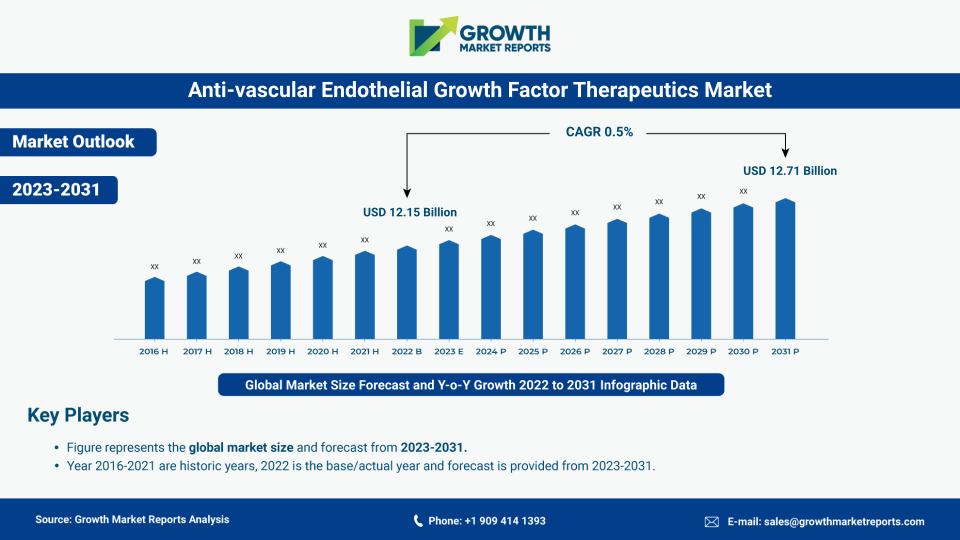
According to our latest research, the global Anti-vascular Endothelial Growth Factor (Anti-VEGF) Therapeutics market size reached USD 13.8 billion in 2024, reflecting robust demand across both oncology and ophthalmology sectors. The market is expected to expand at a healthy CAGR of 7.1% from 2025 to 2033, with a projected market value of USD 25.4 billion by 2033. This growth is primarily driven by the increasing prevalence of chronic diseases such as cancer, age-related macular degeneration, and diabetic retinopathy, coupled with continuous advancements in biologics and monoclonal antibody therapies. As per our latest research, the Anti-VEGF therapeutics market is undergoing significant transformation due to rising investments in R&D and the introduction of novel treatment approaches targeting vascular endothelial growth factor pathways.
One of the most significant growth factors propelling the Anti-VEGF therapeutics market is the surging incidence of retinal disorders and cancer globally. The aging population, particularly in developed regions, has led to an increased prevalence of age-related macular degeneration (AMD) and diabetic retinopathy, two conditions where Anti-VEGF agents have become the standard of care. Furthermore, the increasing burden of cancer, especially solid tumors like colorectal, lung, and renal cancers, has expanded the therapeutic applications of Anti-VEGF drugs such as bevacizumab. The need for targeted therapies that offer improved efficacy with reduced systemic toxicity continues to fuel the adoption and expansion of Anti-VEGF therapeutics in both oncology and ophthalmology domains.
Another critical driver is the continuous innovation and approval of new Anti-VEGF agents and biosimilars. Pharmaceutical companies are heavily investing in clinical trials to expand the label indications of existing drugs and to develop next-generation molecules with enhanced pharmacokinetic profiles and lower immunogenicity. This has resulted in a diversified product pipeline, with several promising candidates in late-stage development targeting both rare and common diseases. Additionally, the emergence of biosimilars is expected to improve accessibility and affordability, particularly in emerging markets, thereby broadening the patient base and driving overall market growth. Strategic collaborations between biotech firms and large pharmaceutical companies are further accelerating the pace of innovation in this sector.
The Anti-VEGF therapeutics market is also benefiting from increasing healthcare expenditure, improved diagnostic capabilities, and greater awareness among patients and healthcare providers. Government initiatives aimed at early detection and management of chronic diseases, particularly in developed countries, are facilitating the adoption of advanced biologic therapies. Moreover, supportive reimbursement policies and the integration of Anti-VEGF drugs into clinical treatment guidelines are enhancing market penetration. However, high treatment costs and the need for repeated administrations, especially in ophthalmic indications, remain challenges that the industry is actively addressing through the development of long-acting formulations and innovative drug delivery systems.
Vilobelimab, a novel therapeutic agent, is gaining attention in the field of inflammatory and autoimmune diseases. Its mechanism of action involves targeting specific pathways that contribute to inflammation, offering a promising approach for conditions that currently have limited treatment options. The development of Vilobelimab underscores the growing trend of personalized medicine, where therapies are tailored to target specific biological pathways. This approach not only enhances treatment efficacy but also minimizes potential side effects, making it a valuable addition to the therapeutic arsenal. As research progresses, Vilobelimab is poised to expand its clinical applications, potentially addressing unmet medical needs in both rare and common diseases.
From a regional perspective, North America continues to dominate the Anti-VEGF therapeutics market owing to its well-established healthcare infrastructure, high disease prevalence, and strong presence of leading pharmaceutical players. Europe follows closely, supported by favorable regulatory frameworks and rising R&D investments. The Asia Pacific region is emerging as a high-growth market, driven by increasing healthcare awareness, a large patient population, and expanding healthcare access in countries like China and India. Latin America and the Middle East & Africa, while smaller in market size, present significant opportunities for growth due to improving healthcare systems and rising adoption of advanced biologics.
The Anti-VEGF therapeutics market by drug type is segmented into Bevacizumab, Ranibizumab, Aflibercept, Pegaptanib, and Others. Among these, Bevacizumab holds the largest market share, attributed to its widespread use in oncology for the treatment of various solid tumors, including colorectal, lung, and renal cancers. Its efficacy in inhibiting angiogenesis and tumor growth, coupled with its established safety profile, has solidified its position as the gold standard in Anti-VEGF therapy. The drug's extensive clinical trial data and broad label indications have further contributed to its dominance in the market. However, the entry of biosimilars and alternative therapies is expected to intensify competition in this segment over the forecast period.
Ranibizumab is another key segment, primarily utilized in the management of retinal disorders such as age-related macular degeneration, diabetic macular edema, and retinal vein occlusion. Its targeted action and favorable safety profile have made it the preferred choice among ophthalmologists for intravitreal administration. The increasing prevalence of retinal diseases, coupled with growing awareness about early diagnosis and treatment, is driving the demand for Ranibizumab globally. Ongoing clinical trials aimed at expanding its indications and the development of long-acting formulations are expected to bolster its market share in the coming years.
Aflibercept has emerged as a strong competitor in both oncology and ophthalmology applications, owing to its unique mechanism of action that targets multiple VEGF isoforms. Its dual utility in treating wet age-related macular degeneration and certain types of cancer has contributed to its rapid adoption in clinical practice. The drug's extended dosing interval and robust efficacy data have made it an attractive option for both patients and healthcare providers. As more real-world evidence accumulates, Aflibercept is poised to capture a larger share of the Anti-VEGF therapeutics market, particularly in regions with high unmet medical needs.
Pegaptanib, while being one of the earlier entrants in the Anti-VEGF space, has seen its market share decline due to the advent of newer agents with superior efficacy and convenience. Nevertheless, it remains a viable option in certain patient populations, especially where alternative therapies are contraindicated. The "Others" category includes emerging agents and biosimilars that are gradually gaining traction, particularly in cost-sensitive markets. The introduction of biosimilars is expected to increase competition, reduce treatment costs, and improve access to Anti-VEGF therapies globally.
Overall, the drug type segment of the Anti-VEGF therapeutics market is characterized by intense competition, ongoing innovation, and a shift towards personalized medicine. The development of next-generation Anti-VEGF agents with improved efficacy, safety, and dosing convenience is likely to reshape the competitive landscape and drive sustained growth in this segment.
| Attributes | Details |
| Report Title | Anti-vascular Endothelial Growth Factor Therapeutics Market Research Report 2033 |
| By Drug Type | Bevacizumab, Ranibizumab, Aflibercept, Pegaptanib, Others |
| By Application | Cancer, Age-related Macular Degeneration, Diabetic Retinopathy, Retinal Vein Occlusion, Others |
| By Route Of Administration | Intravenous, Intravitreal, Others |
| By Distribution Channel | Hospital Pharmacies, Retail Pharmacies, Online Pharmacies, Others |
| Regions Covered | North America, Europe, APAC, Latin America, MEA |
| Base Year | 2024 |
| Historic Data | 2018-2023 |
| Forecast Period | 2025-2033 |
| Number of Pages | 275 |
| Number of Tables & Figures | 285 |
| Customization Available | Yes, the report can be customized as per your need. |
The application segment of the Anti-VEGF therapeutics market is broadly categorized into Cancer, Age-related Macular Degeneration (AMD), Diabetic Retinopathy, Retinal Vein Occlusion, and Others. Among these, cancer represents the largest application segment, driven by the high prevalence of solid tumors and the proven efficacy of Anti-VEGF agents in inhibiting tumor angiogenesis. Bevacizumab, in particular, has become an integral component of combination chemotherapy regimens for various cancers, including colorectal, lung, and renal cell carcinoma. The ongoing expansion of Anti-VEGF indications in oncology, coupled with rising cancer incidence rates, continues to fuel growth in this segment.
Age-related macular degeneration (AMD) is another major application area, with Anti-VEGF therapies revolutionizing the management of this sight-threatening condition. The introduction of intravitreal Anti-VEGF injections has significantly improved visual outcomes and quality of life for AMD patients, reducing the risk of severe vision loss. The growing geriatric population, increased awareness about early intervention, and advancements in diagnostic technologies are key factors driving the adoption of Anti-VEGF therapies in AMD. Ongoing research aimed at developing longer-acting formulations and combination therapies is expected to further enhance treatment outcomes and expand the patient pool.
Diabetic retinopathy and retinal vein occlusion are also significant contributors to the Anti-VEGF therapeutics market, given the rising prevalence of diabetes and associated retinal complications worldwide. Anti-VEGF agents have demonstrated remarkable efficacy in reducing macular edema and improving visual acuity in these conditions. The increasing adoption of Anti-VEGF therapies in ophthalmology clinics, coupled with supportive reimbursement policies, is driving market growth in these segments. The development of sustained-release implants and combination therapies holds promise for improving patient adherence and long-term outcomes.
The "Others" application segment encompasses emerging indications such as neovascular glaucoma, myopic choroidal neovascularization, and certain rare cancers. While these represent a smaller share of the overall market, they offer significant growth potential due to unmet medical needs and ongoing clinical research. Pharmaceutical companies are actively exploring new indications for existing Anti-VEGF agents, which is expected to further diversify the application landscape and create new revenue streams.
In summary, the application segment of the Anti-VEGF therapeutics market is witnessing robust growth across multiple disease areas, driven by expanding clinical indications, increasing disease prevalence, and continuous innovation in drug development. The shift towards personalized and targeted therapies is expected to further enhance the therapeutic potential and market penetration of Anti-VEGF agents in the coming years.
The route of administration segment in the Anti-VEGF therapeutics market is divided into Intravenous, Intravitreal, and Others. Intravenous administration remains the predominant route for Anti-VEGF agents used in oncology, particularly for drugs like bevacizumab. Intravenous delivery ensures systemic exposure and is essential for targeting metastatic and advanced-stage cancers. However, this route is associated with certain challenges, including the need for hospital-based administration, infusion-related reactions, and higher healthcare costs. Efforts are underway to develop alternative formulations and delivery systems that can improve patient convenience and reduce the burden on healthcare facilities.
Intravitreal administration has become the standard of care for ophthalmic indications such as age-related macular degeneration, diabetic retinopathy, and retinal vein occlusion. This route allows for direct delivery of the drug to the retina, maximizing therapeutic efficacy while minimizing systemic exposure and adverse effects. The increasing adoption of intravitreal injections in ophthalmology clinics, coupled with advancements in injection techniques and drug delivery devices, is driving growth in this segment. However, the need for frequent injections and the associated risk of complications such as endophthalmitis remain challenges that are being addressed through the development of sustained-release implants and long-acting formulations.
The "Others" category includes emerging routes of administration such as subcutaneous, topical, and implantable devices. While these currently represent a small share of the market, they hold significant potential for improving patient adherence and expanding the use of Anti-VEGF therapies in new indications. Pharmaceutical companies are actively investing in research and development to explore innovative delivery systems that can overcome the limitations of existing routes and enhance the overall patient experience.
The choice of route of administration is influenced by several factors, including the disease being treated, patient preferences, and healthcare infrastructure. In oncology, intravenous administration remains the gold standard due to the need for systemic exposure, while in ophthalmology, intravitreal injections are preferred for their targeted action. The development of novel delivery systems that offer sustained drug release and reduced injection frequency is expected to drive further growth and innovation in this segment.
Overall, the route of administration segment in the Anti-VEGF therapeutics market is characterized by ongoing innovation and a focus on improving patient outcomes and convenience. The introduction of new delivery systems and the expansion of existing routes into new indications are expected to create significant growth opportunities in the coming years.
The distribution channel segment of the Anti-VEGF therapeutics market is segmented into Hospital Pharmacies, Retail Pharmacies, Online Pharmacies, and Others. Hospital pharmacies account for the largest share of the market, primarily due to the need for specialized storage, handling, and administration of biologic drugs. The majority of Anti-VEGF agents, particularly those used in oncology and ophthalmology, are administered in hospital settings under the supervision of trained healthcare professionals. The increasing number of hospital-based infusion centers and ophthalmology clinics is further driving the dominance of this segment.
Retail pharmacies are gaining traction, particularly in regions with well-established healthcare infrastructure and high patient awareness. The availability of Anti-VEGF agents through retail channels is improving patient access and convenience, especially for maintenance therapy and follow-up treatments. Retail pharmacies are also playing a crucial role in educating patients about proper drug administration and adherence, thereby enhancing treatment outcomes.
Online pharmacies represent a rapidly growing segment, driven by the increasing adoption of digital health solutions and e-commerce platforms. The convenience of home delivery, competitive pricing, and improved access to specialty medications are key factors driving the growth of online pharmacies in the Anti-VEGF therapeutics market. Regulatory support for telemedicine and e-prescriptions, particularly in developed regions, is further accelerating the adoption of online distribution channels. However, concerns related to drug authenticity and supply chain integrity remain challenges that need to be addressed.
The "Others" category includes specialty pharmacies and direct-to-patient distribution models, which are gaining popularity for high-cost biologic therapies. Specialty pharmacies offer personalized patient support services, including medication counseling, adherence monitoring, and coordination with healthcare providers. These services are particularly valuable for patients receiving long-term Anti-VEGF therapy, as they help optimize treatment outcomes and reduce the risk of complications.
In summary, the distribution channel segment of the Anti-VEGF therapeutics market is evolving rapidly, with a growing emphasis on improving patient access, convenience, and adherence. The integration of digital health solutions and the expansion of specialty pharmacy services are expected to drive further growth and innovation in this segment.
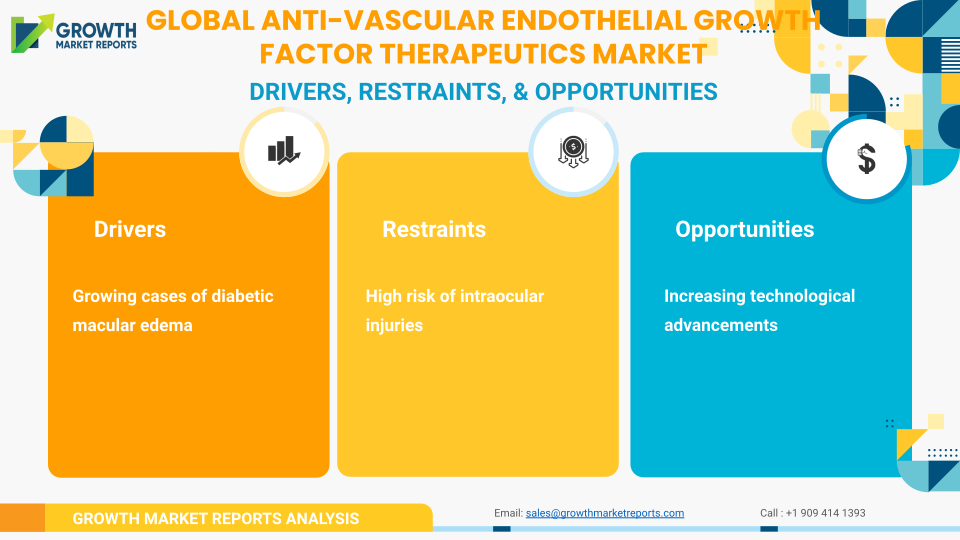
The Anti-VEGF therapeutics market presents significant opportunities for growth, primarily driven by the expanding clinical applications of these agents and the rising prevalence of chronic diseases worldwide. The increasing adoption of Anti-VEGF therapies in both oncology and ophthalmology, coupled with ongoing research aimed at developing new indications, is creating a robust pipeline of innovative products. The emergence of biosimilars is expected to enhance market accessibility and affordability, particularly in emerging economies. Additionally, advancements in drug delivery technologies, such as sustained-release implants and long-acting formulations, offer the potential to improve patient adherence and outcomes, further expanding the market opportunity.
Another major opportunity lies in the growing focus on personalized medicine and combination therapies. The integration of Anti-VEGF agents with other targeted therapies, immunotherapies, and diagnostic biomarkers is paving the way for more effective and tailored treatment regimens. Pharmaceutical companies are increasingly investing in precision medicine approaches to identify patient subgroups that are most likely to benefit from Anti-VEGF therapy. This trend is expected to drive the development of next-generation agents with improved efficacy, safety, and convenience, thereby enhancing the overall value proposition of Anti-VEGF therapeutics.
Despite the promising growth prospects, the Anti-VEGF therapeutics market faces several restraining factors. High treatment costs and the need for repeated administrations, particularly in ophthalmic indications, pose significant challenges for both patients and healthcare systems. Limited access to advanced biologic therapies in low- and middle-income countries, coupled with reimbursement constraints, can hinder market growth in these regions. Additionally, the emergence of alternative therapies and the risk of adverse effects associated with long-term Anti-VEGF use may impact patient adherence and treatment outcomes. Addressing these challenges will require continued innovation, regulatory support, and efforts to improve healthcare access and affordability.
North America remains the largest regional market for Anti-VEGF therapeutics, accounting for approximately USD 6.2 billion in 2024. The region's dominance can be attributed to its advanced healthcare infrastructure, high disease prevalence, and strong presence of leading pharmaceutical companies. The United States, in particular, is a major contributor to market growth, driven by robust R&D investments, favorable reimbursement policies, and widespread adoption of biologic therapies in both oncology and ophthalmology. The region is expected to maintain its leadership position over the forecast period, with a projected CAGR of 6.5% from 2025 to 2033.
Europe is the second-largest market, with a market size of USD 4.1 billion in 2024. The region benefits from a strong regulatory framework, high healthcare expenditure, and growing adoption of innovative therapies. Countries such as Germany, France, and the United Kingdom are at the forefront of Anti-VEGF research and clinical adoption. The increasing prevalence of age-related macular degeneration and diabetic retinopathy, coupled with rising awareness and early diagnosis, is driving market growth in Europe. The region is also witnessing increased uptake of biosimilars, which is expected to enhance market accessibility and affordability.
The Asia Pacific region is emerging as a high-growth market, with a market size of USD 2.4 billion in 2024 and a projected CAGR of 8.4% from 2025 to 2033. The region's growth is driven by a large and aging population, rising prevalence of chronic diseases, and improving healthcare infrastructure in countries like China, India, and Japan. Government initiatives aimed at expanding healthcare access and promoting early diagnosis are further supporting market growth. Latin America and the Middle East & Africa, while smaller in market size, present significant growth opportunities due to increasing healthcare investments and rising adoption of advanced biologics. Together, these regions accounted for approximately USD 1.1 billion in 2024.
The Anti-VEGF therapeutics market is highly competitive, with a mix of global pharmaceutical giants and emerging biotech companies vying for market share. The market is characterized by continuous innovation, extensive R&D investments, and a robust pipeline of new products and biosimilars. Leading players are focusing on expanding their product portfolios, securing regulatory approvals for new indications, and developing next-generation agents with improved efficacy and safety profiles. Strategic partnerships, mergers and acquisitions, and collaborations with research institutions are common strategies employed to strengthen market positioning and accelerate product development.
The competitive landscape is further intensified by the entry of biosimilars, which are expected to drive price competition and improve access to Anti-VEGF therapies, particularly in cost-sensitive markets. Companies are investing in manufacturing capabilities, distribution networks, and patient support programs to differentiate their offerings and enhance market penetration. The development of innovative drug delivery systems, such as sustained-release implants and long-acting formulations, is also emerging as a key area of focus, aimed at improving patient adherence and outcomes.
Intellectual property protection, regulatory compliance, and clinical trial success are critical factors influencing the competitive dynamics of the Anti-VEGF therapeutics market. Companies with strong patent portfolios and a track record of successful product launches are better positioned to maintain market leadership. However, the expiration of key patents and the entry of biosimilars are expected to reshape the competitive landscape, creating opportunities for new entrants and driving further innovation.
Among the major companies operating in the Anti-VEGF therapeutics market are Roche (Genentech), Novartis, Bayer, Regeneron Pharmaceuticals, and Pfizer. Roche (Genentech) is a pioneer in the Anti-VEGF space, with its flagship products Bevacizumab (Avastin) and Ranibizumab (Lucentis) holding significant market shares. Novartis is a key player in ophthalmology, with a strong focus on expanding the indications and market reach of Ranibizumab and Aflibercept. Bayer and Regeneron have established a strong presence with Aflibercept (Eylea), which has gained rapid adoption in both oncology and ophthalmology applications. Pfizer is actively involved in the development and commercialization of biosimilars, aiming to enhance market accessibility and affordability.
Other notable players include Allergan (AbbVie), Amgen, Samsung Bioepis, and Biogen, each contributing to the dynamic and competitive nature of the market. These companies are investing in R&D, clinical trials, and strategic collaborations to expand their product portfolios and capture new market opportunities. The competitive landscape is expected to remain dynamic, with ongoing innovation, regulatory developments, and the entry of new players shaping the future of the Anti-VEGF therapeutics market.
The Anti-vascular Endothelial Growth Factor Therapeutics market has been segmented on the basis of
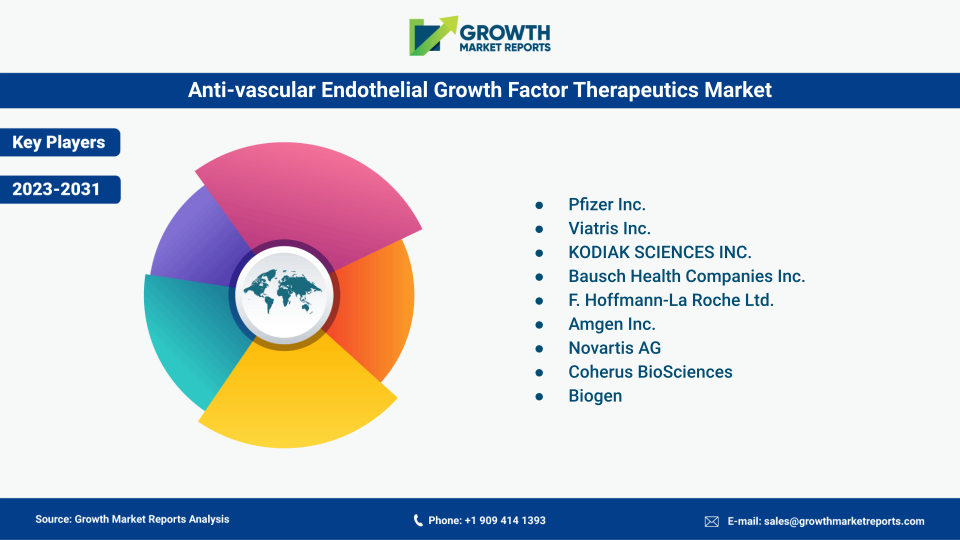
Key players competing in the global anti-vascular endothelial growth factor therapeutics market are Pfizer, Inc.; Viatris, Inc.; KODIAK SCIENCES INC.; Bausch Health Companies Inc.; F. Hoffmann-La Roche Ltd.; Amgen Inc.; Novartis AG; Coherus BioSciences; and Biogen.
These companies adopted development strategies, including mergers, acquisitions, partnerships, collaboration, product launches, and production expansion, to expand their consumer base worldwide. For instance,
The market is highly competitive, with ongoing innovation, the entry of biosimilars, strategic collaborations, and a focus on next-generation drug development driving competition among global and emerging players.
Major challenges include high treatment costs, the need for repeated administrations, limited access in low- and middle-income countries, and competition from alternative therapies.
Key growth drivers include the rising prevalence of chronic diseases (cancer, AMD, diabetic retinopathy), advancements in biologics, increasing R&D investments, and the introduction of biosimilars.
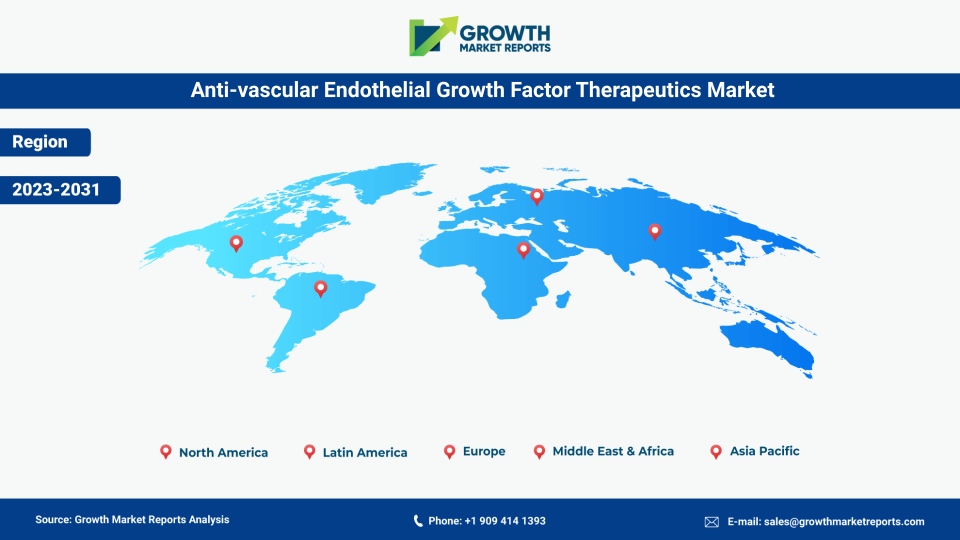
North America leads the market, followed by Europe and the Asia Pacific region. Latin America and the Middle East & Africa are emerging markets with significant growth potential.
Anti-VEGF therapies are administered mainly via intravenous and intravitreal routes, with emerging options like subcutaneous, topical, and implantable devices.
The main Anti-VEGF drugs are Bevacizumab, Ranibizumab, Aflibercept, Pegaptanib, and several emerging agents and biosimilars.
Key players include Roche (Genentech), Novartis, Regeneron Pharmaceuticals, Bayer, Pfizer, Allergan (AbbVie), Amgen, Samsung Bioepis, Biogen, and others.
Anti-VEGF therapies are mainly used to treat cancer, age-related macular degeneration (AMD), diabetic retinopathy, and retinal vein occlusion.
The Anti-VEGF therapeutics market is expected to grow at a CAGR of 7.1% from 2025 to 2033, reaching an estimated value of USD 25.4 billion by 2033.
As of 2024, the global Anti-vascular Endothelial Growth Factor (Anti-VEGF) therapeutics market is valued at USD 13.8 billion.