Segments - by Drug Type (Nonsteroidal Anti-Inflammatory Drugs (NSAIDs), Disease-Modifying Anti-Rheumatic Drugs (DMARDs), Biologics, Others), by Route Of Administration (Oral, Parenteral), by Distribution Channel (Hospital Pharmacies, Retail Pharmacies, Online Pharmacies), by Patient Type (Adults, Pediatrics)
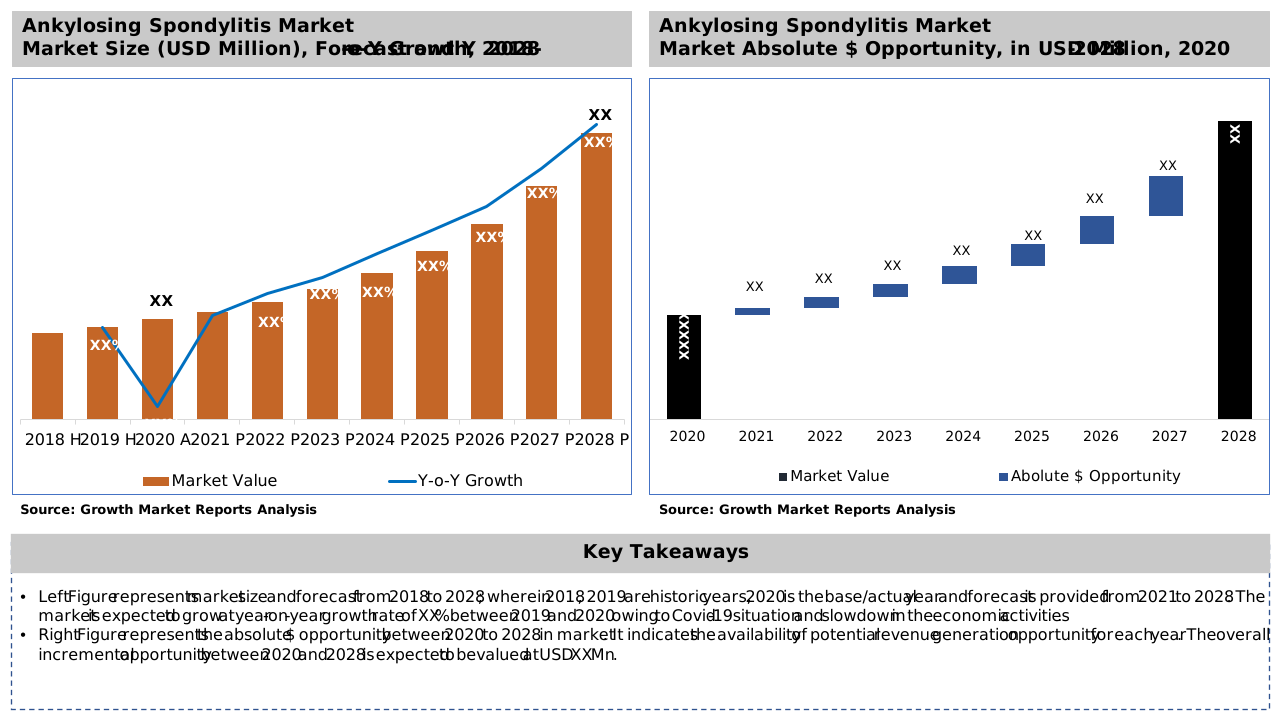
According to our latest research, the ankylosing spondylitis market size reached USD 5.1 billion in 2024, reflecting sustained demand for advanced therapeutics and increased diagnosis rates worldwide. The market is projected to grow at a robust CAGR of 7.2% from 2025 to 2033, positioning the global market to achieve a value of approximately USD 9.6 billion by 2033. This growth is driven by rising disease prevalence, expanding access to biologics, and ongoing innovation in targeted therapies. As per our latest research, a combination of demographic trends, technological advancements, and evolving healthcare policies continues to shape the landscape of ankylosing spondylitis treatment globally.
A significant growth factor in the ankylosing spondylitis market is the increased awareness and early diagnosis of the disease. Previously, ankylosing spondylitis was often underdiagnosed or misdiagnosed due to its overlapping symptoms with other forms of arthritis and back pain disorders. However, with the advent of advanced imaging techniques such as MRI and the implementation of standardized diagnostic criteria, healthcare professionals are now able to identify cases earlier and with greater accuracy. This early detection enables prompt intervention, which is crucial for slowing disease progression and improving patient quality of life. Additionally, patient advocacy groups and educational campaigns have played a pivotal role in raising awareness about the signs and symptoms of ankylosing spondylitis, encouraging individuals to seek medical attention sooner. As a result, the patient pool eligible for treatment is expanding, directly contributing to the market's upward trajectory.
Another key driver fueling market expansion is the ongoing development and commercialization of biologic therapies. Biologics, particularly tumor necrosis factor (TNF) inhibitors and interleukin-17 (IL-17) inhibitors, have revolutionized the treatment paradigm for ankylosing spondylitis by offering targeted, disease-modifying effects that surpass those of traditional medications. Pharmaceutical companies are investing heavily in research and development to introduce next-generation biologics with improved efficacy, safety profiles, and modes of administration. The growing body of clinical evidence supporting the long-term benefits of biologics, coupled with increasing regulatory approvals worldwide, is encouraging both clinicians and patients to adopt these advanced therapies. Furthermore, the gradual reduction in the cost of biologic drugs, owing to the introduction of biosimilars, is making these treatments more accessible in both developed and emerging markets.
The ankylosing spondylitis market is also benefitting from favorable healthcare policies and reimbursement frameworks in several regions. Governments and private insurers are recognizing the socioeconomic burden of chronic inflammatory diseases and are thus expanding coverage for advanced therapeutics, including biologics and disease-modifying anti-rheumatic drugs (DMARDs). This policy shift is particularly evident in North America and Europe, where comprehensive insurance programs are facilitating patient access to high-cost treatments. Additionally, ongoing collaborations between pharmaceutical companies and healthcare providers are streamlining the distribution and administration of these therapies, ensuring that patients receive timely and consistent care. These structural enhancements in the healthcare ecosystem are expected to sustain market growth over the forecast period.
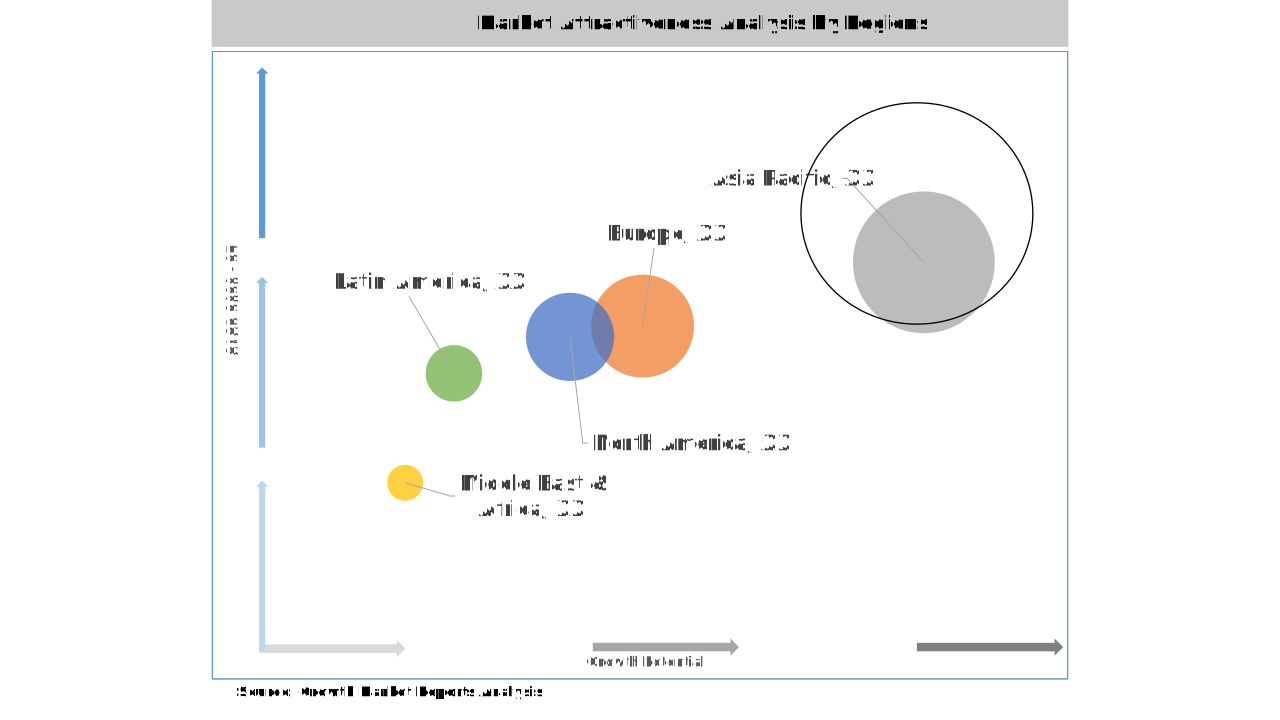
From a regional perspective, North America currently dominates the ankylosing spondylitis market, accounting for the largest share of global revenue in 2024. This leadership is attributed to the region's advanced healthcare infrastructure, high disease prevalence, and robust adoption of biologic therapies. Europe follows closely, benefiting from strong research initiatives and favorable reimbursement policies. Meanwhile, the Asia Pacific region is emerging as a high-growth market, driven by rising disease awareness, improving healthcare access, and a growing middle-class population. Latin America and the Middle East & Africa are also witnessing gradual market expansion, although challenges such as limited healthcare resources and affordability issues persist. Overall, the regional outlook underscores a dynamic market landscape, with significant opportunities for growth and innovation across both developed and emerging economies.
The ankylosing spondylitis market is segmented by drug type into nonsteroidal anti-inflammatory drugs (NSAIDs), disease-modifying anti-rheumatic drugs (DMARDs), biologics, and others. NSAIDs remain the most commonly prescribed initial therapy for ankylosing spondylitis, given their efficacy in alleviating pain and inflammation. These medications, such as naproxen and indomethacin, are widely available and relatively affordable, making them accessible to a broad patient base. However, their long-term use is often associated with gastrointestinal, cardiovascular, and renal side effects, which can limit their suitability for chronic management. As a result, the market is witnessing a gradual shift towards more advanced therapeutics, particularly for patients with moderate to severe disease activity or those unresponsive to NSAIDs.
DMARDs, including both conventional synthetic and targeted synthetic agents, represent another important drug category in the ankylosing spondylitis market. While conventional DMARDs such as sulfasalazine have shown limited efficacy in treating axial manifestations of the disease, they are sometimes used in patients with peripheral joint involvement. The advent of targeted synthetic DMARDs, such as Janus kinase (JAK) inhibitors, is generating renewed interest in this segment, as these agents offer novel mechanisms of action and the potential to address unmet clinical needs. Ongoing clinical trials are evaluating the efficacy and safety of these next-generation DMARDs, and positive outcomes could further expand their role in ankylosing spondylitis management.
Biologics have emerged as the cornerstone of treatment for patients with active ankylosing spondylitis who do not respond adequately to NSAIDs or DMARDs. TNF inhibitors such as etanercept, adalimumab, and infliximab have demonstrated robust efficacy in controlling disease activity, reducing inflammation, and preventing structural damage. More recently, IL-17 inhibitors like secukinumab and ixekizumab have been approved, offering additional therapeutic options for patients with refractory disease. The biologics segment is experiencing significant growth, driven by expanding indications, increasing physician familiarity, and the introduction of biosimilars that are lowering treatment costs. Pharmaceutical companies are also developing novel biologic agents targeting alternative inflammatory pathways, which could further diversify the therapeutic arsenal in the coming years.
The ‘others’ category in the drug type segment encompasses corticosteroids, analgesics, and emerging therapies under investigation. While corticosteroids are occasionally used for short-term symptom relief, their long-term use is generally discouraged due to adverse effects. The pipeline for ankylosing spondylitis includes small molecule inhibitors, monoclonal antibodies targeting novel cytokines, and gene therapies, reflecting the industry’s commitment to innovation. As new therapies demonstrate efficacy and safety in clinical trials, they are expected to enter the market and address gaps in current treatment paradigms, particularly for patients with inadequate response to existing options.
| Attributes | Details |
| Report Title | Ankylosing Spondylitis Market Research Report 2033 |
| By Drug Type | Nonsteroidal Anti-Inflammatory Drugs (NSAIDs), Disease-Modifying Anti-Rheumatic Drugs (DMARDs), Biologics, Others |
| By Route Of Administration | Oral, Parenteral |
| By Distribution Channel | Hospital Pharmacies, Retail Pharmacies, Online Pharmacies |
| By Patient Type | Adults, Pediatrics |
| Regions Covered | North America, Europe, APAC, Latin America, MEA |
| Base Year | 2024 |
| Historic Data | 2018-2023 |
| Forecast Period | 2025-2033 |
| Number of Pages | 280 |
| Number of Tables & Figures | 375 |
| Customization Available | Yes, the report can be customized as per your need. |
The route of administration is a critical factor influencing patient compliance, treatment efficacy, and overall market dynamics in the ankylosing spondylitis market. Oral administration is the preferred route for NSAIDs and some DMARDs, offering convenience and ease of use for patients. Oral medications are typically favored in the early stages of treatment or for patients with milder disease, as they allow for self-administration and do not require healthcare supervision. However, the bioavailability and pharmacokinetic profiles of oral drugs can vary, and gastrointestinal side effects may limit their long-term use in certain patient populations. The oral segment continues to grow due to the development of new small molecule therapies with improved safety and efficacy profiles.
Parenteral administration, which includes subcutaneous and intravenous injections, is predominantly utilized for biologic therapies and some advanced DMARDs. Biologics administered via parenteral routes offer rapid and sustained therapeutic effects, making them suitable for patients with moderate to severe disease activity. The parenteral segment is expanding as more patients transition to biologic therapies, and as pharmaceutical companies introduce user-friendly delivery systems such as prefilled syringes and autoinjectors. These innovations are enhancing patient convenience and adherence, while reducing the need for frequent hospital visits. Additionally, home-based administration of parenteral therapies is gaining traction, supported by telemedicine and remote monitoring solutions.
The choice between oral and parenteral administration is influenced by several factors, including disease severity, patient preference, comorbidities, and healthcare provider recommendations. Some patients may switch from oral to parenteral therapies as their disease progresses or if they experience inadequate response to initial treatments. Conversely, the development of oral formulations for advanced therapies, such as JAK inhibitors, is blurring the traditional boundaries between these segments and offering new options for patients seeking alternatives to injections.
Overall, the route of administration segment is characterized by ongoing innovation and patient-centric approaches. Pharmaceutical companies are investing in the development of novel drug delivery technologies, such as long-acting injectables, implantable devices, and transdermal patches, to further enhance treatment outcomes and patient experience. As the ankylosing spondylitis market evolves, the integration of advanced delivery systems is expected to play a pivotal role in driving market growth and differentiating products in an increasingly competitive landscape.
Distribution channels play a vital role in ensuring the timely and efficient delivery of ankylosing spondylitis therapies to patients. Hospital pharmacies represent a major distribution channel, particularly for biologic drugs and parenteral therapies that require specialized storage, handling, and administration. These pharmacies are typically located within healthcare facilities, enabling close collaboration between pharmacists, physicians, and nursing staff. Hospital pharmacies also play a key role in patient education, monitoring, and adverse event management, contributing to optimal treatment outcomes. The hospital pharmacy segment is expected to maintain its prominence as the adoption of biologics and other advanced therapies continues to rise.
Retail pharmacies constitute another important distribution channel, especially for oral medications such as NSAIDs and certain DMARDs. Retail pharmacies offer convenience and accessibility, allowing patients to obtain their prescriptions from local outlets without the need for hospital visits. The increasing prevalence of ankylosing spondylitis, coupled with the expansion of retail pharmacy networks in both urban and rural areas, is driving growth in this segment. Retail pharmacies are also expanding their services to include medication counseling, adherence monitoring, and chronic disease management programs, further enhancing their value proposition in the ankylosing spondylitis market.
Online pharmacies are rapidly gaining traction as digital health technologies transform the pharmaceutical distribution landscape. The COVID-19 pandemic accelerated the adoption of online pharmacy services, as patients sought safe and convenient alternatives to traditional brick-and-mortar pharmacies. Online platforms offer a wide range of ankylosing spondylitis medications, including biologics, with doorstep delivery and virtual consultation services. The online pharmacy segment is expected to witness robust growth over the forecast period, driven by increasing internet penetration, smartphone usage, and consumer preference for digital health solutions. Regulatory support for e-pharmacy operations and the integration of secure payment and prescription verification systems are further catalyzing this trend.
The distribution channel segment is characterized by increasing competition and collaboration among various stakeholders, including pharmaceutical manufacturers, distributors, healthcare providers, and technology companies. Strategic partnerships and investments in supply chain optimization are enhancing the efficiency and reliability of drug distribution, ensuring that patients receive timely access to essential therapies. As the market continues to evolve, the integration of omnichannel distribution strategies is expected to become a key differentiator for companies seeking to expand their market presence and improve patient outcomes.
The ankylosing spondylitis market is segmented by patient type into adults and pediatrics, reflecting differences in disease presentation, treatment needs, and therapeutic approaches. Adults constitute the largest patient group, as ankylosing spondylitis typically manifests in late adolescence or early adulthood, with peak onset between the ages of 20 and 40. Adult patients often present with chronic back pain, stiffness, and progressive spinal involvement, necessitating long-term management with NSAIDs, DMARDs, and biologics. The adult segment is experiencing steady growth, driven by increasing disease awareness, improved diagnostic capabilities, and expanded access to advanced therapies.
Pediatric ankylosing spondylitis, also known as juvenile spondyloarthritis, represents a smaller but clinically significant patient subgroup. Pediatric patients may exhibit atypical symptoms, such as peripheral joint involvement, enthesitis, and delayed skeletal maturation, which can complicate diagnosis and management. Treatment strategies for pediatric patients are tailored to their unique needs, with a focus on minimizing disease activity, preserving growth and development, and preventing long-term complications. The availability of pediatric formulations, age-appropriate dosing regimens, and safety data for biologic therapies is expanding, enabling more effective and personalized care for this vulnerable population.
The management of ankylosing spondylitis in both adults and pediatrics requires a multidisciplinary approach, involving rheumatologists, physical therapists, and other healthcare professionals. Patient education, lifestyle modifications, and regular monitoring are essential components of comprehensive care, helping to optimize treatment outcomes and enhance quality of life. The growing emphasis on patient-centered care is driving innovation in therapeutic approaches, support services, and digital health solutions tailored to the needs of different patient groups.
As the understanding of disease pathophysiology and genetics advances, there is increasing interest in personalized medicine approaches for ankylosing spondylitis. Biomarker-driven therapies, pharmacogenomics, and individualized treatment plans are being explored to improve efficacy and reduce adverse effects in both adult and pediatric patients. The integration of precision medicine into clinical practice is expected to further segment the market and drive demand for targeted, patient-specific interventions in the coming years.
The ankylosing spondylitis market presents significant opportunities for growth and innovation, particularly in the development of novel therapeutics and personalized treatment strategies. Advances in molecular biology, immunology, and genetics are enabling the identification of new drug targets and the design of therapies with enhanced specificity and efficacy. Pharmaceutical companies are investing in the discovery and clinical development of small molecule inhibitors, monoclonal antibodies, and gene therapies that have the potential to transform disease management. Additionally, the introduction of biosimilars is increasing competition, reducing treatment costs, and expanding patient access to life-changing biologic therapies. Digital health technologies, such as telemedicine, remote monitoring, and mobile health applications, are also creating new opportunities to improve patient engagement, adherence, and outcomes.
Emerging markets, particularly in Asia Pacific and Latin America, offer substantial growth potential for ankylosing spondylitis therapies. Rising disease awareness, improving healthcare infrastructure, and expanding insurance coverage are driving demand for advanced treatments in these regions. Strategic collaborations between multinational pharmaceutical companies and local stakeholders are facilitating market entry and distribution, while regulatory reforms are streamlining the approval and reimbursement of innovative therapies. The increasing focus on patient-centric care, real-world evidence generation, and value-based healthcare models is further shaping the competitive landscape and creating opportunities for differentiation and market expansion.
Despite these opportunities, the ankylosing spondylitis market faces several restraining factors that could impact growth. High treatment costs, particularly for biologic therapies, remain a significant barrier to access in many regions, especially in low- and middle-income countries. Reimbursement challenges, regulatory complexities, and variability in healthcare infrastructure can delay the adoption of new therapies and limit market penetration. Additionally, the risk of adverse effects, immunogenicity, and loss of efficacy over time are ongoing concerns associated with advanced therapeutics. Addressing these challenges will require continued investment in research, policy advocacy, and the development of cost-effective, safe, and accessible treatment options for all patients.
North America leads the global ankylosing spondylitis market, accounting for approximately USD 2.1 billion in revenue in 2024. This dominance is attributed to the region’s advanced healthcare infrastructure, high disease awareness, and widespread adoption of biologic therapies. The United States, in particular, benefits from robust research and development activities, favorable reimbursement policies, and a large pool of diagnosed patients. Canada also contributes significantly to regional growth, supported by universal healthcare coverage and access to innovative treatments. The North American market is expected to maintain a strong CAGR of 6.8% over the forecast period, driven by ongoing innovation and expanding patient access to advanced therapies.
Europe is the second-largest regional market, generating around USD 1.5 billion in revenue in 2024. The region benefits from a strong tradition of rheumatology research, comprehensive insurance programs, and proactive patient advocacy efforts. Countries such as Germany, the United Kingdom, and France are at the forefront of clinical innovation and market adoption, while Eastern European markets are gradually catching up as healthcare infrastructure improves. The European market is characterized by high levels of biologic penetration, ongoing biosimilar launches, and increasing focus on value-based healthcare models. The region is projected to grow at a CAGR of 7.1%, reflecting sustained demand for advanced therapies and supportive policy frameworks.
The Asia Pacific region is emerging as a high-growth market for ankylosing spondylitis therapies, with revenues reaching USD 1.1 billion in 2024. Rising disease prevalence, improving healthcare access, and a growing middle-class population are driving demand for advanced treatments in countries such as China, India, Japan, and South Korea. The region is witnessing increased investment in healthcare infrastructure, regulatory reforms, and the introduction of biosimilars, which are making biologic therapies more affordable and accessible. Asia Pacific is expected to register the highest CAGR of 8.5% over the forecast period, outpacing other regions and presenting significant opportunities for market expansion. Latin America and the Middle East & Africa, though smaller in market size, are also experiencing gradual growth as awareness and access to advanced therapies improve.
The ankylosing spondylitis market is characterized by intense competition among global pharmaceutical companies, biotechnology firms, and emerging players focused on rheumatology and autoimmune diseases. The competitive landscape is shaped by ongoing innovation, patent expirations, and the introduction of biosimilars, which are driving price competition and expanding patient access to advanced therapies. Leading companies are investing heavily in research and development to discover and commercialize novel biologics, small molecule inhibitors, and combination therapies that offer improved efficacy, safety, and convenience. Strategic collaborations, licensing agreements, and mergers and acquisitions are common strategies employed by market participants to strengthen their product portfolios, accelerate clinical development, and expand their geographic footprint.
Market leaders are also focusing on patient-centric approaches, offering comprehensive support programs, digital health solutions, and educational resources to enhance patient engagement and adherence. The integration of real-world evidence, pharmacogenomics, and personalized medicine is enabling companies to differentiate their products and demonstrate value to payers, providers, and patients. In addition to innovator biologics, the increasing availability of biosimilars is intensifying competition, particularly in regions with cost-sensitive healthcare systems. Biosimilar manufacturers are leveraging their expertise in manufacturing, regulatory compliance, and commercialization to capture market share and drive down treatment costs.
The competitive landscape is further shaped by regulatory developments, reimbursement policies, and market access dynamics. Companies that can navigate complex regulatory environments, demonstrate robust clinical and economic evidence, and establish strong relationships with healthcare providers and payers are well positioned to succeed in the ankylosing spondylitis market. The emergence of digital health technologies, such as telemedicine, remote monitoring, and mobile applications, is also creating new avenues for competition and collaboration, as companies seek to offer integrated, value-added solutions that address the evolving needs of patients and healthcare systems.
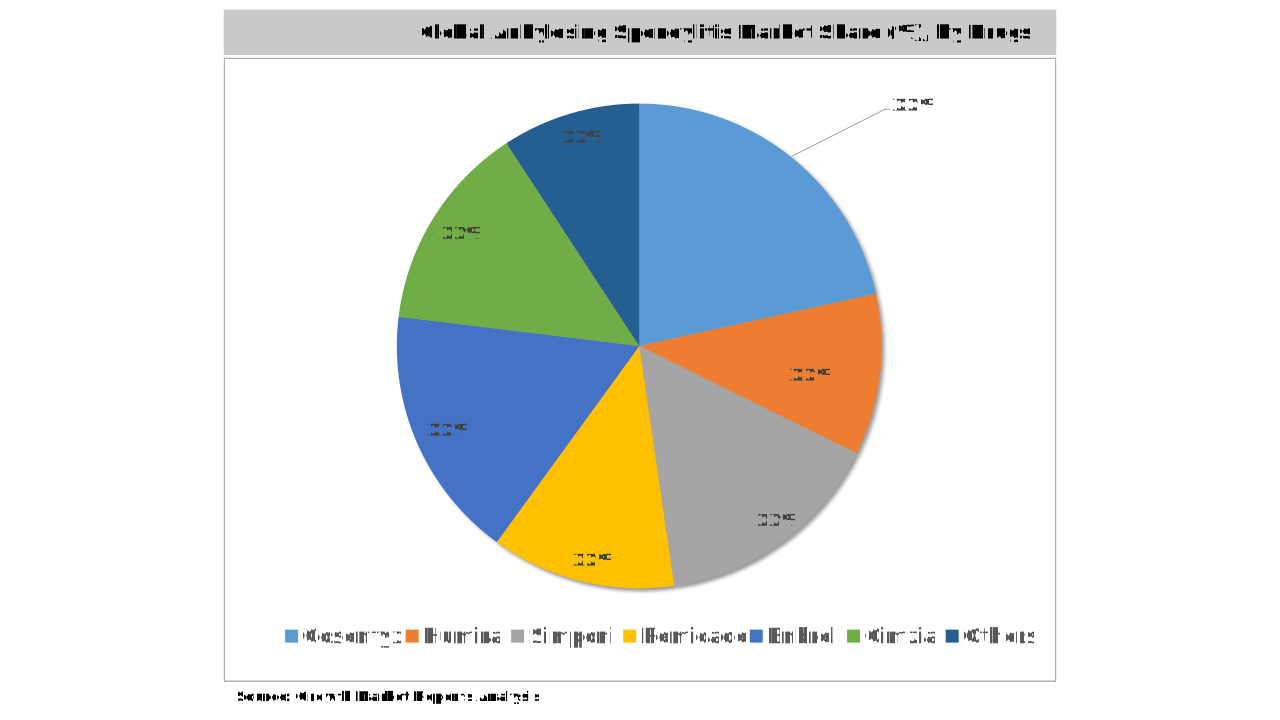
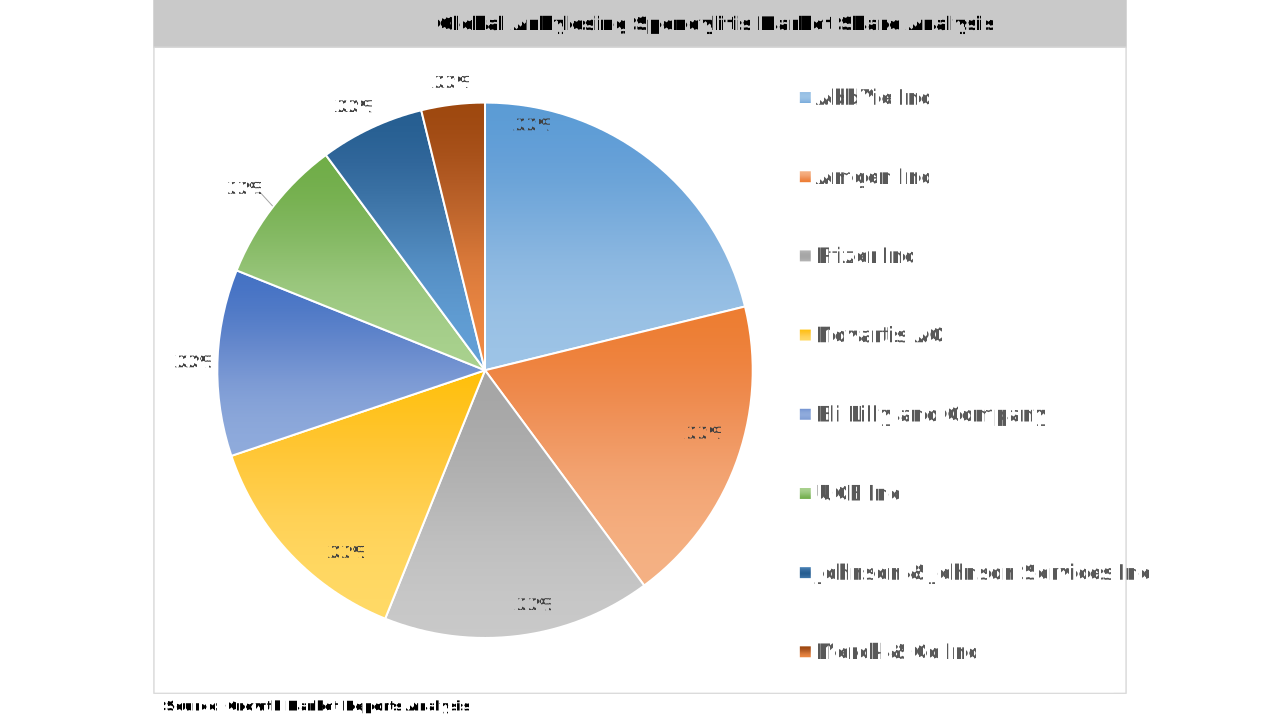
Some of the major companies operating in the ankylosing spondylitis market include AbbVie Inc., Pfizer Inc., Novartis AG, Amgen Inc., Johnson & Johnson (Janssen Pharmaceuticals), Eli Lilly and Company, UCB S.A., Merck & Co., Inc., and Bristol-Myers Squibb Company. AbbVie’s Humira (adalimumab) remains one of the leading biologic therapies for ankylosing spondylitis, while Novartis’ Cosentyx (secukinumab) is gaining traction as a leading IL-17 inhibitor. Pfizer and Amgen are also prominent players, with robust portfolios of biologics and biosimilars targeting inflammatory diseases. UCB’s Cimzia (certolizumab pegol) and Johnson & Johnson’s Simponi (golimumab) are other notable biologic agents approved for ankylosing spondylitis. These companies are continuously investing in clinical research, lifecycle management, and patient support programs to maintain their competitive edge and expand their market presence.
In addition to these established players, several emerging biotechnology firms and specialty pharmaceutical companies are entering the ankylosing spondylitis market with innovative therapies and novel mechanisms of action. The competitive landscape is expected to become increasingly dynamic as new entrants bring differentiated products to market, challenge incumbents, and drive further innovation in the treatment of ankylosing spondylitis. Strategic partnerships, licensing deals, and collaborations with academic institutions and research organizations are enabling companies to accelerate drug development, access new technologies, and address unmet clinical needs in this evolving therapeutic area.
The Ankylosing Spondylitis market has been segmented on the basis of
Major players competing in the global Ankylosing Spondylitis market are AbbVie Inc; Amgen Inc; Pfizer Inc; Novartis AG; Eli Lilly and Company; UCB Inc; Johnson & Johnson Services Inc; and Merck & Co Inc. These market players are involved in several business strategies such as mergers, acquisitions partnerships, collaborations, capacity expansion, and product launches to enhance their market shares. Pfizer Inc has started recruiting patients for the determination of the remission criterion for a period of six months for etanercept. AbbVie Inc, in May 2019, announced their patent extension for Humira for the period till 2023 in the United States after which they made their settlement with another company Boehringer Ingelheim International GmbH.
Opportunities include the development of novel therapeutics, biosimilars, digital health solutions, and expansion in emerging markets. Challenges include high treatment costs, reimbursement issues, regulatory complexities, and access barriers in low- and middle-income regions.
The market is segmented into adults (the largest group, as the disease typically manifests in young adulthood) and pediatrics (juvenile spondyloarthritis), with tailored treatment strategies for each group.
Ankylosing spondylitis therapies are distributed through hospital pharmacies (especially for biologics), retail pharmacies (for oral medications), and online pharmacies, which are gaining popularity due to digital health trends.
Key companies include AbbVie Inc., Pfizer Inc., Novartis AG, Amgen Inc., Johnson & Johnson (Janssen Pharmaceuticals), Eli Lilly and Company, UCB S.A., Bristol Myers Squibb, Merck & Co., Inc., and others.
North America leads the global ankylosing spondylitis market, followed by Europe. The Asia Pacific region is emerging as a high-growth market, while Latin America and the Middle East & Africa are also experiencing gradual expansion.
Oral administration is common for NSAIDs and some DMARDs, while parenteral (subcutaneous or intravenous) administration is preferred for biologics and advanced DMARDs, offering rapid and sustained effects.
The main drug types for ankylosing spondylitis are nonsteroidal anti-inflammatory drugs (NSAIDs), disease-modifying anti-rheumatic drugs (DMARDs), biologics (such as TNF and IL-17 inhibitors), and others including corticosteroids and emerging therapies.
Key growth drivers include rising disease prevalence, increased awareness and early diagnosis, expanding access to biologics, ongoing innovation in targeted therapies, and favorable healthcare policies.
The ankylosing spondylitis market is expected to grow at a CAGR of 7.2% from 2025 to 2033, reaching approximately USD 9.6 billion by 2033.
As of 2024, the ankylosing spondylitis market size reached USD 5.1 billion, reflecting increased demand for advanced therapeutics and higher diagnosis rates worldwide.