Segments - by Product Type (Electronic Amblyopia Therapeutic Apparatus, Optical Amblyopia Therapeutic Apparatus, Others), by Application (Hospitals, Clinics, Homecare, Others), by Age Group (Pediatric, Adult), by Distribution Channel (Online, Offline)
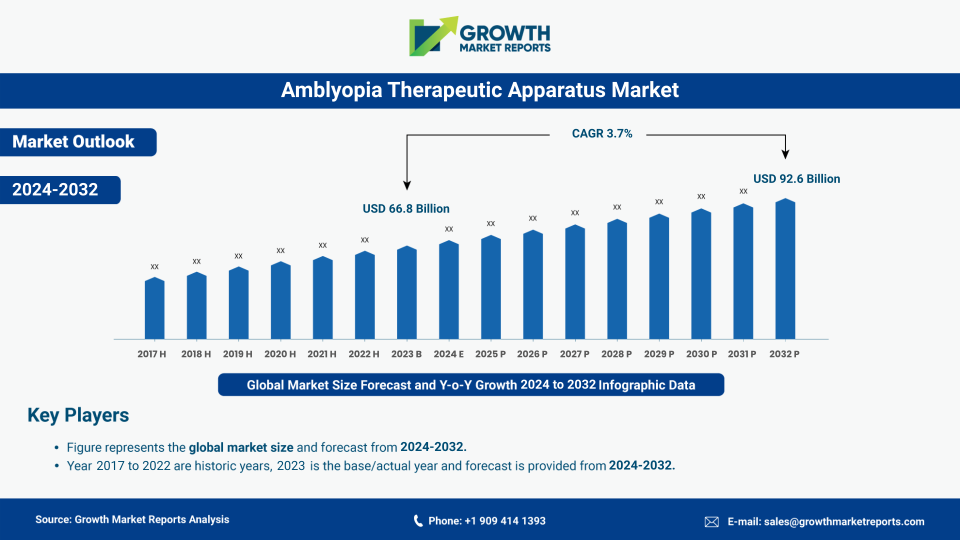
According to our latest research, the global amblyopia therapeutic apparatus market size reached USD 662 million in 2024, reflecting robust adoption across both developed and emerging healthcare sectors. The market is forecasted to expand at a CAGR of 7.8% from 2025 to 2033, resulting in a projected market value of USD 1.31 billion by 2033. This significant growth trajectory is primarily fueled by rising awareness of early childhood eye disorders, technological advancements in amblyopia treatment devices, and an increasing prevalence of amblyopia globally. As per our research, the market's momentum is expected to accelerate further due to ongoing product innovation and expanding healthcare infrastructure, especially in fast-growing economies.
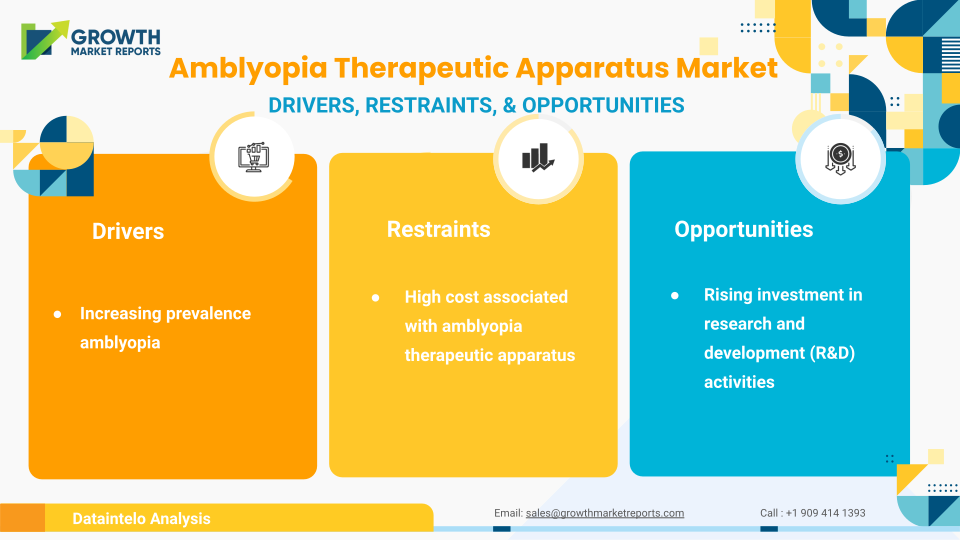
One of the primary growth drivers for the amblyopia therapeutic apparatus market is the rising incidence of amblyopia, commonly known as “lazy eye,” particularly among pediatric populations. The World Health Organization estimates that amblyopia affects approximately 2–3% of children globally, underscoring a significant patient pool requiring timely intervention. Increasing awareness campaigns by healthcare authorities, improved screening programs in schools, and a growing emphasis on pediatric eye health are encouraging early diagnosis and intervention. These factors are pushing both public and private healthcare providers to invest in advanced therapeutic apparatus, thereby augmenting market growth. Additionally, the adoption of digital health technologies and telemedicine platforms has made it easier for parents and caregivers to access information and seek timely medical advice, further supporting early amblyopia management.
Technological advancements have played a pivotal role in shaping the amblyopia therapeutic apparatus market. The shift from traditional eye patches to sophisticated electronic devices and interactive therapeutic solutions has revolutionized the treatment landscape. Modern apparatus now incorporate features such as virtual reality, gamification, and real-time progress tracking, which have been shown to improve patient compliance, especially among children. These innovations not only enhance therapeutic outcomes but also reduce the social stigma often associated with wearing eye patches, making treatment more appealing and accessible. Furthermore, ongoing research and development activities are leading to the introduction of portable and user-friendly devices that can be used in homecare settings, thus broadening the market’s reach and encouraging higher adoption rates.
The market is also benefiting from favorable reimbursement policies and increased healthcare spending, particularly in developed regions such as North America and Europe. Governments and insurance providers are recognizing the long-term benefits of early intervention for amblyopia, which can prevent lifelong visual impairment and associated productivity losses. This recognition has led to improved coverage for diagnostic and therapeutic devices, making them more affordable for a larger segment of the population. Additionally, collaborations between device manufacturers, eye care professionals, and academic institutions are fostering the development of evidence-based treatment protocols and expanding the clinical application of amblyopia therapeutic apparatus. These collaborative efforts are expected to further propel market growth in the coming years.
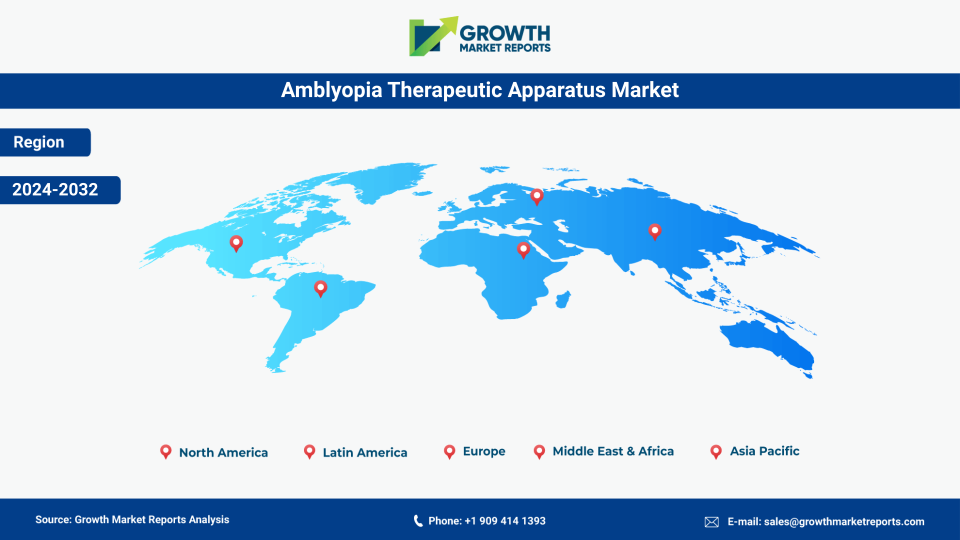
From a regional perspective, North America currently holds the largest share of the amblyopia therapeutic apparatus market, driven by high healthcare expenditure, advanced medical infrastructure, and proactive government initiatives. However, the Asia Pacific region is anticipated to witness the fastest growth during the forecast period, supported by rising disposable incomes, increasing healthcare awareness, and significant investments in healthcare modernization. Countries such as China and India are emerging as lucrative markets due to their large pediatric populations and growing focus on preventive healthcare. Meanwhile, Europe continues to maintain steady growth, buoyed by strong regulatory frameworks and active participation of leading medical device companies. The Middle East & Africa and Latin America are also showing promising potential, albeit from a smaller base, as healthcare access and diagnostic capabilities improve across these regions.
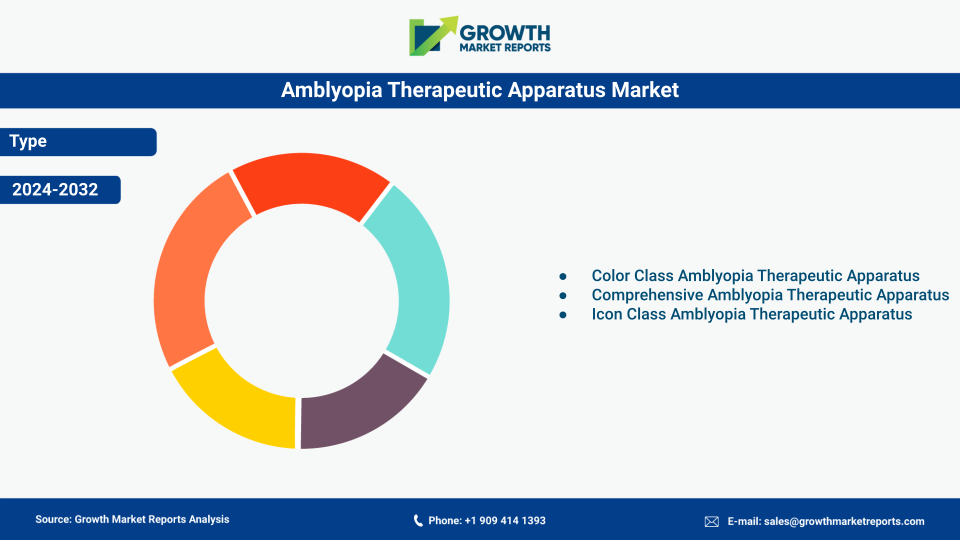
The product type segment of the amblyopia therapeutic apparatus market is categorized into electronic amblyopia therapeutic apparatus, optical amblyopia therapeutic apparatus, and others. Electronic amblyopia therapeutic apparatus, which includes devices leveraging advanced digital technologies, currently dominate the market due to their superior efficacy and enhanced patient engagement features. These devices often utilize interactive interfaces, gamified exercises, and real-time feedback mechanisms, making them particularly appealing for pediatric patients. The integration of virtual reality and augmented reality into electronic devices has further improved therapeutic outcomes by providing immersive treatment experiences that encourage consistent usage. This segment is expected to maintain its lead throughout the forecast period, supported by ongoing innovation and increasing acceptance among healthcare providers.
Optical amblyopia therapeutic apparatus, which primarily consist of corrective lenses, filters, and traditional occlusion devices, continue to play a vital role in amblyopia management. Although these devices are more conventional, they remain widely used due to their affordability, simplicity, and proven clinical effectiveness. Optical solutions are especially popular in regions with limited access to advanced electronic devices, as they do not require sophisticated infrastructure or substantial investment. However, the market share of optical apparatus is expected to gradually decline as electronic solutions become more accessible and affordable, particularly in emerging economies.
The “others” category encompasses a range of innovative and hybrid therapeutic devices that combine elements of both electronic and optical technologies. This includes devices that integrate sensory stimulation, eye-tracking capabilities, and personalized treatment plans. Such hybrid solutions are gaining traction among clinicians seeking to offer tailored therapies that address the unique needs of individual patients. As research in neuro-ophthalmology advances, more novel devices are expected to enter this category, providing additional options for amblyopia treatment and contributing to overall market expansion.
Manufacturers are increasingly focusing on product differentiation and user-centric design to gain a competitive edge in the amblyopia therapeutic apparatus market. Features such as wireless connectivity, compatibility with mobile applications, and cloud-based data management are becoming standard in new product offerings. These advancements not only enhance the therapeutic experience but also enable remote monitoring and telehealth integration, which are particularly valuable in the post-pandemic era. As healthcare systems continue to embrace digital transformation, demand for next-generation electronic and hybrid therapeutic apparatus is expected to surge, driving further innovation and market growth.
| Attributes | Details |
| Report Title | Amblyopia Therapeutic Apparatus Market Research Report 2033 |
| By Product Type | Electronic Amblyopia Therapeutic Apparatus, Optical Amblyopia Therapeutic Apparatus, Others |
| By Application | Hospitals, Clinics, Homecare, Others |
| By Age Group | Pediatric, Adult |
| By Distribution Channel | Online, Offline |
| Regions Covered | North America, Europe, APAC, Latin America, MEA |
| Base Year | 2024 |
| Historic Data | 2018-2023 |
| Forecast Period | 2025-2033 |
| Number of Pages | 277 |
| Number of Tables & Figures | 364 |
| Customization Available | Yes, the report can be customized as per your need. |
The application segment of the amblyopia therapeutic apparatus market is divided into hospitals, clinics, homecare, and others. Hospitals represent the largest application area, accounting for a significant share of device installations and usage. These settings offer comprehensive diagnostic and therapeutic services, supported by trained ophthalmologists and access to advanced medical technologies. Hospitals are often the first point of contact for patients diagnosed with amblyopia, particularly in urban areas with well-established healthcare infrastructure. The availability of multidisciplinary care teams and integration with other pediatric specialties further enhances the adoption of therapeutic apparatus in hospital settings.
Clinics, including specialized eye care centers and optometry practices, form the second-largest application segment. These facilities are increasingly adopting amblyopia therapeutic apparatus to offer targeted and efficient treatment options for their patients. Clinics often provide more personalized care and shorter wait times compared to hospitals, making them attractive for follow-up visits and ongoing therapy. The growing number of independent eye care clinics, especially in developed regions, is contributing to steady demand for both electronic and optical therapeutic devices. Additionally, clinics are playing a crucial role in expanding access to amblyopia care in semi-urban and rural areas, where hospital resources may be limited.
The homecare segment is witnessing rapid growth, driven by the rising preference for at-home treatment solutions and advancements in portable therapeutic devices. Home-based therapy offers greater convenience, reduces the burden on healthcare facilities, and improves patient compliance, particularly among children who may find frequent hospital visits challenging. The availability of user-friendly electronic devices, coupled with remote monitoring capabilities, is making homecare a viable and attractive option for many families. This trend is expected to continue as healthcare systems increasingly prioritize patient-centric care models and telemedicine integration.
Other application areas include community health centers, school-based screening programs, and rehabilitation centers. These settings are gaining importance as governments and non-profit organizations intensify efforts to improve early detection and intervention for amblyopia. School-based programs, in particular, are proving effective in reaching large numbers of children and facilitating timely referrals to eye care professionals. As awareness of amblyopia grows and more stakeholders become involved in its management, the application landscape for therapeutic apparatus is expected to diversify further, supporting sustained market expansion.
The age group segment of the amblyopia therapeutic apparatus market is bifurcated into pediatric and adult categories. The pediatric segment accounts for the overwhelming majority of device usage, as amblyopia predominantly affects children between the ages of 2 and 8 years. Early intervention is critical for successful treatment outcomes, as the visual system is most responsive to therapy during this developmental window. As a result, device manufacturers are focusing heavily on designing products that cater to the unique needs of pediatric patients, incorporating features such as interactive games, colorful designs, and child-friendly interfaces. The growing emphasis on school-based screening and parental education is further driving demand for pediatric amblyopia therapeutic apparatus.
While the adult segment represents a smaller portion of the market, it is gaining attention as research demonstrates the potential for therapeutic interventions beyond childhood. Advances in neuroplasticity research have shown that adults with amblyopia can also benefit from targeted therapy, particularly with the use of electronic and virtual reality-based devices. This has led to the development of specialized apparatus designed for adult patients, featuring more sophisticated exercises and higher levels of customization. As awareness of adult amblyopia increases and more adults seek treatment, this segment is expected to experience moderate growth during the forecast period.
The pediatric segment’s dominance is further reinforced by public health initiatives and government policies aimed at reducing childhood visual impairment. Many countries have implemented mandatory vision screening programs for preschool and school-aged children, leading to earlier diagnosis and treatment of amblyopia. This proactive approach not only improves individual outcomes but also reduces the long-term socioeconomic burden associated with untreated visual disorders. As healthcare systems continue to prioritize pediatric eye health, demand for therapeutic apparatus in this age group is expected to remain robust.
In the adult segment, barriers such as lower awareness, limited reimbursement coverage, and social stigma continue to hinder widespread adoption of therapeutic apparatus. However, ongoing educational campaigns and the introduction of discreet, user-friendly devices are gradually addressing these challenges. As more clinical evidence emerges supporting the efficacy of adult amblyopia treatment, healthcare providers are likely to recommend therapeutic apparatus to a broader patient base, contributing to incremental market growth.
The distribution channel segment of the amblyopia therapeutic apparatus market is categorized into online and offline channels. Offline channels, including hospitals, clinics, medical device retailers, and pharmacies, currently account for the largest share of device sales. These channels offer the advantage of direct interaction with healthcare professionals, personalized product recommendations, and immediate access to after-sales support. Offline distribution is particularly important for high-value electronic devices that require professional installation, training, and ongoing maintenance. The established trust and reliability associated with offline channels continue to drive their dominance in the market.
Online distribution channels are rapidly gaining traction, fueled by the growing adoption of e-commerce platforms and digital health marketplaces. The convenience, wider product selection, and competitive pricing offered by online channels are appealing to both healthcare providers and end-users. The COVID-19 pandemic has further accelerated the shift towards online purchasing, as patients and caregivers seek contactless and home-delivered solutions. Manufacturers are responding by enhancing their online presence, offering virtual product demonstrations, and providing comprehensive customer support through digital channels. This trend is expected to continue, with online sales projected to capture an increasing share of the market in the coming years.
Hybrid distribution models are also emerging, combining the strengths of both online and offline channels. For example, patients may receive initial consultations and device recommendations in a clinical setting, followed by online ordering and home delivery of the therapeutic apparatus. This approach offers greater flexibility and convenience, particularly for families in remote or underserved areas. As digital health ecosystems evolve, integration between online platforms, telemedicine services, and traditional healthcare providers is expected to become more seamless, further expanding access to amblyopia therapeutic devices.
Manufacturers and distributors are investing in robust logistics and supply chain management systems to ensure timely and reliable delivery of therapeutic apparatus. Partnerships with leading e-commerce platforms, medical device distributors, and pharmacy chains are enhancing market reach and improving customer satisfaction. As competition intensifies, companies are also focusing on value-added services such as device customization, remote technical support, and subscription-based maintenance plans to differentiate themselves in the marketplace.
The amblyopia therapeutic apparatus market presents significant opportunities for growth and innovation. One of the most promising opportunities lies in the integration of advanced technologies such as artificial intelligence, machine learning, and virtual reality into therapeutic devices. These technologies can enable personalized treatment plans, real-time progress monitoring, and adaptive therapy modules that respond to individual patient needs. The development of mobile applications and cloud-based platforms for remote monitoring and telehealth integration is also opening new avenues for patient engagement and long-term management of amblyopia. As digital health ecosystems continue to expand, companies that invest in smart, connected devices are well-positioned to capture a larger share of the market.
Another key opportunity is the expansion of market access in emerging economies, where the prevalence of amblyopia is high but access to specialized care remains limited. Strategic partnerships with local healthcare providers, government agencies, and non-profit organizations can facilitate the distribution of affordable and user-friendly therapeutic apparatus in these regions. Educational campaigns and community-based screening programs can further drive demand by raising awareness of the importance of early diagnosis and treatment. Additionally, favorable regulatory reforms and increased healthcare spending in countries such as China, India, and Brazil are creating a conducive environment for market entry and growth.
Despite these opportunities, the market faces notable restrainers, the most significant being the high cost of advanced electronic therapeutic apparatus. In many regions, limited reimbursement coverage and out-of-pocket expenses can pose barriers to adoption, particularly among low-income populations. Furthermore, lack of awareness about amblyopia and its long-term consequences can result in delayed diagnosis and underutilization of available treatment options. Addressing these challenges will require concerted efforts from manufacturers, healthcare providers, and policymakers to improve affordability, expand insurance coverage, and enhance public education on the benefits of early intervention and advanced therapeutic technologies.
North America currently leads the amblyopia therapeutic apparatus market, with a market size of approximately USD 240 million in 2024. The region’s dominance is underpinned by high healthcare expenditure, advanced medical infrastructure, and proactive government initiatives aimed at reducing childhood visual impairment. The United States accounts for the largest share within North America, driven by widespread adoption of advanced therapeutic devices, robust reimbursement policies, and a strong presence of leading medical device manufacturers. Canada also contributes significantly to regional growth, supported by comprehensive public health programs and increasing investment in pediatric eye care.
Europe holds the second-largest share of the market, valued at around USD 180 million in 2024. The region benefits from strong regulatory frameworks, active participation of medical device companies, and high levels of public awareness regarding pediatric eye health. Countries such as Germany, the United Kingdom, and France are at the forefront of amblyopia management, supported by well-established healthcare systems and regular vision screening programs. The European market is projected to grow at a steady CAGR of 6.9% through 2033, driven by ongoing innovation and expanding access to advanced therapeutic apparatus across both Western and Eastern Europe.
The Asia Pacific region is poised for the fastest growth, with a market value of approximately USD 140 million in 2024 and a projected CAGR of 10.3% through 2033. Rapid urbanization, rising disposable incomes, and increasing healthcare awareness are driving demand for amblyopia therapeutic devices in countries such as China, India, and Japan. Government-led initiatives to improve pediatric eye care and the proliferation of school-based screening programs are further supporting market expansion. Latin America and the Middle East & Africa, with market sizes of USD 60 million and USD 42 million respectively in 2024, are also showing promising potential as healthcare access and diagnostic capabilities improve. However, these regions face challenges related to affordability and limited specialist availability, which will need to be addressed to unlock their full market potential.
The amblyopia therapeutic apparatus market is characterized by a dynamic and highly competitive landscape, with a mix of established global players and innovative startups driving product development and market expansion. Leading companies are investing heavily in research and development to introduce next-generation therapeutic devices that offer improved efficacy, enhanced user experience, and seamless integration with digital health platforms. These efforts are supported by strategic collaborations with academic institutions, healthcare providers, and technology partners aimed at accelerating innovation and expanding clinical applications. The competitive environment is further intensified by the entry of new players, particularly in the electronic and virtual reality-based device segments, who are leveraging cutting-edge technologies to disrupt traditional treatment paradigms.
Product differentiation and brand reputation are key success factors in this market. Companies are focusing on developing user-centric designs, incorporating features such as interactive interfaces, gamified exercises, and wireless connectivity to enhance patient engagement and compliance. After-sales support, technical training, and robust warranty programs are also critical in building customer loyalty and maintaining a competitive edge. In addition, manufacturers are adopting flexible pricing strategies and exploring new distribution models, including direct-to-consumer and subscription-based offerings, to increase market penetration and accessibility.
Mergers, acquisitions, and strategic partnerships are common in the amblyopia therapeutic apparatus market as companies seek to expand their product portfolios, enter new geographic markets, and strengthen their technological capabilities. These activities are enabling market leaders to consolidate their positions, achieve economies of scale, and accelerate the commercialization of innovative products. The competitive landscape is also shaped by regulatory compliance and quality assurance, with companies investing in rigorous clinical testing and certification processes to meet international standards and gain regulatory approvals in key markets.
Some of the major players in the global amblyopia therapeutic apparatus market include Vivid Vision, Amblyotech (Novartis), RevitalVision, Bynocs, NovaSight, Good-Lite, and Guangzhou Shijing Medical Equipment Co., Ltd. Vivid Vision is renowned for its virtual reality-based therapeutic solutions, offering immersive and engaging treatment experiences for both children and adults. Amblyotech, now a part of Novartis, has pioneered digital therapeutics for amblyopia, leveraging patented technologies to improve treatment outcomes. RevitalVision and Bynocs focus on neuro-vision training programs and cloud-based therapy platforms, catering to both clinical and homecare settings. NovaSight is recognized for its AI-powered vision care solutions, while Good-Lite is a leading provider of traditional optical apparatus and screening tools.
These companies are distinguished by their commitment to innovation, clinical excellence, and customer-centricity. They continue to expand their global footprint through strategic partnerships, product launches, and participation in international ophthalmology conferences and trade shows. As the market evolves, ongoing investment in research, technology integration, and customer support will remain critical for sustaining competitive advantage and meeting the diverse needs of patients and healthcare providers worldwide.
The Amblyopia Therapeutic Apparatus market has been segmented on the basis of
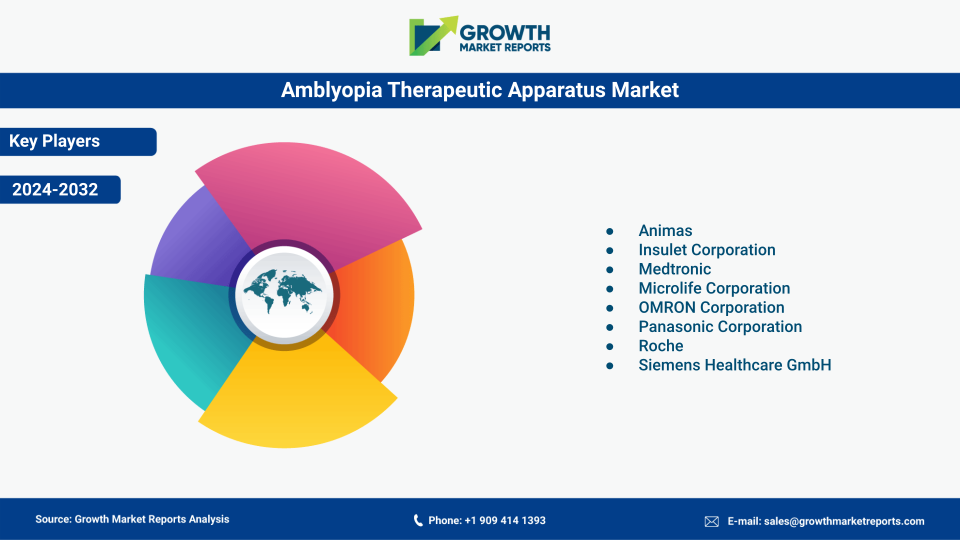
Key players competing in the global amblyopia therapeutic apparatus market are Animas; Insulet Corporation; Medtronic; Microlife Corporation; OMRON Corporation; Panasonic Corporation; Roche; and Siemens Healthcare GmbH
These companies use development strategies including mergers, acquisitions, partnerships, collaboration, and product launches to expand their consumer base globally.
On January 10, 2022, Medtronic, a global manufacturer of medical devices, announced the acquisition of Affera, Inc., a medical technology provider. Additionally, Medtronic aims to expand its portfolio of products and accessories to meet the growing needs of physicians and patients with this acquisition.
Challenges include the high cost of advanced electronic devices, limited reimbursement in some regions, lack of awareness about amblyopia, and affordability issues in low-income populations.
Devices are distributed through offline channels (hospitals, clinics, medical retailers, pharmacies) and online channels (e-commerce platforms, digital health marketplaces), with hybrid models also emerging.
The pediatric segment (children aged 2–8 years) is the primary target, as early intervention is critical for effective amblyopia treatment, though adult-focused devices are also emerging.
Technological advancements such as virtual reality, gamification, real-time progress tracking, and integration with telemedicine platforms are improving patient compliance, therapeutic outcomes, and accessibility.
Amblyopia therapeutic apparatus are primarily used in hospitals, clinics, homecare settings, community health centers, and school-based screening programs.
Major players include Vivid Vision Inc., Amblyotech (Novartis), RevitalVision, Bynocs, NovaSight, Good-Lite, and Guangzhou Shijing Medical Equipment Co., Ltd.
The market offers electronic amblyopia therapeutic apparatus (including virtual reality and gamified devices), optical apparatus (such as corrective lenses and eye patches), and hybrid devices that combine both technologies.
The Asia Pacific region is anticipated to witness the fastest growth, supported by rising disposable incomes, increasing healthcare awareness, and significant investments in healthcare modernization.
Key growth drivers include rising awareness of early childhood eye disorders, technological advancements in treatment devices, increasing prevalence of amblyopia, and expanding healthcare infrastructure, especially in emerging economies.
The global amblyopia therapeutic apparatus market is projected to reach USD 1.31 billion by 2033, growing at a CAGR of 7.8% from 2025 to 2033.