Segments - by Product Type (Rolled Foil, Backed Foil, Laminated Foil, Others), by Application (Food & Beverage, Pharmaceuticals, Personal Care & Cosmetics, Industrial, Others), by Packaging Type (Bags & Pouches, Wraps & Rolls, Blisters, Containers, Others), by End-User (Food Service, Retail, Healthcare, Others)
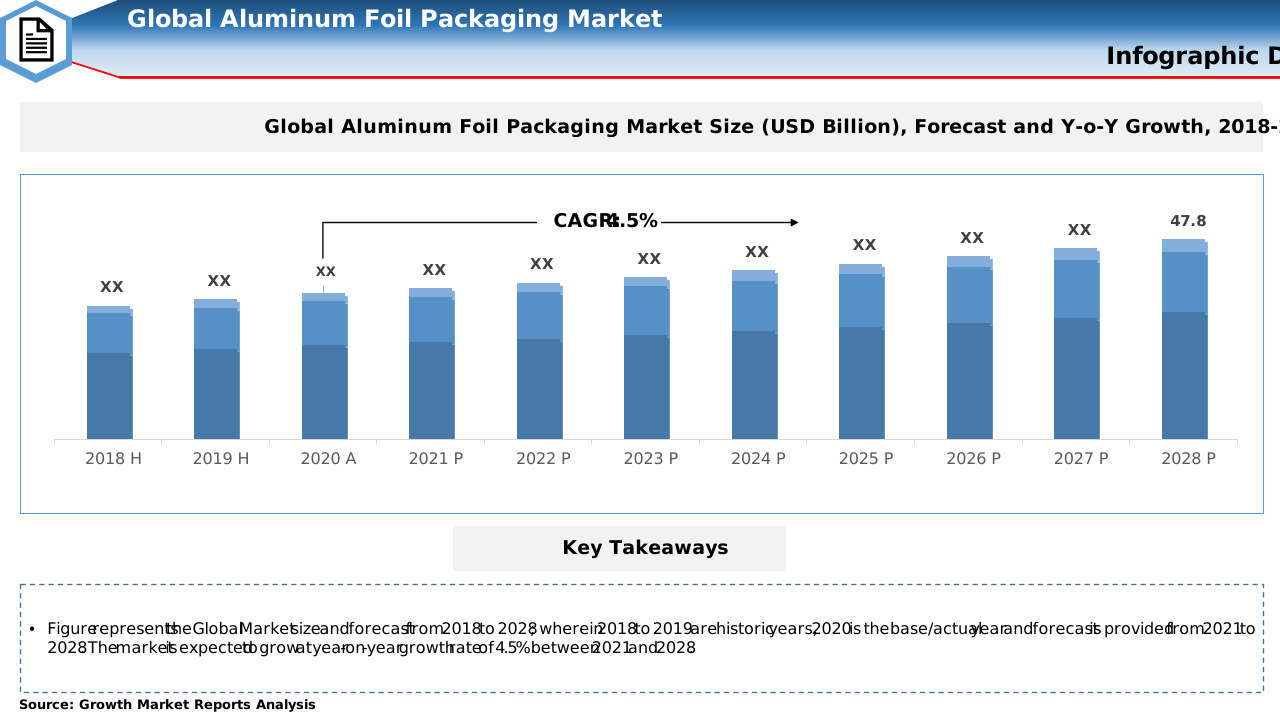
According to our latest research, the global aluminum foil packaging market size reached USD 31.2 billion in 2024, demonstrating robust expansion driven by rising demand across key end-use industries. The market is expected to register a CAGR of 4.8% during the forecast period, propelling it to a projected value of USD 47.2 billion by 2033. This growth is fueled by the increasing adoption of aluminum foil packaging in food and beverage, pharmaceuticals, personal care, and industrial sectors, owing to its superior barrier properties, lightweight nature, and recyclability. As per our latest research, the market is witnessing significant advancements in product innovation and sustainability initiatives that are shaping its future trajectory.
The expansion of the aluminum foil packaging market is primarily driven by the growing emphasis on food safety and extended shelf life, particularly in the food and beverage sector. Aluminum foil is renowned for its excellent barrier properties against moisture, light, oxygen, and contaminants, making it an ideal material for packaging perishable goods, ready-to-eat meals, and beverages. With changing consumer lifestyles and the surge in demand for convenient, on-the-go food products, manufacturers are increasingly opting for aluminum foil packaging solutions. The rise of e-commerce and the global distribution of packaged foods have further amplified the need for robust and tamper-evident packaging, accelerating the adoption of aluminum foil across various geographies.
Another key growth factor is the burgeoning pharmaceutical industry, where aluminum foil packaging plays a critical role in ensuring product integrity, safety, and regulatory compliance. The material’s ability to provide hermetic seals and protect sensitive drugs from external elements makes it indispensable for blister packs, strip packs, and other pharmaceutical packaging forms. The increasing prevalence of chronic diseases, coupled with the rising demand for over-the-counter medications and prescription drugs, has bolstered the consumption of aluminum foil packaging in the healthcare sector. Additionally, stringent regulations regarding child-resistant and senior-friendly packaging are prompting pharmaceutical companies to invest in advanced foil-based solutions.
Environmental sustainability and recyclability are also significant drivers propelling the aluminum foil packaging market forward. Aluminum is one of the most recyclable materials globally, and the industry has been making concerted efforts to reduce carbon footprints through the use of recycled content and energy-efficient manufacturing processes. Regulatory pressures and consumer awareness regarding plastic pollution have led to a shift from traditional plastic packaging to eco-friendly alternatives such as aluminum foil. Major brands and retailers are increasingly incorporating recyclable aluminum packaging into their product portfolios, further stimulating market growth. Moreover, ongoing research and development activities aimed at improving the mechanical properties and cost-effectiveness of aluminum foil are expected to unlock new opportunities in the coming years.
From a regional perspective, the Asia Pacific region continues to dominate the aluminum foil packaging market, accounting for the largest share in 2024. This dominance is attributed to rapid urbanization, a burgeoning middle-class population, and significant investments in food processing and pharmaceutical manufacturing. North America and Europe also hold substantial market shares, driven by advanced packaging technologies, stringent food safety regulations, and a strong focus on sustainability. Meanwhile, the Middle East & Africa and Latin America are experiencing steady growth, supported by expanding retail sectors and increasing awareness of the benefits of aluminum foil packaging. The regional landscape is characterized by diverse consumption patterns, regulatory frameworks, and investment trends that collectively shape the global market dynamics.
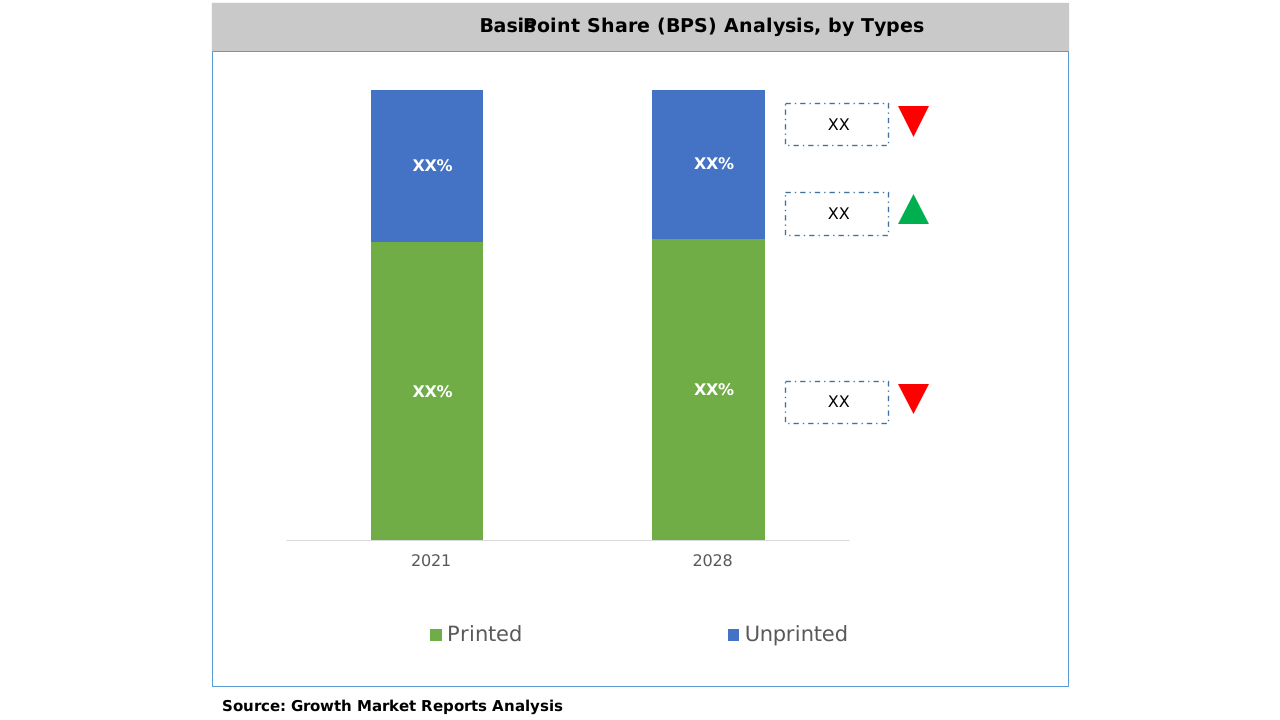
The aluminum foil packaging market is segmented by product type into rolled foil, backed foil, laminated foil, and others, each offering unique advantages and serving distinct applications. Rolled foil represents the most widely used product type, primarily due to its versatility, cost-effectiveness, and ease of processing. It is extensively utilized in household, foodservice, and industrial applications for wrapping, cooking, and storage purposes. The demand for rolled foil is particularly high in regions with a strong focus on convenience foods and take-away meals, where it provides a reliable barrier against moisture and contaminants. Manufacturers are continuously innovating rolled foil products to enhance their strength, flexibility, and sustainability, addressing the evolving needs of end-users.
Backed foil is another important segment, typically used for insulation, heat retention, and specialized packaging applications. It consists of aluminum foil laminated with paper, plastic, or other substrates to impart additional mechanical strength and functional properties. Backed foil is widely employed in the packaging of dairy products, confectionery, and pharmaceuticals, where enhanced protection and printability are required. The increasing demand for premium packaging solutions and branding opportunities has led to the development of aesthetically appealing backed foil products with advanced printing and embossing capabilities. This segment is expected to witness steady growth, driven by innovations in composite materials and the rising need for customized packaging.
Laminated foil combines aluminum foil with other materials such as polymers and paper to create multi-layered structures that offer superior barrier performance and mechanical durability. This product type is especially popular in the packaging of sensitive goods like snacks, coffee, and medical devices, where extended shelf life and product freshness are critical. Laminated foil solutions are gaining traction in both developed and emerging markets, fueled by advancements in lamination technology and the growing demand for flexible packaging formats. The segment’s growth is further supported by the shift towards lightweight, space-efficient packaging that reduces transportation costs and environmental impact.
The others segment encompasses specialty foils and niche products designed for specific industrial and technical applications. These may include embossed foils, colored foils, and foils with unique surface treatments for enhanced functionality. Specialty foils are increasingly being adopted in electronics, automotive, and construction industries for insulation, shielding, and decorative purposes. The ongoing trend towards product differentiation and value-added features is driving innovation in this segment, with manufacturers focusing on developing high-performance foils that cater to diverse customer requirements. As industries continue to seek advanced packaging and insulation solutions, the demand for specialty aluminum foils is expected to rise steadily over the forecast period.
| Attributes | Details |
| Report Title | Aluminum Foil Packaging Market Research Report 2033 |
| By Product Type | Rolled Foil, Backed Foil, Laminated Foil, Others |
| By Application | Food & Beverage, Pharmaceuticals, Personal Care & Cosmetics, Industrial, Others |
| By Packaging Type | Bags & Pouches, Wraps & Rolls, Blisters, Containers, Others |
| By End-User | Food Service, Retail, Healthcare, Others |
| Regions Covered | North America, Europe, APAC, Latin America, MEA |
| Base Year | 2024 |
| Historic Data | 2018-2023 |
| Forecast Period | 2025-2033 |
| Number of Pages | 294 |
| Number of Tables & Figures | 320 |
| Customization Available | Yes, the report can be customized as per your need. |
The application landscape of the aluminum foil packaging market is highly diverse, with food & beverage representing the largest application segment. The material’s excellent barrier properties, thermal conductivity, and malleability make it ideal for packaging a wide range of food products, including dairy, bakery, confectionery, ready-to-eat meals, and beverages. Aluminum foil packaging helps preserve flavor, prevent spoilage, and extend shelf life, addressing the growing demand for safe and convenient food options. The rising popularity of packaged and processed foods, coupled with the expansion of the foodservice industry, is driving substantial growth in this segment. Furthermore, increasing regulatory scrutiny regarding food safety and hygiene is prompting manufacturers to adopt advanced foil packaging solutions.
The pharmaceuticals segment is another significant application area, where aluminum foil is extensively used for blister packs, strip packs, and sachets. The material’s ability to provide a hermetic seal and protect sensitive drugs from moisture, light, and contamination is critical in ensuring product efficacy and patient safety. The global rise in chronic diseases, aging populations, and increased healthcare spending are fueling demand for pharmaceutical packaging, particularly in emerging markets. Additionally, regulatory requirements for tamper-evident and child-resistant packaging are driving innovation in aluminum foil-based solutions. Pharmaceutical companies are increasingly collaborating with packaging manufacturers to develop customized, high-performance foil packaging that meets stringent quality standards.
In the personal care & cosmetics sector, aluminum foil packaging is gaining popularity for its ability to preserve product integrity, prevent contamination, and enhance shelf appeal. It is commonly used for packaging creams, lotions, wipes, and single-use sachets, providing consumers with convenience and portability. The growing emphasis on premiumization and sustainability in the cosmetics industry is leading to the adoption of recyclable and aesthetically appealing foil packaging. Brands are leveraging advanced printing and embossing techniques to differentiate their products and attract environmentally conscious consumers. As the demand for personal care products continues to rise globally, the segment is expected to contribute significantly to the overall market growth.
The industrial application segment encompasses a wide range of uses, including insulation, shielding, and protective packaging for electronics, automotive, and construction materials. Aluminum foil’s lightweight and durable nature make it suitable for demanding industrial environments, where it provides effective protection against heat, moisture, and electromagnetic interference. The growth of the electronics and automotive industries, particularly in Asia Pacific, is generating new opportunities for aluminum foil packaging manufacturers. Additionally, the increasing adoption of energy-efficient building materials and green construction practices is driving demand for foil-based insulation products. The industrial segment is poised for steady growth, supported by ongoing technological advancements and infrastructure development.
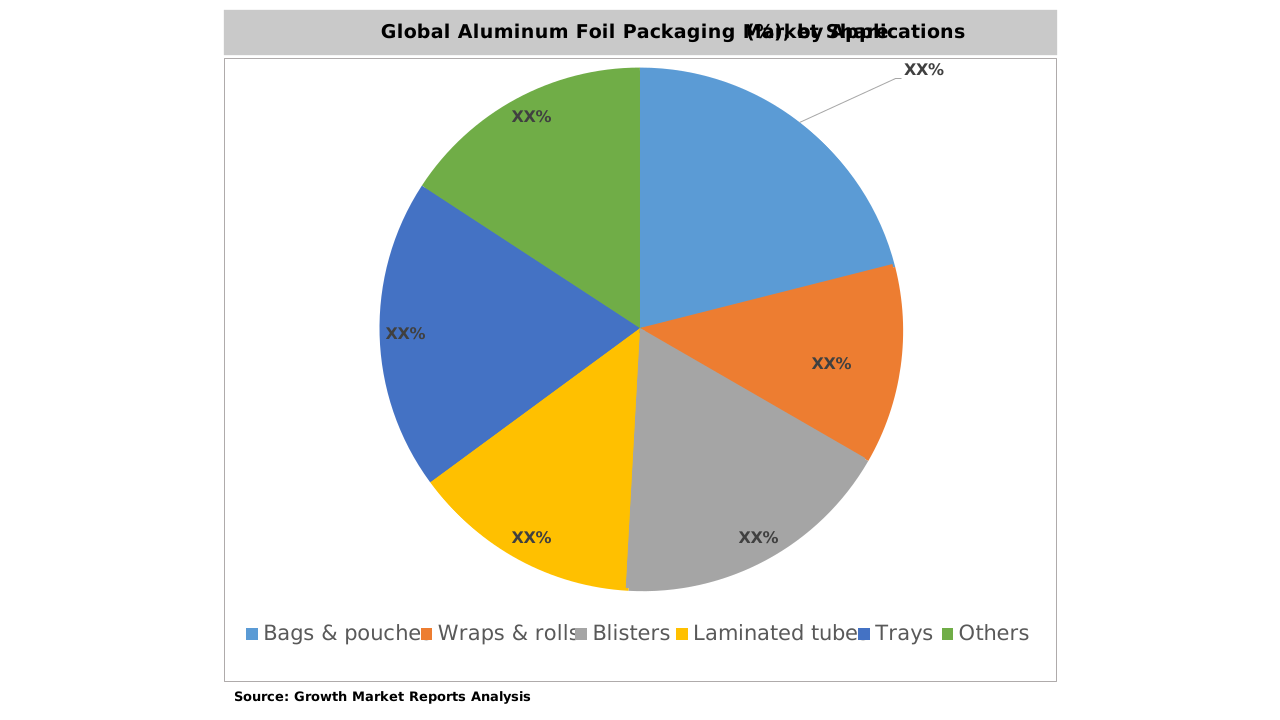
The aluminum foil packaging market is segmented by packaging type into bags & pouches, wraps & rolls, blisters, containers, and others, each catering to specific end-use requirements. Bags & pouches are increasingly favored for their convenience, flexibility, and ability to accommodate a variety of product sizes and shapes. They are widely used in the food, pharmaceutical, and personal care sectors, offering excellent barrier protection and ease of storage. The growing demand for single-serve and portion-controlled packaging is driving innovation in foil-based bags and pouches, with manufacturers focusing on resealable, easy-to-open, and recyclable designs. As consumers prioritize convenience and sustainability, this segment is expected to witness robust growth during the forecast period.
Wraps & rolls represent a traditional yet indispensable packaging format, particularly in household and foodservice applications. Aluminum foil wraps are commonly used for wrapping sandwiches, baked goods, and leftovers, providing a reliable barrier against moisture and odors. In the industrial sector, foil rolls are utilized for insulation, shielding, and protective wrapping of sensitive equipment and components. The versatility and cost-effectiveness of wraps & rolls make them a staple in both domestic and commercial settings. Manufacturers are introducing innovative products with enhanced strength, heat resistance, and eco-friendly attributes to cater to evolving consumer preferences and regulatory requirements.
Blisters are a critical packaging type in the pharmaceutical industry, where they are used for packaging tablets, capsules, and other solid dosage forms. Aluminum foil blisters offer superior protection against moisture, light, and contamination, ensuring the stability and efficacy of pharmaceutical products. The increasing prevalence of chronic diseases and the growing demand for over-the-counter medications are driving the adoption of blister packaging worldwide. Pharmaceutical companies are investing in advanced blister packaging technologies, such as cold-form and thermoform blisters, to meet regulatory standards and enhance patient compliance. The segment’s growth is further supported by the trend towards unit-dose packaging and personalized medicine.
Containers, including trays, dishes, and takeaway boxes, are widely used in the foodservice and retail sectors for packaging ready-to-eat meals, bakery products, and convenience foods. Aluminum foil containers offer excellent heat retention, are oven-safe, and can be easily recycled, making them a preferred choice for both consumers and businesses. The expansion of the food delivery and takeaway market, especially in urban areas, is fueling demand for foil containers. Manufacturers are focusing on developing lightweight, stackable, and customizable container designs to enhance operational efficiency and reduce environmental impact. The containers segment is expected to experience steady growth, driven by changing consumer lifestyles and the proliferation of foodservice outlets.
The end-user landscape of the aluminum foil packaging market is segmented into food service, retail, healthcare, and others, each presenting unique growth dynamics and requirements. Food service is the dominant end-user segment, accounting for a significant share of the market in 2024. The increasing popularity of take-away meals, catering services, and quick-service restaurants has led to a surge in demand for aluminum foil packaging solutions that offer convenience, hygiene, and food safety. Foodservice operators are increasingly adopting foil containers, wraps, and trays to meet the needs of busy consumers and comply with food safety regulations. The segment’s growth is further supported by the rise of online food delivery platforms and the expansion of urban foodservice networks.
The retail end-user segment encompasses supermarkets, hypermarkets, convenience stores, and specialty retailers that offer packaged food, beverages, and personal care products. Aluminum foil packaging is widely used in retail settings for its ability to preserve product freshness, enhance shelf appeal, and facilitate branding. Retailers are increasingly demanding innovative foil packaging solutions that combine aesthetic appeal with sustainability, in response to changing consumer preferences and regulatory pressures. The growth of modern retail formats and the increasing penetration of packaged goods in emerging markets are driving demand for aluminum foil packaging in the retail sector. Manufacturers are collaborating with retailers to develop customized packaging solutions that cater to diverse product categories and consumer segments.
The healthcare end-user segment is characterized by stringent regulatory requirements and a strong focus on product safety and efficacy. Aluminum foil packaging is essential for pharmaceuticals, medical devices, and healthcare supplies, providing a reliable barrier against contamination and degradation. Healthcare providers and pharmaceutical companies are investing in advanced foil packaging solutions that ensure compliance with global quality standards and enhance patient safety. The segment’s growth is driven by the increasing prevalence of chronic diseases, rising healthcare expenditures, and the expansion of healthcare infrastructure, particularly in developing regions. Ongoing innovations in child-resistant, tamper-evident, and senior-friendly packaging are further boosting demand in this segment.
The others segment includes industrial, electronics, and specialty applications, where aluminum foil packaging is used for insulation, shielding, and protective wrapping. The growing adoption of advanced technologies and the expansion of manufacturing activities in sectors such as automotive, electronics, and construction are generating new opportunities for aluminum foil packaging manufacturers. As industries seek high-performance, cost-effective, and sustainable packaging solutions, the demand for specialty foil products is expected to rise steadily. Manufacturers are focusing on developing tailored solutions that address industry-specific requirements and enhance operational efficiency.
The aluminum foil packaging market presents significant opportunities for growth, particularly in the areas of product innovation, sustainability, and emerging market expansion. Manufacturers are increasingly investing in research and development to create lightweight, high-strength, and recyclable foil packaging solutions that meet evolving consumer and regulatory demands. The shift towards eco-friendly packaging, driven by heightened environmental awareness and regulatory pressures, is opening new avenues for aluminum foil products. Companies that can offer innovative, sustainable, and cost-effective solutions are well-positioned to capitalize on these trends and gain a competitive edge in the global market. Additionally, the rapid growth of e-commerce and the increasing demand for convenient, on-the-go packaging formats present lucrative opportunities for market players to expand their product portfolios and reach new customer segments.
Another key opportunity lies in the expansion of aluminum foil packaging applications in non-traditional sectors such as electronics, automotive, and construction. The unique properties of aluminum foil, including its conductivity, reflectivity, and corrosion resistance, make it suitable for a wide range of industrial and technical uses. As industries increasingly prioritize energy efficiency, product safety, and operational efficiency, the demand for advanced foil-based insulation, shielding, and protective packaging solutions is expected to rise. Collaborative partnerships between packaging manufacturers, end-users, and technology providers can drive innovation and accelerate the adoption of aluminum foil packaging in emerging applications. Furthermore, the growing focus on circular economy principles and closed-loop recycling systems offers significant potential for reducing environmental impact and creating sustainable value chains.
Despite the promising growth prospects, the aluminum foil packaging market faces certain restraining factors that could hinder its expansion. One of the primary challenges is the volatility in raw material prices, particularly aluminum, which can impact production costs and profit margins for manufacturers. Fluctuations in energy prices, trade policies, and supply chain disruptions can further exacerbate cost pressures and create uncertainty in the market. Additionally, the increasing availability and adoption of alternative packaging materials, such as biodegradable plastics and paper-based solutions, pose a threat to the widespread use of aluminum foil packaging. Regulatory restrictions on the use of certain chemicals and additives in packaging materials, as well as concerns regarding the environmental impact of aluminum production, may also limit market growth. To overcome these challenges, industry players must focus on enhancing operational efficiency, diversifying their product offerings, and investing in sustainable manufacturing practices.
The regional analysis of the aluminum foil packaging market reveals distinct growth patterns and opportunities across key geographies. Asia Pacific dominates the global market, accounting for approximately 44% of the total market value in 2024, or around USD 13.7 billion. The region’s leadership is underpinned by rapid urbanization, a burgeoning middle-class population, and significant investments in food processing, pharmaceuticals, and manufacturing industries. China and India are the primary growth engines, driven by expanding consumer markets, rising disposable incomes, and government initiatives to promote sustainable packaging. The region is expected to maintain its dominance throughout the forecast period, with a projected CAGR of 5.3% through 2033.
North America and Europe are mature markets for aluminum foil packaging, collectively accounting for approximately 36% of the global market in 2024, with market values of USD 6.2 billion and USD 4.9 billion, respectively. These regions are characterized by advanced packaging technologies, stringent food safety and environmental regulations, and a strong focus on product innovation and sustainability. The demand for recyclable and eco-friendly packaging solutions is particularly high in these markets, prompting manufacturers to invest in closed-loop recycling systems and sustainable product development. The presence of leading multinational packaging companies and a well-established retail infrastructure further supports market growth in North America and Europe. Both regions are expected to experience steady growth, albeit at a slightly lower CAGR compared to Asia Pacific, as markets mature and competition intensifies.
The Middle East & Africa and Latin America regions are emerging as promising markets for aluminum foil packaging, together accounting for approximately 20% of the global market in 2024, or around USD 6.4 billion. Growth in these regions is driven by expanding retail sectors, increasing awareness of food safety and hygiene, and rising investments in healthcare infrastructure. The adoption of modern packaging technologies and the shift towards packaged and processed foods are creating new opportunities for aluminum foil packaging manufacturers. While these markets are still in the early stages of development, they offer significant long-term growth potential, particularly as consumer preferences evolve and regulatory frameworks become more supportive of sustainable packaging solutions.
The competitive landscape of the aluminum foil packaging market is characterized by the presence of several global and regional players competing on the basis of product quality, innovation, sustainability, and pricing. Leading companies are continuously investing in research and development to enhance the performance, functionality, and environmental credentials of their foil packaging solutions. Mergers, acquisitions, and strategic partnerships are common strategies employed by market players to expand their product portfolios, enter new markets, and strengthen their competitive positions. The market is also witnessing increased collaboration between packaging manufacturers, end-users, and technology providers to drive innovation and address evolving consumer and regulatory demands.
Sustainability has emerged as a key differentiator in the aluminum foil packaging market, with companies focusing on the development of recyclable, lightweight, and energy-efficient products. Major players are investing in closed-loop recycling systems, renewable energy sources, and sustainable sourcing of raw materials to reduce their carbon footprints and meet the expectations of environmentally conscious consumers. Product innovation is another critical area of focus, with manufacturers introducing advanced foil packaging solutions featuring improved barrier properties, enhanced printability, and customized designs. The ability to offer tailored solutions that meet the specific needs of different end-use industries is a major competitive advantage in this dynamic market.
Regional players are also making significant contributions to the aluminum foil packaging market, particularly in emerging economies where demand for packaged food, pharmaceuticals, and personal care products is rising rapidly. These companies often leverage their deep understanding of local market dynamics, regulatory requirements, and consumer preferences to develop cost-effective and innovative packaging solutions. The increasing presence of regional players is intensifying competition and driving the adoption of best practices in product development, quality assurance, and customer service. As the market continues to evolve, collaboration and knowledge sharing between global and regional players will be essential for sustaining growth and fostering innovation.
Some of the major companies operating in the global aluminum foil packaging market include Amcor plc, Novelis Inc., Reynolds Group Holdings, Hindalco Industries Limited, Ess Dee Aluminium Ltd., Constantia Flexibles Group, and Eurofoil. Amcor plc is a global leader in packaging solutions, with a strong focus on sustainability and innovation. Novelis Inc., a subsidiary of Hindalco Industries, is one of the world’s largest producers of rolled aluminum products and a pioneer in aluminum recycling. Reynolds Group Holdings is renowned for its diverse range of foil packaging products catering to food, beverage, and household applications. Constantia Flexibles Group specializes in flexible packaging solutions for the food, pharmaceuticals, and personal care industries, with a strong emphasis on product quality and sustainability. Each of these companies is actively engaged in expanding their product offerings, enhancing operational efficiency, and adopting sustainable practices to maintain their competitive edge in the global market.
The Aluminum Foil Packaging market has been segmented on the basis of
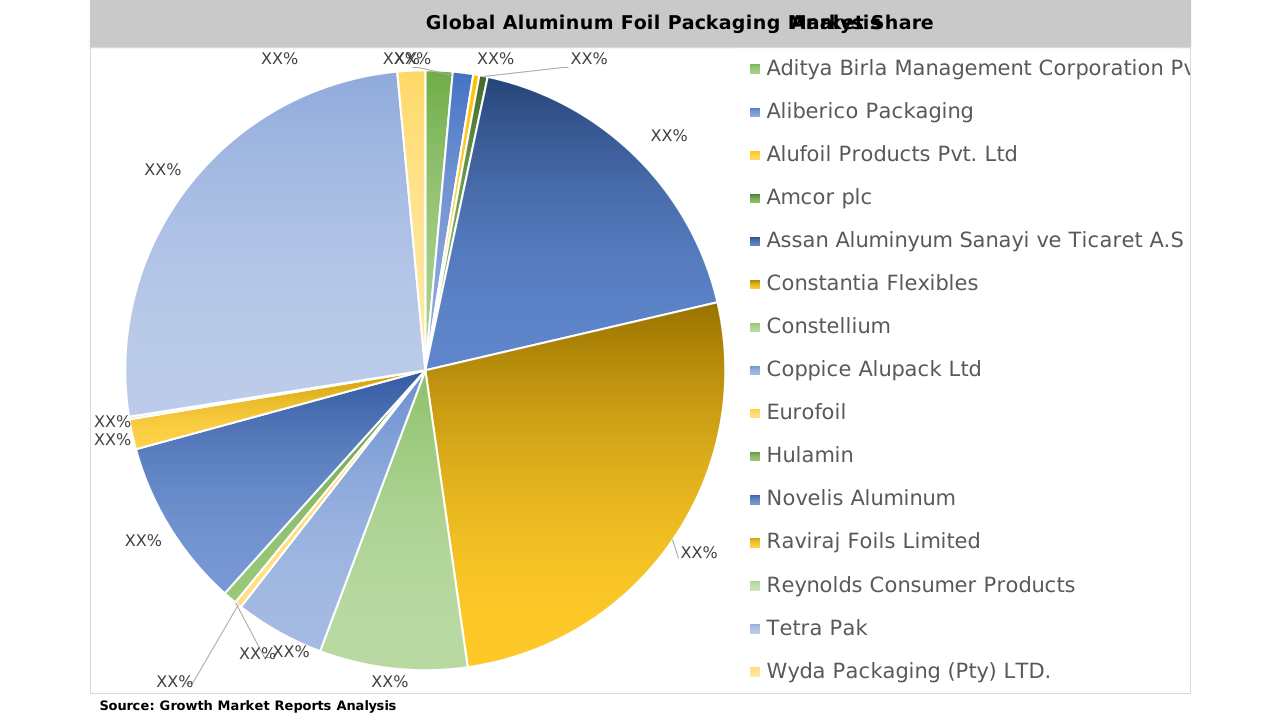
Key players in the global aluminum foil packaging market include Aditya Birla Management Corporation Pvt. Ltd, Aliberico Packaging, Alufoil Products Pvt. Ltd, Amcor plc, Assan Aluminyum Sanayi ve Ticaret A.S, Constantia Flexibles, Constellium, Coppice Alupack Ltd, Eurofoil, Hulamin, Novelis Aluminum, Raviraj Foils Limited, Reynolds Consumer Products, Tetra Pak, and Wyda Packaging (Pty) LTD. These players engage in mergers & acquisitions, collaborations, agreements, and partnerships to strengthen their geographical presence.
Yes, the Aluminum Foil Packaging Market Research Report 2033 offers customization options to address specific business requirements and market insights.
Trends include increasing demand for tamper-evident, child-resistant, and senior-friendly packaging, as well as innovations in barrier properties, printability, and customized designs for branding and safety.
Challenges include raw material price volatility, competition from alternative packaging materials like biodegradable plastics, regulatory restrictions, and concerns about the environmental impact of aluminum production.
Major companies include Amcor plc, Reynolds Group Holdings, Novelis Inc., Hindalco Industries Limited, Constantia Flexibles Group, Ess Dee Aluminium Ltd., and Eurofoil Luxembourg S.A.
Sustainability is a major trend, with manufacturers focusing on recyclable materials, energy-efficient processes, and closed-loop recycling systems to reduce environmental impact and meet regulatory requirements.
The market offers rolled foil, backed foil, laminated foil, and specialty foils, each serving unique applications such as household use, insulation, premium packaging, and industrial uses.
Aluminum foil packaging is widely used in food & beverage, pharmaceuticals, personal care & cosmetics, and industrial sectors for its barrier properties, shelf life extension, and product integrity.
Asia Pacific leads the market, accounting for about 44% of the global value in 2024, followed by North America and Europe. The Middle East & Africa and Latin America are emerging as promising markets.
Key growth drivers include rising demand in food & beverage, pharmaceuticals, and personal care sectors, superior barrier properties, lightweight and recyclable nature, and increasing focus on food safety and sustainability.
The global aluminum foil packaging market reached USD 31.2 billion in 2024 and is expected to grow at a CAGR of 4.8%, reaching USD 47.2 billion by 2033.