Segments - by Packaging Type (Blister Packs, Bottles, Vials & Ampoules, Pouches, Pre-filled Syringes, Bags & Sachets, Others), by Material (Plastic, Glass, Paper & Paperboard, Aluminum Foil, Others), by Product (Primary Packaging, Secondary Packaging, Tertiary Packaging), by Drug Delivery Mode (Oral, Injectable, Topical, Inhalable, Others), by End-User (Pharmaceutical Companies, Contract Packaging, Research Organizations, Others)
According to our latest research, the global pharmaceutical packaging market size reached USD 132.9 billion in 2024, reflecting robust growth driven by rising pharmaceutical production and increasing demand for advanced packaging solutions. The market is expected to expand at a strong CAGR of 7.1% from 2025 to 2033, projecting a value of USD 247.1 billion by 2033. Key growth factors include the proliferation of biopharmaceuticals, stringent regulatory requirements for drug safety, and the ongoing innovation in packaging technologies to enhance drug stability and patient compliance.
A major growth driver for the pharmaceutical packaging market is the global surge in pharmaceutical manufacturing, particularly in emerging economies. As healthcare infrastructure expands and access to medicines improves, the demand for packaging that ensures drug safety, integrity, and traceability continues to rise. The increasing prevalence of chronic diseases and a growing geriatric population are also fueling the production of a wider range of pharmaceutical products, each necessitating specialized packaging formats. Furthermore, the COVID-19 pandemic has heightened awareness around the importance of secure and tamper-evident packaging, accelerating investments in packaging technologies that support cold chain logistics and safeguard product efficacy during transportation.
Technological advancements are transforming the pharmaceutical packaging landscape. The integration of smart packaging, such as RFID tags and QR codes, is enabling real-time tracking, authentication, and patient engagement. These technologies are not only improving supply chain transparency but also addressing the growing threat of counterfeit drugs, which is a significant concern for both manufacturers and regulators. Additionally, the drive toward sustainable packaging is prompting the adoption of eco-friendly materials and recyclable solutions, aligning with global environmental initiatives and consumer preferences. As a result, packaging companies are increasingly focusing on innovation to balance regulatory compliance, product protection, and sustainability.
Another critical factor propelling the pharmaceutical packaging market is the evolution of drug delivery systems. The rise of biologics and injectables has led to the development of advanced packaging formats like pre-filled syringes, vials, and ampoules that cater to the unique storage and handling requirements of these sensitive formulations. Oral solid dosage forms, while still dominant, are being complemented by a growing range of topical, inhalable, and transdermal products, each requiring tailored packaging solutions. This diversification is driving packaging manufacturers to invest in flexible production lines and R&D to accommodate the shifting product mix and enhance patient convenience.
Sterile Pharmaceutical Packaging plays a pivotal role in ensuring the safety and efficacy of sensitive drug formulations. As the pharmaceutical industry continues to evolve with the introduction of biologics and complex injectables, the demand for sterile packaging solutions has surged. This type of packaging is designed to prevent contamination and maintain sterility throughout the product's shelf life, which is crucial for patient safety. Innovations in sterile packaging technologies, such as aseptic filling and advanced sealing techniques, are enhancing the reliability and performance of these solutions. The integration of automation and robotics in packaging lines is further optimizing the production of sterile pharmaceutical packaging, ensuring consistency and reducing the risk of human error. As regulatory standards become more stringent, the industry is witnessing increased investment in research and development to create packaging that not only meets safety requirements but also supports efficient drug delivery and administration.
From a regional perspective, Asia Pacific is emerging as the fastest-growing market for pharmaceutical packaging, underpinned by the rapid expansion of pharmaceutical manufacturing hubs in India, China, and Southeast Asia. North America and Europe remain mature markets, characterized by stringent regulatory frameworks and high adoption of advanced packaging technologies. Meanwhile, Latin America and the Middle East & Africa are witnessing steady growth, driven by improvements in healthcare infrastructure and increasing pharmaceutical imports. The global nature of pharmaceutical supply chains necessitates compliance with diverse regulatory standards, compelling packaging providers to maintain high levels of quality assurance and adaptability across regions.
The pharmaceutical packaging market is segmented by packaging type into blister packs, bottles, vials & ampoules, pouches, pre-filled syringes, bags & sachets, and others. Blister packs remain a cornerstone of the industry, especially for oral solid dosage forms such as tablets and capsules. Their popularity is attributed to their excellent barrier properties, ability to protect drugs from moisture and contamination, and ease of use for patients. Blister packaging also supports compliance through calendar packs and unit-dose formats, which are increasingly favored in both developed and developing markets. Regulatory authorities also prefer blister packaging for its tamper-evident features and traceability, further reinforcing its dominance in the market.
Bottles, particularly plastic and glass variants, continue to hold a significant share in the pharmaceutical packaging market. They are widely used for liquid formulations, syrups, and bulk solid dosages. Plastic bottles, made from high-density polyethylene (HDPE) and polyethylene terephthalate (PET), offer advantages such as lightweight, break resistance, and cost-effectiveness. Glass bottles, while heavier and more fragile, are preferred for their inertness and compatibility with a wide range of formulations, especially sensitive injectables and biologics. The ongoing shift towards child-resistant and senior-friendly closures is driving further innovation in bottle packaging design.
Vials and ampoules are critical for injectable drugs, vaccines, and biologics, which require stringent protection against contamination and environmental factors. The rise in biologic drug development and the global vaccination drives have significantly increased the demand for high-quality vials and ampoules, particularly those made from borosilicate glass and advanced polymers. These packaging types offer superior chemical resistance and maintain drug stability over extended periods. The COVID-19 pandemic, in particular, has underscored the importance of reliable vial and ampoule supply chains, prompting investments in capacity expansion and automation.
Pre-filled syringes and pouches are gaining traction as the pharmaceutical industry moves towards patient-centric drug delivery. Pre-filled syringes enhance dosing accuracy, reduce the risk of contamination, and support self-administration, making them ideal for chronic disease management. Pouches and bags, often used for intravenous solutions and topical formulations, are valued for their flexibility, portability, and lower material usage compared to rigid containers. The adoption of innovative materials and manufacturing processes is enabling these packaging types to deliver improved barrier properties and compatibility with a broader range of drug products.
| Attributes | Details |
| Report Title | Pharmaceutical Packaging Market Research Report 2033 |
| By Packaging Type | Blister Packs, Bottles, Vials & Ampoules, Pouches, Pre-filled Syringes, Bags & Sachets, Others |
| By Material | Plastic, Glass, Paper & Paperboard, Aluminum Foil, Others |
| By Product | Primary Packaging, Secondary Packaging, Tertiary Packaging |
| By Drug Delivery Mode | Oral, Injectable, Topical, Inhalable, Others |
| By End-User | Pharmaceutical Companies, Contract Packaging, Research Organizations, Others |
| Regions Covered | North America, Europe, APAC, Latin America, MEA |
| Base Year | 2024 |
| Historic Data | 2018-2023 |
| Forecast Period | 2025-2033 |
| Number of Pages | 265 |
| Number of Tables & Figures | 250 |
| Customization Available | Yes, the report can be customized as per your need. |
The choice of material in pharmaceutical packaging is a critical determinant of product safety, efficacy, and regulatory compliance. Plastic remains the most widely used material, accounting for a substantial share of the market due to its versatility, cost-effectiveness, and adaptability to various packaging formats. Plastics such as HDPE, PET, polypropylene, and polyvinyl chloride (PVC) are extensively used for bottles, blister packs, and closures. Recent advancements in polymer science have led to the development of high-barrier plastics that provide enhanced protection against moisture, oxygen, and light, addressing the needs of sensitive drug formulations.
Clinical Trial Packaging is an essential component of the drug development process, ensuring that investigational products are safely and effectively delivered to trial participants. This specialized packaging must accommodate the unique requirements of clinical trials, such as blinding, randomization, and compliance with regulatory standards. The complexity of clinical trial packaging is further heightened by the need for flexibility to accommodate various dosage forms and trial designs. As the number of clinical trials continues to grow globally, driven by the pursuit of innovative therapies and personalized medicine, the demand for sophisticated packaging solutions is on the rise. Companies are investing in advanced technologies, such as interactive packaging and digital tracking systems, to enhance patient engagement and streamline trial logistics. The ability to provide customized, scalable, and compliant packaging solutions is becoming a key differentiator in the competitive landscape of clinical trial services.
Glass is another essential material in pharmaceutical packaging, renowned for its chemical inertness, transparency, and impermeability. It is the preferred choice for vials, ampoules, and certain bottles, particularly for injectable drugs and biologics that require maximum protection from external contaminants. The pharmaceutical industry is witnessing a shift towards specialty glass, such as borosilicate, which offers superior resistance to thermal shock and chemical interactions. However, concerns regarding breakage and higher costs compared to plastics are driving innovation in glass manufacturing, including the development of lightweight and shatter-resistant variants.
Paper & paperboard are primarily used for secondary and tertiary packaging, including cartons, boxes, and inserts. These materials provide structural support, facilitate branding, and contribute to the overall sustainability of pharmaceutical packaging. With the growing emphasis on eco-friendly packaging, paper-based solutions are gaining popularity, particularly in markets with stringent environmental regulations. Advances in coating technologies are enhancing the barrier properties of paper and paperboard, enabling their use in primary packaging for certain non-sensitive products.
Aluminum foil plays a vital role in pharmaceutical packaging, especially in blister packs and strip packs. Its excellent barrier properties protect drugs from moisture, light, and gases, ensuring product stability throughout the shelf life. Aluminum foil is also used in combination with other materials to create multi-layered packaging structures that offer tailored protection for specific drug formulations. The recyclability of aluminum further aligns with the industry's sustainability goals, although price volatility and supply chain constraints remain challenges.
The pharmaceutical packaging market is segmented by product into primary, secondary, and tertiary packaging. Primary packaging, which comes into direct contact with the drug product, is the most critical segment due to its role in preserving drug stability, preventing contamination, and facilitating accurate dosing. This segment encompasses blister packs, bottles, vials, ampoules, pre-filled syringes, and pouches. The increasing complexity of drug formulations, particularly biologics and personalized medicines, is driving demand for advanced primary packaging solutions that offer superior barrier properties and compatibility.
Secondary packaging serves as an additional protective layer, housing primary packages and providing essential information such as dosage instructions, batch numbers, and regulatory compliance details. It includes cartons, boxes, and inserts, which also play a vital role in branding, product differentiation, and patient education. With the rise of serialization and anti-counterfeiting regulations, secondary packaging is increasingly being equipped with tamper-evident features, unique identifiers, and digital tracking technologies. These enhancements are critical for maintaining supply chain integrity and ensuring patient safety.
PHA-based Packaging is emerging as a sustainable alternative in the pharmaceutical industry, aligning with the growing emphasis on environmental responsibility. Polyhydroxyalkanoates (PHAs) are biodegradable polymers produced by microbial fermentation, offering a renewable solution to traditional plastic packaging. The adoption of PHA-based packaging is driven by its ability to reduce environmental impact without compromising the protective qualities required for pharmaceutical products. As regulatory bodies and consumers increasingly prioritize sustainability, the demand for eco-friendly packaging materials is expected to rise. PHA-based packaging not only supports the industry's sustainability goals but also enhances brand image and consumer trust. Ongoing research and development efforts are focused on improving the cost-effectiveness and performance of PHA materials, paving the way for broader adoption across various packaging formats. This innovation represents a significant step towards a circular economy in pharmaceutical packaging, where materials are designed to be reused, recycled, or composted.
Tertiary packaging encompasses the bulk packaging and shipping containers used for storage, transportation, and distribution of pharmaceutical products. This segment includes pallets, crates, and large cartons designed to protect products during long-distance transit and handling. The growth of global pharmaceutical trade and the expansion of cold chain logistics are driving innovation in tertiary packaging, with a focus on durability, temperature control, and cost-efficiency. The integration of IoT-enabled sensors and data loggers is enabling real-time monitoring of environmental conditions, further enhancing the safety and traceability of pharmaceutical shipments.
The interplay between primary, secondary, and tertiary packaging is becoming increasingly important as pharmaceutical supply chains grow more complex. Manufacturers are seeking integrated packaging solutions that streamline operations, reduce waste, and ensure compliance with diverse regulatory requirements. The convergence of automation, digitalization, and sustainability is shaping the future of pharmaceutical packaging across all product segments.
The pharmaceutical packaging market is segmented by drug delivery mode into oral, injectable, topical, inhalable, and others. Oral drug delivery remains the most prevalent mode, accounting for a significant share of pharmaceutical sales worldwide. Packaging for oral drugs, including tablets and capsules, is dominated by blister packs and bottles, which offer convenience, protection, and ease of administration. The growing focus on patient adherence is driving innovations such as calendar packs and unit-dose packaging, which help patients manage complex medication regimens.
Injectable drugs, including vaccines, biologics, and specialty pharmaceuticals, are witnessing rapid growth due to advancements in drug discovery and the increasing prevalence of chronic diseases. Packaging for injectables requires stringent sterility and barrier properties, necessitating the use of high-quality vials, ampoules, and pre-filled syringes. The shift towards self-administration and home healthcare is fueling demand for user-friendly packaging formats that enhance safety and minimize dosing errors. The COVID-19 pandemic has further accelerated the adoption of advanced packaging for injectables, highlighting the need for scalable and reliable supply chains.
Topical drug delivery, used for dermatological and transdermal products, relies on packaging formats such as tubes, jars, and pouches that ensure product integrity and ease of application. Innovations in material science are enabling the development of packaging with improved barrier properties, compatibility with active ingredients, and enhanced user experience. The growing popularity of transdermal patches and medicated plasters is also expanding the scope of topical packaging solutions.
Inhalable drug delivery, primarily used for respiratory conditions such as asthma and chronic obstructive pulmonary disease (COPD), requires specialized packaging to maintain the stability and efficacy of aerosolized formulations. Metered-dose inhalers, dry powder inhalers, and nebulizer vials are key packaging formats in this segment. The increasing prevalence of respiratory diseases and the push for patient-friendly devices are driving investments in innovative packaging technologies that ensure accurate dosing and ease of use.
The end-user landscape of the pharmaceutical packaging market comprises pharmaceutical companies, contract packaging organizations (CPOs), research organizations, and others. Pharmaceutical companies remain the primary consumers of packaging solutions, investing heavily in advanced packaging to meet regulatory requirements, ensure product safety, and support brand differentiation. The growing complexity of drug portfolios and the need for rapid product launches are prompting pharmaceutical companies to collaborate closely with packaging suppliers to develop customized solutions.
Contract packaging organizations (CPOs) are playing an increasingly important role in the pharmaceutical packaging ecosystem. As pharmaceutical manufacturers seek to optimize costs and enhance operational flexibility, outsourcing packaging operations to specialized CPOs is becoming more common. CPOs offer expertise in regulatory compliance, serialization, and supply chain management, enabling pharmaceutical companies to focus on core R&D and production activities. The expansion of CPOs is particularly pronounced in emerging markets, where they support local and global pharmaceutical supply chains.
Research organizations, including academic institutions and clinical research organizations (CROs), represent a growing segment of the pharmaceutical packaging market. These entities require specialized packaging for clinical trial materials, investigational drugs, and small-batch production. The need for tamper-evident, easy-to-use, and adaptable packaging solutions is critical in clinical research, where product integrity and patient safety are paramount. The rise of personalized medicine and targeted therapies is further driving demand for flexible and small-scale packaging capabilities.
Other end-users, such as wholesalers, distributors, and healthcare providers, also contribute to the demand for pharmaceutical packaging. These stakeholders require packaging that supports efficient logistics, minimizes product damage, and ensures compliance with storage and handling requirements. The integration of digital technologies and track-and-trace systems is enhancing supply chain visibility and facilitating more efficient distribution of pharmaceutical products.
The pharmaceutical packaging market presents a wide array of opportunities, particularly in the realms of innovation and sustainability. The increasing adoption of smart packaging technologies, such as RFID, NFC, and QR codes, is revolutionizing supply chain management and patient engagement. These technologies enable real-time tracking, anti-counterfeiting measures, and personalized patient communication, opening new avenues for value-added services and differentiation. Additionally, the growing emphasis on eco-friendly materials and circular economy principles is driving investments in recyclable, biodegradable, and compostable packaging solutions. Companies that can successfully integrate sustainability into their product portfolios are well-positioned to capture market share and meet the evolving expectations of regulators and consumers.
Another significant opportunity lies in the expansion of pharmaceutical manufacturing in emerging markets. Countries in Asia Pacific, Latin America, and the Middle East & Africa are investing heavily in healthcare infrastructure and local pharmaceutical production, creating robust demand for packaging solutions that meet international quality standards. Packaging providers that can offer cost-effective, scalable, and regulatory-compliant solutions are poised to benefit from these growth markets. The rise of biologics, personalized medicine, and specialty pharmaceuticals is also driving demand for advanced packaging formats that support complex drug delivery and storage requirements.
Despite the positive outlook, the pharmaceutical packaging market faces several restraining factors, chief among them being the stringent and evolving regulatory landscape. Compliance with diverse and often conflicting regulations across regions increases the complexity and cost of packaging development and production. The need for continuous investment in quality assurance, validation, and documentation can strain resources, particularly for small and medium-sized enterprises. Additionally, fluctuations in raw material prices, supply chain disruptions, and the threat of counterfeiting pose ongoing challenges to market participants. Companies must remain agile and invest in robust risk management strategies to navigate these headwinds.
The regional distribution of the pharmaceutical packaging market reflects the global nature of pharmaceutical supply chains and the diverse healthcare needs of different populations. North America leads the market, accounting for approximately USD 41.2 billion in 2024, driven by the presence of major pharmaceutical manufacturers, advanced healthcare infrastructure, and stringent regulatory standards. The region is characterized by high adoption of innovative packaging technologies, such as smart packaging and serialization, to combat counterfeiting and enhance supply chain transparency. The United States remains the largest contributor, with strong demand for packaging solutions that support biologics, specialty drugs, and home healthcare.
Europe is another significant market, with a value of USD 33.7 billion in 2024, supported by a well-established pharmaceutical industry and robust regulatory frameworks. The region is at the forefront of sustainability initiatives, with increasing adoption of recyclable and biodegradable packaging materials. The implementation of the Falsified Medicines Directive (FMD) has accelerated the integration of serialization and anti-counterfeiting technologies in pharmaceutical packaging. Germany, France, and the United Kingdom are leading markets within Europe, benefiting from strong R&D capabilities and a high level of healthcare spending.
The Asia Pacific region is witnessing the fastest growth, with a market size of USD 34.5 billion in 2024 and an impressive CAGR of 9.2% projected through 2033. The rapid expansion of pharmaceutical manufacturing in China, India, and Southeast Asia is fueling demand for a wide range of packaging solutions, from basic bottles and blister packs to advanced pre-filled syringes and smart packaging. Governments in the region are investing in healthcare infrastructure and regulatory harmonization, further supporting market growth. Meanwhile, Latin America and the Middle East & Africa are emerging as important markets, with a combined value of USD 23.5 billion in 2024, driven by improvements in healthcare access and increasing pharmaceutical imports.
The pharmaceutical packaging market is highly competitive and characterized by the presence of both global giants and regional players. The competitive landscape is shaped by ongoing innovation, regulatory compliance, and the ability to offer integrated and customized solutions. Leading companies are investing heavily in R&D to develop advanced packaging materials, smart packaging technologies, and sustainable solutions that address the evolving needs of the pharmaceutical industry. Strategic partnerships, mergers and acquisitions, and capacity expansions are common strategies employed to enhance market presence and expand product portfolios.
A key trend in the competitive landscape is the increasing focus on sustainability and environmental responsibility. Major players are launching eco-friendly packaging lines, investing in recycling infrastructure, and adopting circular economy principles to reduce their environmental footprint. Companies are also leveraging digital technologies to offer value-added services, such as real-time tracking, anti-counterfeiting measures, and patient engagement platforms. The ability to provide end-to-end solutions, from design and prototyping to manufacturing and distribution, is becoming a critical differentiator in the market.
The rise of biologics and specialty pharmaceuticals is driving demand for specialized packaging solutions that ensure drug stability and support complex delivery requirements. Companies with expertise in high-barrier materials, sterile packaging, and cold chain logistics are particularly well-positioned to capture opportunities in this segment. The increasing trend towards outsourcing packaging operations to contract packaging organizations (CPOs) is also reshaping the competitive landscape, with CPOs offering scalability, regulatory expertise, and cost efficiencies to pharmaceutical manufacturers.
Some of the major companies operating in the pharmaceutical packaging market include Amcor plc, Gerresheimer AG, West Pharmaceutical Services, Inc., Schott AG, Berry Global Inc., AptarGroup, Inc., Becton, Dickinson and Company (BD), Catalent, Inc., and WestRock Company. Amcor plc is renowned for its innovative flexible and rigid packaging solutions, with a strong focus on sustainability and digitalization. Gerresheimer AG specializes in glass and plastic packaging for injectables and offers a broad portfolio of high-quality vials, ampoules, and pre-filled syringes. West Pharmaceutical Services, Inc. is a leader in injectable packaging and delivery systems, known for its expertise in elastomer components and drug containment solutions. Schott AG is a global leader in specialty glass packaging, catering to the needs of biologics and high-value pharmaceuticals.
Berry Global Inc. and AptarGroup, Inc. are prominent players in plastic packaging, offering a wide range of bottles, closures, and dispensing systems. Becton, Dickinson and Company (BD) is a key player in pre-filled syringes and drug delivery systems, leveraging its expertise in medical devices and diagnostics. Catalent, Inc. is a leading contract packaging organization, providing integrated solutions for clinical and commercial packaging. WestRock Company is a major supplier of paper-based secondary and tertiary packaging, with a strong emphasis on innovation and sustainability. These companies are continuously expanding their product offerings, investing in technology, and collaborating with pharmaceutical manufacturers to address the dynamic needs of the industry.
The Pharmaceutical Packaging market has been segmented on the basis of
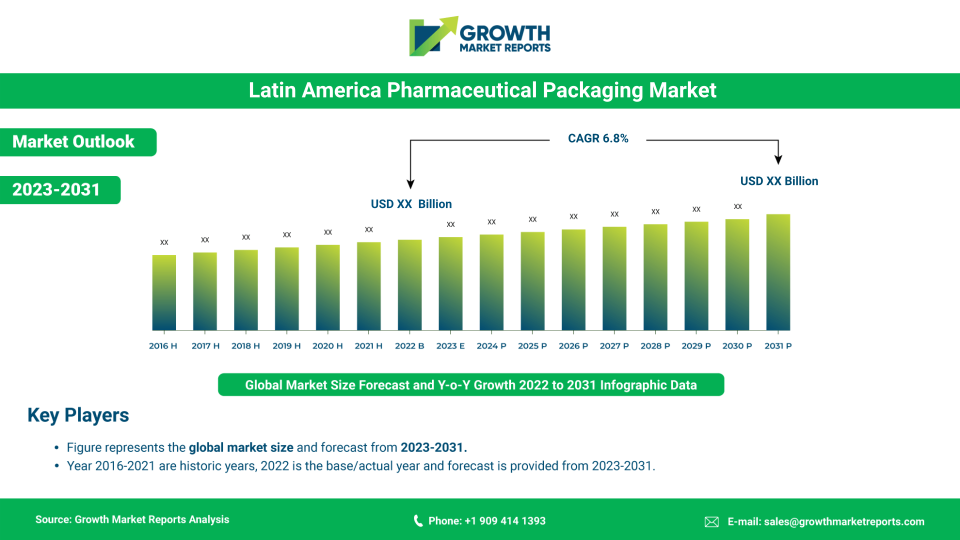
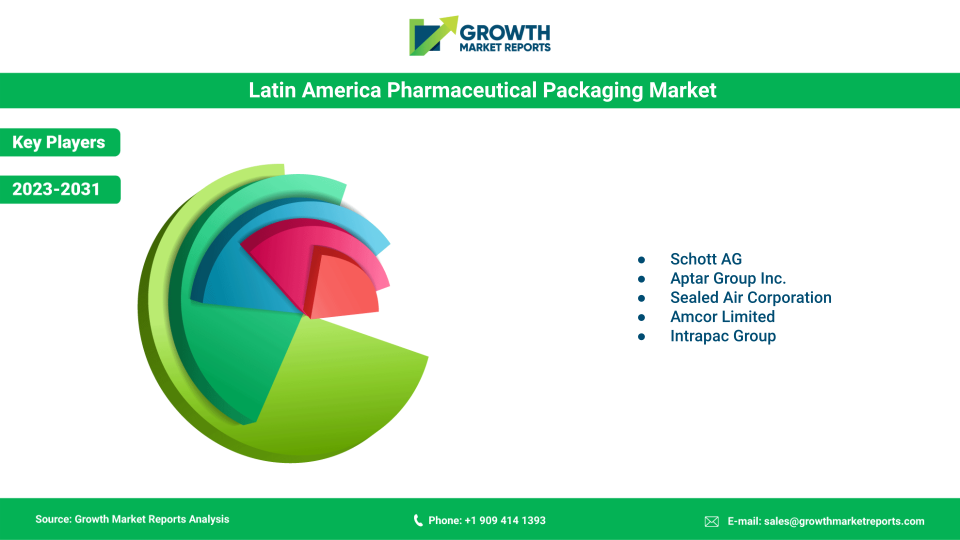
Key players competing in the Latin America pharmaceutical packaging market include Schott AG; Amcor Limited; Aptar Group Inc.; Sealed Air Corporation; and Intrapac Group.
Some of these players are engaged in several market strategies such as mergers, acquisitions, partnerships, collaborations, capacity expansion, and product launches to enhance their market shares.
End-users include pharmaceutical companies, contract packaging organizations (CPOs), research organizations (such as CROs), wholesalers, distributors, and healthcare providers.
Key players include Amcor plc, West Pharmaceutical Services, Inc., Gerresheimer AG, Berry Global Inc., Schott AG, AptarGroup, Inc., Becton, Dickinson and Company (BD), Catalent, Inc., and WestRock Company, among others.
There is a growing emphasis on eco-friendly materials, recyclable and biodegradable solutions, and circular economy principles. Companies are investing in sustainable packaging to meet regulatory and consumer expectations.
Major challenges include stringent and evolving regulatory requirements, raw material price fluctuations, supply chain disruptions, and the threat of counterfeit drugs. Companies must invest in compliance, quality assurance, and risk management.
Technological advancements such as smart packaging (RFID tags, QR codes), anti-counterfeiting features, serialization, and IoT-enabled sensors are improving supply chain transparency, patient engagement, and drug safety.
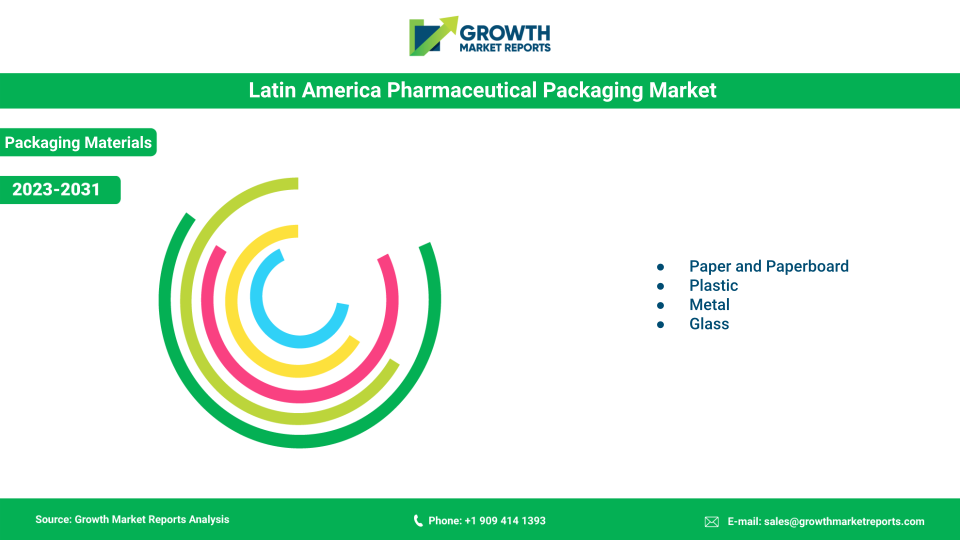
Pharmaceutical packaging commonly uses plastic (HDPE, PET, polypropylene, PVC), glass (especially borosilicate for injectables), paper & paperboard (mainly for secondary and tertiary packaging), and aluminum foil (notably in blister packs and strip packs).
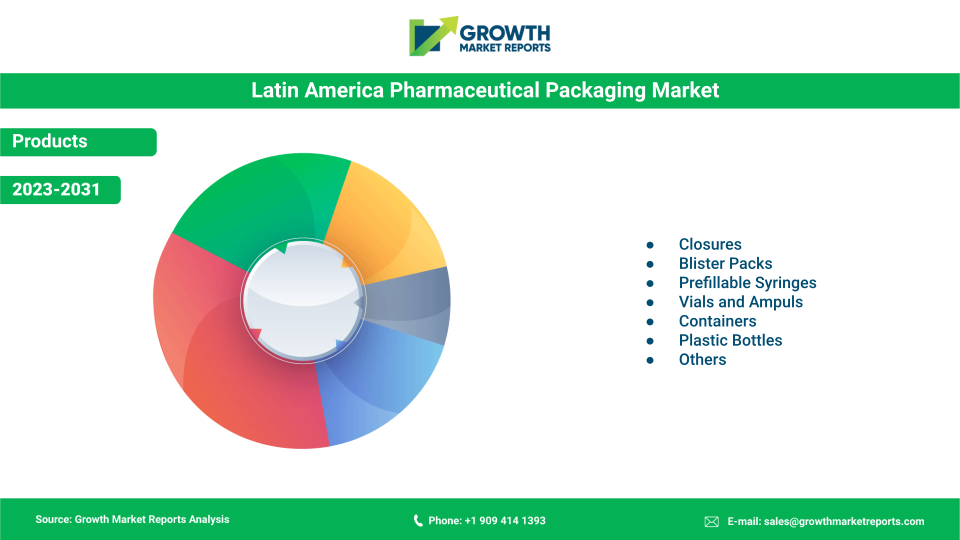
The main packaging types include blister packs, bottles (plastic and glass), vials and ampoules, pouches, pre-filled syringes, bags & sachets, and others. Blister packs are especially popular for oral solid dosages, while vials and ampoules are critical for injectables and biologics.
North America and Europe are mature markets with high adoption of advanced technologies, while Asia Pacific is the fastest-growing region due to rapid expansion in pharmaceutical manufacturing, especially in China, India, and Southeast Asia. Latin America and the Middle East & Africa are also experiencing steady growth.
Key growth drivers include rising pharmaceutical production, increasing demand for advanced and tamper-evident packaging, the proliferation of biopharmaceuticals, stringent regulatory requirements, and ongoing innovation in packaging technologies.
The global pharmaceutical packaging market reached USD 132.9 billion in 2024 and is projected to grow at a CAGR of 7.1% from 2025 to 2033, reaching USD 247.1 billion by 2033.