Segments - by Product Type (Cereal Bars, Granola Bars, Protein Bars, Energy Bars, Others), by Ingredient (Whole Grains, Nuts & Seeds, Dried Fruits, Chocolate, Others), by Distribution Channel (Supermarkets/Hypermarkets, Convenience Stores, Online Retail, Specialty Stores, Others), by End User (Children, Adults, Elderly)
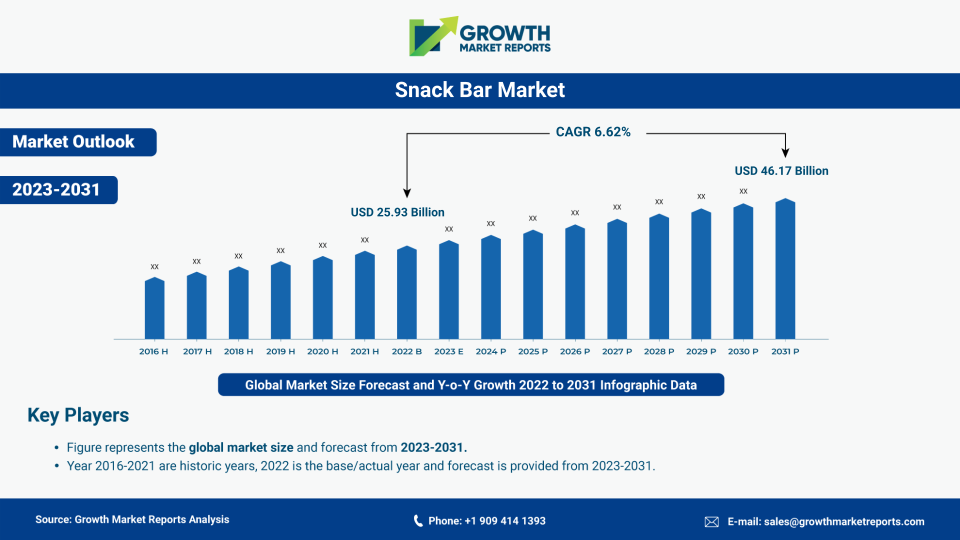
According to our latest research, the global snack bar market size reached USD 25.2 billion in 2024, driven by increasing demand for convenient and nutritious snacking options. The market is projected to grow at a robust CAGR of 6.1% from 2025 to 2033, with the market size expected to reach USD 42.8 billion by the end of the forecast period. This growth is primarily fueled by shifting consumer preferences toward healthy eating, busy lifestyles, and the rising popularity of functional snacks. The snack bar market continues to expand rapidly as manufacturers innovate with new ingredients and flavors to cater to diverse consumer needs.
One of the primary growth factors for the snack bar market is the increasing health consciousness among consumers worldwide. The modern consumer is more aware of the nutritional value of the foods they consume, leading to a significant shift from traditional snacks to healthier alternatives like snack bars. These bars, often fortified with proteins, fibers, vitamins, and minerals, serve as a convenient meal replacement or on-the-go snack for individuals seeking to maintain a healthy diet. The proliferation of fitness trends and heightened awareness about lifestyle diseases such as obesity and diabetes have further propelled the demand for snack bars that offer balanced nutrition. As a result, manufacturers are investing in R&D to launch products that cater to specific dietary requirements, including gluten-free, vegan, and low-sugar options, thereby broadening the consumer base.
Another significant driver for the snack bar market is the growing urbanization and the fast-paced lifestyle of the working population. With hectic work schedules and the increasing need for quick energy boosts, snack bars have become a staple in the daily diet of many consumers. The portability and long shelf life of snack bars make them an ideal choice for individuals looking for a convenient snack between meals or during travel. Moreover, the expansion of retail infrastructure, including supermarkets, hypermarkets, and convenience stores, has made snack bars more accessible to consumers worldwide. The rise of e-commerce and online retail platforms has further facilitated the purchase of snack bars, offering consumers a wide variety of choices and the convenience of home delivery.
In recent years, Prebiotic Snack Bars have emerged as a notable trend within the snack bar market, catering to health-conscious consumers seeking digestive health benefits. These bars are formulated with prebiotic fibers, which support gut health by promoting the growth of beneficial bacteria in the digestive system. As consumers become more aware of the importance of gut health in overall well-being, the demand for prebiotic snack bars is expected to rise. Manufacturers are responding by incorporating ingredients like chicory root, inulin, and other natural prebiotics into their products, offering a functional snack option that aligns with the growing interest in digestive wellness. This trend not only enhances the nutritional profile of snack bars but also provides a unique selling point in a competitive market landscape.
Innovation in flavors, ingredients, and packaging is also playing a crucial role in driving the growth of the snack bar market. Manufacturers are increasingly focusing on incorporating superfoods, exotic fruits, and functional ingredients such as probiotics and adaptogens into their products to differentiate themselves in a highly competitive market. Attractive and sustainable packaging is being adopted to appeal to environmentally conscious consumers and enhance product shelf appeal. Additionally, aggressive marketing campaigns, celebrity endorsements, and collaborations with fitness influencers have helped snack bar brands to strengthen their market presence and connect with a broader audience. These strategies have not only increased brand visibility but also educated consumers about the health benefits of snack bars, further boosting market growth.
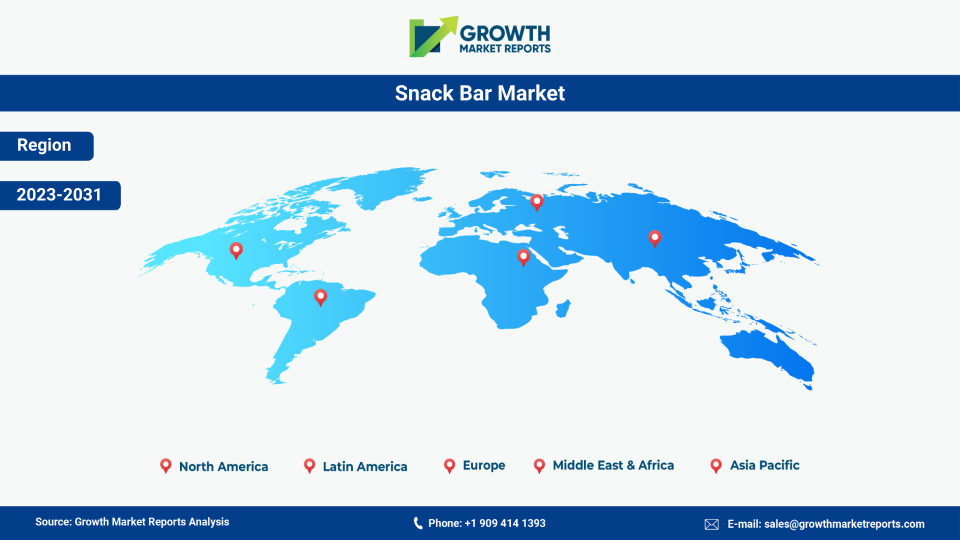
From a regional perspective, North America currently dominates the snack bar market, accounting for the largest share in 2024, followed closely by Europe and the Asia Pacific region. The high demand for convenient and healthy snack options in these regions, coupled with a well-established retail network and a strong presence of key market players, has contributed to their market leadership. Emerging economies in Asia Pacific and Latin America are witnessing rapid growth due to rising disposable incomes, urbanization, and changing dietary habits. The Middle East & Africa region, though currently holding a smaller share, is expected to exhibit promising growth during the forecast period, driven by increasing health awareness and expanding retail infrastructure. Overall, the global snack bar market is poised for significant expansion, with regional markets contributing to the overall growth trajectory.
The snack bar market is segmented by product type into cereal bars, granola bars, protein bars, energy bars, and others, each catering to distinct consumer needs and preferences. Cereal bars have long been a popular choice, especially among children and young adults, due to their light texture, appealing flavors, and convenience. These bars are often fortified with vitamins and minerals, making them an attractive option for parents seeking nutritious snacks for their children. Granola bars, on the other hand, have gained immense popularity among health-conscious consumers, primarily due to their high fiber content and the inclusion of wholesome ingredients like oats, nuts, and dried fruits. The increasing trend of clean-label and organic products has further bolstered the demand for granola bars, as consumers seek snacks with minimal processing and natural ingredients.
Protein bars have emerged as a significant growth driver within the snack bar market, particularly among fitness enthusiasts and athletes. The rising emphasis on protein-rich diets for muscle building, weight management, and overall health has led to a surge in the consumption of protein bars. These bars often contain a blend of whey, soy, or plant-based proteins, catering to a wide range of dietary preferences, including vegan and vegetarian consumers. Manufacturers are continuously innovating with new flavors and ingredient combinations to enhance the taste and nutritional profile of protein bars, thereby expanding their appeal beyond the fitness community to mainstream consumers seeking healthy snacking options.
Energy bars represent another important segment, targeting consumers who require a quick and sustained energy boost, such as athletes, travelers, and busy professionals. These bars are formulated with a balanced mix of carbohydrates, proteins, and fats, along with added vitamins and minerals to support endurance and recovery. The demand for energy bars has been further fueled by the growing participation in sports and outdoor activities, as well as the increasing adoption of active lifestyles. Manufacturers are also focusing on clean energy ingredients like natural sweeteners, whole grains, and superfoods to cater to health-conscious consumers looking for alternative sources of energy.
Other snack bar types, including fruit bars, nut bars, and meal replacement bars, are also gaining traction in the market. These bars often target niche consumer segments with specific dietary needs, such as gluten-free, keto, or paleo diets. The versatility and adaptability of snack bars to various consumer preferences and health trends have enabled manufacturers to tap into new market opportunities and drive overall market growth. As the competition intensifies, product differentiation through innovative flavors, functional ingredients, and value-added benefits will remain a key strategy for companies operating in the snack bar market.
| Attributes | Details |
| Report Title | Snack Bar Market Research Report 2033 |
| By Product Type | Cereal Bars, Granola Bars, Protein Bars, Energy Bars, Others |
| By Ingredient | Whole Grains, Nuts & Seeds, Dried Fruits, Chocolate, Others |
| By Distribution Channel | Supermarkets/Hypermarkets, Convenience Stores, Online Retail, Specialty Stores, Others |
| By End User | Children, Adults, Elderly |
| Regions Covered | North America, Europe, APAC, Latin America, MEA |
| Base Year | 2024 |
| Historic Data | 2018-2023 |
| Forecast Period | 2025-2033 |
| Number of Pages | 253 |
| Number of Tables & Figures | 269 |
| Customization Available | Yes, the report can be customized as per your need. |
The snack bar market is characterized by a diverse range of ingredients, each playing a crucial role in determining the taste, texture, and nutritional value of the final product. Whole grains, such as oats, quinoa, and brown rice, are among the most commonly used ingredients in snack bars, owing to their high fiber content and health benefits. These grains provide sustained energy, promote digestive health, and are often preferred by consumers seeking clean-label and minimally processed snacks. The growing awareness about the importance of whole grains in preventing chronic diseases has further boosted their inclusion in snack bar formulations, making them a staple ingredient in many popular brands.
Nuts and seeds, including almonds, walnuts, chia seeds, and flaxseeds, are another key ingredient segment in the snack bar market. These ingredients are valued for their rich nutrient profile, providing healthy fats, proteins, vitamins, and minerals. The increasing popularity of plant-based diets and the demand for protein-rich snacks have driven the use of nuts and seeds in snack bars. Additionally, the crunchy texture and natural flavor enhancement offered by these ingredients contribute to the overall sensory appeal of the product. Manufacturers are also leveraging the functional benefits of nuts and seeds, such as heart health and satiety, to position their products as healthy and satisfying snacks.
Dried fruits, such as raisins, cranberries, apricots, and dates, are widely used in snack bars to add natural sweetness, flavor, and nutritional value. These ingredients are rich in antioxidants, vitamins, and minerals, making them a popular choice among health-conscious consumers. The trend toward reducing added sugars in snacks has led manufacturers to incorporate more dried fruits as a natural sweetener, thereby enhancing the health profile of their products. Moreover, the vibrant colors and chewy texture of dried fruits contribute to the visual and sensory appeal of snack bars, making them more attractive to consumers.
Chocolate remains a perennial favorite ingredient in the snack bar market, offering indulgence and flavor variety. While traditional chocolate bars are often associated with high sugar content, manufacturers are now focusing on dark chocolate and reduced-sugar options to cater to health-conscious consumers. The inclusion of chocolate not only enhances the taste but also provides functional benefits, such as antioxidants, when using high-cocoa-content varieties. Other ingredients, such as yogurt coatings, spices, and functional additives like probiotics and vitamins, are also being incorporated to create unique and value-added snack bar offerings. The continuous innovation in ingredient combinations and the emphasis on natural, clean-label, and functional ingredients are expected to drive the growth of the snack bar market in the coming years.
The distribution channel landscape for the snack bar market is diverse, encompassing supermarkets/hypermarkets, convenience stores, online retail, specialty stores, and other channels. Supermarkets and hypermarkets remain the dominant distribution channel, accounting for a significant share of global snack bar sales in 2024. These retail outlets offer a wide variety of snack bar brands and flavors, allowing consumers to compare and choose products based on their preferences. The strategic placement of snack bars near checkout counters and the availability of promotional offers and discounts further drive impulse purchases, contributing to the growth of this channel.
Convenience stores are another important distribution channel, particularly in urban areas where consumers seek quick and easy access to snacks. The growing trend of on-the-go snacking and the increasing number of convenience stores in both developed and emerging markets have fueled the sales of snack bars through this channel. Convenience stores often stock single-serve snack bars, catering to busy professionals, students, and travelers looking for a quick energy boost. The accessibility and extended operating hours of these stores make them a preferred choice for many consumers.
Online retail has witnessed significant growth in recent years, driven by the increasing penetration of e-commerce platforms and changing consumer shopping habits. The convenience of browsing and purchasing from a wide range of snack bar products, coupled with home delivery options, has made online retail an attractive channel for consumers. Additionally, online platforms enable manufacturers to reach a broader audience, offer subscription services, and gather valuable consumer insights through data analytics. The COVID-19 pandemic further accelerated the shift toward online shopping, with many consumers opting for contactless delivery and bulk purchases of snack bars.
Specialty stores, including health food stores, organic markets, and fitness centers, play a crucial role in catering to niche consumer segments with specific dietary requirements. These stores often stock premium, organic, and functional snack bars that may not be readily available in mainstream retail outlets. The personalized shopping experience, knowledgeable staff, and curated product selection offered by specialty stores attract health-conscious consumers willing to pay a premium for quality and innovation. Other distribution channels, such as vending machines and direct-to-consumer sales, are also gaining traction, particularly in corporate offices, gyms, and educational institutions, further expanding the reach of snack bar products.
The end user segmentation of the snack bar market includes children, adults, and the elderly, each with distinct consumption patterns and preferences. Children represent a significant consumer group for snack bars, particularly cereal and granola bars, which are often marketed as nutritious and convenient snacks for school lunches or after-school activities. Parents are increasingly seeking snacks that offer a balance of taste and nutrition, driving demand for products fortified with vitamins, minerals, and whole grains. Manufacturers are responding by developing child-friendly flavors, attractive packaging, and portion-controlled sizes to appeal to both children and their caregivers.
Adults constitute the largest end user segment in the snack bar market, driven by the need for convenient, healthy, and portable snacks to support their busy lifestyles. Protein bars, energy bars, and meal replacement bars are particularly popular among working professionals, fitness enthusiasts, and individuals following specific dietary regimens. The emphasis on health and wellness, weight management, and active living has led to increased consumption of snack bars as meal substitutes, pre- or post-workout snacks, or quick energy boosters during the day. Manufacturers are targeting this segment with innovative products that offer functional benefits, such as high protein content, low sugar, and added superfoods, to meet the evolving needs of adult consumers.
The elderly population, though representing a smaller share of the snack bar market, is an emerging segment with significant growth potential. As the global population ages, there is a growing demand for snacks that cater to the specific nutritional needs of older adults, such as higher protein, fiber, and calcium content. Snack bars designed for the elderly often feature softer textures, easy-to-chew formats, and added functional ingredients to support bone health, digestion, and overall wellness. Manufacturers are increasingly recognizing the importance of this demographic and are developing products tailored to their unique requirements, thereby tapping into a new and underserved market segment.
The snack bar market presents numerous opportunities for growth and innovation, particularly in the areas of product development and market expansion. The rising demand for plant-based, organic, and functional snack bars offers manufacturers the chance to differentiate their products and capture new consumer segments. The increasing prevalence of food allergies and dietary restrictions, such as gluten intolerance and veganism, has created a market for specialized snack bars that cater to these needs. Additionally, the expansion of distribution channels, including e-commerce and direct-to-consumer models, enables brands to reach a wider audience and build stronger relationships with their customers. Collaborations with fitness influencers, celebrity endorsements, and targeted marketing campaigns present further opportunities to enhance brand visibility and drive consumer engagement.
Another significant opportunity lies in the adoption of sustainable and eco-friendly practices throughout the snack bar value chain. With growing consumer awareness about environmental issues, there is increasing demand for products that use responsibly sourced ingredients, recyclable packaging, and sustainable production methods. Brands that prioritize sustainability and transparency are likely to gain a competitive edge in the market and build long-term loyalty among environmentally conscious consumers. Furthermore, the integration of digital technologies, such as data analytics and personalized nutrition, offers the potential to deliver customized snack bar solutions that meet individual consumer preferences and health goals.
Despite the numerous opportunities, the snack bar market faces several challenges and threats that could hinder its growth. One of the primary restrainers is the increasing competition from alternative snack options, such as fresh fruits, yogurt, and traditional snacks, which may be perceived as healthier or more affordable by some consumers. Additionally, concerns about the sugar content, artificial additives, and processing methods used in some snack bars have led to growing scrutiny from health experts and regulatory bodies. Manufacturers must address these concerns by reformulating products, improving labeling transparency, and educating consumers about the health benefits of their offerings to maintain trust and credibility in the market.
North America remains the largest regional market for snack bars, accounting for approximately 38% of global sales in 2024, or around USD 9.6 billion. The region's dominance can be attributed to high consumer awareness about health and wellness, a strong culture of snacking, and the widespread availability of snack bars across various retail channels. The presence of major market players and continuous product innovation further drive the growth of the North American snack bar market. The United States, in particular, leads the region with a significant share, supported by a large population of fitness enthusiasts and health-conscious consumers.
Europe is the second-largest market, with a value of USD 7.1 billion in 2024, representing about 28% of the global market. The region is characterized by a growing demand for organic and natural snack bars, driven by increasing health awareness and stringent food safety regulations. Countries such as the United Kingdom, Germany, and France are at the forefront of this trend, with consumers seeking high-quality, clean-label products. The European snack bar market is expected to grow at a steady CAGR of 5.8% during the forecast period, supported by innovation in flavors, packaging, and functional ingredients.
The Asia Pacific region is experiencing the fastest growth in the snack bar market, with a market size of USD 5.3 billion in 2024 and a projected CAGR of 8.2% from 2025 to 2033. Rapid urbanization, rising disposable incomes, and changing dietary habits are driving the adoption of snack bars in countries such as China, India, Japan, and Australia. The increasing penetration of modern retail formats and the growing influence of Western eating habits have further contributed to the expansion of the snack bar market in the region. Latin America and the Middle East & Africa, though currently smaller markets, are also expected to witness significant growth, supported by increasing health awareness, expanding retail infrastructure, and the introduction of innovative products tailored to local preferences.
The global snack bar market is highly competitive, with a mix of multinational corporations, regional players, and emerging startups vying for market share. The competitive landscape is characterized by continuous product innovation, aggressive marketing strategies, and a strong focus on health and wellness trends. Leading companies are investing heavily in research and development to launch new flavors, functional ingredients, and sustainable packaging solutions that cater to evolving consumer preferences. The ability to respond quickly to changing market dynamics and consumer demands is a key differentiator in this fast-paced industry. Mergers, acquisitions, and strategic partnerships are common as companies seek to expand their product portfolios, enter new markets, and strengthen their distribution networks.
Brand loyalty and consumer trust play a crucial role in the snack bar market, with established brands leveraging their reputation and extensive distribution channels to maintain a competitive edge. However, the rise of niche brands and startups offering specialized, premium, or organic snack bars has intensified competition and challenged the dominance of traditional players. These emerging companies often focus on transparency, clean-label ingredients, and direct-to-consumer sales models to build a loyal customer base. The increasing importance of online retail and social media marketing has also enabled smaller brands to reach a wider audience and compete effectively with larger competitors.
Sustainability and corporate social responsibility are becoming increasingly important in the competitive landscape, with consumers demanding greater transparency and accountability from snack bar manufacturers. Companies that prioritize ethical sourcing, environmentally friendly packaging, and community engagement are likely to gain a competitive advantage and foster long-term customer loyalty. In addition, the integration of technology and data analytics is enabling companies to better understand consumer preferences, optimize product offerings, and enhance the overall customer experience.
Some of the major companies operating in the global snack bar market include General Mills, Inc., Kellogg Company, Clif Bar & Company, Nestlé S.A., The Hershey Company, Mondelez International, Inc., PepsiCo, Inc., Nature’s Bakery, and Kind LLC. General Mills, Inc. is known for its popular Nature Valley brand, which offers a wide range of granola bars and protein bars. Kellogg Company, with its Special K and Nutri-Grain brands, has a strong presence in the cereal and meal replacement bar segments. Clif Bar & Company specializes in organic and energy bars, catering to athletes and active consumers. Nestlé S.A. and The Hershey Company have expanded their snack bar portfolios through acquisitions and product innovation, targeting both mainstream and premium consumer segments.
Mondelez International, Inc. and PepsiCo, Inc. are leveraging their extensive distribution networks and marketing capabilities to expand their snack bar offerings globally. NatureÂ’s Bakery and Kind LLC are examples of emerging brands that have gained significant market share by focusing on clean-label, plant-based, and non-GMO snack bars. These companies are continuously innovating with new ingredients, flavors, and packaging formats to cater to the evolving needs of health-conscious consumers. The competitive landscape of the snack bar market is expected to remain dynamic, with ongoing innovation, strategic collaborations, and a strong emphasis on health, sustainability, and consumer engagement shaping the future of the industry.
The Snack Bar market has been segmented on the basis of
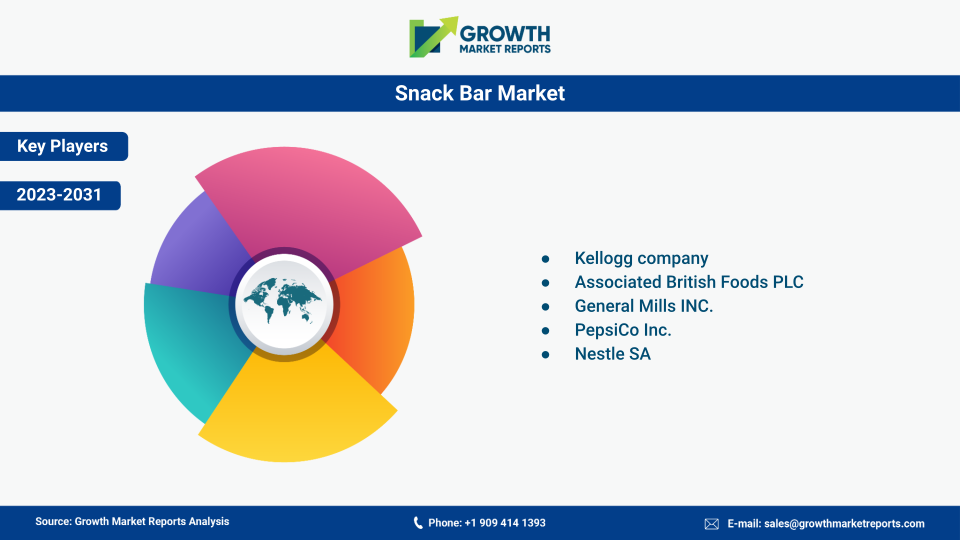
Key players in the snack bar market include the Kellogg company, associated British foods PLC, General Mills INC., PepsiCo Inc., Nestle SA. These players engage in mergers & acquisitions, collaborations, agreements, and partnerships to strengthen their geographical presence.
Key challenges include competition from alternative snacks, concerns about sugar content and additives, and the need for transparency and clean-label products.
Major players include General Mills, Kellogg Company, Clif Bar & Company, Nestlé S.A., The Hershey Company, Mondelez International, PepsiCo, Nature’s Bakery, and Kind LLC.
Common ingredients include whole grains (like oats and quinoa), nuts and seeds (such as almonds and chia seeds), dried fruits, chocolate, and functional additives like probiotics.
Snack bars are consumed by children, adults, and the elderly, with adults being the largest consumer segment due to their busy lifestyles and focus on health and wellness.
Supermarkets/hypermarkets are the leading distribution channels, followed by convenience stores, online retail, specialty stores, and other channels like vending machines.
Key trends include rising health consciousness, demand for plant-based and functional snacks, innovation in flavors and ingredients, and the adoption of sustainable packaging.
North America currently dominates the snack bar market, followed by Europe and the Asia Pacific region. The Asia Pacific region is experiencing the fastest growth.
The main types of snack bars include cereal bars, granola bars, protein bars, energy bars, fruit bars, nut bars, and meal replacement bars.
The snack bar market is expected to grow at a CAGR of 6.1% from 2025 to 2033, reaching an estimated USD 42.8 billion by the end of the forecast period.
As of 2024, the global snack bar market size reached USD 25.2 billion, driven by increasing demand for convenient and nutritious snacking options.