Segments - by Product Type (Cabinets, Tables & Chairs, Countertops, Sinks, Faucets, Others), by Material (Wood, Metal, Plastic, Glass, Others), by Application (Residential, Commercial), by Distribution Channel (Online, Offline)
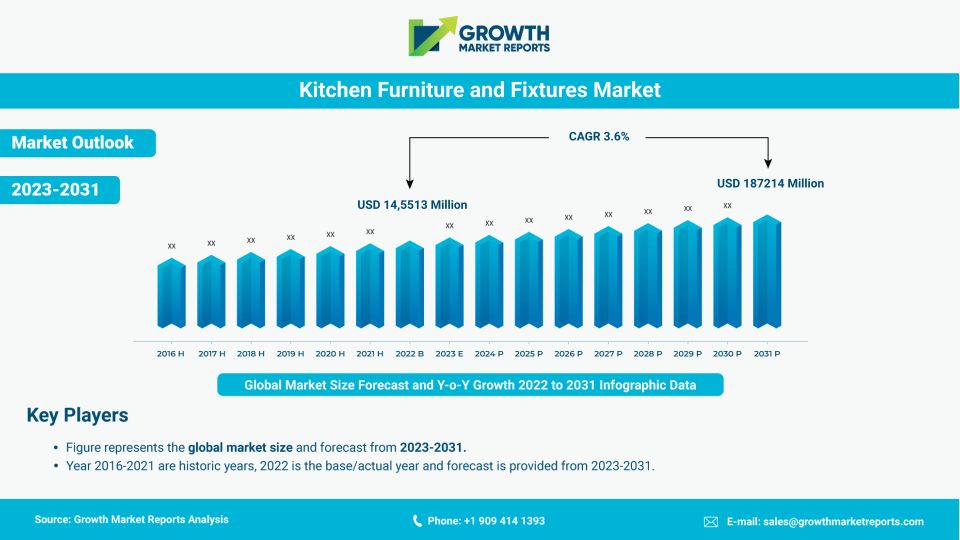
According to our latest research, the global kitchen furniture and fixtures market size reached USD 163.2 billion in 2024, demonstrating robust expansion driven by rising urbanization, evolving consumer preferences, and increased investments in residential and commercial infrastructure. The market is projected to grow at a CAGR of 5.8% from 2025 to 2033, reaching a forecasted value of USD 274.1 billion by 2033. This growth is underpinned by technological advancements, the proliferation of smart kitchen solutions, and a surge in home renovation and remodeling activities worldwide, as per our latest research findings.
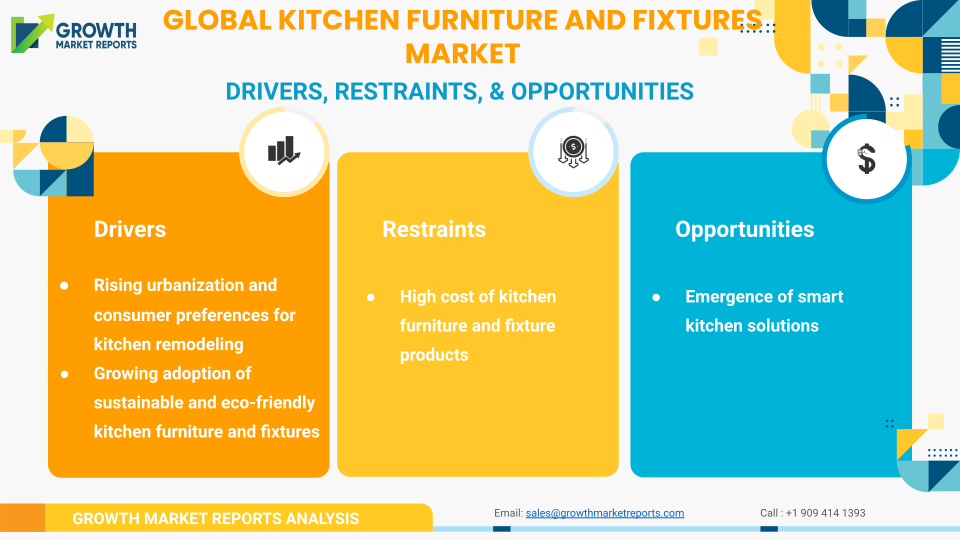
The primary growth driver for the kitchen furniture and fixtures market is the rapid pace of urbanization and the resulting increase in residential construction activities, particularly in emerging economies. As urban populations swell, there is a heightened demand for modern, space-efficient, and aesthetically pleasing kitchen solutions. Consumers are increasingly seeking innovative designs that maximize space utilization and enhance the overall functionality of kitchens. The trend towards open-plan living spaces has further fueled demand for modular kitchen furniture and fixtures, as homeowners prioritize both utility and style. Additionally, the growing influence of interior design trends through social media and digital platforms has played a significant role in shaping consumer preferences, driving the adoption of contemporary and customized kitchen furniture solutions.
Another critical factor propelling the growth of the kitchen furniture and fixtures market is the rising disposable income levels across the globe. With greater purchasing power, consumers are more willing to invest in premium kitchen products that offer superior durability, design, and convenience. The shift towards organized retail and the expansion of online distribution channels have also made high-quality kitchen furniture and fixtures more accessible to a broader customer base. Furthermore, the increasing prevalence of nuclear families and smaller living spaces in urban areas has led to heightened demand for compact, multi-functional kitchen furniture that caters to modern lifestyles. Manufacturers are responding to these trends by offering a wide range of customizable options, catering to diverse consumer needs and preferences.
Technological advancements and sustainability initiatives are also shaping the trajectory of the kitchen furniture and fixtures market. The integration of smart technologies, such as touchless faucets, sensor-driven lighting, and IoT-enabled appliances, is transforming traditional kitchens into intelligent, connected spaces. Consumers are increasingly prioritizing energy efficiency, water conservation, and environmentally friendly materials, prompting manufacturers to innovate and develop sustainable products. The adoption of eco-friendly materials, such as recycled wood, bamboo, and low-VOC finishes, is gaining traction, driven by growing environmental awareness. These trends are expected to continue influencing product development and market dynamics, positioning sustainability and technology as key differentiators in the competitive landscape.
Regionally, the Asia Pacific region dominates the kitchen furniture and fixtures market, accounting for the largest share of global revenue in 2024. This dominance is attributed to rapid urbanization, a burgeoning middle class, and significant investments in residential and commercial infrastructure, particularly in China and India. North America and Europe also represent substantial markets, driven by high consumer spending, a strong focus on home improvement, and the early adoption of smart kitchen technologies. In contrast, Latin America and the Middle East & Africa are witnessing steady growth, supported by rising construction activities and increased awareness of modern kitchen solutions. The regional outlook remains positive, with each market presenting unique opportunities and challenges for industry stakeholders.
In recent years, the concept of a Modular Kitchen Worktop has gained significant traction among homeowners and interior designers alike. These worktops offer a blend of functionality and style, catering to the modern need for adaptable and efficient kitchen spaces. Unlike traditional countertops, modular worktops can be easily customized and reconfigured to suit the specific needs of a household. This flexibility is particularly appealing in urban settings where space is often at a premium. Additionally, modular worktops are available in a variety of materials, including engineered stone, stainless steel, and high-quality laminates, providing options that align with both aesthetic preferences and budget considerations. As consumers continue to prioritize personalized and practical kitchen solutions, the demand for modular kitchen worktops is expected to rise, further driving innovation and diversity in the market.
The kitchen furniture and fixtures market is segmented by product type into cabinets, tables & chairs, countertops, sinks, faucets, and others. Cabinets represent the largest and most lucrative segment, accounting for a significant portion of global revenue. The demand for kitchen cabinets is driven by consumersÂ’ growing preference for modular and customizable storage solutions that enhance kitchen organization and aesthetics. Modern cabinets are available in a wide range of materials, finishes, and configurations, allowing homeowners to tailor their kitchens to their specific needs and design preferences. The popularity of open shelving and minimalistic designs has further fueled innovation in cabinet manufacturing, with a focus on maximizing storage space while maintaining a sleek, contemporary appearance.
Tables and chairs form another important segment within the kitchen furniture and fixtures market. The increasing trend towards open-concept kitchens and dining spaces has elevated the importance of stylish and functional dining furniture. Consumers are seeking versatile tables and chairs that can accommodate both everyday family meals and social gatherings. The shift towards compact living spaces has also led to a rise in demand for space-saving furniture, such as extendable tables and stackable chairs. Manufacturers are responding by offering a variety of materials and designs, ranging from traditional wooden sets to modern metal and glass options, catering to diverse consumer tastes and requirements.
Countertops are a critical component of kitchen design, serving both functional and aesthetic purposes. The market for kitchen countertops is characterized by a wide array of materials, including granite, quartz, marble, laminate, and solid surfaces. The choice of countertop material is influenced by factors such as durability, maintenance requirements, cost, and visual appeal. In recent years, engineered stone countertops, such as quartz, have gained popularity due to their superior durability, stain resistance, and low maintenance. Additionally, the trend towards personalized kitchen spaces has led to increased demand for custom-designed countertops, with unique colors, patterns, and finishes that reflect individual style preferences.
Sinks and faucets are essential fixtures in every kitchen, and their design and functionality have evolved significantly in response to changing consumer needs. Modern kitchen sinks are available in a variety of configurations, including single-bowl, double-bowl, and farmhouse styles, catering to different usage patterns and kitchen layouts. The integration of innovative features, such as soundproofing, deep basins, and easy-to-clean surfaces, has enhanced the user experience. Similarly, faucets have undergone a transformation, with the introduction of touchless and sensor-activated models that promote hygiene and convenience. The growing emphasis on water conservation and energy efficiency has also led to the development of eco-friendly faucets, further driving market growth.
The “others” category within the product type segment includes a diverse range of kitchen furniture and fixtures, such as kitchen islands, bar stools, lighting fixtures, and storage accessories. These products play a crucial role in enhancing the functionality and visual appeal of modern kitchens. Kitchen islands, in particular, have become a popular addition to open-plan kitchens, providing additional workspace, storage, and seating options. The integration of smart lighting and organizational accessories further contributes to the creation of efficient and aesthetically pleasing kitchen environments. As consumer preferences continue to evolve, manufacturers are expected to introduce innovative products that address emerging trends and meet the demands of contemporary lifestyles.
| Attributes | Details |
| Report Title | Kitchen Furniture and Fixtures Market Research Report 2033 |
| By Product Type | Cabinets, Tables & Chairs, Countertops, Sinks, Faucets, Others |
| By Material | Wood, Metal, Plastic, Glass, Others |
| By Application | Residential, Commercial |
| By Distribution Channel | Online, Offline |
| Regions Covered | North America, Europe, APAC, Latin America, MEA |
| Base Year | 2024 |
| Historic Data | 2018-2023 |
| Forecast Period | 2025-2033 |
| Number of Pages | 288 |
| Number of Tables & Figures | 371 |
| Customization Available | Yes, the report can be customized as per your need. |
Material selection is a critical factor influencing the performance, durability, and aesthetics of kitchen furniture and fixtures. Wood remains the most popular material choice, valued for its natural beauty, versatility, and timeless appeal. Solid wood cabinets, tables, and chairs are highly sought after for their durability and ability to be customized with various finishes and stains. Engineered wood products, such as plywood and MDF, offer cost-effective alternatives without compromising on quality. The resurgence of interest in traditional craftsmanship and sustainable forestry practices has further boosted the demand for wooden kitchen furniture, with consumers increasingly opting for eco-friendly and responsibly sourced materials.
Metal is another prominent material in the kitchen furniture and fixtures market, known for its strength, durability, and modern aesthetic. Stainless steel is widely used in sinks, faucets, countertops, and cabinet hardware due to its resistance to corrosion, heat, and stains. Metal furniture and fixtures are particularly popular in contemporary and industrial-style kitchens, where they contribute to a sleek, minimalist look. The use of aluminum and other lightweight metals has also gained traction, enabling the creation of innovative designs that combine functionality with visual appeal. Manufacturers are leveraging advanced manufacturing techniques to produce metal kitchen furniture that meets the evolving needs of consumers.
Plastic is a versatile and cost-effective material used in a variety of kitchen furniture and fixtures, including chairs, tables, storage units, and accessories. Advances in plastic manufacturing have resulted in products that are lightweight, durable, and available in a wide range of colors and finishes. Plastic furniture is particularly popular in households with young children, as it is easy to clean and resistant to damage. Additionally, the increasing focus on sustainability has led to the development of recycled and biodegradable plastics, offering environmentally friendly alternatives to traditional materials. The affordability and versatility of plastic make it a popular choice for budget-conscious consumers and those seeking contemporary design options.
Glass is increasingly being incorporated into kitchen furniture and fixtures to create a sense of openness, light, and sophistication. Glass countertops, cabinet doors, and dining tables are favored for their elegant appearance and ability to enhance the visual appeal of modern kitchens. Tempered and laminated glass products offer improved safety and durability, making them suitable for everyday use. The use of frosted, colored, and textured glass allows for creative design possibilities, enabling homeowners to personalize their kitchen spaces. As the trend towards open-plan living continues, glass is expected to play an increasingly important role in kitchen design, offering both functional and decorative benefits.
The “others” material category encompasses a range of innovative and alternative materials, such as bamboo, composite materials, and stone. Bamboo is gaining popularity as a sustainable and renewable resource, prized for its strength, durability, and eco-friendly credentials. Composite materials, which combine the properties of different substances, are being used to create high-performance kitchen furniture and fixtures that offer enhanced durability, resistance to moisture, and ease of maintenance. Natural stone, including granite and marble, remains a premium choice for countertops and decorative elements, valued for its unique patterns and luxurious appearance. As consumer awareness of sustainability and performance continues to grow, the demand for alternative materials is expected to increase.
The kitchen furniture and fixtures market is segmented by application into residential and commercial categories. The residential segment accounts for the majority of market demand, driven by ongoing urbanization, rising disposable incomes, and a growing emphasis on home improvement and renovation. Homeowners are increasingly investing in modernizing their kitchens, seeking products that offer a balance of functionality, durability, and aesthetic appeal. The trend towards open-plan living and the integration of kitchens with dining and living areas has fueled demand for innovative, space-saving furniture and fixtures. Customization and personalization are key trends in the residential segment, with consumers seeking unique designs that reflect their individual tastes and lifestyles.
The commercial segment of the kitchen furniture and fixtures market includes applications in restaurants, hotels, cafes, catering services, and institutional kitchens. The growth of the hospitality and foodservice industries has driven demand for high-quality, durable, and easy-to-maintain kitchen furniture and fixtures. Commercial kitchens require products that can withstand heavy usage, frequent cleaning, and strict hygiene standards. Stainless steel sinks, countertops, and cabinets are particularly popular in commercial settings due to their robustness and resistance to corrosion. The increasing popularity of open kitchen concepts in restaurants and hotels has also led to a greater emphasis on the design and visual appeal of commercial kitchen furniture.
In the residential segment, the rise of smart home technologies and connected appliances is transforming kitchen environments. Homeowners are seeking integrated solutions that combine traditional furniture with advanced features, such as built-in charging stations, touchless faucets, and voice-activated lighting. The growing awareness of sustainability and environmental impact is also influencing purchasing decisions, with consumers opting for eco-friendly materials and energy-efficient fixtures. The proliferation of online platforms and digital design tools has made it easier for consumers to explore and select kitchen furniture and fixtures that meet their specific needs, further driving market growth in the residential segment.
The commercial application segment is witnessing increased demand for modular and customizable solutions that can be tailored to the unique requirements of different establishments. Flexibility, efficiency, and compliance with safety and hygiene regulations are key considerations for commercial kitchen operators. Manufacturers are developing products that streamline workflow, optimize space utilization, and facilitate easy cleaning and maintenance. The adoption of smart technologies, such as automated faucets and sensor-driven lighting, is also gaining traction in commercial kitchens, enhancing operational efficiency and reducing energy and water consumption. As the foodservice industry continues to expand, the demand for innovative and high-performance kitchen furniture and fixtures is expected to grow.
Both residential and commercial applications are being shaped by broader trends, such as the increasing focus on health and wellness, the demand for multi-functional spaces, and the integration of digital technologies. The COVID-19 pandemic has also had a lasting impact on kitchen design, with greater emphasis on hygiene, ease of cleaning, and flexible layouts that accommodate remote work and at-home dining. As consumer expectations continue to evolve, manufacturers and designers are responding with products that combine style, functionality, and advanced features, ensuring the continued growth and dynamism of the kitchen furniture and fixtures market.
The kitchen furniture and fixtures market is segmented by distribution channel into online and offline channels. Offline channels, including specialty stores, home improvement centers, and furniture showrooms, have traditionally dominated the market, accounting for the majority of sales. These channels offer consumers the opportunity to physically inspect products, seek expert advice, and benefit from personalized service. The tactile experience and immediate availability of products are key advantages of offline retail, particularly for high-value items such as kitchen cabinets, countertops, and appliances. Many consumers prefer to make significant purchases in person, ensuring that products meet their quality and design expectations.
However, the online distribution channel has experienced rapid growth in recent years, driven by the increasing penetration of e-commerce platforms, digital marketing, and the convenience of online shopping. Online channels offer a wide selection of products, competitive pricing, and the ability to compare features and reviews from the comfort of home. The COVID-19 pandemic accelerated the shift towards online shopping, as consumers sought safe and contactless purchasing options. Leading e-commerce platforms and specialized online retailers have expanded their offerings to include kitchen furniture and fixtures, providing detailed product descriptions, virtual design tools, and home delivery services.
The integration of augmented reality (AR) and virtual reality (VR) technologies in online retail has further enhanced the customer experience, allowing consumers to visualize how different furniture and fixtures will look in their kitchens before making a purchase. Online platforms are also leveraging artificial intelligence (AI) and machine learning to provide personalized recommendations based on individual preferences and past purchases. The rise of direct-to-consumer brands and the increasing use of social media for product discovery and inspiration are reshaping the competitive landscape, enabling new entrants to reach a global audience and build strong brand loyalty.
Despite the growth of online channels, offline retail remains a crucial part of the distribution landscape, particularly in regions where internet penetration and digital literacy are lower. Many consumers continue to value the in-store experience, the ability to interact with knowledgeable staff, and the assurance of after-sales support. Hybrid models, which combine the strengths of online and offline channels, are gaining popularity, offering consumers the flexibility to research products online and complete their purchase in-store or vice versa. Retailers are investing in omnichannel strategies to provide a seamless and integrated shopping experience, ensuring that they can meet the evolving needs of todayÂ’s consumers.
The competition between online and offline distribution channels is driving innovation and improvements in customer service, logistics, and product offerings. As consumers become more comfortable with digital technologies and demand greater convenience, the online segment is expected to continue its strong growth trajectory. However, the importance of physical retail should not be underestimated, particularly for complex or high-value purchases. The future of the kitchen furniture and fixtures market will be shaped by the ability of manufacturers and retailers to adapt to changing consumer behaviors and leverage the strengths of both online and offline channels.
The kitchen furniture and fixtures market presents significant opportunities for growth, driven by ongoing urbanization, rising disposable incomes, and the increasing popularity of home renovation and remodeling projects. The trend towards smart homes and connected kitchens offers a wealth of opportunities for manufacturers to develop innovative products that integrate advanced technologies, such as IoT-enabled appliances, touchless controls, and energy-efficient fixtures. The growing emphasis on sustainability and environmental responsibility is also creating opportunities for companies to differentiate themselves through the use of eco-friendly materials, sustainable manufacturing practices, and products that promote water and energy conservation. As consumers become more discerning and demand greater customization, there is potential for brands to offer personalized solutions that cater to individual tastes and lifestyles.
The expansion of online distribution channels and the adoption of digital technologies are transforming the way consumers discover, research, and purchase kitchen furniture and fixtures. E-commerce platforms, virtual design tools, and augmented reality applications are making it easier for consumers to visualize and select products, driving higher engagement and conversion rates. The rise of direct-to-consumer brands and social media marketing is enabling new entrants to disrupt traditional retail models and capture market share. Additionally, the growing demand for compact and multi-functional furniture in urban areas presents opportunities for manufacturers to develop innovative solutions that address the challenges of limited space and changing consumer preferences.
Despite the numerous opportunities, the kitchen furniture and fixtures market faces several restraining factors that could impact growth. Intense competition and price sensitivity, particularly in emerging markets, can put pressure on profit margins and limit the ability of companies to invest in research and development. Fluctuations in the prices of raw materials, such as wood, metal, and plastics, can affect production costs and supply chain stability. Additionally, the market is susceptible to macroeconomic factors, such as economic downturns, fluctuations in consumer spending, and changes in housing and construction activity. Regulatory requirements related to product safety, environmental standards, and labor practices can also pose challenges for manufacturers, requiring ongoing investment in compliance and quality assurance.
The Asia Pacific region leads the global kitchen furniture and fixtures market, accounting for approximately 43.5% of global revenue in 2024, or about USD 71 billion. This dominance is driven by rapid urbanization, a burgeoning middle class, and significant investments in residential and commercial infrastructure, particularly in China, India, and Southeast Asia. The region is witnessing a surge in demand for modern, space-efficient kitchen furniture and fixtures, fueled by rising disposable incomes and changing consumer lifestyles. The popularity of modular kitchens and the increasing adoption of smart technologies are further propelling market growth in Asia Pacific, with a projected CAGR of 6.4% through 2033.
North America is another major market for kitchen furniture and fixtures, generating approximately USD 41.8 billion in revenue in 2024. The region benefits from high consumer spending, a strong focus on home improvement, and the early adoption of smart kitchen technologies. The United States and Canada are key contributors to market growth, driven by a robust housing market, a culture of home renovation, and the widespread availability of premium kitchen products. The trend towards open-plan living spaces and the integration of kitchens with dining and living areas are shaping consumer preferences, driving demand for innovative and customizable furniture and fixtures.
Europe holds a significant share of the global kitchen furniture and fixtures market, with revenue reaching USD 36.7 billion in 2024. The region is characterized by a high level of design sophistication, a strong emphasis on sustainability, and a preference for high-quality, durable materials. Germany, the United Kingdom, France, and Italy are leading markets within Europe, supported by a vibrant home improvement sector and a tradition of craftsmanship. Latin America and the Middle East & Africa are emerging markets, with combined revenues of approximately USD 13.7 billion in 2024. These regions are experiencing steady growth, driven by rising construction activities, urbanization, and increased awareness of modern kitchen solutions. While market penetration remains lower compared to more developed regions, the long-term outlook is positive, with significant potential for expansion as economic conditions improve and consumer preferences evolve.
The kitchen furniture and fixtures market is characterized by intense competition, with a mix of global giants, regional players, and niche manufacturers vying for market share. The competitive landscape is shaped by factors such as product innovation, quality, design, pricing, distribution reach, and brand reputation. Leading companies are investing heavily in research and development to introduce new materials, technologies, and design concepts that cater to evolving consumer preferences. The ability to offer customizable and personalized solutions is increasingly important, as consumers seek products that reflect their individual tastes and lifestyles. Sustainability and environmental responsibility have also become key differentiators, with companies adopting eco-friendly materials and manufacturing practices to appeal to environmentally conscious consumers.
Mergers and acquisitions, strategic partnerships, and collaborations are common strategies employed by major players to expand their product portfolios, enhance their market presence, and gain access to new distribution channels. The rise of e-commerce and digital marketing has enabled both established brands and new entrants to reach a global audience and build strong customer relationships. Companies are leveraging data analytics, artificial intelligence, and digital tools to better understand consumer behavior, optimize product offerings, and enhance the customer experience. The increasing integration of smart technologies and connected appliances is driving competition in the premium segment, as manufacturers seek to differentiate themselves through advanced features and superior performance.
Despite the competitive intensity, barriers to entry remain relatively low in certain segments of the kitchen furniture and fixtures market, particularly for smaller manufacturers and niche brands. The ability to offer unique designs, high-quality craftsmanship, and personalized service can enable smaller players to carve out a niche and build a loyal customer base. However, larger companies benefit from economies of scale, extensive distribution networks, and greater resources for marketing and innovation. The ongoing shift towards online retail and direct-to-consumer models is leveling the playing field, allowing new entrants to challenge established players and disrupt traditional business models.
Some of the major companies operating in the global kitchen furniture and fixtures market include IKEA, Hafele, Kohler Co., Blum, Hettich, Nobia AB, MasterBrand Cabinets, Inc., Nobilia, and American Woodmark Corporation. IKEA is renowned for its affordable, modular kitchen furniture and global reach, offering a wide range of customizable solutions for diverse consumer needs. Kohler Co. is a leader in kitchen sinks, faucets, and fixtures, known for its innovative designs and commitment to sustainability. Blum and Hettich are prominent suppliers of hardware and fittings, providing advanced solutions for cabinets and storage systems. Nobia AB and Nobilia are leading European manufacturers, recognized for their high-quality, design-driven kitchen furniture.
MasterBrand Cabinets, Inc. and American Woodmark Corporation are major players in the North American market, offering a comprehensive range of kitchen cabinets and storage solutions. These companies have established strong distribution networks and brand recognition, enabling them to serve both residential and commercial customers. Hafele is known for its innovative hardware and accessories, catering to the growing demand for smart and functional kitchen solutions. In addition to these industry leaders, the market is home to numerous regional and local manufacturers, each contributing to the diversity and dynamism of the competitive landscape. As the market continues to evolve, companies that prioritize innovation, sustainability, and customer-centricity are likely to maintain a competitive edge and drive future growth.
The Kitchen Furniture and Fixtures market has been segmented on the basis of
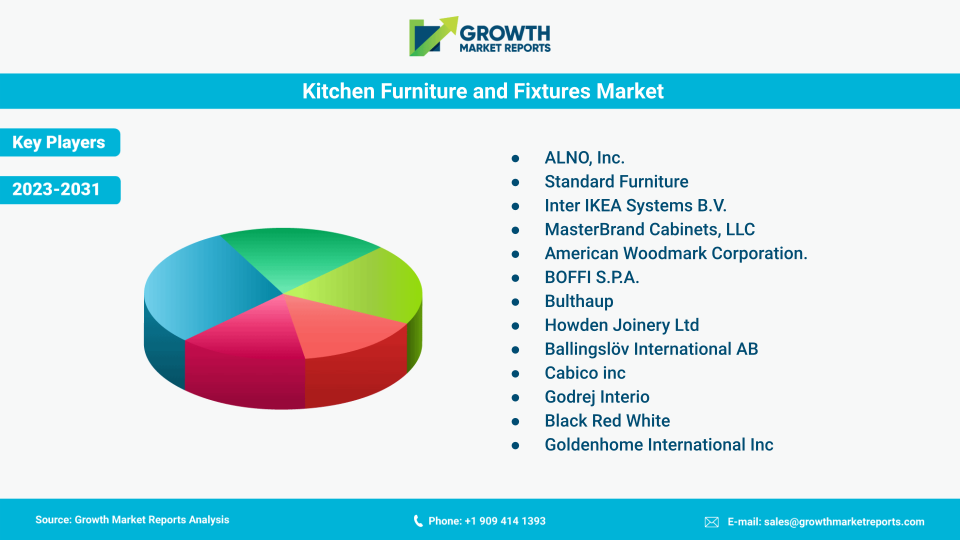
Key players operating in the global kitchen furniture and fixtures market include ALNO, Inc.; Standard Furniture; IKEA Systems B.V.; MasterBrand Cabinets, LLC; American Woodmark Corporation.; BOFFI S.P.A.; Bulthaup; Howden Joinery Ltd; Ballingslöv International AB; Cabico inc; Godrej Interio; Black Red White; and Goldenhome International Inc. These companies adopt development strategies, including production expansion, partnerships, collaboration, and product launches, to gain an edge over their competitors. For instance,
In July 2023, Crate & Barrel disclosed its entry into the home renovation category with its first collection of kitchen and bathroom products. The new collection included kitchen islands, bathroom vanities, and hardware in a variety of high-design styles and finishes, launching alongside a lineup of best-in-class faucets and accessories by Kohler.
In June 2022, REHAU, the leader in manufacturing polymer-based solutions, announced a collaboration with global brand TITUS to introduce fittings and furniture products. REHAU and TITUS are expected to engage to deliver an exclusive selection of hardware products to customers and manufacturers in India, including Connecting Fittings and Damping Solutions.
Opportunities include smart home integration, sustainability, customization, and online retail expansion. Challenges involve intense competition, price sensitivity, raw material price fluctuations, and regulatory compliance.
Key companies include IKEA, Hafele, Kohler Co., Blum, Hettich, Nobia AB, MasterBrand Cabinets, Inc., Nobilia, American Woodmark Corporation, and others such as Häcker Küchen, Poggenpohl, and Oppein Home Group.
While offline channels like specialty stores and showrooms remain important, online channels are rapidly growing due to e-commerce, digital marketing, and technologies like AR/VR for product visualization. Hybrid and omnichannel models are also becoming more popular.
Asia Pacific dominates the market, accounting for about 43.5% of global revenue in 2024, followed by North America and Europe. Latin America and the Middle East & Africa are emerging markets with steady growth.
In residential settings, trends include open-plan living, customization, smart home integration, and eco-friendly materials. In commercial settings, there is demand for durable, easy-to-maintain, and modular solutions, with a growing emphasis on design and hygiene.
Technological advancements such as touchless faucets, sensor-driven lighting, IoT-enabled appliances, and smart kitchen solutions are transforming kitchens into intelligent, connected spaces and driving market growth.
Popular materials include wood (solid and engineered), metal (especially stainless steel), plastic, glass, and alternative materials like bamboo, composite materials, and natural stone.
Cabinets are the largest and most lucrative segment, followed by tables & chairs, countertops, sinks, faucets, and other items such as kitchen islands, bar stools, and lighting fixtures.
Key growth drivers include rapid urbanization, rising disposable incomes, increased investments in residential and commercial infrastructure, evolving consumer preferences, technological advancements, and the proliferation of smart kitchen solutions.
The global kitchen furniture and fixtures market reached USD 163.2 billion in 2024 and is projected to grow at a CAGR of 5.8% from 2025 to 2033, reaching USD 274.1 billion by 2033.