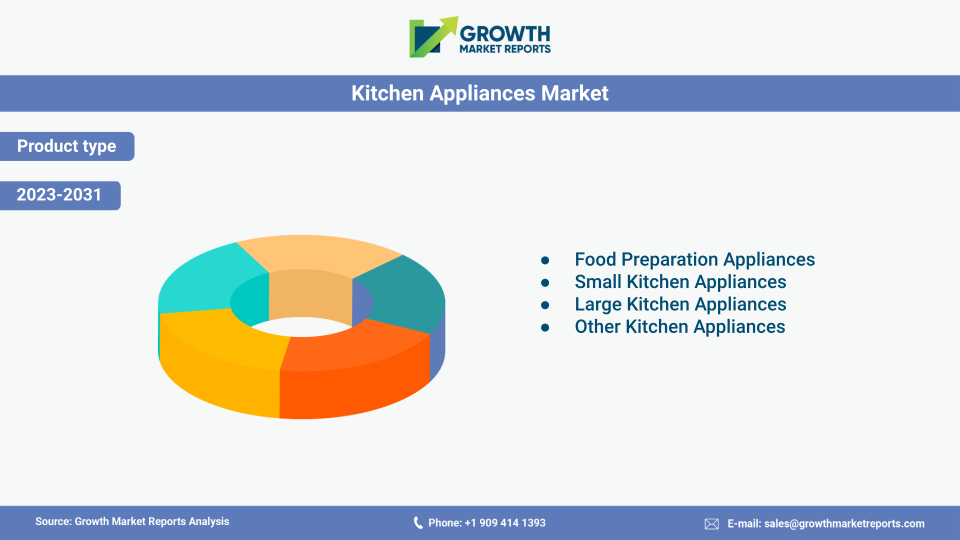
Segments - by Product Type (Refrigerators, Cooking Appliances, Dishwashers, Microwave Ovens, Blenders & Mixers, Coffee Makers, Others), by Application (Residential, Commercial), by Distribution Channel (Online, Offline), by Fuel Type (Electric, Gas, Others), by Structure (Built-in, Freestanding)
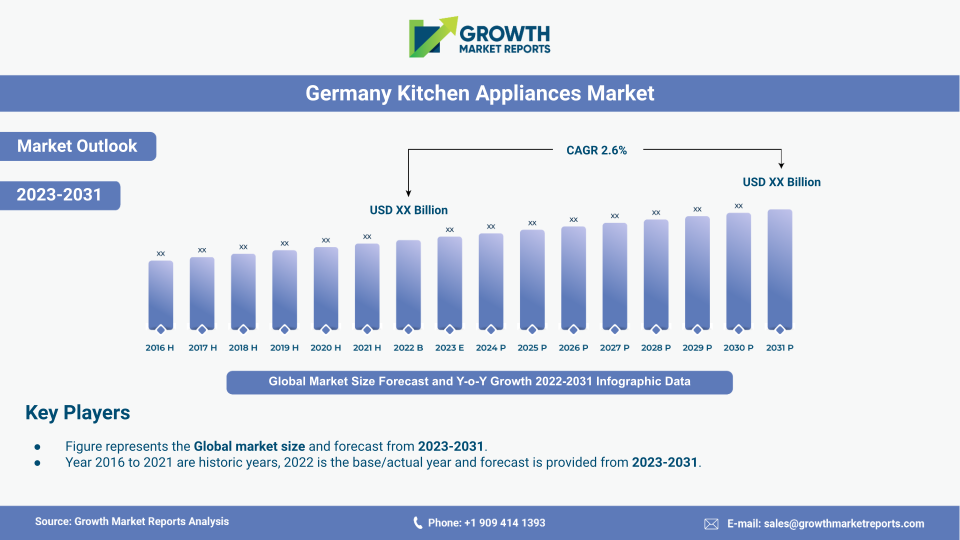
According to our latest research, the global kitchen appliances market size in 2024 stands at USD 224.7 billion, reflecting the robust demand across both residential and commercial sectors. The market is experiencing a steady growth, registering a CAGR of 6.2% during the forecast period. By 2033, the kitchen appliances market is projected to reach USD 386.4 billion, driven by evolving consumer lifestyles, increased disposable incomes, and rapid urbanization. Growth is further fueled by technological advancements and the proliferation of smart kitchen solutions, making modern kitchens more efficient and convenient for users worldwide.
One of the primary growth factors for the kitchen appliances market is the increasing penetration of smart and connected appliances. Consumers are rapidly adopting IoT-enabled devices that offer enhanced convenience, energy efficiency, and remote control capabilities. For instance, smart refrigerators, ovens, and dishwashers integrated with AI and Wi-Fi connectivity have become highly sought-after, especially among tech-savvy consumers. This trend is further supported by the rising adoption of home automation systems, which seamlessly integrate kitchen appliances with other smart home devices. The growing awareness regarding energy conservation and sustainability is also prompting manufacturers to innovate and introduce energy-efficient products, aligning with global environmental concerns and government regulations.
Another significant driver is the shift in consumer preferences towards modular and aesthetically pleasing kitchen designs. Urbanization and the rise of compact living spaces have led to an increased demand for built-in and multifunctional appliances that optimize kitchen space without compromising on performance. The surge in dual-income households, particularly in emerging economies, has resulted in a higher demand for time-saving and easy-to-use appliances such as microwave ovens, blenders, and dishwashers. Furthermore, the trend of home cooking and baking, accelerated by the pandemic, continues to fuel the sales of various kitchen gadgets and appliances, reinforcing the market’s growth trajectory.
The kitchen appliances market is also benefiting from the expansion of organized retail and e-commerce platforms. Consumers now have greater access to a wide range of products, competitive pricing, and detailed product information, enabling informed purchase decisions. The increasing influence of digital marketing, social media, and influencer endorsements is further shaping consumer choices and driving market growth. Additionally, manufacturers’ focus on after-sales services, warranties, and easy financing options is enhancing customer satisfaction and retention, thereby contributing to the sustained expansion of the market.
Regionally, Asia Pacific dominates the kitchen appliances market, accounting for the largest share in 2024. This leadership is attributed to rapid urbanization, rising disposable incomes, and changing lifestyles in countries such as China, India, and Japan. North America and Europe follow closely, driven by early adoption of advanced technologies, high living standards, and a strong preference for premium appliances. Latin America and the Middle East & Africa are emerging as high-potential markets, supported by the growing middle class and increasing investments in infrastructure development. The regional landscape is expected to evolve further, with Asia Pacific maintaining its dominance through 2033, while other regions witness steady growth.
The kitchen appliances market is segmented by product type into refrigerators, cooking appliances, dishwashers, microwave ovens, blenders & mixers, coffee makers, and others. Refrigerators continue to hold the lion’s share of the market, owing to their indispensability in both residential and commercial settings. The segment is characterized by continuous innovation, such as the introduction of inverter technology, multi-door designs, and smart features like temperature control and food inventory management. Energy efficiency remains a key focus area, with manufacturers striving to meet stringent global standards and cater to environmentally conscious consumers. The growing trend of premiumization and the demand for larger capacity units are further driving the growth of the refrigerator segment.
Cooking appliances, including ranges, ovens, cooktops, and hobs, represent another significant segment. The increasing popularity of modular kitchens and the desire for convenient, multi-functional cooking solutions are propelling this segment forward. Innovations such as induction cooking, touch controls, and programmable settings are enhancing the user experience and appealing to a broader customer base. The demand for built-in cooking appliances is particularly strong in urban areas, where space optimization is crucial. Additionally, the rising interest in global cuisines and culinary experimentation is boosting the sales of specialized appliances such as steam ovens and air fryers.
Dishwashers are witnessing accelerated adoption, especially in regions with high urbanization and dual-income households. The convenience offered by dishwashers, coupled with advancements in water and energy efficiency, is making them increasingly popular. Manufacturers are introducing compact and portable models to cater to smaller households and apartments, further expanding the market reach. The growing emphasis on hygiene and cleanliness, particularly in the wake of the pandemic, has also contributed to the rising demand for dishwashers in both residential and commercial settings.
Microwave ovens, blenders & mixers, and coffee makers complete the core product segments. Microwave ovens are valued for their speed and versatility, making them a staple in modern kitchens. Blenders and mixers are benefiting from the health and wellness trend, as consumers seek to prepare smoothies, juices, and other nutritious foods at home. Coffee makers, on the other hand, are experiencing a surge in demand due to the burgeoning coffee culture and the desire for café-quality beverages at home. The “others” category includes a wide range of small appliances such as toasters, food processors, and electric kettles, which continue to enjoy steady demand due to their utility and affordability.
| Attributes | Details |
| Report Title | Kitchen Appliances Market Market Research Report 2033 |
| By Product Type | Refrigerators, Cooking Appliances, Dishwashers, Microwave Ovens, Blenders & Mixers, Coffee Makers, Others |
| By Application | Residential, Commercial |
| By Distribution Channel | Online, Offline |
| By Fuel Type | Electric, Gas, Others |
| By Structure | Built-in, Freestanding |
| Regions Covered | North America, Europe, APAC, Latin America, MEA |
| Base Year | 2024 |
| Historic Data | 2018-2023 |
| Forecast Period | 2025-2033 |
| Number of Pages | 286 |
| Number of Tables & Figures | 386 |
| Customization Available | Yes, the report can be customized as per your need. |
The kitchen appliances market is bifurcated by application into residential and commercial segments. The residential segment dominates the market, accounting for the majority of sales in 2024. This dominance is attributed to the increasing number of households, rising disposable incomes, and the growing trend of nuclear families. The surge in home renovation and remodeling activities, particularly in urban areas, is further boosting the demand for modern and aesthetically pleasing kitchen appliances. The residential segment is also characterized by a strong preference for energy-efficient and smart appliances, as consumers seek to reduce utility bills and enhance convenience.
The commercial segment, which includes hotels, restaurants, cafes, and institutional kitchens, is also witnessing robust growth. The expansion of the hospitality and food service industries, coupled with rising investments in commercial real estate, is driving the demand for high-capacity and durable kitchen appliances. Commercial kitchens require appliances that can withstand heavy usage, offer consistent performance, and comply with strict hygiene and safety standards. Manufacturers are responding by developing specialized products with features such as rapid cooking, easy cleaning, and programmable settings to meet the unique needs of commercial users.
The increasing trend of eating out, the proliferation of quick-service restaurants, and the growing popularity of cloud kitchens are further contributing to the growth of the commercial application segment. These developments are leading to higher investments in advanced kitchen equipment that can handle large volumes efficiently while maintaining food quality. The demand for energy-efficient and eco-friendly appliances is also gaining traction in the commercial segment, as businesses seek to reduce operational costs and align with sustainability goals.
Both residential and commercial applications are benefiting from the integration of smart technologies and IoT-enabled devices. In residential kitchens, smart appliances are enhancing convenience and enabling remote monitoring and control. In commercial kitchens, automation and data analytics are improving efficiency, reducing waste, and ensuring consistent food quality. The convergence of technology and kitchen appliances is expected to drive significant growth across both application segments throughout the forecast period.
The kitchen appliances market is segmented by distribution channel into online and offline channels. The offline channel, which includes specialty stores, supermarkets, hypermarkets, and exclusive brand outlets, continues to account for the largest share of the market in 2024. Consumers often prefer offline channels for high-value purchases, as they can physically inspect the products, seek expert advice, and benefit from after-sales services. The presence of well-established retail networks and the increasing number of exclusive brand stores are further supporting the growth of the offline segment.
However, the online distribution channel is experiencing rapid growth, driven by the increasing penetration of the internet and smartphones, especially in emerging economies. E-commerce platforms offer a wide range of products, competitive pricing, and the convenience of home delivery, making them increasingly popular among consumers. The ability to compare features, read reviews, and access detailed product information online is empowering consumers to make informed purchase decisions. The shift towards online shopping has been further accelerated by the COVID-19 pandemic, as consumers prioritize safety and convenience.
Manufacturers and retailers are investing heavily in their online presence, offering exclusive online deals, easy financing options, and extended warranties to attract customers. The use of digital marketing, influencer endorsements, and social media campaigns is also playing a crucial role in driving online sales. The integration of augmented reality (AR) and virtual reality (VR) technologies is enhancing the online shopping experience by allowing consumers to visualize appliances in their kitchen settings before making a purchase.
While the offline channel remains dominant, the online channel is expected to witness the highest growth rate during the forecast period. The increasing adoption of omnichannel strategies, where retailers seamlessly integrate their online and offline offerings, is likely to shape the future of the kitchen appliances market. This approach ensures a consistent and personalized shopping experience, catering to the evolving preferences of modern consumers.
The kitchen appliances market is categorized by fuel type into electric, gas, and others. Electric-powered appliances hold the largest share of the market, driven by the widespread availability of electricity, ease of use, and the growing adoption of smart and energy-efficient technologies. Electric appliances such as induction cooktops, microwave ovens, and electric kettles are particularly popular in urban areas, where consumers prioritize convenience and safety. The increasing focus on sustainability and the shift towards renewable energy sources are further supporting the growth of electric kitchen appliances.
Gas-powered appliances, including gas stoves, ovens, and grills, continue to enjoy strong demand, especially in regions where gas is more affordable and readily available. Gas appliances are valued for their precise temperature control, rapid heating, and suitability for a wide range of cooking styles. In many developing countries, gas remains the preferred fuel type due to lower operational costs and established infrastructure. However, the adoption of gas appliances is gradually declining in regions with stringent environmental regulations and a strong emphasis on energy efficiency.
The “others” category includes appliances powered by alternative fuels such as solar energy and solid fuels. While this segment currently accounts for a small share of the market, it is expected to witness steady growth as consumers and businesses seek to reduce their carbon footprint and embrace sustainable practices. Solar-powered cookers and ovens are gaining traction in off-grid and rural areas, where access to electricity and gas is limited. Innovations in alternative fuel technologies are likely to create new growth opportunities in this segment over the forecast period.
The choice of fuel type is influenced by factors such as availability, cost, safety, and environmental impact. Manufacturers are increasingly focusing on developing hybrid appliances that can operate on multiple fuel sources, offering greater flexibility and resilience to consumers. The ongoing transition towards cleaner and more sustainable energy sources is expected to shape the future landscape of the kitchen appliances market, with electric and alternative fuel appliances gaining prominence.
The kitchen appliances market is segmented by structure into built-in and freestanding appliances. Freestanding appliances currently dominate the market, owing to their affordability, ease of installation, and flexibility in placement. These appliances are particularly popular among renters and homeowners who frequently relocate, as they can be easily moved and do not require permanent installation. Freestanding refrigerators, ovens, and dishwashers are available in a wide range of sizes and designs, catering to diverse consumer preferences and kitchen layouts.
Built-in appliances, on the other hand, are gaining traction, especially in urban areas and among affluent consumers. The growing popularity of modular kitchens and open-plan living spaces is driving the demand for built-in appliances that seamlessly integrate with kitchen cabinetry and enhance the overall aesthetic appeal. Built-in ovens, cooktops, and dishwashers offer a sleek and modern look, making them a preferred choice for premium and luxury homes. The rising trend of kitchen remodeling and renovation projects is further boosting the adoption of built-in appliances.
Manufacturers are responding to the demand for built-in appliances by developing innovative products with advanced features, such as touch controls, smart connectivity, and customizable finishes. The integration of IoT and AI technologies is enabling built-in appliances to offer personalized experiences, energy optimization, and remote monitoring capabilities. However, the higher cost and complexity of installation remain key challenges for the widespread adoption of built-in appliances, particularly in price-sensitive markets.
The choice between built-in and freestanding appliances is influenced by factors such as kitchen size, layout, budget, and personal preferences. While freestanding appliances are expected to maintain their dominance in terms of volume, the built-in segment is projected to witness the highest growth rate during the forecast period. The increasing focus on kitchen aesthetics, space optimization, and smart home integration is likely to drive the adoption of built-in appliances in the coming years.
The kitchen appliances market presents significant opportunities for growth, particularly through technological advancements and product innovation. The integration of smart technologies, such as IoT, AI, and machine learning, is transforming the way consumers interact with kitchen appliances. Manufacturers have the opportunity to develop connected devices that offer personalized recommendations, automate cooking processes, and optimize energy usage. The growing demand for energy-efficient and eco-friendly appliances is another major opportunity, as consumers become increasingly conscious of their environmental impact. Companies that invest in research and development to create sustainable products and leverage renewable energy sources are likely to gain a competitive edge in the market.
The expansion of e-commerce and digital marketing channels also presents lucrative opportunities for market players. The increasing penetration of the internet and smartphones, coupled with the rising influence of social media and online reviews, is enabling manufacturers to reach a wider audience and drive sales. The adoption of omnichannel strategies, where companies seamlessly integrate their online and offline offerings, can enhance the customer experience and boost brand loyalty. Additionally, the growing popularity of premium and luxury kitchen appliances, driven by rising disposable incomes and changing consumer preferences, presents opportunities for manufacturers to cater to niche markets and command higher profit margins.
Despite the positive outlook, the kitchen appliances market faces several challenges that could restrain growth. Intense competition and price wars among market players can lead to margin pressures and limit profitability. The volatility in raw material prices, particularly for metals and electronic components, poses a significant threat to manufacturers. Additionally, the increasing regulatory scrutiny regarding energy efficiency, safety, and environmental impact requires companies to invest in compliance and certification processes, adding to operational costs. The relatively high cost of smart and built-in appliances may also limit their adoption in price-sensitive markets, posing a challenge to market expansion.
The Asia Pacific region leads the global kitchen appliances market, accounting for approximately 41% of the total market size in 2024, which translates to around USD 92.1 billion. This dominance is driven by rapid urbanization, rising disposable incomes, and changing consumer lifestyles in countries such as China, India, and Japan. The increasing penetration of organized retail and e-commerce platforms, coupled with government initiatives to promote energy-efficient appliances, is further supporting market growth in the region. The Asia Pacific market is expected to maintain its leadership position through 2033, registering a strong CAGR of 7.1% during the forecast period.
North America holds the second-largest share of the kitchen appliances market, valued at approximately USD 61.7 billion in 2024. The region is characterized by early adoption of advanced technologies, a strong preference for premium and smart appliances, and high living standards. The presence of leading market players, well-established retail networks, and a strong focus on product innovation are key factors driving growth in North America. The region is also witnessing a growing demand for energy-efficient and eco-friendly appliances, in line with stringent regulatory standards and increasing environmental awareness among consumers.
Europe accounts for a significant share of the global kitchen appliances market, with a market size of around USD 54.3 billion in 2024. The region is driven by high consumer awareness regarding energy conservation, a strong preference for built-in and modular kitchen appliances, and a well-developed distribution network. The increasing trend of home renovation and remodeling, coupled with the rising demand for smart and connected appliances, is fueling market growth in Europe. Latin America and the Middle East & Africa are emerging as high-potential markets, supported by the growing middle class, increasing urbanization, and rising investments in infrastructure development. These regions are expected to witness steady growth during the forecast period, contributing to the overall expansion of the global kitchen appliances market.
The global kitchen appliances market is highly competitive, with a large number of international and regional players vying for market share. The competitive landscape is characterized by continuous innovation, aggressive marketing strategies, and a strong focus on product differentiation. Leading companies are investing heavily in research and development to introduce smart, energy-efficient, and aesthetically appealing appliances that cater to the evolving needs of consumers. The integration of IoT, AI, and other advanced technologies is enabling market players to offer innovative solutions that enhance convenience, efficiency, and user experience.
Mergers and acquisitions, strategic partnerships, and collaborations are common strategies adopted by key players to expand their product portfolios, strengthen their market presence, and enter new geographic markets. Companies are also focusing on expanding their distribution networks, both online and offline, to reach a wider customer base and drive sales. The increasing trend of premiumization and the growing demand for luxury kitchen appliances are prompting manufacturers to develop high-end products with advanced features and customizable options.
The market is witnessing the entry of new players, particularly in the smart appliances segment, intensifying competition and driving innovation. Established players are leveraging their brand reputation, extensive product portfolios, and strong distribution networks to maintain their competitive edge. However, the rapidly changing consumer preferences and the emergence of disruptive technologies require companies to remain agile and responsive to market trends. The ability to anticipate and adapt to evolving customer needs, invest in sustainability, and leverage digital technologies will be critical for long-term success in the kitchen appliances market.
Some of the major companies operating in the global kitchen appliances market include Whirlpool Corporation, Samsung Electronics, LG Electronics, BSH Home Appliances, Electrolux AB, Haier Group, Panasonic Corporation, Koninklijke Philips N.V., Midea Group, and Sub-Zero Group, Inc.. Whirlpool Corporation is renowned for its wide range of refrigerators, ovens, and dishwashers, with a strong presence in both developed and emerging markets. Samsung Electronics and LG Electronics are leading players in the smart appliances segment, offering innovative products with advanced connectivity and AI features.
BSH Home Appliances, a subsidiary of Bosch, is a key player in the European market, known for its high-quality built-in appliances and strong focus on sustainability. Electrolux AB and Haier Group have a significant presence in both residential and commercial segments, with a diverse product portfolio and a strong emphasis on energy efficiency. Panasonic Corporation and Koninklijke Philips N.V. are recognized for their innovative small appliances, such as blenders, mixers, and coffee makers, catering to health-conscious consumers.
Midea Group and Sub-Zero Group, Inc. are also prominent players, with a strong focus on premium and luxury kitchen appliances. These companies are continuously expanding their product offerings, investing in smart technologies, and enhancing their distribution networks to capture a larger share of the global market. The competitive landscape is expected to remain dynamic, with ongoing innovation, strategic collaborations, and a relentless focus on meeting the evolving needs of consumers shaping the future of the kitchen appliances market.
The Kitchen Appliances Market market has been segmented on the basis of
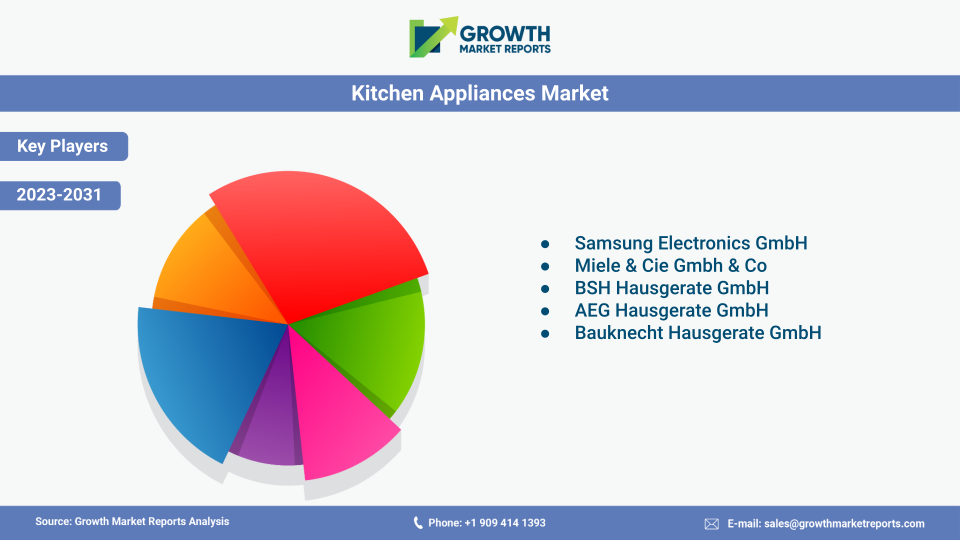
Key players competing in the Germany kitchen appliances market include Samsung Electronics GmbH, Miele & Cie Gmbh & Co, BSH Hausgerate GmbH, AEG Hausgerate GmbH, and Bauknecht Hausgerate GmbH.
Some of these players are using several market strategies such as mergers, acquisitions, partnerships, collaborations, capacity expansion, and product launches to increase their market shares.
Freestanding appliances currently dominate due to affordability and flexibility, but built-in appliances are gaining popularity in urban and premium segments, driven by the trend toward modular kitchens and smart home integration.
Major companies include Whirlpool Corporation, Samsung Electronics, LG Electronics, BSH Home Appliances, Electrolux AB, Haier Group, Panasonic Corporation, Koninklijke Philips N.V., Midea Group, and Sub-Zero Group, Inc.
Challenges include intense competition, price wars, volatility in raw material prices, regulatory requirements for energy efficiency and safety, and the high cost of smart and built-in appliances in price-sensitive markets.
Kitchen appliances are sold through both offline (specialty stores, supermarkets, hypermarkets, brand outlets) and online channels, with online sales growing rapidly due to the convenience and variety offered by e-commerce platforms.
Smart kitchen appliances, such as AI-integrated refrigerators and ovens with Wi-Fi connectivity, are increasingly popular for their convenience, energy efficiency, and ability to integrate with home automation systems.
Refrigerators hold the largest share of the kitchen appliances market due to their indispensability in both residential and commercial settings, with ongoing innovation in energy efficiency and smart features.
Key trends include the adoption of smart and IoT-enabled appliances, increased demand for energy-efficient products, the popularity of modular kitchens, and the expansion of e-commerce and organized retail channels.
Asia Pacific dominates the kitchen appliances market, accounting for the largest share in 2024, driven by rapid urbanization and rising disposable incomes in countries like China, India, and Japan.
The kitchen appliances market is expected to grow at a CAGR of 6.2% from 2024 to 2033, reaching USD 386.4 billion by 2033.
The global kitchen appliances market size in 2024 is valued at USD 224.7 billion, reflecting strong demand across residential and commercial sectors.