Segments - by Product Type (Building Blocks, Dolls & Action Figures, Puzzles, Vehicles, Educational Toys, Others), by Material (Plant-Based Plastics, Wood, Natural Rubber, Fabric, Others), by Age Group (Infants & Toddlers, Preschoolers, School-Aged Children), by Distribution Channel (Online Stores, Supermarkets/Hypermarkets, Specialty Stores, Others)
As per our latest research, the global biodegradable children's toys market size reached USD 2.11 billion in 2024 and is expected to grow at a CAGR of 14.2% during the forecast period, reaching USD 6.12 billion by 2033. This robust growth is primarily driven by increasing environmental awareness among consumers and the rising demand for sustainable, non-toxic toys for children. The market is witnessing a significant shift as parents and educational institutions prioritize eco-friendly products, recognizing their long-term benefits for both children's health and the environment.
One of the most significant growth factors for the biodegradable children's toys market is the rising global consciousness regarding environmental sustainability. Parents are increasingly aware of the harmful effects of traditional plastic toys, which contribute to landfill waste and environmental pollution. As a result, there is a marked preference for toys made from biodegradable materials such as plant-based plastics, sustainably sourced wood, natural rubber, and organic fabrics. This shift is further amplified by stringent regulations imposed by governments and international bodies, urging toy manufacturers to embrace eco-friendly production processes and materials. The educational sector also plays a critical role, with schools and daycare centers opting for biodegradable toys to foster environmental responsibility in children from an early age.
Another key driver is the growing incidence of allergies and sensitivities in children, which has made parents more cautious about the materials used in children's products. Biodegradable toys, often free from harmful chemicals and toxins, offer a safer alternative to conventional toys. This consumer preference is bolstered by widespread media coverage and advocacy from environmental organizations, which highlight the health and ecological advantages of biodegradable toys. Additionally, the increasing purchasing power of middle-class families, especially in emerging economies, is propelling market growth as these consumers are willing to spend more on premium, sustainable products for their children.
Technological advancements and innovation in manufacturing processes are also fueling the expansion of the biodegradable children's toys market. Companies are investing heavily in research and development to create toys that are not only sustainable but also durable, visually appealing, and educational. The integration of advanced design techniques and the use of new, eco-friendly materials have enabled manufacturers to produce a diverse range of biodegradable toys that cater to various age groups and developmental needs. This innovation is further supported by collaborations between toy manufacturers, material suppliers, and environmental organizations, which work together to develop industry standards and promote sustainable practices throughout the supply chain.
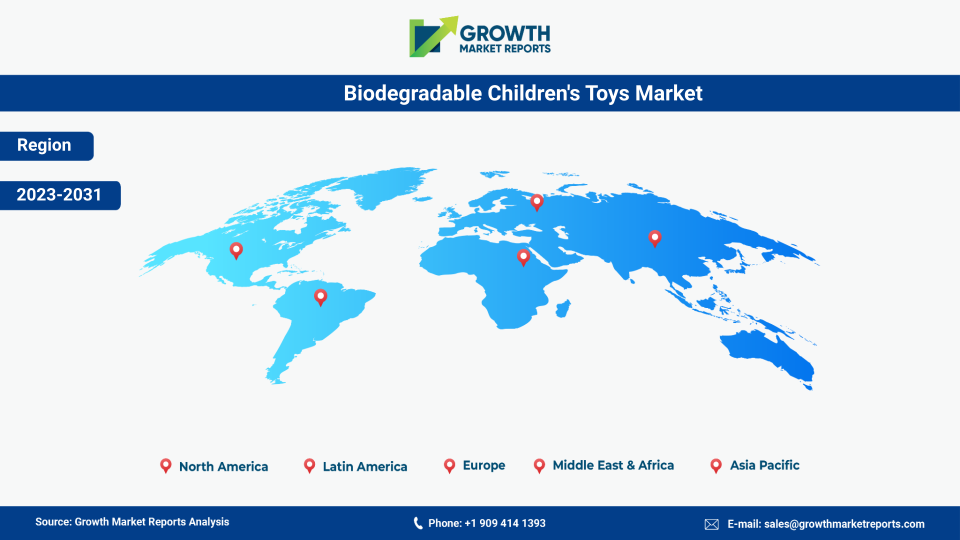
From a regional perspective, Europe and North America currently dominate the biodegradable children's toys market, accounting for a significant share of global revenues. These regions benefit from high consumer awareness, supportive regulatory frameworks, and a strong presence of leading toy manufacturers. However, the Asia Pacific region is expected to exhibit the fastest growth during the forecast period, driven by rapid urbanization, rising disposable incomes, and increasing environmental consciousness among consumers. Latin America and the Middle East & Africa are also witnessing steady growth, supported by government initiatives promoting sustainability and the expanding reach of e-commerce platforms, which make biodegradable toys more accessible to a broader consumer base.
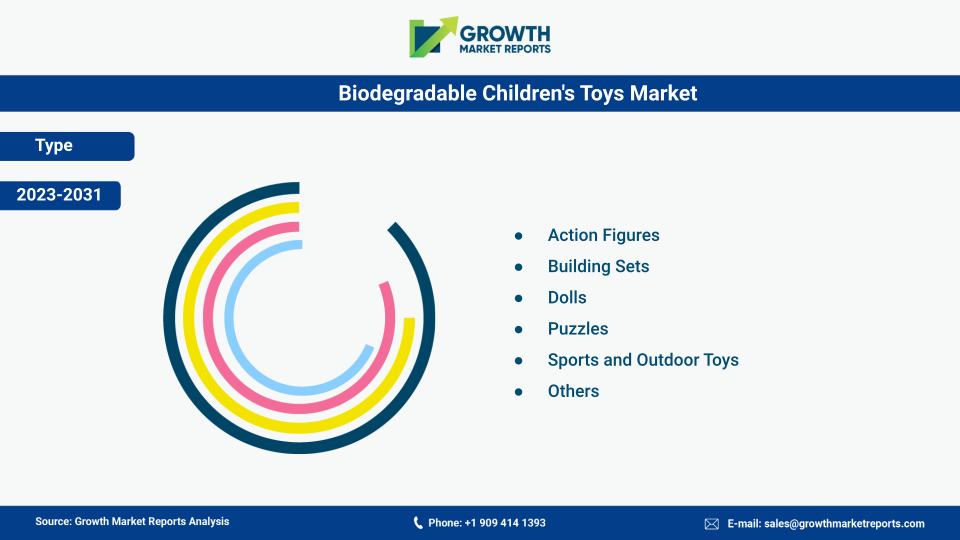
The product type segment of the biodegradable children's toys market includes building blocks, dolls & action figures, puzzles, vehicles, educational toys, and others. Building blocks hold a prominent share in this segment, as they are considered essential for early childhood development, fostering creativity, motor skills, and problem-solving abilities. Manufacturers are focusing on producing building blocks from sustainable materials such as FSC-certified wood, plant-based plastics, and biodegradable composites. The demand for these eco-friendly building blocks is further driven by their versatility and long-lasting appeal, making them a staple in both homes and educational settings. As parents become more discerning about the materials their children interact with, building blocks made from natural and biodegradable resources are gaining traction, pushing manufacturers to continually innovate and expand their product portfolios.
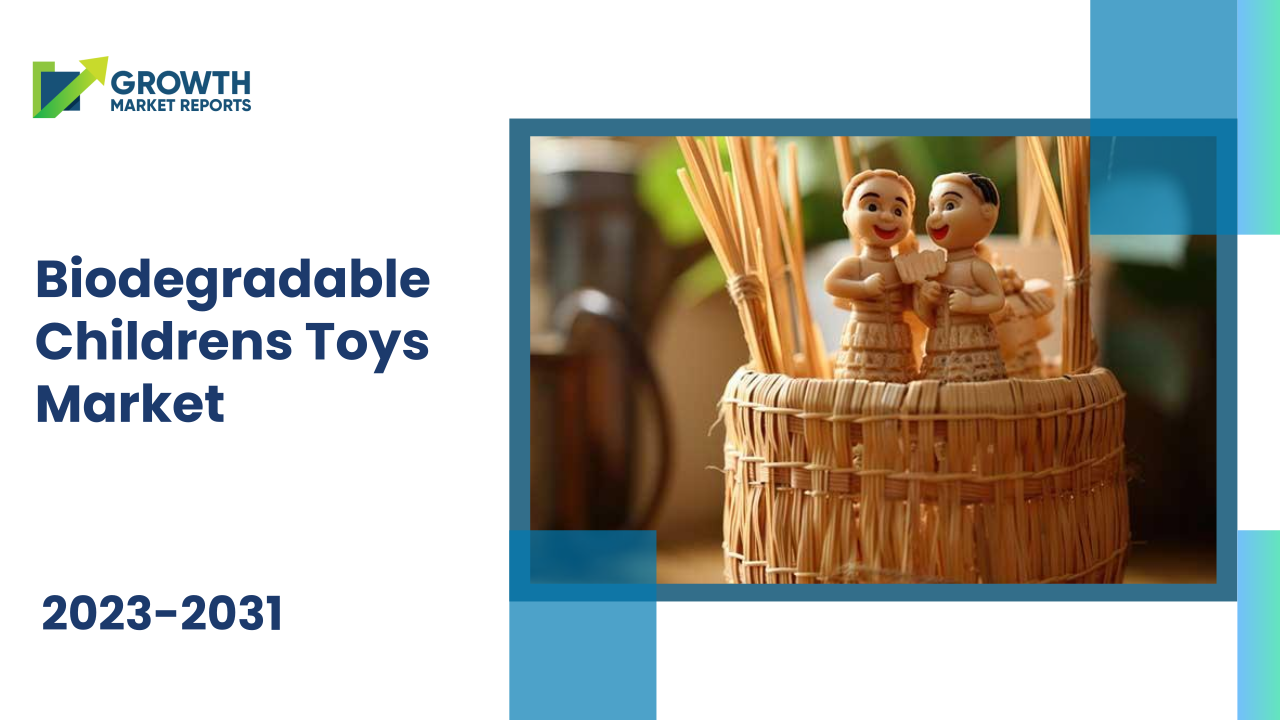
Dolls and action figures represent another significant sub-segment, with increasing demand for products free from harmful chemicals and dyes. Traditionally made from non-biodegradable plastics, the industry is witnessing a paradigm shift towards dolls crafted from organic cotton, natural rubber, and biodegradable polymers. These toys are not only safer for children but also align with the values of environmentally conscious families. Furthermore, the market is seeing a rise in culturally diverse and inclusive dolls, reflecting societal changes and promoting positive representation. Manufacturers are leveraging this trend by introducing eco-friendly dolls and action figures that cater to a wide range of interests and backgrounds, further expanding their market reach.
Puzzles and educational toys are experiencing robust growth as parents and educators increasingly recognize the cognitive and developmental benefits these products offer. Biodegradable puzzles made from recycled paperboard, wood, and other sustainable materials are becoming popular choices in both households and learning centers. These toys support critical thinking, memory, and coordination while minimizing environmental impact. The educational toys segment, in particular, is witnessing innovation in design and material use, with companies introducing products that teach children about sustainability and environmental stewardship. This dual focus on education and eco-friendliness is resonating with consumers, driving sustained demand across various age groups.
Vehicles and other toy categories, including musical instruments and outdoor toys, are also transitioning towards biodegradable alternatives. Manufacturers are responding to consumer demand by developing cars, trucks, and other vehicles from plant-based plastics and sustainably sourced wood. These products are designed to be durable, safe, and environmentally responsible, appealing to parents seeking holistic benefits for their children. The "others" category encompasses a wide array of toys, such as art supplies, bath toys, and sensory play items, all of which are increasingly being produced using biodegradable materials. As the market continues to evolve, the diversity and availability of biodegradable children's toys are expected to expand, offering consumers a broader selection of sustainable options.
| Attributes | Details |
| Report Title | Biodegradable Children's Toys Market Research Report 2033 |
| By Product Type | Building Blocks, Dolls & Action Figures, Puzzles, Vehicles, Educational Toys, Others |
| By Material | Plant-Based Plastics, Wood, Natural Rubber, Fabric, Others |
| By Age Group | Infants & Toddlers, Preschoolers, School-Aged Children |
| By Distribution Channel | Online Stores, Supermarkets/Hypermarkets, Specialty Stores, Others |
| Regions Covered | North America, Europe, APAC, Latin America, MEA |
| Base Year | 2024 |
| Historic Data | 2018-2023 |
| Forecast Period | 2025-2033 |
| Number of Pages | 280 |
| Number of Tables & Figures | 399 |
| Customization Available | Yes, the report can be customized as per your need. |
The material segment of the biodegradable children's toys market is critical, as it directly influences product safety, durability, and environmental impact. Plant-based plastics have emerged as a leading material choice, offering the flexibility and durability of traditional plastics without the associated environmental drawbacks. These bioplastics are derived from renewable sources such as corn starch, sugarcane, and potato starch, making them compostable and less harmful to the planet. The use of plant-based plastics is particularly prevalent in toys that require intricate molding and vibrant colors, such as building blocks and vehicles. As technology advances, the performance and aesthetic qualities of plant-based plastics continue to improve, making them a viable alternative to conventional materials.
Wood remains a classic and highly valued material in the biodegradable children's toys market, prized for its natural beauty, strength, and tactile appeal. Toys made from sustainably sourced wood, such as those certified by the Forest Stewardship Council (FSC), are favored by environmentally conscious consumers. Wooden toys are often handcrafted, adding to their uniqueness and durability. They are especially popular in categories such as puzzles, building blocks, and educational toys, where their weight and texture enhance the play experience. The resurgence of wooden toys is also linked to the minimalist parenting trend, which emphasizes quality over quantity and encourages the use of timeless, heirloom-quality products.
Natural rubber is another important material, known for its flexibility, resilience, and safety. Sourced from rubber trees, natural rubber is biodegradable and free from synthetic additives, making it an ideal choice for teething toys, balls, and soft dolls. Its hypoallergenic properties and soft texture make it particularly suitable for infants and toddlers, who are more susceptible to allergies and sensitivities. Manufacturers are increasingly adopting natural rubber in their product lines, driven by consumer demand for safer, more sustainable alternatives to synthetic materials. The use of natural rubber also supports sustainable agricultural practices, as rubber trees contribute to carbon sequestration and biodiversity.
Fabric-based toys, including those made from organic cotton, bamboo, and hemp, are gaining popularity due to their softness, safety, and biodegradability. These materials are commonly used in plush toys, dolls, and sensory play items, where comfort and tactile stimulation are important. Organic fabrics are free from pesticides and harmful chemicals, reducing the risk of skin irritation and allergies in young children. The growing interest in fabric-based toys is also linked to the rise of eco-friendly parenting and the increasing availability of certified organic textiles. As consumers become more knowledgeable about the environmental and health impacts of toy materials, the demand for fabric-based biodegradable toys is expected to rise steadily.
The "others" category in the material segment includes a range of innovative and emerging materials, such as recycled paperboard, cork, and biodegradable composites. These materials are being explored for their potential to reduce waste and offer unique sensory experiences. Recycled paperboard is particularly popular in puzzles and board games, while cork is valued for its lightweight, antimicrobial properties. Manufacturers are continually experimenting with new materials to enhance the sustainability, safety, and appeal of their products, ensuring that the biodegradable children's toys market remains dynamic and responsive to evolving consumer preferences.
The age group segment of the biodegradable children's toys market is divided into infants & toddlers, preschoolers, and school-aged children. Infants and toddlers represent a crucial demographic, as parents are especially vigilant about the safety and health implications of the products they choose for this age group. Toys designed for infants and toddlers are typically made from soft, non-toxic, and hypoallergenic materials such as natural rubber, organic cotton, and plant-based plastics. These toys often include teething rings, rattles, plush toys, and sensory play items, all of which are subject to stringent safety standards. The demand for biodegradable toys in this segment is fueled by heightened parental awareness and the desire to minimize children's exposure to harmful substances during their formative years.
Preschoolers are another significant age group, characterized by their curiosity, creativity, and rapidly developing cognitive and motor skills. Biodegradable toys for preschoolers often include building blocks, puzzles, educational toys, and dolls, designed to stimulate learning and imaginative play. Parents and educators in this segment prioritize toys that are not only safe and sustainable but also educational, supporting early childhood development in areas such as problem-solving, coordination, and social interaction. The popularity of eco-friendly educational toys is growing, as they align with the values of environmentally conscious families and educational institutions. Manufacturers are responding by developing a wide range of biodegradable products tailored to the specific needs and interests of preschool-aged children.
School-aged children represent a diverse and dynamic segment, with interests that span a broad spectrum of activities and themes. Biodegradable toys for this age group include more complex puzzles, construction sets, vehicles, and science kits, designed to challenge and engage older children. The emphasis in this segment is on durability, functionality, and educational value, as parents seek toys that can withstand frequent use and provide meaningful learning experiences. School-aged children are also more likely to be influenced by trends and peer preferences, making it important for manufacturers to offer a variety of eco-friendly options that cater to different tastes and interests. The growing integration of sustainability education in school curricula is further boosting demand for biodegradable toys among this age group.
The segmentation by age group allows manufacturers and retailers to tailor their product offerings and marketing strategies to the unique needs and preferences of each demographic. By understanding the developmental stages and play patterns of different age groups, companies can design and promote biodegradable toys that maximize safety, engagement, and educational value. This targeted approach not only enhances customer satisfaction but also drives market growth by addressing the specific concerns and aspirations of parents, educators, and children across various age groups.
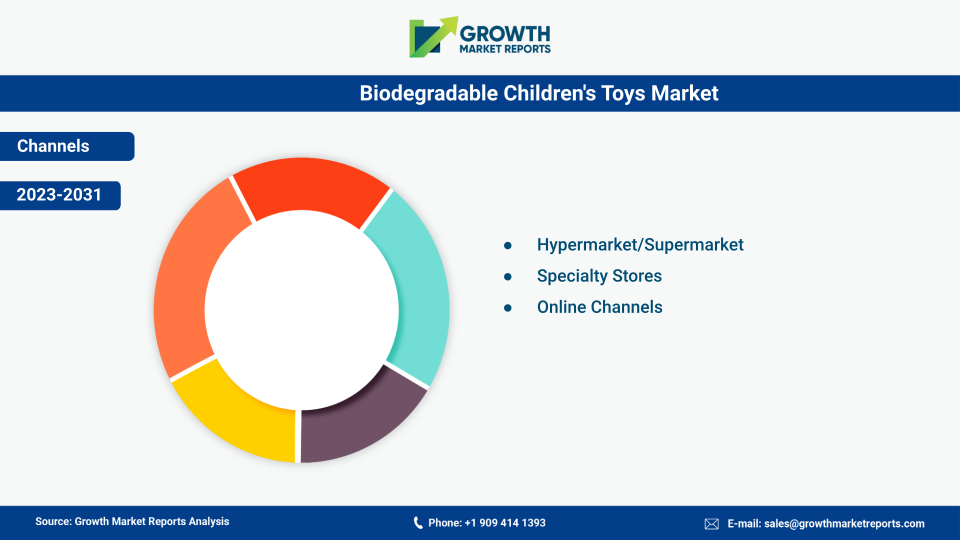
The distribution channel segment of the biodegradable children's toys market includes online stores, supermarkets/hypermarkets, specialty stores, and others. Online stores have emerged as the dominant distribution channel, driven by the widespread adoption of e-commerce and the convenience it offers to consumers. The online platform allows parents to access a wide variety of biodegradable toys, compare prices, read reviews, and make informed purchasing decisions from the comfort of their homes. The rise of direct-to-consumer brands and the increasing use of social media for product discovery and promotion have further accelerated the growth of online sales. E-commerce platforms also enable manufacturers to reach a global audience, expanding their market reach and driving sales growth.
Supermarkets and hypermarkets represent another important distribution channel, offering consumers the opportunity to purchase biodegradable toys alongside other household goods. These retail outlets are particularly popular in urban areas, where busy parents value the convenience of one-stop shopping. Supermarkets and hypermarkets often feature dedicated sections for eco-friendly and sustainable products, making it easier for consumers to identify and choose biodegradable toys. The presence of well-known brands and the ability to physically inspect products before purchase are additional factors that contribute to the popularity of this distribution channel.
Specialty stores, including toy stores and eco-friendly boutiques, play a crucial role in the biodegradable children's toys market. These outlets offer a curated selection of high-quality, sustainable toys, often accompanied by knowledgeable staff who can provide guidance and recommendations. Specialty stores are particularly effective in educating consumers about the benefits of biodegradable toys and fostering brand loyalty through personalized service and community engagement. Many specialty stores also host events and workshops focused on sustainability and child development, further strengthening their position in the market.
The "others" category in the distribution channel segment includes department stores, pop-up shops, and direct sales through educational institutions and community organizations. These channels provide additional opportunities for manufacturers to reach diverse consumer segments and promote the adoption of biodegradable toys. Pop-up shops and community events, in particular, are effective for raising awareness and generating interest in sustainable products. As the market continues to evolve, manufacturers and retailers are exploring innovative distribution strategies to enhance accessibility, convenience, and customer engagement, ensuring that biodegradable toys are readily available to a broad and growing consumer base.
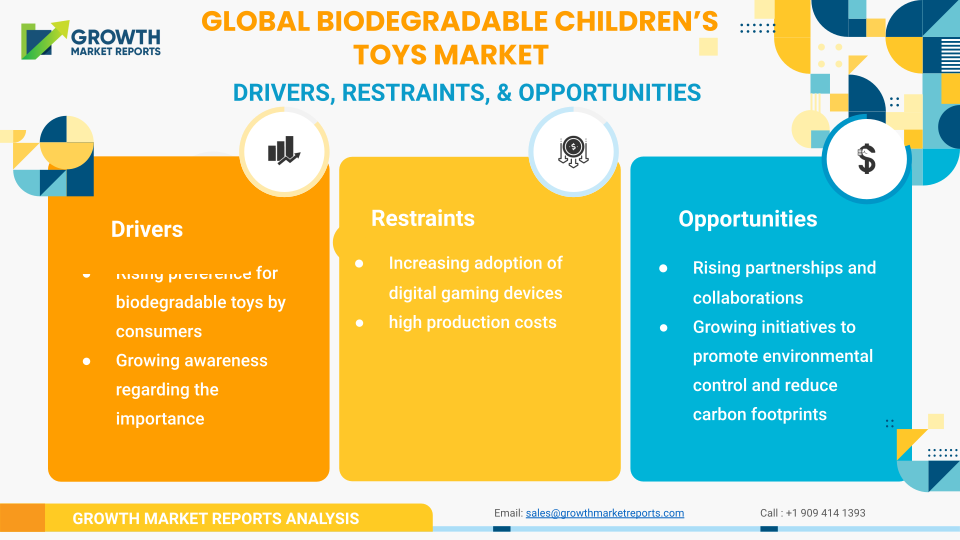
The biodegradable children's toys market presents numerous opportunities for growth and innovation. One of the most promising opportunities lies in the development of new, advanced materials that offer enhanced performance, durability, and aesthetic appeal while remaining fully biodegradable. Research and development in bioplastics, composite materials, and organic textiles are opening up new possibilities for toy design and manufacturing. Companies that invest in sustainable innovation and collaborate with material scientists, environmental organizations, and educational institutions are well-positioned to capture market share and drive industry growth. Additionally, the increasing emphasis on sustainability in corporate social responsibility (CSR) initiatives and government procurement policies creates opportunities for manufacturers to secure contracts and partnerships with public sector organizations, schools, and non-profits.
Another significant opportunity is the expansion of the biodegradable children's toys market into emerging economies, where rising disposable incomes and growing environmental awareness are driving demand for sustainable products. Manufacturers can leverage digital marketing, e-commerce platforms, and local partnerships to reach new consumer segments and build brand recognition in these regions. The growing popularity of eco-friendly parenting and the integration of sustainability education in school curricula further support market expansion. Companies that tailor their product offerings and marketing strategies to the unique needs and preferences of consumers in different regions will be better equipped to capitalize on these growth opportunities. Moreover, the increasing trend towards customization and personalization in the toy industry presents additional avenues for differentiation and value creation.
Despite the positive outlook, the biodegradable children's toys market faces several restraining factors. One of the primary challenges is the higher cost of biodegradable materials and sustainable manufacturing processes compared to conventional alternatives. This cost premium can be a barrier to adoption, particularly in price-sensitive markets and among lower-income consumers. Additionally, the lack of standardized definitions and certifications for biodegradable toys can lead to confusion and skepticism among consumers, hindering market growth. Manufacturers must invest in consumer education, transparent labeling, and third-party certifications to build trust and credibility. Supply chain complexities, including the sourcing of sustainable raw materials and the management of end-of-life disposal, also pose operational challenges that require careful planning and investment.
The regional analysis of the biodegradable children's toys market reveals distinct trends and growth patterns across different parts of the world. Europe currently leads the market, accounting for approximately 32% of global revenues in 2024, driven by strong consumer awareness, supportive regulatory frameworks, and a well-established infrastructure for sustainable product distribution. The region's emphasis on environmental protection and the widespread adoption of eco-friendly lifestyles have created a robust market for biodegradable toys. Countries such as Germany, France, and the United Kingdom are at the forefront of this trend, with consumers actively seeking out sustainable alternatives for their children. The presence of leading toy manufacturers and a mature retail landscape further contribute to Europe's dominant position in the market.
North America follows closely, representing 28% of the global market in 2024. The region's growth is fueled by high levels of disposable income, a strong culture of environmental responsibility, and a growing preference for premium, sustainable products. The United States and Canada are key markets, with consumers increasingly prioritizing the health and safety of their children and the environmental impact of their purchasing decisions. North America is also home to several innovative startups and established companies that are driving product development and market expansion. The region's well-developed e-commerce infrastructure and widespread use of digital marketing enable manufacturers to reach a broad and diverse consumer base.
The Asia Pacific region is poised for the fastest growth, with a projected CAGR of 17.1% from 2025 to 2033. Rapid urbanization, rising middle-class incomes, and increasing environmental awareness are key factors driving market expansion in countries such as China, India, Japan, and Australia. The growing popularity of online shopping and the influence of social media are making biodegradable toys more accessible to consumers in urban and rural areas alike. Government initiatives promoting sustainability and environmental education are also contributing to market growth. As the Asia Pacific region continues to develop, it is expected to play an increasingly important role in the global biodegradable children's toys market, offering significant opportunities for manufacturers and retailers.
The competitive landscape of the biodegradable children's toys market is characterized by a dynamic mix of established players and innovative startups, all striving to capture a share of the rapidly growing market. Leading companies are investing heavily in research and development to create new, eco-friendly products that meet the evolving needs and preferences of consumers. These companies are also focusing on sustainability throughout their supply chains, from sourcing raw materials to packaging and distribution. Strategic partnerships, mergers, and acquisitions are common as firms seek to expand their product portfolios, enhance their technological capabilities, and strengthen their market positions. The emphasis on product differentiation, quality, and brand reputation is driving intense competition and fostering a culture of continuous innovation in the industry.
Brand loyalty and consumer trust are critical factors in the biodegradable children's toys market, as parents are particularly concerned about the safety and environmental impact of the products they purchase for their children. Companies that prioritize transparency, third-party certifications, and clear labeling are better positioned to build lasting relationships with consumers. Marketing strategies that highlight the health, safety, and environmental benefits of biodegradable toys are proving effective in attracting and retaining customers. Social media and influencer marketing are also playing an increasingly important role in raising awareness and driving demand for sustainable toys.
Innovation is a key differentiator in the market, with companies introducing new materials, designs, and features to enhance the appeal and functionality of their products. The integration of educational elements, customization options, and inclusive themes is helping manufacturers cater to a diverse and discerning consumer base. Companies are also exploring new distribution channels, such as subscription boxes and direct-to-consumer platforms, to reach customers more effectively and build brand loyalty. The ability to adapt to changing consumer preferences and market trends is essential for success in this competitive environment.
Major players in the biodegradable children's toys market include Green Toys Inc., PlanToys, Hape International, Bigjigs Toys, BeginAgain Toys, and EverEarth. Green Toys Inc. is known for its innovative use of recycled materials and plant-based plastics, offering a wide range of eco-friendly toys that are both durable and safe. PlanToys specializes in wooden toys made from sustainably sourced rubberwood, with a strong emphasis on educational value and environmental responsibility. Hape International is a global leader in the production of wooden and bamboo toys, combining sustainable materials with innovative design. Bigjigs Toys and BeginAgain Toys are also recognized for their commitment to sustainability and their diverse product offerings, which include building blocks, puzzles, and educational toys. EverEarth focuses on creating toys that inspire children to care for the environment, using FSC-certified wood and eco-friendly manufacturing processes.
These companies are setting industry benchmarks for sustainability, safety, and innovation, inspiring other manufacturers to adopt similar practices and raise the overall standard of the market. As consumer demand for biodegradable children's toys continues to grow, the competitive landscape is expected to become even more dynamic, with new entrants and established players alike striving to meet the evolving needs of environmentally conscious families around the world.
The Biodegradable Children's Toys market has been segmented on the basis of
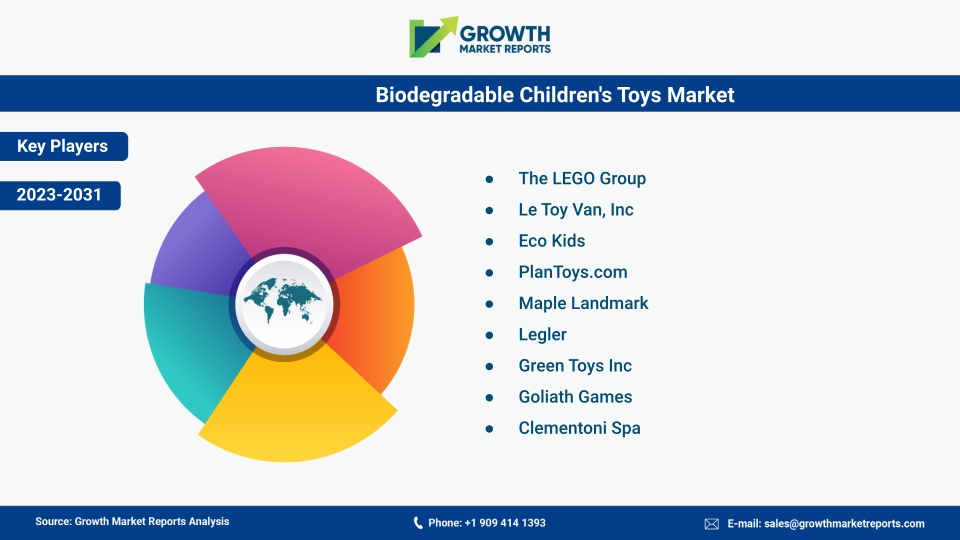
Key players competing in the global market are The LEGO Group.; Le Toy Van, Inc; Eco Kids; PlanToys.com; Maple Landmark; Legler; Green Toys Inc; Goliath Games; Clementoni Spa; North Star Toys; HABA USA; TEGU; Bigjigs Toys; BiOBUDDi Group b.v; and Ökonorm GmbH.
These companies adopted development strategies including collaboration, product launches, mergers, acquisitions, partnerships, and production expansion to expand their consumer base worldwide. For instance,
On June 1, 2023, Bigjigs Toys introduced a new eco-friendly toys collection for children aged 12+ months. This new collection of toys is made from 100% food-grade silicone, which includes bath toys, stacking cups, and sensory playthings.
Technological innovations in materials and manufacturing processes are enabling the production of more durable, visually appealing, and educational biodegradable toys.
Key players include Green Toys Inc., PlanToys, Hape International, Bigjigs Toys, BeginAgain Toys, EverEarth, Mattel Inc., LEGO Group, and others.
Major challenges include higher production costs, lack of standardized certifications, consumer skepticism, and supply chain complexities.
Parents prefer biodegradable toys due to their safety, absence of harmful chemicals, reduced risk of allergies, and positive environmental impact.
Biodegradable children's toys are primarily sold through online stores, supermarkets/hypermarkets, specialty stores, and other channels such as department stores and pop-up shops.
Popular product types include building blocks, dolls and action figures, puzzles, vehicles, educational toys, and sensory play items.
Europe and North America currently dominate the market, while the Asia Pacific region is expected to experience the fastest growth through 2033.
Common materials include plant-based plastics, sustainably sourced wood, natural rubber, organic fabrics, recycled paperboard, and biodegradable composites.
Key growth drivers include increasing environmental awareness, demand for non-toxic and sustainable toys, stricter regulations, and rising incidences of allergies in children.
The global biodegradable children's toys market is expected to reach USD 6.12 billion by 2033, growing at a CAGR of 14.2% from 2024.