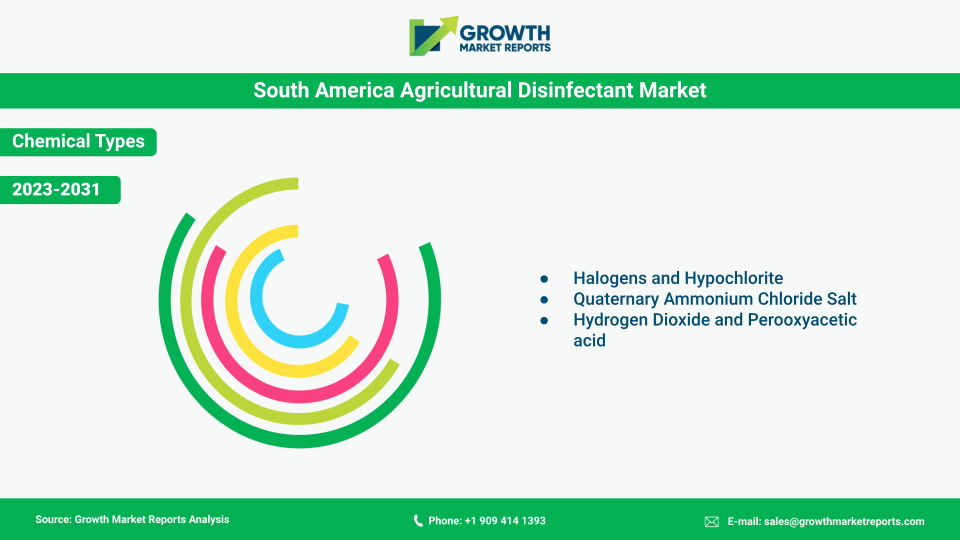
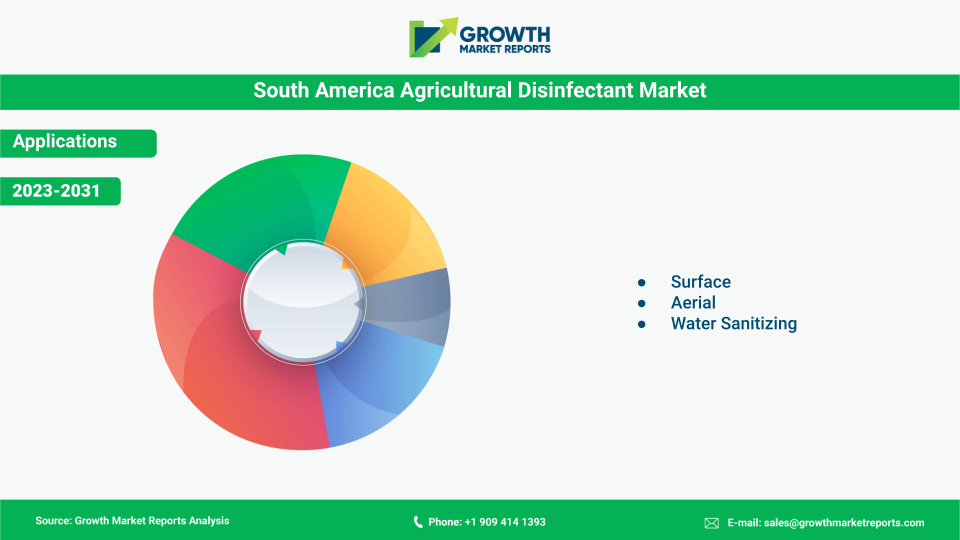
Segments - by Product Type (Liquid, Powder, Others), by Application (Surface, Aerial, Water Sanitizing, Others), by End Use (Livestock Farms, Agricultural Farms, Greenhouses, Others), by Distribution Channel (Direct, Indirect)
This report is updated with the latest market data and insights as of June 2026. Base year: 2025 | Forecast period: 2026-2034
According to our latest research, the global agricultural disinfectant market size in 2025 stands at USD 2.53 billion, reflecting a robust and growing industry underpinned by heightened biosecurity demands across modern farming systems. The market is expanding at a Compound Annual Growth Rate (CAGR) of 4.9% from 2026 to 2034, driven by rising concerns over farm biosecurity and the increasing prevalence of infectious diseases in crops and livestock. By 2034, the agricultural disinfectant market is forecasted to reach USD 3.86 billion, highlighting the sector's sustained momentum and the critical role of hygiene in contemporary agriculture. This growth trajectory is underpinned by technological advancements, tightening regulatory frameworks, and an expanding global agricultural footprint.
One of the primary growth factors for the agricultural disinfectant market is the heightened awareness among farmers and agribusinesses regarding the importance of biosecurity and disease prevention. Recurring outbreaks of plant and animal diseases, including avian influenza, African swine fever, and various fungal crop blights, have reinforced the necessity for effective disinfection protocols to safeguard yields and livestock health. The globalization of food supply chains has simultaneously amplified the risk of cross-border disease transmission, compelling regulatory bodies to enforce stricter hygiene standards on agricultural operations. As a result, there is growing demand for high-efficacy disinfectants capable of eliminating a broad spectrum of pathogens, fueling continuous innovation and product development across the market. This emphasis on pathogen control also intersects with water quality management in farming, where disinfection and treatment practices often work in tandem.
Technological advancements are playing a pivotal role in the expansion of the agricultural disinfectant market in 2025. The introduction of advanced formulations, including nano-based disinfectants and eco-friendly biocidal products, has enabled more efficient and targeted disinfection practices. These innovations are particularly attractive to large-scale farming enterprises seeking to minimize operational downtime and maximize productivity. The integration of automated spraying systems and precision agriculture tools facilitates precise disinfectant application, reducing waste and environmental impact. This technological evolution is not only enhancing disinfection effectiveness but also broadening the market's appeal to sustainability-conscious stakeholders who increasingly view responsible chemical use as a core operational value.
Another significant driver is the increasing adoption of intensive farming practices, which has amplified the risk of disease outbreaks due to higher animal and crop densities. As farms scale up to meet global food demand, the potential for pathogen proliferation rises, necessitating rigorous disinfection regimens. Governments and international organizations are actively promoting the use of agricultural disinfectants as part of integrated pest and disease management strategies. These initiatives, coupled with rising investments in agricultural infrastructure, are expected to sustain the market's upward trajectory through 2034. The growing popularity of organic and greenhouse farming is additionally creating new opportunities for specialized disinfectant products tailored to these segments, complementing the broader role of beneficial microbial solutions in sustainable crop production.
Regionally, the agricultural disinfectant market exhibits diverse growth patterns, with Asia Pacific and North America leading the global landscape. Asia Pacific is witnessing rapid expansion due to the intensification of agriculture, rising livestock populations, and increased government focus on food safety. North America remains a mature market, characterized by high adoption rates of advanced disinfection technologies and stringent regulatory frameworks. Europe, while posting moderate growth, is catching up due to comprehensive farm hygiene mandates and a well-established agribusiness sector committed to sustainability. Latin America and the Middle East and Africa are emerging as promising markets, driven by infrastructural development and growing awareness of biosecurity best practices.
The agricultural disinfectant market is segmented by product type into liquid, powder, and others. The liquid disinfectant segment dominates the market, accounting for approximately 58.5% of total revenue in 2025. This dominance is attributable to the ease of application, rapid action, and broad-spectrum efficacy of liquid formulations. Liquid disinfectants are preferred for large-scale disinfection of surfaces, equipment, and water systems, especially in livestock and poultry farms where hygiene standards are critical. The ability to dilute liquid disinfectants for spraying, fogging, or footbath applications further enhances their utility, making them a staple in both traditional and modern farming operations worldwide.
Powdered disinfectants are gaining traction due to their longer shelf life and ease of storage and transportation. These products are particularly popular in regions where cold-chain logistics and storage infrastructure are limited. Powdered formulations are widely used for footbaths, bedding treatment, and dry sanitation of animal housing facilities. Demand for powder disinfectants is expected to grow steadily through 2034, especially in emerging markets where cost-effectiveness and convenience are key purchasing criteria. The development of water-soluble powders has further expanded the applicability of this segment, allowing for flexible and targeted disinfection solutions adaptable to diverse farm conditions. Farmers using such products often combine them with enzyme-based treatments to achieve more comprehensive sanitation outcomes.
The "others" category, which includes gels, foams, and aerosol-based disinfectants, is witnessing increasing adoption in niche applications. These products offer unique advantages such as prolonged contact time, enhanced adhesion to surfaces, and reduced volatilization. Gels and foams are particularly useful for vertical surfaces and hard-to-reach areas, while aerosol disinfectants provide quick and uniform coverage in enclosed spaces such as poultry barns and cold-storage facilities. As the agricultural sector continues to diversify and modernize, demand for specialized disinfectant formats is expected to rise, driving sustained innovation within this segment.
Manufacturers are investing heavily in research and development to enhance the efficacy, safety, and environmental compatibility of their products across all segments. The trend toward bio-based and non-toxic disinfectants is especially pronounced in developed markets, where regulatory scrutiny and consumer preferences are shaping product portfolios. As a result, the product type landscape is characterized by intense competition and rapid technological evolution, with companies striving to differentiate themselves through superior performance and sustainability credentials.
Furthermore, the choice of disinfectant type is increasingly being influenced by the specific needs of end-users, including farm size, crop or livestock type, and local environmental and regulatory conditions. This has led to the emergence of customized solutions and tailored product offerings, enabling manufacturers to address a wider range of disinfection challenges. As the market matures through the 2026-2034 forecast period, the interplay between product innovation, regulatory compliance, and user preferences will remain a key determinant of segmental performance.
| Attributes | Details |
| Report Title | Agricultural Disinfectant Market Research Report 2025-2034 |
| By Product Type | Liquid, Powder, Others |
| By Application | Surface, Aerial, Water Sanitizing, Others |
| By End Use | Livestock Farms, Agricultural Farms, Greenhouses, Others |
| By Distribution Channel | Direct, Indirect |
| Regions Covered | North America, Europe, APAC, Latin America, MEA |
| Base Year | 2025 |
| Historic Data | 2019-2024 |
| Forecast Period | 2026-2034 |
| Number of Pages | 264 |
| Number of Tables & Figures | 285 |
| Customization Available | Yes, the report can be customized as per your need. |
The application segment of the agricultural disinfectant market is categorized into surface, aerial, water sanitizing, and others. Surface disinfection remains the largest application area in 2025, driven by the need to maintain hygienic conditions in animal housing, storage facilities, and farm equipment. Surface disinfectants are essential for preventing the spread of pathogens through contact transmission, which is a major concern in intensive livestock operations. The increasing adoption of automated cleaning systems and high-pressure spraying equipment has further boosted demand for surface disinfectants, enabling efficient and consistent application across large areas. This application segment benefits directly from advances in formulation chemistry and the push toward residue-free products that meet evolving food safety regulations.
Aerial disinfection, involving the application of disinfectants through fogging or misting systems, is gaining significant popularity in both livestock and crop farming. This method is particularly effective for controlling airborne pathogens and ensuring uniform coverage in enclosed environments such as poultry houses and greenhouses. Advanced aerosol formulations and precision delivery systems have enhanced the efficacy of aerial disinfection, making it a preferred choice for high-risk settings where manual application is impractical. As concerns over airborne disease transmission continue to mount globally, the aerial disinfection segment is expected to witness strong growth through 2034.
Water sanitizing is a critical application area, especially in aquaculture and hydroponic farming systems. Contaminated water can serve as a vector for a wide range of pathogens, posing serious threats to both plant and animal health. Specialized water disinfectants help maintain optimal water quality, reduce disease incidence, and improve overall farm productivity. The increasing adoption of recirculating aquaculture systems and closed-loop irrigation networks is driving demand for effective water sanitizing solutions. This segment also intersects with the broader field of agricultural water treatment, where comprehensive approaches to water purity are becoming essential to farm management strategies. Regulatory mandates regarding water quality standards are further compelling farmers to invest in reliable disinfection technologies.
The "others" application segment encompasses niche uses, including seed treatment, vehicle disinfection, and personal hygiene protocols for farm workers. Seed disinfection is gaining importance as a preventive measure against soil-borne diseases, while vehicle and equipment sanitation are essential for preventing cross-contamination between farm sites. The growing emphasis on comprehensive biosecurity protocols is expanding the scope of disinfectant applications, creating new opportunities for product innovation and market penetration. Integrated approaches that combine disinfection with other crop health tools, including those from the field of agricultural microbials, are gaining traction among progressive farming operations.
Overall, the application segment is characterized by a high degree of specialization, with different disinfection methods tailored to specific operational needs. As farming practices evolve and new disease threats emerge, demand for versatile and high-performance disinfectants across all application areas is expected to remain strong through the forecast horizon. Manufacturers are responding by developing multi-purpose formulations and integrated disinfection systems that offer enhanced convenience and measurable efficacy outcomes.
The end use segment of the agricultural disinfectant market is divided into livestock farms, agricultural farms, greenhouses, and others. Livestock farms represent the largest end-use segment, accounting for a significant share of the market in 2025. The high density of animals in modern livestock operations increases the risk of disease outbreaks, necessitating rigorous disinfection protocols to maintain animal health and productivity. Outbreaks of diseases such as avian influenza, swine fever, and foot-and-mouth disease have heightened awareness of the importance of biosecurity, driving sustained demand for disinfectant products in this segment. Government-mandated depopulation and decontamination protocols following disease events have also reinforced the role of disinfectants as a regulatory compliance tool.
Agricultural farms, encompassing crop cultivation and horticulture, are also major consumers of disinfectants. The use of disinfectants in crop farming is primarily aimed at preventing soil-borne and foliar diseases, controlling pests and pathogens in post-harvest storage facilities, and maintaining phytosanitary standards for export compliance. The increasing adoption of high-value crops and the expansion of export-oriented agriculture are contributing to the growth of this segment. Farmers are increasingly recognizing the combined value of disinfection alongside other biological crop health inputs, including enzyme-based agricultural solutions, in achieving sustainable and productive outcomes.
Greenhouses constitute a rapidly growing end-use segment, driven by the rising popularity of controlled-environment agriculture. Greenhouses provide optimal conditions for plant growth but simultaneously create a conducive environment for pathogen proliferation. Regular disinfection of greenhouse structures, tools, irrigation systems, and growing media is essential for preventing disease outbreaks and ensuring consistent plant health. The use of specialized disinfectants designed for greenhouse applications is on the rise, supported by advancements in formulation technology and integrated pest management practices. The global expansion of vertical farming and urban horticulture is expected to further elevate demand from this segment through 2034.
The "others" category includes aquaculture, nurseries, and agricultural research facilities, all of which require stringent hygiene standards to prevent disease transmission. Aquaculture is emerging as a key growth area due to increasing global seafood demand and the expansion of intensive fish and shrimp farming operations. The need for effective water and surface disinfection solutions in these settings is driving both innovation and market expansion. Research facilities and nurseries, while smaller in scale, are important end-users for the development and validation of next-generation disinfectant products.
The end use segment is characterized by diverse and evolving requirements, with each sub-segment presenting unique challenges and growth opportunities. The increasing complexity of modern agriculture, coupled with the growing emphasis on biosecurity and sustainability, is driving demand for tailored disinfectant solutions. Manufacturers are responding by offering specialized product ranges and integrated support services that enhance the overall value proposition for each end-use category.
The agricultural disinfectant market is segmented by distribution channel into direct and indirect sales. Direct distribution channels, which involve sales from manufacturers to end-users without intermediaries, are particularly prevalent among large-scale farming enterprises and institutional buyers. This channel offers several advantages, including better pricing, personalized technical service, and access to expert support. Direct sales are often accompanied by value-added offerings such as on-site training, product customization, and after-sales consultation, making them an attractive option for high-volume buyers operating at the commercial scale of modern agribusiness.
Indirect distribution channels, including distributors, wholesalers, and agrochemical retailers, account for a substantial share of the market, especially in regions with fragmented agricultural sectors. Indirect channels offer broad geographic coverage and accessibility, enabling manufacturers to reach a wide range of customers including small and medium-sized farms. Retail outlets, cooperative purchasing networks, and online platforms play a crucial role in ensuring product availability across diverse geographies. The growing popularity of e-commerce and digital procurement is enhancing the reach and cost-efficiency of indirect distribution channels, particularly in emerging markets where physical retail infrastructure remains underdeveloped.
The choice of distribution channel is often influenced by factors such as farm size, geographic location, product complexity, and purchasing behavior. Large agribusinesses with centralized procurement systems tend to prefer direct manufacturer relationships, while smaller farms rely on local distributors and retailers for their routine disinfection needs. The increasing complexity of agricultural supply chains and the rise of integrated farm management platforms are driving demand for multi-channel distribution strategies that combine the strengths of both direct and indirect approaches.
Manufacturers are investing in logistics optimization and supply chain digitalization to ensure timely and reliable product delivery. Strategic partnerships with regional distributors and specialty agrochemical retailers are also becoming more common, enabling manufacturers to extend their market presence without proportional increases in direct sales infrastructure. The ongoing digitalization trend is transforming the distribution landscape, with online platforms offering new capabilities for product discovery, customer education, regulatory documentation, and streamlined order fulfillment.
Overall, the distribution channel segment is characterized by dynamism and rapid adaptation to changing customer expectations. The ability to offer reliable, convenient, and technically informed distribution solutions will remain a key differentiator for companies seeking to expand their share of the agricultural disinfectant market through the 2026-2034 forecast period.
The agricultural disinfectant market presents substantial opportunities for growth, particularly in the areas of sustainable product innovation and geographic market expansion. The increasing demand for eco-friendly and biodegradable disinfectants is creating new avenues for research and development, with companies investing in bio-based active ingredients and non-toxic formulation platforms. The rise of precision agriculture and smart farming technologies is opening up opportunities for disinfectants to be integrated into automated and data-driven farm management systems, improving both efficacy and cost-efficiency. The growing emphasis on global food safety and quality assurance is driving demand for high-performance disinfectants that meet rigorous regulatory standards, presenting a compelling commercial proposition for innovators operating in this space in 2025 and beyond.
Emerging markets in Asia Pacific, Latin America, and Africa represent another key opportunity for the agricultural disinfectant industry. Rapid urbanization, population growth, and increasing food demand are driving the expansion of commercial agriculture in these regions. Governments and international development organizations are investing in agricultural infrastructure and promoting the adoption of modern farming practices, including structured biosecurity and disinfection programs. The relatively low penetration of disinfectant products in many of these markets presents a compelling growth opportunity for manufacturers, particularly those offering cost-effective and easy-to-deploy solutions. Strategic partnerships, localized manufacturing, and tailored product portfolios are likely to play a crucial role in capturing these emerging opportunities over the forecast horizon.
Despite the positive outlook, the market faces several restraining factors. The high cost of advanced disinfectant products and specialized application equipment can be a significant barrier to adoption, particularly for smallholder and resource-constrained farmers. Concerns over the environmental impact and potential toxicity of certain chemical disinfectants are prompting regulatory scrutiny and driving demand for safer alternatives, which increases the research and development burden for manufacturers. The complexity of product registration and regulatory approval processes across different jurisdictions can delay market entry and add substantial compliance costs. Additionally, the development of pathogen resistance to conventional disinfectant chemistries poses a longer-term technical challenge that the industry must proactively address through continued innovation and responsible use guidance.
The Asia Pacific region leads the agricultural disinfectant market, accounting for approximately 36% of the global market in 2025, valued at around USD 0.91 billion. This regional dominance is driven by the rapid intensification of agriculture, large and growing livestock populations, and proactive government initiatives to improve farm biosecurity and food safety standards. Countries such as China, India, Vietnam, and Indonesia are witnessing significant investments in agricultural infrastructure, leading to higher adoption rates of disinfectant products at both commercial and smallholder scale. The Asia Pacific market is expected to grow at a CAGR of 5.7% through 2034, outpacing other regions due to its expanding agricultural base, rising protein demand, and increasing regulatory alignment with international biosecurity standards.
North America represents the second-largest regional market, with a market size of approximately USD 0.70 billion in 2025. The region's advanced agricultural sector, stringent biosecurity regulations, and high adoption of modern farming technologies support strong and consistent demand for high-performance disinfectants. The United States and Canada are at the forefront of technological innovation, with widespread deployment of automated disinfection systems, precision application tools, and data-driven biosecurity management platforms. North America's mature market is characterized by high product penetration and a pronounced focus on sustainability, with growing commercial interest in bio-based and residue-free disinfectant formulations. The region is projected to maintain steady growth through 2034, supported by ongoing investments in farm biosecurity infrastructure and evolving food safety standards.
Europe holds a significant share of the agricultural disinfectant market, valued at approximately USD 0.52 billion in 2025. The region's well-established agribusiness sector, combined with comprehensive regulatory frameworks and a strong institutional emphasis on environmental sustainability, is driving demand for advanced and responsibly formulated disinfectant products. European countries are widely adopting integrated pest and disease management strategies that position disinfectants as a core component of farm health management. Latin America and the Middle East and Africa are emerging as promising markets, with a combined market size of approximately USD 0.40 billion in 2025. These regions are benefiting from infrastructural development, rising awareness of biosecurity, and the adoption of modern commercial agricultural practices. While their current market share is smaller relative to the global total, their above-average growth potential makes them strategically important for market participants planning their 2026-2034 expansion strategies.
The global agricultural disinfectant market is highly competitive, with a diverse mix of multinational corporations, regional players, and niche innovators vying for market share. The competitive landscape in 2025 is characterized by intense rivalry, rapid technological advancement, and a strong focus on product differentiation anchored in efficacy, safety, and environmental performance. Leading companies are investing substantially in research and development to create high-efficacy, environmentally responsible, and user-safe disinfectant solutions. Strategic collaborations, mergers, and acquisitions remain common, as companies seek to expand their product portfolios, enhance technological capabilities, and strengthen global distribution networks. The ability to offer integrated biosecurity solutions and value-added technical services is emerging as a key competitive differentiator, particularly among clients in large-scale agribusiness and vertically integrated food production.
Innovation is central to the competitive strategy of most market leaders. The development of novel active ingredient systems, including nano-based, peracetic acid-based, and plant-derived disinfectants, is enabling companies to address evolving customer needs and changing regulatory requirements simultaneously. Digitalization and the integration of smart farm technologies are also reshaping the competitive landscape, with companies leveraging data analytics, IoT-enabled monitoring, and automated application systems to differentiate their offerings. The growing importance of sustainability and environmental stewardship is prompting companies to prioritize the development of non-toxic, biodegradable, and zero-residue products, further intensifying competition across all market segments.
Regional players are making meaningful inroads, particularly in emerging markets where local knowledge, cost competitiveness, and strong distribution relationships are decisive success factors. These companies are often able to offer tailored solutions that address the specific agronomic and regulatory conditions of local farmers, enabling them to compete effectively against larger multinational rivals. Strategic partnerships with regional distributors, government agricultural agencies, and cooperative farming networks are helping regional players consolidate their market position and accelerate innovation cycles.
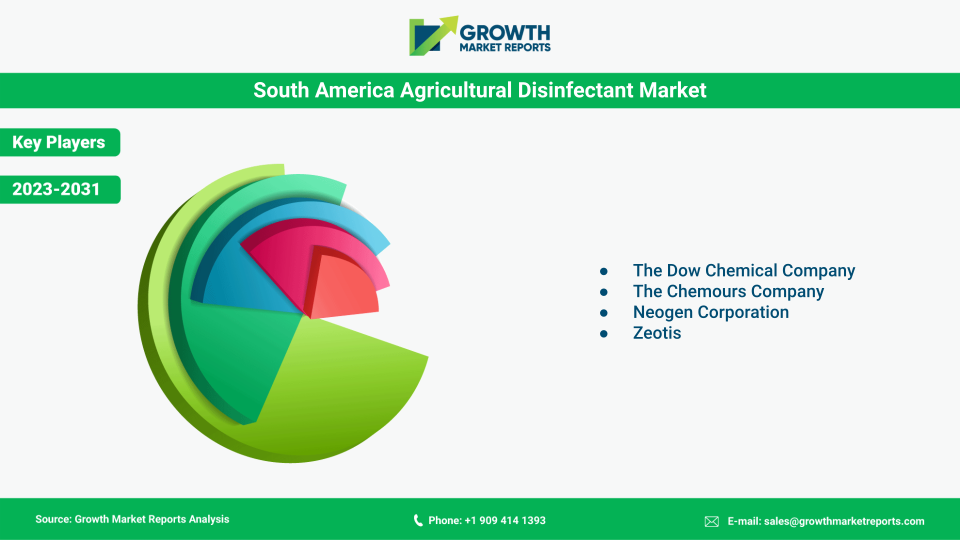
Major companies operating in the agricultural disinfectant market include The Chemours Company, Nufarm Limited, Zoetis Inc., Neogen Corporation, Evonik Industries AG, LANXESS AG, Solvay S.A., Stepan Company, Fink Tec GmbH, GEA Group AG, Shandong Daming Science and Technology Co., Ltd., Thymox Technology (Laboratoire M2), CID Lines NV (An Ecolab Company), Kersia Group, DeLaval Inc., Sanosil AG, Ceva Sante Animale, and Virox Technologies Inc. These companies span the full spectrum of disinfectant chemistry and application technology, from large diversified chemical corporations to focused biosecurity specialists. Each is investing in product portfolio expansion, market diversification, and sustainability-aligned innovation to secure competitive advantage in the evolving global marketplace.
These market leaders are continuously expanding their product portfolios through targeted innovation, strategic acquisitions, and technology partnerships. They are also investing in customer education programs, digital engagement platforms, and sustainability reporting to strengthen brand reputation and foster long-term customer loyalty. As the agricultural disinfectant market continues to evolve through the 2026-2034 forecast period, the ability to anticipate regulatory changes, respond to emerging disease threats, and deliver measurable biosecurity value will be critical for maintaining competitive standing and achieving sustainable commercial growth.
The Agricultural Disinfectant market has been segmented on the basis of
Agricultural disinfectants are distributed through direct channels, where manufacturers sell to large-scale farming enterprises and institutional buyers with personalized service and technical support, and through indirect channels including distributors, wholesalers, agrochemical retailers, and e-commerce platforms that serve small and medium-sized farms. The growing adoption of digital and online purchasing platforms is strengthening the reach of indirect channels globally.
Technology is reshaping the industry through the development of nano-based and bio-based disinfectant formulations, integration with automated spraying and fogging systems, precision agriculture platforms enabling targeted application, IoT-connected monitoring tools for real-time biosecurity management, and advanced data analytics supporting optimized disinfection schedules. These innovations are improving efficacy, reducing waste, and expanding sustainability credentials.
Key challenges include the high cost of advanced disinfectant products and application equipment, which limits adoption among smallholder farmers; growing regulatory scrutiny over the environmental and toxicological impact of chemical disinfectants; lengthy product registration and approval processes; development of pathogen resistance to conventional disinfectants; and limited awareness in underdeveloped agricultural markets.
Major players in the market include The Chemours Company, Nufarm Limited, Zoetis Inc., Neogen Corporation, Evonik Industries AG, LANXESS AG, Solvay S.A., Stepan Company, Fink Tec GmbH, GEA Group AG, CID Lines NV (An Ecolab Company), Kersia Group, DeLaval Inc., Sanosil AG, Ceva Sante Animale, and Virox Technologies Inc.
Key growth drivers include rising frequency of livestock disease outbreaks such as avian influenza and African swine fever, stricter government biosecurity regulations, expansion of intensive and controlled-environment farming, growing food safety awareness, adoption of precision agriculture technologies, and increased demand for eco-friendly and bio-based disinfectant formulations.
Asia Pacific leads the global market, holding approximately 36% of market share in 2025, valued at around USD 0.91 billion. North America is the second-largest market at approximately USD 0.70 billion. Asia Pacific is also the fastest-growing region, projected at a CAGR of 5.7% through 2034, driven by agricultural intensification in China, India, and Southeast Asia.
The main applications include surface disinfection of animal housing, equipment, and storage facilities; aerial disinfection through fogging and misting systems in poultry houses and greenhouses; water sanitizing for aquaculture and hydroponic systems; and niche uses such as seed treatment, vehicle sanitation, and worker hygiene protocols.
Liquid disinfectants dominate the market, accounting for approximately 58.5% of total revenue in 2025. Their broad-spectrum efficacy, ease of application, compatibility with automated spraying systems, and suitability for large-scale farm operations make them the preferred choice among livestock and crop farmers globally.
The agricultural disinfectant market is projected to grow at a CAGR of 4.9% from 2026 to 2034, reaching an estimated USD 3.86 billion by 2034, driven by rising biosecurity requirements, intensifying farming operations, and regulatory mandates across key regions.
The global agricultural disinfectant market size in 2025 stands at USD 2.53 billion, reflecting sustained investment in farm biosecurity, disease prevention, and food safety across major agricultural economies worldwide.