Segments - by Product Type (Powder, Liquid, Capsule, Tablet, Others), by Application (Dietary Supplements, Pharmaceuticals, Cosmetics & Personal Care, Food & Beverages, Others), by Distribution Channel (Online Retail, Supermarkets/Hypermarkets, Specialty Stores, Others), by End-User (Adults, Children, Others)
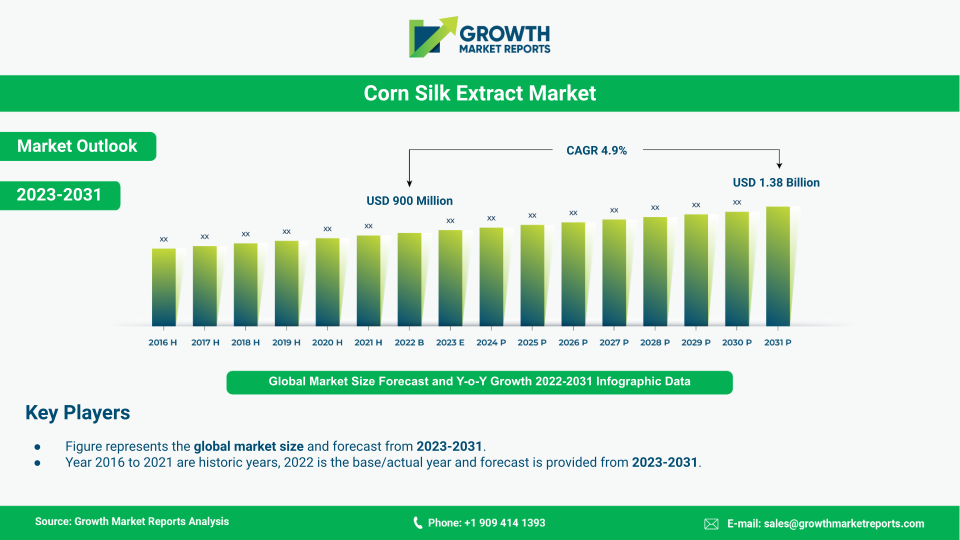
As per our latest research, the global corn silk extract market size reached USD 246.5 million in 2024, with a robust growth trajectory propelled by rising consumer awareness about natural health supplements. The market is expanding at a CAGR of 6.8% and is forecasted to attain a value of USD 455.2 million by 2033. This growth is primarily attributed to increasing demand for plant-based and herbal products across food, pharmaceutical, and cosmetics industries, as well as a growing preference for traditional remedies in both developed and emerging markets.
One of the primary growth drivers for the corn silk extract market is the increasing awareness among consumers regarding the health benefits associated with natural extracts. Corn silk extract, derived from the silky threads of corn plants, is recognized for its diuretic, antioxidant, and anti-inflammatory properties. As consumers become more health-conscious and seek alternatives to synthetic ingredients, demand for corn silk extract has surged, particularly in dietary supplements and herbal remedies. The rising prevalence of lifestyle-related diseases such as hypertension, diabetes, and obesity has further fueled interest in natural products that offer therapeutic benefits without adverse side effects. This trend is reinforced by the growing influence of social media, wellness blogs, and online health communities, which continue to educate consumers on the advantages of herbal supplements, thus driving market expansion.
Another significant factor contributing to the growth of the corn silk extract market is the increasing incorporation of corn silk extract in the cosmetics and personal care sector. The extract’s antioxidant and anti-inflammatory properties make it a valuable ingredient in skincare formulations, helping to soothe irritated skin and combat oxidative stress. The shift toward clean beauty and natural cosmetics has prompted manufacturers to explore botanical ingredients, including corn silk extract, to cater to eco-conscious consumers. Additionally, the food and beverage industry is leveraging corn silk extract as a natural flavoring and functional ingredient, further broadening its application base. This diversification of end-use applications is expected to sustain market growth over the forecast period, as manufacturers innovate to meet evolving consumer preferences.
Government support and regulatory approvals for herbal and natural extracts have also played a crucial role in propelling the corn silk extract market. Regulatory agencies in several countries are recognizing the safety and efficacy of corn silk extract, leading to its inclusion in pharmacopeias and approved ingredient lists for dietary supplements and functional foods. This regulatory backing has encouraged both established and emerging players to invest in research and development, enhance product quality, and expand distribution networks. Moreover, technological advancements in extraction and processing techniques have improved the purity and potency of corn silk extract, making it more appealing to end-users. Collectively, these factors are fostering a favorable environment for market growth, with both supply-side and demand-side dynamics aligning to support expansion.
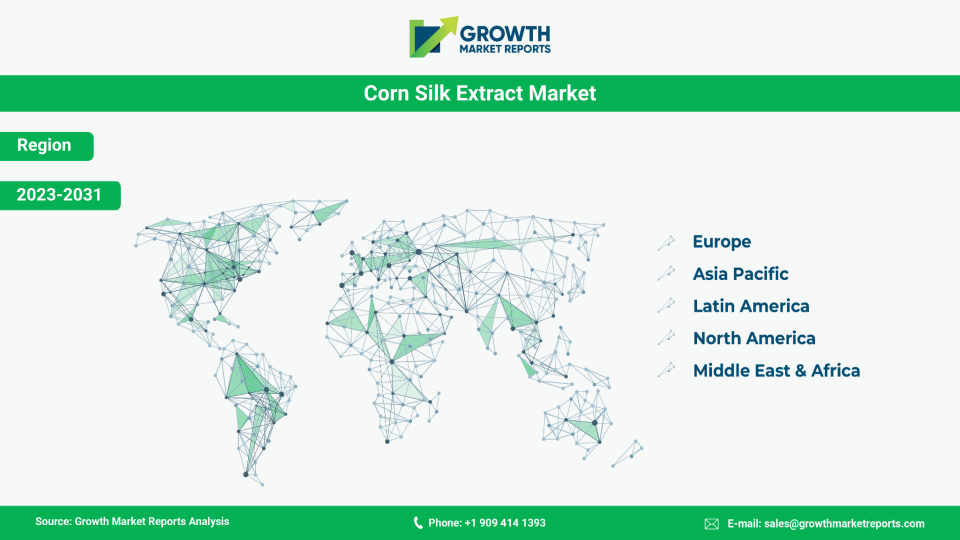
Regionally, the corn silk extract market exhibits diverse growth patterns, with Asia Pacific emerging as the dominant region due to its rich tradition of herbal medicine and large population base. North America and Europe are also significant markets, driven by high consumer awareness, advanced healthcare infrastructure, and a strong focus on preventive healthcare. Latin America and the Middle East & Africa are witnessing gradual growth, supported by increasing urbanization, rising disposable incomes, and expanding distribution channels. The interplay of cultural, economic, and regulatory factors across regions is shaping the global market landscape, with localized trends influencing product innovation and marketing strategies.
The corn silk extract market is segmented by product type into powder, liquid, capsule, tablet, and others. The powder segment commands a significant share due to its versatility and ease of incorporation into various applications such as dietary supplements, food products, and cosmetic formulations. Powdered corn silk extract is favored for its longer shelf life, high concentration of bioactive compounds, and convenience in formulation. Manufacturers are investing in advanced drying and milling technologies to enhance the solubility, purity, and efficacy of powder extracts, making them suitable for both commercial and retail use. The growing popularity of DIY health and beauty products has further buoyed demand for powdered extracts, as consumers seek customizable solutions for their wellness routines.
The liquid segment is experiencing steady growth, particularly in the pharmaceutical and nutraceutical sectors. Liquid corn silk extract is often preferred for its rapid absorption and ease of administration, especially among children and elderly consumers. It is commonly incorporated into tinctures, syrups, and functional beverages, offering a convenient alternative for those who have difficulty swallowing pills or capsules. The rising trend of herbal teas and wellness drinks has also contributed to the expansion of the liquid segment, as manufacturers introduce ready-to-consume products targeting specific health concerns such as urinary tract health and detoxification.
Capsules and tablets represent another important segment within the corn silk extract market, driven by consumer demand for standardized dosages and portability. These formats are particularly popular in the dietary supplement and pharmaceutical industries, where precise dosing and product stability are critical. Advances in encapsulation and tableting technologies have enabled manufacturers to preserve the bioactivity of corn silk extract while ensuring consistent quality and efficacy. The convenience of capsules and tablets appeals to busy consumers seeking on-the-go wellness solutions, further boosting segment growth.
Other product types, including corn silk extract-infused gummies, sachets, and topical formulations, are gaining traction as manufacturers diversify their offerings to cater to niche markets. Innovation in product development is a key competitive strategy, with companies exploring novel delivery formats to enhance user experience and differentiate their brands. As consumer preferences continue to evolve, the product type landscape within the corn silk extract market is expected to witness ongoing diversification and innovation.
| Attributes | Details |
| Report Title | Corn Silk Extract Market Research Report 2033 |
| By Product Type | Powder, Liquid, Capsule, Tablet, Others |
| By Application | Dietary Supplements, Pharmaceuticals, Cosmetics & Personal Care, Food & Beverages, Others |
| By Distribution Channel | Online Retail, Supermarkets/Hypermarkets, Specialty Stores, Others |
| By End-User | Adults, Children, Others |
| Regions Covered | North America, Europe, APAC, Latin America, MEA |
| Base Year | 2024 |
| Historic Data | 2018-2023 |
| Forecast Period | 2025-2033 |
| Number of Pages | 270 |
| Number of Tables & Figures | 319 |
| Customization Available | Yes, the report can be customized as per your need. |
The corn silk extract market is segmented by application into dietary supplements, pharmaceuticals, cosmetics & personal care, food & beverages, and others. Dietary supplements constitute the largest application segment, accounting for a substantial share of global demand. The extract’s well-documented benefits for urinary tract health, kidney function, and blood pressure regulation have made it a popular ingredient in herbal supplements. The rise of preventive healthcare and self-care trends has spurred demand for natural supplements, with consumers seeking products that support overall wellness and address specific health concerns. Manufacturers are responding by launching innovative formulations that combine corn silk extract with other botanicals to enhance efficacy and appeal.
Pharmaceutical applications are also on the rise, as clinical research continues to validate the therapeutic potential of corn silk extract. The extract is being investigated for its anti-inflammatory, antioxidant, and antidiabetic properties, with promising results in preclinical and clinical studies. Pharmaceutical companies are incorporating corn silk extract into formulations targeting conditions such as urinary tract infections, hypertension, and edema. Regulatory approvals and inclusion in pharmacopeias have further legitimized its use in mainstream medicine, encouraging greater investment in research and product development.
In the cosmetics & personal care segment, corn silk extract is valued for its soothing, moisturizing, and protective properties. It is increasingly used in skincare products such as creams, lotions, and masks, as well as hair care formulations designed to promote scalp health and reduce irritation. The clean beauty movement has accelerated the adoption of botanical ingredients, with consumers seeking products that are free from synthetic chemicals and allergens. As a result, cosmetics brands are leveraging corn silk extract to create natural, effective, and marketable products that resonate with health-conscious consumers.
The food & beverages segment is an emerging application area for corn silk extract, driven by the trend toward functional foods and beverages. The extract is used as a natural flavoring agent and functional ingredient in herbal teas, health drinks, and fortified foods. Its mild flavor profile and health-promoting properties make it an attractive addition to wellness-oriented food products. As consumer demand for clean-label and plant-based foods continues to grow, the food & beverages segment is expected to present new opportunities for market expansion.
The corn silk extract market distribution landscape is segmented into online retail, supermarkets/hypermarkets, specialty stores, and others. Online retail has emerged as a dominant channel, reflecting broader shifts in consumer purchasing behavior and the growing influence of e-commerce. The convenience of online shopping, coupled with the availability of detailed product information and customer reviews, has made digital platforms the preferred choice for many consumers. E-commerce giants and specialized health and wellness websites offer a wide range of corn silk extract products, enabling consumers to compare brands, read testimonials, and make informed purchasing decisions from the comfort of their homes.
Supermarkets and hypermarkets remain important distribution channels, particularly in urban areas where consumers seek one-stop shopping experiences. These retail outlets offer a diverse selection of health and wellness products, including corn silk extract supplements, beverages, and cosmetics. The visibility and accessibility of products in physical stores help build brand recognition and trust, especially among older consumers who may be less comfortable with online shopping. Retailers are increasingly dedicating shelf space to natural and organic products, reflecting the growing demand for plant-based health solutions.
Specialty stores, including health food stores, pharmacies, and herbal shops, play a crucial role in the corn silk extract market by providing expert guidance and personalized service. These outlets cater to consumers seeking high-quality, authentic, and often premium-priced products. Staff expertise and product education are key differentiators in this channel, helping to build consumer confidence and loyalty. Specialty stores are particularly popular in regions with a strong tradition of herbal medicine and wellness culture, such as Asia Pacific and parts of Europe.
Other distribution channels, such as direct sales and multi-level marketing, are also contributing to market growth. These channels leverage personal relationships and word-of-mouth marketing to reach niche consumer segments. As competition intensifies, manufacturers are adopting omnichannel strategies to maximize reach and enhance customer experience, integrating online and offline touchpoints to create seamless shopping journeys.
The corn silk extract market is segmented by end-user into adults, children, and others. Adults represent the largest end-user segment, driven by the prevalence of lifestyle-related health conditions and a growing focus on preventive healthcare. Corn silk extract is widely used by adults seeking natural solutions for urinary tract health, blood pressure management, and overall wellness. The aging population in developed regions is also contributing to increased demand, as older adults prioritize natural remedies to support healthy aging and mitigate the side effects of conventional medications.
Children constitute an important and growing end-user segment, particularly in the context of herbal medicine and pediatric healthcare. Parents are increasingly turning to natural products like corn silk extract to address common childhood ailments such as urinary tract infections, bedwetting, and mild inflammation. The gentle, non-toxic nature of corn silk extract makes it a preferred choice for pediatric use, provided it is administered under appropriate guidance. Manufacturers are developing child-friendly formulations, such as syrups and gummies, to cater to this demographic and address specific health needs.
Other end-users include pregnant women, athletes, and individuals with specific health conditions who may benefit from the therapeutic properties of corn silk extract. Pregnant women, for example, may use corn silk extract under medical supervision to manage edema and urinary tract discomfort. Athletes may incorporate the extract into their wellness routines to support hydration and recovery. The versatility of corn silk extract and its broad spectrum of health benefits make it suitable for diverse end-user groups, driving market penetration across multiple segments.
As consumer awareness continues to grow and scientific research validates the efficacy of corn silk extract, the end-user landscape is expected to evolve further. Manufacturers and healthcare professionals are focusing on targeted education and outreach to ensure safe and effective use of corn silk extract across all demographic groups, supporting sustained market growth.
The corn silk extract market presents significant opportunities for growth, particularly in the areas of product innovation and market expansion. As consumer preferences shift toward natural and plant-based products, manufacturers have the opportunity to develop new formulations and delivery formats that cater to emerging trends such as clean label, vegan, and allergen-free products. The integration of corn silk extract into functional foods, beverages, and cosmetics opens up new revenue streams and allows companies to differentiate their offerings in a competitive marketplace. Additionally, expanding distribution networks, particularly in emerging markets, can help manufacturers tap into underserved consumer segments and drive global market penetration.
Another major opportunity lies in research and development, as ongoing scientific studies continue to uncover new health benefits and applications for corn silk extract. Collaborations between industry players, academic institutions, and healthcare organizations can foster innovation and accelerate the development of evidence-based products. Regulatory support for herbal and natural extracts in key markets further enhances the commercial viability of corn silk extract, encouraging investment in quality assurance, standardization, and safety testing. As consumers become more discerning and demand transparency, companies that prioritize product quality, traceability, and sustainability are likely to gain a competitive edge.
Despite these opportunities, the corn silk extract market faces several restraining factors that could impede growth. One of the primary challenges is the variability in quality and potency of corn silk extract products, which can undermine consumer trust and limit adoption. Inconsistent sourcing, inadequate standardization, and lack of regulatory oversight in some regions can result in subpar products entering the market. Additionally, limited clinical evidence and awareness among healthcare professionals may hinder mainstream acceptance, particularly in the pharmaceutical and medical sectors. Addressing these challenges requires concerted efforts by industry stakeholders to establish quality standards, invest in research, and engage in consumer education.
Asia Pacific dominates the corn silk extract market, accounting for approximately 38.5% of global revenue in 2024. The region’s leadership is underpinned by a rich heritage of traditional medicine, widespread use of herbal remedies, and a large, health-conscious population. Countries such as China, India, and South Korea are major consumers and producers of corn silk extract, benefiting from robust agricultural infrastructure and government support for the herbal industry. The market in Asia Pacific is projected to grow at a CAGR of 7.3% through 2033, driven by rising disposable incomes, urbanization, and increasing adoption of preventive healthcare practices.
North America is the second-largest market, with a market share of 27.2% in 2024. The region’s growth is fueled by high consumer awareness, advanced healthcare systems, and a strong focus on natural and organic products. The United States leads the market, supported by a well-established dietary supplement industry and favorable regulatory environment. Canada and Mexico are also witnessing steady growth, as consumers seek alternatives to conventional medicines and embrace holistic wellness approaches. The presence of major market players and ongoing product innovation further bolster North America’s position in the global market.
Europe holds a significant share of the corn silk extract market, accounting for 19.6% of global revenue in 2024. The region’s growth is driven by increasing consumer demand for botanical supplements, clean beauty products, and functional foods. Countries such as Germany, France, and the United Kingdom are at the forefront, with a strong tradition of herbal medicine and natural health products. Regulatory harmonization and the inclusion of corn silk extract in official pharmacopeias have facilitated market entry and expansion. Latin America and the Middle East & Africa represent emerging markets, collectively accounting for 14.7% of global revenue. These regions are experiencing gradual growth, supported by rising health awareness, expanding distribution networks, and government initiatives to promote herbal medicine.
The corn silk extract market is characterized by intense competition, with a diverse mix of multinational corporations, regional players, and niche manufacturers vying for market share. The competitive landscape is shaped by factors such as product innovation, quality assurance, pricing strategies, and distribution reach. Leading companies are investing heavily in research and development to enhance product efficacy, develop novel formulations, and expand application areas. Strategic partnerships, mergers, and acquisitions are common, as companies seek to strengthen their market presence and gain access to new technologies, distribution channels, and consumer segments. The focus on sustainability, traceability, and ethical sourcing is also becoming a key differentiator, as consumers increasingly prioritize environmentally responsible brands.
Brand reputation and consumer trust play a critical role in the corn silk extract market, particularly in the dietary supplement and pharmaceutical sectors. Companies that can demonstrate product quality, safety, and efficacy through third-party certifications, clinical studies, and transparent labeling are better positioned to capture consumer loyalty. The rise of e-commerce has intensified competition, enabling smaller brands to reach global audiences and challenge established players. Digital marketing, influencer partnerships, and educational content are essential tools for building brand awareness and engaging with health-conscious consumers.
Innovation is a key driver of competitive advantage, with companies exploring new extraction methods, delivery formats, and value-added applications for corn silk extract. The integration of advanced technologies such as microencapsulation, nanotechnology, and bioavailability enhancement is enabling manufacturers to differentiate their products and address specific consumer needs. Customization and personalization are also emerging trends, as brands offer tailored solutions based on individual health profiles, preferences, and lifestyles.
Major players in the corn silk extract market include Nature’s Answer, Xi’an Sost Biotech Co., Ltd., Nutra Green Biotechnology Co., Ltd., Swanson Health Products, and Bio-Botanica Inc. Nature’s Answer is renowned for its high-quality botanical extracts and comprehensive product portfolio, catering to both retail and commercial clients. Xi’an Sost Biotech Co., Ltd. and Nutra Green Biotechnology Co., Ltd. are leading suppliers of natural extracts in Asia, with a strong focus on research, quality control, and international certifications. Swanson Health Products is a prominent player in the North American market, offering a wide range of dietary supplements and wellness products. Bio-Botanica Inc. specializes in botanical extracts for the food, pharmaceutical, and cosmetic industries, leveraging advanced extraction technologies to deliver premium-quality ingredients. These companies are continuously innovating and expanding their product lines to address evolving consumer demands and capitalize on emerging market opportunities.
The Corn Silk Extract market has been segmented on the basis of
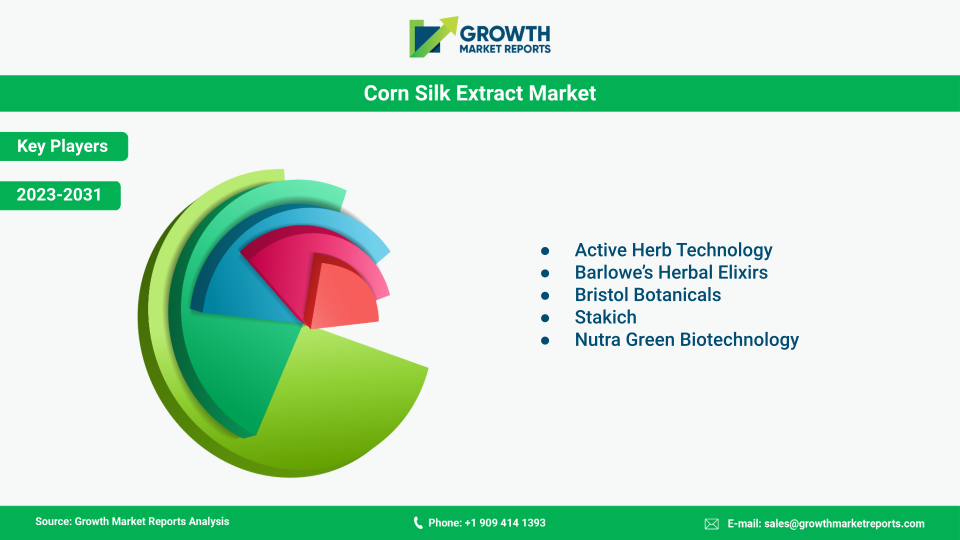
Some of the leading manufacturers in the global corn silk extract market are Active Herb Technology, Barlowe’s Herbal Elixirs, Bristol Botanicals, Stakich, and Nutra Green Biotechnology.
Industry players are focusing on business strategies such as acquisitions, mergers, partnerships, capacity expansion, and product launches to expand their market share.
Corn silk extract is valued in cosmetics for its antioxidant and anti-inflammatory properties, helping to soothe irritated skin and combat oxidative stress. It is used in creams, lotions, masks, and hair care products as part of the clean beauty trend.
Major players include Nutra Green Biotechnology Co., Ltd., Xi'an Sost Biotech Co., Ltd., Bio-Botanica Inc., Swanson Health Products, and Nature’s Answer, among others. These companies focus on innovation, quality, and expanding their product portfolios.
Opportunities include product innovation, expanding into new applications (like clean label and vegan products), and growing demand in emerging markets. Challenges involve quality variability, lack of standardization, and limited clinical evidence in some regions.
The main end-users are adults, children, and others such as pregnant women and athletes. Adults use it for preventive healthcare, while children benefit from gentle, non-toxic formulations for urinary and mild inflammatory issues.
Corn silk extract products are primarily sold through online retail, supermarkets/hypermarkets, specialty stores, and other channels like direct sales. Online retail is the dominant channel due to convenience and product variety.
Asia Pacific leads the market, accounting for about 38.5% of global revenue in 2024, followed by North America (27.2%) and Europe (19.6%). Latin America and the Middle East & Africa are emerging markets with growing demand.
The main product types are powder, liquid, capsule, tablet, and others like gummies and topical formulations. Powdered extract is most popular due to its versatility and longer shelf life, while liquids are favored for rapid absorption.
Corn silk extract is used across dietary supplements, pharmaceuticals, cosmetics & personal care, and food & beverages. It is valued for its health benefits, soothing properties in skincare, and as a natural flavoring and functional ingredient in foods and drinks.
The global corn silk extract market reached USD 246.5 million in 2024 and is expected to grow at a CAGR of 6.8%, reaching USD 455.2 million by 2033.
Corn silk extract is derived from the silky threads of corn plants and is known for its diuretic, antioxidant, and anti-inflammatory properties. It is commonly used to support urinary tract health, kidney function, and blood pressure regulation.