Segments - by Product Type (Rechargeable, Battery Operated, USB Powered, Others), by Application (Home Use, Commercial Use, Healthcare Facilities, Travel and Hospitality, Others), by Distribution Channel (Online Retail, Specialty Stores, Supermarkets/Hypermarkets, Others), by End-User (Individual, Commercial, Institutional)
According to our latest research, the global UV Sanitizer Travel Wand market size was valued at USD 1.12 billion in 2024 and is expected to grow at a robust CAGR of 13.4% from 2025 to 2033. By the end of 2033, the market is projected to reach USD 3.38 billion, underscoring its rapid adoption and relevance in the post-pandemic era. The key growth factor driving this market is the increasing consumer awareness regarding hygiene and the rising demand for portable sterilization solutions, especially among travelers and healthcare professionals.
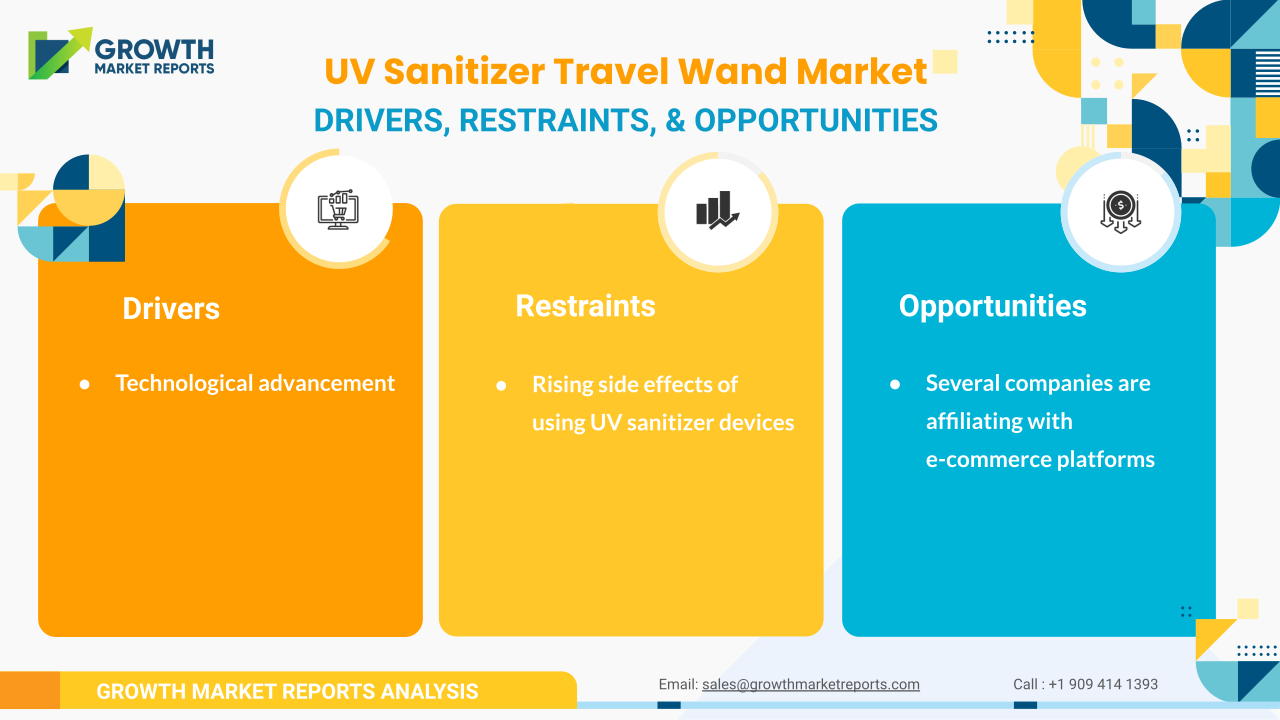
Several critical growth factors are fueling the expansion of the UV Sanitizer Travel Wand market. First and foremost, the heightened concern for personal and public hygiene in the wake of global health crises such as the COVID-19 pandemic has led to a surge in demand for portable sanitization devices. Consumers are increasingly seeking convenient, effective, and chemical-free solutions for disinfection, making UV sanitizer travel wands an attractive option. These devices offer the ability to eliminate up to 99.9% of bacteria and viruses on surfaces without the use of harmful chemicals, which aligns with the growing preference for eco-friendly and non-toxic cleaning products. The portability and ease of use of these wands further enhance their appeal, particularly among frequent travelers, parents, and individuals with compromised immune systems.
Another significant growth driver is the technological innovation in the design and functionality of UV sanitizer travel wands. Manufacturers are investing heavily in research and development to improve the efficiency, battery life, and safety features of these products. The integration of advanced UV-C LED technology, rechargeable batteries, and smart sensors has resulted in more reliable and user-friendly devices. Additionally, the availability of various product types—such as rechargeable, battery-operated, and USB-powered wands—caters to diverse consumer preferences and usage scenarios. The continuous evolution of product features, coupled with aggressive marketing strategies and endorsements by health experts, has played a pivotal role in boosting market penetration and consumer trust.
The expansion of e-commerce and the proliferation of online retail channels have also contributed significantly to the growth of the UV Sanitizer Travel Wand market. Online platforms offer consumers a wide range of product choices, competitive pricing, and the convenience of home delivery. The ease of comparing features and reading customer reviews has empowered buyers to make informed purchasing decisions. Additionally, the global reach of e-commerce has enabled manufacturers to tap into previously underserved markets, accelerating the adoption of UV sanitizer wands across various regions. Strategic partnerships with specialty stores and supermarkets/hypermarkets have further broadened product accessibility, especially in urban and semi-urban areas.
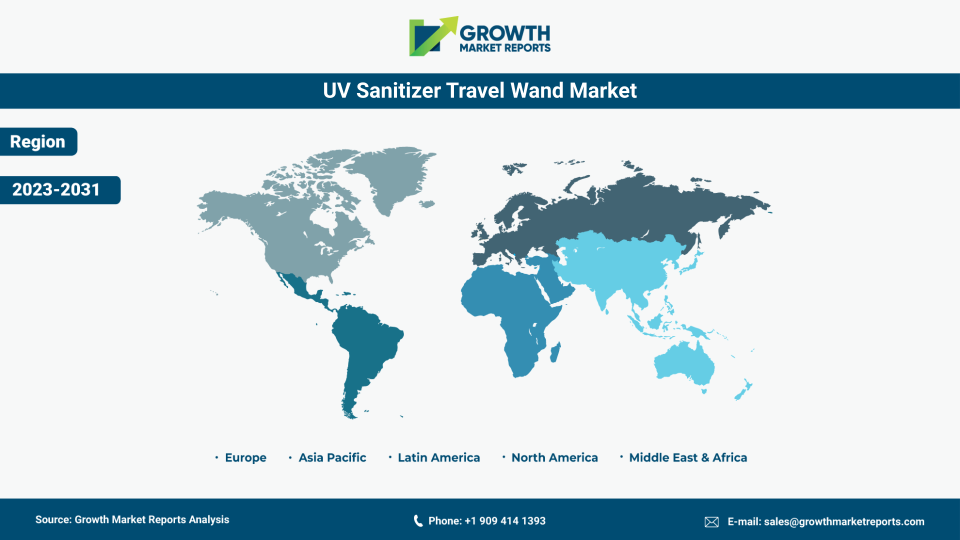
Regionally, Asia Pacific is emerging as the fastest-growing market for UV sanitizer travel wands, driven by rapid urbanization, rising disposable incomes, and increasing health consciousness among consumers. North America and Europe continue to hold significant market shares due to their well-established healthcare infrastructure and early adoption of advanced sanitization technologies. In contrast, Latin America and the Middle East & Africa are witnessing gradual growth, supported by improving awareness and expanding distribution networks. Each region presents unique opportunities and challenges, shaping the competitive landscape and strategic priorities of market participants.
The Product Type segment in the UV Sanitizer Travel Wand market is characterized by a diverse range of options, including rechargeable, battery-operated, USB-powered, and other variants. Rechargeable wands have gained substantial traction due to their eco-friendly nature and cost-effectiveness over time. These devices offer the advantage of repeated use without the need for frequent battery replacements, making them an ideal choice for environmentally conscious consumers. Advanced lithium-ion batteries ensure longer operational life and quick charging capabilities, which are particularly appealing to frequent travelers and healthcare professionals. The integration of smart charging indicators and safety mechanisms has further enhanced consumer confidence in rechargeable models.
Battery-operated UV sanitizer travel wands remain popular among users seeking maximum portability and convenience. These wands are especially favored in regions with limited access to electricity or where charging facilities are not readily available. The widespread availability of standard batteries and the ease of replacement make battery-operated models a practical solution for outdoor enthusiasts, campers, and individuals on extended trips. However, concerns about battery disposal and environmental impact may influence the long-term adoption of this product type, prompting manufacturers to explore sustainable alternatives and recycling initiatives.
USB-powered UV sanitizer travel wands have emerged as a modern solution catering to tech-savvy consumers. These devices can be easily charged using laptops, power banks, or car chargers, making them highly versatile for on-the-go use. The growing integration of USB-C technology has further improved charging efficiency and reduced compatibility issues. USB-powered wands are particularly popular among younger demographics and professionals who prioritize convenience and connectivity. The ability to charge devices using renewable energy sources, such as solar-powered power banks, also aligns with the increasing emphasis on sustainability in consumer electronics.
Other product types in the market include hybrid models that combine multiple power sources, as well as specialized wands designed for specific applications, such as large surface areas or sensitive electronics. These innovative variants cater to niche market segments and offer enhanced performance features, such as adjustable UV intensity, child safety locks, and ergonomic designs. The continuous evolution of product types reflects the dynamic nature of consumer preferences and the ongoing efforts of manufacturers to differentiate their offerings in a competitive market. Overall, the product type segment plays a crucial role in shaping the growth trajectory and technological advancements of the UV sanitizer travel wand market.
| Attributes | Details |
| Report Title | UV Sanitizer Travel Wand Market Research Report 2033 |
| By Product Type | Rechargeable, Battery Operated, USB Powered, Others |
| By Application | Home Use, Commercial Use, Healthcare Facilities, Travel and Hospitality, Others |
| By Distribution Channel | Online Retail, Specialty Stores, Supermarkets/Hypermarkets, Others |
| By End-User | Individual, Commercial, Institutional |
| Regions Covered | North America, Europe, APAC, Latin America, MEA |
| Base Year | 2024 |
| Historic Data | 2018-2023 |
| Forecast Period | 2025-2033 |
| Number of Pages | 286 |
| Number of Tables & Figures | 330 |
| Customization Available | Yes, the report can be customized as per your need. |
The Application segment of the UV Sanitizer Travel Wand market encompasses a broad spectrum of use cases, including home use, commercial use, healthcare facilities, travel and hospitality, and other specialized applications. Home use remains the dominant application, driven by increasing consumer awareness of the importance of maintaining a germ-free environment. Households are adopting UV sanitizer wands for disinfecting everyday items such as smartphones, keys, wallets, and kitchen surfaces. The convenience and effectiveness of these devices in eliminating pathogens without the need for chemical cleaners have made them a staple in modern homes, especially those with children or elderly residents.
Commercial use of UV sanitizer travel wands is witnessing rapid growth, particularly in sectors such as retail, offices, and public transportation. Businesses are investing in portable sanitization solutions to ensure the safety of employees and customers, comply with health regulations, and enhance brand reputation. The ability to quickly sanitize shared equipment, workstations, and high-touch surfaces has become a critical component of workplace hygiene protocols. In addition, the hospitality industry—including hotels, restaurants, and travel agencies—is leveraging UV sanitizer wands to reassure guests and differentiate their services in a highly competitive market.
Healthcare facilities represent a significant application segment for UV sanitizer travel wands, given the stringent requirements for infection control and sterilization. Hospitals, clinics, and dental offices are utilizing these devices to supplement traditional cleaning methods and reduce the risk of healthcare-associated infections. UV sanitizer wands offer a portable and efficient solution for disinfecting medical instruments, patient rooms, and waiting areas. The growing emphasis on patient safety and regulatory compliance is expected to drive further adoption of UV technology in healthcare settings, supported by ongoing research and validation of efficacy.
The travel and hospitality sector has emerged as a key market for UV sanitizer travel wands, fueled by the resurgence of global travel and heightened concerns about hygiene in shared spaces. Travelers are increasingly incorporating portable UV wands into their travel kits to disinfect hotel rooms, airplane seats, and personal belongings. Airlines, cruise lines, and tour operators are also adopting UV sanitization devices as part of their enhanced cleaning protocols. Other applications include educational institutions, gyms, and childcare centers, where maintaining a clean environment is paramount. The versatility and adaptability of UV sanitizer travel wands across diverse applications underscore their growing significance in a wide range of settings.
The Distribution Channel segment plays a pivotal role in the growth and accessibility of the UV Sanitizer Travel Wand market. Online retail has emerged as the leading distribution channel, accounting for a substantial share of global sales. The convenience of online shopping, coupled with the ability to compare products, read reviews, and access detailed product information, has empowered consumers to make informed purchasing decisions. E-commerce platforms such as Amazon, Alibaba, and specialized health and wellness websites have expanded the reach of UV sanitizer travel wands to a global audience. The COVID-19 pandemic further accelerated the shift towards online retail, as consumers sought contactless purchasing options and home delivery services.
Specialty stores, including electronics retailers and health-focused outlets, continue to play a significant role in the distribution of UV sanitizer travel wands. These stores offer personalized customer service, product demonstrations, and expert advice, which are particularly valuable for first-time buyers. The ability to physically inspect and test products before purchase enhances consumer confidence and satisfaction. Specialty stores also serve as important channels for premium and high-end models, catering to discerning customers seeking advanced features and superior performance.
Supermarkets and hypermarkets have expanded their product offerings to include UV sanitizer travel wands, capitalizing on the growing demand for hygiene products in mainstream retail environments. The visibility and accessibility of these devices in high-traffic locations have contributed to increased consumer awareness and impulse purchases. Retail chains are leveraging promotional campaigns, in-store displays, and bundling strategies to drive sales and differentiate their hygiene product assortments. The integration of UV sanitizer wands into broader health and wellness sections reflects the convergence of personal care and consumer electronics in the retail landscape.
Other distribution channels, such as direct sales, institutional procurement, and partnerships with healthcare providers, are gaining traction in specific market segments. Manufacturers are exploring innovative distribution strategies, including subscription models, corporate gifting, and co-branding initiatives, to expand their customer base and enhance brand loyalty. The dynamic interplay between online and offline channels underscores the importance of an omnichannel approach in capturing diverse consumer segments and maximizing market potential. As the market continues to evolve, distribution channel optimization will remain a key focus area for manufacturers and retailers alike.
The End-User segment in the UV Sanitizer Travel Wand market is broadly categorized into individual, commercial, and institutional users, each with distinct needs and purchasing behaviors. Individual consumers represent the largest end-user segment, driven by growing health consciousness and the desire for convenient, on-the-go sanitization solutions. These users prioritize ease of use, portability, and affordability, making compact and user-friendly models particularly popular. The increasing adoption of UV sanitizer wands among families, students, and travelers highlights the widespread appeal of these devices in everyday life. Marketing campaigns targeting personal safety and well-being have resonated strongly with this segment, fueling sustained demand.
Commercial end-users, including businesses, retailers, and service providers, are increasingly incorporating UV sanitizer travel wands into their hygiene protocols. The need to maintain a safe and sanitary environment for employees, customers, and visitors has become a top priority in the wake of the pandemic. Commercial users seek durable, high-performance devices capable of handling frequent and intensive use. Features such as rapid disinfection, long battery life, and compatibility with various surfaces are highly valued in this segment. The ability to demonstrate a commitment to health and safety also serves as a competitive differentiator for businesses in sectors such as hospitality, transportation, and retail.
Institutional users, including healthcare facilities, educational institutions, and government agencies, represent a critical and growing segment of the UV Sanitizer Travel Wand market. These organizations are subject to stringent regulatory requirements and standards for infection control, making the adoption of effective sanitization technologies imperative. Institutional buyers prioritize product reliability, efficacy, and compliance with safety certifications. Bulk procurement, customized solutions, and after-sales support are important considerations for this segment. The increasing integration of UV sanitizer wands into institutional hygiene protocols reflects the broader trend towards proactive and technology-driven infection prevention strategies.
The diverse needs and expectations of different end-user segments underscore the importance of product differentiation and targeted marketing in the UV sanitizer travel wand market. Manufacturers are tailoring their offerings to address specific use cases, usage frequencies, and budget constraints. The ongoing evolution of end-user preferences, coupled with the dynamic nature of the competitive landscape, will continue to shape the development and adoption of UV sanitizer travel wands across various sectors.
The UV Sanitizer Travel Wand market presents substantial opportunities for growth and innovation. One of the most promising areas is the integration of smart technologies, such as IoT connectivity, mobile app controls, and real-time monitoring features. These advancements can enhance user experience, provide data-driven insights, and enable remote management of sanitization processes. The development of multifunctional devices that combine UV sanitization with other features, such as air purification or wireless charging, offers additional value propositions and can drive product differentiation. Expanding into emerging markets with growing health awareness and increasing disposable incomes presents another significant opportunity for manufacturers seeking to diversify their customer base and achieve sustainable growth.
Collaboration with healthcare providers, travel agencies, and hospitality chains can further accelerate market adoption and create new revenue streams. Strategic partnerships and co-branding initiatives can enhance brand visibility, credibility, and market reach. The growing emphasis on sustainability and eco-friendly solutions also opens avenues for innovation in product design, materials, and packaging. Manufacturers that prioritize environmental responsibility and circular economy principles are likely to gain a competitive edge and appeal to environmentally conscious consumers. Additionally, ongoing investments in research and development can lead to the discovery of new UV wavelengths, improved energy efficiency, and enhanced safety features, further expanding the potential applications and market size of UV sanitizer travel wands.
Despite the numerous opportunities, the market faces certain restraining factors that could hinder its growth. One of the primary challenges is the presence of counterfeit and substandard products, which can undermine consumer trust and pose safety risks. The lack of standardized regulations and certification processes for UV sanitizer devices increases the likelihood of market entry by unscrupulous players offering ineffective or unsafe products. This issue is particularly pronounced in online retail channels, where quality control and product verification are more challenging. Addressing these concerns requires coordinated efforts by industry stakeholders, regulatory authorities, and consumer advocacy groups to establish clear standards, conduct rigorous testing, and educate consumers about product efficacy and safety.
Regionally, the Asia Pacific market for UV sanitizer travel wands is experiencing the fastest growth, with a market size of USD 340 million in 2024 and a projected CAGR of 15.2% through 2033. This remarkable growth is driven by increasing urbanization, rising disposable incomes, and heightened awareness of personal hygiene in countries such as China, Japan, South Korea, and India. The proliferation of e-commerce platforms and the rapid adoption of advanced consumer electronics have further accelerated market penetration in the region. Local manufacturers are leveraging cost-effective production capabilities and innovative marketing strategies to capture a significant share of the global market.
North America remains a key market for UV sanitizer travel wands, with a market size of USD 390 million in 2024. The region’s growth is underpinned by a well-established healthcare infrastructure, early adoption of advanced technologies, and strong consumer demand for innovative hygiene solutions. The United States and Canada are leading contributors, supported by robust distribution networks and the presence of major industry players. The market is characterized by intense competition, continuous product innovation, and a high level of consumer awareness regarding the benefits of UV sanitization. Strategic collaborations with healthcare providers and institutional buyers are further driving market expansion in North America.
In Europe, the UV Sanitizer Travel Wand market is valued at USD 270 million in 2024, with steady growth expected over the forecast period. The region benefits from stringent regulatory standards for hygiene and safety, as well as a strong emphasis on sustainability and eco-friendly products. Germany, the United Kingdom, and France are among the leading markets, supported by a mature retail sector and high levels of health consciousness among consumers. The adoption of UV sanitizer wands in commercial and institutional settings, including hotels, schools, and healthcare facilities, is driving market growth. Latin America and the Middle East & Africa are gradually emerging as promising markets, with increasing awareness and expanding distribution networks contributing to incremental growth. The combined regional market sizes remain well within the global total, ensuring a balanced and realistic outlook.
The competitive landscape of the UV Sanitizer Travel Wand market is characterized by the presence of a diverse mix of established multinational corporations, innovative startups, and regional players. The market is highly dynamic, with companies continuously striving to differentiate their offerings through technological innovation, product design, and value-added features. Intense competition has led to rapid advancements in UV-C LED technology, battery efficiency, and safety mechanisms. Leading players are investing significantly in research and development to enhance product efficacy, reduce production costs, and comply with evolving regulatory standards. The focus on user-friendly interfaces, ergonomic designs, and smart functionalities has resulted in a new generation of UV sanitizer wands that cater to a wide range of consumer preferences and use cases.
Strategic partnerships, mergers and acquisitions, and collaborations with healthcare providers and retail chains are common strategies employed by market participants to expand their market presence and access new customer segments. Companies are also leveraging digital marketing, influencer endorsements, and social media campaigns to increase brand visibility and drive consumer engagement. The shift towards omnichannel distribution models, combining online and offline sales channels, has enabled manufacturers to reach a broader audience and respond effectively to changing consumer behaviors. The ability to offer after-sales support, warranties, and customer education has emerged as a key differentiator in building long-term brand loyalty and trust.
The market is witnessing the entry of new players attracted by the high growth potential and relatively low barriers to entry. However, the proliferation of counterfeit and low-quality products poses significant challenges to established brands, necessitating ongoing efforts to protect intellectual property and ensure product authenticity. Regulatory compliance, particularly with respect to safety certifications and efficacy claims, remains a critical factor influencing market competitiveness. Companies that prioritize transparency, quality assurance, and consumer education are well-positioned to maintain a competitive edge in this evolving landscape.
Some of the major companies operating in the UV Sanitizer Travel Wand market include Philips, HoMedics, PhoneSoap, 59S, Verilux, and Munchkin. Philips is renowned for its extensive research capabilities and commitment to quality, offering a range of UV-C disinfection products for both consumer and professional markets. HoMedics has established itself as a trusted brand in personal wellness and hygiene, with a strong presence in North America and Europe. PhoneSoap is a pioneer in smartphone sanitization, leveraging innovative UV-C technology and sleek designs to capture the attention of tech-savvy consumers. 59S is recognized for its focus on portable and rechargeable UV sanitizer wands, catering to the needs of travelers and healthcare professionals. Verilux and Munchkin specialize in UV-C LED technology and child-safe designs, respectively, addressing niche market segments with tailored solutions.
These companies are continuously expanding their product portfolios, investing in marketing initiatives, and exploring new distribution channels to strengthen their market positions. Collaborative efforts with healthcare institutions, regulatory bodies, and industry associations are helping to raise awareness, establish quality standards, and drive the adoption of UV sanitizer travel wands globally. As the market continues to evolve, the ability to innovate, adapt to changing consumer needs, and maintain a strong focus on quality and safety will be critical success factors for both established and emerging players in the UV Sanitizer Travel Wand market.
The UV Sanitizer Travel Wand market has been segmented on the basis of
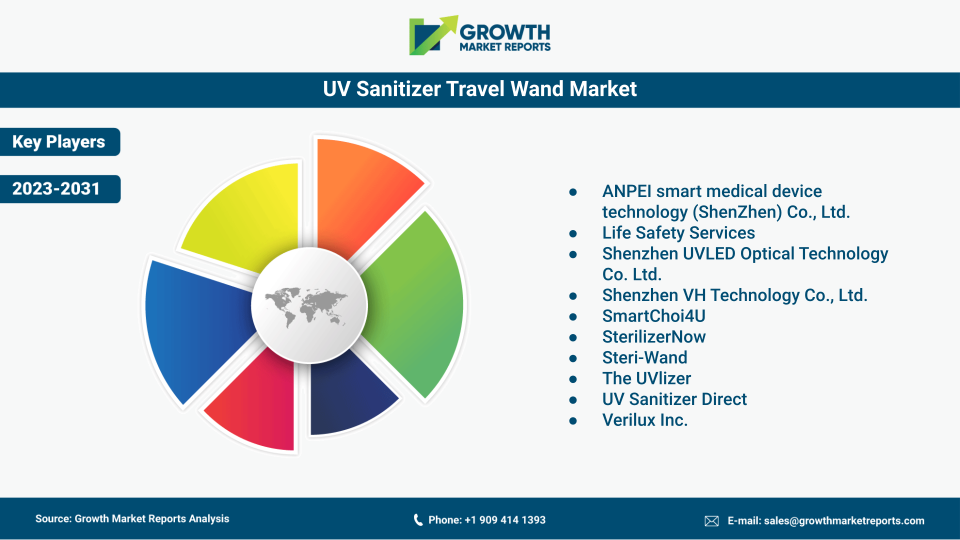
Some key players competing in the global UV sanitizer travel wand market include ANPEI smart medical device technology (ShenZhen) Co., Ltd.; Life Safety Services; Shenzhen UVLED Optical Technology Co. Ltd.; Shenzhen VH Technology Co., Ltd.; SmartChoi4U; SterilizerNow; Steri-Wand; The UVlizer; UV Sanitizer Direct; and Verilux Inc.
These companies are increasingly concentrating on the expansion of their product lines. They are adopting advanced technologies to fulfill consumer demand for the UV sanitizer travel wand. Various companies are launching products to gain a large market share. For instance,
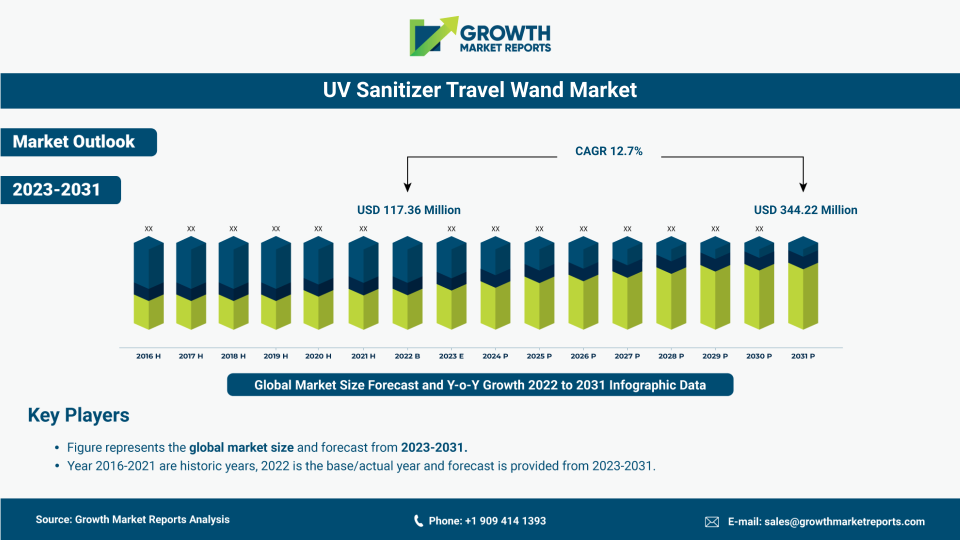
The CAGR of the UV sanitizer travel wand market is 12.7%.
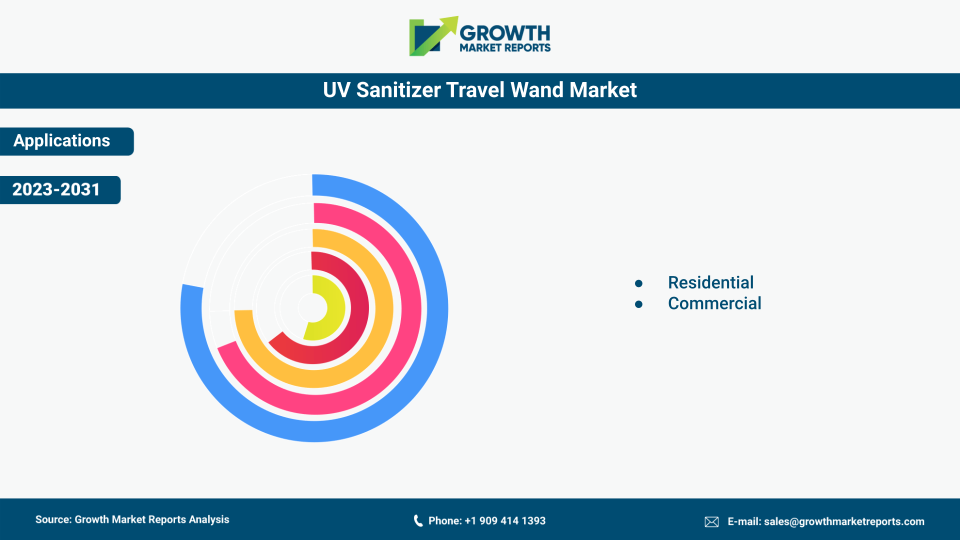
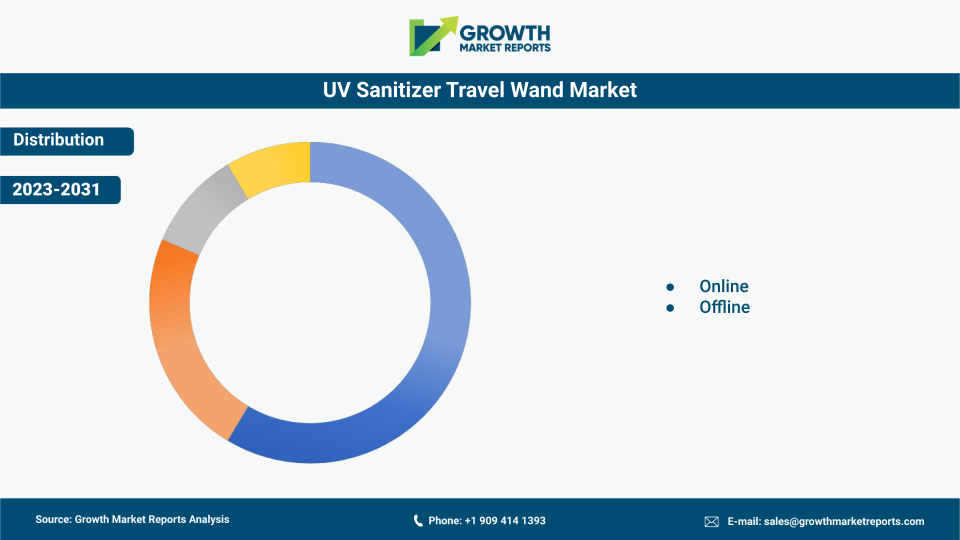
The segments covered in this market are application (residential and commercial), and distribution channel (online and offline).
North America holds the major share of the market.
The key players competing in the global UV sanitizer travel wand market include ANPEI smart medical device technology (ShenZhen) Co., Ltd.; Life Safety Services; Shenzhen UVLED Optical Technology Co. Ltd.; Shenzhen VH Technology Co., Ltd.; SmartChoi4U; SterilizerNow; Steri-Wand; The UVlizer; UV Sanitizer Direct; and Verilux Inc.