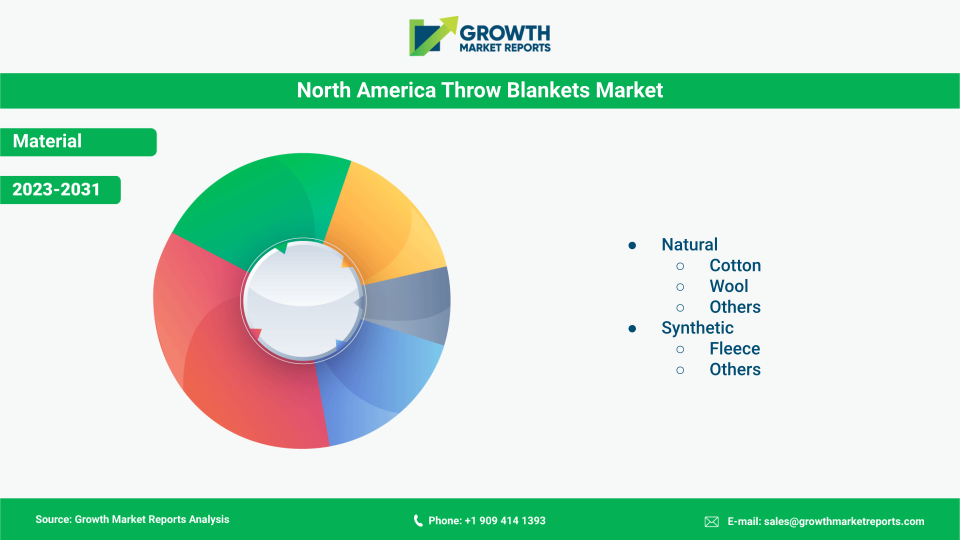
Segments - by Material (Cotton, Wool, Fleece, Polyester, Acrylic, Others), by Application (Residential, Commercial, Others), by Distribution Channel (Online Stores, Supermarkets/Hypermarkets, Specialty Stores, Others), by End-User (Households, Hotels, Hospitals, Others)
According to our latest research, the global throw blanket market size reached USD 8.7 billion in 2024, reflecting a robust demand across both residential and commercial sectors. The market is projected to grow at a CAGR of 5.2% from 2025 to 2033, reaching a forecasted value of USD 13.7 billion by the end of the forecast period. This positive growth trajectory is fueled by rising consumer interest in home décor, increasing disposable incomes, and a growing emphasis on comfort and aesthetics in living and workspaces. As per our comprehensive analysis, the throw blanket market continues to gain traction globally, driven by evolving lifestyle preferences and technological advancements in textile manufacturing.
One of the primary growth factors for the throw blanket market is the surge in demand for home furnishing products that offer both functionality and style. Consumers are increasingly investing in home improvement and interior décor, seeking products that enhance the aesthetic appeal of their living spaces while providing practical benefits such as warmth and comfort. Throw blankets, available in a variety of designs, colors, and materials, have become an essential accessory for modern homes. The rising trend of home-based activities, such as remote working and entertainment, has further amplified the need for cozy and versatile furnishings, making throw blankets a popular choice among households worldwide.
Another significant driver is the innovation in materials and manufacturing processes, which has expanded the range of throw blankets available to consumers. Modern production techniques enable manufacturers to offer products with enhanced durability, softness, and thermal properties. The availability of eco-friendly and sustainable materials, such as organic cotton and recycled fibers, is also attracting environmentally conscious buyers. Moreover, advancements in digital printing and dyeing technologies have enabled the creation of intricate patterns and vibrant colors, catering to diverse consumer preferences and increasing the product’s appeal in both residential and commercial settings.
The proliferation of online retail channels has also played a crucial role in the expansion of the throw blanket market. E-commerce platforms provide consumers with easy access to a wide array of products, detailed product information, and customer reviews, facilitating informed purchasing decisions. The convenience of online shopping, coupled with attractive discounts and doorstep delivery, has led to a significant increase in throw blanket sales through digital channels. Additionally, the global reach of online stores has enabled manufacturers and brands to tap into new markets and customer segments, further driving market growth.
From a regional perspective, North America currently dominates the throw blanket market, accounting for the largest share in terms of revenue. This is attributed to high consumer spending on home décor, a strong culture of seasonal home updates, and the presence of leading brands and retailers in the region. Europe follows closely, with a growing inclination towards premium and sustainable home textiles. The Asia Pacific region is expected to witness the fastest growth during the forecast period, driven by rising urbanization, increasing disposable incomes, and a burgeoning middle-class population. Emerging markets in Latin America and the Middle East & Africa are also showing promising growth, supported by rapid urban development and changing lifestyle trends.
The material segment is a critical aspect of the throw blanket market, as it directly influences product quality, performance, and consumer appeal. Cotton throw blankets remain a popular choice among consumers due to their natural softness, breathability, and hypoallergenic properties. Cotton is highly favored in regions with moderate climates, and its eco-friendly nature appeals to environmentally conscious buyers. Manufacturers are increasingly offering organic cotton options, catering to the rising demand for sustainable home textiles. Cotton throw blankets are also easy to maintain and available in a wide range of designs, further boosting their adoption in both residential and commercial applications.
Wool throw blankets are prized for their exceptional warmth, moisture-wicking abilities, and luxurious feel. Wool, being a natural insulator, is particularly popular in colder regions and among consumers seeking premium, long-lasting products. The demand for merino and alpaca wool blankets is rising, driven by their superior softness and lightweight properties. However, the higher cost of wool products can be a limiting factor for some buyers. To address this, manufacturers are blending wool with synthetic fibers to offer affordable alternatives without compromising on quality or comfort. The market for wool throw blankets is also supported by the growing trend of hygge-inspired home décor, which emphasizes coziness and well-being.
Fleece and polyester throw blankets have gained significant traction due to their affordability, lightweight nature, and ease of care. Fleece, made from synthetic fibers, offers excellent warmth and softness, making it a popular choice for everyday use and gifting. Polyester, often used in combination with other fibers, provides durability and resistance to wrinkles and shrinking. These materials are particularly favored in the mass market segment, where cost-effectiveness and practicality are key purchasing considerations. The versatility of fleece and polyester allows for a wide range of colors and patterns, catering to diverse consumer tastes and preferences.
Acrylic throw blankets are known for their vibrant colors, lightweight texture, and resistance to fading. Acrylic fibers mimic the feel of wool while offering enhanced durability and affordability. These blankets are suitable for both indoor and outdoor use, making them a versatile addition to any home. The demand for acrylic throw blankets is growing in regions with fluctuating climates, as they provide adequate warmth without being too heavy. Manufacturers are also exploring innovative blends and finishes to improve the tactile experience and visual appeal of acrylic products. Other materials, such as bamboo and blended fabrics, are gradually gaining popularity, especially among consumers seeking unique textures and eco-friendly options.
| Attributes | Details |
| Report Title | Throw Blanket Market Research Report 2033 |
| By Material | Cotton, Wool, Fleece, Polyester, Acrylic, Others |
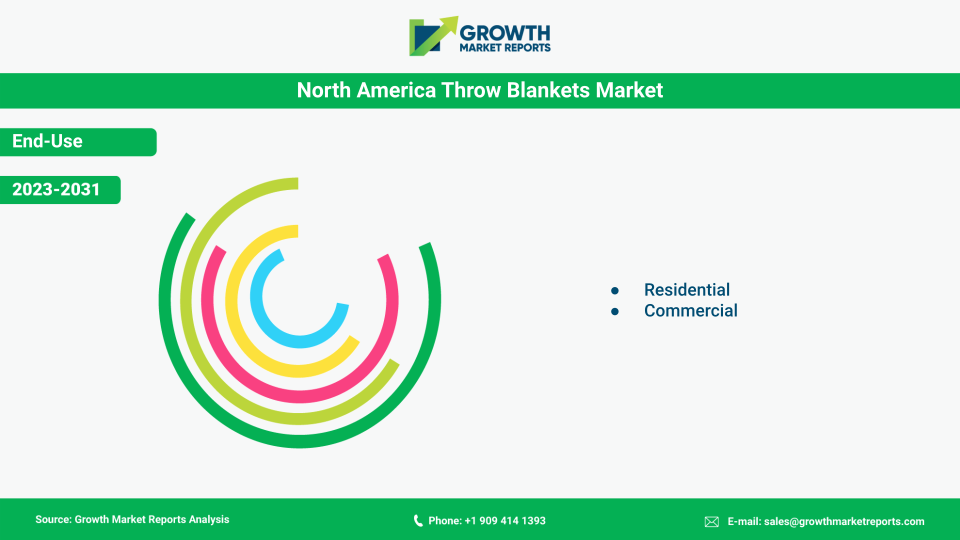
| By Application | Residential, Commercial, Others |
| By Distribution Channel | Online Stores, Supermarkets/Hypermarkets, Specialty Stores, Others |
| By End-User | Households, Hotels, Hospitals, Others |
| Regions Covered | North America, Europe, APAC, Latin America, MEA |
| Base Year | 2024 |
| Historic Data | 2018-2023 |
| Forecast Period | 2025-2033 |
| Number of Pages | 255 |
| Number of Tables & Figures | 377 |
| Customization Available | Yes, the report can be customized as per your need. |
The application segment of the throw blanket market is broadly categorized into residential, commercial, and others, each exhibiting distinct demand patterns and growth drivers. The residential application segment accounts for the largest share, as throw blankets have become an integral part of home décor and personal comfort. Homeowners use throw blankets not only for warmth but also as decorative accents on sofas, beds, and chairs. The increasing popularity of themed interiors and seasonal home updates has led to a surge in demand for stylish and versatile throw blankets. Additionally, the rise of remote working and home-based leisure activities has further fueled the need for comfortable and aesthetically pleasing home furnishings.
In the commercial application segment, throw blankets are widely used in hospitality settings such as hotels, resorts, and serviced apartments. These establishments prioritize guest comfort and often invest in premium quality throw blankets to enhance the overall guest experience. The growing trend of boutique hotels and luxury accommodations has increased the demand for customized and branded throw blankets, which serve as both functional items and decorative elements. Commercial buyers typically seek products that are durable, easy to clean, and capable of withstanding frequent use. The healthcare sector, including hospitals and clinics, also represents a significant market for throw blankets, as they are used to ensure patient comfort and warmth.
The others application segment includes uses in educational institutions, transportation, and outdoor recreational activities. Schools and universities often provide throw blankets in dormitories and common areas to create a cozy and welcoming environment for students. Airlines, trains, and buses use throw blankets to enhance passenger comfort during long journeys. The growing popularity of outdoor events, camping, and picnics has also contributed to the demand for lightweight and portable throw blankets. Manufacturers are responding to these diverse applications by offering products with specialized features such as water resistance, compact folding, and easy portability.
The application landscape of the throw blanket market is continuously evolving, driven by changing consumer lifestyles and emerging trends in interior design. The increasing focus on wellness and relaxation has led to a greater appreciation for products that promote comfort and tranquility. Throw blankets, with their ability to blend functionality and style, are well-positioned to capitalize on these trends. As the market matures, manufacturers are likely to introduce innovative products tailored to specific applications, further expanding the scope of the throw blanket market.
The distribution channel segment plays a pivotal role in shaping the growth and accessibility of the throw blanket market. Online stores have emerged as the fastest-growing distribution channel, driven by the increasing penetration of e-commerce and the changing shopping habits of consumers. Online platforms offer a vast selection of throw blankets, detailed product descriptions, and customer reviews, enabling buyers to make informed decisions from the comfort of their homes. The convenience of doorstep delivery, easy returns, and frequent promotional offers have made online shopping the preferred choice for a large segment of the population. Leading e-commerce players and brand-owned websites are continuously enhancing their digital presence, leveraging advanced technologies such as AR/VR to provide a more immersive shopping experience.
Supermarkets and hypermarkets remain a significant distribution channel, particularly in urban areas where consumers value the ability to physically inspect products before purchasing. These retail formats offer a wide range of throw blankets across different price points, catering to diverse customer segments. The presence of knowledgeable staff, attractive in-store displays, and bundled offers further enhance the shopping experience. Supermarkets and hypermarkets also serve as important touchpoints for impulse purchases, especially during festive seasons and promotional events. The growing trend of organized retail in emerging economies is expected to boost the share of this distribution channel over the forecast period.
Specialty stores, including home décor boutiques and textile outlets, cater to consumers seeking premium and unique throw blankets. These stores often offer curated collections, personalized services, and expert advice, making them a preferred destination for discerning buyers. Specialty stores are particularly popular in metropolitan areas and tourist destinations, where there is a high demand for designer and artisanal products. The emphasis on quality, exclusivity, and customer experience sets specialty stores apart from mass-market retailers. Manufacturers and brands often collaborate with specialty stores to launch limited-edition collections and exclusive designs, further driving footfall and sales.
The others distribution channel segment includes department stores, direct sales, and pop-up shops. Department stores offer a diverse range of home textiles, including throw blankets, under one roof, providing convenience and variety to shoppers. Direct sales, both online and offline, enable manufacturers to establish direct relationships with customers, gather feedback, and offer customized solutions. Pop-up shops and temporary retail formats are gaining popularity as a means to create buzz and test new products in different markets. The evolving retail landscape, characterized by the integration of online and offline channels, is expected to create new opportunities for market players and enhance the overall accessibility of throw blankets.
The end-user segment of the throw blanket market encompasses households, hotels, hospitals, and others, each with unique requirements and purchasing behaviors. Households represent the largest end-user segment, as throw blankets are widely used for personal comfort, home décor, and gifting purposes. The growing trend of personalized and themed interiors has led to an increased demand for throw blankets that complement different styles and color schemes. Households also value features such as machine washability, hypoallergenic materials, and multi-functionality. The rise of nuclear families and urban living has further fueled the demand for compact and versatile home furnishings, positioning throw blankets as a must-have accessory in modern homes.
Hotels and other hospitality establishments are significant end-users of throw blankets, as they strive to provide guests with a memorable and comfortable stay. High-quality throw blankets are used to enhance the visual appeal of guest rooms, lounges, and public areas, creating a warm and inviting atmosphere. The emphasis on guest satisfaction and the growing popularity of boutique and luxury hotels have driven the demand for customized and branded throw blankets. Hotels typically prioritize products that are durable, easy to maintain, and capable of withstanding frequent laundering. The trend of sustainable hospitality has also led to an increased interest in eco-friendly and ethically sourced throw blankets among hotel operators.
The hospital segment utilizes throw blankets to ensure patient comfort and warmth, particularly in recovery rooms, waiting areas, and long-term care facilities. Hospitals require products that meet strict hygiene and safety standards, such as antimicrobial treatments and flame retardancy. The increasing focus on patient-centered care and the rising number of healthcare facilities worldwide have contributed to the steady demand for throw blankets in this segment. Manufacturers are developing specialized products with features such as easy sanitization, lightweight construction, and hypoallergenic properties to cater to the unique needs of the healthcare sector.
The others end-user segment includes educational institutions, transportation providers, and event organizers. Schools and universities use throw blankets in dormitories, libraries, and lounges to create a comfortable environment for students. Airlines, trains, and buses provide throw blankets to passengers on long-haul journeys to enhance comfort and satisfaction. Event organizers use throw blankets as promotional items or to create themed settings at outdoor events, concerts, and festivals. The diverse applications across different end-user segments underscore the versatility and widespread appeal of throw blankets, driving sustained growth in the global market.
The throw blanket market presents a multitude of opportunities for manufacturers, retailers, and investors. One of the most promising opportunities lies in the development of sustainable and eco-friendly products. As consumers become more environmentally conscious, there is a growing demand for throw blankets made from organic, recycled, and biodegradable materials. Brands that prioritize sustainability and transparency in their sourcing and production processes are likely to gain a competitive edge in the market. Additionally, the integration of smart textiles and advanced technologies, such as temperature-regulating fabrics and antimicrobial treatments, offers new avenues for product differentiation and value addition. The rising popularity of personalized and customizable throw blankets also presents significant growth potential, as consumers seek unique products that reflect their individual tastes and preferences.
Another key opportunity is the expansion into emerging markets, particularly in the Asia Pacific, Latin America, and Middle East & Africa regions. Rapid urbanization, increasing disposable incomes, and changing lifestyle trends are driving demand for home textiles in these regions. Market players can capitalize on this by offering affordable, high-quality throw blankets tailored to local preferences and climatic conditions. The growing influence of digital media and social platforms provides an effective channel for marketing and brand building, enabling companies to reach a wider audience and drive online sales. Collaborations with designers, influencers, and lifestyle brands can further enhance product visibility and appeal, creating new growth opportunities in both established and emerging markets.
Despite the favorable growth outlook, the throw blanket market faces certain restraining factors. Intense competition and price sensitivity, particularly in the mass market segment, can exert downward pressure on profit margins. The availability of low-cost, imitation products poses a challenge for established brands, as it can lead to market fragmentation and dilution of brand value. Fluctuations in raw material prices, especially for natural fibers such as cotton and wool, can impact production costs and pricing strategies. Additionally, the seasonal nature of demand for throw blankets, with peak sales typically occurring during colder months, can result in inventory management challenges and uneven revenue streams for manufacturers and retailers.
The regional analysis of the throw blanket market reveals distinct trends and growth patterns across different geographies. North America leads the global market, accounting for a significant share of the total revenue in 2024, estimated at USD 2.8 billion. The region’s dominance is attributed to high consumer spending on home décor, a strong culture of seasonal home updates, and the presence of leading brands and retailers. The United States remains the largest market within the region, driven by a well-established retail infrastructure and a high level of product awareness. Canada and Mexico are also witnessing steady growth, supported by rising urbanization and changing lifestyle trends.
Europe is the second-largest market, with a value of approximately USD 2.3 billion in 2024. The region is characterized by a strong preference for premium and sustainable home textiles, with countries such as Germany, the United Kingdom, and France leading the demand for high-quality throw blankets. The growing emphasis on eco-friendly products and ethical sourcing practices has created new opportunities for brands that prioritize sustainability. The market in Europe is expected to grow at a CAGR of 4.8% during the forecast period, driven by increasing consumer awareness, rising disposable incomes, and a thriving home décor industry.
The Asia Pacific region is poised for the fastest growth, with the market size projected to reach USD 2.1 billion by 2033. Rapid urbanization, a burgeoning middle class, and increasing disposable incomes are driving demand for home textiles in countries such as China, India, and Japan. The region’s diverse climate conditions and cultural preferences have led to a wide variety of throw blanket materials and designs. The proliferation of online retail channels and the growing influence of social media are further boosting market growth. Latin America and the Middle East & Africa are also emerging as promising markets, with a combined value of USD 1.5 billion in 2024, supported by rapid urban development, changing consumer preferences, and increasing investment in the hospitality sector.
The competitive landscape of the throw blanket market is characterized by the presence of a diverse mix of global, regional, and local players, each vying for market share through product innovation, quality enhancement, and strategic partnerships. Leading companies are investing heavily in research and development to introduce new materials, designs, and features that cater to evolving consumer preferences. The focus on sustainability, customization, and digital engagement has become a key differentiator for brands seeking to establish a strong market presence. Mergers, acquisitions, and collaborations are common strategies employed by market players to expand their product portfolios, enter new markets, and enhance operational efficiencies.
The market is highly fragmented, with a large number of small and medium-sized enterprises (SMEs) competing alongside established multinational corporations. SMEs often leverage their agility and local market knowledge to offer niche products and personalized services, while larger players benefit from economies of scale, extensive distribution networks, and strong brand recognition. The rise of private label brands and direct-to-consumer (DTC) models has intensified competition, prompting established companies to innovate and adapt to changing market dynamics. Price competition remains intense, particularly in the mass market segment, where consumers are highly price-sensitive and brand loyalty is relatively low.
Digital transformation is reshaping the competitive landscape, with companies increasingly leveraging e-commerce, social media, and data analytics to enhance customer engagement and drive sales. The ability to offer a seamless omnichannel experience, combining online and offline touchpoints, is becoming a critical success factor in the throw blanket market. Brands are also focusing on building strong relationships with customers through loyalty programs, personalized recommendations, and after-sales support. The emphasis on product quality, safety, and sustainability is expected to remain a key focus area, as consumers become more discerning and environmentally conscious.
Some of the major companies operating in the global throw blanket market include Berkshire Blanket & Home Co., Urbanara GmbH, Faribault Woolen Mill Co., Hudson’s Bay Company, Kanata Blanket Company, Sunbeam Products, Inc., American Blanket Company, and Pendleton Woolen Mills. These companies are known for their extensive product portfolios, commitment to quality, and strong distribution networks. Berkshire Blanket & Home Co. is recognized for its innovative designs and sustainable product offerings, while Urbanara GmbH focuses on premium, ethically sourced home textiles. Faribault Woolen Mill Co. and Pendleton Woolen Mills are renowned for their heritage products and craftsmanship, catering to the growing demand for artisanal and luxury throw blankets.
Hudson’s Bay Company and Kanata Blanket Company have a strong presence in the North American market, offering a wide range of products across different price points. Sunbeam Products, Inc. is a leading player in the electric throw blanket segment, known for its advanced heating technologies and user-friendly features. American Blanket Company emphasizes customer-centricity and offers a high degree of customization, while Urbanara GmbH leverages its digital-first approach to reach a global audience. These companies are continuously investing in product development, sustainability initiatives, and digital marketing to strengthen their market positions and drive long-term growth in the competitive throw blanket market.
The Throw Blanket market has been segmented on the basis of
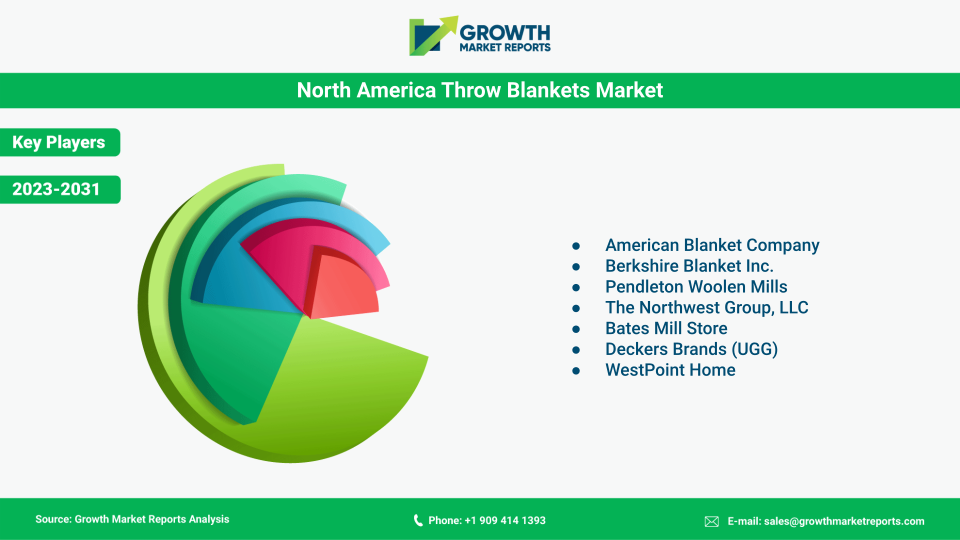
Key players operating in the market are American Blanket Company, Berkshire Blanket Inc., Pendleton Woolen Mills, The Northwest Group, LLC, Bates Mill Store, Deckers Brands (UGG), WestPoint Home. These companies are considered as key manufacturers of Throw Blankets based on their revenue, research development (R&D) activities, product offerings, regional presence, and supply chain management system.
The players are adopting key strategies such as acquisition, collaborations, and geographical expansion where potential opportunity for the Porcelain Slabs market.
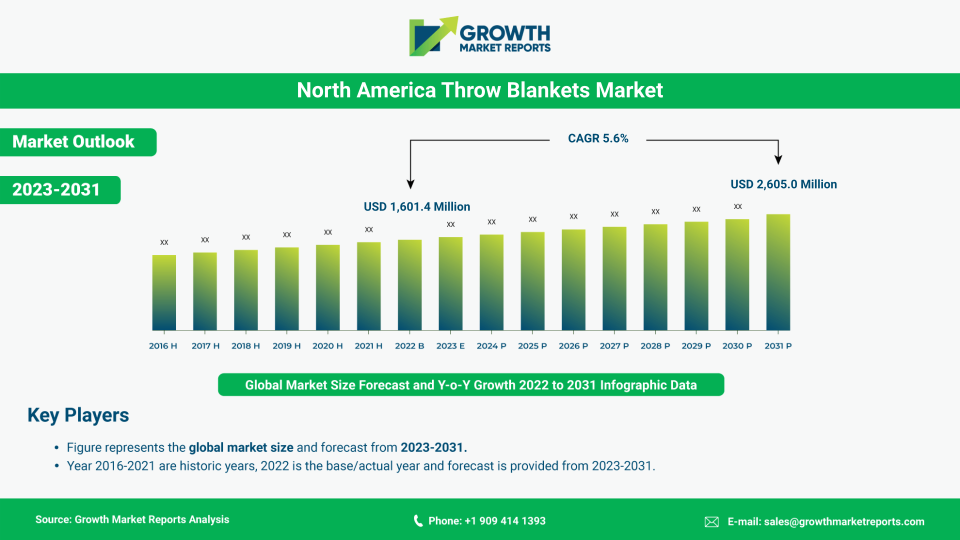
The base year considered for the North America Throw Blankets Market report is 2022. The complete analysis period is 2016 to 2031, wherein, 2016 to 2021 are the historic years, and the forecast is provided from 2023 to 2031.
In addition to market size (in US$ Million), Customer Purchasing Behavior Analysis, Overview of Key Retailers of Throw Blankets in United States (Walmart, Target, Costco, Kroger, IKEA, The Home Depot, Others.
Major players include American Blanket Company, Berkshire Blanket Inc., Pendleton Woolen Mills, The Northwest Group, LLC, Bates Mill Store, Deckers Brands (UGG), WestPoint Home.
Factors such as, Demographics, GDP & Economic Growth, Disposable Income are analyzed in the final report.
According to this Growth Market Reports report, The North America Throw Blankets Market was valued at USD 1,601.4 Million in 2022 and is expected to reach USD 2,605.0 Million in 2031, expanding at a CAGR of 5.6% during the forecast period.
The throw blankets market is projected to expand at Growing Home Decor Market, Rising Disposable Income, Growth of E-commerce Industry, and Influence of the Social Media.
Factors such as competitive strength and market positioning are key areas considered while selecting top companies to be profiled.
Additional company profiles are provided on request. For a discussion related to above findings, click Speak to Analyst