Segments - by Product Type (Diode Laser, Nd:YAG Laser, Alexandrite Laser, Ruby Laser, Others), by Application (Beauty Clinics, Dermatology Clinics, Home Use, Others), by End-User (Hospitals, Clinics, Homecare, Others), by Distribution Channel (Direct Sales, Retail Stores, Online Stores, Others)
According to our latest research, the global laser hair removal market size reached USD 1.88 billion in 2024, reflecting robust adoption across various end-user segments. The market is anticipated to expand at a CAGR of 16.3% through the forecast period, reaching a projected value of USD 5.85 billion by 2033. This strong growth trajectory is driven by increasing consumer awareness, technological advancements, and a rising preference for non-invasive cosmetic procedures.
One of the primary growth factors propelling the laser hair removal market is the escalating demand for aesthetic treatments worldwide. As individuals become more conscious about personal grooming and appearance, there is a marked shift towards long-term hair removal solutions over traditional methods such as shaving, waxing, or depilatory creams. The convenience, efficacy, and lasting results offered by laser hair removal procedures have significantly contributed to its popularity, especially among urban populations. Additionally, the proliferation of social media and influencer culture has further heightened the desire for flawless skin, thereby boosting the uptake of these treatments across all age groups.
Technological advancements in laser hair removal devices have played a crucial role in market expansion. Innovations such as the integration of cooling systems, enhanced wavelength technologies, and improved safety features have made procedures more comfortable and accessible for a wider range of skin types and tones. Furthermore, the introduction of portable and home-use laser devices has democratized access, allowing consumers to perform treatments in the comfort of their homes. These developments have not only improved the efficacy and safety of procedures but have also reduced the overall cost, making laser hair removal an attractive option for a broader demographic.
Another significant driver is the increasing number of specialty clinics and dermatology centers offering advanced laser hair removal services. The growing presence of skilled professionals, coupled with aggressive marketing strategies by clinics and device manufacturers, has led to heightened market penetration in both developed and emerging economies. Additionally, favorable regulatory frameworks and the rising disposable income in regions such as Asia Pacific and Latin America are contributing to the increasing adoption of laser hair removal solutions. The market is also witnessing a notable surge in male clientele, further broadening the consumer base and fueling market growth.
The IPL Hair Removal Device has emerged as a popular alternative to traditional laser systems, offering a versatile and user-friendly option for both professional and home use. Unlike conventional laser devices, IPL (Intense Pulsed Light) technology utilizes a broad spectrum of light wavelengths, allowing it to target various hair colors and skin types effectively. This adaptability has made IPL devices particularly appealing to consumers seeking a more personalized hair removal experience. The growing availability of IPL devices in retail and online stores has further democratized access, enabling a wider audience to benefit from advanced hair removal technology without the need for frequent clinic visits. As the market continues to evolve, IPL devices are expected to play a significant role in expanding the reach of hair removal solutions, catering to diverse consumer needs and preferences.
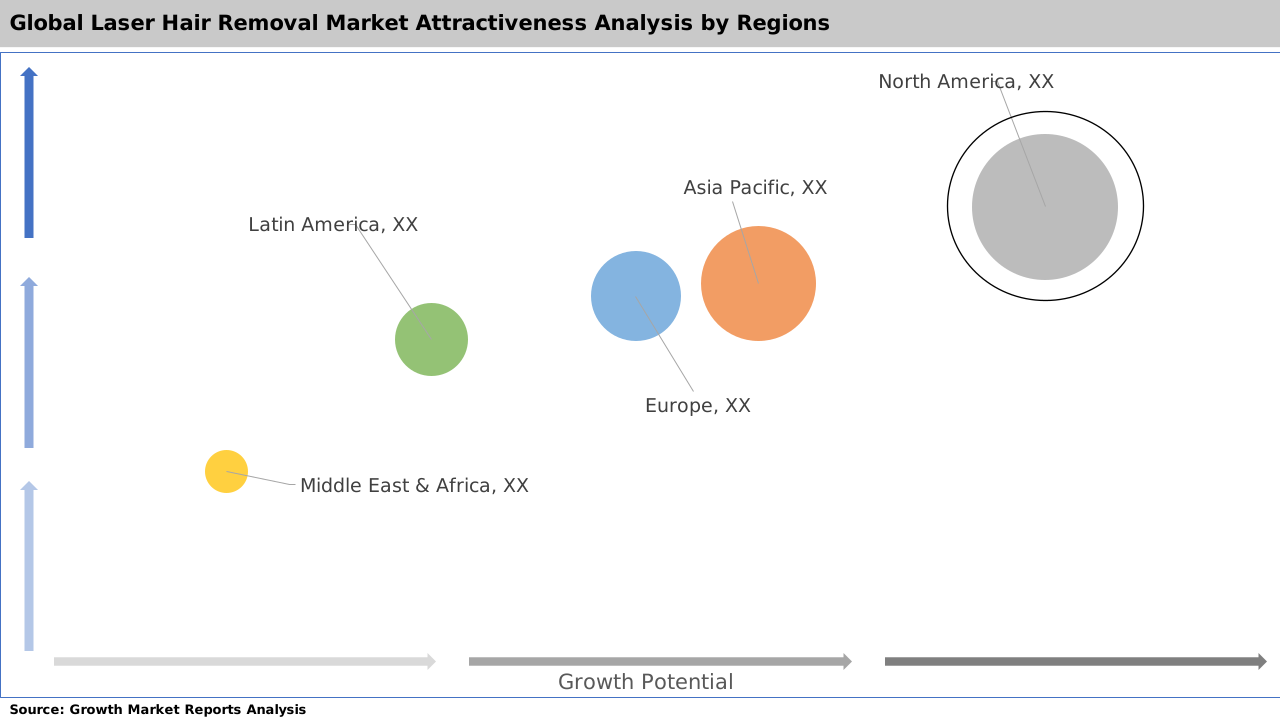
From a regional perspective, North America continues to dominate the laser hair removal market, accounting for the largest share in 2024, followed closely by Europe and Asia Pacific. This dominance is attributed to the high concentration of aesthetic clinics, early adoption of new technologies, and a strong focus on personal care. However, the Asia Pacific region is anticipated to exhibit the fastest growth rate over the forecast period, driven by rising consumer awareness, increasing disposable incomes, and a rapidly expanding beauty and wellness industry. Latin America and the Middle East & Africa are also emerging as lucrative markets, supported by changing beauty standards and growing urbanization.
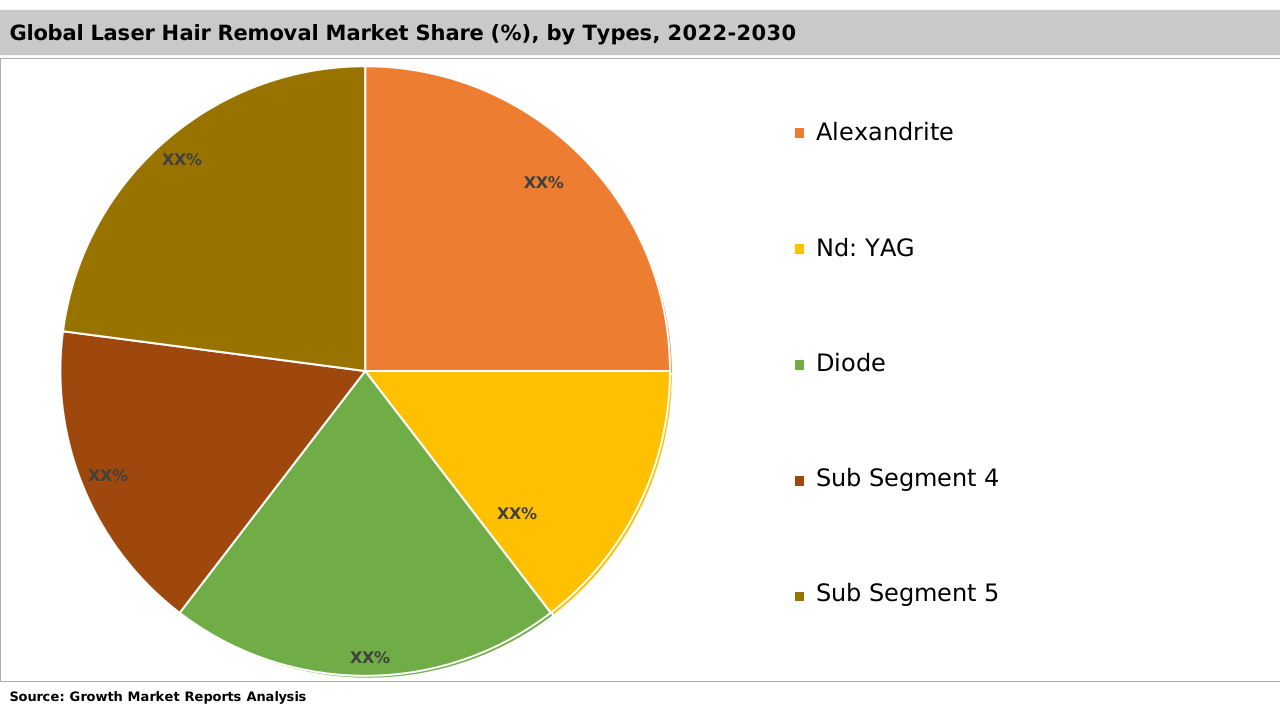
The laser hair removal market is segmented by product type into Diode Laser, Nd:YAG Laser, Alexandrite Laser, Ruby Laser, and Others. Among these, Diode Laser systems have captured the largest market share in 2024, owing to their high efficacy in treating a broad spectrum of skin types and their ability to target deeper hair follicles. Diode lasers are particularly favored for their precision and relatively low discomfort, making them a preferred choice for both clinics and at-home devices. The adaptability of diode laser technology to various skin tones has further propelled its widespread adoption, especially in multicultural urban centers.
Nd:YAG Laser devices are gaining significant traction, especially in regions with a higher prevalence of darker skin types. These systems utilize a longer wavelength, which allows for safer and more effective hair removal on deeper skin tones, reducing the risk of pigmentation and burns. The growing demand for inclusive solutions that cater to diverse skin colors is driving the adoption of Nd:YAG lasers, particularly in emerging markets. Additionally, advancements in cooling mechanisms and pulse duration control have enhanced the safety profile of these devices, further boosting their market penetration.
Alexandrite Laser systems are renowned for their speed and effectiveness in treating larger body areas such as the back and legs. These lasers are particularly effective for individuals with lighter skin tones and finer hair, making them popular in European and North American markets. The ability to perform quick sessions with minimal discomfort has made Alexandrite lasers a staple in high-volume beauty clinics. However, their limited suitability for darker skin tones has somewhat restricted their application compared to diode and Nd:YAG lasers.
Ruby Laser systems, although among the earliest technologies introduced for hair removal, have seen a decline in market share due to the advent of more advanced and versatile laser types. Ruby lasers are primarily effective for individuals with very fair skin and light hair, which limits their applicability in diverse populations. Nevertheless, they still find niche applications in select markets. The "Others" segment, which includes emerging technologies and hybrid systems, is witnessing steady growth as manufacturers continue to innovate and cater to specific consumer needs, such as pain-free treatments and faster recovery times.
| Attributes | Details |
| Report Title | Laser Hair Removal Market Research Report 2033 |
| By Product Type | Diode Laser, Nd:YAG Laser, Alexandrite Laser, Ruby Laser, Others |
| By Application | Beauty Clinics, Dermatology Clinics, Home Use, Others |
| By End-User | Hospitals, Clinics, Homecare, Others |
| By Distribution Channel | Direct Sales, Retail Stores, Online Stores, Others |
| Regions Covered | North America, Europe, APAC, Latin America, MEA |
| Base Year | 2024 |
| Historic Data | 2018-2023 |
| Forecast Period | 2025-2033 |
| Number of Pages | 282 |
| Number of Tables & Figures | 305 |
| Customization Available | Yes, the report can be customized as per your need. |
The application segment of the laser hair removal market covers Beauty Clinics, Dermatology Clinics, Home Use, and Others. Beauty Clinics remain the dominant application area, accounting for the majority of procedures performed globally in 2024. These clinics offer a wide range of cosmetic treatments, with laser hair removal being a core service due to its popularity and repeat clientele. The presence of skilled practitioners, state-of-the-art equipment, and comprehensive aftercare services has established beauty clinics as the go-to destination for consumers seeking safe and effective hair removal solutions.
Dermatology Clinics represent another significant application segment, particularly for clients with underlying skin conditions or those requiring specialized care. Dermatologists are increasingly incorporating laser hair removal into their practice, leveraging their expertise to address complex cases and minimize the risk of adverse effects. The medicalized environment of dermatology clinics appeals to a growing segment of consumers who prioritize safety and clinical oversight, especially for sensitive areas or individuals with a history of skin issues.
Home Use devices have experienced exponential growth in recent years, driven by advancements in portable laser technology and a surge in e-commerce platforms. The COVID-19 pandemic further accelerated this trend, as consumers sought convenient and cost-effective solutions for personal care at home. Modern home-use devices are designed with user-friendly interfaces and built-in safety features, making them accessible even to first-time users. The affordability and privacy offered by these devices have significantly expanded the market, attracting a younger and more tech-savvy demographic.
The "Others" segment encompasses a variety of emerging application areas, including spas, wellness centers, and mobile service providers. These alternative settings are gaining popularity in regions where traditional clinics may not be as accessible or where consumers prefer a more holistic approach to beauty and wellness. The diversification of application settings reflects the evolving landscape of the laser hair removal market, as providers adapt to changing consumer preferences and lifestyles.
The end-user segment of the laser hair removal market includes Hospitals, Clinics, Homecare, and Others. Hospitals, while not the primary setting for cosmetic procedures, play a vital role in offering laser hair removal services for patients with specific medical conditions, such as hirsutism or hormonal imbalances. The presence of multidisciplinary teams and advanced medical infrastructure ensures that patients receive comprehensive care, particularly in complex or high-risk cases. Hospitals also contribute to the market by participating in clinical research and technological innovation.
Clinics, both specialized and multi-specialty, constitute the largest end-user segment, accounting for a significant share of the market in 2024. These establishments are equipped with the latest laser technologies and staffed by experienced professionals, enabling them to deliver high-quality, customized treatments. The flexibility to offer tailored packages and ongoing maintenance sessions has cemented clinics as the preferred choice for many consumers. Furthermore, the proliferation of franchise models and chain clinics has facilitated market expansion, especially in urban centers.
Homecare is an increasingly important end-user segment, reflecting the broader shift towards self-care and do-it-yourself beauty solutions. The growing availability of FDA-approved home-use laser devices has empowered consumers to take control of their grooming routines, reducing dependency on professional services. Homecare solutions are particularly appealing to individuals with busy schedules or those seeking privacy and convenience. The trend towards home-based treatments is expected to persist, supported by continuous product innovation and aggressive marketing by device manufacturers.
The "Others" category includes non-traditional end-users such as spas, wellness retreats, and mobile service providers. These entities are capitalizing on the rising demand for holistic beauty and wellness experiences, integrating laser hair removal into broader service offerings. The expansion of this segment is indicative of the market's adaptability and the increasing importance of personalized, on-demand services in the beauty industry.
The laser hair removal market's distribution channel segment comprises Direct Sales, Retail Stores, Online Stores, and Others. Direct Sales, involving transactions between manufacturers and end-users or service providers, remain a key channel, particularly for high-value clinical devices. Manufacturers leverage direct sales to offer tailored solutions, provide technical support, and build long-term relationships with clinics and hospitals. This channel is especially prevalent in developed markets, where service quality and after-sales support are critical differentiators.
Retail Stores, including specialty beauty outlets and large-format electronics retailers, play a significant role in the distribution of home-use laser devices. The ability to physically interact with products and receive in-store demonstrations enhances consumer confidence and facilitates purchasing decisions. Retail stores are particularly influential in regions with high foot traffic and established beauty retail ecosystems, such as North America and Europe. Strategic partnerships between device manufacturers and retail chains have further strengthened this channel.
Online Stores have emerged as the fastest-growing distribution channel, propelled by the global e-commerce boom and shifting consumer purchasing behaviors. Online platforms offer unparalleled convenience, a wide selection of products, and access to customer reviews and expert advice. The proliferation of digital marketing, influencer endorsements, and targeted advertising has made online stores the preferred channel for younger, tech-savvy consumers. The COVID-19 pandemic accelerated this trend, with a significant uptick in online sales of home-use devices and clinic appointments.
The "Others" segment includes alternative distribution channels such as telemedicine platforms, subscription services, and mobile beauty service providers. These channels are gaining traction as consumers seek more flexible and personalized purchasing options. The integration of digital tools and mobile applications has enabled providers to reach new customer segments and offer value-added services, such as virtual consultations and remote device monitoring. The diversification of distribution channels reflects the dynamic nature of the laser hair removal market and the importance of meeting evolving consumer expectations.
The laser hair removal market presents significant opportunities for growth, particularly through technological innovation and product diversification. The development of advanced laser systems capable of treating a wider range of skin types and hair colors has opened new avenues for market expansion. Manufacturers are investing in research and development to create devices that offer faster, pain-free treatments with minimal downtime, appealing to a broader demographic. The introduction of AI-powered and IoT-enabled devices is poised to revolutionize the market, offering personalized treatment plans and real-time performance monitoring. These innovations not only enhance the user experience but also enable providers to differentiate their offerings in an increasingly competitive landscape.
Another major opportunity lies in the untapped potential of emerging markets, particularly in Asia Pacific, Latin America, and the Middle East & Africa. Rising disposable incomes, changing beauty standards, and increasing awareness of aesthetic treatments are driving demand in these regions. Strategic partnerships with local distributors, targeted marketing campaigns, and the adaptation of products to suit regional preferences are essential for capturing these growth opportunities. Additionally, the growing popularity of male grooming and the expansion of service offerings beyond traditional female clientele present lucrative prospects for market players.
Despite the promising outlook, the laser hair removal market faces certain restraining factors that could impede growth. High initial costs associated with advanced laser systems, coupled with the need for regular maintenance and skilled operators, can pose barriers to entry for smaller clinics and individual practitioners. Furthermore, concerns regarding potential side effects, such as skin irritation, burns, and pigmentation changes, may deter some consumers from opting for laser treatments. Regulatory challenges and the need for compliance with stringent safety standards also add complexity to market operations. Addressing these challenges through education, training, and continuous product improvement is critical for sustaining long-term growth.
North America remains the largest regional market for laser hair removal, accounting for approximately USD 710 million in 2024. The region's dominance is underpinned by a high concentration of aesthetic clinics, early adoption of cutting-edge technologies, and a strong culture of personal grooming. The United States leads the market, driven by robust consumer spending, widespread insurance coverage for certain medical indications, and a thriving beauty industry. Canada also contributes significantly, with a growing number of clinics and increasing acceptance of aesthetic procedures among all age groups.
Europe is the second-largest market, valued at around USD 540 million in 2024. The region benefits from a well-established healthcare infrastructure, a high level of consumer awareness, and a strong regulatory framework that ensures safety and quality. Countries such as Germany, the United Kingdom, France, and Italy are at the forefront of market growth, driven by rising demand for non-invasive cosmetic treatments and a growing emphasis on wellness and self-care. The European market is characterized by intense competition among clinics and device manufacturers, fostering continuous innovation and service improvement.
The Asia Pacific region is experiencing the fastest growth, with a projected CAGR of 19.2% through 2033. The market size in Asia Pacific reached USD 400 million in 2024, with significant contributions from countries such as China, Japan, South Korea, and India. The rapid expansion of the middle class, increasing urbanization, and changing beauty standards are fueling demand for laser hair removal services. Local players are actively investing in marketing and distribution networks to capture the growing consumer base. Latin America and the Middle East & Africa, with combined revenues of approximately USD 230 million in 2024, are also emerging as promising markets, supported by rising disposable incomes and increasing acceptance of aesthetic treatments.
The competitive landscape of the laser hair removal market is characterized by the presence of both established multinational corporations and innovative emerging players. The market is highly dynamic, with companies constantly striving to differentiate themselves through technological advancements, product innovation, and superior customer service. Leading players are investing heavily in research and development to introduce next-generation devices that offer enhanced safety, efficacy, and user comfort. Strategic collaborations, mergers, and acquisitions are common strategies employed to expand product portfolios, enter new markets, and strengthen distribution networks.
The market is also witnessing a trend towards vertical integration, with device manufacturers partnering with clinics and service providers to offer end-to-end solutions. This approach enables companies to capture a larger share of the value chain and build long-term relationships with end-users. Additionally, the rise of direct-to-consumer brands and the proliferation of e-commerce platforms have intensified competition, compelling traditional players to adapt their business models and enhance their digital presence. The ability to offer personalized, data-driven solutions is emerging as a key differentiator in the market.
Intellectual property and regulatory compliance are critical factors shaping the competitive landscape. Companies with strong patent portfolios and a proven track record of regulatory approvals enjoy a significant competitive advantage. The ability to navigate complex regulatory environments and ensure product safety and efficacy is essential for long-term success. Furthermore, effective marketing and branding strategies, including partnerships with influencers and celebrity endorsements, play a pivotal role in building consumer trust and driving brand loyalty.
Major companies operating in the global laser hair removal market include Cynosure (a division of Hologic, Inc.), Lumenis Ltd., Candela Corporation, Alma Lasers (Sisram Medical), Cutera Inc., and Venus Concept. Cynosure is renowned for its innovative laser platforms and comprehensive service offerings, catering to both clinical and home-use segments. Lumenis Ltd. is a global leader in energy-based medical solutions, with a strong focus on research and development and a broad international presence. Candela Corporation is recognized for its advanced laser and energy-based devices, with a strong emphasis on safety and efficacy. Alma Lasers, a subsidiary of Sisram Medical, is known for its versatile product portfolio and commitment to technological innovation. Cutera Inc. and Venus Concept are also prominent players, offering a wide range of solutions tailored to diverse consumer needs.
These companies continue to shape the future of the laser hair removal market through ongoing innovation, strategic partnerships, and a relentless focus on customer satisfaction. The competitive environment is expected to remain intense, with new entrants and disruptive technologies challenging the status quo and driving the market towards greater efficiency, accessibility, and personalization.
The Laser Hair Removal market has been segmented on the basis of
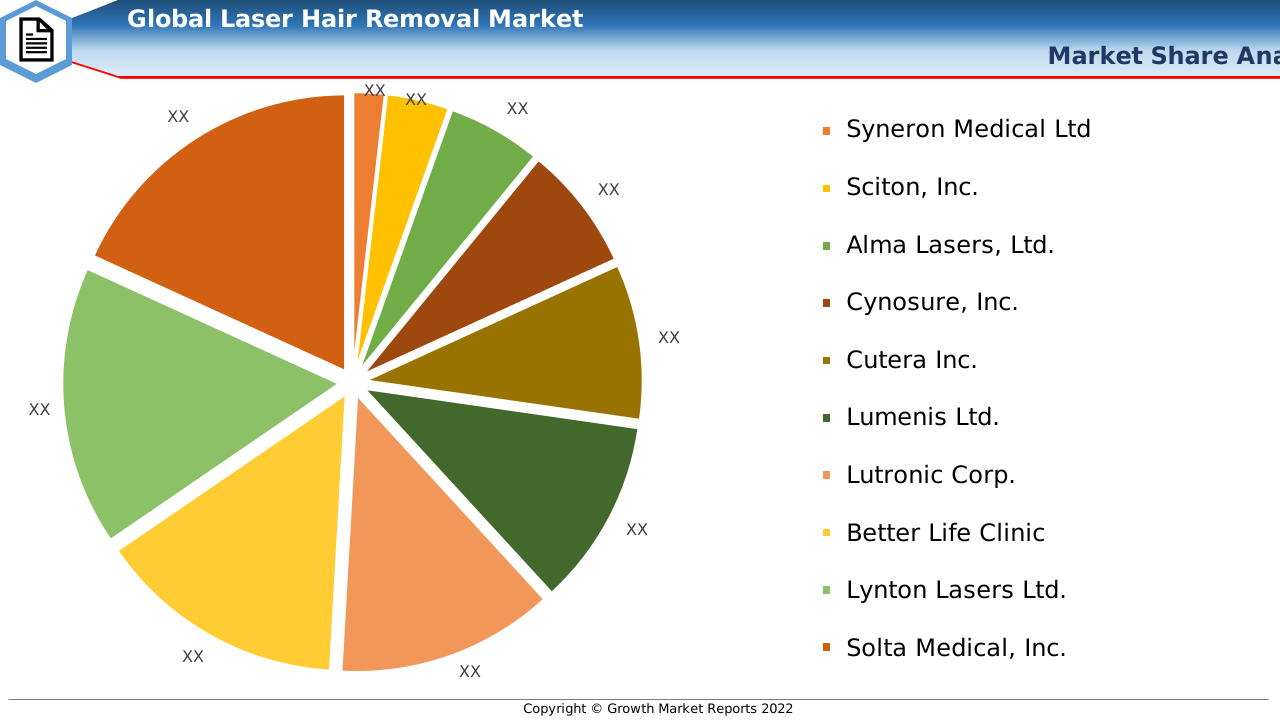
Key players competing in the laser hair removal market include Venus Concept Canada Corp.; Aesthetics Medispa Private Ltd.; Clear Skin Private Ltd.; Strata Skin Sciences, Inc.; Skin Solutions; Solta Medical, Inc.; Lynton Lasers Ltd.; Better Life Clinic; Lutronic Corp.; Lumenis Ltd.; Cutera Inc.; Cynosure, Inc.; Alma Lasers, Ltd.; Sciton, Inc.; and Syneron Medical Ltd. Some of these players are using several market strategies such as acquisitions, mergers, collaborations, partnerships, capacity expansion, and product launches to enhance their market shares, generate revenue, and raise their production line of the business in the coming years. For instance,
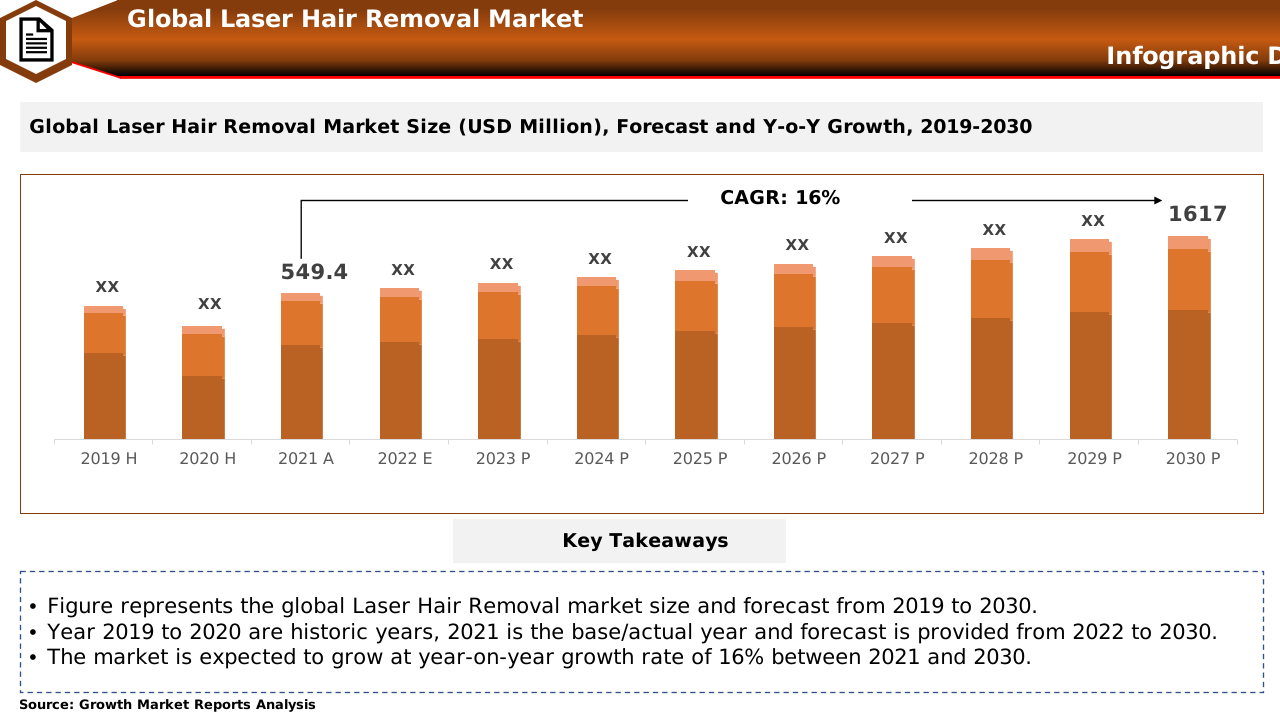
The laser hair removal market is projected to reach USD 1617 million by 2030.
The laser hair removal market is projected to expand at a CAGR of around 16% during the forecast period, 2022 – 2030.
The laser hair removal market size was valued at USD 549.4 million in 2021.
The beauty clinics segment is projected to expand at a high CAGR during the forecast period
Lutronic Corp.; Lumenis Ltd.; Cutera Inc.; Cynosure, Inc.; Alma Lasers, Ltd.; Sciton, Inc.; and Syneron Medical Ltd are some of the top players in the laser hair removal market.