Segments - by Product Type (Full-Cut Helmets, Half-Cut Helmets, Others), by Material (ABS Plastic, Carbon Fiber, Fiberglass, Others), by Application (Recreational, Professional, Others), by Distribution Channel (Online Stores, Specialty Stores, Supermarkets/Hypermarkets, Others), by End-User (Adults, Kids, Others)
According to our latest research, the global kayak helmets market size reached USD 210.4 million in 2024, reflecting a robust and growing industry. The market is expected to expand at a CAGR of 6.2% from 2025 to 2033, reaching a projected value of USD 363.2 million by the end of the forecast period. This growth is primarily driven by the increasing popularity of kayaking as both a recreational and professional sport, coupled with heightened awareness of safety and protective gear among enthusiasts and athletes.
One of the primary growth factors for the kayak helmets market is the surge in participation in water sports and outdoor recreational activities globally. Over the past decade, kayaking has transitioned from a niche adventure sport to a mainstream recreational pursuit, attracting a diverse demographic. This shift is fueled by the expansion of tourism infrastructure, government initiatives promoting adventure tourism, and the proliferation of kayaking clubs and training centers. As more individuals engage in kayaking, the demand for specialized safety equipment, particularly helmets, has risen significantly. This trend is further amplified by the growing emphasis on personal safety and risk mitigation, especially among younger participants and families.
Technological advancements in helmet design and materials have also played a pivotal role in propelling the kayak helmets market forward. Manufacturers are increasingly leveraging cutting-edge materials such as carbon fiber and advanced composites to produce helmets that offer superior protection while remaining lightweight and comfortable. Innovations in ventilation, adjustability, and ergonomic fit have enhanced user experience, making helmets more appealing to both amateur and professional kayakers. Additionally, the integration of smart features, such as impact sensors and communication devices, is beginning to gain traction, catering to the evolving needs of high-performance athletes and safety-conscious consumers alike.
The growing influence of e-commerce and digital marketing channels has further accelerated market growth by improving product accessibility and consumer awareness. Online platforms enable manufacturers and retailers to reach a broader audience, offer competitive pricing, and provide detailed product information and user reviews. This shift towards digital retailing has been particularly beneficial in emerging markets, where traditional brick-and-mortar specialty stores may have limited penetration. Furthermore, collaborations between kayak helmet manufacturers and adventure tourism operators, sports clubs, and event organizers have contributed to increased product adoption and brand visibility, reinforcing the market's upward trajectory.
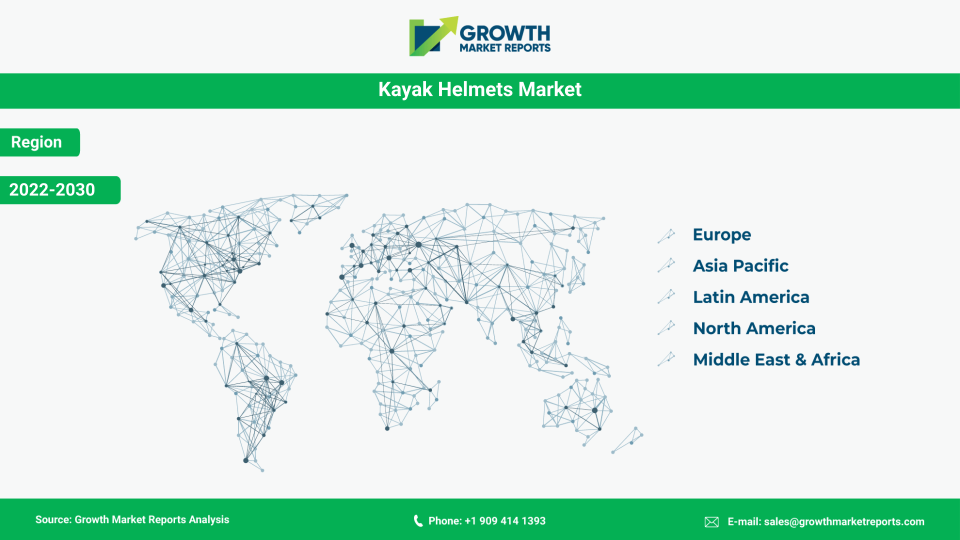
From a regional perspective, North America continues to dominate the kayak helmets market, accounting for the largest share in 2024, followed closely by Europe and the Asia Pacific region. The strong presence of established outdoor sports industries, high disposable incomes, and a well-developed retail infrastructure contribute to North America's leadership. Meanwhile, the Asia Pacific market is witnessing the fastest growth, driven by rising adventure tourism, increasing urbanization, and expanding participation in water sports across countries such as China, Japan, and Australia. Europe remains a key market, supported by a robust outdoor recreation culture and stringent safety regulations.
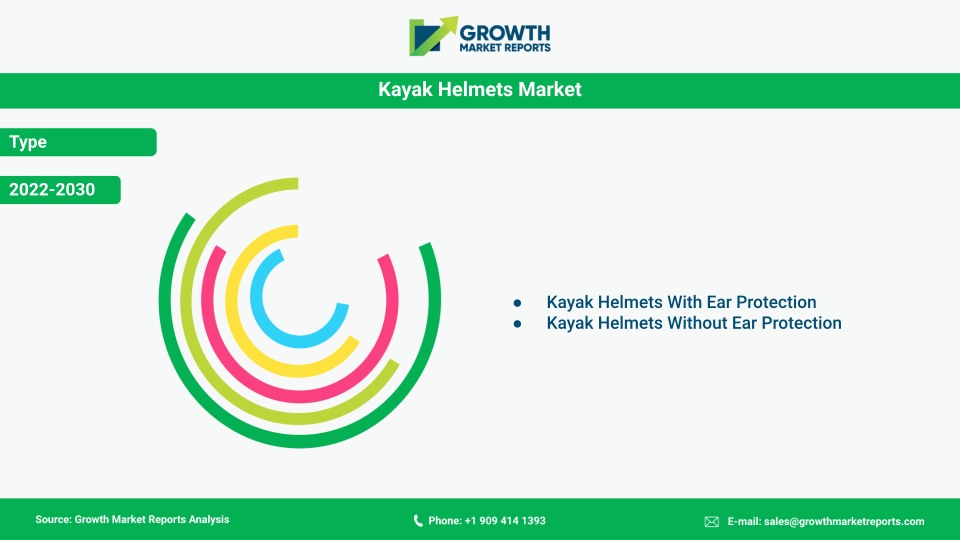
The kayak helmets market is segmented by product type into Full-Cut Helmets, Half-Cut Helmets, and Others. Full-cut helmets, which offer comprehensive coverage for the head and ears, are increasingly favored among professional kayakers and those participating in whitewater and extreme kayaking events. The enhanced protection provided by these helmets makes them a preferred choice in challenging environments where the risk of impact is higher. Full-cut helmets are also witnessing steady adoption in recreational settings, as safety awareness grows among casual users. Manufacturers are responding to this demand by introducing models that balance protection with comfort, integrating features such as adjustable straps, ventilation systems, and lightweight construction.
Half-cut helmets, which provide coverage for the top and sides of the head while leaving the ears exposed, remain popular among recreational kayakers and those engaging in flatwater or less hazardous environments. Their lightweight design and improved ventilation make them suitable for extended use, especially in warmer climates. The versatility and affordability of half-cut helmets contribute to their widespread adoption, particularly among beginners and intermediate users. Many brands are focusing on enhancing the aesthetic appeal and customization options of half-cut models to attract younger consumers and those seeking a personalized experience.
The "Others" category encompasses specialized and hybrid helmet designs that cater to niche segments of the kayaking community. These may include helmets with integrated visors, modular attachments, or multi-sport compatibility. While this segment currently represents a smaller share of the market, it is characterized by rapid innovation and experimentation. Customization, unique styling, and the incorporation of smart features are key differentiators in this segment, appealing to enthusiasts seeking advanced performance or multi-functional gear. As the kayaking community diversifies and new trends emerge, the "Others" category is expected to gain traction, particularly among early adopters and tech-savvy consumers.
Overall, the product type segmentation highlights the evolving preferences of kayakers, with a clear trend towards enhanced safety, comfort, and customization. Manufacturers are investing in research and development to address the specific needs of different user groups, from professional athletes to casual paddlers. The competitive landscape is marked by a focus on innovation, quality assurance, and brand differentiation, as companies strive to capture market share in both established and emerging segments.
| Attributes | Details |
| Report Title | Kayak Helmets Market Research Report 2033 |
| By Product Type | Full-Cut Helmets, Half-Cut Helmets, Others |
| By Material | ABS Plastic, Carbon Fiber, Fiberglass, Others |
| By Application | Recreational, Professional, Others |
| By Distribution Channel | Online Stores, Specialty Stores, Supermarkets/Hypermarkets, Others |
| By End-User | Adults, Kids, Others |
| Regions Covered | North America, Europe, APAC, Latin America, MEA |
| Base Year | 2024 |
| Historic Data | 2018-2023 |
| Forecast Period | 2025-2033 |
| Number of Pages | 275 |
| Number of Tables & Figures | 364 |
| Customization Available | Yes, the report can be customized as per your need. |
Material innovation is a critical driver of growth and differentiation in the kayak helmets market. ABS plastic remains the most widely used material, valued for its balance of durability, impact resistance, and affordability. ABS plastic helmets are particularly popular in entry-level and recreational segments, where cost considerations are paramount. Manufacturers have refined ABS formulations to enhance strength and reduce weight, resulting in products that offer reliable protection without compromising on comfort. The widespread availability and ease of manufacturing ABS helmets contribute to their dominance in the market.
Carbon fiber helmets represent the premium end of the market, offering exceptional strength-to-weight ratios and superior impact absorption. These helmets are primarily targeted at professional athletes and serious enthusiasts who demand the highest levels of performance and safety. Carbon fiber's lightweight properties make it ideal for prolonged use in demanding conditions, reducing fatigue and enhancing agility. However, the higher cost of carbon fiber helmets limits their adoption to niche segments, although ongoing advancements in manufacturing processes are gradually making them more accessible to a broader audience.
Fiberglass helmets strike a balance between performance and affordability, offering improved impact resistance and reduced weight compared to ABS plastic, but at a lower price point than carbon fiber models. Fiberglass is favored by both recreational and professional users seeking enhanced protection without the premium price tag. Manufacturers are exploring innovative composite blends and layering techniques to further improve the safety and comfort of fiberglass helmets. The versatility of fiberglass makes it suitable for a wide range of applications, from entry-level to advanced kayaking activities.
The "Others" material segment includes advanced composites, polycarbonate, and hybrid materials that cater to specific performance requirements or aesthetic preferences. These materials are often used in limited-edition or specialized helmet models, offering unique benefits such as increased flexibility, thermal regulation, or integrated smart technology. As consumer expectations evolve and new safety standards emerge, the demand for innovative materials is expected to grow, driving further research and development in this segment. Overall, material selection remains a key determinant of product quality, user satisfaction, and market competitiveness in the kayak helmets industry.
The kayak helmets market is segmented by application into Recreational, Professional, and Others. The recreational segment constitutes the largest share, driven by the growing popularity of kayaking as a leisure activity among families, youth, and adventure seekers. Recreational users prioritize comfort, affordability, and ease of use, prompting manufacturers to focus on ergonomic designs, lightweight materials, and vibrant aesthetics. The expansion of kayaking clubs, rental services, and guided tours has further boosted demand for recreational helmets, as safety regulations and liability concerns necessitate the use of certified protective gear.
The professional segment, encompassing competitive athletes, instructors, and extreme sports enthusiasts, demands the highest standards of safety, durability, and performance. Professional users often face challenging conditions, such as whitewater rapids and unpredictable weather, necessitating helmets with advanced impact protection, secure fit, and enhanced ventilation. This segment is characterized by a willingness to invest in premium products, including carbon fiber and smart helmets, to gain a competitive edge and ensure personal safety. Sponsorships, endorsements, and partnerships with professional athletes and sports organizations play a significant role in shaping product development and marketing strategies in this segment.
The "Others" application category includes specialized uses such as rescue operations, military training, and multi-sport activities. While representing a smaller portion of the market, these applications require helmets with unique features, such as integrated communication systems, night vision compatibility, or modular attachments. Manufacturers catering to this segment often collaborate with government agencies, emergency services, and research institutions to develop tailored solutions that meet stringent safety and performance requirements. As the scope of kayaking expands beyond traditional recreation and competition, the "Others" segment is expected to contribute to market diversification and innovation.
Across all application segments, the emphasis on safety certification and compliance with international standards remains paramount. Regulatory bodies and industry associations play a crucial role in establishing benchmarks for helmet performance, influencing product design, testing, and marketing. The increasing adoption of safety protocols by event organizers, tour operators, and educational institutions further drives demand for certified kayak helmets, reinforcing the market's commitment to user protection and risk management.
The distribution landscape of the kayak helmets market is evolving rapidly, with online stores emerging as a significant growth driver. The convenience, product variety, and competitive pricing offered by e-commerce platforms have transformed consumer purchasing behavior, particularly among younger and tech-savvy demographics. Online stores enable manufacturers and retailers to reach a global audience, showcase detailed product information, and leverage customer reviews to build trust and credibility. The integration of virtual try-on features, augmented reality, and personalized recommendations further enhances the online shopping experience, driving higher conversion rates and repeat purchases.
Specialty stores continue to play a vital role in the kayak helmets market, particularly for consumers seeking expert advice, product demonstrations, and hands-on fittings. These stores often collaborate with local kayaking clubs, event organizers, and training centers to offer tailored solutions and after-sales support. The personalized service and community engagement provided by specialty stores foster brand loyalty and customer retention, making them an important channel for premium and professional-grade helmets. Manufacturers frequently launch exclusive models and limited editions through specialty retailers to cater to discerning customers and enthusiasts.
Supermarkets and hypermarkets cater to the mass market segment, offering a range of entry-level and mid-priced kayak helmets. The convenience of one-stop shopping and attractive pricing strategies appeal to casual users and first-time buyers. While this channel accounts for a smaller share of total sales compared to online and specialty stores, it plays a crucial role in expanding market reach and accessibility, especially in regions with limited specialty retail infrastructure. Manufacturers often collaborate with large retail chains to secure prominent shelf space and participate in promotional campaigns.
The "Others" distribution channel encompasses direct sales, event-based retailing, and partnerships with tour operators and rental services. These channels provide unique opportunities for brand exposure and product trials, particularly in high-traffic tourist destinations and adventure sports events. Direct sales through company-owned outlets or pop-up stores allow manufacturers to control the customer experience, gather feedback, and showcase their latest innovations. As the market becomes increasingly competitive, a multi-channel distribution strategy is essential for maximizing market penetration and catering to diverse consumer preferences.
The end-user segmentation of the kayak helmets market includes Adults, Kids, and Others. Adults represent the largest end-user group, driven by the widespread participation of individuals aged 18 and above in recreational and professional kayaking activities. This segment values safety, durability, and performance, prompting manufacturers to offer a wide range of sizes, styles, and features tailored to adult users. The growing trend of adventure travel, corporate team-building events, and fitness-oriented leisure activities has further boosted demand for adult kayak helmets, particularly in urban and suburban markets.
The kids segment is experiencing rapid growth, fueled by the increasing involvement of children and teenagers in kayaking camps, school programs, and family outings. Parents and guardians prioritize safety and comfort when selecting helmets for younger users, leading to a surge in demand for age-appropriate designs, adjustable sizing, and vibrant colors. Manufacturers are investing in child-specific safety features, such as enhanced padding, secure chin straps, and lightweight construction, to ensure maximum protection without compromising on comfort or style. Educational campaigns and partnerships with youth organizations play a key role in raising awareness and driving adoption in this segment.
The "Others" end-user category includes specialized groups such as instructors, rescue personnel, and individuals with specific medical or ergonomic requirements. These users often require customized or adaptive helmet solutions to accommodate unique needs, such as communication devices, hearing aids, or medical monitoring systems. Collaboration with healthcare professionals, occupational therapists, and safety experts is essential for developing inclusive and accessible products in this segment. As the kayaking community becomes more diverse and inclusive, the demand for tailored solutions is expected to grow, contributing to market innovation and expansion.
Across all end-user segments, the importance of proper fit, comfort, and user-friendly features cannot be overstated. Manufacturers are leveraging advanced sizing systems, adjustable components, and ergonomic design principles to enhance user satisfaction and minimize the risk of injury. The emphasis on inclusivity, accessibility, and user-centric design reflects the evolving needs and expectations of the global kayaking community, positioning the market for sustained growth and diversification.
The kayak helmets market presents several compelling opportunities for growth and innovation. One of the most significant opportunities lies in the continued expansion of adventure tourism and outdoor recreational activities worldwide. As more individuals seek unique and adrenaline-fueled experiences, the demand for high-quality safety gear, including kayak helmets, is expected to rise. Emerging markets in Asia, Latin America, and the Middle East are witnessing a surge in tourism infrastructure development, government support for sports initiatives, and increasing disposable incomes, creating a fertile environment for market entry and expansion. Manufacturers can capitalize on these trends by forming strategic partnerships with tour operators, event organizers, and local retailers to enhance brand visibility and product adoption.
Another key opportunity is the integration of advanced technologies and smart features into kayak helmet designs. The adoption of impact sensors, communication devices, and augmented reality displays has the potential to revolutionize user experience and safety standards. These innovations not only cater to professional athletes and extreme sports enthusiasts but also appeal to safety-conscious recreational users and parents. The development of eco-friendly and sustainable materials presents an additional avenue for differentiation, as consumers increasingly prioritize environmental responsibility. Companies that invest in research and development, sustainability initiatives, and digital marketing are well-positioned to capture emerging opportunities and strengthen their competitive advantage.
Despite the positive outlook, the kayak helmets market faces several restraining factors that could impact growth. One of the primary challenges is the prevalence of counterfeit and substandard products, particularly in unregulated markets and online platforms. These products often fail to meet safety standards, posing significant risks to users and undermining consumer confidence. The lack of stringent enforcement of safety regulations and certification requirements in some regions further exacerbates this issue. Additionally, price sensitivity among consumers, especially in developing markets, can limit the adoption of premium and technologically advanced helmets. Manufacturers must address these challenges through robust quality assurance, consumer education, and collaboration with regulatory authorities to maintain market integrity and protect user safety.
North America remains the largest regional market for kayak helmets, accounting for approximately USD 74.2 million in 2024. The region benefits from a well-established outdoor sports culture, high levels of disposable income, and a mature retail infrastructure. The United States and Canada are key contributors, with a large base of recreational and professional kayakers, extensive water sports facilities, and active participation in adventure tourism. The presence of leading manufacturers, robust safety regulations, and widespread awareness of protective gear further support market growth in North America. The region is expected to maintain steady growth throughout the forecast period, with a focus on innovation and premium product offerings.
Europe holds the second-largest share of the global kayak helmets market, with an estimated value of USD 58.7 million in 2024. Countries such as Germany, France, the United Kingdom, and Scandinavia have a strong tradition of outdoor recreation, supported by favorable geography, government initiatives, and active sports communities. The European market is characterized by stringent safety standards, high consumer expectations, and a preference for sustainable and eco-friendly products. Growth in this region is driven by the increasing popularity of kayaking among families, youth, and tourists, as well as the expansion of specialty retail channels and e-commerce platforms. The market is projected to grow at a moderate CAGR of 5.8% from 2025 to 2033.
The Asia Pacific region is emerging as the fastest-growing market for kayak helmets, with a market size of USD 52.9 million in 2024. Rapid urbanization, rising disposable incomes, and the proliferation of adventure tourism are key drivers of growth in countries such as China, Japan, Australia, and South Korea. The region is witnessing increased participation in water sports, supported by government investments in tourism infrastructure and the establishment of kayaking clubs and training centers. The growing influence of digital marketing and online retailing is enhancing product accessibility and consumer awareness, further accelerating market expansion. Asia Pacific is expected to register the highest CAGR of 7.5% during the forecast period, outpacing other regions in terms of growth rate and market potential.
The kayak helmets market is characterized by intense competition, with a mix of global brands, regional players, and emerging startups vying for market share. The competitive landscape is shaped by a relentless focus on product innovation, quality assurance, and brand differentiation. Leading companies invest heavily in research and development to introduce advanced materials, ergonomic designs, and smart features that cater to the evolving needs of both recreational and professional kayakers. Strategic partnerships, sponsorships, and endorsements with athletes, sports organizations, and adventure tourism operators are common strategies employed to enhance brand visibility and credibility.
Price competitiveness remains a key factor in the market, particularly in the entry-level and mass-market segments. Companies leverage economies of scale, efficient supply chains, and digital marketing to offer attractive pricing while maintaining product quality. The rise of e-commerce has lowered barriers to entry for new players, enabling startups and niche brands to reach a global audience and challenge established incumbents. However, the proliferation of counterfeit and substandard products presents a significant challenge, necessitating robust quality control measures and consumer education initiatives to protect brand reputation and user safety.
Sustainability and corporate social responsibility are emerging as important differentiators in the kayak helmets market. Companies are increasingly adopting eco-friendly materials, ethical manufacturing practices, and recycling programs to appeal to environmentally conscious consumers. Transparency, traceability, and third-party certifications are becoming standard expectations, particularly in mature markets such as Europe and North America. The integration of digital technologies, such as augmented reality for virtual fittings and online customization tools, is further enhancing the customer experience and driving brand loyalty.
Major companies operating in the kayak helmets market include Sweet Protection, Pro-Tec, NRS (Northwest River Supplies), WRSI (Whitewater Research and Safety Institute), Pyranha, Shred Ready, and Gath Sports. Sweet Protection is renowned for its high-performance helmets featuring advanced composites and innovative safety technologies, catering to both professional athletes and discerning recreational users. Pro-Tec offers a diverse range of helmets known for their durability, comfort, and affordability, with a strong presence in both specialty and mass-market channels. NRS and WRSI are recognized for their commitment to safety, quality, and user-centric design, with products widely used in whitewater and rescue applications.
Pyranha and Shred Ready focus on niche segments and customization, offering specialized helmets with unique styling, modular features, and multi-sport compatibility. Gath Sports is known for its lightweight and versatile helmet designs, popular among kayakers, surfers, and water sports enthusiasts. These companies compete on the basis of innovation, quality, and brand reputation, continually raising the bar for safety and performance in the kayak helmets market. Strategic alliances, product launches, and expansion into emerging markets are key priorities for major players seeking to strengthen their global footprint and capitalize on new growth opportunities.
The Kayak Helmets market has been segmented on the basis of
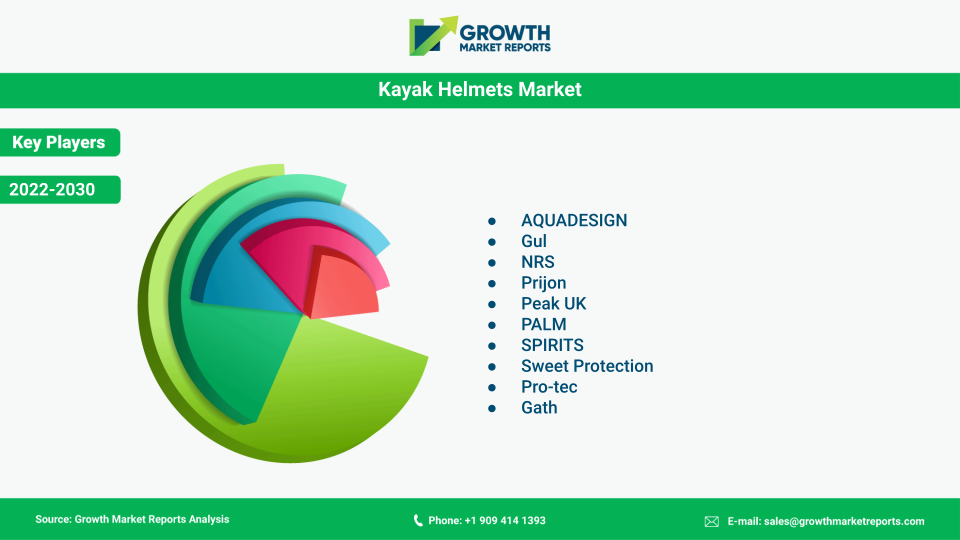
Top players in the market include AQUADESIGN, Gul, NRS, Prijon, Peak UK, PALM, SPIRITS, Sweet Protection, Pro-tec, and Gath.These companies are considered key manufacturers of the Kayak Helmets market based on their revenue, product offerings, regional presence, and supply chain management system.
The players are adopting key strategies such as acquisition, collaborations, and geographical expansion which the potential opportunity for the Kayak Helmets market.

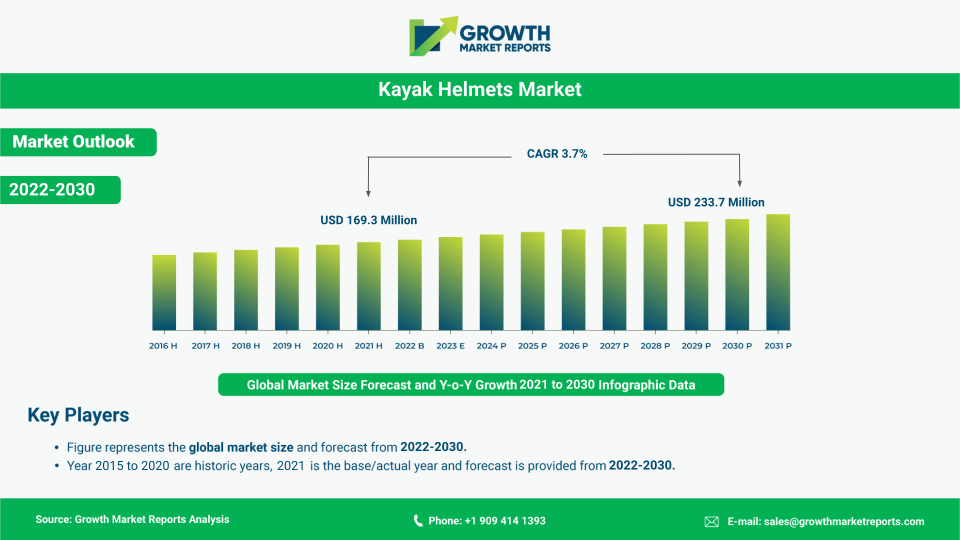
The base year considered for the global Kayak Helmets market report is 2022. The complete analysis period is 2015 to 2030, wherein, 2015 to 2021 are the historic years, and the forecast is provided from 2023 to 2030.
In addition to market size (in US$ Million), Pricing Analysis & Forecast, Rules and Regulations Analysis, Current & Future Trends, Innovation & Technology Landscape, Investment Scenario, and Demand & Supply Analysis is provided.
The COVID-19 pandemic had a negative impact on the global kayak helmet market, with most brands reporting lower sales.
Major Manufacturers are AQUADESIGN, Gul, NRS, Prijon, Peak UK, PALM, SPIRITS, Sweet Protection, Pro-tec, and Gath.
Factors such as Eco Sports and Entertainment Industry, R&D Activities, Production & Supply, and Government Regulations are analyzed in the final report.
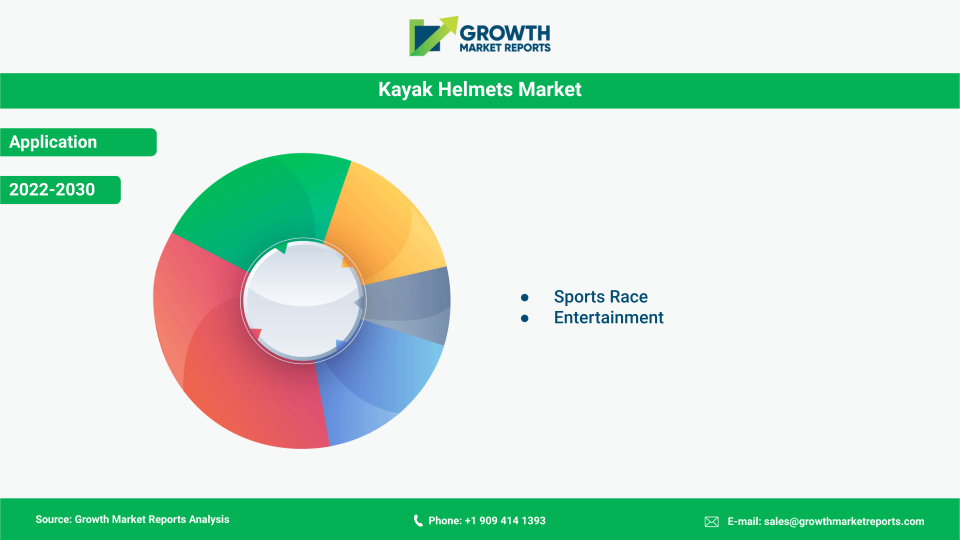
The major applications of Kayak Helmets are Sports Race, and Entertainment.
According to this Growth Market Reports, the global Kayak Helmets market is likely to register a CAGR of 3.7% during the forecast period 2023-2030, with an anticipated valuation of USD 233.7 Million by the end of 2030.
Factors such as increasing watersport activities in developed nations, high safety regulations/standards in watersport activities, and the declining demand for plastic kayak helmets are expected to drive market growth during the forecast period.
Factors such as competitive strength and market positioning are key areas considered while selecting top companies to be profiled.
Additional company profiles can be provided on request. For a discussion related to above findings, click Speak to Analyst