Segments - by Grade (Anhydrous, Diluted), by Application (Fluorocarbon Production, Aluminum Production, Glass Etching and Cleaning, Oil Refining, Uranium Fuel Production, Others), by End-Use Industry (Chemical, Mining & Metallurgy, Pharmaceuticals, Electronics, Others)
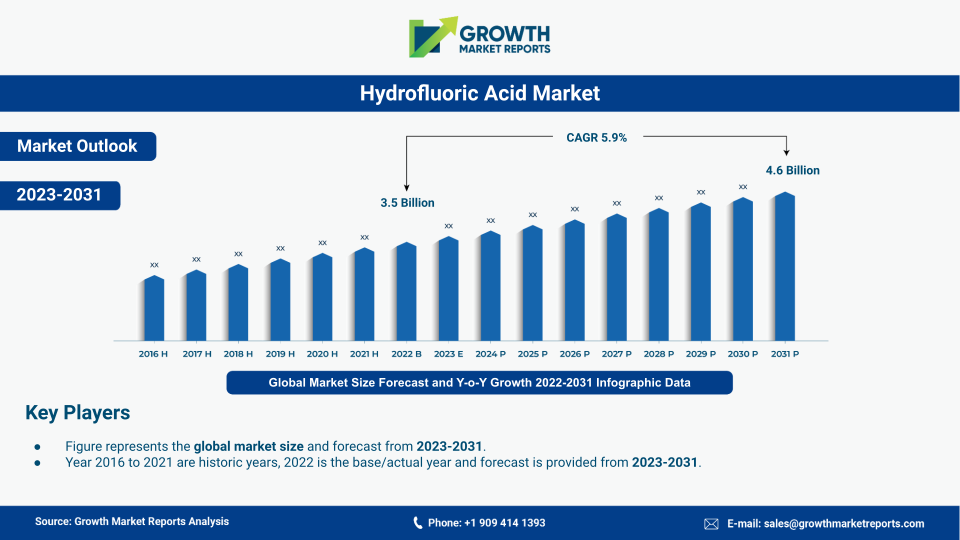
According to our latest research, the global hydrofluoric acid market size in 2024 stands at USD 2.65 billion, reflecting a robust foundation for this essential industrial chemical. The market is experiencing a healthy growth trajectory, registering a CAGR of 5.7% during the forecast period. By 2033, the hydrofluoric acid market is forecasted to reach approximately USD 4.39 billion, propelled by expanding applications in fluorocarbon production, electronics, and the chemical industry. This growth is primarily driven by surging demand for hydrofluoric acid in aluminum manufacturing, rising consumption in glass etching and cleaning, and the increasing use of fluorine-based chemicals across various industrial sectors.
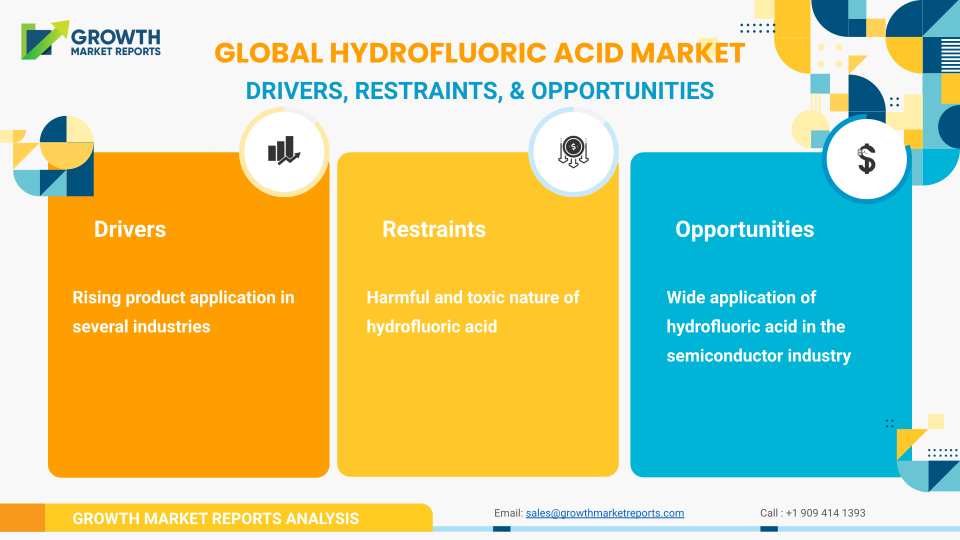
One of the primary growth drivers for the hydrofluoric acid market is the rising demand for fluorocarbons, which are integral in the production of refrigerants and air conditioning systems. As global temperatures rise and the need for efficient cooling solutions intensifies, manufacturers are increasingly turning to hydrofluoric acid as a precursor for hydrofluorocarbons (HFCs) and hydrofluoroolefins (HFOs). These chemicals are crucial for meeting environmental regulations that mandate the phasing out of ozone-depleting substances. Furthermore, the hydrofluoric acid market benefits from its critical role in the production of aluminum, particularly in emerging economies where infrastructure development and automotive manufacturing are on the rise. The unique chemical properties of hydrofluoric acid make it indispensable in dissolving oxides and preparing surfaces for further processing, underscoring its importance in industrial workflows.
The hydrofluoric acid market is also experiencing significant growth due to its expanding use in the electronics industry, especially in the manufacturing of semiconductors and microelectronics. Hydrofluoric acid is vital for cleaning and etching silicon wafers, which are fundamental components in the production of integrated circuits and other electronic devices. With the proliferation of consumer electronics, smart devices, and advancements in telecommunications infrastructure, the demand for high-purity hydrofluoric acid has surged. Additionally, the pharmaceutical sector is increasingly utilizing hydrofluoric acid for the synthesis of fluorinated compounds, which are essential for the development of new drugs and agrochemicals. This diversification of applications across multiple end-use industries is expected to sustain the upward momentum of the hydrofluoric acid market in the coming years.
Another significant growth factor is the increasing adoption of hydrofluoric acid in the oil refining industry, where it is used as a catalyst in the alkylation process to produce high-octane gasoline. As global energy consumption continues to climb, refineries are under pressure to enhance operational efficiency and output quality, thereby driving the demand for hydrofluoric acid. Moreover, the mining and metallurgy sector utilizes hydrofluoric acid for the extraction and purification of rare metals and minerals. This is particularly relevant in the context of the growing demand for electric vehicles and renewable energy technologies, which require specialized materials such as lithium and rare earth elements. The hydrofluoric acid market is thus poised to benefit from the ongoing transition towards cleaner energy and advanced manufacturing technologies.
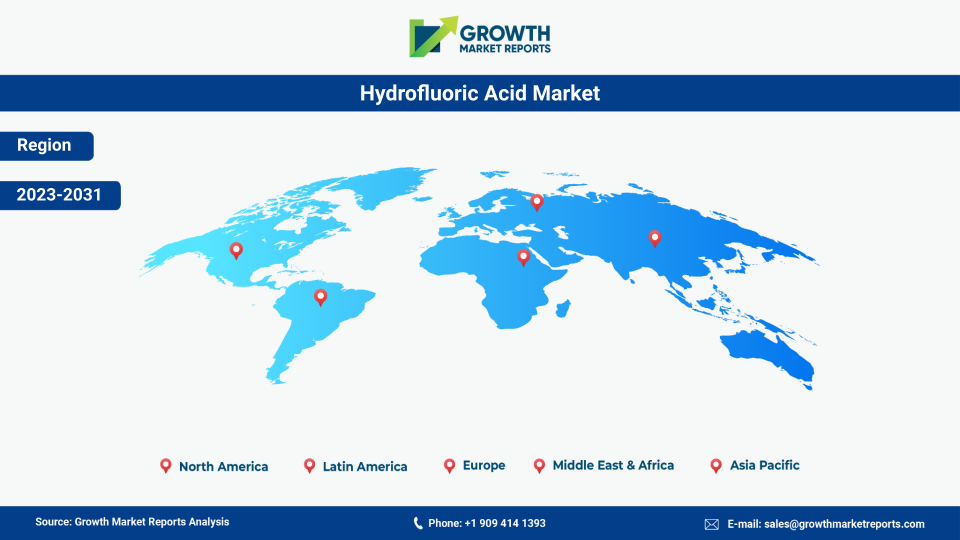
From a regional perspective, Asia Pacific dominates the hydrofluoric acid market, accounting for the largest share in both production and consumption. The region’s robust industrial base, particularly in China and India, coupled with favorable government policies and rising investments in infrastructure, has positioned Asia Pacific as a key growth engine. North America and Europe also represent significant markets, driven by technological advancements in electronics and stringent regulatory frameworks promoting the use of environmentally friendly fluorinated products. Meanwhile, Latin America and the Middle East & Africa are witnessing steady growth, supported by increasing industrialization and investments in mining and chemical manufacturing. These regional trends underscore the global nature of the hydrofluoric acid market and its critical role in supporting diverse industrial ecosystems.
The hydrofluoric acid market is segmented by grade into anhydrous and diluted hydrofluoric acid, each serving distinct industrial requirements. Anhydrous hydrofluoric acid, being highly concentrated and pure, is widely utilized in applications demanding stringent quality standards, such as fluorocarbon production and electronics manufacturing. Its high reactivity and efficiency make it indispensable for processes that require precise chemical reactions, including the synthesis of advanced fluorine-containing compounds. On the other hand, diluted hydrofluoric acid, typically available in concentrations below 70%, is commonly employed in less demanding applications such as glass etching, cleaning, and certain metallurgical processes. The choice between anhydrous and diluted grades is dictated by the specific requirements of end-use industries, with anhydrous hydrofluoric acid commanding a premium due to its superior performance characteristics.
The demand for anhydrous hydrofluoric acid is particularly strong in regions with advanced manufacturing capabilities, such as North America, Europe, and parts of Asia Pacific. In these markets, the electronics and chemical industries are the primary consumers, leveraging the high purity and reactivity of anhydrous hydrofluoric acid for critical applications. The ongoing miniaturization of electronic components and the development of next-generation semiconductors have further intensified the need for ultrapure hydrofluoric acid, driving innovation in production technologies and quality control measures. Manufacturers are investing heavily in research and development to enhance the safety, efficiency, and environmental sustainability of anhydrous hydrofluoric acid production, thereby ensuring compliance with global regulatory standards.
Diluted hydrofluoric acid, while less reactive than its anhydrous counterpart, plays a vital role in sectors such as glass manufacturing, metal cleaning, and surface treatment. The ability of diluted hydrofluoric acid to effectively remove oxides and contaminants from surfaces makes it a preferred choice for applications where precision and safety are paramount. Additionally, the lower concentration reduces the risks associated with handling and storage, making it more accessible for small and medium enterprises. The versatility of diluted hydrofluoric acid has also led to its adoption in niche applications, including the production of specialty chemicals and the purification of certain minerals, further expanding its market potential.
Despite the advantages offered by both grades, the hydrofluoric acid market faces challenges related to safety and environmental concerns. Anhydrous hydrofluoric acid, in particular, is highly toxic and corrosive, necessitating stringent handling protocols and specialized equipment. Regulatory authorities across the globe are imposing stricter guidelines on the transportation, storage, and disposal of hydrofluoric acid to mitigate the risks associated with its use. This has prompted manufacturers to invest in advanced safety systems and employee training programs, ensuring compliance with industry best practices. The ongoing emphasis on safety and environmental responsibility is expected to shape the future development of both anhydrous and diluted hydrofluoric acid markets.
In summary, the grade segmentation of the hydrofluoric acid market highlights the diverse applications and varying safety requirements associated with different concentrations of the chemical. The continued growth of high-tech industries, coupled with evolving regulatory landscapes, will play a pivotal role in shaping the demand for anhydrous and diluted hydrofluoric acid. As manufacturers strive to balance performance, safety, and sustainability, the market is poised for further innovation and expansion in the coming years.
| Attributes | Details |
| Report Title | Hydrofluoric Acid Market Research Report 2033 |
| By Grade | Anhydrous, Diluted |
| By Application | Fluorocarbon Production, Aluminum Production, Glass Etching and Cleaning, Oil Refining, Uranium Fuel Production, Others |
| By End-Use Industry | Chemical, Mining & Metallurgy, Pharmaceuticals, Electronics, Others |
| Regions Covered | North America, Europe, APAC, Latin America, MEA |
| Base Year | 2024 |
| Historic Data | 2018-2023 |
| Forecast Period | 2025-2033 |
| Number of Pages | 257 |
| Number of Tables & Figures | 273 |
| Customization Available | Yes, the report can be customized as per your need. |
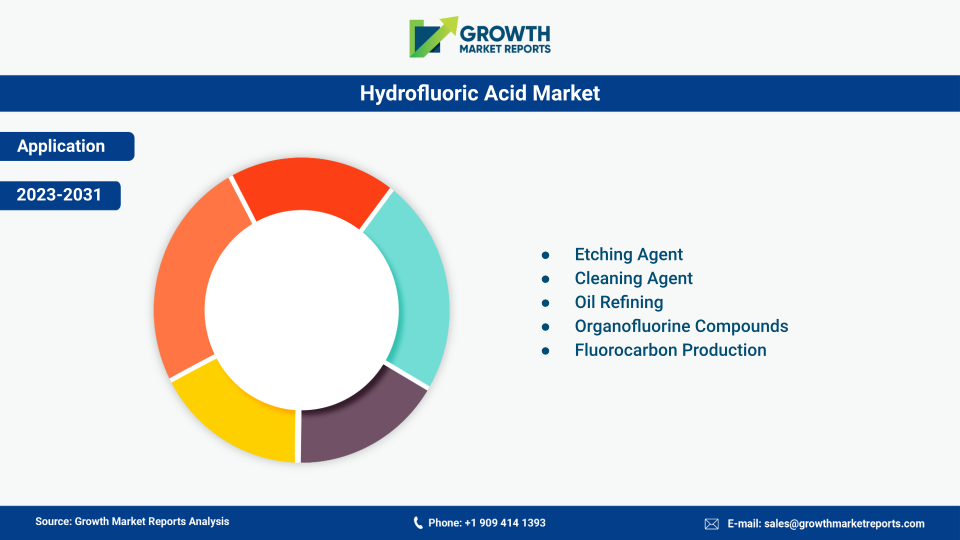
The hydrofluoric acid market is further segmented by application, with key areas including fluorocarbon production, aluminum production, glass etching and cleaning, oil refining, uranium fuel production, and others. Fluorocarbon production remains the largest application segment, driven by the widespread use of hydrofluorocarbons and hydrofluoroolefins in refrigeration, air conditioning, and foam blowing agents. The transition towards environmentally friendly refrigerants, mandated by international agreements such as the Montreal Protocol, has accelerated the adoption of hydrofluoric acid in the synthesis of next-generation fluorinated compounds. This trend is particularly pronounced in developed markets, where regulatory compliance and sustainability are top priorities for manufacturers.
Aluminum production is another critical application area, with hydrofluoric acid playing a key role in the purification and processing of aluminum fluoride, a vital precursor in the electrolytic production of aluminum. The rapid expansion of the automotive, construction, and packaging industries has fueled the demand for lightweight and corrosion-resistant aluminum products, thereby boosting the consumption of hydrofluoric acid. In emerging economies, government initiatives aimed at infrastructure development and industrialization are further supporting the growth of this application segment. The ongoing shift towards electric vehicles and renewable energy technologies, which rely heavily on aluminum components, is expected to sustain the upward trajectory of hydrofluoric acid demand in this sector.
Glass etching and cleaning represent another significant application of hydrofluoric acid, particularly in the production of specialty glass products for the electronics, automotive, and construction industries. The unique ability of hydrofluoric acid to dissolve silica and other oxides makes it indispensable for creating intricate patterns, enhancing optical clarity, and preparing surfaces for further processing. As the demand for high-performance glass products continues to rise, particularly in the context of smart devices and energy-efficient buildings, the glass etching and cleaning segment is poised for steady growth. Manufacturers are increasingly focusing on process optimization and waste management to minimize environmental impact and enhance operational efficiency.
In the oil refining industry, hydrofluoric acid serves as a catalyst in the alkylation process, enabling the production of high-octane gasoline and other valuable fuels. The ongoing modernization of refineries, coupled with the need to comply with stringent environmental regulations, has led to increased investments in hydrofluoric acid-based technologies. This application segment is particularly important in regions with significant refining capacity, such as North America and the Middle East. Additionally, hydrofluoric acid is utilized in uranium fuel production for the nuclear energy sector, where it is employed in the conversion of uranium oxide to uranium hexafluoride, a key step in the enrichment process. The growing interest in nuclear power as a low-carbon energy source is expected to drive further demand for hydrofluoric acid in this specialized application.
Other applications of hydrofluoric acid include its use in the synthesis of specialty chemicals, water treatment, and the purification of rare metals and minerals. The versatility of hydrofluoric acid, combined with ongoing advancements in production technologies, is enabling its adoption in a wide range of industrial processes. As manufacturers continue to explore new applications and optimize existing workflows, the hydrofluoric acid market is set to benefit from sustained innovation and diversification.
The hydrofluoric acid market is segmented by end-use industry into chemical, mining & metallurgy, pharmaceuticals, electronics, and others. The chemical industry represents the largest end-use segment, accounting for a significant share of global hydrofluoric acid consumption. Hydrofluoric acid is a fundamental building block in the synthesis of a wide range of fluorinated chemicals, including refrigerants, solvents, and polymers. The ongoing shift towards sustainable and environmentally friendly chemical processes is driving the adoption of hydrofluoric acid in the production of advanced materials and specialty chemicals. Manufacturers are increasingly investing in research and development to enhance the efficiency and safety of hydrofluoric acid-based processes, ensuring compliance with evolving regulatory standards.
The mining and metallurgy sector is another major consumer of hydrofluoric acid, utilizing it for the extraction, purification, and processing of metals and minerals. The ability of hydrofluoric acid to selectively dissolve certain minerals makes it invaluable in the production of high-purity materials, including aluminum, rare earth elements, and precious metals. The growing demand for electric vehicles, renewable energy technologies, and advanced electronics is fueling investments in mining and metallurgy, thereby boosting the consumption of hydrofluoric acid. Additionally, the sector is witnessing increased adoption of environmentally responsible practices, with manufacturers focusing on waste management and emissions reduction to minimize the environmental impact of hydrofluoric acid use.
In the pharmaceutical industry, hydrofluoric acid is employed in the synthesis of fluorinated compounds, which are essential for the development of new drugs and agrochemicals. The unique chemical properties of fluorine enhance the bioavailability, stability, and efficacy of pharmaceutical products, making hydrofluoric acid a critical raw material for drug discovery and development. The increasing prevalence of chronic diseases, coupled with the growing demand for innovative therapies, is driving investments in pharmaceutical research and development, thereby supporting the growth of the hydrofluoric acid market in this segment. Manufacturers are also exploring new applications for hydrofluoric acid in the synthesis of active pharmaceutical ingredients and intermediates, further expanding its market potential.
The electronics industry relies heavily on high-purity hydrofluoric acid for the production of semiconductors, integrated circuits, and microelectronic devices. The ongoing digital transformation, characterized by the proliferation of smart devices, cloud computing, and 5G technologies, is fueling demand for advanced electronic components. Hydrofluoric acid is indispensable for cleaning and etching silicon wafers, ensuring the precision and reliability of electronic products. As the electronics industry continues to evolve, manufacturers are investing in state-of-the-art production facilities and quality control systems to meet the stringent requirements of this high-tech sector. The emphasis on miniaturization, performance, and energy efficiency is expected to drive further innovation in hydrofluoric acid applications for electronics.
Other end-use industries for hydrofluoric acid include water treatment, automotive manufacturing, and specialty materials production. The versatility and effectiveness of hydrofluoric acid in diverse industrial processes underscore its critical role in supporting global economic development. As manufacturers continue to explore new applications and optimize existing processes, the hydrofluoric acid market is set to benefit from sustained growth and technological advancement across multiple end-use industries.
The hydrofluoric acid market presents numerous opportunities for growth, particularly in the context of evolving environmental regulations and the transition towards sustainable industrial practices. The phasing out of ozone-depleting substances and the adoption of next-generation refrigerants are creating new avenues for hydrofluoric acid in the synthesis of environmentally friendly fluorocarbons. Manufacturers are increasingly focusing on the development of high-purity and low-emission hydrofluoric acid products to meet the stringent requirements of advanced applications in electronics, pharmaceuticals, and specialty chemicals. Additionally, the growing emphasis on circular economy principles and resource efficiency is driving investments in recycling and waste management technologies, enabling the recovery and reuse of hydrofluoric acid in various industrial processes. These trends underscore the potential for innovation and value creation in the hydrofluoric acid market.
Another significant opportunity lies in the expansion of the hydrofluoric acid market in emerging economies, where rapid industrialization and infrastructure development are driving demand for advanced materials and chemicals. Governments in Asia Pacific, Latin America, and the Middle East are investing heavily in manufacturing, mining, and energy sectors, creating a favorable environment for hydrofluoric acid producers. The increasing adoption of electric vehicles, renewable energy technologies, and smart infrastructure is further fueling demand for hydrofluoric acid in the production of aluminum, rare earth elements, and high-performance glass products. As manufacturers seek to capitalize on these growth opportunities, strategic partnerships, capacity expansions, and technological innovation will play a crucial role in shaping the competitive landscape of the hydrofluoric acid market.
Despite these opportunities, the hydrofluoric acid market faces several restraints, most notably related to safety, health, and environmental concerns. Hydrofluoric acid is highly toxic and corrosive, posing significant risks to human health and the environment if not handled properly. Regulatory authorities across the globe are imposing stricter guidelines on the production, transportation, storage, and disposal of hydrofluoric acid, increasing compliance costs for manufacturers. Additionally, the development of alternative technologies and materials, particularly in the context of environmental sustainability, may pose a long-term threat to the hydrofluoric acid market. Manufacturers must therefore prioritize safety, innovation, and regulatory compliance to mitigate these risks and ensure the continued growth of the market.
The Asia Pacific region dominates the hydrofluoric acid market, accounting for the largest share of global production and consumption. In 2024, Asia Pacific's hydrofluoric acid market size is estimated at USD 1.45 billion, representing over half of the global market. This dominance is driven by the region's robust industrial base, particularly in China and India, where rapid urbanization, infrastructure development, and automotive manufacturing are fueling demand for hydrofluoric acid. The region's strong presence in electronics manufacturing, coupled with favorable government policies and investments in research and development, has positioned Asia Pacific as a key growth engine for the hydrofluoric acid market. The region is expected to maintain a healthy CAGR of 6.3% through 2033, outpacing other regions and reinforcing its leadership position.
In North America, the hydrofluoric acid market is characterized by advanced manufacturing capabilities, stringent regulatory frameworks, and a strong focus on environmental sustainability. The region's market size in 2024 is estimated at USD 540 million, with steady growth expected over the forecast period. North America is a major consumer of hydrofluoric acid in the production of fluorocarbons, aluminum, and specialty chemicals, driven by the region's technological advancements and high standards of product quality. The ongoing transition towards low-global-warming-potential refrigerants and the modernization of oil refineries are further supporting demand for hydrofluoric acid. Manufacturers in North America are investing in state-of-the-art production facilities and safety systems to meet the evolving needs of end-use industries and comply with regulatory requirements.
Europe holds a significant share of the global hydrofluoric acid market, with a market size of USD 430 million in 2024. The region is characterized by a strong emphasis on environmental responsibility, innovation, and high-value manufacturing. European manufacturers are at the forefront of developing sustainable hydrofluoric acid production processes, leveraging advanced technologies and best practices to minimize environmental impact. The region's electronics, automotive, and chemical industries are major consumers of hydrofluoric acid, supported by ongoing investments in research and development. Meanwhile, Latin America and the Middle East & Africa collectively account for approximately USD 230 million of the global market, with growth driven by increasing industrialization, mining activities, and investments in chemical manufacturing. These regions are expected to witness steady growth as they continue to develop their industrial infrastructure and attract foreign investment.
The hydrofluoric acid market is characterized by intense competition, with a mix of global and regional players vying for market share. The competitive landscape is shaped by factors such as product quality, pricing strategies, technological innovation, and compliance with stringent safety and environmental regulations. Leading manufacturers are focusing on capacity expansion, strategic partnerships, and mergers and acquisitions to strengthen their market position and enhance their product offerings. The emphasis on research and development is particularly pronounced, as companies seek to develop high-purity, low-emission hydrofluoric acid products that meet the evolving needs of advanced applications in electronics, pharmaceuticals, and specialty chemicals. Additionally, manufacturers are investing in advanced production technologies and safety systems to ensure operational efficiency and regulatory compliance.
Innovation is a key differentiator in the hydrofluoric acid market, with companies striving to develop environmentally sustainable production processes and minimize the risks associated with hydrofluoric acid handling. The adoption of circular economy principles, including recycling and waste management, is gaining traction as manufacturers seek to reduce their environmental footprint and enhance resource efficiency. This focus on sustainability is driving the development of new business models and value-added services, such as technical support, customized solutions, and supply chain optimization. As competition intensifies, manufacturers are also exploring opportunities for vertical integration, securing access to raw materials, and optimizing their distribution networks to better serve global customers.
The hydrofluoric acid market is also witnessing increased regulatory scrutiny, with governments and industry bodies imposing stricter guidelines on production, transportation, and storage. Compliance with these regulations is a critical success factor for manufacturers, requiring ongoing investments in safety systems, employee training, and environmental management. Companies that can demonstrate a strong commitment to safety, sustainability, and innovation are well positioned to capture growth opportunities and build long-term customer relationships. The ability to adapt to changing market dynamics, anticipate customer needs, and deliver high-quality products will be key to maintaining a competitive edge in the hydrofluoric acid market.
Some of the major companies operating in the global hydrofluoric acid market include Honeywell International Inc., Solvay S.A., Daikin Industries Ltd., Lanxess AG, Sinochem Group, Morita Chemical Industries Co. Ltd., Stella Chemifa Corporation, and Gujarat Fluorochemicals Ltd. Honeywell International Inc. is a global leader in specialty chemicals and advanced materials, offering a wide range of hydrofluoric acid products for industrial and commercial applications. Solvay S.A. is renowned for its commitment to sustainability and innovation, providing high-purity hydrofluoric acid solutions for the electronics, automotive, and chemical industries. Daikin Industries Ltd. is a major player in the fluorochemicals market, leveraging its expertise in refrigerants and air conditioning systems to drive demand for hydrofluoric acid.
Lanxess AG and Sinochem Group are prominent players in the chemical and mining sectors, with extensive experience in the production and distribution of hydrofluoric acid and related products. Morita Chemical Industries Co. Ltd. and Stella Chemifa Corporation are leading suppliers of high-purity hydrofluoric acid for the electronics and pharmaceutical industries, known for their advanced production technologies and stringent quality control measures. Gujarat Fluorochemicals Ltd. is a key player in the Asia Pacific region, with a strong focus on capacity expansion and product diversification to meet the growing demand for hydrofluoric acid in emerging markets.
These companies are actively engaged in capacity expansions, technological advancements, and strategic collaborations to enhance their market presence and cater to the evolving needs of their customers. By prioritizing innovation, sustainability, and operational excellence, leading manufacturers are well positioned to capitalize on the growth opportunities in the global hydrofluoric acid market and maintain a competitive edge in a rapidly changing industry landscape.
The Hydrofluoric Acid market has been segmented on the basis of
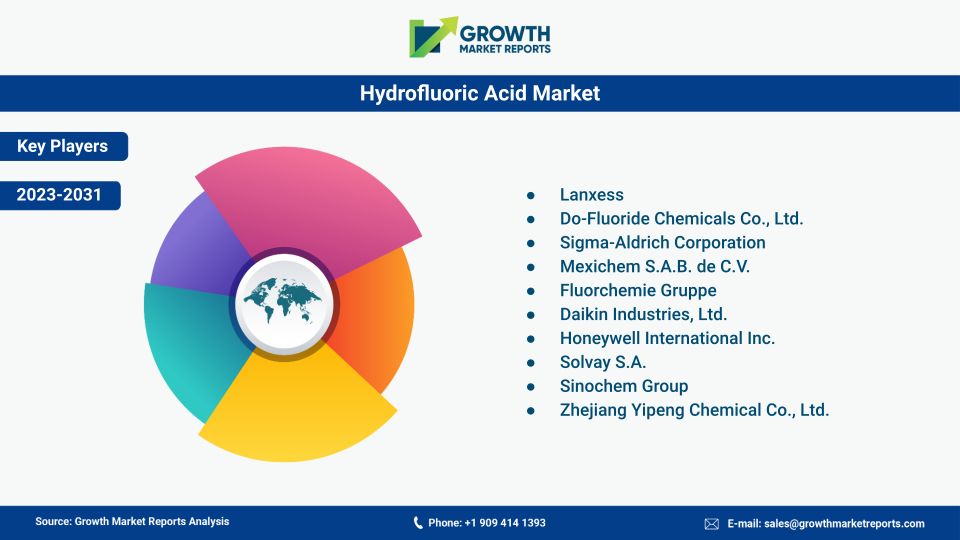
Key players competing in the global hydrofluoric acid market are Lanxess; Do-Fluoride Chemicals Co., Ltd.; Sigma-Aldrich Corporation; Mexichem S.A.B. de C.V.; Fluorchemie Gruppe; Daikin Industries, Ltd.; Honeywell International Inc.; Solvay S.A.; Sinochem Group; and Zhejiang Yipeng Chemical Co., Ltd. Some of these prominent players are actively engaged in product launches, mergers, partnerships, and collaborations to expand their manufacturing units. For instance,
The hydrofluoric acid market is expected to reach approximately USD 4.39 billion by 2033, growing at a CAGR of 5.7%.
Major companies include Honeywell International Inc., Solvay S.A., Daikin Industries Ltd., Lanxess AG, Sinochem Group, Morita Chemical Industries Co. Ltd., Stella Chemifa Corporation, and Gujarat Fluorochemicals Ltd.
It is vital for cleaning and etching silicon wafers in semiconductor and microelectronics manufacturing, supporting the production of integrated circuits and advanced electronic devices.
Hydrofluoric acid is highly toxic and corrosive, requiring strict handling, storage, and disposal protocols. Regulatory authorities enforce stringent guidelines to mitigate health and environmental risks.
The chemical industry is the largest consumer, followed by mining & metallurgy, pharmaceuticals, and electronics.
Anhydrous hydrofluoric acid is highly concentrated and used in applications requiring high purity, such as electronics and fluorocarbon production. Diluted hydrofluoric acid (below 70% concentration) is used for glass etching, cleaning, and certain metallurgical processes.
Hydrofluoric acid is mainly used in fluorocarbon production, aluminum production, glass etching and cleaning, oil refining, uranium fuel production, and the synthesis of specialty chemicals.
Asia Pacific leads the market, particularly China and India, followed by North America and Europe. Latin America and the Middle East & Africa are also experiencing steady growth.
Key growth drivers include rising demand for fluorocarbons (used in refrigerants and air conditioning), increased aluminum manufacturing, expanding electronics and semiconductor industries, and growing use in oil refining and mining sectors.
As of 2024, the global hydrofluoric acid market size is valued at USD 2.65 billion.