Drug Infusion Pumps Market Research Report 2033

Drug Infusion Pumps Market Research Report 2033

Segments - by Product Type (Volumetric Infusion Pumps, Syringe Infusion Pumps, Ambulatory Infusion Pumps, Insulin Infusion Pumps, Enteral Infusion Pumps, Others), by Application (Chemotherapy, Diabetes Management, Gastroenterology, Pain Management, Others), by End-User (Hospitals, Home Care Settings, Ambulatory Surgical Centers, Others)

https://growthmarketreports.com/raksha
Author : Raksha Sharma
https://growthmarketreports.com/Vaibhav
Fact-checked by : V. Chandola
https://growthmarketreports.com/Shruti
Editor : Shruti Bhat

Upcoming | Report ID :HC-5524 | 4.7 Rating | 51 Reviews | 300 Pages | Format : Docx PDF

Report Description


Drug Infusion Pumps Market Outlook

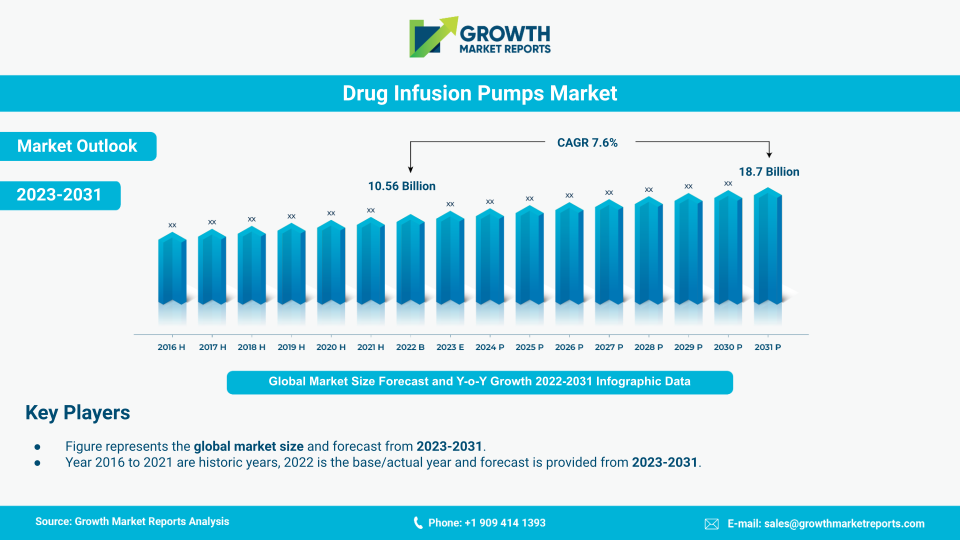
The global drug infusion pumps market size reached USD 14.2 billion in 2024, according to our latest research, and is anticipated to grow at a robust CAGR of 7.3% during the forecast period. By 2033, the market is expected to attain a value of USD 26.8 billion, driven by rising prevalence of chronic diseases, technological advancements in infusion systems, and increasing demand for ambulatory and home-based care. The rapid adoption of smart infusion pumps and integration of wireless connectivity further support the marketÂ’s upward trajectory.

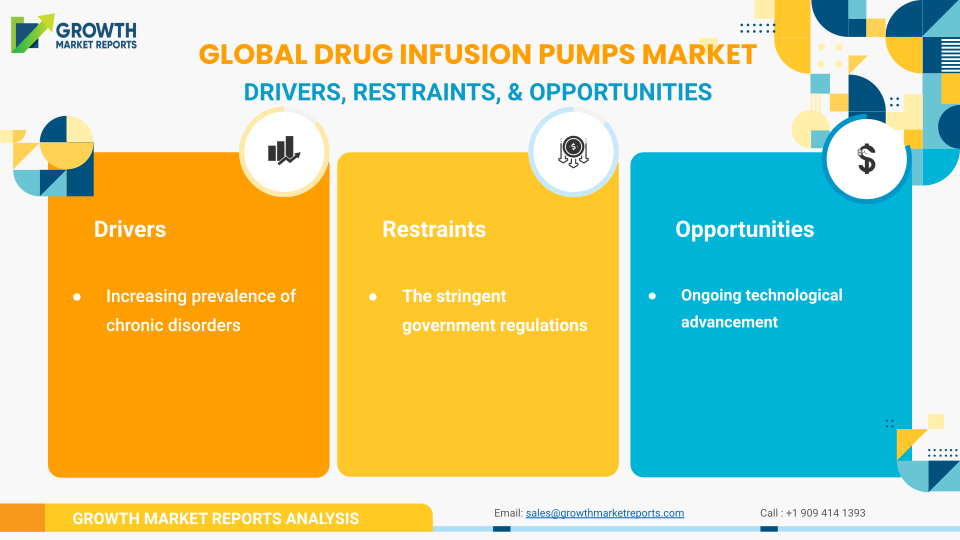
One of the primary growth factors propelling the drug infusion pumps market is the escalating incidence of chronic diseases such as cancer, diabetes, and gastrointestinal disorders across the globe. The growing geriatric population, which is more susceptible to these conditions, necessitates frequent and precise drug administration, thereby boosting the demand for advanced infusion systems. The increasing burden of chronic illnesses has compelled healthcare providers to adopt infusion pumps for delivering medications, fluids, and nutrients with high accuracy and safety. Furthermore, the need for continuous and controlled drug delivery in critical care settings has solidified the role of infusion pumps as indispensable medical devices, especially in hospitals and specialty clinics.

Technological innovation is another significant driver shaping the drug infusion pumps market. The emergence of smart infusion pumps equipped with advanced features such as dose error reduction systems (DERS), wireless connectivity, and real-time monitoring has enhanced medication safety and workflow efficiency. These advancements address the critical issue of medication errors, which remain a leading cause of morbidity and mortality in healthcare settings. The integration of infusion pumps with electronic health records (EHRs) and hospital information systems enables seamless data exchange and facilitates better clinical decision-making. Additionally, the miniaturization of devices and development of portable, battery-operated pumps have expanded their use beyond traditional hospital environments, supporting the growth of ambulatory and home care segments.

The shift towards patient-centric care and the increasing trend of home healthcare are further stimulating the expansion of the drug infusion pumps market. As healthcare systems worldwide strive to reduce hospital stays and healthcare costs, there is a growing preference for outpatient and home-based infusion therapies. This trend is particularly evident in the management of chronic conditions such as diabetes, where insulin infusion pumps are increasingly being used by patients for self-administration. The convenience, improved quality of life, and reduced risk of hospital-acquired infections associated with home infusion therapies are key factors driving their adoption. Moreover, favorable reimbursement policies and supportive regulatory frameworks in developed markets are encouraging the uptake of infusion pumps in non-hospital settings.

The role of Infusion Pump Disposables is becoming increasingly significant as the demand for drug infusion pumps continues to rise. These disposables, which include components such as tubing sets, catheters, and connectors, are essential for ensuring the safe and effective delivery of medications. As healthcare providers strive to maintain high standards of infection control and patient safety, the use of high-quality, sterile infusion pump disposables is paramount. The growing preference for single-use disposables, driven by concerns over cross-contamination and the need for efficient workflow management, is further propelling the market. Additionally, advancements in disposable materials and designs are enhancing compatibility with various pump models, thereby supporting the seamless integration of disposables into diverse clinical settings.

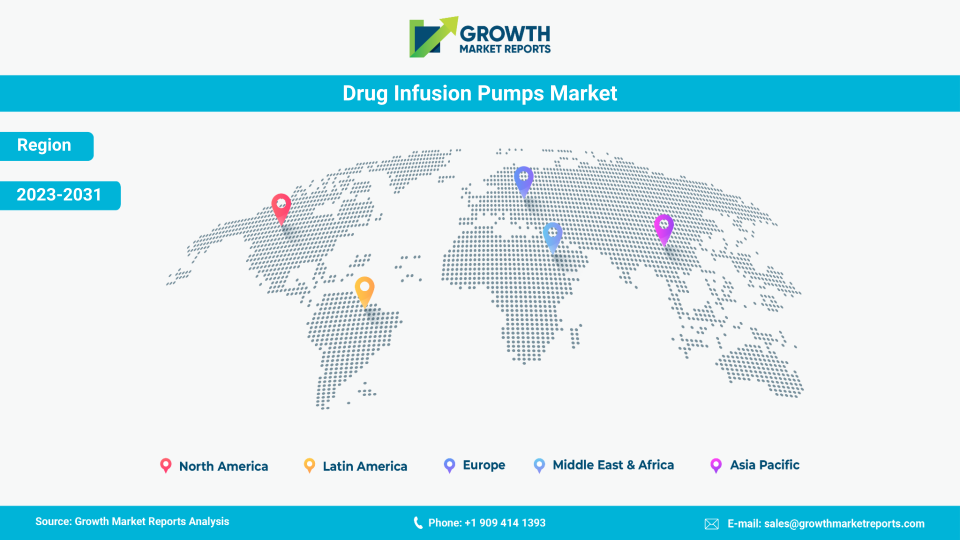
Regionally, North America continues to dominate the drug infusion pumps market, accounting for the largest share in 2024, followed by Europe and the Asia Pacific. The regionÂ’s leadership is attributed to the high prevalence of chronic diseases, well-established healthcare infrastructure, and rapid adoption of innovative medical devices. Meanwhile, the Asia Pacific market is witnessing the fastest growth, fueled by rising healthcare expenditure, increasing awareness about advanced drug delivery systems, and expanding access to healthcare services in emerging economies such as China and India. The market dynamics in Latin America and the Middle East & Africa are also evolving, with gradual improvements in healthcare infrastructure and growing investments in medical technology.

Global Drug Infusion Pumps Industry Outlook

Product Type Analysis

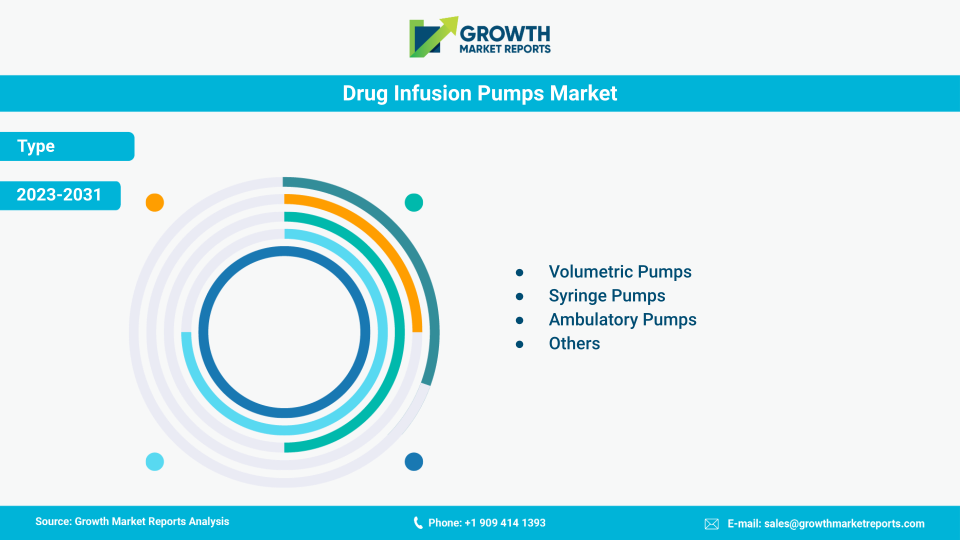
The product type segmentation in the drug infusion pumps market encompasses volumetric infusion pumps, syringe infusion pumps, ambulatory infusion pumps, insulin infusion pumps, enteral infusion pumps, and other specialized devices. Among these, volumetric infusion pumps have maintained a dominant position due to their widespread application in hospital settings for the administration of large volumes of fluids, medications, and blood products. Their ability to deliver precise and consistent flow rates makes them indispensable in critical care, surgery, and emergency departments. Technological enhancements, such as automated alarms, advanced programming capabilities, and integration with hospital information systems, have further strengthened the market position of volumetric infusion pumps.

Syringe infusion pumps are gaining traction, particularly in pediatric and neonatal care, where precise, low-volume drug delivery is essential. These devices are preferred for administering potent medications, anesthetics, and inotropic agents, where accuracy is paramount. Recent innovations in syringe pump technology, including programmable dosing, safety lock mechanisms, and compatibility with smart hospital systems, have expanded their utility across various clinical settings. The increasing focus on patient safety and the need for error reduction in medication administration are driving the adoption of syringe infusion pumps in both developed and emerging markets.

Syringe Pump technology has evolved significantly, offering precise control over medication delivery, which is crucial in various medical scenarios. These pumps are particularly valued in situations where small, accurate doses are required, such as in pediatric and neonatal care. The compact design and ease of use make syringe pumps ideal for both hospital and home care settings, where space and simplicity are critical. Recent innovations have introduced features like programmable dosing and enhanced safety mechanisms, which help minimize the risk of medication errors. As healthcare systems increasingly focus on patient safety and cost-effectiveness, the adoption of advanced syringe pumps is expected to grow, offering healthcare providers reliable tools for managing complex medication regimens.

Ambulatory infusion pumps represent a rapidly growing segment, propelled by the rising demand for outpatient and home-based therapies. These portable, lightweight devices enable patients to receive continuous drug infusion while maintaining mobility and independence. Ambulatory pumps are particularly valuable in the management of chronic conditions such as chemotherapy, pain management, and antibiotic therapy, where prolonged or intermittent infusions are required outside the hospital. The development of user-friendly, programmable, and battery-operated ambulatory pumps has significantly improved patient adherence and satisfaction, contributing to the segmentÂ’s robust growth.

Insulin infusion pumps have revolutionized diabetes management by offering precise, programmable insulin delivery tailored to individual patient needs. The increasing prevalence of diabetes worldwide, coupled with growing awareness about the benefits of continuous subcutaneous insulin infusion (CSII), is fueling the demand for insulin pumps. Modern devices are equipped with features such as continuous glucose monitoring (CGM) integration, wireless connectivity, and automated insulin delivery algorithms, which enhance glycemic control and reduce the risk of hypoglycemia. Enteral infusion pumps, designed for the delivery of liquid nutrition and medications directly into the gastrointestinal tract, are also witnessing steady growth, driven by the rising incidence of gastrointestinal disorders and the need for long-term nutritional support in critical care and home settings.

Report Scope

Attributes Details
Report Title Drug Infusion Pumps Market Research Report 2033
By Product Type Volumetric Infusion Pumps, Syringe Infusion Pumps, Ambulatory Infusion Pumps, Insulin Infusion Pumps, Enteral Infusion Pumps, Others
By Application Chemotherapy, Diabetes Management, Gastroenterology, Pain Management, Others
By End-User Hospitals, Home Care Settings, Ambulatory Surgical Centers, Others
Regions Covered North America, Europe, APAC, Latin America, MEA
Base Year 2024
Historic Data 2018-2023
Forecast Period 2025-2033
Number of Pages 300
Number of Tables & Figures 332
Customization Available Yes, the report can be customized as per your need.

Application Analysis

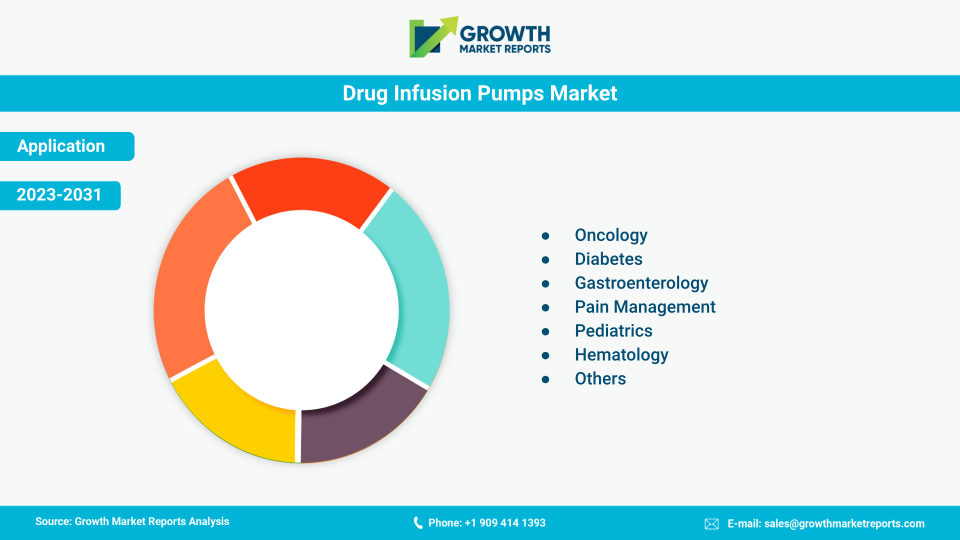
The application landscape of the drug infusion pumps market is diverse, encompassing chemotherapy, diabetes management, gastroenterology, pain management, and other therapeutic areas. Chemotherapy remains a major application segment, as infusion pumps are essential for the accurate and controlled administration of cytotoxic drugs in cancer treatment. The complexity of chemotherapy regimens and the need for precise dose delivery to minimize side effects and maximize therapeutic efficacy underscore the critical role of infusion pumps in oncology. The increasing global cancer burden and the shift towards ambulatory and home-based chemotherapy are expected to drive further growth in this segment.

Syringe Infusion Pumps are gaining prominence in the medical field due to their ability to deliver medications with high precision and control. These pumps are particularly useful in administering potent drugs that require exact dosages, such as anesthetics and inotropic agents. The integration of smart technology in syringe infusion pumps, including dose error reduction systems and real-time monitoring capabilities, enhances their safety profile and operational efficiency. As the healthcare industry continues to prioritize patient safety and quality care, the demand for syringe infusion pumps is likely to increase. These devices not only support critical care applications but also extend their utility to outpatient and home care settings, where accurate drug delivery is essential for optimal patient outcomes.

Diabetes management is another prominent application area, with insulin infusion pumps becoming the standard of care for patients requiring continuous and flexible insulin delivery. The rising prevalence of diabetes, particularly type 1 diabetes, and the growing adoption of advanced glucose monitoring technologies are boosting the demand for insulin pumps. These devices offer significant advantages over conventional insulin injections, including improved glycemic control, reduced risk of hypoglycemic events, and enhanced patient convenience. The integration of insulin pumps with mobile apps and cloud-based platforms for remote monitoring and management is further expanding their application scope.

Gastroenterology applications are witnessing increased adoption of enteral infusion pumps, particularly for patients with chronic digestive disorders, malnutrition, or those undergoing long-term enteral feeding. These pumps ensure precise and consistent delivery of nutritional solutions and medications, thereby improving patient outcomes and quality of life. The growing prevalence of gastrointestinal diseases, aging populations, and advancements in enteral feeding technologies are contributing to the expansion of this application segment. Pain management is another key area, with infusion pumps being used for the administration of analgesics, anesthetics, and nerve block agents in both acute and chronic pain scenarios.

In addition to the major application areas, drug infusion pumps are increasingly being utilized in other therapeutic domains such as neurology, cardiology, and infectious disease management. The versatility and adaptability of infusion pump technology enable their use in a wide range of clinical situations, from intensive care units to home-based palliative care. The ongoing development of specialized infusion protocols and the customization of pump features for specific therapeutic needs are expected to unlock new growth opportunities in emerging application areas.

End-User Analysis

The end-user segmentation of the drug infusion pumps market includes hospitals, home care settings, ambulatory surgical centers (ASCs), and other healthcare facilities. Hospitals remain the largest end-user segment, accounting for a substantial share of the market due to the high volume of surgical procedures, critical care admissions, and complex medication regimens requiring infusion therapy. The adoption of advanced infusion pump systems in hospitals is driven by the need for enhanced patient safety, workflow efficiency, and compliance with regulatory standards. Hospitals also benefit from the integration of infusion pumps with centralized monitoring and electronic health record systems, which streamline medication management and improve clinical outcomes.

Home care settings are emerging as a significant growth area in the drug infusion pumps market, fueled by the increasing trend towards outpatient care, cost containment, and patient preference for home-based therapies. The availability of portable, user-friendly infusion pumps has enabled patients with chronic conditions to receive continuous medication administration in the comfort of their homes. This trend is particularly pronounced in diabetes management, oncology, and palliative care, where long-term or intermittent infusion therapy is required. Home care providers are investing in training programs and support services to ensure safe and effective use of infusion pumps by patients and caregivers.

Ambulatory surgical centers (ASCs) are gaining prominence as end-users of drug infusion pumps, driven by the rising number of outpatient surgical procedures and the need for efficient perioperative pain management. ASCs benefit from the use of infusion pumps for administering anesthetics, analgesics, and intravenous fluids, which enhances patient safety and recovery outcomes. The adoption of compact, easy-to-use infusion pumps in ASCs is supported by the growing demand for minimally invasive surgeries and the shift towards value-based care models that emphasize efficiency and patient satisfaction.

Other end-users, including long-term care facilities, rehabilitation centers, and specialty clinics, are also contributing to the growth of the drug infusion pumps market. These facilities rely on infusion pumps for the management of chronic illnesses, post-acute care, and complex medication regimens. The increasing focus on personalized medicine and the development of customized infusion protocols for specific patient populations are driving the adoption of infusion pumps in diverse healthcare settings. The expansion of healthcare infrastructure and the growing emphasis on quality of care are expected to further stimulate demand across all end-user segments.

Opportunities & Threats

The drug infusion pumps market is poised for significant growth, with multiple opportunities emerging from ongoing technological innovation and expanding therapeutic applications. One of the most promising opportunities lies in the integration of infusion pumps with digital health platforms, including electronic health records, remote monitoring systems, and mobile applications. This integration facilitates real-time data sharing, enhances medication adherence, and supports personalized therapy management. The adoption of artificial intelligence and machine learning algorithms for predictive analytics and automated dosing adjustments is expected to further advance the capabilities of infusion pumps, reducing the risk of medication errors and improving patient outcomes. Additionally, the increasing focus on home-based care and the development of portable, user-friendly devices are opening new avenues for market expansion, particularly in emerging economies with growing healthcare needs.

Another significant opportunity is the rising demand for infusion pumps in the management of rare diseases and complex therapeutic regimens. As the pharmaceutical industry continues to develop novel biologics, gene therapies, and personalized medicines, the need for precise and controlled drug delivery systems is becoming increasingly critical. Infusion pumps are uniquely positioned to meet these requirements, enabling the administration of high-value, sensitive therapeutics with minimal risk of degradation or dosing errors. Furthermore, the growing emphasis on patient safety and regulatory compliance is driving the adoption of smart infusion pumps equipped with advanced safety features, such as dose error reduction systems and automated alarms, which can help healthcare providers meet stringent quality standards and improve clinical outcomes.

Despite the numerous opportunities, the drug infusion pumps market faces certain restraining factors, most notably concerns related to product recalls, device malfunctions, and cybersecurity risks. Infusion pump recalls due to software glitches, battery failures, or inaccurate dosing can have serious implications for patient safety and undermine healthcare provider confidence in these devices. Additionally, the increasing connectivity of smart infusion pumps introduces potential vulnerabilities to cyberattacks, which could compromise patient data and disrupt therapy delivery. Addressing these challenges requires ongoing investment in quality assurance, rigorous regulatory oversight, and the development of robust cybersecurity protocols to ensure the safety and reliability of infusion pump technology.

Regional Outlook

In 2024, North America led the drug infusion pumps market with a market size of USD 5.8 billion, supported by a well-established healthcare infrastructure, high prevalence of chronic diseases, and rapid adoption of advanced medical technologies. The United States, in particular, accounts for the largest share within the region, driven by strong investments in healthcare innovation, favorable reimbursement policies, and a growing focus on patient safety. The presence of leading market players and ongoing research and development activities further contribute to the regionÂ’s dominance. Canada also demonstrates steady growth, benefiting from increasing healthcare spending and government initiatives to enhance access to advanced drug delivery systems.

Europe holds the second-largest share in the drug infusion pumps market, with a market value of USD 4.1 billion in 2024. The regionÂ’s growth is propelled by rising incidence of chronic diseases, an aging population, and the implementation of stringent regulatory standards for medical devices. Key markets such as Germany, the United Kingdom, and France are at the forefront of adopting innovative infusion pump technologies, supported by strong healthcare systems and collaborative efforts between public and private stakeholders. The European market is also witnessing increased demand for home-based infusion therapies, driven by cost containment measures and the shift towards patient-centric care models.

The Asia Pacific region is experiencing the fastest growth in the drug infusion pumps market, with a projected CAGR of 9.1% during the forecast period. The market size in Asia Pacific reached USD 2.7 billion in 2024, and is expected to expand rapidly due to rising healthcare expenditure, increasing awareness about advanced drug delivery systems, and improvements in healthcare infrastructure. Emerging economies such as China, India, and South Korea are key contributors to this growth, driven by large patient populations, government initiatives to modernize healthcare services, and the entry of international market players. The growing adoption of home care and ambulatory infusion therapies is further accelerating market expansion in the region. Latin America and the Middle East & Africa, while accounting for smaller shares, are witnessing gradual growth as investments in healthcare infrastructure and access to medical technologies improve.

Drug Infusion Pumps Market Statistics

Competitor Outlook

The drug infusion pumps market is highly competitive, characterized by the presence of several global and regional players striving to innovate and expand their market share. The competitive landscape is shaped by ongoing product development, strategic partnerships, mergers and acquisitions, and a strong focus on R&D activities. Leading companies are investing in advanced technologies such as smart pumps, wireless connectivity, and integrated safety features to differentiate their offerings and address evolving healthcare needs. The emphasis on patient safety, regulatory compliance, and cost-effectiveness is driving continuous innovation and the introduction of next-generation infusion pump systems.

Market leaders are also focusing on expanding their geographic footprint, particularly in high-growth regions such as Asia Pacific and Latin America. Collaborations with local distributors, healthcare providers, and government agencies are enabling companies to enhance market penetration and address region-specific requirements. Additionally, the increasing trend towards home healthcare and personalized medicine is prompting manufacturers to develop portable, user-friendly infusion pumps tailored for outpatient and home-based use. The ability to offer comprehensive service and support, including training, maintenance, and remote monitoring solutions, is becoming a key differentiator in the competitive landscape.

The market is witnessing a surge in strategic alliances and partnerships aimed at leveraging complementary strengths and accelerating product development. Companies are collaborating with technology firms, research institutions, and healthcare organizations to integrate digital health solutions, improve device connectivity, and enhance data analytics capabilities. Mergers and acquisitions are also prevalent, as established players seek to strengthen their product portfolios, expand into new therapeutic areas, and gain access to emerging markets. These strategic moves are fostering a dynamic and innovative environment within the drug infusion pumps market.

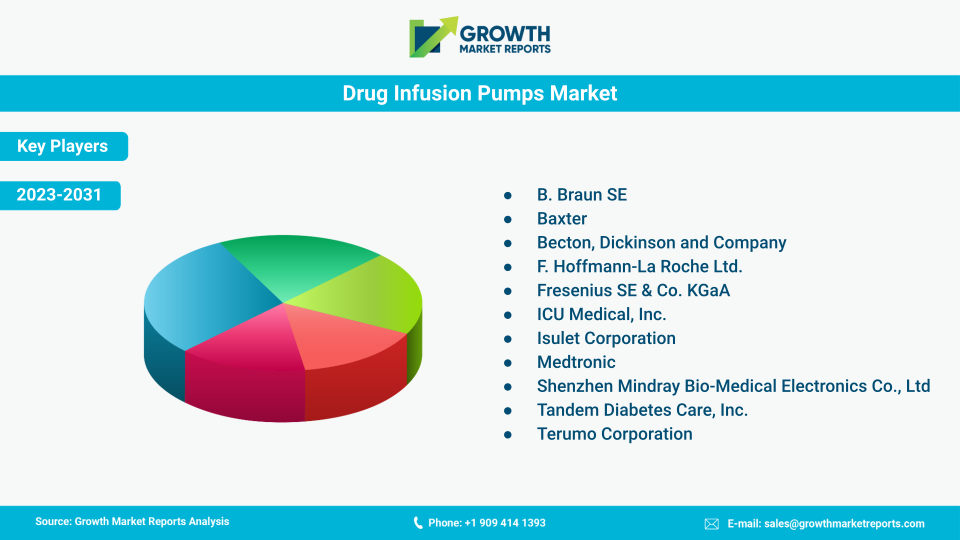
Some of the major companies operating in the drug infusion pumps market include Becton, Dickinson and Company (BD), Baxter International Inc., ICU Medical, Inc., B. Braun Melsungen AG, Smiths Medical, Fresenius Kabi AG, Terumo Corporation, Medtronic plc, Moog Inc., and Insulet Corporation. BD is recognized for its comprehensive range of infusion therapy solutions and strong focus on safety and innovation. Baxter International is a global leader in infusion systems, with a diverse product portfolio and a strong presence in both hospital and home care markets. ICU Medical is known for its advanced infusion therapy devices and commitment to improving patient outcomes through technology-driven solutions. B. Braun Melsungen AG and Smiths Medical are also prominent players, offering a wide array of infusion pump products and related services.

Fresenius Kabi AG specializes in infusion therapy and clinical nutrition, with a strong emphasis on product quality and patient safety. Terumo Corporation and Medtronic plc are expanding their market presence through continuous product innovation and strategic partnerships. Moog Inc. is recognized for its expertise in ambulatory infusion systems, while Insulet Corporation is a leading provider of wearable insulin pumps for diabetes management. These companies are actively investing in research and development, regulatory compliance, and customer support to maintain their competitive edge and capitalize on emerging market opportunities.

Key Players

  • Baxter International Inc.
  • B. Braun Melsungen AG
  • Fresenius Kabi AG
  • Medtronic plc
  • Smiths Medical (ICU Medical, Inc.)
  • Becton, Dickinson and Company (BD)
  • Terumo Corporation
  • Moog Inc.
  • Johnson & Johnson (Animas Corporation)
  • Nipro Corporation
  • Zyno Medical
  • Micrel Medical Devices SA
  • Mindray Medical International Limited
  • Hospira Inc. (Pfizer Inc.)
  • CareFusion Corporation (BD)
  • Roche Diagnostics
  • Smiths Group plc
  • Ypsomed Holding AG
  • Insulet Corporation
  • Tandem Diabetes Care, Inc.
Drug Infusion Pumps Market Overview

Segments

The Drug Infusion Pumps market has been segmented on the basis of

Product Type

  • Volumetric Infusion Pumps
  • Syringe Infusion Pumps
  • Ambulatory Infusion Pumps
  • Insulin Infusion Pumps
  • Enteral Infusion Pumps
  • Others

Application

  • Chemotherapy
  • Diabetes Management
  • Gastroenterology
  • Pain Management
  • Others

End-User

  • Hospitals
  • Home Care Settings
  • Ambulatory Surgical Centers
  • Others

Competitive Landscape

Key players competing in the global drug infusion pumps market are B. Braun SE; Baxter; Becton, Dickinson and Company; F. Hoffmann-La Roche Ltd.; Fresenius SE & Co. KGaA; ICU Medical, Inc.; Isulet Corporation; Medtronic; Shenzhen Mindray Bio-Medical Electronics Co., Ltd; Tandem Diabetes Care, Inc.; MicroPort Medical (Group) Co.Ltd.; and Terumo Corporation.

Some of these companies are adopting various strategies such as partnerships, mergers, reduction in production costs, launching new products, and implementing advanced technologies in existing products to cater to customers worldwide. For instance,

  • On March 22, 2022, MicroPort Medical, an international medical device supplier, received approval from the Chinese government for its newly developed AutoEx Chemotherapy Infusion Pump (AutoEx). This new pump is equipped with a dual CPU control system and power supply for better precision and control over infusion to improve patient safety.

Drug Infusion Pumps Market Key Players

Frequently Asked Questions

Yes, the report offers customization options to address specific client requirements, including tailored analysis by product type, application, region, or other parameters.

Major companies include Becton, Dickinson and Company (BD), Baxter International Inc., ICU Medical, B. Braun Melsungen AG, Smiths Medical, Fresenius Kabi AG, Terumo Corporation, Medtronic plc, Moog Inc., and Insulet Corporation.

Opportunities include integration with digital health platforms, AI-driven analytics, and expanding use in rare diseases and personalized medicine. Challenges involve product recalls, device malfunctions, and cybersecurity risks associated with connected devices.

Recent trends include the adoption of smart infusion pumps with dose error reduction systems (DERS), wireless connectivity, real-time monitoring, integration with electronic health records (EHRs), and the development of portable, battery-operated devices for home use.

North America leads the market, followed by Europe and Asia Pacific. North America benefits from a strong healthcare infrastructure and high adoption of advanced technologies, while Asia Pacific is the fastest-growing region due to rising healthcare expenditure and expanding access.

Primary end-users include hospitals, home care settings, ambulatory surgical centers (ASCs), and other healthcare facilities such as long-term care and specialty clinics. Hospitals currently account for the largest market share.

Drug infusion pumps are widely used in chemotherapy, diabetes management, gastroenterology, pain management, and other therapeutic areas such as neurology and cardiology. Chemotherapy and diabetes management are major application segments.

The market is segmented into volumetric infusion pumps, syringe infusion pumps, ambulatory infusion pumps, insulin infusion pumps, enteral infusion pumps, and others. Volumetric infusion pumps hold a dominant position, especially in hospital settings, while ambulatory and insulin pumps are rapidly growing segments.

Key growth drivers include the increasing incidence of chronic diseases (such as cancer and diabetes), technological innovations like smart pumps and wireless connectivity, and a shift towards ambulatory and home healthcare settings.

The global drug infusion pumps market reached USD 14.2 billion in 2024 and is projected to grow at a CAGR of 7.3%, reaching USD 26.8 billion by 2033, driven by rising chronic disease prevalence, technological advancements, and increasing demand for home-based care.

Table Of Content

Chapter 1 Executive Summary
Chapter 2 Assumptions and Acronyms Used
Chapter 3 Research Methodology
Chapter 4 Drug Infusion Pumps Market Overview
   4.1 Introduction
      4.1.1 Market Taxonomy
      4.1.2 Market Definition
      4.1.3 Macro-Economic Factors Impacting the Market Growth
   4.2 Drug Infusion Pumps Market Dynamics
      4.2.1 Market Drivers
      4.2.2 Market Restraints
      4.2.3 Market Opportunity
   4.3 Drug Infusion Pumps Market - Supply Chain Analysis
      4.3.1 List of Key Suppliers
      4.3.2 List of Key Distributors
      4.3.3 List of Key Consumers
   4.4 Key Forces Shaping the Drug Infusion Pumps Market
      4.4.1 Bargaining Power of Suppliers
      4.4.2 Bargaining Power of Buyers
      4.4.3 Threat of Substitution
      4.4.4 Threat of New Entrants
      4.4.5 Competitive Rivalry
   4.5 Global Drug Infusion Pumps Market Size & Forecast, 2023-2032
      4.5.1 Drug Infusion Pumps Market Size and Y-o-Y Growth
      4.5.2 Drug Infusion Pumps Market Absolute $ Opportunity

Chapter 5 Global Drug Infusion Pumps Market Analysis and Forecast By Product Type
   5.1 Introduction
      5.1.1 Key Market Trends & Growth Opportunities By Product Type
      5.1.2 Basis Point Share (BPS) Analysis By Product Type
      5.1.3 Absolute $ Opportunity Assessment By Product Type
   5.2 Drug Infusion Pumps Market Size Forecast By Product Type
      5.2.1 Volumetric Infusion Pumps
      5.2.2 Syringe Infusion Pumps
      5.2.3 Ambulatory Infusion Pumps
      5.2.4 Insulin Infusion Pumps
      5.2.5 Enteral Infusion Pumps
      5.2.6 Others
   5.3 Market Attractiveness Analysis By Product Type

Chapter 6 Global Drug Infusion Pumps Market Analysis and Forecast By Application
   6.1 Introduction
      6.1.1 Key Market Trends & Growth Opportunities By Application
      6.1.2 Basis Point Share (BPS) Analysis By Application
      6.1.3 Absolute $ Opportunity Assessment By Application
   6.2 Drug Infusion Pumps Market Size Forecast By Application
      6.2.1 Chemotherapy
      6.2.2 Diabetes Management
      6.2.3 Gastroenterology
      6.2.4 Pain Management
      6.2.5 Others
   6.3 Market Attractiveness Analysis By Application

Chapter 7 Global Drug Infusion Pumps Market Analysis and Forecast By End-User
   7.1 Introduction
      7.1.1 Key Market Trends & Growth Opportunities By End-User
      7.1.2 Basis Point Share (BPS) Analysis By End-User
      7.1.3 Absolute $ Opportunity Assessment By End-User
   7.2 Drug Infusion Pumps Market Size Forecast By End-User
      7.2.1 Hospitals
      7.2.2 Home Care Settings
      7.2.3 Ambulatory Surgical Centers
      7.2.4 Others
   7.3 Market Attractiveness Analysis By End-User

Chapter 8 Global Drug Infusion Pumps Market Analysis and Forecast by Region
   8.1 Introduction
      8.1.1 Key Market Trends & Growth Opportunities By Region
      8.1.2 Basis Point Share (BPS) Analysis By Region
      8.1.3 Absolute $ Opportunity Assessment By Region
   8.2 Drug Infusion Pumps Market Size Forecast By Region
      8.2.1 North America
      8.2.2 Europe
      8.2.3 Asia Pacific
      8.2.4 Latin America
      8.2.5 Middle East & Africa (MEA)
   8.3 Market Attractiveness Analysis By Region

Chapter 9 Coronavirus Disease (COVID-19) Impact 
   9.1 Introduction 
   9.2 Current & Future Impact Analysis 
   9.3 Economic Impact Analysis 
   9.4 Government Policies 
   9.5 Investment Scenario

Chapter 10 North America Drug Infusion Pumps Analysis and Forecast
   10.1 Introduction
   10.2 North America Drug Infusion Pumps Market Size Forecast by Country
      10.2.1 U.S.
      10.2.2 Canada
   10.3 Basis Point Share (BPS) Analysis by Country
   10.4 Absolute $ Opportunity Assessment by Country
   10.5 Market Attractiveness Analysis by Country
   10.6 North America Drug Infusion Pumps Market Size Forecast By Product Type
      10.6.1 Volumetric Infusion Pumps
      10.6.2 Syringe Infusion Pumps
      10.6.3 Ambulatory Infusion Pumps
      10.6.4 Insulin Infusion Pumps
      10.6.5 Enteral Infusion Pumps
      10.6.6 Others
   10.7 Basis Point Share (BPS) Analysis By Product Type 
   10.8 Absolute $ Opportunity Assessment By Product Type 
   10.9 Market Attractiveness Analysis By Product Type
   10.10 North America Drug Infusion Pumps Market Size Forecast By Application
      10.10.1 Chemotherapy
      10.10.2 Diabetes Management
      10.10.3 Gastroenterology
      10.10.4 Pain Management
      10.10.5 Others
   10.11 Basis Point Share (BPS) Analysis By Application 
   10.12 Absolute $ Opportunity Assessment By Application 
   10.13 Market Attractiveness Analysis By Application
   10.14 North America Drug Infusion Pumps Market Size Forecast By End-User
      10.14.1 Hospitals
      10.14.2 Home Care Settings
      10.14.3 Ambulatory Surgical Centers
      10.14.4 Others
   10.15 Basis Point Share (BPS) Analysis By End-User 
   10.16 Absolute $ Opportunity Assessment By End-User 
   10.17 Market Attractiveness Analysis By End-User

Chapter 11 Europe Drug Infusion Pumps Analysis and Forecast
   11.1 Introduction
   11.2 Europe Drug Infusion Pumps Market Size Forecast by Country
      11.2.1 Germany
      11.2.2 France
      11.2.3 Italy
      11.2.4 U.K.
      11.2.5 Spain
      11.2.6 Russia
      11.2.7 Rest of Europe
   11.3 Basis Point Share (BPS) Analysis by Country
   11.4 Absolute $ Opportunity Assessment by Country
   11.5 Market Attractiveness Analysis by Country
   11.6 Europe Drug Infusion Pumps Market Size Forecast By Product Type
      11.6.1 Volumetric Infusion Pumps
      11.6.2 Syringe Infusion Pumps
      11.6.3 Ambulatory Infusion Pumps
      11.6.4 Insulin Infusion Pumps
      11.6.5 Enteral Infusion Pumps
      11.6.6 Others
   11.7 Basis Point Share (BPS) Analysis By Product Type 
   11.8 Absolute $ Opportunity Assessment By Product Type 
   11.9 Market Attractiveness Analysis By Product Type
   11.10 Europe Drug Infusion Pumps Market Size Forecast By Application
      11.10.1 Chemotherapy
      11.10.2 Diabetes Management
      11.10.3 Gastroenterology
      11.10.4 Pain Management
      11.10.5 Others
   11.11 Basis Point Share (BPS) Analysis By Application 
   11.12 Absolute $ Opportunity Assessment By Application 
   11.13 Market Attractiveness Analysis By Application
   11.14 Europe Drug Infusion Pumps Market Size Forecast By End-User
      11.14.1 Hospitals
      11.14.2 Home Care Settings
      11.14.3 Ambulatory Surgical Centers
      11.14.4 Others
   11.15 Basis Point Share (BPS) Analysis By End-User 
   11.16 Absolute $ Opportunity Assessment By End-User 
   11.17 Market Attractiveness Analysis By End-User

Chapter 12 Asia Pacific Drug Infusion Pumps Analysis and Forecast
   12.1 Introduction
   12.2 Asia Pacific Drug Infusion Pumps Market Size Forecast by Country
      12.2.1 China
      12.2.2 Japan
      12.2.3 South Korea
      12.2.4 India
      12.2.5 Australia
      12.2.6 South East Asia (SEA)
      12.2.7 Rest of Asia Pacific (APAC)
   12.3 Basis Point Share (BPS) Analysis by Country
   12.4 Absolute $ Opportunity Assessment by Country
   12.5 Market Attractiveness Analysis by Country
   12.6 Asia Pacific Drug Infusion Pumps Market Size Forecast By Product Type
      12.6.1 Volumetric Infusion Pumps
      12.6.2 Syringe Infusion Pumps
      12.6.3 Ambulatory Infusion Pumps
      12.6.4 Insulin Infusion Pumps
      12.6.5 Enteral Infusion Pumps
      12.6.6 Others
   12.7 Basis Point Share (BPS) Analysis By Product Type 
   12.8 Absolute $ Opportunity Assessment By Product Type 
   12.9 Market Attractiveness Analysis By Product Type
   12.10 Asia Pacific Drug Infusion Pumps Market Size Forecast By Application
      12.10.1 Chemotherapy
      12.10.2 Diabetes Management
      12.10.3 Gastroenterology
      12.10.4 Pain Management
      12.10.5 Others
   12.11 Basis Point Share (BPS) Analysis By Application 
   12.12 Absolute $ Opportunity Assessment By Application 
   12.13 Market Attractiveness Analysis By Application
   12.14 Asia Pacific Drug Infusion Pumps Market Size Forecast By End-User
      12.14.1 Hospitals
      12.14.2 Home Care Settings
      12.14.3 Ambulatory Surgical Centers
      12.14.4 Others
   12.15 Basis Point Share (BPS) Analysis By End-User 
   12.16 Absolute $ Opportunity Assessment By End-User 
   12.17 Market Attractiveness Analysis By End-User

Chapter 13 Latin America Drug Infusion Pumps Analysis and Forecast
   13.1 Introduction
   13.2 Latin America Drug Infusion Pumps Market Size Forecast by Country
      13.2.1 Brazil
      13.2.2 Mexico
      13.2.3 Rest of Latin America (LATAM)
   13.3 Basis Point Share (BPS) Analysis by Country
   13.4 Absolute $ Opportunity Assessment by Country
   13.5 Market Attractiveness Analysis by Country
   13.6 Latin America Drug Infusion Pumps Market Size Forecast By Product Type
      13.6.1 Volumetric Infusion Pumps
      13.6.2 Syringe Infusion Pumps
      13.6.3 Ambulatory Infusion Pumps
      13.6.4 Insulin Infusion Pumps
      13.6.5 Enteral Infusion Pumps
      13.6.6 Others
   13.7 Basis Point Share (BPS) Analysis By Product Type 
   13.8 Absolute $ Opportunity Assessment By Product Type 
   13.9 Market Attractiveness Analysis By Product Type
   13.10 Latin America Drug Infusion Pumps Market Size Forecast By Application
      13.10.1 Chemotherapy
      13.10.2 Diabetes Management
      13.10.3 Gastroenterology
      13.10.4 Pain Management
      13.10.5 Others
   13.11 Basis Point Share (BPS) Analysis By Application 
   13.12 Absolute $ Opportunity Assessment By Application 
   13.13 Market Attractiveness Analysis By Application
   13.14 Latin America Drug Infusion Pumps Market Size Forecast By End-User
      13.14.1 Hospitals
      13.14.2 Home Care Settings
      13.14.3 Ambulatory Surgical Centers
      13.14.4 Others
   13.15 Basis Point Share (BPS) Analysis By End-User 
   13.16 Absolute $ Opportunity Assessment By End-User 
   13.17 Market Attractiveness Analysis By End-User

Chapter 14 Middle East & Africa (MEA) Drug Infusion Pumps Analysis and Forecast
   14.1 Introduction
   14.2 Middle East & Africa (MEA) Drug Infusion Pumps Market Size Forecast by Country
      14.2.1 Saudi Arabia
      14.2.2 South Africa
      14.2.3 UAE
      14.2.4 Rest of Middle East & Africa (MEA)
   14.3 Basis Point Share (BPS) Analysis by Country
   14.4 Absolute $ Opportunity Assessment by Country
   14.5 Market Attractiveness Analysis by Country
   14.6 Middle East & Africa (MEA) Drug Infusion Pumps Market Size Forecast By Product Type
      14.6.1 Volumetric Infusion Pumps
      14.6.2 Syringe Infusion Pumps
      14.6.3 Ambulatory Infusion Pumps
      14.6.4 Insulin Infusion Pumps
      14.6.5 Enteral Infusion Pumps
      14.6.6 Others
   14.7 Basis Point Share (BPS) Analysis By Product Type 
   14.8 Absolute $ Opportunity Assessment By Product Type 
   14.9 Market Attractiveness Analysis By Product Type
   14.10 Middle East & Africa (MEA) Drug Infusion Pumps Market Size Forecast By Application
      14.10.1 Chemotherapy
      14.10.2 Diabetes Management
      14.10.3 Gastroenterology
      14.10.4 Pain Management
      14.10.5 Others
   14.11 Basis Point Share (BPS) Analysis By Application 
   14.12 Absolute $ Opportunity Assessment By Application 
   14.13 Market Attractiveness Analysis By Application
   14.14 Middle East & Africa (MEA) Drug Infusion Pumps Market Size Forecast By End-User
      14.14.1 Hospitals
      14.14.2 Home Care Settings
      14.14.3 Ambulatory Surgical Centers
      14.14.4 Others
   14.15 Basis Point Share (BPS) Analysis By End-User 
   14.16 Absolute $ Opportunity Assessment By End-User 
   14.17 Market Attractiveness Analysis By End-User

Chapter 15 Competition Landscape 
   15.1 Drug Infusion Pumps Market: Competitive Dashboard
   15.2 Global Drug Infusion Pumps Market: Market Share Analysis, 2023
   15.3 Company Profiles (Details – Overview, Financials, Developments, Strategy) 
      15.3.1 Baxter International Inc.
B. Braun Melsungen AG
Fresenius Kabi AG
Medtronic plc
Smiths Medical (ICU Medical, Inc.)
Becton, Dickinson and Company (BD)
Terumo Corporation
Moog Inc.
Johnson & Johnson (Animas Corporation)
Nipro Corporation
Zyno Medical
Micrel Medical Devices SA
Mindray Medical International Limited
Hospira Inc. (Pfizer Inc.)
CareFusion Corporation (BD)
Roche Diagnostics
Smiths Group plc
Ypsomed Holding AG
Insulet Corporation
Tandem Diabetes Care, Inc.

Methodology

Our Clients

Nestle SA
Pfizer
Deloitte
Honda Motor Co. Ltd.
General Electric
Siemens Healthcare
Dassault Aviation
Microsoft