Segments - by Product Type (Reusable Laryngeal Mask Airway, Disposable Laryngeal Mask Airway), by Material (Silicone, PVC, Others), by Patient Age (Adult, Pediatric, Neonatal), by Application (Surgery, Emergency Medicine, Others), by End-User (Hospitals, Ambulatory Surgical Centers, Clinics, Others)
According to the latest research conducted in 2025, the global laryngeal mask airway market size is valued at USD 1.32 billion in 2024, reflecting robust demand for advanced airway management solutions. The market is anticipated to grow at a CAGR of 6.1% from 2025 to 2033, reaching an estimated USD 2.25 billion by 2033. This growth is primarily driven by the rising prevalence of respiratory diseases, increasing surgical procedures, and technological advancements in airway management devices. As per our latest research, the market’s expansion is further fueled by the shift towards minimally invasive procedures and the growing adoption of disposable laryngeal mask airways to reduce infection risks.
One of the principal growth factors for the laryngeal mask airway market is the significant increase in the number of surgical procedures worldwide. The growing geriatric population, who are more susceptible to chronic respiratory illnesses and require frequent surgeries, has led to an upsurge in the use of laryngeal mask airways. Additionally, the ongoing COVID-19 pandemic has heightened awareness regarding airway management, prompting healthcare facilities to adopt more efficient and safer airway devices. The ease of use, reduced trauma compared to endotracheal tubes, and shorter recovery times associated with laryngeal mask airways have made them a preferred choice among anesthesiologists and emergency care providers, thereby propelling market growth.
Technological advancements and innovation in materials have also played a pivotal role in the expansion of the laryngeal mask airway market. The introduction of silicone-based and other biocompatible materials has improved patient comfort and device durability. Furthermore, the development of disposable laryngeal mask airways has addressed concerns regarding cross-contamination and hospital-acquired infections, which is a critical consideration in modern healthcare settings. The integration of features such as cuff pressure indicators and improved sealing mechanisms has enhanced the safety and efficacy of these devices, further driving their adoption across various healthcare environments.
Another significant growth driver is the increasing demand for laryngeal mask airways in emergency medicine and pre-hospital settings. The ability to rapidly secure the airway in critical situations, such as trauma or cardiac arrest, makes these devices indispensable for emergency medical services. The rising number of ambulatory surgical centers and outpatient procedures, where quick and effective airway management is essential, has also contributed to the growing usage of laryngeal mask airways. Moreover, the expansion of healthcare infrastructure in emerging economies and increased healthcare spending are expected to create new opportunities for market players in the coming years.
From a regional perspective, North America currently dominates the laryngeal mask airway market, owing to its well-established healthcare infrastructure, high adoption rate of advanced medical devices, and significant investment in healthcare technology. Europe follows closely, with strong demand driven by supportive government initiatives and a growing aging population. The Asia Pacific region is projected to witness the fastest growth during the forecast period, fueled by rapid urbanization, increasing healthcare awareness, and rising investments in healthcare infrastructure. Emerging economies in Latin America and the Middle East & Africa are also expected to contribute to market growth, albeit at a comparatively moderate pace, as they continue to develop their healthcare systems and address unmet medical needs.
The laryngeal mask airway market is segmented by product type into reusable and disposable laryngeal mask airways, each catering to distinct clinical requirements and operational preferences. Reusable laryngeal mask airways have traditionally held a significant share of the market due to their cost-effectiveness and durability. These devices are designed for multiple uses following strict sterilization protocols, making them particularly attractive for high-volume hospitals and surgical centers aiming to optimize operational costs. However, concerns regarding proper sterilization and the risk of cross-contamination have prompted healthcare facilities to reassess the use of reusable devices, especially in the wake of heightened infection control standards post-pandemic.
Disposable laryngeal mask airways have witnessed a surge in demand, primarily due to their single-use design, which effectively eliminates the risk of cross-infection and streamlines workflow efficiency. These devices are increasingly preferred in outpatient settings, emergency medicine, and situations where rapid turnover and patient safety are paramount. The convenience and safety offered by disposable products have led to their widespread adoption, particularly in developed markets with stringent regulatory standards. As healthcare providers continue to prioritize infection control and operational efficiency, the disposable segment is anticipated to outpace reusable devices in terms of growth rate over the forecast period.
The shift in preference towards disposable laryngeal mask airways is also influenced by evolving reimbursement policies and procurement strategies among healthcare providers. Many institutions are adopting value-based procurement models that factor in the total cost of ownership, including the costs associated with cleaning, sterilizing, and maintaining reusable devices. In this context, disposable devices offer a compelling value proposition by reducing labor and resource requirements while ensuring consistent performance and compliance with infection control guidelines. This trend is expected to intensify, particularly in regions with advanced healthcare systems and rigorous regulatory oversight.
Despite the growing popularity of disposable devices, reusable laryngeal mask airways continue to play a critical role in resource-constrained settings and regions with limited access to disposable products. The ability to reuse these devices multiple times can significantly reduce per-procedure costs, making them an attractive option for hospitals and clinics operating within tight budget constraints. Manufacturers are also focusing on improving the durability and ease of sterilization of reusable devices to address ongoing concerns related to infection control. As a result, both segments are expected to coexist, catering to the diverse needs of healthcare providers across different regions and care settings.
| Attributes | Details |
| Report Title | Laryngeal Mask Airway Market Research Report 2033 |
| By Product Type | Reusable Laryngeal Mask Airway, Disposable Laryngeal Mask Airway |
| By Material | Silicone, PVC, Others |
| By Patient Age | Adult, Pediatric, Neonatal |
| By Application | Surgery, Emergency Medicine, Others |
| By End-User | Hospitals, Ambulatory Surgical Centers, Clinics, Others |
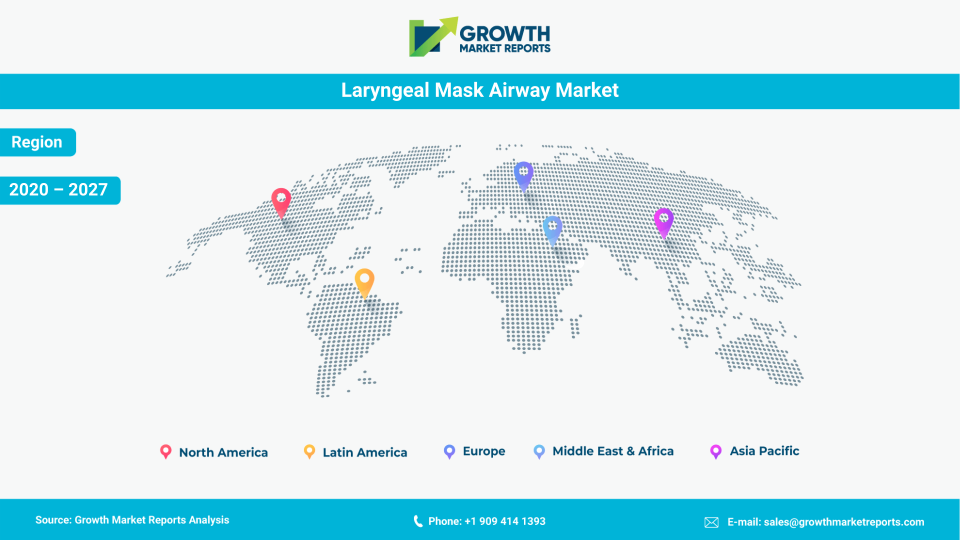
| Regions Covered | North America, Europe, APAC, Latin America, MEA |
| Base Year | 2024 |
| Historic Data | 2018-2023 |
| Forecast Period | 2025-2033 |
| Number of Pages | 270 |
| Number of Tables & Figures | 376 |
| Customization Available | Yes, the report can be customized as per your need. |
Material selection is a crucial determinant of performance, safety, and patient comfort in the laryngeal mask airway market. Silicone-based laryngeal mask airways are widely regarded as the gold standard due to their superior biocompatibility, flexibility, and ability to conform to the patient’s anatomy. Silicone offers excellent resistance to temperature fluctuations and repeated sterilization cycles, making it ideal for reusable devices. The soft, atraumatic nature of silicone minimizes the risk of mucosal injury and enhances patient comfort during insertion and use. As a result, silicone laryngeal mask airways are extensively used in both elective and emergency surgical procedures, particularly in high-acuity settings.
Polyvinyl chloride (PVC) is another commonly used material in the manufacturing of laryngeal mask airways, particularly for disposable devices. PVC offers a cost-effective alternative to silicone while maintaining adequate performance and safety standards. The material is easy to mold and allows for the production of single-use devices at scale, making it well-suited for high-volume applications and settings where infection control is a top priority. However, PVC is generally less flexible than silicone and may be associated with a higher risk of patient discomfort or mucosal trauma, especially during prolonged use or in patients with challenging airway anatomy.
The market also features laryngeal mask airways made from other materials, including latex-free and hybrid polymers, designed to address specific clinical requirements or patient sensitivities. These alternative materials offer varying degrees of flexibility, biocompatibility, and cost-effectiveness, enabling manufacturers to cater to a broader range of customer preferences. Innovations in material science continue to drive product development, with a focus on enhancing patient safety, reducing allergic reactions, and improving overall device performance. As healthcare providers and regulatory authorities place greater emphasis on patient outcomes and safety, the demand for advanced materials is expected to rise steadily.
The choice of material not only impacts the clinical performance of laryngeal mask airways but also influences procurement decisions and total cost of ownership for healthcare providers. While silicone devices are preferred for their durability and patient comfort, PVC and other materials offer a viable solution for single-use applications where cost and infection control are primary considerations. The ongoing shift towards disposable devices is expected to drive increased demand for PVC-based products, particularly in developed markets with stringent regulatory standards. Meanwhile, the continued use of silicone devices in reusable applications will ensure sustained demand for high-quality, biocompatible materials across the market.
The laryngeal mask airway market is segmented by patient age into adult, pediatric, and neonatal categories, each presenting unique clinical challenges and opportunities. Adult laryngeal mask airways constitute the largest segment, driven by the high volume of surgical procedures and emergency interventions performed in this population. Adults often require airway management in a wide range of clinical scenarios, including elective surgeries, trauma cases, and critical care settings. The availability of various sizes and configurations of laryngeal mask airways for adults ensures optimal fit and performance, contributing to their widespread adoption in hospitals and surgical centers worldwide.
Pediatric laryngeal mask airways represent a significant and growing segment of the market, fueled by the increasing prevalence of pediatric surgeries and the need for specialized airway management in children. Pediatric patients present unique anatomical and physiological challenges that necessitate the use of appropriately sized and designed devices. Manufacturers have responded by developing a range of pediatric-specific laryngeal mask airways with features such as softer cuffs, reduced insertion force, and enhanced sealing capabilities. The growing focus on pediatric patient safety and outcomes has led to increased adoption of these devices in both elective and emergency settings.
The neonatal segment, while comparatively smaller in volume, is critically important due to the heightened vulnerability of newborns and infants requiring airway support. Neonatal laryngeal mask airways are designed to accommodate the delicate anatomy of preterm and term infants, minimizing the risk of trauma and ensuring effective ventilation. The use of laryngeal mask airways in neonatal resuscitation and intensive care settings has gained traction as clinicians seek less invasive alternatives to traditional endotracheal intubation. Advances in device design and materials have further improved safety and efficacy in this sensitive patient population.
The segmentation by patient age underscores the importance of tailored solutions in airway management. As healthcare providers increasingly recognize the value of patient-specific devices, manufacturers are investing in research and development to expand their product portfolios across all age groups. The continued emphasis on pediatric and neonatal patient safety, combined with the rising number of adult surgical procedures, is expected to drive sustained growth across all age segments of the laryngeal mask airway market. This trend is likely to be further supported by ongoing education and training initiatives aimed at improving airway management practices in diverse clinical settings.
The application landscape of the laryngeal mask airway market is broad, encompassing surgery, emergency medicine, and other specialized uses. Surgical procedures constitute the largest application segment, accounting for a significant share of global demand. Laryngeal mask airways are widely used in general anesthesia, providing a secure and less invasive alternative to endotracheal intubation. Their ease of insertion, reduced risk of airway trauma, and ability to maintain adequate ventilation during various surgical interventions have made them a staple in operating rooms worldwide. The growing volume of elective and minimally invasive surgeries is expected to further boost demand for these devices in the coming years.
Emergency medicine represents a rapidly growing application area for laryngeal mask airways, driven by the need for quick and effective airway management in critical situations. These devices are particularly valuable in pre-hospital and emergency department settings, where rapid airway access can be lifesaving. The simplicity and reliability of laryngeal mask airways make them an essential tool for paramedics, emergency physicians, and critical care teams. The increasing incidence of trauma, cardiac arrest, and respiratory emergencies has heightened the importance of efficient airway management solutions, fueling demand in this segment.
In addition to surgery and emergency medicine, laryngeal mask airways are used in a variety of other applications, including intensive care, dental procedures, and outpatient interventions. Their versatility and adaptability to different clinical scenarios have contributed to their growing acceptance across multiple specialties. The use of laryngeal mask airways in non-operating room anesthesia and ambulatory care settings is on the rise, as healthcare providers seek to optimize patient safety and procedural efficiency. This trend is expected to continue as new indications and use cases for laryngeal mask airways are identified and validated through clinical research.
The diverse application profile of laryngeal mask airways underscores their importance as a fundamental component of modern airway management. As surgical volumes increase and emergency care capabilities expand globally, the demand for reliable and easy-to-use airway devices is expected to remain strong. Manufacturers are responding by developing application-specific products with enhanced features, such as improved sealing, integrated monitoring capabilities, and compatibility with advanced ventilation systems. These innovations are likely to further expand the utility and adoption of laryngeal mask airways across a wide range of clinical environments.
Hospitals are the primary end-users of laryngeal mask airways, accounting for the largest share of global market revenue. The high volume of surgical procedures, emergency interventions, and critical care cases managed in hospital settings drives consistent demand for advanced airway management devices. Hospitals benefit from the availability of both reusable and disposable laryngeal mask airways, enabling them to tailor procurement and usage strategies to their specific operational needs. The emphasis on patient safety, infection control, and regulatory compliance in hospital environments further supports the adoption of high-quality laryngeal mask airways.
Ambulatory surgical centers (ASCs) represent a rapidly growing end-user segment, reflecting the broader shift towards outpatient and minimally invasive procedures. ASCs prioritize efficiency, rapid patient turnover, and cost-effectiveness, making disposable laryngeal mask airways particularly attractive in these settings. The convenience of single-use devices aligns well with the operational requirements of ASCs, where infection control and workflow optimization are critical considerations. As the number of ambulatory procedures continues to rise globally, ASCs are expected to play an increasingly important role in driving market growth.
Clinics and specialty care centers also contribute to the demand for laryngeal mask airways, particularly in regions with expanding healthcare infrastructure and increasing access to surgical and emergency care services. These facilities often serve as the first point of contact for patients requiring airway management, necessitating the availability of reliable and easy-to-use devices. The adoption of laryngeal mask airways in clinics is supported by ongoing training and education initiatives aimed at improving airway management skills among healthcare professionals. As healthcare delivery models evolve to emphasize decentralized and community-based care, clinics are likely to become an increasingly important end-user segment.
Other end-users, including emergency medical services, dental practices, and military healthcare providers, also utilize laryngeal mask airways in specialized applications. The versatility and portability of these devices make them well-suited for use in diverse and challenging environments. Manufacturers are responding to the needs of these end-users by developing compact, lightweight, and easy-to-deploy laryngeal mask airways that can be used effectively in the field. This trend is expected to support continued market expansion, particularly in regions with growing demand for pre-hospital and emergency care services.
The laryngeal mask airway market presents numerous opportunities for growth, particularly through technological innovation and product differentiation. The ongoing development of advanced materials, such as biocompatible polymers and silicone blends, offers the potential to enhance patient safety, comfort, and device performance. Manufacturers are also exploring the integration of smart features, such as cuff pressure sensors and real-time monitoring capabilities, to improve clinical outcomes and streamline workflow efficiency. The expansion of telemedicine and remote healthcare delivery models presents additional opportunities for market players to develop portable and user-friendly laryngeal mask airways that can be deployed in home care and telehealth settings. Furthermore, increasing investments in healthcare infrastructure and rising awareness of airway management best practices in emerging markets are expected to create new avenues for market expansion.
Another significant opportunity lies in the growing emphasis on infection control and patient safety, which is driving the adoption of disposable laryngeal mask airways. As healthcare providers seek to minimize the risk of hospital-acquired infections and comply with stringent regulatory standards, the demand for single-use devices is expected to rise. This trend is particularly pronounced in developed markets, where regulatory agencies and accreditation bodies are placing greater emphasis on infection prevention and control. Market players can capitalize on this opportunity by offering a comprehensive portfolio of disposable products tailored to the needs of different healthcare settings and patient populations. Additionally, strategic partnerships with healthcare providers, distributors, and government agencies can help manufacturers expand their market reach and accelerate product adoption.
Despite these opportunities, the laryngeal mask airway market faces several restraining factors that could impact growth. One of the primary challenges is the high cost associated with advanced airway management devices, particularly in resource-constrained settings. The upfront investment required for disposable laryngeal mask airways and the recurring costs associated with single-use products can be prohibitive for healthcare providers operating on limited budgets. Additionally, the lack of standardized training and awareness regarding the proper use of laryngeal mask airways in certain regions may hinder market penetration. Manufacturers must address these challenges by offering cost-effective solutions, investing in education and training initiatives, and collaborating with stakeholders to improve access to airway management devices in underserved markets.
Regional analysis of the laryngeal mask airway market highlights distinct trends and growth patterns across key geographies. North America leads the global market, accounting for approximately USD 480 million of total revenues in 2024. This dominance is attributed to the region’s advanced healthcare infrastructure, high adoption rate of innovative medical devices, and significant investment in research and development. The United States, in particular, is a major contributor to regional growth, driven by a large volume of surgical procedures, strong presence of leading market players, and robust regulatory standards that promote patient safety and device efficacy. The region’s focus on infection control and value-based healthcare delivery further supports the adoption of disposable and advanced laryngeal mask airways.
Europe is the second-largest market, with a valuation of around USD 350 million in 2024. The region benefits from a well-established healthcare system, supportive government policies, and a growing aging population that drives demand for surgical and emergency interventions. Countries such as Germany, the United Kingdom, and France are key markets within the region, characterized by high healthcare expenditure and strong emphasis on quality of care. The European market is expected to grow at a steady CAGR of 5.8% over the forecast period, supported by ongoing investments in healthcare infrastructure and increasing adoption of minimally invasive airway management solutions.
The Asia Pacific region is poised for the fastest growth, with a market size of approximately USD 280 million in 2024 and a projected CAGR of 7.3% from 2025 to 2033. Rapid urbanization, rising healthcare awareness, and expanding access to surgical and emergency care services are key drivers of growth in this region. China, India, and Japan are leading contributors, supported by large patient populations and increasing healthcare investments. The region also presents significant opportunities for market expansion in emerging economies, where improving healthcare infrastructure and rising disposable incomes are driving demand for advanced medical devices. Latin America and the Middle East & Africa collectively account for the remaining market share, with a combined value of approximately USD 210 million in 2024. These regions are expected to experience moderate growth as they continue to address unmet medical needs and strengthen their healthcare systems.
The competitive landscape of the laryngeal mask airway market is characterized by the presence of several established players, as well as a growing number of new entrants seeking to capitalize on emerging opportunities. Leading companies compete on the basis of product innovation, quality, pricing, and global distribution networks. The market is moderately consolidated, with a handful of key players accounting for a significant share of total revenues. These companies leverage their extensive R&D capabilities, strong brand recognition, and strategic partnerships to maintain a competitive edge and expand their market presence. At the same time, regional and local manufacturers are gaining traction by offering cost-effective solutions tailored to the specific needs of their target markets.
Innovation remains a critical differentiator in the laryngeal mask airway market, with companies investing heavily in the development of advanced materials, ergonomic designs, and integrated safety features. The introduction of single-use, disposable laryngeal mask airways has been a major driver of market growth, enabling manufacturers to address infection control concerns and comply with evolving regulatory standards. Additionally, companies are focusing on expanding their product portfolios to include a wide range of sizes and configurations suitable for different patient populations and clinical applications. Strategic collaborations with healthcare providers, research institutions, and government agencies are also playing an increasingly important role in driving product adoption and market expansion.
The market is witnessing increased competition from emerging players, particularly in the Asia Pacific and Latin America regions. These companies are leveraging their understanding of local market dynamics and regulatory requirements to develop cost-effective and innovative solutions. The entry of new players is intensifying price competition and driving greater product differentiation, ultimately benefiting end-users by expanding the range of available options. However, established players continue to dominate the premium segment of the market, supported by their strong reputations for quality, reliability, and clinical efficacy.
Some of the major companies operating in the global laryngeal mask airway market include Teleflex Incorporated, Medtronic plc, Ambu A/S, Intersurgical Ltd, Smiths Medical, and Vyaire Medical, Inc. Teleflex is recognized for its extensive portfolio of laryngeal mask airways, including both reusable and disposable options, and its commitment to product innovation and safety. Medtronic, a global leader in medical technology, offers a range of advanced airway management solutions designed to enhance patient outcomes and procedural efficiency. Ambu A/S is renowned for its focus on single-use devices and continuous investment in research and development. Intersurgical and Smiths Medical are also prominent players, known for their high-quality products and strong distribution networks. Vyaire Medical, Inc. specializes in respiratory care and airway management, offering a comprehensive range of laryngeal mask airways for diverse clinical applications.
These leading companies are actively pursuing strategies such as mergers and acquisitions, product launches, and geographic expansion to strengthen their market positions. For example, Teleflex has made significant investments in expanding its manufacturing capabilities and enhancing its global distribution network. Medtronic continues to innovate through the development of next-generation airway management devices and strategic collaborations with healthcare providers. Ambu A/S has focused on expanding its presence in emerging markets and launching new products tailored to local needs. Intersurgical and Smiths Medical are investing in research and development to enhance product performance and address evolving clinical requirements. Collectively, these efforts are shaping the competitive landscape of the laryngeal mask airway market and driving ongoing growth and innovation.
The Laryngeal Mask Airway market has been segmented on the basis of
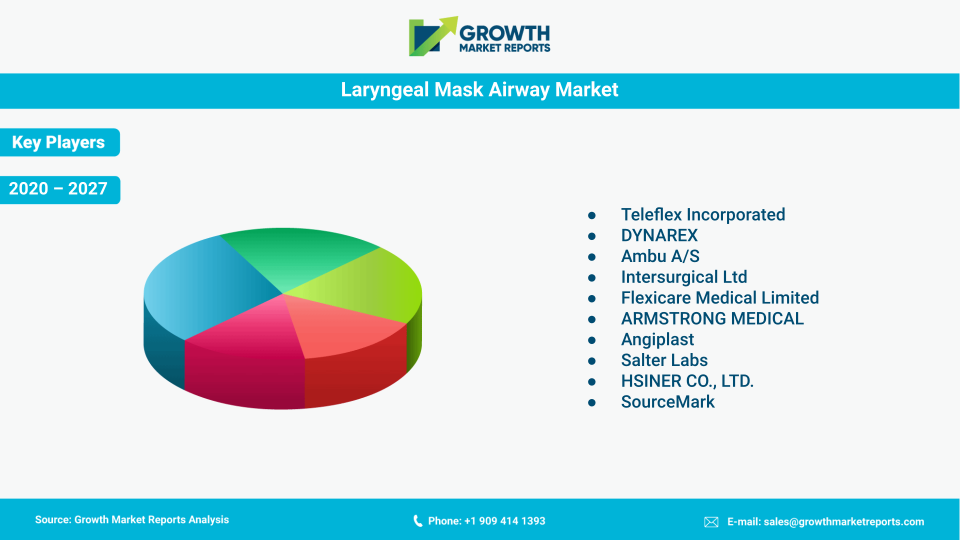
Top players in the market include Teleflex Incorporated, Ambu A/S, DYNAREX, Intersurgical Ltd, Flexicare Medical Limited. These companies are considered as key manufacturers of laryngeal mask airway based on their revenue, research development (R&D) activities, product offerings, regional presence, and supply chain management system.
The players are adopting key strategies such as product development, acquisition, collaborations, and geographical expansion where potential opportunity for the laryngeal mask airway market.
Additional company profiles can be provided on request.
Yes, the report includes the list of laryngeal mask airway distributors in the final report.
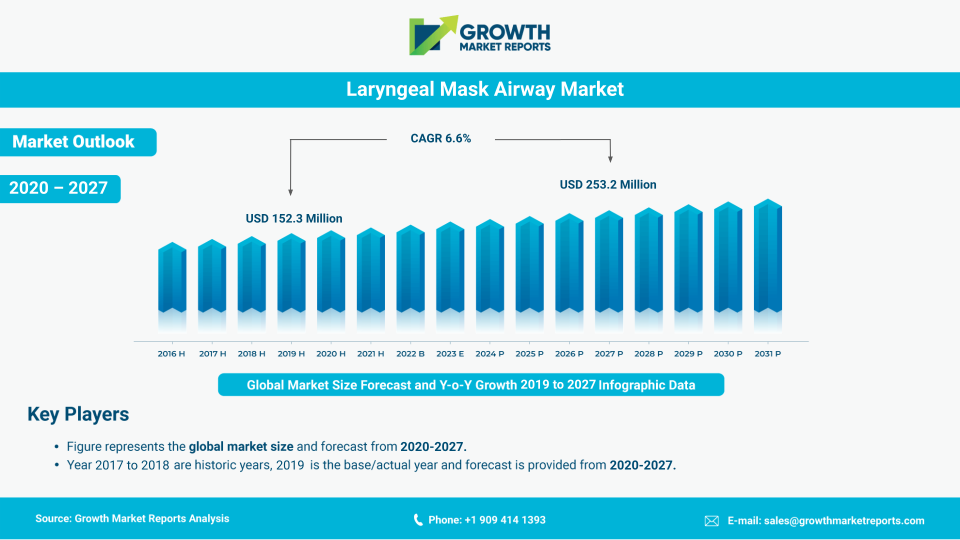
According to this Growth Market Reports report, the market from laryngeal mask airway market is likely to register a CAGR of 6.6 % during forecast period 2020-2027, with an anticipated valuation of US$ 253.2 million by the end of the 2027.
In addition to market size (in US$ Million), Company Market Share (in % for base year 2019) in final report, raw materials data, sterilization methods, and laws & regulations.
Factors such as competitive strength and market positioning are key areas considered while selecting top companies to be profiled.
Increasing technological advancements, growing awareness among people, rising population and adoption of innovative products, increasing prevalence of chronic diseases, and rising number of surgical procedures are the factors expected to drive the market growth during forecast period.
The market is expected to grow at significant pace during the pandemic owing to increase in the demand for (single-use) disposable mask, as the preference for disposable masks is increased, due to rise in awareness about such diseases among people, surgeons, and physicians. Furthermore, the effect of the coronavirus outbreak on the laryngeal mask market is high due to affected process of supply chain and manufacturing of mask by key players. These are some of the prime reasons responsible for this market trend.
The base year considered for the global laryngeal mask airway market report is 2019. The complete analysis period is 2017 to 2020, wherein, 2017, and 2018 are the historic years and the forecast is provided from 2020 to 2027.
The Hospitals, Clinics and ASC’s, are the key end-user driving the laryngeal mask airway market growth.
Major manufactures include, Teleflex Incorporated, Ambu A/S, DYNAREX, Intersurgical Ltd, Flexicare Medical Limited, and others.