Insulin Pumps Market Research Report 2033

Insulin Pumps Market Research Report 2033

Segments - by Product Type (Tethered Pumps, Patch Pumps, Implantable Pumps, Others), by Component (Pump Device, Infusion Set, Reservoir or Cartridges, Others), by Application (Type 1 Diabetes, Type 2 Diabetes), by End-User (Hospitals & Clinics, Homecare, Others), by Distribution Channel (Hospital Pharmacies, Retail Pharmacies, Online Pharmacies, Others)

https://growthmarketreports.com/raksha
Author : Raksha Sharma
https://growthmarketreports.com/Vaibhav
Fact-checked by : V. Chandola
https://growthmarketreports.com/Shruti
Editor : Shruti Bhat

Upcoming | Report ID :HC-2930 | 4.5 Rating | 100 Reviews | 268 Pages | Format : Docx PDF

Report Description


Insulin Pumps Market Outlook

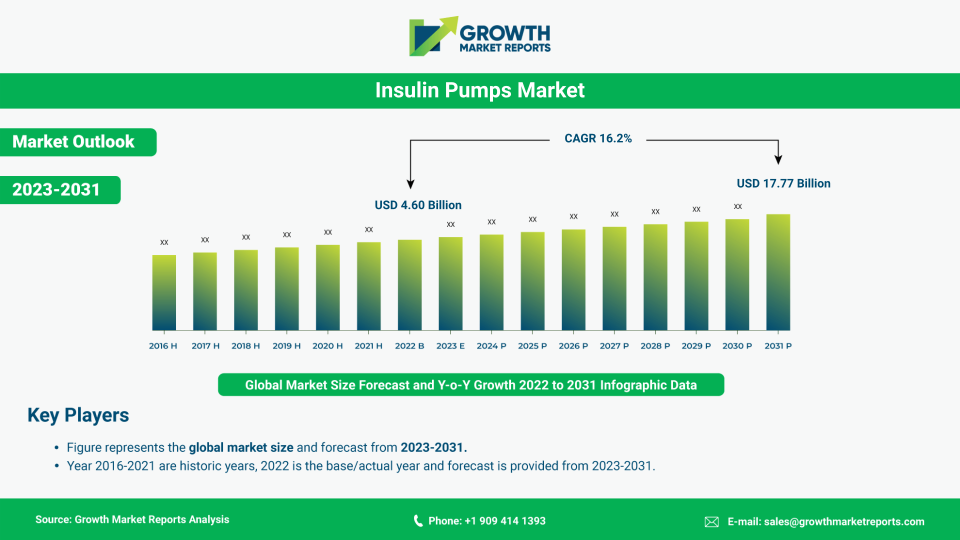
According to our latest research, the global insulin pumps market size reached USD 5.8 billion in 2024, reflecting robust growth driven by technological advancements and the increasing prevalence of diabetes worldwide. The market is expected to expand at a CAGR of 9.2% from 2025 to 2033, reaching a projected value of USD 13.1 billion by 2033. This growth trajectory is primarily fueled by the rising incidence of diabetes, growing awareness regarding advanced diabetes management solutions, and the continuous evolution of insulin delivery technologies.

A significant growth factor for the insulin pumps market is the escalating global burden of diabetes, particularly type 1 and type 2 diabetes. As per the International Diabetes Federation, over 537 million adults were living with diabetes in 2024, with numbers expected to rise steadily. This surge has led to greater demand for efficient, user-friendly, and precise insulin delivery systems. Insulin pumps offer patients better glycemic control, reduced risk of hypoglycemia, and improved quality of life compared to traditional insulin injection methods. In addition, the increasing adoption of continuous glucose monitoring (CGM) integrated with insulin pumps is enhancing patient outcomes, making these devices a preferred choice for both patients and healthcare providers.

Another key driver is the rapid technological innovation in insulin pump devices. The market has witnessed the introduction of advanced features such as automated insulin delivery, wireless connectivity, and integration with smartphone applications. These innovations are not only improving the accuracy and convenience of insulin administration but also empowering patients with real-time data and analytics for better disease management. Furthermore, collaborations between medical technology companies and digital health startups are accelerating the development of next-generation insulin pumps, including artificial pancreas systems, which are expected to revolutionize diabetes care in the coming years.

The increasing focus on patient-centric care and the expansion of healthcare infrastructure in emerging economies are also contributing to market growth. Governments and healthcare organizations are investing in diabetes awareness campaigns, reimbursement policies, and training programs to promote the adoption of insulin pumps. Additionally, the growing trend of home-based healthcare, especially post-pandemic, is boosting the demand for portable and easy-to-use insulin delivery devices. As a result, the insulin pumps market is witnessing significant penetration in homecare settings, further driving overall market expansion.

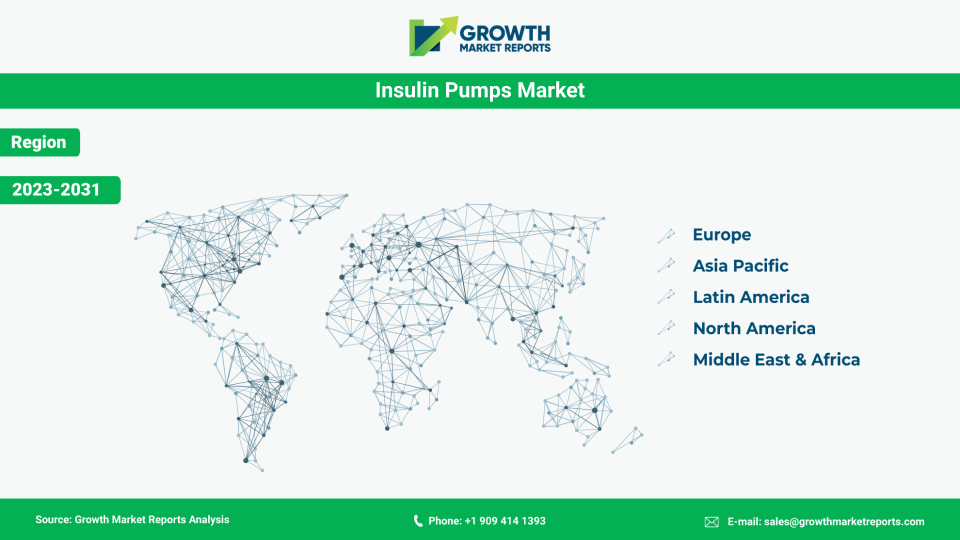
Regionally, North America continues to dominate the insulin pumps market, accounting for the largest share due to high diabetes prevalence, advanced healthcare infrastructure, and favorable reimbursement policies. Europe follows closely, supported by increasing government initiatives and technological advancements. The Asia Pacific region is emerging as a lucrative market, driven by the rising diabetic population, improving healthcare access, and growing awareness about advanced diabetes management options. Latin America and the Middle East & Africa are also experiencing steady growth, albeit at a slower pace, due to increasing healthcare investments and the gradual adoption of modern insulin delivery systems.

Global Insulin Pumps Industry Outlook

Product Type Analysis

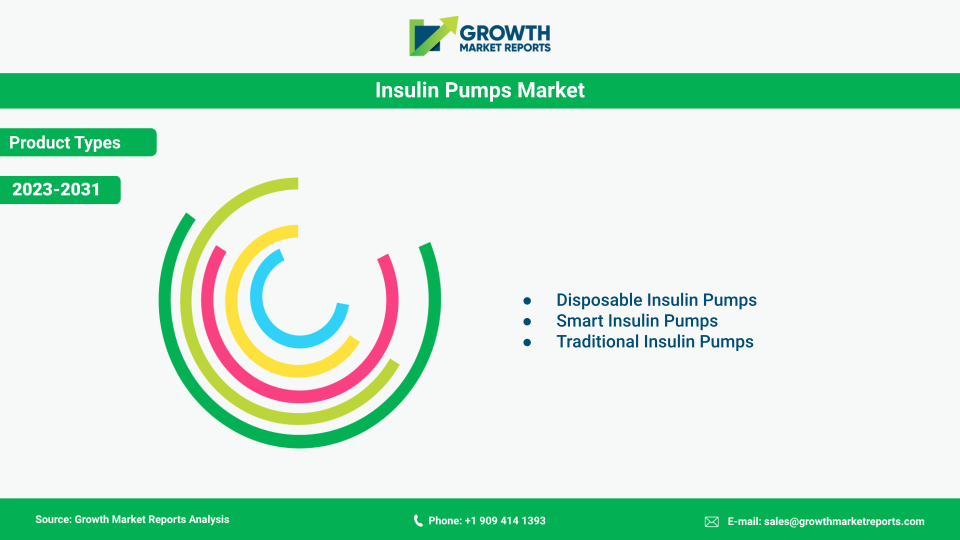
The insulin pumps market by product type is segmented into tethered pumps, patch pumps, implantable pumps, and others. Tethered pumps have traditionally held the largest market share, owing to their reliability, extensive clinical validation, and robust distribution networks. These devices are connected to the patient via tubing and offer continuous subcutaneous insulin infusion, which allows for precise dosing and flexibility in managing blood glucose levels. The ability to program basal and bolus doses according to individual patient needs has made tethered pumps a popular choice among both patients and healthcare providers. Furthermore, ongoing improvements in pump design, user interface, and integration with CGM systems are sustaining demand for tethered pumps in established markets.

Patch pumps are gaining significant traction due to their discreet, tubeless design and ease of use, particularly among younger patients and those seeking a more active lifestyle. These wearable devices adhere directly to the skin and deliver insulin without the need for external tubing, reducing the risk of dislodgement and improving patient comfort. The increasing availability of patch pumps with advanced features such as Bluetooth connectivity, smartphone integration, and customizable dosing schedules is further driving their adoption. Market players are investing in research and development to enhance patch pump performance, extend battery life, and incorporate automated insulin delivery algorithms, positioning this segment for robust growth over the forecast period.

Implantable pumps, though representing a smaller market share, are witnessing growing interest for their potential to provide long-term, minimally invasive insulin delivery. These devices are surgically implanted under the skin and can deliver insulin for extended periods, reducing the need for frequent device changes. While still in the early stages of commercialization, implantable pumps offer significant advantages in terms of patient compliance and convenience, particularly for individuals with severe insulin resistance or those requiring complex dosing regimens. Ongoing clinical trials and regulatory approvals are expected to expand the availability of implantable pumps in the coming years, contributing to market diversification.

The "others" category includes emerging insulin pump technologies and hybrid devices that combine features of both traditional and innovative delivery systems. These products are designed to address specific patient needs, such as dual hormone delivery or integration with advanced digital health platforms. As the market continues to evolve, the introduction of novel product types is expected to cater to a broader patient population, enhance therapeutic outcomes, and drive overall market growth. Companies focusing on user-centric design, interoperability, and personalized medicine are likely to gain a competitive edge in this dynamic segment.

Report Scope

Attributes Details
Report Title Insulin Pumps Market Research Report 2033
By Product Type Tethered Pumps, Patch Pumps, Implantable Pumps, Others
By Component Pump Device, Infusion Set, Reservoir or Cartridges, Others
By Application Type 1 Diabetes, Type 2 Diabetes
By End-User Hospitals & Clinics, Homecare, Others
By Distribution Channel Hospital Pharmacies, Retail Pharmacies, Online Pharmacies, Others
Regions Covered North America, Europe, APAC, Latin America, MEA
Base Year 2024
Historic Data 2018-2023
Forecast Period 2025-2033
Number of Pages 268
Number of Tables & Figures 264
Customization Available Yes, the report can be customized as per your need.

Component Analysis

The insulin pumps market by component is segmented into pump device, infusion set, reservoir or cartridges, and others. The pump device segment holds the largest share, as the core technology responsible for insulin delivery and user interface. Advances in pump device design, including miniaturization, touchscreen displays, and wireless connectivity, are enhancing device usability and patient adherence. Manufacturers are continuously upgrading pump devices with features such as waterproofing, extended battery life, and integration with mobile health applications, making them more appealing to tech-savvy users. The growing trend towards automated insulin delivery systems, which combine pump devices with CGM and sophisticated algorithms, is expected to drive further growth in this segment.

The infusion set segment is critical for ensuring safe and effective insulin delivery from the pump to the patient. Infusion sets consist of cannulas, tubing, and connectors, and are typically replaced every few days to prevent infection and ensure optimal performance. Innovations in infusion set materials, needle technology, and adhesive solutions are improving patient comfort, reducing insertion pain, and minimizing the risk of site complications. The increasing adoption of infusion sets with integrated sensors and automated insertion mechanisms is further enhancing the safety and convenience of insulin pump therapy, contributing to sustained demand in this segment.

Reservoirs or cartridges are essential components that store insulin within the pump device. These components must maintain insulin stability, prevent leakage, and allow for easy replacement or refilling. The development of high-capacity, transparent, and user-friendly reservoirs is enabling longer wear times and reducing the frequency of device maintenance. Manufacturers are also focusing on compatibility with a wide range of insulin formulations, including rapid-acting and concentrated insulins, to meet the diverse needs of patients. The trend towards prefilled, disposable cartridges is gaining momentum, offering added convenience and reducing the risk of dosing errors.

The "others" component segment encompasses additional accessories and consumables required for insulin pump therapy, such as carrying cases, battery packs, and cleaning supplies. While these items may represent a smaller portion of overall market revenue, they play a crucial role in enhancing the user experience and ensuring the longevity of pump devices. As patient expectations for convenience and customization continue to rise, manufacturers are expanding their product offerings to include a broader range of accessories, further supporting the growth of the insulin pumps market.

Application Analysis

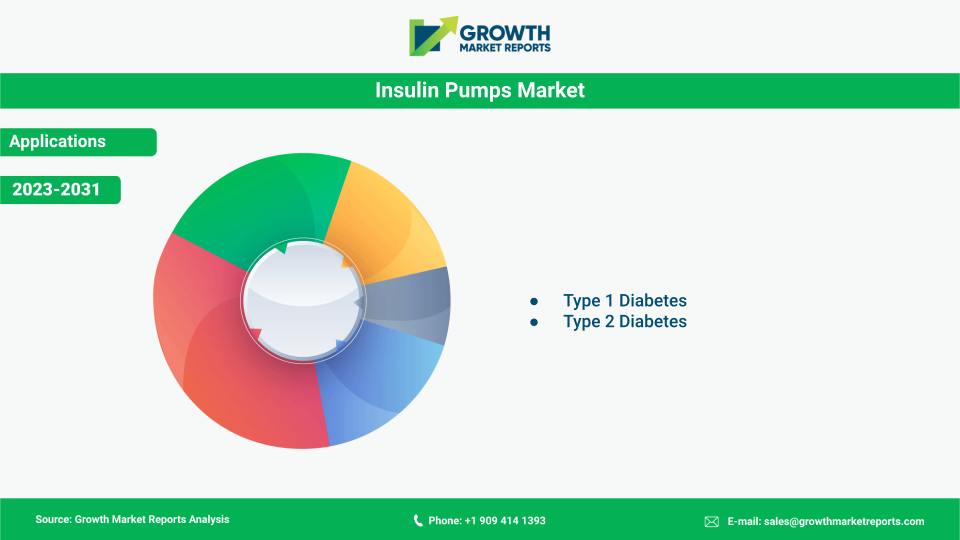
The insulin pumps market by application is primarily segmented into type 1 diabetes and type 2 diabetes. The type 1 diabetes segment dominates the market, as insulin pump therapy is considered the gold standard for patients who require intensive insulin management from an early age. These patients benefit significantly from the precise and programmable insulin delivery offered by pumps, which helps to maintain stable blood glucose levels and reduce the risk of long-term complications. The increasing prevalence of type 1 diabetes globally, coupled with rising awareness about the benefits of insulin pump therapy, is driving sustained growth in this segment.

While insulin pumps have traditionally been associated with type 1 diabetes, their use in type 2 diabetes is gaining momentum. Patients with type 2 diabetes who experience difficulty achieving glycemic control with oral medications or multiple daily injections are increasingly being prescribed insulin pumps. The flexibility and accuracy of pump therapy can help these patients achieve better outcomes, particularly those with complex dosing requirements or fluctuating insulin needs. As clinical guidelines evolve and healthcare providers become more familiar with pump therapy for type 2 diabetes, this segment is expected to witness robust growth over the forecast period.

The growing body of clinical evidence supporting the efficacy and safety of insulin pump therapy across both type 1 and type 2 diabetes populations is encouraging broader adoption. Studies have demonstrated that insulin pumps can reduce HbA1c levels, minimize glycemic variability, and lower the risk of hypoglycemic episodes compared to traditional injection methods. These benefits are particularly important for pediatric, adolescent, and elderly patients, who may face challenges with manual insulin administration. As a result, insulin pumps are becoming an integral component of comprehensive diabetes management strategies worldwide.

In addition to the primary applications in type 1 and type 2 diabetes, insulin pumps are being explored for use in special populations, such as pregnant women with gestational diabetes or patients with rare forms of diabetes. Ongoing research and innovation are expected to expand the indications for insulin pump therapy, further increasing its market potential. Healthcare providers are also leveraging data generated by insulin pumps to personalize treatment plans, monitor patient progress, and improve long-term outcomes, underscoring the growing importance of these devices in modern diabetes care.

End-User Analysis

The insulin pumps market by end-user is segmented into hospitals & clinics, homecare, and others. Hospitals and clinics represent the largest end-user segment, as these settings are responsible for the initial diagnosis, patient education, and device initiation for insulin pump therapy. Healthcare professionals in hospitals and clinics play a critical role in selecting appropriate devices, training patients on pump use, and monitoring therapeutic outcomes. The availability of skilled personnel, advanced diagnostic tools, and comprehensive diabetes management programs in these settings is supporting the widespread adoption of insulin pumps.

The homecare segment is experiencing rapid growth, driven by the increasing preference for self-management and the convenience of home-based insulin delivery. Advances in pump design, remote monitoring, and telemedicine are enabling patients to manage their diabetes effectively outside of traditional clinical settings. Homecare insulin pump therapy offers numerous benefits, including enhanced patient autonomy, reduced hospital visits, and improved quality of life. The COVID-19 pandemic has further accelerated the shift towards home-based care, as patients and healthcare providers seek to minimize in-person interactions while maintaining optimal disease management.

Other end-user segments include long-term care facilities, rehabilitation centers, and specialty diabetes clinics. These settings cater to specific patient populations, such as elderly individuals, patients with comorbidities, or those requiring intensive monitoring and support. The adoption of insulin pumps in these environments is driven by the need for precise, customizable, and reliable insulin delivery solutions. As the global population ages and the prevalence of diabetes-related complications increases, demand for insulin pumps in specialized care settings is expected to rise.

The growing emphasis on patient-centered care and the integration of digital health technologies are transforming the end-user landscape for insulin pumps. Healthcare providers are increasingly leveraging data analytics, remote monitoring, and telehealth platforms to support patients throughout their treatment journey. These trends are fostering closer collaboration between patients, caregivers, and healthcare professionals, ultimately improving adherence, outcomes, and satisfaction with insulin pump therapy.

Distribution Channel Analysis

The insulin pumps market by distribution channel is segmented into hospital pharmacies, retail pharmacies, online pharmacies, and others. Hospital pharmacies hold a significant market share, as they are the primary point of distribution for newly initiated pump therapy patients. Hospital pharmacies work closely with healthcare providers to ensure patients receive the appropriate devices, consumables, and training required for successful therapy initiation. The presence of specialized diabetes care teams and access to comprehensive patient records in hospital settings further support the efficient distribution and management of insulin pumps.

Retail pharmacies are playing an increasingly important role in the distribution of insulin pumps and related accessories. These outlets offer patients convenient access to replacement parts, consumables, and technical support. The expansion of retail pharmacy networks, particularly in urban and suburban areas, is improving the availability and affordability of insulin pump therapy for a broader patient population. Retail pharmacies are also investing in staff training and patient education programs to enhance the customer experience and support long-term adherence to pump therapy.

Online pharmacies are emerging as a fast-growing distribution channel, driven by the rising adoption of e-commerce and digital health solutions. Patients can now order insulin pumps, infusion sets, and cartridges from the comfort of their homes, benefiting from fast delivery, competitive pricing, and access to a wide range of products. Online pharmacies are leveraging digital marketing, personalized recommendations, and subscription services to attract and retain customers. The increasing integration of telemedicine and remote monitoring platforms with online pharmacy services is further streamlining the patient journey, from device selection to ongoing support.

Other distribution channels include specialty medical device distributors, direct-to-consumer sales, and government procurement programs. These channels cater to specific market segments, such as institutional buyers, rural healthcare providers, or public health initiatives. As the insulin pumps market continues to evolve, manufacturers and distributors are adopting omnichannel strategies to reach a diverse and geographically dispersed patient base. The focus on enhancing supply chain efficiency, reducing delivery times, and improving customer service is expected to drive continued growth in this segment.

Opportunities & Threats

The insulin pumps market presents significant opportunities for growth, particularly in emerging economies where the prevalence of diabetes is rising rapidly. Expanding healthcare infrastructure, increasing government investments in diabetes management, and growing awareness about the benefits of advanced insulin delivery systems are creating a favorable environment for market expansion. Companies that can tailor their products and services to meet the unique needs of these markets, such as affordability, ease of use, and local language support, are well-positioned to capture new growth opportunities. Additionally, the integration of digital health technologies, such as mobile applications, cloud-based data platforms, and artificial intelligence, is opening up new avenues for innovation and differentiation in the insulin pumps market.

Another major opportunity lies in the development of next-generation insulin pump technologies, including closed-loop systems, dual-hormone pumps, and fully automated artificial pancreas devices. These innovations have the potential to revolutionize diabetes care by providing near-physiological glucose control, reducing the burden of self-management, and improving patient outcomes. Strategic partnerships between medical device manufacturers, software developers, and healthcare providers are accelerating the pace of innovation and facilitating the commercialization of breakthrough technologies. As regulatory agencies streamline approval pathways and reimbursement policies evolve to support advanced therapies, the adoption of cutting-edge insulin pump solutions is expected to increase significantly.

Despite the promising outlook, the insulin pumps market faces several restraining factors. High device costs, limited reimbursement coverage in certain regions, and concerns about device-related complications, such as skin infections or mechanical failures, can hinder market growth. Additionally, the complexity of pump therapy and the need for ongoing patient education and support may pose challenges for widespread adoption, particularly among elderly or less technologically savvy patients. Addressing these barriers through targeted education, improved device design, and expanded access to training resources will be critical for sustaining long-term market growth and ensuring optimal patient outcomes.

Regional Outlook

In 2024, North America led the global insulin pumps market, accounting for approximately USD 2.7 billion in revenue, or nearly 47% of the total market. The region’s dominance is attributed to the high prevalence of diabetes, advanced healthcare infrastructure, and strong presence of leading market players. The United States, in particular, benefits from robust reimbursement policies, widespread awareness of diabetes management technologies, and early adoption of next-generation insulin pumps. Canada also contributes significantly, supported by government initiatives aimed at improving diabetes care and access to innovative medical devices. With a projected CAGR of 8.7% through 2033, North America is expected to maintain its leadership position, driven by ongoing technological advancements and rising demand for home-based care solutions.

Europe is the second-largest regional market, generating approximately USD 1.6 billion in 2024. The region’s growth is supported by increasing government investments in diabetes management, favorable reimbursement frameworks, and a strong focus on patient-centric care. Key markets such as Germany, the United Kingdom, and France are at the forefront of insulin pump adoption, driven by high diabetes prevalence and the presence of specialized diabetes care centers. Europe is also witnessing a surge in research and development activities, with numerous clinical trials and regulatory approvals paving the way for the introduction of advanced insulin pump technologies. The region is projected to grow at a CAGR of 9.4% over the forecast period, outpacing global growth rates and contributing significantly to overall market expansion.

The Asia Pacific region is emerging as a high-growth market, with revenues reaching USD 1.1 billion in 2024. Rapid urbanization, changing lifestyles, and increasing awareness about diabetes management are driving demand for insulin pumps in countries such as China, India, Japan, and South Korea. Governments in the region are investing heavily in healthcare infrastructure, diabetes education, and access to advanced medical technologies. As a result, the Asia Pacific market is expected to register the highest CAGR of 11.2% from 2025 to 2033, reflecting the untapped potential and growing adoption of insulin pump therapy in this region. Latin America and the Middle East & Africa, while representing smaller shares of the global market, are also witnessing steady growth as healthcare systems modernize and access to diabetes care improves.

Insulin Pumps Market Statistics

Competitor Outlook

The global insulin pumps market is characterized by intense competition, with a mix of established players and innovative startups vying for market share. Leading companies are focused on continuous product development, strategic partnerships, and geographic expansion to strengthen their market positions. The competitive landscape is shaped by rapid technological advancements, evolving regulatory requirements, and increasing demand for personalized diabetes management solutions. Companies are investing heavily in research and development to introduce next-generation insulin pumps with enhanced features, such as automated insulin delivery, integration with digital health platforms, and improved user interfaces. The ability to offer comprehensive, end-to-end diabetes management solutions is becoming a key differentiator in this dynamic market.

Mergers and acquisitions are a common strategy among major players seeking to expand their product portfolios, access new markets, and accelerate innovation. Collaborations with healthcare providers, academic institutions, and technology companies are also facilitating the development and commercialization of advanced insulin pump systems. Market leaders are leveraging their extensive distribution networks, brand recognition, and customer support capabilities to maintain a competitive edge. At the same time, new entrants and smaller companies are challenging incumbents by introducing disruptive technologies, targeting niche segments, and offering cost-effective solutions tailored to specific patient needs.

The competitive landscape is further influenced by regulatory dynamics, as companies must navigate complex approval processes and demonstrate the safety and efficacy of their products. Compliance with international standards, such as ISO and CE marking, is essential for market entry and expansion. Reimbursement policies and pricing strategies also play a critical role in shaping competitive dynamics, as companies strive to balance innovation with affordability and access. The increasing emphasis on patient engagement, data security, and interoperability is prompting companies to adopt holistic approaches to product development and customer support.

Major companies operating in the insulin pumps market include Medtronic plc, Insulet Corporation, Tandem Diabetes Care, Inc., Roche Diabetes Care, and Ypsomed AG. Medtronic is a global leader, renowned for its MiniMed series of insulin pumps and integrated diabetes management solutions. The company’s focus on innovation, clinical research, and global reach has solidified its position as a market frontrunner. Insulet Corporation is recognized for its Omnipod system, a tubeless patch pump that has gained widespread popularity for its ease of use and flexibility. Tandem Diabetes Care is known for its t:slim X2 insulin pump, which features advanced connectivity and compatibility with leading CGM systems. Roche Diabetes Care offers a comprehensive portfolio of insulin delivery devices and digital health solutions, while Ypsomed AG is a key player in the European market, specializing in customizable and user-friendly insulin pump systems.

These companies are continuously expanding their product offerings, investing in clinical trials, and forming strategic alliances to address evolving patient needs and regulatory requirements. The competitive outlook for the insulin pumps market remains robust, with ongoing innovation, market expansion, and a strong focus on improving patient outcomes expected to drive sustained growth over the coming decade.

Key Players

  • Medtronic
  • Insulet Corporation
  • Tandem Diabetes Care
  • Roche Diabetes Care
  • Ypsomed Holding AG
  • SOOIL Development Co. Ltd.
  • MicroPort Scientific Corporation
  • Debiotech SA
  • Ascensia Diabetes Care
  • Valeritas Inc.
  • Cellnovo Group SA
  • Animas Corporation (Johnson & Johnson)
  • Smiths Medical
  • Eoflow Co., Ltd.
  • Amalgamated Medical Care Management
  • Apex Medical Corporation
  • Medtrum Technologies Inc.
  • Beta Bionics
  • Bigfoot Biomedical
  • Diabeloop SA
Insulin Pumps Market Overview

Segments

The Insulin Pumps market has been segmented on the basis of

Product Type

  • Tethered Pumps
  • Patch Pumps
  • Implantable Pumps
  • Others

Component

  • Pump Device
  • Infusion Set
  • Reservoir or Cartridges
  • Others

Application

  • Type 1 Diabetes
  • Type 2 Diabetes

End-User

  • Hospitals & Clinics
  • Homecare
  • Others

Distribution Channel

  • Hospital Pharmacies
  • Retail Pharmacies
  • Online Pharmacies
  • Others

Competitive Landscape

Key players competing in the global insulin pumps market are Ypsomed; Medtronic plc; Diabetes Digital Media Ltd; Hoffmann-La Roche Ltd; Sooil Development; Tandem Diabetic Care, Inc.; Insulet Corporation; and Murata Manufacturing Co., Ltd. These players have widely engaged in several market development activities such as collaborations, agreements, mergers & acquisitions, production capacity expansion, new product launches, and partnerships to increase their market share.
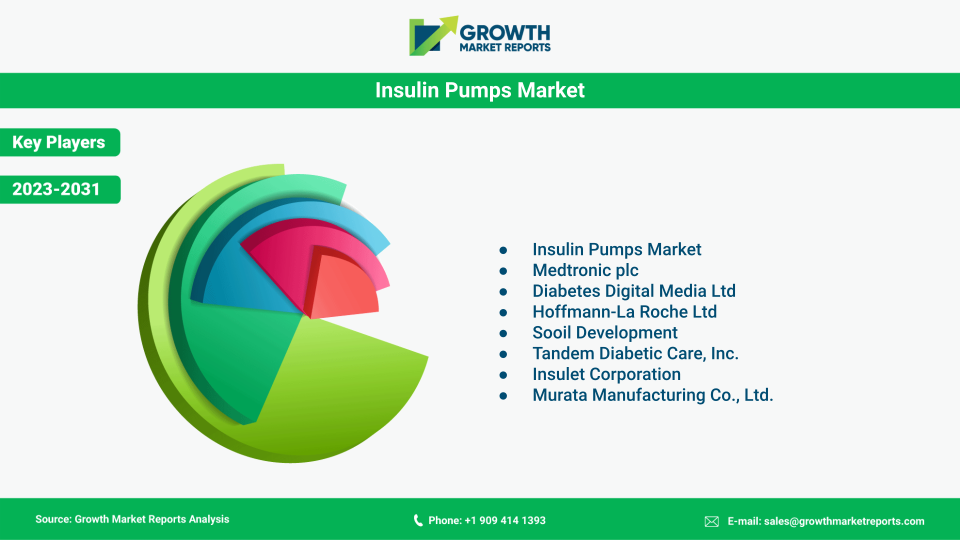

Insulin Pumps Market Key Players

Frequently Asked Questions

Challenges include high device costs, limited reimbursement in some regions, device-related complications, and the need for ongoing patient education and support.

Recent advancements include automated insulin delivery, wireless and Bluetooth connectivity, smartphone integration, integration with CGM systems, and the development of artificial pancreas systems.

Insulin pumps are distributed through hospital pharmacies, retail pharmacies, online pharmacies, and specialty medical device distributors.

Insulin pumps are primarily used for type 1 diabetes but are increasingly being adopted for type 2 diabetes, especially for patients who struggle with glycemic control using traditional methods.

The main components are the pump device, infusion set, reservoir or cartridges, and various accessories such as carrying cases and battery packs.

Key companies include Medtronic plc, Insulet Corporation, Tandem Diabetes Care, Roche Diabetes Care, Ypsomed AG, SOOIL Development, MicroPort Scientific, Debiotech SA, Ascensia Diabetes Care, Valeritas Inc., and others.

North America dominates the market, followed by Europe. The Asia Pacific region is emerging as a high-growth market, while Latin America and the Middle East & Africa are experiencing steady growth.

The main types of insulin pumps are tethered pumps, patch pumps, implantable pumps, and other emerging or hybrid devices.

Key growth drivers include the rising prevalence of diabetes, technological advancements in insulin delivery, increased awareness of advanced diabetes management, and the integration of continuous glucose monitoring (CGM) with insulin pumps.

The global insulin pumps market reached USD 5.8 billion in 2024 and is expected to grow at a CAGR of 9.2% from 2025 to 2033, reaching USD 13.1 billion by 2033.

Table Of Content

Chapter 1 Executive Summary
Chapter 2 Assumptions and Acronyms Used
Chapter 3 Research Methodology
Chapter 4 Insulin Pumps Market Overview
   4.1 Introduction
      4.1.1 Market Taxonomy
      4.1.2 Market Definition
      4.1.3 Macro-Economic Factors Impacting the Market Growth
   4.2 Insulin Pumps Market Dynamics
      4.2.1 Market Drivers
      4.2.2 Market Restraints
      4.2.3 Market Opportunity
   4.3 Insulin Pumps Market - Supply Chain Analysis
      4.3.1 List of Key Suppliers
      4.3.2 List of Key Distributors
      4.3.3 List of Key Consumers
   4.4 Key Forces Shaping the Insulin Pumps Market
      4.4.1 Bargaining Power of Suppliers
      4.4.2 Bargaining Power of Buyers
      4.4.3 Threat of Substitution
      4.4.4 Threat of New Entrants
      4.4.5 Competitive Rivalry
   4.5 Global Insulin Pumps Market Size & Forecast, 2023-2032
      4.5.1 Insulin Pumps Market Size and Y-o-Y Growth
      4.5.2 Insulin Pumps Market Absolute $ Opportunity

Chapter 5 Global Insulin Pumps Market Analysis and Forecast By Product Type
   5.1 Introduction
      5.1.1 Key Market Trends & Growth Opportunities By Product Type
      5.1.2 Basis Point Share (BPS) Analysis By Product Type
      5.1.3 Absolute $ Opportunity Assessment By Product Type
   5.2 Insulin Pumps Market Size Forecast By Product Type
      5.2.1 Tethered Pumps
      5.2.2 Patch Pumps
      5.2.3 Implantable Pumps
      5.2.4 Others
   5.3 Market Attractiveness Analysis By Product Type

Chapter 6 Global Insulin Pumps Market Analysis and Forecast By Component
   6.1 Introduction
      6.1.1 Key Market Trends & Growth Opportunities By Component
      6.1.2 Basis Point Share (BPS) Analysis By Component
      6.1.3 Absolute $ Opportunity Assessment By Component
   6.2 Insulin Pumps Market Size Forecast By Component
      6.2.1 Pump Device
      6.2.2 Infusion Set
      6.2.3 Reservoir or Cartridges
      6.2.4 Others
   6.3 Market Attractiveness Analysis By Component

Chapter 7 Global Insulin Pumps Market Analysis and Forecast By Application
   7.1 Introduction
      7.1.1 Key Market Trends & Growth Opportunities By Application
      7.1.2 Basis Point Share (BPS) Analysis By Application
      7.1.3 Absolute $ Opportunity Assessment By Application
   7.2 Insulin Pumps Market Size Forecast By Application
      7.2.1 Type 1 Diabetes
      7.2.2 Type 2 Diabetes
   7.3 Market Attractiveness Analysis By Application

Chapter 8 Global Insulin Pumps Market Analysis and Forecast By End-User
   8.1 Introduction
      8.1.1 Key Market Trends & Growth Opportunities By End-User
      8.1.2 Basis Point Share (BPS) Analysis By End-User
      8.1.3 Absolute $ Opportunity Assessment By End-User
   8.2 Insulin Pumps Market Size Forecast By End-User
      8.2.1 Hospitals & Clinics
      8.2.2 Homecare
      8.2.3 Others
   8.3 Market Attractiveness Analysis By End-User

Chapter 9 Global Insulin Pumps Market Analysis and Forecast By Distribution Channel
   9.1 Introduction
      9.1.1 Key Market Trends & Growth Opportunities By Distribution Channel
      9.1.2 Basis Point Share (BPS) Analysis By Distribution Channel
      9.1.3 Absolute $ Opportunity Assessment By Distribution Channel
   9.2 Insulin Pumps Market Size Forecast By Distribution Channel
      9.2.1 Hospital Pharmacies
      9.2.2 Retail Pharmacies
      9.2.3 Online Pharmacies
      9.2.4 Others
   9.3 Market Attractiveness Analysis By Distribution Channel

Chapter 10 Global Insulin Pumps Market Analysis and Forecast by Region
   10.1 Introduction
      10.1.1 Key Market Trends & Growth Opportunities By Region
      10.1.2 Basis Point Share (BPS) Analysis By Region
      10.1.3 Absolute $ Opportunity Assessment By Region
   10.2 Insulin Pumps Market Size Forecast By Region
      10.2.1 North America
      10.2.2 Europe
      10.2.3 Asia Pacific
      10.2.4 Latin America
      10.2.5 Middle East & Africa (MEA)
   10.3 Market Attractiveness Analysis By Region

Chapter 11 Coronavirus Disease (COVID-19) Impact 
   11.1 Introduction 
   11.2 Current & Future Impact Analysis 
   11.3 Economic Impact Analysis 
   11.4 Government Policies 
   11.5 Investment Scenario

Chapter 12 North America Insulin Pumps Analysis and Forecast
   12.1 Introduction
   12.2 North America Insulin Pumps Market Size Forecast by Country
      12.2.1 U.S.
      12.2.2 Canada
   12.3 Basis Point Share (BPS) Analysis by Country
   12.4 Absolute $ Opportunity Assessment by Country
   12.5 Market Attractiveness Analysis by Country
   12.6 North America Insulin Pumps Market Size Forecast By Product Type
      12.6.1 Tethered Pumps
      12.6.2 Patch Pumps
      12.6.3 Implantable Pumps
      12.6.4 Others
   12.7 Basis Point Share (BPS) Analysis By Product Type 
   12.8 Absolute $ Opportunity Assessment By Product Type 
   12.9 Market Attractiveness Analysis By Product Type
   12.10 North America Insulin Pumps Market Size Forecast By Component
      12.10.1 Pump Device
      12.10.2 Infusion Set
      12.10.3 Reservoir or Cartridges
      12.10.4 Others
   12.11 Basis Point Share (BPS) Analysis By Component 
   12.12 Absolute $ Opportunity Assessment By Component 
   12.13 Market Attractiveness Analysis By Component
   12.14 North America Insulin Pumps Market Size Forecast By Application
      12.14.1 Type 1 Diabetes
      12.14.2 Type 2 Diabetes
   12.15 Basis Point Share (BPS) Analysis By Application 
   12.16 Absolute $ Opportunity Assessment By Application 
   12.17 Market Attractiveness Analysis By Application
   12.18 North America Insulin Pumps Market Size Forecast By End-User
      12.18.1 Hospitals & Clinics
      12.18.2 Homecare
      12.18.3 Others
   12.19 Basis Point Share (BPS) Analysis By End-User 
   12.20 Absolute $ Opportunity Assessment By End-User 
   12.21 Market Attractiveness Analysis By End-User
   12.22 North America Insulin Pumps Market Size Forecast By Distribution Channel
      12.22.1 Hospital Pharmacies
      12.22.2 Retail Pharmacies
      12.22.3 Online Pharmacies
      12.22.4 Others
   12.23 Basis Point Share (BPS) Analysis By Distribution Channel 
   12.24 Absolute $ Opportunity Assessment By Distribution Channel 
   12.25 Market Attractiveness Analysis By Distribution Channel

Chapter 13 Europe Insulin Pumps Analysis and Forecast
   13.1 Introduction
   13.2 Europe Insulin Pumps Market Size Forecast by Country
      13.2.1 Germany
      13.2.2 France
      13.2.3 Italy
      13.2.4 U.K.
      13.2.5 Spain
      13.2.6 Russia
      13.2.7 Rest of Europe
   13.3 Basis Point Share (BPS) Analysis by Country
   13.4 Absolute $ Opportunity Assessment by Country
   13.5 Market Attractiveness Analysis by Country
   13.6 Europe Insulin Pumps Market Size Forecast By Product Type
      13.6.1 Tethered Pumps
      13.6.2 Patch Pumps
      13.6.3 Implantable Pumps
      13.6.4 Others
   13.7 Basis Point Share (BPS) Analysis By Product Type 
   13.8 Absolute $ Opportunity Assessment By Product Type 
   13.9 Market Attractiveness Analysis By Product Type
   13.10 Europe Insulin Pumps Market Size Forecast By Component
      13.10.1 Pump Device
      13.10.2 Infusion Set
      13.10.3 Reservoir or Cartridges
      13.10.4 Others
   13.11 Basis Point Share (BPS) Analysis By Component 
   13.12 Absolute $ Opportunity Assessment By Component 
   13.13 Market Attractiveness Analysis By Component
   13.14 Europe Insulin Pumps Market Size Forecast By Application
      13.14.1 Type 1 Diabetes
      13.14.2 Type 2 Diabetes
   13.15 Basis Point Share (BPS) Analysis By Application 
   13.16 Absolute $ Opportunity Assessment By Application 
   13.17 Market Attractiveness Analysis By Application
   13.18 Europe Insulin Pumps Market Size Forecast By End-User
      13.18.1 Hospitals & Clinics
      13.18.2 Homecare
      13.18.3 Others
   13.19 Basis Point Share (BPS) Analysis By End-User 
   13.20 Absolute $ Opportunity Assessment By End-User 
   13.21 Market Attractiveness Analysis By End-User
   13.22 Europe Insulin Pumps Market Size Forecast By Distribution Channel
      13.22.1 Hospital Pharmacies
      13.22.2 Retail Pharmacies
      13.22.3 Online Pharmacies
      13.22.4 Others
   13.23 Basis Point Share (BPS) Analysis By Distribution Channel 
   13.24 Absolute $ Opportunity Assessment By Distribution Channel 
   13.25 Market Attractiveness Analysis By Distribution Channel

Chapter 14 Asia Pacific Insulin Pumps Analysis and Forecast
   14.1 Introduction
   14.2 Asia Pacific Insulin Pumps Market Size Forecast by Country
      14.2.1 China
      14.2.2 Japan
      14.2.3 South Korea
      14.2.4 India
      14.2.5 Australia
      14.2.6 South East Asia (SEA)
      14.2.7 Rest of Asia Pacific (APAC)
   14.3 Basis Point Share (BPS) Analysis by Country
   14.4 Absolute $ Opportunity Assessment by Country
   14.5 Market Attractiveness Analysis by Country
   14.6 Asia Pacific Insulin Pumps Market Size Forecast By Product Type
      14.6.1 Tethered Pumps
      14.6.2 Patch Pumps
      14.6.3 Implantable Pumps
      14.6.4 Others
   14.7 Basis Point Share (BPS) Analysis By Product Type 
   14.8 Absolute $ Opportunity Assessment By Product Type 
   14.9 Market Attractiveness Analysis By Product Type
   14.10 Asia Pacific Insulin Pumps Market Size Forecast By Component
      14.10.1 Pump Device
      14.10.2 Infusion Set
      14.10.3 Reservoir or Cartridges
      14.10.4 Others
   14.11 Basis Point Share (BPS) Analysis By Component 
   14.12 Absolute $ Opportunity Assessment By Component 
   14.13 Market Attractiveness Analysis By Component
   14.14 Asia Pacific Insulin Pumps Market Size Forecast By Application
      14.14.1 Type 1 Diabetes
      14.14.2 Type 2 Diabetes
   14.15 Basis Point Share (BPS) Analysis By Application 
   14.16 Absolute $ Opportunity Assessment By Application 
   14.17 Market Attractiveness Analysis By Application
   14.18 Asia Pacific Insulin Pumps Market Size Forecast By End-User
      14.18.1 Hospitals & Clinics
      14.18.2 Homecare
      14.18.3 Others
   14.19 Basis Point Share (BPS) Analysis By End-User 
   14.20 Absolute $ Opportunity Assessment By End-User 
   14.21 Market Attractiveness Analysis By End-User
   14.22 Asia Pacific Insulin Pumps Market Size Forecast By Distribution Channel
      14.22.1 Hospital Pharmacies
      14.22.2 Retail Pharmacies
      14.22.3 Online Pharmacies
      14.22.4 Others
   14.23 Basis Point Share (BPS) Analysis By Distribution Channel 
   14.24 Absolute $ Opportunity Assessment By Distribution Channel 
   14.25 Market Attractiveness Analysis By Distribution Channel

Chapter 15 Latin America Insulin Pumps Analysis and Forecast
   15.1 Introduction
   15.2 Latin America Insulin Pumps Market Size Forecast by Country
      15.2.1 Brazil
      15.2.2 Mexico
      15.2.3 Rest of Latin America (LATAM)
   15.3 Basis Point Share (BPS) Analysis by Country
   15.4 Absolute $ Opportunity Assessment by Country
   15.5 Market Attractiveness Analysis by Country
   15.6 Latin America Insulin Pumps Market Size Forecast By Product Type
      15.6.1 Tethered Pumps
      15.6.2 Patch Pumps
      15.6.3 Implantable Pumps
      15.6.4 Others
   15.7 Basis Point Share (BPS) Analysis By Product Type 
   15.8 Absolute $ Opportunity Assessment By Product Type 
   15.9 Market Attractiveness Analysis By Product Type
   15.10 Latin America Insulin Pumps Market Size Forecast By Component
      15.10.1 Pump Device
      15.10.2 Infusion Set
      15.10.3 Reservoir or Cartridges
      15.10.4 Others
   15.11 Basis Point Share (BPS) Analysis By Component 
   15.12 Absolute $ Opportunity Assessment By Component 
   15.13 Market Attractiveness Analysis By Component
   15.14 Latin America Insulin Pumps Market Size Forecast By Application
      15.14.1 Type 1 Diabetes
      15.14.2 Type 2 Diabetes
   15.15 Basis Point Share (BPS) Analysis By Application 
   15.16 Absolute $ Opportunity Assessment By Application 
   15.17 Market Attractiveness Analysis By Application
   15.18 Latin America Insulin Pumps Market Size Forecast By End-User
      15.18.1 Hospitals & Clinics
      15.18.2 Homecare
      15.18.3 Others
   15.19 Basis Point Share (BPS) Analysis By End-User 
   15.20 Absolute $ Opportunity Assessment By End-User 
   15.21 Market Attractiveness Analysis By End-User
   15.22 Latin America Insulin Pumps Market Size Forecast By Distribution Channel
      15.22.1 Hospital Pharmacies
      15.22.2 Retail Pharmacies
      15.22.3 Online Pharmacies
      15.22.4 Others
   15.23 Basis Point Share (BPS) Analysis By Distribution Channel 
   15.24 Absolute $ Opportunity Assessment By Distribution Channel 
   15.25 Market Attractiveness Analysis By Distribution Channel

Chapter 16 Middle East & Africa (MEA) Insulin Pumps Analysis and Forecast
   16.1 Introduction
   16.2 Middle East & Africa (MEA) Insulin Pumps Market Size Forecast by Country
      16.2.1 Saudi Arabia
      16.2.2 South Africa
      16.2.3 UAE
      16.2.4 Rest of Middle East & Africa (MEA)
   16.3 Basis Point Share (BPS) Analysis by Country
   16.4 Absolute $ Opportunity Assessment by Country
   16.5 Market Attractiveness Analysis by Country
   16.6 Middle East & Africa (MEA) Insulin Pumps Market Size Forecast By Product Type
      16.6.1 Tethered Pumps
      16.6.2 Patch Pumps
      16.6.3 Implantable Pumps
      16.6.4 Others
   16.7 Basis Point Share (BPS) Analysis By Product Type 
   16.8 Absolute $ Opportunity Assessment By Product Type 
   16.9 Market Attractiveness Analysis By Product Type
   16.10 Middle East & Africa (MEA) Insulin Pumps Market Size Forecast By Component
      16.10.1 Pump Device
      16.10.2 Infusion Set
      16.10.3 Reservoir or Cartridges
      16.10.4 Others
   16.11 Basis Point Share (BPS) Analysis By Component 
   16.12 Absolute $ Opportunity Assessment By Component 
   16.13 Market Attractiveness Analysis By Component
   16.14 Middle East & Africa (MEA) Insulin Pumps Market Size Forecast By Application
      16.14.1 Type 1 Diabetes
      16.14.2 Type 2 Diabetes
   16.15 Basis Point Share (BPS) Analysis By Application 
   16.16 Absolute $ Opportunity Assessment By Application 
   16.17 Market Attractiveness Analysis By Application
   16.18 Middle East & Africa (MEA) Insulin Pumps Market Size Forecast By End-User
      16.18.1 Hospitals & Clinics
      16.18.2 Homecare
      16.18.3 Others
   16.19 Basis Point Share (BPS) Analysis By End-User 
   16.20 Absolute $ Opportunity Assessment By End-User 
   16.21 Market Attractiveness Analysis By End-User
   16.22 Middle East & Africa (MEA) Insulin Pumps Market Size Forecast By Distribution Channel
      16.22.1 Hospital Pharmacies
      16.22.2 Retail Pharmacies
      16.22.3 Online Pharmacies
      16.22.4 Others
   16.23 Basis Point Share (BPS) Analysis By Distribution Channel 
   16.24 Absolute $ Opportunity Assessment By Distribution Channel 
   16.25 Market Attractiveness Analysis By Distribution Channel

Chapter 17 Competition Landscape 
   17.1 Insulin Pumps Market: Competitive Dashboard
   17.2 Global Insulin Pumps Market: Market Share Analysis, 2023
   17.3 Company Profiles (Details – Overview, Financials, Developments, Strategy) 
      17.3.1 Medtronic
Insulet Corporation
Tandem Diabetes Care
Roche Diabetes Care
Ypsomed Holding AG
SOOIL Development Co. Ltd.
MicroPort Scientific Corporation
Debiotech SA
Ascensia Diabetes Care
Valeritas Inc.
Cellnovo Group SA
Animas Corporation (Johnson & Johnson)
Smiths Medical
Eoflow Co., Ltd.
Amalgamated Medical Care Management
Apex Medical Corporation
Medtrum Technologies Inc.
Beta Bionics
Bigfoot Biomedical
Diabeloop SA

Methodology

Our Clients

FedEx Logistics
Siemens Healthcare
Honda Motor Co. Ltd.
Pfizer
Microsoft
The John Holland Group
Dassault Aviation
Deloitte