Segments - by Product Type (Acrylic, Rubber, Silicone, Others), by Backing Material (Foam, Film, Paper, Others), by Application (Automotive, Building & Construction, Electrical & Electronics, Packaging, Healthcare, Others), by End-User (Industrial, Commercial, Residential), by Distribution Channel (Online, Offline)
This report is updated with the latest market data and insights as of June 2026. Base year: 2025 | Forecast period: 2026-2034
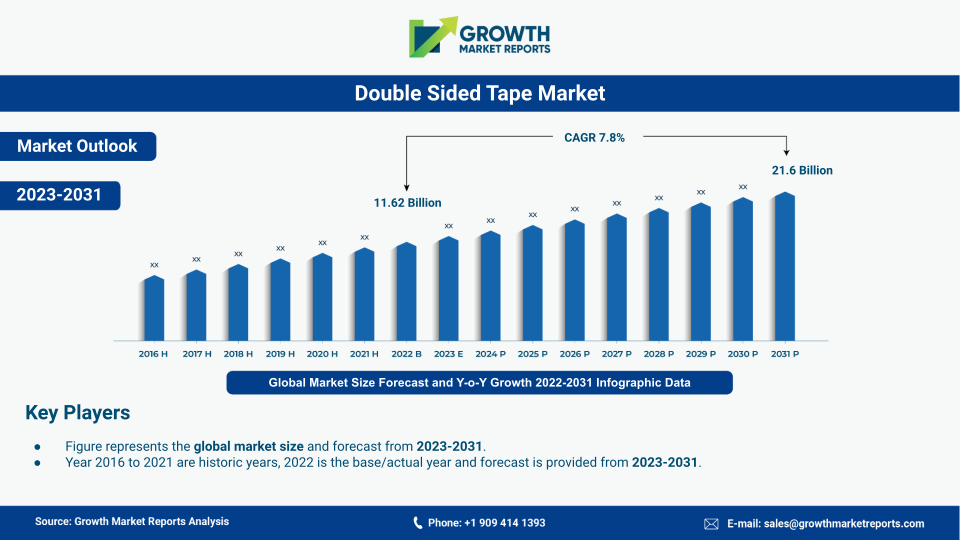
According to our latest research, the global double sided tape market size reached USD 14.0 billion in 2025, reflecting robust demand across key end-use industries. The market is projected to expand at a CAGR of 6.1% from 2026 to 2034, reaching an estimated USD 23.8 billion by 2034. This growth is primarily driven by increasing applications in automotive, construction, and electronics sectors, where double sided tapes are valued for their versatility, efficiency, and ability to replace traditional fastening and bonding methods. The broader landscape of adhesive tape solutions continues to expand alongside double sided tape adoption, reinforcing the sector's positive trajectory.
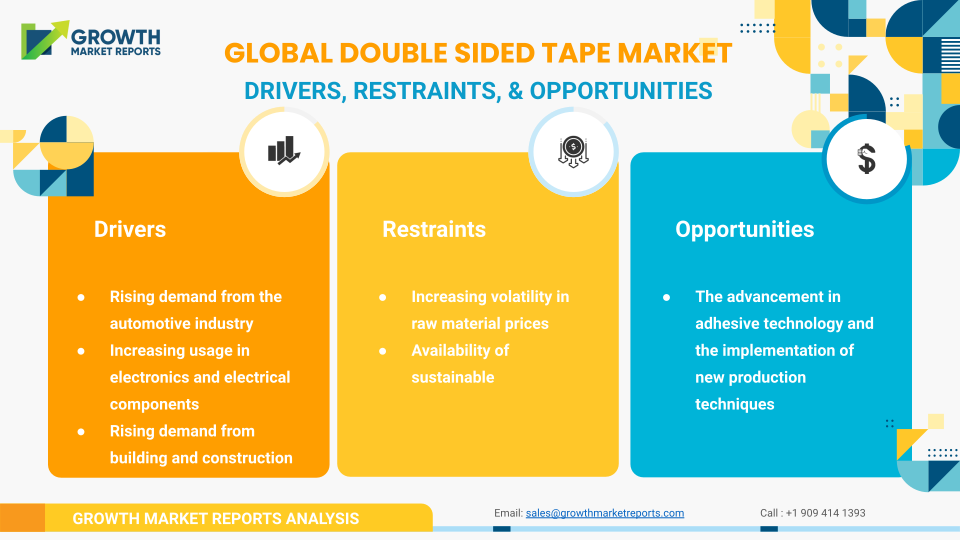
One of the most significant growth factors propelling the double sided tape market is the surging demand from the automotive and transportation industries. These tapes are extensively used for mounting trims, emblems, mirrors, and other interior and exterior components, replacing mechanical fasteners to reduce vehicle weight and enhance fuel efficiency. The ongoing shift towards electric vehicles (EVs) further amplifies the need for lightweight, high-performance bonding solutions, as manufacturers seek to improve battery range and overall vehicle performance. Additionally, the increasing complexity of vehicle design, coupled with the need for vibration and noise dampening, has positioned double sided tapes as a critical material in automotive assembly lines worldwide through 2025 and beyond.
Another crucial driver is the rapid growth of the electronics and electrical sector. As consumer demand for compact, lightweight, and aesthetically appealing devices continues to rise, manufacturers are turning to double sided tapes for component bonding, insulation, and thermal management. These tapes offer superior adhesion, electrical insulation, and heat resistance, making them indispensable in the assembly of smartphones, tablets, wearable devices, and other electronic gadgets. The proliferation of 5G infrastructure and the Internet of Things (IoT) has further expanded the application scope, with double sided tapes being used to mount antennas, sensors, and circuit boards. For applications requiring specialized dielectric performance, electrically insulating double-sided tapes represent a fast-growing niche within this broader segment, ensuring device reliability under demanding operating conditions.
The construction and building sector also plays a pivotal role in the expansion of the double sided tape market. The growing adoption of prefabricated and modular construction methods, coupled with stringent regulations regarding building safety and sustainability, has led to increased usage of double sided tapes for mounting panels, flooring, insulation, and decorative elements. These tapes offer quick installation, minimal surface damage, and enhanced durability, making them ideal for modern construction projects. Furthermore, the rise in renovation and remodeling activities, particularly in urban areas, is driving demand for easy-to-use and aesthetically pleasing bonding solutions, further supporting market growth through the forecast period to 2034.
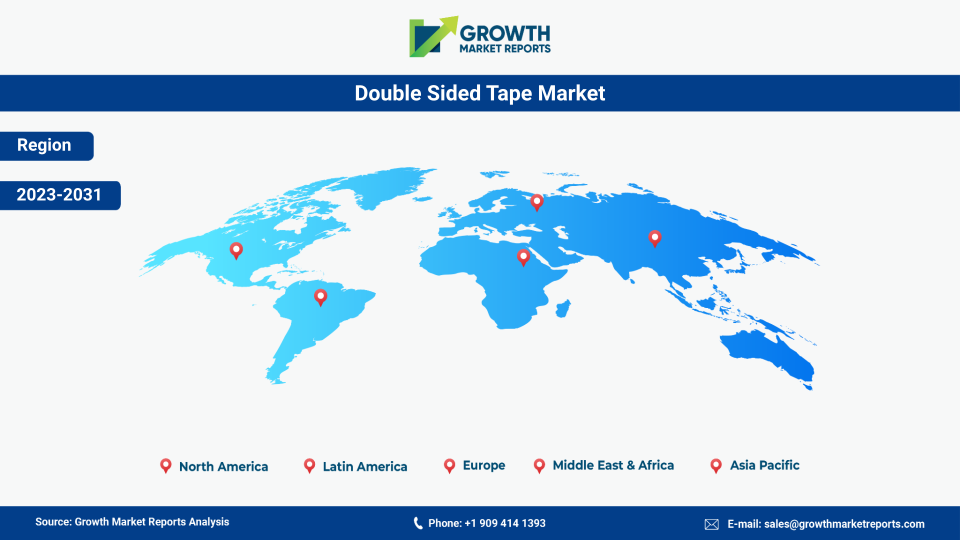
Regionally, Asia Pacific dominates the double sided tape market, accounting for the largest share in 2025, followed by North America and Europe. The rapid industrialization, urbanization, and expansion of manufacturing activities in countries like China, India, Japan, and South Korea are key contributors to this dominance. The presence of a robust automotive and electronics manufacturing ecosystem, coupled with increasing investments in infrastructure development, has solidified Asia Pacific's leadership. Meanwhile, North America and Europe are witnessing steady growth, driven by technological advancements, stringent regulatory standards, and a strong focus on sustainability and innovation in product development.
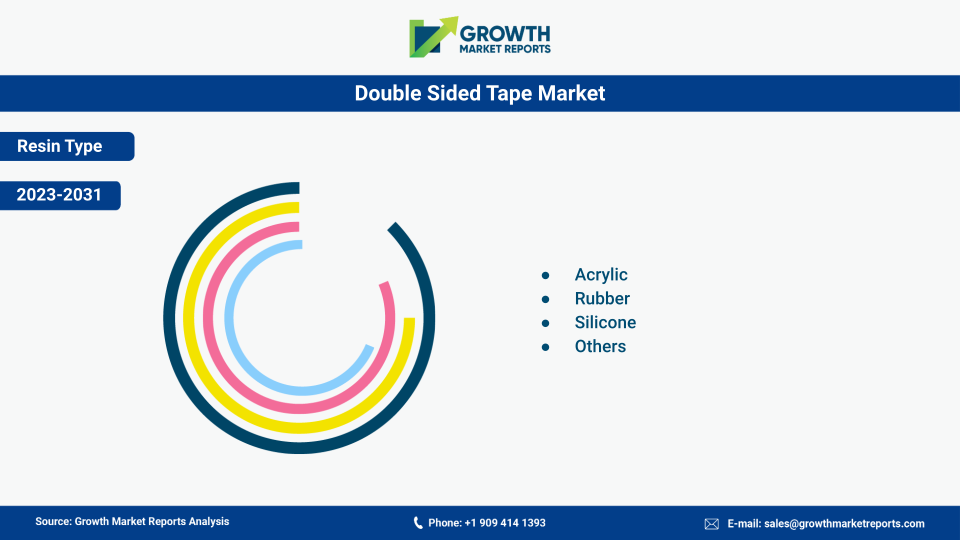
The double sided tape market is segmented by product type into acrylic, rubber, silicone, and others, with each segment catering to distinct application requirements. Acrylic-based double sided tapes are the most widely used, holding approximately 42.5% of global market value in 2025, owing to their excellent adhesion, durability, and resistance to environmental factors such as UV radiation, moisture, and chemicals. These properties make acrylic tapes particularly suitable for outdoor and high-performance applications in industries like automotive, construction, and signage. The segment's growth is further bolstered by ongoing innovations in acrylic adhesive technology, enabling manufacturers to offer tapes with enhanced temperature resistance and bonding strength, thus meeting the evolving demands of end-users across various sectors.
Rubber-based double sided tapes are known for their superior initial tack and quick bonding capabilities, making them ideal for applications requiring immediate adhesion on a variety of substrates, including plastics, metals, and paper. These tapes are widely used in the packaging, printing, and general industrial sectors, where speed and efficiency are paramount. However, rubber adhesives are less resistant to heat, UV light, and solvents compared to acrylic and silicone alternatives, limiting their use in high-performance or outdoor environments. Despite these limitations, ongoing research and development efforts are focused on enhancing the durability and versatility of rubber-based tapes to expand their application range through 2034.
Silicone-based double sided tapes represent a premium segment, offering exceptional temperature resistance, flexibility, and adhesion to difficult-to-bond surfaces such as silicone rubber, fluoropolymers, and low surface energy plastics. These tapes are predominantly used in the electronics, aerospace, and medical industries, where reliability under extreme conditions is crucial. The segment is witnessing steady growth, driven by the increasing miniaturization of electronic devices and the rising demand for medical-grade adhesives in wearable health monitoring systems and surgical applications. As technological advancements continue to push the boundaries of device design, the need for high-performance silicone tapes is expected to rise significantly over the 2026-2034 forecast window.
The "others" category includes specialty adhesives and hybrid formulations designed for niche applications that require unique performance characteristics. These may include UV-curable, hot-melt, or pressure-sensitive adhesives tailored for specific industry needs. While this segment currently holds approximately 11% of market share, it is poised for accelerated growth as manufacturers seek to address emerging challenges in advanced manufacturing, renewable energy, and specialty packaging. The development of eco-friendly and bio-based adhesive solutions is gaining strong traction within this segment, aligning with global sustainability trends and tightening regulatory requirements. Related innovations in transfer tape technology are also influencing formulation strategies across the specialty adhesives landscape.
| Attributes | Details |
| Report Title | Double Sided Tape Market Research Report 2034 |
| By Product Type | Acrylic, Rubber, Silicone, Others |
| By Backing Material | Foam, Film, Paper, Others |
| By Application | Automotive, Building & Construction, Electrical & Electronics, Packaging, Healthcare, Others |
| By End-User | Industrial, Commercial, Residential |
| By Distribution Channel | Online, Offline |
| Regions Covered | North America, Europe, APAC, Latin America, MEA |
| Base Year | 2025 |
| Historic Data | 2019-2024 |
| Forecast Period | 2026-2034 |
| Number of Pages | 262 |
| Number of Tables & Figures | 259 |
| Customization Available | Yes, the report can be customized as per your need. |
Backing material is a critical determinant of double sided tape performance, with foam, film, paper, and others being the primary categories. Foam-backed double sided tapes are highly valued for their cushioning, gap-filling, and vibration-dampening properties. These tapes are extensively used in automotive, construction, and electronics applications, where they provide effective bonding between uneven or textured surfaces. The foam backing also enhances the tape's ability to absorb shocks and accommodate thermal expansion, making it ideal for demanding environments. The segment's growth is supported by the increasing adoption of lightweight and energy-efficient materials in automotive and construction projects, as well as the rising demand for noise and vibration reduction solutions in 2025 and beyond.
Film-backed double sided tapes offer a combination of strength, flexibility, and transparency, making them suitable for applications requiring precise and discreet bonding. Commonly used films include polyester (PET), polypropylene (PP), and polyvinyl chloride (PVC), each offering unique benefits in terms of chemical resistance, temperature stability, and mechanical strength. Film tapes are widely used in the electronics, graphics, and medical sectors, where they enable the assembly of compact devices, displays, and medical devices without adding bulk or compromising aesthetics. The segment is witnessing robust growth through 2025, driven by the proliferation of consumer electronics and advancements in flexible and wearable technology.
Paper-backed double sided tapes are typically employed in applications where cost-effectiveness and ease of use are paramount, such as packaging, arts and crafts, and temporary mounting. For a deeper understanding of how paper substrates are evolving across the adhesive sector, the broader paper tape market provides useful context on substrate innovation and sustainability initiatives. While paper tapes offer good initial tack and are easy to tear by hand, they are less durable and resistant to moisture and chemicals compared to foam and film alternatives. Nevertheless, the segment continues to grow in regions with high packaging activity, and innovations in paper coating and adhesive formulations are enhancing the performance and sustainability of paper-backed tapes.
The "others" category encompasses specialty backing materials such as fabric, foil, and mesh, which are designed for specific industrial or technical applications. Fabric-backed tapes offer high tensile strength and conformability, making them suitable for heavy-duty mounting and splicing tasks. Foil-backed tapes provide excellent thermal conductivity and electromagnetic shielding, finding applications in electronics, HVAC, and aerospace industries. Mesh and scrim-backed tapes are used in construction and reinforcement applications, where additional strength and stability are required. While these segments represent a smaller share of the overall market, they are expected to witness steady growth through 2034 as industries increasingly seek customized solutions for complex bonding challenges.
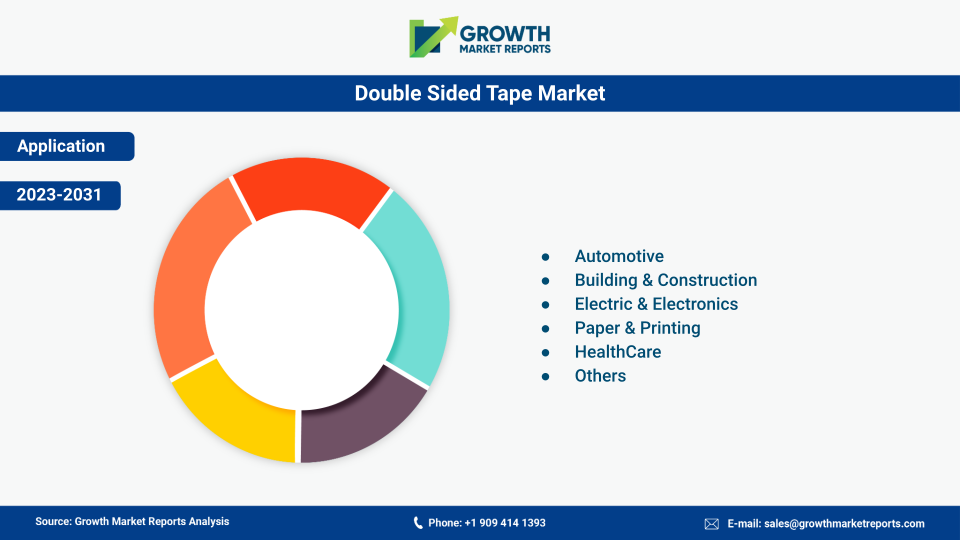
The application landscape of the double sided tape market is diverse, encompassing automotive, building and construction, electrical and electronics, packaging, healthcare, and others. The automotive sector remains a dominant application area, leveraging double sided tapes for the assembly of interior and exterior components, wire harnessing, and NVH (noise, vibration, and harshness) management. The transition towards electric vehicles and lightweight automotive design is further fueling demand for advanced tape solutions that can withstand harsh operating conditions while ensuring strong and reliable bonds. OEMs and aftermarket service providers alike are increasingly adopting double sided tapes to streamline assembly processes, reduce labor costs, and enhance vehicle aesthetics and performance through the forecast period.
In the building and construction industry, double sided tapes are used for mounting panels, flooring, insulation, and decorative elements, as well as for sealing and weatherproofing applications. The shift towards sustainable and energy-efficient construction practices is driving the adoption of tapes that offer superior adhesion, durability, and resistance to environmental stressors. The increasing prevalence of green building certifications and regulations is also encouraging the use of low-VOC and environmentally friendly adhesive solutions. Demand for heavy-duty mounting tape products within construction continues to grow steadily, particularly in facade and panel installation projects across urban developments worldwide.
The electrical and electronics segment represents a significant growth driver for the double sided tape market, with applications ranging from component mounting and thermal management to insulation and EMI (electromagnetic interference) shielding. As electronic devices become smaller, lighter, and more complex, manufacturers require tapes that can provide strong adhesion without adding bulk or interfering with device functionality. The proliferation of smartphones, tablets, wearables, and IoT devices is creating new opportunities for high-performance tapes that can meet stringent technical requirements. Additionally, the rollout of 5G networks and the expansion of smart home and industrial automation systems are further boosting demand in this segment through 2034.
The packaging sector is another key application area, utilizing double sided tapes for carton sealing, splicing, and labeling tasks. The rise of e-commerce and the increasing demand for secure, tamper-evident, and visually appealing packaging solutions are driving innovation in tape design and adhesive technology. Trends in high-performance packing tape are closely intertwined with double sided tape innovation, particularly in automated packaging lines and sustainable material development. Healthcare applications are also growing rapidly, with double sided tapes being used for medical device assembly, wound care, wearable sensors, and surgical drapes. The need for biocompatible, hypoallergenic, and sterilizable adhesives is driving research and development in this segment, particularly in light of the ongoing digital health revolution and the increasing adoption of remote patient monitoring solutions.
The double sided tape market is segmented by end-user into industrial, commercial, and residential categories, each presenting unique demand drivers and challenges. The industrial segment constitutes the largest share, driven by the widespread use of double sided tapes in manufacturing, assembly, and maintenance operations across automotive, electronics, aerospace, and general engineering industries. Industrial users prioritize tapes that offer high adhesion, durability, and resistance to chemicals, temperature extremes, and mechanical stress. The ongoing trend towards automation and lean manufacturing is further increasing the reliance on tapes for efficient and reliable bonding as traditional fastening methods give way to faster, cleaner, and more flexible alternatives in 2025 and beyond.
The commercial end-user segment encompasses businesses and institutions in sectors such as retail, hospitality, healthcare, education, and office environments. Double sided tapes are used for point-of-sale displays, signage, interior decoration, cable management, and facility maintenance. The growing emphasis on branding, aesthetics, and customer experience is driving demand for tapes that offer strong yet removable adhesion, allowing for easy updates and reconfiguration of displays and layouts. The market for removable double sided tape is particularly dynamic within the commercial segment, as tenants, retailers, and facility managers seek solutions that leave surfaces undamaged upon removal. The increasing adoption of digital signage and smart building technologies is also creating new opportunities for tape manufacturers to develop specialized products tailored to commercial applications.
The residential segment includes individual consumers and households using double sided tapes for DIY projects, home improvement, arts and crafts, and general repairs. The rising popularity of home renovation and interior decoration, fueled by social media trends and the availability of online tutorials, is boosting demand for user-friendly, versatile, and aesthetically pleasing tape products. Manufacturers are responding by offering a wide range of consumer-grade tapes with features such as easy peel-and-stick application, residue-free removal, and compatibility with various surfaces. As consumers increasingly seek convenient and cost-effective solutions for everyday bonding needs, the residential segment is expected to witness steady growth through 2034.
Across all end-user segments, the growing awareness of environmental sustainability and the need for safer, non-toxic adhesive solutions are influencing purchasing decisions. Industrial, commercial, and residential users alike are seeking tapes that minimize environmental impact, comply with regulatory standards, and enhance overall safety and performance. This trend is prompting manufacturers to invest in the development of eco-friendly, bio-based, and recyclable tape products, further shaping the competitive landscape of the double sided tape market.
Distribution channels play a vital role in the growth and accessibility of the double sided tape market, with segmentation into online and offline channels. The offline channel, which includes direct sales, distributors, wholesalers, and retail stores, continues to dominate the market due to the need for technical support, product demonstrations, and immediate availability. Industrial and commercial customers, in particular, prefer offline channels for bulk purchases and customized solutions, as they often require expert guidance in selecting the right tape for specific applications. The presence of established distribution networks and long-standing relationships with manufacturers further strengthens the position of offline channels in the market as of 2025.
However, the online distribution channel is witnessing rapid growth, driven by the increasing penetration of e-commerce platforms, digitalization, and changing consumer preferences. Online sales offer several advantages, including convenience, a wider product selection, competitive pricing, and access to customer reviews and technical information. The post-pandemic acceleration of digital procurement habits has solidified the role of online channels across both industrial and consumer-facing segments. Manufacturers and distributors are increasingly investing in digital marketing, e-commerce platforms, and direct-to-consumer (DTC) sales models to capture a larger share of the growing online market through 2034.
The integration of advanced technologies such as artificial intelligence (AI), machine learning, and data analytics is further enhancing the efficiency and effectiveness of both online and offline distribution channels. These technologies enable personalized product recommendations, inventory optimization, and targeted marketing strategies, thereby improving customer satisfaction and loyalty. Additionally, the adoption of omni-channel distribution models, which combine online and offline sales, is gaining traction as companies seek to provide a seamless and integrated purchasing experience for their customers across all touchpoints.
Despite the growing popularity of online channels, challenges such as counterfeit products, logistics complexities, and the need for physical inspection and testing continue to pose barriers to market penetration. To address these challenges, manufacturers are focusing on building strong brand reputations, offering warranties and guarantees, and partnering with reputable e-commerce platforms. The evolution of distribution channels is expected to play a crucial role in shaping the future growth and competitiveness of the double sided tape market through the 2026-2034 forecast period.
The double sided tape market presents numerous opportunities for growth and innovation, particularly in the areas of product development, sustainability, and digitalization. One of the most promising opportunities lies in the development of eco-friendly and bio-based adhesive solutions, as environmental regulations and consumer preferences increasingly favor sustainable products. Manufacturers that invest in research and development to create tapes with reduced VOC emissions, recyclable backings, and biodegradable adhesives are well-positioned to capture market share and differentiate themselves from competitors. Additionally, the expansion of application areas in emerging industries such as renewable energy, electric vehicles, and wearable technology offers significant growth potential for companies that can deliver high-performance, specialized tape solutions through 2034.
Another key opportunity is the integration of smart and functional features into double sided tapes, such as conductive, thermally conductive, or sensor-embedded adhesives. These innovations can enable new applications in electronics, automotive, healthcare, and smart packaging, driving demand for advanced tape products that offer added value beyond traditional bonding. The rise of Industry 4.0 and the Internet of Things (IoT) is also creating opportunities for manufacturers to leverage data analytics, automation, and digital platforms to optimize production processes, enhance product quality, and improve customer engagement. Companies that embrace digital transformation and invest in talent development, supply chain resilience, and customer-centric innovation are likely to thrive in the evolving market landscape through 2034.
Despite the positive outlook, the double sided tape market faces several restraining factors that could hinder growth. One of the primary challenges is the volatility of raw material prices, particularly for petrochemical-based adhesives and backing materials. Fluctuations in the prices of acrylics, rubber, silicone, and specialty chemicals can impact production costs and profit margins, making it difficult for manufacturers to maintain competitive pricing. Additionally, the presence of stringent regulatory standards regarding chemical safety, environmental impact, and product labeling can increase compliance costs and limit market entry for smaller players. Intense competition from alternative bonding technologies, such as mechanical fasteners, welding, and liquid adhesives, also poses a threat to market growth, particularly in price-sensitive and low-margin segments.
Asia Pacific is the largest and fastest-growing regional market for double sided tapes, accounting for approximately 45% of the global market in 2025, with a market size of USD 6.3 billion. The region's dominance is attributed to rapid industrialization, urbanization, and the expansion of manufacturing activities in countries such as China, India, Japan, and South Korea. The automotive, electronics, and construction sectors are the primary drivers of demand, supported by favorable government policies, infrastructure investments, and a large consumer base. The Asia Pacific market is projected to grow at a CAGR of 7.2% from 2026 to 2034, outpacing other regions and reinforcing its position as the global growth engine for double sided tapes.
North America holds the second-largest share of the double sided tape market, with a market size of approximately USD 3.2 billion in 2025. The region's growth is driven by the presence of leading automotive, aerospace, electronics, and healthcare industries, as well as a strong focus on innovation, quality, and regulatory compliance. The United States is the primary contributor to regional demand, accounting for a significant share of production and consumption. The ongoing adoption of advanced manufacturing technologies, coupled with the increasing emphasis on sustainability and product differentiation, is expected to drive steady growth in the North American market over the 2026-2034 forecast period.
Europe represents another key market, with a market size of approximately USD 2.7 billion in 2025, driven by the presence of established automotive, construction, and packaging industries. The region is characterized by stringent environmental regulations, high standards of product quality, and a strong emphasis on research and development. Germany, France, the United Kingdom, and Italy are among the leading markets for double sided tapes in Europe. The region is also witnessing growing demand for eco-friendly and specialty tape products, supported by government initiatives and consumer awareness. Latin America and the Middle East & Africa collectively account for around USD 1.9 billion of the global market in 2025, with growth driven by infrastructure development, industrialization, and rising consumer spending across both regions through 2034.
The competitive landscape of the double sided tape market is characterized by the presence of several global and regional players, each striving to gain a competitive edge through product innovation, quality, and customer service. The market is moderately consolidated, with a few large multinational companies holding significant market shares, while numerous small and medium-sized enterprises (SMEs) cater to niche and regional markets. Intense competition has led to continuous investments in research and development, with companies focusing on developing advanced adhesive technologies, eco-friendly products, and customized solutions to meet the evolving needs of end-users in 2025.
Strategic partnerships, mergers and acquisitions, and geographic expansion are common strategies employed by leading players to strengthen their market position and expand their global footprint. Companies are also investing in digital transformation, supply chain optimization, and customer engagement initiatives to enhance operational efficiency and deliver superior value to customers. The growing trend towards sustainability and regulatory compliance is prompting manufacturers to adopt green manufacturing practices, source renewable raw materials, and develop recyclable and biodegradable tape products. As the market continues to evolve through 2034, companies that can balance innovation, cost-effectiveness, and sustainability are likely to emerge as industry leaders.
The double sided tape market is also witnessing increased collaboration between manufacturers, raw material suppliers, and end-users to develop tailored solutions for specific applications. This collaborative approach enables companies to leverage complementary expertise, accelerate product development, and respond more effectively to changing market dynamics. The rise of e-commerce and digital marketing is further reshaping the competitive landscape, with companies leveraging online platforms to reach a broader customer base, enhance brand visibility, and gather valuable market insights. These dynamics are consistent with broader competitive trends visible across the wider pressure-sensitive and specialty adhesive sectors.
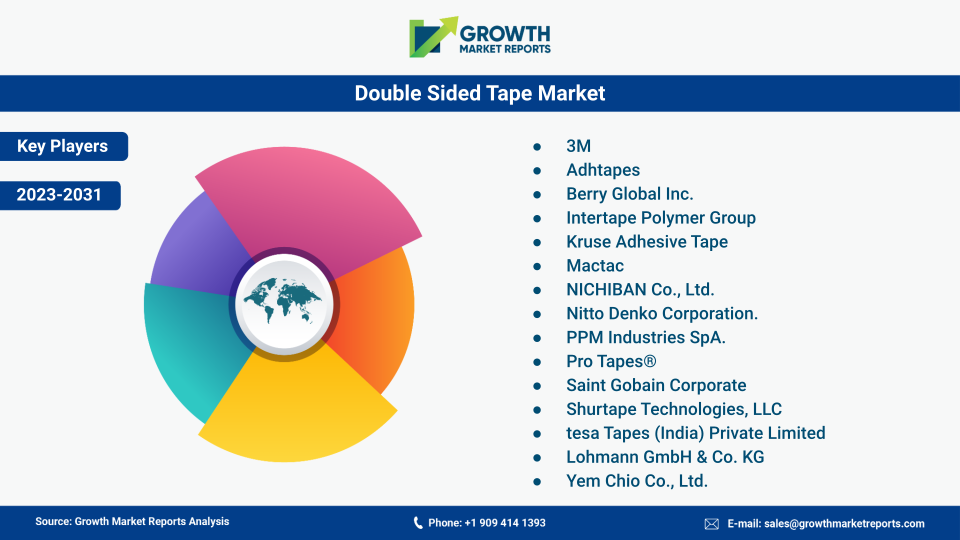
Major companies operating in the global double sided tape market include 3M Company, Nitto Denko Corporation, Tesa SE (Beiersdorf AG), Avery Dennison Corporation, Lintec Corporation, Intertape Polymer Group Inc., Shurtape Technologies LLC, Lohmann GmbH & Co. KG, Sekisui Chemical Co., Ltd., and Berry Global Inc. 3M Company is recognized for its extensive product portfolio, strong R&D capabilities, and global distribution network, making it a consistent leader in the market as of 2025. Nitto Denko Corporation and Tesa SE are known for their innovative adhesive technologies and strong presence in the automotive and electronics sectors. Avery Dennison Corporation specializes in pressure-sensitive adhesive solutions, catering to diverse industries such as packaging, healthcare, and retail.
Scapa Group plc and Lintec Corporation are prominent players in the healthcare and industrial segments, offering specialized tapes for medical device assembly, wound care, and industrial bonding applications. Intertape Polymer Group Inc. and Shurtape Technologies LLC have a strong presence in the packaging and construction markets, providing high-performance tapes for sealing, mounting, and splicing tasks. Lohmann GmbH & Co. KG and Saint-Gobain Performance Plastics focus on advanced adhesive solutions for automotive, electronics, and specialty applications, leveraging their expertise in materials science and engineering. Sekisui Chemical Co., Ltd. and Berry Global Inc. further strengthen the competitive field through their broad manufacturing capabilities and geographic reach. These companies are continuously investing in product innovation, sustainability, and customer-centric strategies to maintain their competitive edge in the dynamic double sided tape market through 2034.
The Double Sided Tape market has been segmented on the basis of
Key emerging trends include the development of eco-friendly and bio-based adhesive formulations, integration of conductive and thermally conductive functional layers, rising demand driven by electric vehicle production, growth of wearable health technology requiring medical-grade adhesives, and the expansion of omni-channel distribution strategies. Digitalization and Industry 4.0 adoption are also reshaping manufacturing and supply chain operations across the sector.
Double sided tapes reach end-users through offline channels (direct sales, distributors, wholesalers, and retail stores) and online channels (e-commerce platforms and direct-to-consumer models). Offline channels remain dominant for industrial and commercial buyers requiring bulk orders and technical support, while online channels are growing rapidly due to convenience and digital procurement adoption.
The four primary backing materials are foam (valued for cushioning and gap-filling), film (including PET, PP, and PVC for strength and transparency), paper (cost-effective for packaging and general use), and specialty materials such as fabric, foil, and mesh designed for technical or industrial applications.
Leading players include 3M Company, Nitto Denko Corporation, Tesa SE, Avery Dennison Corporation, Lintec Corporation, Intertape Polymer Group Inc., Shurtape Technologies LLC, Lohmann GmbH & Co. KG, Sekisui Chemical Co., Ltd., and Berry Global Inc., among others.
Key applications include automotive component assembly and NVH management, panel and insulation mounting in construction, component bonding and EMI shielding in electronics, carton sealing and splicing in packaging, and medical device assembly and wound care in healthcare. Emerging applications in renewable energy and wearable technology are also gaining traction.
Asia Pacific dominates the global market, accounting for approximately 45% of total revenue in 2025, equivalent to roughly USD 6.3 billion. Rapid industrialization in China, India, Japan, and South Korea, combined with a strong automotive and electronics manufacturing base, underpins this leadership.
The market offers four primary product types: acrylic-based tapes (the largest segment, approximately 42.5% share in 2025), rubber-based tapes, silicone-based tapes, and specialty or hybrid formulations categorized as others. Each type serves distinct performance and application requirements.
The automotive, electrical and electronics, building and construction, packaging, and healthcare industries are the primary demand drivers. The rapid adoption of electric vehicles, miniaturization of electronic devices, and growth of e-commerce packaging are particularly notable contributors in 2025.
The market is projected to grow at a CAGR of 6.1% from 2026 to 2034, reaching an estimated USD 23.8 billion by 2034. Growth is driven by expanding applications in electric vehicles, consumer electronics, and sustainable construction.
The global double sided tape market reached USD 14.0 billion in 2025, supported by strong and diversified demand across automotive, electronics, construction, packaging, and healthcare end-use industries.