Segments - by Grade (Industrial Grade, Agricultural Grade, Pharmaceutical Grade, Others), by Application (Pigments & Ceramics, Fungicides & Algaecides, Electrical & Electronics, Catalysts, Others), by End-Use Industry (Agriculture, Paints & Coatings, Chemicals, Electronics, Pharmaceuticals, Others)
According to our latest research, the global cuprous oxide (CAS 1317-39-1) market size was valued at USD 1.62 billion in 2024, with a robust compound annual growth rate (CAGR) of 5.1% expected through the forecast period. This growth trajectory is projected to elevate the market to USD 2.54 billion by 2033. The marketÂ’s expansion is primarily driven by the rising demand for cuprous oxide in diverse applications such as pigments, ceramics, fungicides, and electronic components. As per our latest research, increasing utilization across industrial, agricultural, and pharmaceutical sectors is fueling market growth, with Asia Pacific emerging as a significant contributor due to its expanding manufacturing base and agricultural activities.
The growth of the cuprous oxide market is underpinned by several key factors. Firstly, the increasing adoption of cuprous oxide as a pigment in ceramics and paints is propelling demand. The unique red coloration offered by cuprous oxide makes it a preferred choice in the production of colored glass and ceramics, as well as in anti-fouling paints for marine applications. The chemicalÂ’s stability and non-toxic nature further enhance its appeal in these industries. Additionally, the ongoing trend towards sustainable and eco-friendly materials is encouraging manufacturers to substitute traditional pigments with cuprous oxide, which is perceived as a safer alternative. This shift is particularly prominent in developed regions where regulatory frameworks prioritize environmental safety and human health.
Another significant growth factor is the expanding application of cuprous oxide in the agricultural sector. As an effective fungicide and algaecide, cuprous oxide is widely used to protect crops from fungal infections and algae growth. The agricultural industryÂ’s increasing focus on improving crop yields and minimizing losses due to plant diseases is driving the demand for advanced fungicidal solutions. Moreover, the growing awareness about the adverse effects of synthetic chemicals is prompting a shift towards copper-based fungicides, including cuprous oxide. The market is also benefiting from technological advancements in agrochemicals that enhance the efficacy and safety profile of cuprous oxide-based products, making them more attractive to modern farmers.
The electronics and electrical industry is another pivotal area contributing to the growth of the cuprous oxide market. With the proliferation of electronic devices and the miniaturization of components, the demand for high-purity cuprous oxide as a semiconductor material is on the rise. Cuprous oxide is utilized in the fabrication of rectifiers, diodes, and other electronic components due to its excellent electrical conductivity and stability. Furthermore, the ongoing research and development activities aimed at harnessing the unique properties of cuprous oxide for next-generation electronics, including solar cells and sensors, are expected to create lucrative opportunities for market players. The convergence of technological innovation and increasing consumer electronics penetration is set to sustain the momentum of the cuprous oxide market in the coming years.
In the realm of pigments, Red Arsenic Sulfide has historically been used for its vibrant hue, known for its striking red color that has been a favorite in artistic and decorative applications. Despite its historical usage, modern industries have shifted towards safer alternatives due to the toxic nature of arsenic compounds. However, the legacy of Red Arsenic Sulfide in the pigment industry highlights the ongoing evolution of materials used in coloration, where safety and environmental considerations are now at the forefront. The transition to safer materials like cuprous oxide reflects a broader trend in the industry towards sustainability and safety, ensuring that the vibrant colors we enjoy today do not come at the expense of health or the environment.
Regionally, Asia Pacific dominates the global cuprous oxide market, accounting for the largest share in 2024. The regionÂ’s leadership is attributed to its robust manufacturing sector, extensive agricultural activities, and rapid industrialization. Countries such as China, India, and Japan are at the forefront, driven by high demand from end-use industries like paints, coatings, and electronics. North America and Europe also represent significant markets, characterized by advanced technological adoption and stringent environmental regulations that support the use of eco-friendly chemicals like cuprous oxide. Meanwhile, Latin America and the Middle East & Africa are emerging as promising markets, albeit at a slower pace, due to increasing investments in agriculture and infrastructure development.
The grade segment of the cuprous oxide market is categorized into industrial grade, agricultural grade, pharmaceutical grade, and others, each catering to distinct industry requirements and standards. Industrial grade cuprous oxide commands the largest share, owing to its widespread use in the manufacturing of pigments, ceramics, and electrical components. Its high purity and consistent quality make it an ideal choice for industrial applications where stringent performance is critical. The demand for industrial grade cuprous oxide is further fueled by the ongoing expansion of the construction and automotive industries, which utilize it in anti-fouling paints and coatings. Manufacturers are increasingly investing in advanced production processes to enhance the quality and yield of industrial grade cuprous oxide, thereby strengthening their market position.
Agricultural grade cuprous oxide is gaining significant traction, primarily due to its effectiveness as a fungicide and algaecide. This grade is specifically formulated to meet the safety and efficacy requirements of agricultural applications, ensuring minimal toxicity to crops and the environment. The rising global population and the consequent need to enhance agricultural productivity are driving the adoption of agricultural grade cuprous oxide. Governments and regulatory bodies are also promoting the use of copper-based fungicides as part of integrated pest management strategies, which is expected to further boost market growth. Additionally, advancements in formulation technologies are enabling the development of more efficient and user-friendly agricultural products, expanding the application scope of this grade.
In the context of industrial applications, Antimony Trioxide plays a crucial role as a flame retardant in plastics, textiles, and electronics. Its effectiveness in enhancing fire resistance has made it a staple in safety applications, particularly in sectors where fire hazards are a significant concern. The compound's ability to synergize with halogenated flame retardants enhances its utility, making it a preferred choice in various formulations. However, the industry is also exploring alternatives due to health and environmental concerns associated with antimony compounds. This shift is part of a larger movement towards developing safer and more sustainable fire retardant solutions that align with regulatory standards and consumer expectations.
The pharmaceutical grade cuprous oxide segment, while smaller in comparison, is witnessing steady growth due to its application in the synthesis of active pharmaceutical ingredients and as an antimicrobial agent. The stringent regulatory standards governing pharmaceutical products necessitate the use of high-purity cuprous oxide, which drives up production costs but ensures safety and efficacy. The increasing prevalence of infectious diseases and the demand for innovative antimicrobial solutions are expected to support the growth of this segment. Pharmaceutical companies are also exploring new therapeutic areas where cuprous oxide can be utilized, thereby broadening its application base within the healthcare industry.
Other grades of cuprous oxide, including those used in specialized applications such as laboratory research and niche industrial processes, contribute a modest share to the overall market. These grades are often tailored to meet specific customer requirements, such as particle size distribution, purity levels, and chemical reactivity. The demand for customized cuprous oxide products is increasing, particularly in advanced research and development settings where standard grades may not suffice. Market players are responding by offering a wider range of product specifications and collaborating with research institutions to develop innovative solutions that address emerging industry needs.
| Attributes | Details |
| Report Title | Cuprous Oxide (CAS 1317-39-1) Market Research Report 2033 |
| By Grade | Industrial Grade, Agricultural Grade, Pharmaceutical Grade, Others |
| By Application | Pigments & Ceramics, Fungicides & Algaecides, Electrical & Electronics, Catalysts, Others |
| By End-Use Industry | Agriculture, Paints & Coatings, Chemicals, Electronics, Pharmaceuticals, Others |
| Regions Covered | North America, Europe, APAC, Latin America, MEA |
| Base Year | 2024 |
| Historic Data | 2018-2023 |
| Forecast Period | 2025-2033 |
| Number of Pages | 253 |
| Number of Tables & Figures | 363 |
| Customization Available | Yes, the report can be customized as per your need. |
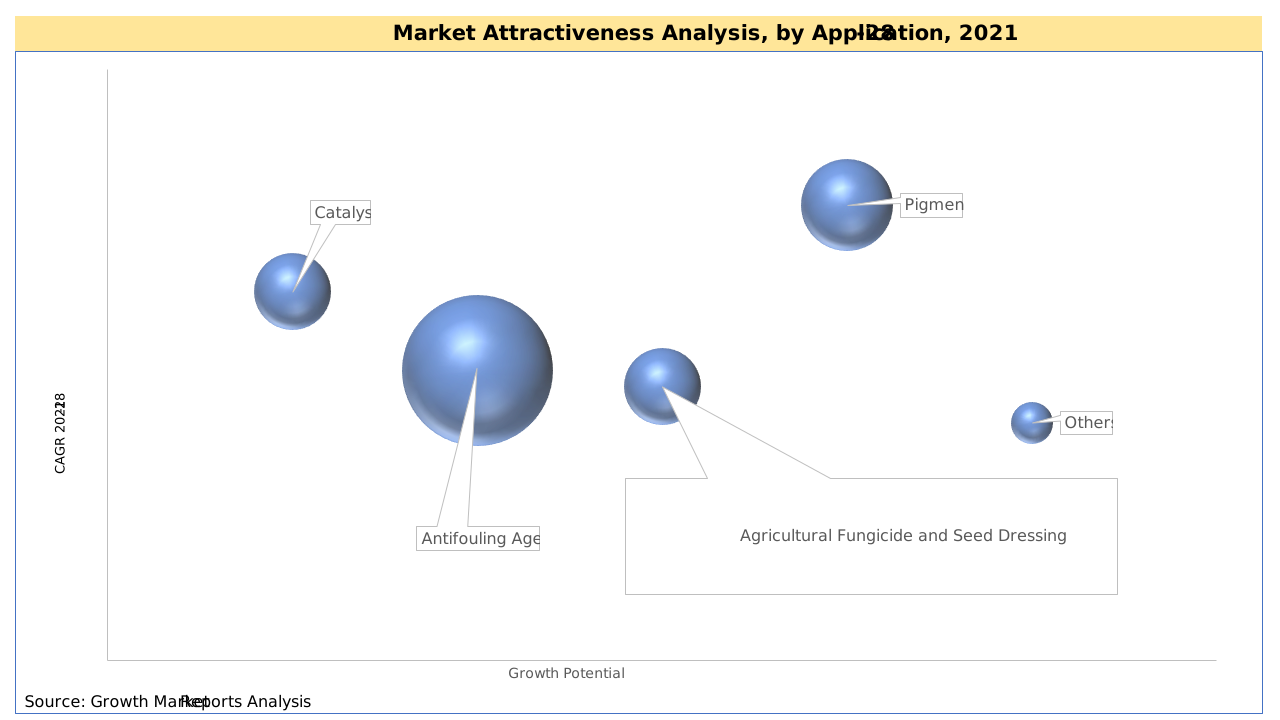
The application segment of the cuprous oxide market encompasses pigments and ceramics, fungicides and algaecides, electrical and electronics, catalysts, and others. Pigments and ceramics represent the largest application area, driven by the unique red coloration and stability that cuprous oxide imparts to glass, ceramics, and paints. The construction and automotive industries are major consumers of cuprous oxide-based pigments, utilizing them in architectural coatings and automotive finishes for their durability and aesthetic appeal. The trend towards eco-friendly and lead-free pigments is also contributing to the growing popularity of cuprous oxide in these applications, as it offers a safer alternative without compromising performance.
Fungicides and algaecides form another significant application segment, primarily serving the agricultural sector. Cuprous oxideÂ’s efficacy in controlling fungal and algal infestations makes it a preferred choice for crop protection. The increasing focus on sustainable agriculture and the need to reduce crop losses due to diseases are driving the adoption of copper-based fungicides. Additionally, the growing resistance of pathogens to conventional chemicals is prompting farmers to seek alternative solutions, further boosting the demand for cuprous oxide. The development of advanced formulations that enhance the bioavailability and effectiveness of cuprous oxide is expected to create new growth opportunities in this segment.
The electrical and electronics application segment is witnessing rapid growth, fueled by the rising demand for high-performance electronic components. Cuprous oxideÂ’s excellent electrical conductivity and semiconducting properties make it suitable for use in rectifiers, diodes, and solar cells. The ongoing miniaturization of electronic devices and the shift towards renewable energy sources are expected to drive the demand for cuprous oxide in this segment. Research and development efforts aimed at improving the efficiency and cost-effectiveness of cuprous oxide-based electronic materials are likely to further enhance its market prospects.
Bismuth Oxide Powder is gaining attention in the pharmaceutical and electronics industries due to its unique properties. In pharmaceuticals, it is valued for its non-toxic nature and is used in formulations where safety is paramount. In electronics, its high refractive index and dielectric properties make it suitable for advanced applications such as optical coatings and capacitors. The versatility of Bismuth Oxide Powder in these high-tech applications underscores the growing demand for materials that can meet the dual criteria of performance and safety. As industries continue to innovate, the role of Bismuth Oxide Powder is expected to expand, offering new opportunities for growth and application.
Catalysts represent a growing application area, particularly in chemical synthesis and environmental remediation processes. Cuprous oxide is used as a catalyst in various chemical reactions, including the production of methanol and the removal of pollutants from industrial effluents. The increasing emphasis on green chemistry and the need for efficient catalytic processes are driving the demand for cuprous oxide in this segment. Market players are investing in research to develop novel catalyst formulations that leverage the unique properties of cuprous oxide, thereby expanding its application scope.
Other applications of cuprous oxide include its use in laboratory research, metallurgy, and niche industrial processes. These applications, while smaller in scale, contribute to the overall diversification of the market and provide opportunities for innovation. The ability of cuprous oxide to meet the specific requirements of diverse industries underscores its versatility and potential for future growth.
The end-use industry segment of the cuprous oxide market is segmented into agriculture, paints and coatings, chemicals, electronics, pharmaceuticals, and others. Agriculture is a major end-user, leveraging cuprous oxideÂ’s fungicidal and algaecidal properties to protect crops and enhance yields. The increasing adoption of integrated pest management practices and the shift towards sustainable agriculture are driving the demand for cuprous oxide in this sector. Governments and international organizations are promoting the use of copper-based agrochemicals as part of efforts to reduce the environmental impact of conventional pesticides, further boosting market growth.
The paints and coatings industry is another significant consumer of cuprous oxide, utilizing it as a pigment and anti-fouling agent. The construction and marine sectors are key drivers of demand, as they require durable and long-lasting coatings to protect surfaces from corrosion and biofouling. The trend towards environmentally friendly coatings is encouraging manufacturers to incorporate cuprous oxide into their formulations, replacing hazardous substances with safer alternatives. The ongoing urbanization and infrastructure development in emerging economies are expected to sustain the demand for cuprous oxide-based paints and coatings in the coming years.
The chemicals industry relies on cuprous oxide as a catalyst and intermediate in various chemical synthesis processes. Its unique reactivity and stability make it an essential component in the production of specialty chemicals, including those used in pharmaceuticals, plastics, and textiles. The increasing focus on green chemistry and the need for efficient catalytic processes are driving the adoption of cuprous oxide in this sector. Market players are investing in research and development to enhance the performance and sustainability of cuprous oxide-based catalysts, thereby expanding their application scope.
The electronics industry is experiencing growing demand for cuprous oxide, particularly in the fabrication of semiconductors and electronic components. The proliferation of consumer electronics, coupled with advancements in renewable energy technologies, is driving the need for high-purity cuprous oxide. The ongoing research into new applications, such as flexible electronics and advanced sensors, is expected to create additional growth opportunities for market players. The pharmaceutical industry, while a smaller end-user, is leveraging cuprous oxideÂ’s antimicrobial properties for the development of innovative drugs and medical devices.
Other end-use industries, including metallurgy, water treatment, and laboratory research, utilize cuprous oxide for specialized applications. These industries, although smaller in scale, contribute to the overall diversification and resilience of the market. The ability of cuprous oxide to meet the specific needs of diverse industries underscores its versatility and potential for continued growth.
The cuprous oxide market presents several lucrative opportunities for growth and innovation. One of the most promising opportunities lies in the development of advanced formulations for agricultural applications. As farmers increasingly seek sustainable and effective solutions for crop protection, there is significant potential for the introduction of next-generation cuprous oxide-based fungicides and algaecides. These products can offer improved efficacy, reduced environmental impact, and enhanced safety profiles, addressing the evolving needs of modern agriculture. Additionally, the integration of digital technologies and precision agriculture practices can further enhance the adoption of cuprous oxide by enabling targeted and efficient application, thereby maximizing its benefits and minimizing wastage.
Another major opportunity exists in the electronics and renewable energy sectors. The ongoing transition towards clean energy sources, such as solar power, is driving the demand for high-performance semiconductor materials. Cuprous oxideÂ’s unique electrical properties make it an attractive candidate for use in photovoltaic cells and other electronic components. Research and development efforts aimed at improving the efficiency and scalability of cuprous oxide-based materials can unlock new applications and markets. Collaborations between industry players, research institutions, and government agencies can accelerate innovation and facilitate the commercialization of advanced cuprous oxide technologies, thereby driving market growth.
Despite the numerous opportunities, the cuprous oxide market faces certain challenges and threats that could hinder its growth. One of the primary restraining factors is the volatility in raw material prices, particularly copper, which directly impacts the production cost of cuprous oxide. Fluctuations in copper prices can lead to supply chain disruptions and margin pressures for manufacturers, affecting their ability to meet market demand. Additionally, the stringent regulatory requirements governing the use of copper-based chemicals, especially in developed regions, can pose compliance challenges and increase operational costs. Market players must invest in sustainable sourcing practices and regulatory compliance to mitigate these risks and ensure long-term growth.
The Asia Pacific region leads the global cuprous oxide market, accounting for an estimated 42% of the total market value in 2024, which translates to approximately USD 680 million. The regionÂ’s dominance is driven by its robust manufacturing sector, extensive agricultural activities, and rapid industrialization. China and India are the primary contributors, with significant demand arising from the paints and coatings, agriculture, and electronics industries. The availability of raw materials, cost-effective labor, and supportive government policies are further fueling market growth in this region. The Asia Pacific market is expected to maintain a strong CAGR of 5.7% through 2033, outpacing other regions due to ongoing investments in infrastructure and technology.
North America represents the second-largest market, with a share of around 26% or USD 420 million in 2024. The regionÂ’s growth is supported by advanced technological adoption, stringent environmental regulations, and a strong focus on sustainable agriculture. The United States is the key market, driven by high demand from the electronics, pharmaceuticals, and chemicals industries. The presence of leading market players and research institutions is fostering innovation and the development of high-value cuprous oxide products. The North American market is expected to grow at a steady CAGR of 4.3% during the forecast period, reflecting stable demand across end-use industries.
Europe holds a significant share of the global cuprous oxide market, accounting for approximately 18% or USD 290 million in 2024. The regionÂ’s market is characterized by stringent environmental standards, advanced manufacturing capabilities, and a strong emphasis on research and development. Germany, France, and the United Kingdom are the leading markets, with high demand from the paints and coatings, agriculture, and electronics sectors. The trend towards eco-friendly and lead-free products is driving the adoption of cuprous oxide in Europe. Latin America and the Middle East & Africa, while smaller in size, are emerging as promising markets due to increasing investments in agriculture and infrastructure development. These regions collectively account for the remaining 14% of the global market, with growth prospects supported by favorable government policies and rising awareness about the benefits of cuprous oxide.
The cuprous oxide market is characterized by a moderately consolidated competitive landscape, with a mix of global and regional players vying for market share. Leading companies are focusing on product innovation, capacity expansion, and strategic partnerships to strengthen their market position and cater to the evolving needs of end-use industries. The competitive dynamics are shaped by factors such as product quality, pricing, distribution networks, and customer service. Companies with advanced manufacturing capabilities and a strong presence in high-growth regions like Asia Pacific and North America are better positioned to capitalize on emerging opportunities and sustain long-term growth.
Research and development (R&D) is a key differentiator in the cuprous oxide market, with major players investing heavily in the development of new formulations and applications. The focus on sustainability and environmental compliance is driving innovation in product design and manufacturing processes. Companies are increasingly adopting green chemistry principles and leveraging advanced technologies to enhance the efficiency, safety, and environmental performance of their products. Strategic collaborations with research institutions, universities, and industry associations are also common, enabling companies to access cutting-edge knowledge and accelerate the commercialization of innovative solutions.
Mergers, acquisitions, and joint ventures are prevalent strategies among market leaders seeking to expand their product portfolios, enter new markets, and enhance their technological capabilities. These activities are particularly prominent in regions with high growth potential, such as Asia Pacific and Latin America. Companies are also focusing on strengthening their distribution networks and establishing long-term relationships with key customers to secure recurring business and enhance brand loyalty. The ability to offer customized solutions and value-added services is becoming increasingly important in differentiating offerings and capturing market share.
Some of the major companies operating in the global cuprous oxide market include American Chemet Corporation, PPG Industries, GFS Chemicals, Inc., Yosoar (Shanghai) New Material Co., Ltd., Taizhou Sunny Chemical Co., Ltd., and Pan-Continental Chemical Co., Ltd. These companies are recognized for their strong R&D capabilities, diverse product portfolios, and extensive distribution networks. For instance, American Chemet Corporation is a leading producer of copper-based chemicals, with a focus on high-quality cuprous oxide for industrial and agricultural applications. PPG Industries leverages its expertise in coatings and specialty materials to offer innovative cuprous oxide solutions for the paints and coatings industry. GFS Chemicals, Inc. is known for its high-purity cuprous oxide products, catering to the electronics and pharmaceutical sectors. Yosoar (Shanghai) New Material Co., Ltd. and Taizhou Sunny Chemical Co., Ltd. are prominent players in the Asia Pacific region, with a strong focus on product quality and customer service. Pan-Continental Chemical Co., Ltd. specializes in the production of cuprous oxide for various industrial applications, with a strong presence in both domestic and international markets.
These leading companies are continuously exploring new growth avenues by expanding their product offerings, investing in advanced manufacturing technologies, and entering strategic partnerships with key stakeholders. Their commitment to innovation, quality, and sustainability is expected to drive the ongoing evolution of the cuprous oxide market, enabling them to capture emerging opportunities and address the challenges of a dynamic global landscape.
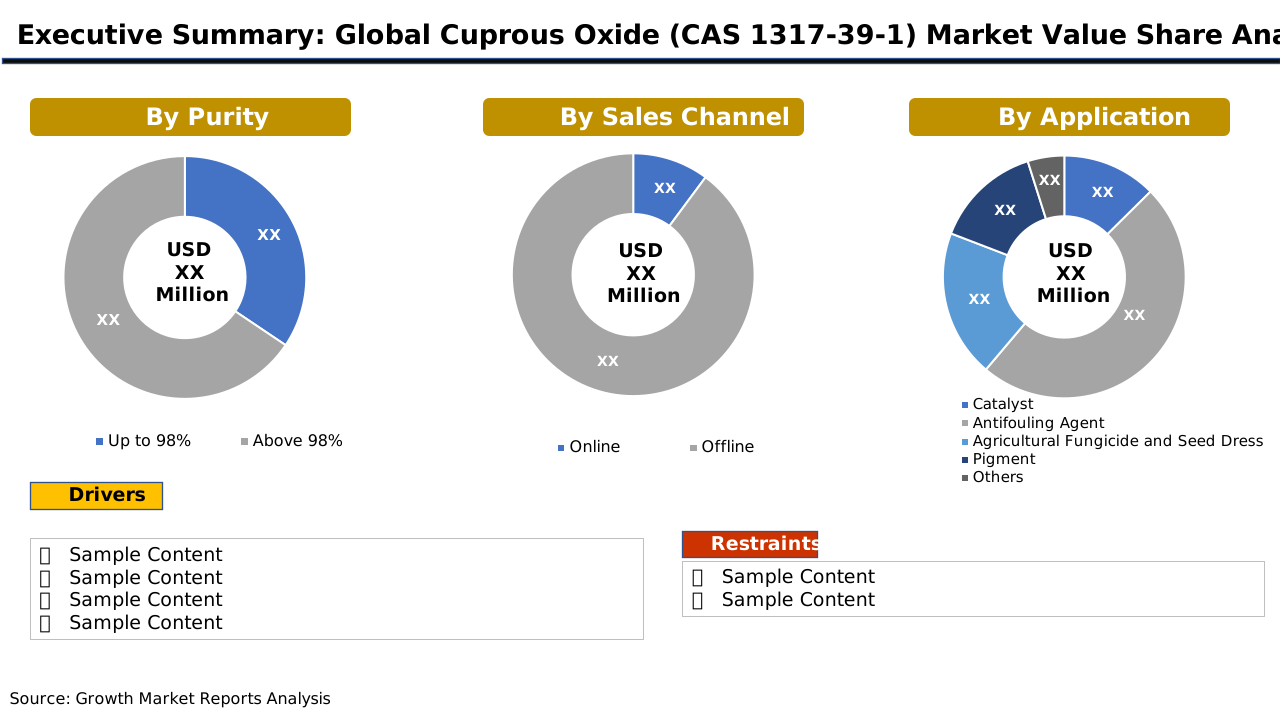
The Cuprous Oxide (CAS 1317-39-1) market has been segmented on the basis of
Haihang Industry, PERRYCHEM, American Elements, Alfa Aesar, Thermo Fisher Scientific, Jiangsu TEHO Metal Industrial Co., LTD, American Chemet Corporation, XI'AN FUNCTION MATERIAL GROUP CO.,LTD, Loba Chemie PVT LTD., Suchem Industries, Shanghai Xinbao Fine Chemical Factory. These players are considered as key manufacturers of the market based on their different varieties of product availability, regional presence, better supply chain management system, and the increasing demand for the products.
The players are adopting key strategies such as product development, geographical expansion, mergers and acquisition and many other strategies to increase their demand for cuprous oxide (CAS 1317-39-1).

Additional company profiles can be provided on request.
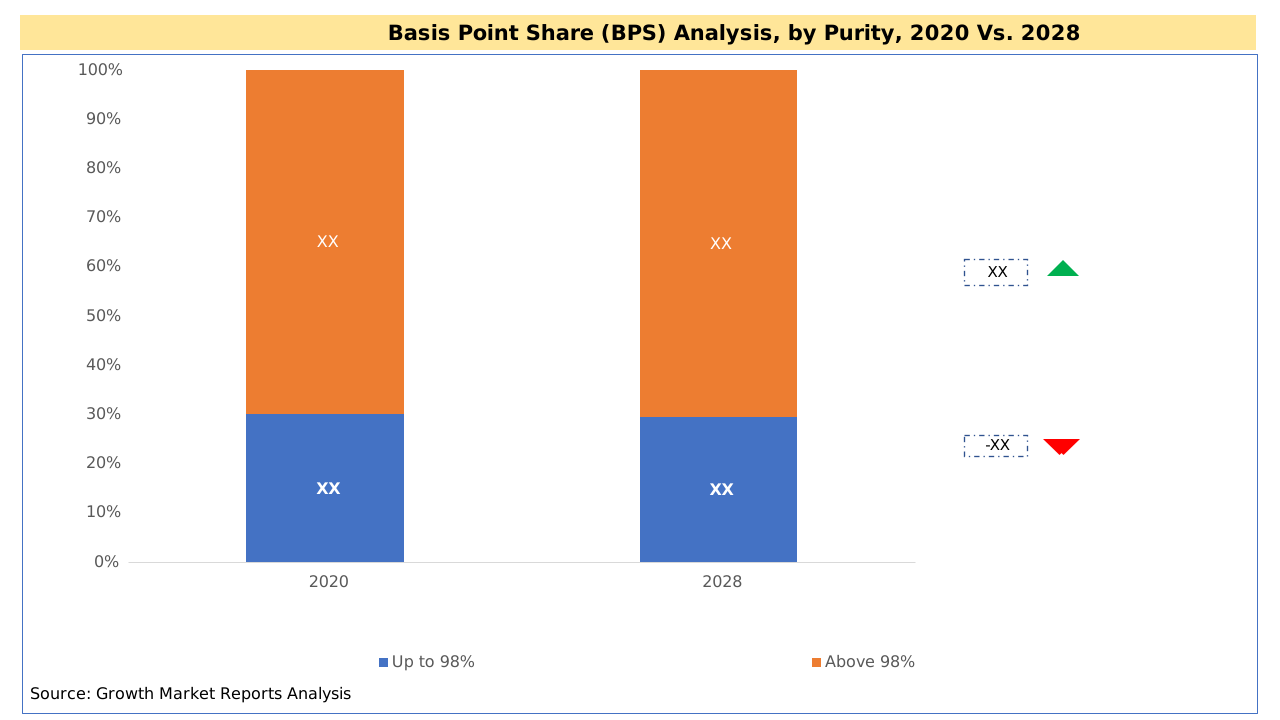
Yes, the report covers types of amniotic membrane such as Up to 98% Above 98%.
According to this growth market reports report, the market from Cuprous Oxide (CAS 1317-39-1) Market is likely to register a CAGR of 3.8% during forecast period 2020-2027, with an anticipated valuation of USD 910.3 million by the end of the 2028.
In addition to market size (in USD Million) and Company Market Share (in % for base year 2020), other data such Macro-economic factors, COVID-19 Impact on the Cuprous Oxide (CAS 1317-39-1) Market is available in final report.
The Cuprous Oxide (CAS 1317-39-1) Market is anticipated to grow significantly during forecast period due to rising development in global marine and agriculture industries.
High amount of use in antifouling paints and coatings industry, agricultural chemicals industry, glass and ceramics manufacturing and rising adoption of Cuprous Oxide (CAS 1317-39-1) across different industries is expected to further fuel the market over the forecast period.
Factors such as competitive strength and market positioning are key areas considered while selecting top companies to be profiled.
The market is expected to witness considerable decline in terms of demand during 2020-2021 owing to the negative impact of COVID-19 pandemic on the Cuprous Oxide (CAS 1317-39-1) Market.
The base year considered for the global Cuprous Oxide (CAS 1317-39-1) market report is 2020. The complete analysis period is 2018 to 2028, wherein, 2018 & 2019 are the historic years and the forecast is provided from 2021 to 2028.
Haihang Industry, PERRYCHEM, American Elements, Alfa Aesar, Thermo Fisher Scientific, Jiangsu TEHO Metal Industrial Co., LTD, American Chemet Corporation, XI'AN FUNCTION MATERIAL GROUP CO.,LTD, Loba Chemie PVT LTD., Suchem Industries, Shanghai Xinbao Fine Chemical Factory.