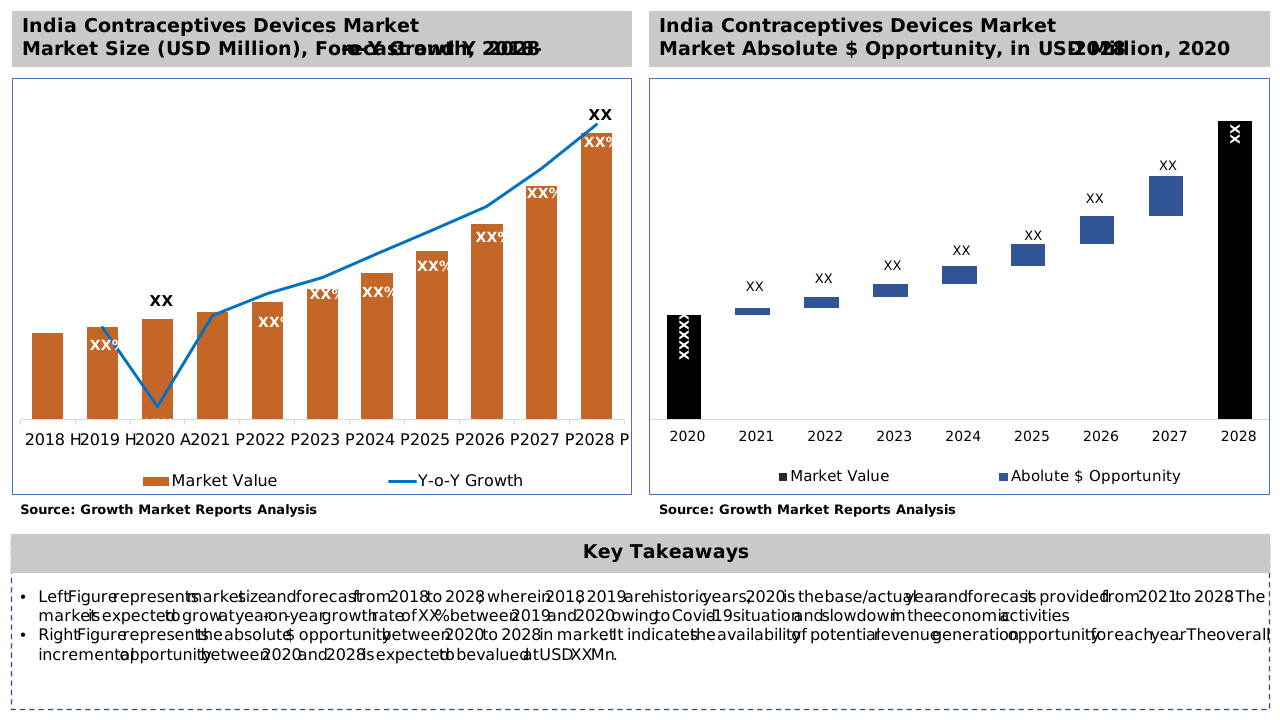
The India contraceptives devices market size is projected to expand at a significant CAGR during the forecast period, 2021-2028. The growth of the market is attributed to the imperative of reducing unplanned pregnancies and their consequences.
The India contraceptive devices market is competitive as it consists of several players. Contraceptives devices means to prevent pregnancy by using drugs or devices. It is also known as birth control and fertility control devices. The robust government promotions and schemes for women and child health is driving the market growth.
These devices are used for prevent transfer of sexually transmitted diseases or infections. Contraceptive devices could be temporary or permanent and are available for both men as well as women. Condoms are most preferred and hold a large market share in the world. Copper IUD is preferred choice among to avoid possible side effects.
Bayer HealthCare collaborated with 11 NGOs to promote use of contraceptives devices. Every year on September 26, ‘World Contraception Day’ is celebrated for increasing awareness about contraceptive methods, and encouraging young people to make decision about their reproductive health.
During the COVID-19 pandemic, especially in the first half of 2020, the global contraceptives devices market was hampered due to complete lockdown imposed in most of the countries. However, the relaxation in restriction and increasing health awareness is estimated to propel the market growth.
Market Trends, Drivers, Restraints, and Opportunities
- Increasing population is anticipated to drive the market growth during the forecast period.
- Rising use of contraception in young women is projected to boost the market growth in the coming years.
- Growing requirement for family planning is expected to spur the market growth during the forecast period.
- Increasing awareness about modern contraception is anticipated to drive the market growth in the projected period.
- Rising use of oral pills to avoid unplanned pregnancy is projected to boost the market growth in the coming years.
- Lack of social acceptance is estimated to restrict the market growth.
- Increasing medical tourism in emerging nations is anticipated to create significant opportunities for the market players.
Scope of Contraceptives Devices Market Report
The report on the India contraceptives devices market includes an assessment of the market, trends, segments, and regional markets. Overview and dynamics have also been included in the report.
|
Attributes
|
Details
|
|
Report Title
|
Contraceptives Devices Market - India Industry Analysis, Growth, Share, Size, Trends, and Forecast
|
|
Base Year
|
2020
|
|
Historic Data
|
2018–2019
|
|
Forecast Period
|
2021–2028
|
|
Segmentation
|
Types (Condoms, Diaphragms, Cervical Caps, Sponges, Vaginal Rings, Intra Uterine Device (IUD) and Others) and Gender (Male, and Female)
|
|
Country
|
India
|
|
Report Coverage
|
Company Share, Market Analysis and Size, Competitive Landscape, Growth Factors, and Trends, and Revenue Forecast
|
|
Key Players Covered in the Report
|
Bayer AG; Mayer Laboratories, Inc.; Reckitt Benckiser Group plc; CooperSurgical, Inc.; and Allergan PLC.
|
India Contraceptives Devices Market Segment Insights
Cervical caps segment to hold a significant market share
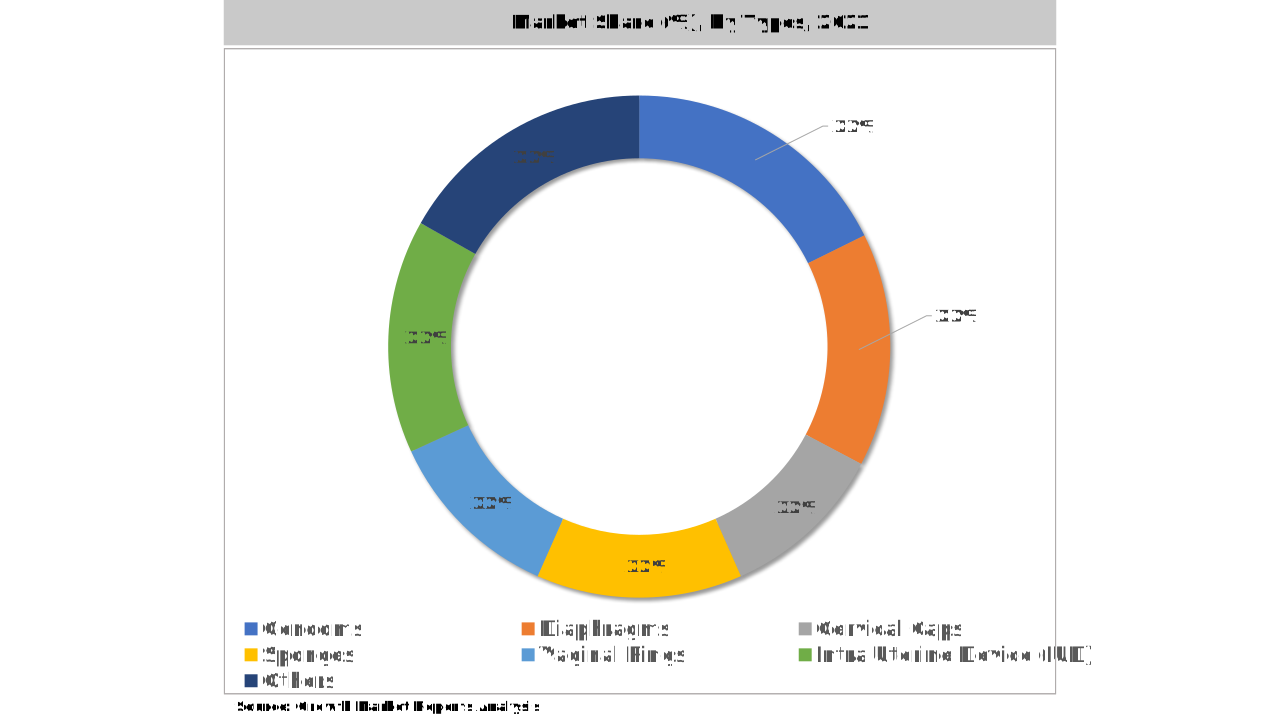
Based on types, the market is divided into condoms, diaphragms, cervical caps, sponges, vaginal rings, intra uterine device (IUD), and others. The diaphragms segment is anticipated to hold a key share of the market in the coming years due to its benefits such as portable, reusable, and hormone-free. However, the cervical caps segment is anticipated to expand at a rapid pace during the forecast period. The reusability of cervical caps and the smaller size of it then diaphragm is propelling the market segment growth.
Female segment is anticipated to grow at a rapid pace
On the basis of gender, the India contraceptives devices market is segmented into male and female. The male contraceptives devices segment is projected to constitute a major market share during the forecast period due to easy availability and cost-effectiveness of male contraceptive devices. On the other hand, the female contraceptives devices segment is anticipated to expand at a rapid pace during the forecast period. Rising use of contraceptive devices among women to reduce risk of uterine cancer and regulates menstrual cycles and makes periods less painful.
Segments
The India contraceptives devices market has been segmented on the basis
Types
- Condoms
- Diaphragms
- Cervical Caps
- Sponges
- Vaginal Rings
- Intra Uterine Device (IUD)
- Others
Genders
Country
Key Players
Competitive Landscape
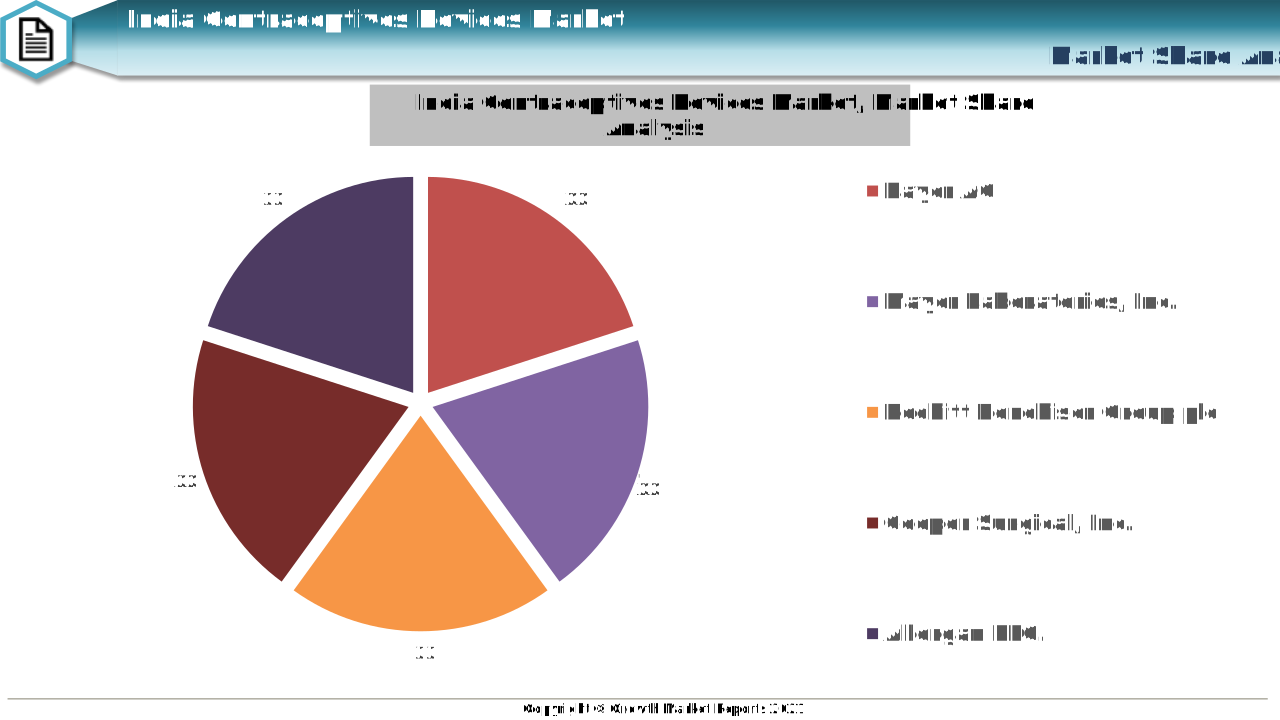
Key players competing in the India contraceptives devices market includes Bayer AG; Mayer Laboratories, Inc.; Reckitt Benckiser Group plc; CooperSurgical, Inc.; and Allergan PLC.
Some of these players are engaging in business strategies such as mergers, acquisitions, partnerships, collaborations, capacity expansion, and product launches to enhance their market share.
In October 2020, In India, Durex, a UK-based company introduced a product range, namely ‘Durex invisible condoms.’











 Request For Customization
 Enquiry Before Buying
 Speak With Analyst