Segments - by Product Type (Indoor Monitors, Outdoor Monitors, Portable Monitors, Fixed Monitors), by Pollutant Type (Chemical Pollutants, Physical Pollutants, Biological Pollutants), by Sampling Method (Continuous Monitoring, Manual Monitoring, Passive Monitoring, Intermittent Monitoring), by End-User (Industrial, Commercial, Residential, Government & Academic, Others)
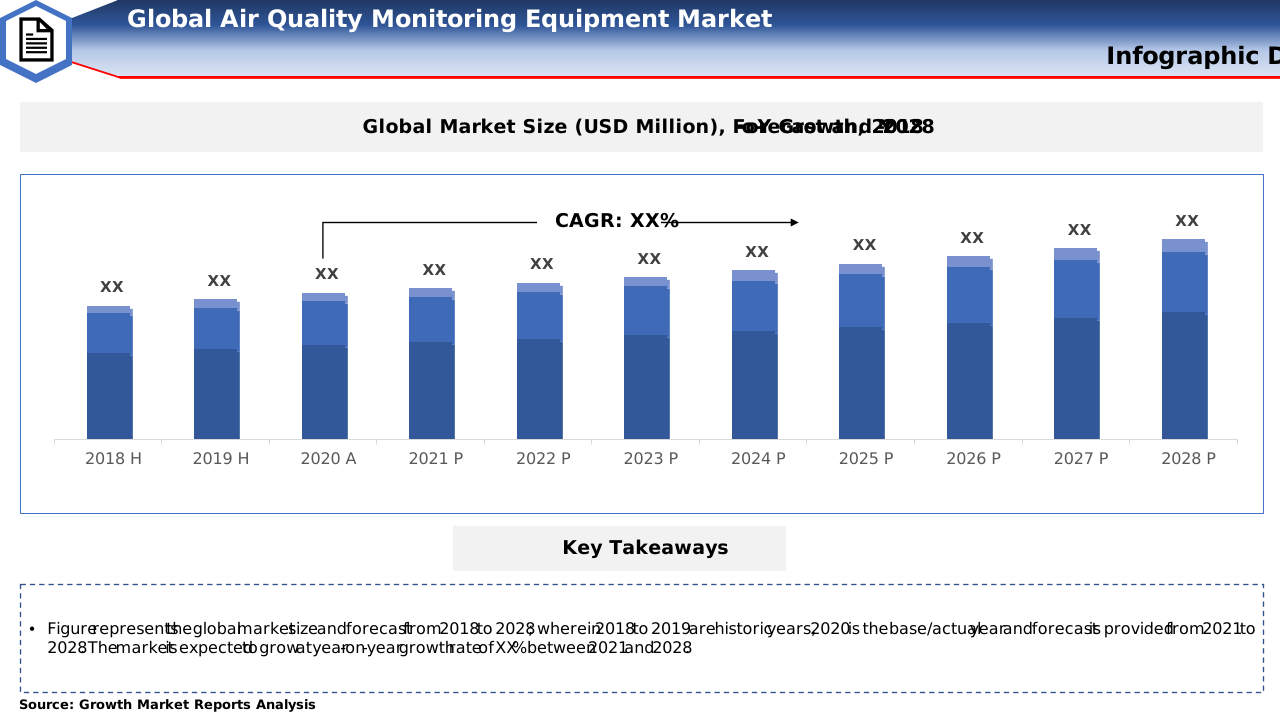
According to our latest research, the global air quality monitoring equipment market size reached USD 6.9 billion in 2024, reflecting the increasing demand for effective air pollution control and public health protection. The market is projected to grow at a robust CAGR of 7.2% from 2025 to 2033, reaching an estimated value of USD 13.03 billion by 2033. This growth is primarily driven by stringent environmental regulations, rising awareness regarding air pollutionÂ’s adverse health impacts, and the rapid urbanization witnessed across emerging economies. As per the latest research, the marketÂ’s expansion is further bolstered by technological advancements in sensor technology and data analytics, which are enhancing the precision and accessibility of air quality monitoring solutions worldwide.
One of the foremost growth factors propelling the air quality monitoring equipment market is the escalating prevalence of respiratory and cardiovascular diseases directly linked to deteriorating air quality. Governments and public health organizations globally are implementing stricter air quality standards and monitoring protocols, compelling industries and municipalities to invest in advanced monitoring systems. The proliferation of smart city initiatives, which emphasize environmental sustainability and citizen well-being, has also catalyzed the deployment of both indoor and outdoor air quality monitors. Furthermore, the COVID-19 pandemic underscored the importance of clean air in indoor environments, prompting commercial and residential sectors to adopt portable and fixed air quality monitors at an accelerated pace. These factors collectively contribute to the steady growth trajectory of the market.
Technological innovation remains a significant growth driver in the air quality monitoring equipment market. The integration of Internet of Things (IoT) capabilities, real-time data analytics, and wireless communication has revolutionized the way air quality data is collected, analyzed, and disseminated. Modern air quality monitors are now capable of detecting a broader spectrum of pollutants with higher accuracy, while also enabling remote monitoring and predictive maintenance. The adoption of low-cost sensor networks and cloud-based data platforms has democratized access to air quality information, empowering not only regulatory agencies but also individual consumers and community groups. This technological evolution is making air quality monitoring more scalable, cost-effective, and actionable than ever before.
Another critical factor fueling market growth is the increasing investment from both public and private sectors in environmental monitoring infrastructure. Governments across regions such as Asia Pacific and Europe are allocating substantial budgets for air quality monitoring networks, particularly in urban and industrial hotspots. This is complemented by the growing participation of private enterprises, especially in sectors like manufacturing, oil and gas, and transportation, where compliance with environmental standards is paramount. In addition, academic and research institutions are leveraging advanced monitoring equipment to conduct epidemiological studies and inform policy decisions. These collaborative efforts are creating a robust ecosystem that supports sustained market expansion.
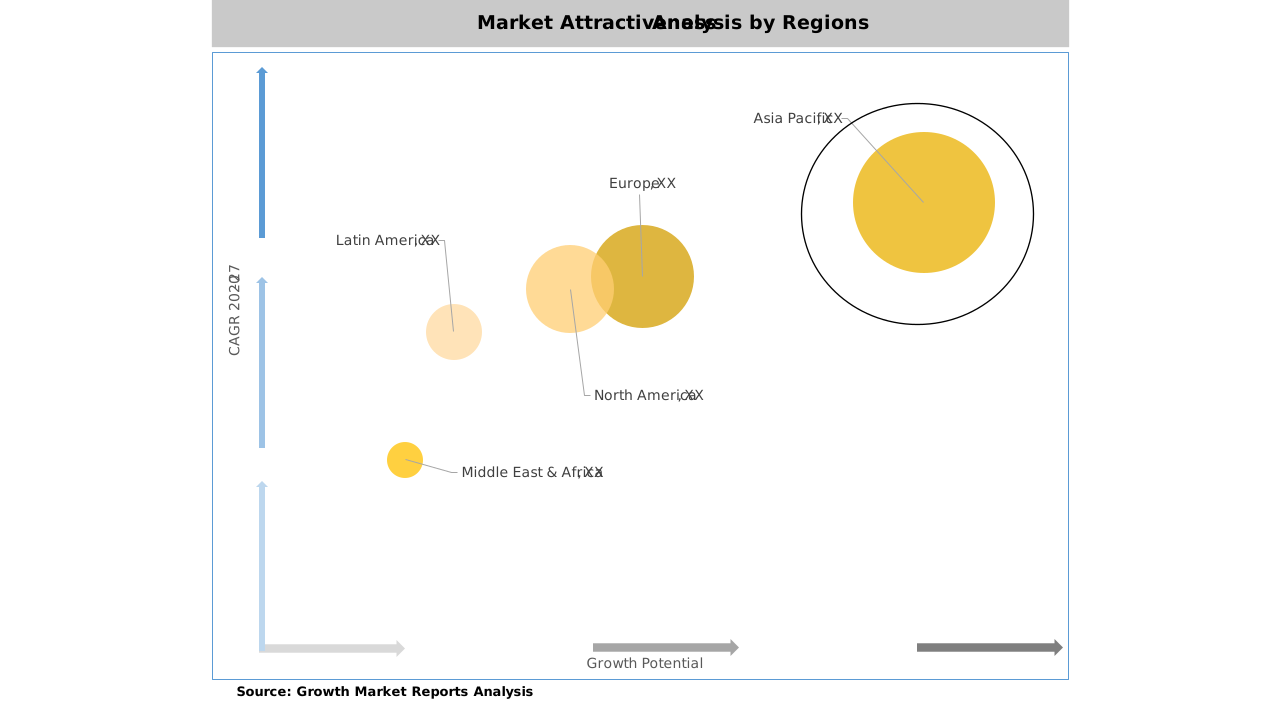
Regionally, Asia Pacific dominates the air quality monitoring equipment market, accounting for more than 38% of global revenue in 2024, followed by North America and Europe. The rapid industrialization, urbanization, and increasing vehicular emissions in countries such as China and India have intensified the focus on air quality management, resulting in significant market opportunities for equipment manufacturers. North America, with its established regulatory framework and high adoption of advanced monitoring technologies, remains a key contributor to market growth. Meanwhile, EuropeÂ’s commitment to environmental sustainability and cross-border air quality agreements continues to drive demand for sophisticated monitoring solutions. Latin America and the Middle East & Africa, while representing smaller market shares, are witnessing rising investments in air quality infrastructure, signaling future growth potential.
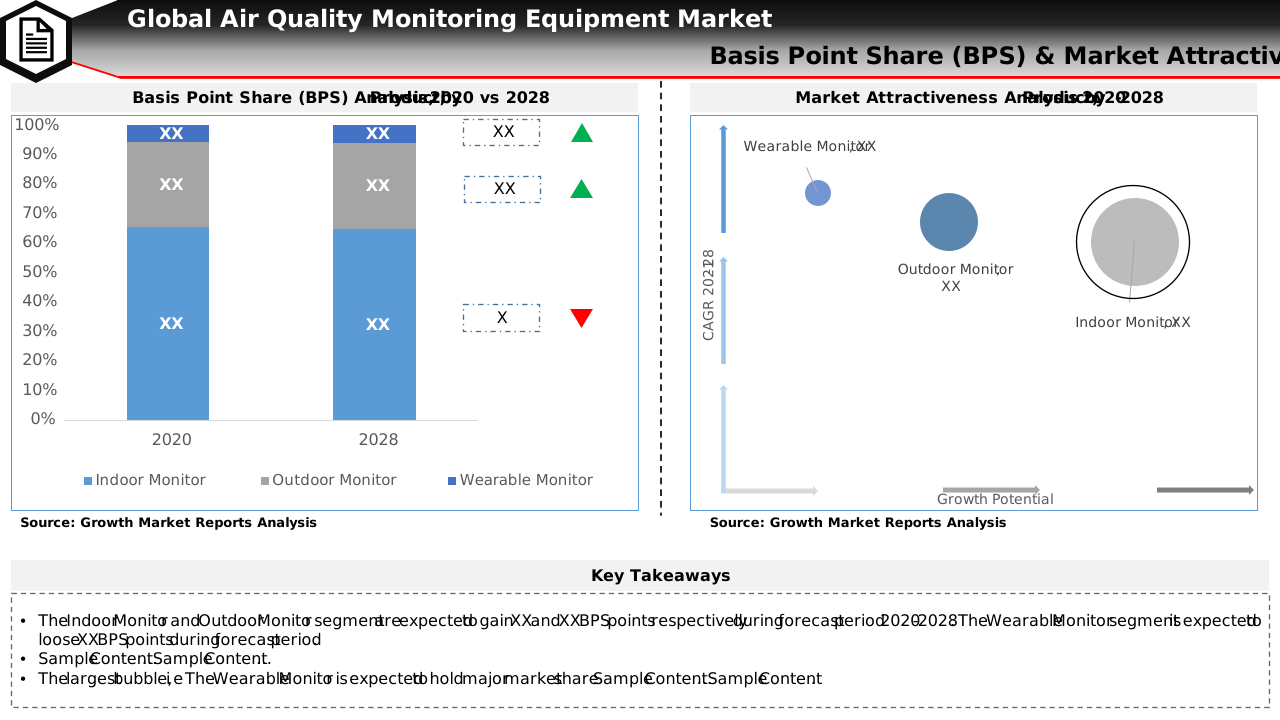
The product type segment of the air quality monitoring equipment market is categorized into indoor monitors, outdoor monitors, portable monitors, and fixed monitors. Each of these product types addresses distinct monitoring needs across various environments. Indoor air quality monitors have experienced a surge in demand, particularly in the wake of heightened concerns about airborne pathogens and pollutants in homes, offices, schools, and healthcare facilities. These devices are designed to detect chemical, physical, and biological contaminants, providing real-time feedback to occupants and facility managers. The proliferation of smart home technologies has further fueled the integration of indoor monitors with HVAC systems and mobile applications, enabling proactive air quality management and enhancing occupant health and comfort.
Outdoor air quality monitors form the backbone of municipal and industrial air quality management programs. These devices are typically deployed in urban centers, near transportation corridors, and in the vicinity of industrial facilities to track ambient air pollution levels. Outdoor monitors are equipped with advanced sensors capable of measuring a wide range of pollutants, including particulate matter (PM2.5 and PM10), nitrogen oxides, sulfur dioxide, ozone, and volatile organic compounds (VOCs). The data generated by these monitors is crucial for regulatory compliance, public health advisories, and environmental research. Recent advancements in wireless communication and solar-powered systems have made outdoor monitors more versatile and easier to deploy in remote or challenging locations.
Portable air quality monitors are gaining traction due to their flexibility and ease of use. These compact devices are favored by environmental consultants, researchers, and even individual consumers who require on-the-go monitoring capabilities. Portable monitors are commonly used for spot checks in workplaces, schools, or during field studies to assess exposure risks and identify pollution sources. The advent of user-friendly interfaces, Bluetooth connectivity, and smartphone compatibility has broadened the appeal of portable monitors, making them indispensable tools for both professional and personal applications. As awareness of indoor and outdoor air pollution grows, the demand for portable monitoring solutions is expected to rise steadily.
Air Quality Monitoring for Airports is becoming an essential component of environmental management strategies at major aviation hubs. Given the high volume of air traffic and associated emissions, airports are under increasing pressure to monitor and mitigate air pollution. By integrating state-of-the-art monitoring equipment, airports can gain real-time insights into air quality levels, enabling them to implement timely interventions and optimize operational efficiency. This not only aids in reducing the environmental footprint of airport activities but also aligns with global sustainability goals. Furthermore, air quality data collected at airports can inform policy decisions and contribute to broader regional air quality management efforts, highlighting the critical role of airports in addressing air pollution challenges.
Fixed air quality monitors, often installed in industrial facilities, commercial buildings, and public spaces, provide continuous and automated monitoring of air quality parameters. These systems are integral to compliance with environmental regulations, occupational health and safety standards, and building certification programs. Fixed monitors are typically integrated with centralized data management platforms, enabling real-time alerts, trend analysis, and predictive maintenance. The deployment of fixed monitoring networks is particularly prevalent in sectors such as manufacturing, oil and gas, and transportation, where emissions control is critical. The ongoing digital transformation in industrial operations is expected to drive further adoption of fixed air quality monitoring systems, supporting market growth across multiple end-user segments.
| Attributes | Details |
| Report Title | Air Quality Monitoring Equipment Market Research Report 2033 |
| By Product Type | Indoor Monitors, Outdoor Monitors, Portable Monitors, Fixed Monitors |
| By Pollutant Type | Chemical Pollutants, Physical Pollutants, Biological Pollutants |
| By Sampling Method | Continuous Monitoring, Manual Monitoring, Passive Monitoring, Intermittent Monitoring |
| By End-User | Industrial, Commercial, Residential, Government & Academic, Others |
| Regions Covered | North America, Europe, APAC, Latin America, MEA |
| Base Year | 2024 |
| Historic Data | 2018-2023 |
| Forecast Period | 2025-2033 |
| Number of Pages | 274 |
| Number of Tables & Figures | 360 |
| Customization Available | Yes, the report can be customized as per your need. |
The pollutant type segment of the air quality monitoring equipment market is divided into chemical pollutants, physical pollutants, and biological pollutants. Chemical pollutants, which include gases such as carbon monoxide, nitrogen oxides, sulfur dioxide, ozone, and volatile organic compounds, represent the largest share of the market. The widespread prevalence of these pollutants in urban, industrial, and residential settings necessitates robust monitoring solutions. Stringent regulatory standards, such as those set by the Environmental Protection Agency (EPA) and the European Environment Agency (EEA), mandate regular monitoring and reporting of chemical pollutant levels, driving demand for high-precision sensors and analyzers. The integration of multi-gas detection capabilities in modern monitors has enhanced the efficiency and cost-effectiveness of chemical pollutant monitoring.
Physical pollutants, primarily particulate matter (PM2.5, PM10), dust, and aerosols, are a major focus area for air quality monitoring, especially in regions with high levels of vehicular emissions, construction activity, and industrial processes. Exposure to fine particulate matter is closely linked to respiratory and cardiovascular diseases, making its monitoring a public health priority. Advances in optical and laser-based sensor technologies have improved the detection limits and accuracy of particulate monitors, enabling real-time monitoring and rapid response to pollution episodes. The deployment of dense sensor networks in cities and industrial zones allows for granular mapping of particulate pollution, supporting targeted mitigation measures and policy interventions.
Biological pollutants, including pollen, mold spores, bacteria, and viruses, have gained prominence in air quality monitoring, particularly in the context of indoor environments and disease transmission. The COVID-19 pandemic heightened awareness of airborne biological contaminants, leading to increased adoption of monitors capable of detecting and quantifying these agents. Biological pollutant monitoring is critical in healthcare facilities, schools, and public buildings to prevent outbreaks and ensure occupant safety. Recent developments in biosensor technology and machine learning algorithms have enhanced the sensitivity and specificity of biological pollutant detection, expanding the scope of air quality monitoring beyond traditional chemical and physical parameters.
The growing complexity of air pollution, characterized by the interplay of chemical, physical, and biological agents, has driven the demand for integrated monitoring solutions capable of capturing comprehensive air quality profiles. Manufacturers are increasingly offering multi-parameter monitors that combine gas, particulate, and biological sensors in a single device, streamlining data collection and analysis. This trend is expected to continue as regulatory frameworks evolve to address emerging pollutants and health risks. The ability to monitor a diverse array of pollutants in real-time is becoming a key differentiator for market players, fostering innovation and competition in the air quality monitoring equipment market.
The sampling method segment in the air quality monitoring equipment market encompasses continuous monitoring, manual monitoring, passive monitoring, and intermittent monitoring. Continuous monitoring systems are widely adopted in industrial, municipal, and research settings due to their ability to provide real-time, high-frequency data on air quality parameters. These systems are essential for detecting pollution spikes, assessing compliance with regulatory limits, and supporting early warning systems. The integration of cloud-based data management and automated calibration features has enhanced the reliability and operational efficiency of continuous monitoring solutions. As regulatory requirements become more stringent, the adoption of continuous monitoring systems is expected to expand across both developed and emerging markets.
Manual monitoring methods, which involve the periodic collection of air samples for laboratory analysis, remain relevant in applications where high-precision measurements and detailed chemical characterization are required. While manual methods are less suited for real-time monitoring, they provide valuable insights into pollutant composition, source apportionment, and long-term trends. Environmental agencies and research institutions often employ manual sampling to complement continuous monitoring networks, particularly in areas with complex pollution sources or limited infrastructure. The development of portable sampling devices and automated sample preparation techniques has improved the efficiency and accessibility of manual monitoring, ensuring its continued relevance in the market.
Passive monitoring, which relies on the natural diffusion of pollutants onto a collection medium, offers a cost-effective and low-maintenance alternative for long-term air quality assessment. Passive samplers are widely used for monitoring gaseous pollutants such as nitrogen dioxide, ozone, and volatile organic compounds in both urban and rural settings. These devices are particularly advantageous in large-scale monitoring networks, where the deployment of active sensors may be impractical or cost-prohibitive. The simplicity and affordability of passive monitoring methods have made them popular among community groups, academic researchers, and regulatory agencies seeking to expand their monitoring coverage.
Intermittent monitoring methods, which involve periodic sampling at predetermined intervals, strike a balance between data resolution and resource requirements. These methods are commonly used in environmental impact assessments, compliance monitoring, and epidemiological studies. Intermittent monitoring enables the identification of pollution patterns and exposure risks without the need for continuous data collection. Advances in sensor miniaturization and data logging technologies have improved the accuracy and convenience of intermittent monitoring devices, broadening their application across diverse end-user segments. The choice of sampling method is often dictated by regulatory requirements, monitoring objectives, and budget constraints, underscoring the importance of offering a comprehensive portfolio of solutions in the air quality monitoring equipment market.
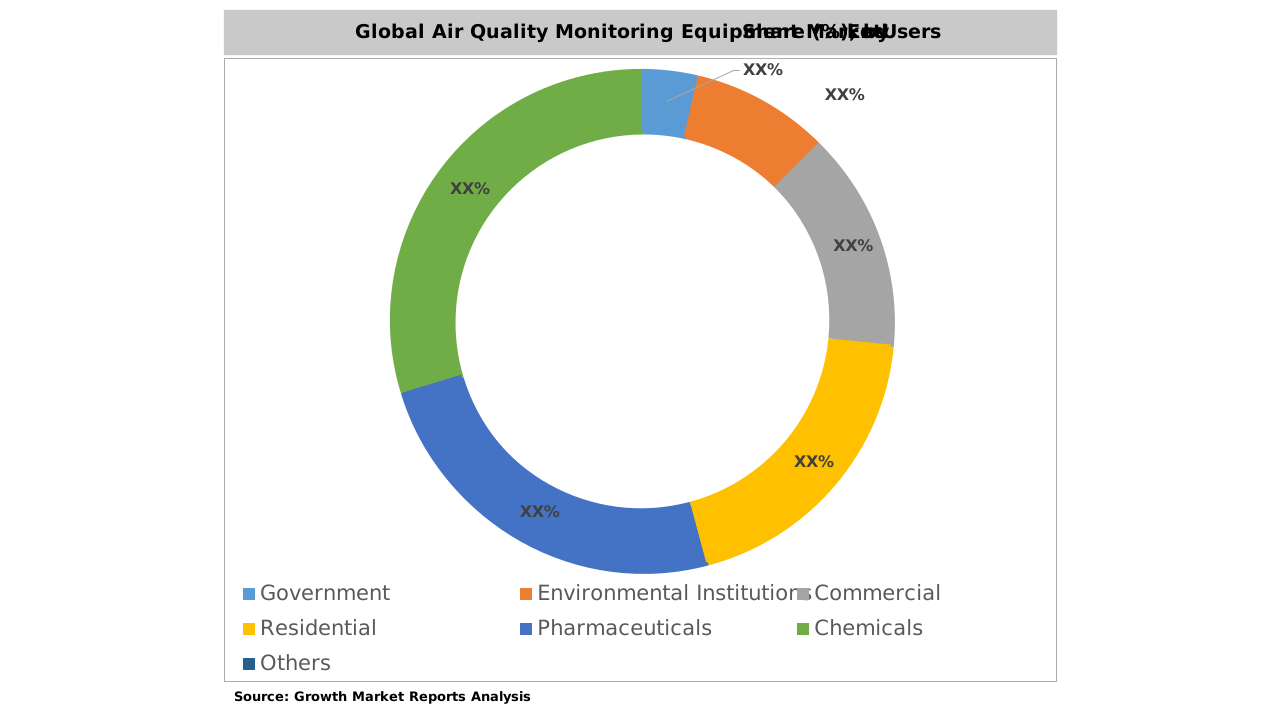
The end-user segment of the air quality monitoring equipment market is categorized into industrial, commercial, residential, government and academic, and others. The industrial sector represents the largest share of the market, driven by stringent environmental regulations and the need for continuous emissions monitoring in sectors such as manufacturing, energy, oil and gas, and chemicals. Industrial facilities are required to monitor a wide range of pollutants to ensure compliance with air quality standards and minimize environmental liabilities. The adoption of advanced monitoring solutions, including fixed and continuous systems, supports real-time data collection, process optimization, and regulatory reporting, making air quality monitoring an integral component of industrial operations.
The commercial sector, encompassing office buildings, shopping malls, hotels, and healthcare facilities, is witnessing increasing demand for indoor air quality monitoring solutions. The growing emphasis on occupant health, productivity, and well-being has prompted facility managers to invest in state-of-the-art monitoring devices capable of detecting chemical, physical, and biological contaminants. The integration of air quality monitors with building automation systems and HVAC controls enables proactive management of indoor environments, supporting green building certifications and corporate sustainability goals. The COVID-19 pandemic accelerated the adoption of air quality monitoring in commercial spaces, highlighting the importance of clean air in mitigating disease transmission and enhancing occupant confidence.
Residential adoption of air quality monitoring equipment is on the rise, fueled by growing public awareness of indoor air pollution and its health impacts. Homeowners are increasingly investing in portable and smart air quality monitors to safeguard their families from allergens, volatile organic compounds, and particulate matter. The proliferation of connected devices and mobile applications has made air quality monitoring more accessible and user-friendly, empowering consumers to take proactive measures to improve indoor air quality. The residential segment is expected to witness robust growth, particularly in urban areas with high pollution levels and among health-conscious consumers.
Government and academic institutions play a pivotal role in driving demand for air quality monitoring equipment. Regulatory agencies are responsible for establishing and enforcing air quality standards, necessitating the deployment of comprehensive monitoring networks at local, regional, and national levels. Academic and research organizations utilize advanced monitoring equipment to conduct epidemiological studies, develop pollution mitigation strategies, and inform policy decisions. The availability of government grants and research funding supports the adoption of cutting-edge monitoring technologies, fostering innovation and knowledge dissemination in the air quality domain. Other end-users, such as non-profit organizations and community groups, are also contributing to market growth by deploying low-cost sensors and citizen science initiatives to raise awareness and advocate for cleaner air.
The air quality monitoring equipment market presents a multitude of opportunities for growth and innovation. One of the most significant opportunities lies in the integration of artificial intelligence (AI) and machine learning algorithms with air quality monitoring systems. These technologies enable predictive analytics, anomaly detection, and automated decision-making, enhancing the value proposition of monitoring solutions. The expansion of smart city initiatives and the proliferation of IoT-enabled devices are creating new avenues for real-time, hyperlocal air quality monitoring, supporting urban planning and public health interventions. Additionally, the increasing focus on climate change mitigation and carbon neutrality is driving demand for comprehensive environmental monitoring solutions, positioning air quality monitoring equipment as a critical component of sustainability strategies.
Another promising opportunity is the expansion of air quality monitoring networks in emerging economies, where rapid industrialization and urbanization are exacerbating air pollution challenges. Governments in regions such as Asia Pacific, Latin America, and the Middle East & Africa are investing in environmental infrastructure and adopting international best practices to address air quality concerns. The deployment of low-cost sensor networks, community-based monitoring programs, and public-private partnerships is enabling broader coverage and engagement, creating new market opportunities for equipment manufacturers and service providers. The development of portable and wearable air quality monitors is also opening up new consumer markets, catering to health-conscious individuals and vulnerable populations.
Despite these opportunities, the market faces several restraining factors. One of the primary challenges is the high initial cost and maintenance requirements of advanced air quality monitoring systems, which can be prohibitive for small-scale users and organizations with limited budgets. The complexity of integrating monitoring solutions with existing infrastructure and data management platforms can also pose technical barriers, particularly in resource-constrained settings. Additionally, the lack of standardized protocols and interoperability among different monitoring devices can hinder data comparability and limit the effectiveness of monitoring networks. Addressing these challenges will require ongoing innovation, collaboration, and regulatory harmonization to ensure the widespread adoption and sustainability of air quality monitoring solutions.
The Asia Pacific region leads the global air quality monitoring equipment market, accounting for approximately USD 2.62 billion in revenues in 2024. This dominance is attributed to the regionÂ’s rapid industrialization, urbanization, and the growing incidence of air pollution-related health issues. Countries such as China, India, and South Korea are at the forefront of deploying extensive air quality monitoring networks, driven by government mandates and public demand for cleaner air. The Asia Pacific market is projected to grow at a CAGR of 8.1% from 2025 to 2033, outpacing other regions due to ongoing infrastructure investments and technological advancements. The increasing adoption of smart city initiatives and cross-border environmental cooperation further supports market growth in this region.
North America remains a significant contributor to the air quality monitoring equipment market, with a market value of USD 1.93 billion in 2024. The region benefits from a well-established regulatory framework, high public awareness, and advanced technological capabilities. The United States and Canada have implemented stringent air quality standards, necessitating the widespread deployment of monitoring equipment across industrial, commercial, and residential sectors. The presence of leading market players and research institutions in North America fosters innovation and supports the development of next-generation monitoring solutions. The region is expected to maintain steady growth, driven by ongoing investments in environmental protection and smart infrastructure.
Europe holds a market share of USD 1.59 billion in 2024, reflecting its strong commitment to environmental sustainability and cross-border air quality management. The European UnionÂ’s comprehensive air quality directives and funding programs have facilitated the deployment of advanced monitoring networks across member states. Countries such as Germany, the United Kingdom, and France are leading adopters of air quality monitoring equipment, leveraging data-driven approaches to address pollution hotspots and protect public health. The regionÂ’s focus on climate change mitigation and green urban development is expected to drive continued demand for air quality monitoring solutions. Latin America and the Middle East & Africa, with market values of USD 0.45 billion and USD 0.41 billion respectively, are emerging markets with significant growth potential, driven by increasing environmental awareness and government initiatives.
The air quality monitoring equipment market is characterized by a competitive landscape featuring a mix of established multinational corporations, specialized technology firms, and emerging startups. Market players are continually investing in research and development to enhance the accuracy, reliability, and cost-effectiveness of their monitoring solutions. The integration of IoT, AI, and cloud-based analytics is a key focus area, enabling companies to offer differentiated products and value-added services. Strategic partnerships, mergers and acquisitions, and geographic expansion are common strategies employed by leading players to strengthen their market position and expand their customer base. The competitive intensity is further heightened by the entry of new players offering innovative, low-cost monitoring devices and data platforms.
Major companies in the air quality monitoring equipment market include Thermo Fisher Scientific, Siemens AG, Honeywell International Inc., Teledyne Technologies Incorporated, and Emerson Electric Co. These companies have established a strong global presence through extensive product portfolios, robust distribution networks, and long-standing customer relationships. Thermo Fisher Scientific, for instance, offers a comprehensive range of air quality monitoring instruments and solutions for regulatory, industrial, and research applications. Siemens AG leverages its expertise in automation and digitalization to deliver integrated air quality monitoring systems for smart cities and industrial facilities. Honeywell International Inc. is renowned for its advanced sensor technologies and connected solutions that enable real-time air quality management across diverse environments.
Teledyne Technologies Incorporated and Emerson Electric Co. are prominent players in the industrial and municipal segments, providing high-precision monitoring equipment and data management platforms. These companies are continuously innovating to address emerging market needs, such as the detection of new pollutants, integration with building management systems, and support for remote monitoring. In addition to global leaders, several regional and niche players are making significant contributions to market growth by offering specialized solutions tailored to local regulatory requirements and customer preferences. The competitive landscape is further enriched by collaborations with academic institutions, government agencies, and non-profit organizations aimed at advancing air quality research and public awareness.
Other notable players in the market include TSI Incorporated, Aeroqual, Horiba Ltd., and 3M Company, each bringing unique strengths and capabilities to the table. TSI Incorporated specializes in particle measurement technologies and environmental monitoring solutions for research and industrial applications. Aeroqual is recognized for its user-friendly, portable air quality monitors designed for community monitoring and citizen science initiatives. Horiba Ltd. offers a diverse portfolio of gas analyzers and environmental monitoring systems, while 3M Company focuses on personal and occupational safety solutions, including wearable air quality monitors. The dynamic and evolving competitive landscape ensures that the air quality monitoring equipment market remains at the forefront of technological innovation and environmental stewardship.
The Air Quality Monitoring Equipment market has been segmented on the basis of
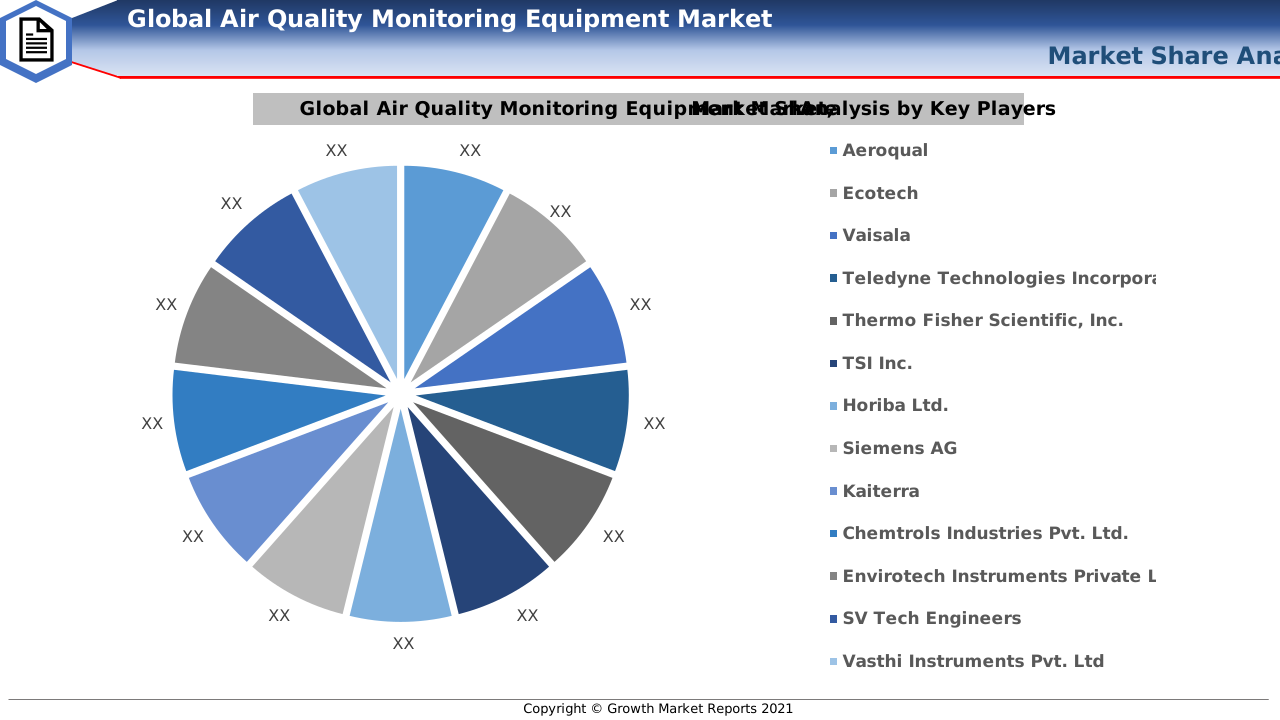
Key players in the air quality monitoring equipment market include Aeroqual, Ecotech, Vaisala, Teledyne Technologies Incorporated, Thermo Fisher Scientific, Inc., TSI Inc., Horiba Ltd., Siemens AG, Kaiterra, Chemtrols Industries Pvt. Ltd., Envirotech Instruments Private Limited, SV Tech Engineers, Vasthi Instruments Pvt. Ltd. These players engage in mergers & acquisitions, collaborations, agreements, and partnerships to strengthen their geographical presence.
Major players include Thermo Fisher Scientific, Siemens AG, Honeywell International Inc., Emerson Electric Co., Teledyne Technologies Incorporated, 3M Company, TSI Incorporated, Horiba Ltd., Aeroqual Ltd., and others.
Challenges include high initial costs and maintenance, integration complexity with existing infrastructure, lack of standardized protocols, and interoperability issues among different devices.
Key trends include the integration of IoT, real-time data analytics, wireless communication, cloud-based platforms, AI and machine learning for predictive analytics, and the development of low-cost, portable, and wearable monitoring devices.
Major end-users include industrial sectors, commercial buildings, residential users, government and academic institutions, and others such as non-profit organizations and community groups.
Sampling methods include continuous monitoring, manual monitoring, passive monitoring, and intermittent monitoring, each offering varying levels of data resolution, cost, and maintenance requirements.
Air quality monitoring equipment detects chemical pollutants (e.g., carbon monoxide, nitrogen oxides, sulfur dioxide, ozone, VOCs), physical pollutants (e.g., particulate matter PM2.5, PM10, dust, aerosols), and biological pollutants (e.g., pollen, mold spores, bacteria, viruses).
The market is segmented into indoor monitors, outdoor monitors, portable monitors, and fixed monitors, each catering to different monitoring needs across various environments.
Asia Pacific dominates the market, accounting for over 38% of global revenue in 2024, followed by North America and Europe. Rapid industrialization and urbanization in countries like China and India are major contributors to this growth.
Key growth drivers include stringent environmental regulations, rising awareness about the health impacts of air pollution, rapid urbanization, technological advancements in sensor technology and data analytics, and increased investment in environmental monitoring infrastructure.
The global air quality monitoring equipment market reached USD 6.9 billion in 2024 and is projected to grow at a CAGR of 7.2% from 2025 to 2033, reaching an estimated value of USD 13.03 billion by 2033.