Kyphoplasty Market Research Report 2033

Kyphoplasty Market Research Report 2033

Segments - by Product Type (Balloon Kyphoplasty, Vesselplasty, Others), by Indication (Osteoporotic Vertebral Compression Fractures, Malignant Spinal Fractures, Traumatic Vertebral Fractures, Others), by End User (Hospitals, Ambulatory Surgical Centers, Specialty Clinics, Others)

https://growthmarketreports.com/raksha
Author : Raksha Sharma
https://growthmarketreports.com/Vaibhav
Fact-checked by : V. Chandola
https://growthmarketreports.com/Shruti
Editor : Shruti Bhat

Upcoming | Report ID :HC-3224 | 4.6 Rating | 9 Reviews | 266 Pages | Format : Docx PDF

Report Description


Kyphoplasty Market Outlook

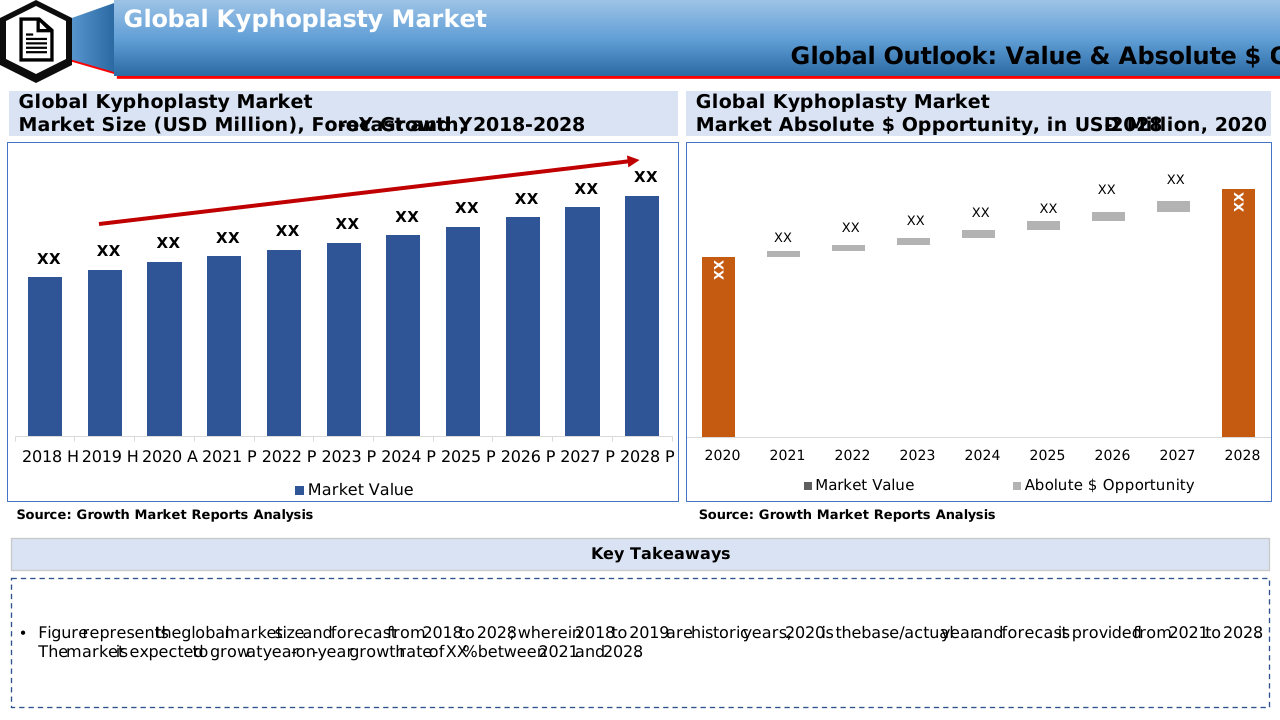
According to our latest research, the global kyphoplasty market size reached USD 1.32 billion in 2024, reflecting robust demand and technological advancements in spinal fracture management. The market is set to expand at a CAGR of 6.2% from 2025 to 2033, with the total market value projected to reach USD 2.27 billion by 2033. The primary growth driver is the rising incidence of osteoporotic vertebral compression fractures, particularly among the aging global population, coupled with increasing adoption of minimally invasive surgical techniques.

One of the major growth factors for the kyphoplasty market is the escalating prevalence of osteoporosis and related spinal fractures worldwide. Osteoporosis, a condition characterized by decreased bone density, predominantly affects the elderly, especially postmenopausal women. With the global population aged 65 and above projected to double by 2050, the incidence of osteoporotic vertebral compression fractures is expected to rise significantly. This demographic trend is fueling demand for effective, minimally invasive treatments like kyphoplasty, which offers rapid pain relief, improved mobility, and reduced hospital stays compared to conventional open surgeries. Additionally, increased awareness about osteoporosis management and early diagnosis is further propelling the market forward.

Technological innovations in kyphoplasty devices and procedures are also contributing significantly to market growth. Recent advancements include the development of new balloon catheters, radiopaque bone cements, and navigation-assisted techniques, which enhance procedural accuracy and safety. These innovations not only improve clinical outcomes but also expand the range of patients eligible for kyphoplasty. Furthermore, the integration of digital imaging and real-time monitoring systems has enabled surgeons to perform the procedure with greater precision, minimizing risks such as cement leakage and adjacent vertebral fractures. The continuous introduction of next-generation products by leading manufacturers is expected to further drive adoption rates globally.

Healthcare infrastructure improvements and favorable reimbursement policies in several developed and emerging economies are also bolstering the kyphoplasty market. Governments and private insurers are increasingly recognizing the long-term cost-effectiveness of kyphoplasty due to its ability to reduce the risk of subsequent fractures, lower healthcare utilization, and improve patient quality of life. In addition, the growing number of specialized spine care centers and ambulatory surgical centers equipped with advanced imaging and surgical tools is making kyphoplasty more accessible to patients. These factors, combined with a rising focus on outpatient procedures to reduce healthcare costs, are anticipated to sustain market momentum over the forecast period.

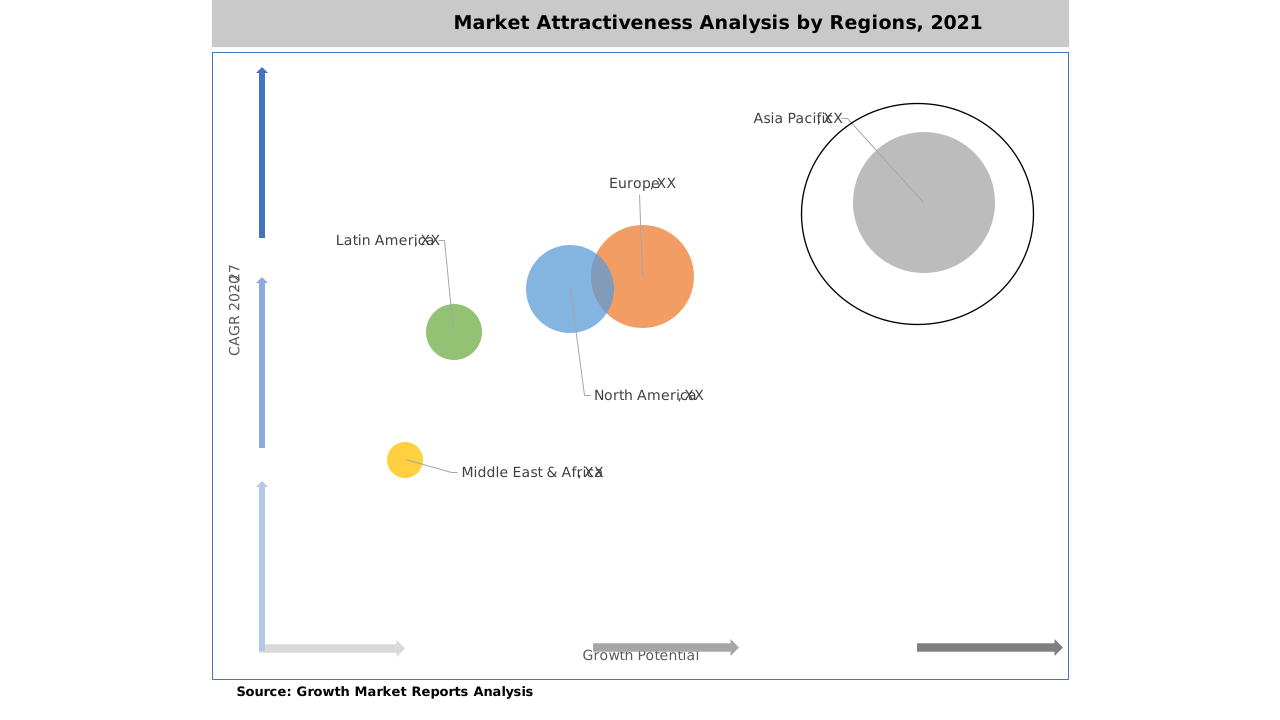
Regionally, North America dominates the kyphoplasty market due to its advanced healthcare infrastructure, high prevalence of osteoporosis, and rapid adoption of minimally invasive spine procedures. Europe follows closely, benefiting from robust healthcare systems and increasing geriatric populations. The Asia Pacific region is emerging as a lucrative market, driven by improving healthcare access, rising awareness about osteoporosis, and growing investments in medical technology. Latin America and the Middle East & Africa are also witnessing gradual growth, supported by expanding healthcare services and rising demand for advanced spinal treatments. These regional dynamics highlight the global nature of market expansion and the diverse opportunities available for stakeholders.

Global Kyphoplasty Industry Outlook

Product Type Analysis

The kyphoplasty market by product type is primarily segmented into Balloon Kyphoplasty, Vesselplasty, and Others. Balloon kyphoplasty remains the leading segment, accounting for over half of the total market share in 2024. This dominance is attributed to its well-established clinical efficacy, safety profile, and widespread acceptance among spine surgeons. Balloon kyphoplasty involves the insertion of an inflatable balloon to restore vertebral height before stabilizing the fracture with bone cement, resulting in significant pain relief and functional improvement. The continuous refinement of balloon designs, such as high-pressure and radiopaque models, has further enhanced procedural outcomes, making it the preferred choice for both patients and providers.

Vesselplasty, an emerging alternative to balloon kyphoplasty, is gaining traction due to its unique approach to vertebral augmentation. Unlike balloon kyphoplasty, vesselplasty utilizes a specialized container or mesh to contain the bone cement, thereby minimizing the risk of cement leakage and adjacent vertebral fractures. This technique is particularly advantageous in complex or highly comminuted fractures where traditional balloon kyphoplasty may be less effective. The vesselplasty segment is expected to witness the highest CAGR during the forecast period, driven by increasing clinical evidence supporting its safety and efficacy, as well as growing physician familiarity with the technique.

The “Others” category includes newer and niche kyphoplasty techniques, such as radiofrequency kyphoplasty and expandable implant-based systems. These technologies are designed to address specific clinical challenges, such as treating fractures in anatomically difficult locations or patients with severe comorbidities. While their market share remains relatively small compared to balloon kyphoplasty and vesselplasty, these innovative approaches are gradually gaining acceptance in specialized centers. The ongoing development and commercialization of such products are expected to expand the overall market, offering tailored solutions for diverse patient populations.

The competitive landscape in the product type segment is characterized by continuous product launches and strategic collaborations between medical device manufacturers and healthcare providers. Leading companies are investing heavily in research and development to introduce next-generation kyphoplasty devices with improved safety features, enhanced ease of use, and better clinical outcomes. Partnerships with hospitals and ambulatory surgical centers are also facilitating the adoption of advanced products, ensuring that patients benefit from the latest technological advancements. This dynamic environment is expected to foster innovation and drive sustained growth in the product type segment.

Report Scope

Attributes Details
Report Title Kyphoplasty Market Research Report 2033
By Product Type Balloon Kyphoplasty, Vesselplasty, Others
By Indication Osteoporotic Vertebral Compression Fractures, Malignant Spinal Fractures, Traumatic Vertebral Fractures, Others
By End User Hospitals, Ambulatory Surgical Centers, Specialty Clinics, Others
Regions Covered North America, Europe, APAC, Latin America, MEA
Base Year 2024
Historic Data 2018-2023
Forecast Period 2025-2033
Number of Pages 266
Number of Tables & Figures 392
Customization Available Yes, the report can be customized as per your need.

Indication Analysis

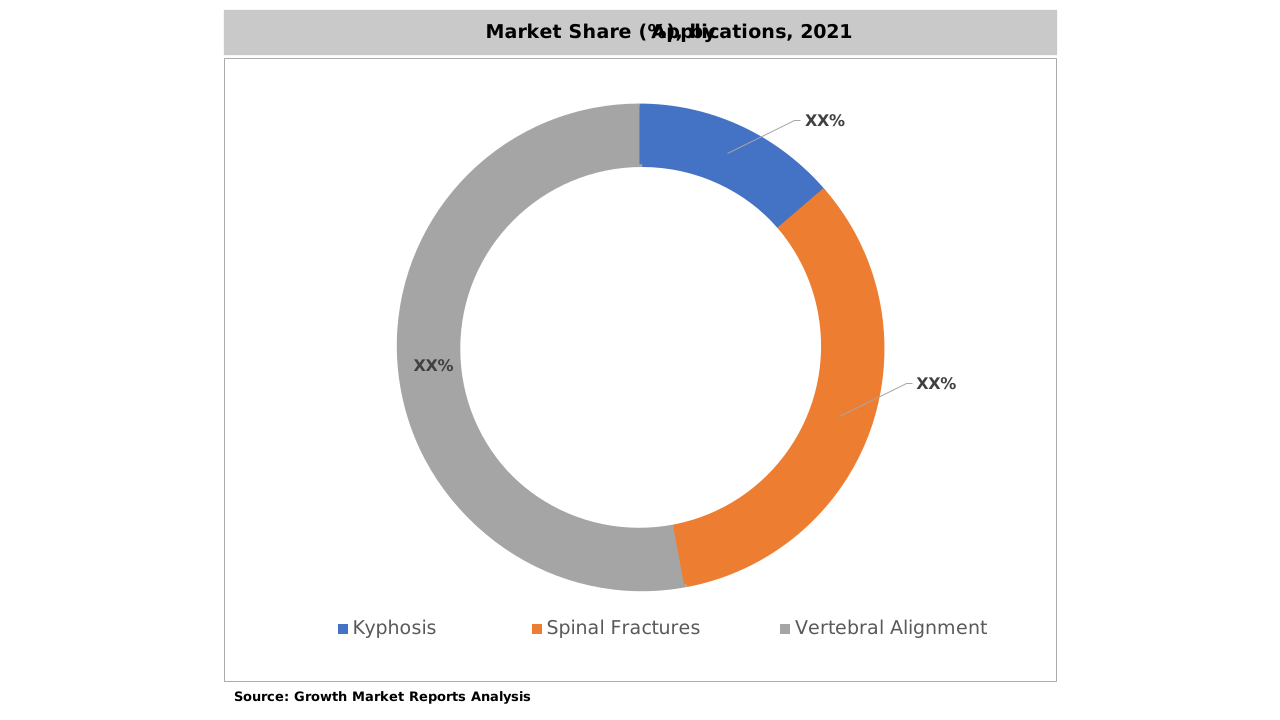
The kyphoplasty market is segmented by indication into Osteoporotic Vertebral Compression Fractures, Malignant Spinal Fractures, Traumatic Vertebral Fractures, and Others. Osteoporotic vertebral compression fractures represent the largest indication segment, accounting for over 60% of the total market in 2024. This dominance is primarily due to the high prevalence of osteoporosis among the elderly population and the significant morbidity associated with untreated vertebral fractures. Kyphoplasty has become the standard of care for managing painful osteoporotic fractures, offering rapid symptom relief and improved quality of life. The increasing adoption of bone health screening and fracture prevention programs is expected to further boost this segment’s growth.

Malignant spinal fractures, which result from metastatic cancer involving the vertebral column, constitute the second-largest indication segment. These patients often experience severe pain, spinal instability, and neurological deficits, necessitating prompt intervention. Kyphoplasty provides an effective palliative option for stabilizing the spine, reducing pain, and preserving mobility in patients with limited life expectancy. Advances in oncology and improved survival rates among cancer patients are contributing to the rising incidence of malignant spinal fractures, thereby driving demand for kyphoplasty in this segment.

Traumatic vertebral fractures, typically resulting from high-energy injuries such as falls, motor vehicle accidents, or sports-related trauma, represent a smaller but growing segment of the kyphoplasty market. While conservative management remains the mainstay for many traumatic fractures, kyphoplasty is increasingly being considered for patients who fail to respond to conventional therapies or who present with significant vertebral collapse and intractable pain. The expanding indications for kyphoplasty in trauma settings, coupled with improvements in imaging and surgical techniques, are expected to support steady growth in this segment.

The “Others” category includes rare indications such as vertebral hemangiomas, benign tumors, and certain congenital or metabolic bone disorders. Although these cases are less common, the availability of kyphoplasty as a minimally invasive treatment option has expanded its use to a broader range of spinal pathologies. Ongoing clinical research and case studies are likely to further elucidate the benefits of kyphoplasty in these unique patient populations, contributing to incremental market growth over the coming years.

End User Analysis

The kyphoplasty market by end user is segmented into Hospitals, Ambulatory Surgical Centers (ASCs), Specialty Clinics, and Others. Hospitals remain the primary end users, accounting for the largest market share in 2024. This is largely due to the comprehensive infrastructure, skilled personnel, and advanced imaging facilities available in hospital settings, which are essential for performing complex spinal procedures such as kyphoplasty. Hospitals also serve as referral centers for complicated or high-risk cases, further consolidating their dominance in the market. The ongoing expansion of hospital networks and the integration of specialized spine care units are expected to sustain growth in this segment.

Ambulatory Surgical Centers (ASCs) are experiencing rapid growth as preferred venues for kyphoplasty procedures, driven by the increasing emphasis on outpatient care and cost containment. ASCs offer several advantages, including shorter wait times, lower procedural costs, and a patient-centric environment. The shift towards minimally invasive techniques has made it feasible to perform kyphoplasty safely and efficiently in outpatient settings, reducing the need for prolonged hospital stays. As a result, the ASC segment is projected to register the highest CAGR over the forecast period, supported by favorable reimbursement policies and rising patient preference for ambulatory care.

Specialty clinics, particularly those focused on orthopedic and spine care, are also contributing to the expansion of the kyphoplasty market. These clinics provide targeted expertise, personalized treatment plans, and streamlined care pathways for patients with vertebral fractures. The increasing number of specialized clinics equipped with state-of-the-art imaging and surgical technologies is facilitating the adoption of kyphoplasty, especially in urban and suburban areas. Collaborations between specialty clinics and device manufacturers are further enhancing access to advanced kyphoplasty solutions.

The “Others” category includes rehabilitation centers, academic medical centers, and government healthcare facilities that perform kyphoplasty as part of comprehensive spinal care programs. These institutions play a vital role in clinical research, training, and the dissemination of best practices, thereby contributing to the overall growth and development of the kyphoplasty market. The continued expansion of healthcare infrastructure and the adoption of multidisciplinary care models are expected to support incremental growth in this segment.

Opportunities & Threats

The kyphoplasty market presents substantial opportunities for growth, particularly through the ongoing development of innovative products and expansion into emerging markets. Technological advancements, such as the introduction of next-generation balloon catheters, radiopaque bone cements, and navigation-assisted systems, are creating new possibilities for safer and more effective procedures. Additionally, the increasing focus on minimally invasive spine surgery is driving demand for kyphoplasty as a preferred treatment option for vertebral compression fractures. Emerging economies in Asia Pacific and Latin America offer untapped potential, with rising healthcare investments, improving access to advanced medical technologies, and growing awareness about osteoporosis and spinal health. Companies that can successfully navigate regulatory pathways and establish strong distribution networks in these regions stand to capture significant market share.

Another major opportunity lies in the integration of digital health solutions and data analytics to enhance patient outcomes and streamline care delivery. The adoption of electronic health records, telemedicine, and remote monitoring technologies can facilitate early diagnosis, personalized treatment planning, and post-procedural follow-up for kyphoplasty patients. Furthermore, partnerships between device manufacturers, healthcare providers, and research institutions are fostering the development of evidence-based guidelines and best practices, which can accelerate the adoption of kyphoplasty in routine clinical practice. The growing emphasis on value-based healthcare and patient-centric care models is also expected to drive demand for minimally invasive spinal interventions, creating a favorable environment for market expansion.

Despite the positive outlook, the kyphoplasty market faces certain restraining factors that could hinder its growth trajectory. One of the primary challenges is the risk of procedure-related complications, such as cement leakage, adjacent vertebral fractures, and infection, which can lead to adverse outcomes and increased healthcare costs. Additionally, the high cost of kyphoplasty devices and procedures may limit access in resource-constrained settings, particularly in developing countries with limited healthcare budgets. Reimbursement challenges and regulatory hurdles in certain regions may also pose barriers to market entry and expansion. Addressing these issues through ongoing clinical research, product innovation, and collaboration with regulatory authorities will be critical to ensuring the sustained growth of the kyphoplasty market.

Regional Outlook

North America continues to lead the global kyphoplasty market, with a market size of USD 540 million in 2024, accounting for over 40% of the global market. The region’s dominance is underpinned by a high prevalence of osteoporosis, advanced healthcare infrastructure, and widespread adoption of minimally invasive surgical techniques. The United States, in particular, is a key contributor, driven by a large geriatric population, robust reimbursement frameworks, and a strong presence of leading medical device manufacturers. Canada also plays a significant role, benefiting from government initiatives to improve osteoporosis management and expand access to advanced spinal care.

Europe is the second-largest regional market, with a value of USD 380 million in 2024, supported by well-established healthcare systems, increasing geriatric populations, and rising awareness about the benefits of kyphoplasty. Countries such as Germany, France, and the United Kingdom are at the forefront of market growth, driven by high rates of osteoporosis diagnosis and treatment, as well as ongoing investments in medical technology. The region is expected to witness steady growth at a CAGR of 5.8% over the forecast period, supported by favorable reimbursement policies and the expansion of specialized spine care centers.

The Asia Pacific region is emerging as a high-growth market for kyphoplasty, with a market size of USD 260 million in 2024. Rapid urbanization, improving healthcare infrastructure, and increasing awareness about osteoporosis and spinal health are driving demand for advanced spinal treatments in countries such as China, Japan, India, and South Korea. The region is expected to register the highest CAGR globally, fueled by rising healthcare investments, government initiatives to improve bone health, and the growing adoption of minimally invasive surgical techniques. Latin America and the Middle East & Africa collectively account for the remaining market share, with gradual growth supported by expanding healthcare services and increasing demand for innovative spinal care solutions.

Kyphoplasty Market Statistics

Competitor Outlook

The global kyphoplasty market is characterized by intense competition among a diverse group of multinational and regional players. The competitive landscape is shaped by continuous innovation, strategic acquisitions, and partnerships aimed at expanding product portfolios and geographic reach. Leading companies are investing heavily in research and development to introduce next-generation kyphoplasty devices with enhanced safety features, improved ease of use, and superior clinical outcomes. The focus on minimally invasive techniques and the integration of digital health solutions are further intensifying competition, as companies strive to differentiate their offerings and capture greater market share.

Market leaders are also pursuing strategic collaborations with hospitals, ambulatory surgical centers, and specialty clinics to drive adoption of their products and establish long-term partnerships. These collaborations often involve training programs, clinical research initiatives, and the co-development of innovative solutions tailored to specific patient needs. In addition, companies are leveraging digital marketing, educational campaigns, and patient engagement programs to raise awareness about the benefits of kyphoplasty and expand their customer base. The increasing emphasis on value-based healthcare and patient-centric care models is driving companies to demonstrate the cost-effectiveness and long-term benefits of their products, further shaping competitive dynamics.

Regulatory compliance and quality assurance remain critical factors in the kyphoplasty market, as companies must navigate complex approval processes and adhere to stringent safety and efficacy standards. The ability to obtain timely regulatory approvals and maintain high product quality is essential for market entry and sustained growth. Companies are also focusing on post-market surveillance and real-world evidence generation to support product claims and address emerging safety concerns. The dynamic regulatory environment, particularly in emerging markets, presents both challenges and opportunities for market participants, requiring a proactive and adaptive approach to compliance and market access.

Among the major players in the kyphoplasty market are Medtronic plc, Stryker Corporation, Globus Medical, Inc., Zimmer Biomet Holdings, Inc., and Merit Medical Systems, Inc. Medtronic is a global leader with a comprehensive portfolio of balloon kyphoplasty systems and a strong presence in North America and Europe. Stryker offers a range of innovative kyphoplasty products, including advanced balloon catheters and bone cements, and is known for its focus on minimally invasive spine surgery. Globus Medical is recognized for its cutting-edge vesselplasty and expandable implant solutions, while Zimmer Biomet specializes in integrated spine care solutions and digital health integration. Merit Medical Systems has established itself as a key player in vesselplasty and other niche kyphoplasty technologies.

Other notable companies include DePuy Synthes (Johnson & Johnson), CareFusion Corporation (Becton, Dickinson and Company), Osseon LLC, and G-21 S.r.l. These companies are actively involved in product development, clinical research, and market expansion initiatives to strengthen their competitive positions. The ongoing entry of new players and the emergence of innovative start-ups are further intensifying competition, driving continuous improvement in product performance, safety, and cost-effectiveness. As the market continues to evolve, successful companies will be those that can effectively balance innovation, quality, and market access to meet the diverse needs of patients and healthcare providers worldwide.

Key Players

  • Medtronic
  • Stryker Corporation
  • Globus Medical
  • DePuy Synthes (Johnson & Johnson)
  • Zimmer Biomet
  • Osseon LLC
  • Merit Medical Systems
  • Alphatec Spine
  • Joimax GmbH
  • Izi Medical Products
  • G-21 S.r.l.
  • Teknimed
  • Benvenue Medical
  • Spine Wave Inc.
  • Orthofix Medical Inc.
  • Seawon Meditech
  • Panmed US
  • Vexim (Subsidiary of Stryker)
  • Kinetic Medical
  • Biopsybell Srl
Kyphoplasty Market Overview

Segments

The Kyphoplasty market has been segmented on the basis of

Product Type

  • Balloon Kyphoplasty
  • Vesselplasty
  • Others

Indication

  • Osteoporotic Vertebral Compression Fractures
  • Malignant Spinal Fractures
  • Traumatic Vertebral Fractures
  • Others

End User

  • Hospitals
  • Ambulatory Surgical Centers
  • Specialty Clinics
  • Others

Competitive Landscape

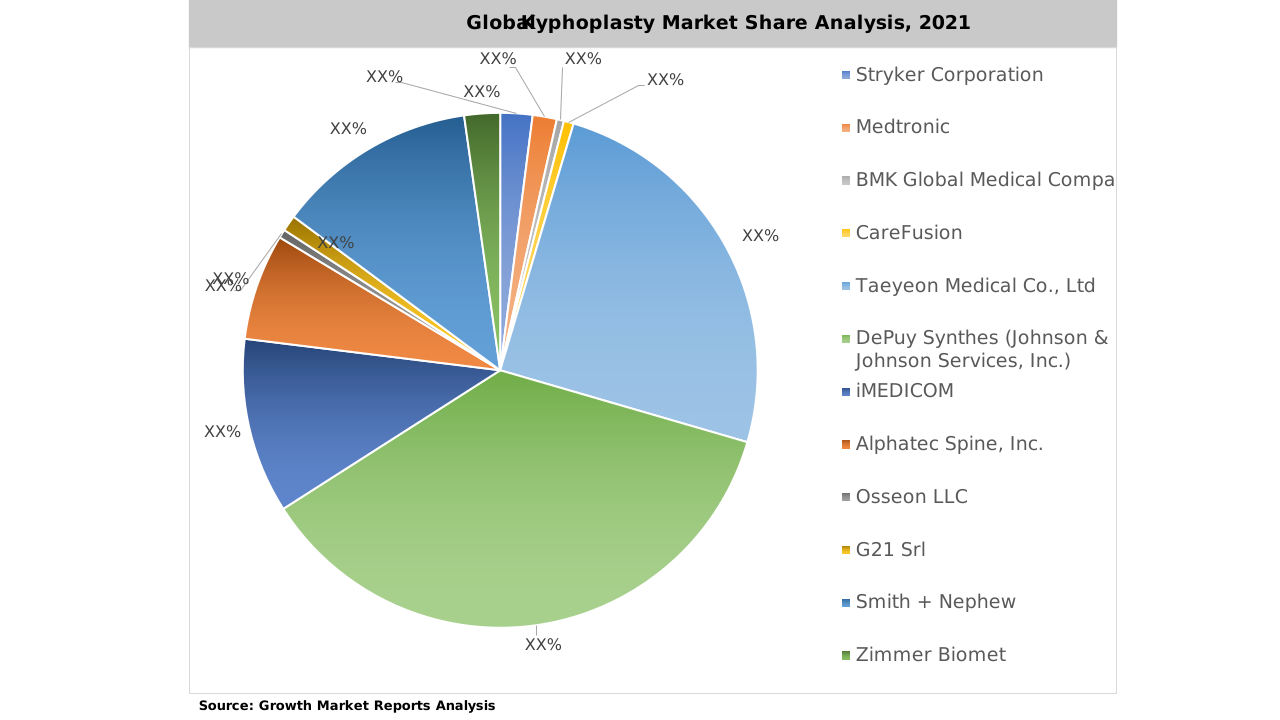
The major kyphoplasty market players include Stryker Corporation, Medtronic, BMK Global Medical Company, CareFusion, Taeyeon Medical Co., Ltd, DePuy Synthes (Johnson & Johnson Services, Inc.), iMEDICOM, Alphatec Spine, Inc., Osseon LLC, G21 Srl, Smith + Nephew, and Zimmer Biomet.

To remain competitive in the fast-developing kyphoplasty market, these firms are implementing a variety of strategic efforts like as new product releases and collaborations. For example, Medtronic launched its Kyphon Assist Directional Cannula in the US in May 2020 to supplement its other kyphoplasty products for the treatment of spinal compression fractures caused by osteoporosis, benign lesions, or cancer.

Kyphoplasty Market Key Players

Frequently Asked Questions

Opportunities include expanding into emerging markets, developing innovative products, and integrating digital health solutions. Challenges involve procedure-related complications, high costs, reimbursement issues, and regulatory hurdles, especially in developing regions.

Recent innovations include new balloon catheters, radiopaque bone cements, navigation-assisted techniques, digital imaging, and real-time monitoring systems, all of which improve procedural accuracy, safety, and patient outcomes.

Hospitals are the primary end users, followed by ambulatory surgical centers (ASCs), specialty clinics, and other institutions such as rehabilitation centers and academic medical centers.

Major companies include Medtronic, Stryker Corporation, Globus Medical, Zimmer Biomet, Merit Medical Systems, DePuy Synthes (Johnson & Johnson), Osseon LLC, Alphatec Spine, Joimax GmbH, Izi Medical Products, G-21 S.r.l., and others.

North America leads the market, followed by Europe. The Asia Pacific region is experiencing the fastest growth due to improving healthcare infrastructure and rising awareness. Latin America and the Middle East & Africa are also seeing gradual market expansion.

The main indications are osteoporotic vertebral compression fractures (the largest segment), malignant spinal fractures, traumatic vertebral fractures, and other rare conditions such as vertebral hemangiomas and benign tumors.

Balloon kyphoplasty is the leading product type, accounting for over half of the market share in 2024, due to its established efficacy and safety. Vesselplasty is an emerging alternative, while other niche techniques like radiofrequency kyphoplasty and expandable implants are gradually gaining acceptance.

Key growth drivers include the rising incidence of osteoporotic vertebral compression fractures due to an aging population, increasing adoption of minimally invasive surgical techniques, technological advancements in kyphoplasty devices, and improved healthcare infrastructure and reimbursement policies.

The global kyphoplasty market reached USD 1.32 billion in 2024 and is expected to grow at a CAGR of 6.2% from 2025 to 2033, reaching a projected value of USD 2.27 billion by 2033.

Kyphoplasty is a minimally invasive surgical procedure used to treat vertebral compression fractures, often caused by osteoporosis. The procedure involves inserting a balloon into the fractured vertebra to restore its height, followed by the injection of bone cement to stabilize the fracture and relieve pain.

Table Of Content

Chapter 1 Executive Summary
Chapter 2 Assumptions and Acronyms Used
Chapter 3 Research Methodology
Chapter 4 Kyphoplasty Market Overview
   4.1 Introduction
      4.1.1 Market Taxonomy
      4.1.2 Market Definition
      4.1.3 Macro-Economic Factors Impacting the Market Growth
   4.2 Kyphoplasty Market Dynamics
      4.2.1 Market Drivers
      4.2.2 Market Restraints
      4.2.3 Market Opportunity
   4.3 Kyphoplasty Market - Supply Chain Analysis
      4.3.1 List of Key Suppliers
      4.3.2 List of Key Distributors
      4.3.3 List of Key Consumers
   4.4 Key Forces Shaping the Kyphoplasty Market
      4.4.1 Bargaining Power of Suppliers
      4.4.2 Bargaining Power of Buyers
      4.4.3 Threat of Substitution
      4.4.4 Threat of New Entrants
      4.4.5 Competitive Rivalry
   4.5 Global Kyphoplasty Market Size & Forecast, 2023-2032
      4.5.1 Kyphoplasty Market Size and Y-o-Y Growth
      4.5.2 Kyphoplasty Market Absolute $ Opportunity

Chapter 5 Global Kyphoplasty Market Analysis and Forecast By Product Type
   5.1 Introduction
      5.1.1 Key Market Trends & Growth Opportunities By Product Type
      5.1.2 Basis Point Share (BPS) Analysis By Product Type
      5.1.3 Absolute $ Opportunity Assessment By Product Type
   5.2 Kyphoplasty Market Size Forecast By Product Type
      5.2.1 Balloon Kyphoplasty
      5.2.2 Vesselplasty
      5.2.3 Others
   5.3 Market Attractiveness Analysis By Product Type

Chapter 6 Global Kyphoplasty Market Analysis and Forecast By Indication
   6.1 Introduction
      6.1.1 Key Market Trends & Growth Opportunities By Indication
      6.1.2 Basis Point Share (BPS) Analysis By Indication
      6.1.3 Absolute $ Opportunity Assessment By Indication
   6.2 Kyphoplasty Market Size Forecast By Indication
      6.2.1 Osteoporotic Vertebral Compression Fractures
      6.2.2 Malignant Spinal Fractures
      6.2.3 Traumatic Vertebral Fractures
      6.2.4 Others
   6.3 Market Attractiveness Analysis By Indication

Chapter 7 Global Kyphoplasty Market Analysis and Forecast By End User
   7.1 Introduction
      7.1.1 Key Market Trends & Growth Opportunities By End User
      7.1.2 Basis Point Share (BPS) Analysis By End User
      7.1.3 Absolute $ Opportunity Assessment By End User
   7.2 Kyphoplasty Market Size Forecast By End User
      7.2.1 Hospitals
      7.2.2 Ambulatory Surgical Centers
      7.2.3 Specialty Clinics
      7.2.4 Others
   7.3 Market Attractiveness Analysis By End User

Chapter 8 Global Kyphoplasty Market Analysis and Forecast by Region
   8.1 Introduction
      8.1.1 Key Market Trends & Growth Opportunities By Region
      8.1.2 Basis Point Share (BPS) Analysis By Region
      8.1.3 Absolute $ Opportunity Assessment By Region
   8.2 Kyphoplasty Market Size Forecast By Region
      8.2.1 North America
      8.2.2 Europe
      8.2.3 Asia Pacific
      8.2.4 Latin America
      8.2.5 Middle East & Africa (MEA)
   8.3 Market Attractiveness Analysis By Region

Chapter 9 Coronavirus Disease (COVID-19) Impact 
   9.1 Introduction 
   9.2 Current & Future Impact Analysis 
   9.3 Economic Impact Analysis 
   9.4 Government Policies 
   9.5 Investment Scenario

Chapter 10 North America Kyphoplasty Analysis and Forecast
   10.1 Introduction
   10.2 North America Kyphoplasty Market Size Forecast by Country
      10.2.1 U.S.
      10.2.2 Canada
   10.3 Basis Point Share (BPS) Analysis by Country
   10.4 Absolute $ Opportunity Assessment by Country
   10.5 Market Attractiveness Analysis by Country
   10.6 North America Kyphoplasty Market Size Forecast By Product Type
      10.6.1 Balloon Kyphoplasty
      10.6.2 Vesselplasty
      10.6.3 Others
   10.7 Basis Point Share (BPS) Analysis By Product Type 
   10.8 Absolute $ Opportunity Assessment By Product Type 
   10.9 Market Attractiveness Analysis By Product Type
   10.10 North America Kyphoplasty Market Size Forecast By Indication
      10.10.1 Osteoporotic Vertebral Compression Fractures
      10.10.2 Malignant Spinal Fractures
      10.10.3 Traumatic Vertebral Fractures
      10.10.4 Others
   10.11 Basis Point Share (BPS) Analysis By Indication 
   10.12 Absolute $ Opportunity Assessment By Indication 
   10.13 Market Attractiveness Analysis By Indication
   10.14 North America Kyphoplasty Market Size Forecast By End User
      10.14.1 Hospitals
      10.14.2 Ambulatory Surgical Centers
      10.14.3 Specialty Clinics
      10.14.4 Others
   10.15 Basis Point Share (BPS) Analysis By End User 
   10.16 Absolute $ Opportunity Assessment By End User 
   10.17 Market Attractiveness Analysis By End User

Chapter 11 Europe Kyphoplasty Analysis and Forecast
   11.1 Introduction
   11.2 Europe Kyphoplasty Market Size Forecast by Country
      11.2.1 Germany
      11.2.2 France
      11.2.3 Italy
      11.2.4 U.K.
      11.2.5 Spain
      11.2.6 Russia
      11.2.7 Rest of Europe
   11.3 Basis Point Share (BPS) Analysis by Country
   11.4 Absolute $ Opportunity Assessment by Country
   11.5 Market Attractiveness Analysis by Country
   11.6 Europe Kyphoplasty Market Size Forecast By Product Type
      11.6.1 Balloon Kyphoplasty
      11.6.2 Vesselplasty
      11.6.3 Others
   11.7 Basis Point Share (BPS) Analysis By Product Type 
   11.8 Absolute $ Opportunity Assessment By Product Type 
   11.9 Market Attractiveness Analysis By Product Type
   11.10 Europe Kyphoplasty Market Size Forecast By Indication
      11.10.1 Osteoporotic Vertebral Compression Fractures
      11.10.2 Malignant Spinal Fractures
      11.10.3 Traumatic Vertebral Fractures
      11.10.4 Others
   11.11 Basis Point Share (BPS) Analysis By Indication 
   11.12 Absolute $ Opportunity Assessment By Indication 
   11.13 Market Attractiveness Analysis By Indication
   11.14 Europe Kyphoplasty Market Size Forecast By End User
      11.14.1 Hospitals
      11.14.2 Ambulatory Surgical Centers
      11.14.3 Specialty Clinics
      11.14.4 Others
   11.15 Basis Point Share (BPS) Analysis By End User 
   11.16 Absolute $ Opportunity Assessment By End User 
   11.17 Market Attractiveness Analysis By End User

Chapter 12 Asia Pacific Kyphoplasty Analysis and Forecast
   12.1 Introduction
   12.2 Asia Pacific Kyphoplasty Market Size Forecast by Country
      12.2.1 China
      12.2.2 Japan
      12.2.3 South Korea
      12.2.4 India
      12.2.5 Australia
      12.2.6 South East Asia (SEA)
      12.2.7 Rest of Asia Pacific (APAC)
   12.3 Basis Point Share (BPS) Analysis by Country
   12.4 Absolute $ Opportunity Assessment by Country
   12.5 Market Attractiveness Analysis by Country
   12.6 Asia Pacific Kyphoplasty Market Size Forecast By Product Type
      12.6.1 Balloon Kyphoplasty
      12.6.2 Vesselplasty
      12.6.3 Others
   12.7 Basis Point Share (BPS) Analysis By Product Type 
   12.8 Absolute $ Opportunity Assessment By Product Type 
   12.9 Market Attractiveness Analysis By Product Type
   12.10 Asia Pacific Kyphoplasty Market Size Forecast By Indication
      12.10.1 Osteoporotic Vertebral Compression Fractures
      12.10.2 Malignant Spinal Fractures
      12.10.3 Traumatic Vertebral Fractures
      12.10.4 Others
   12.11 Basis Point Share (BPS) Analysis By Indication 
   12.12 Absolute $ Opportunity Assessment By Indication 
   12.13 Market Attractiveness Analysis By Indication
   12.14 Asia Pacific Kyphoplasty Market Size Forecast By End User
      12.14.1 Hospitals
      12.14.2 Ambulatory Surgical Centers
      12.14.3 Specialty Clinics
      12.14.4 Others
   12.15 Basis Point Share (BPS) Analysis By End User 
   12.16 Absolute $ Opportunity Assessment By End User 
   12.17 Market Attractiveness Analysis By End User

Chapter 13 Latin America Kyphoplasty Analysis and Forecast
   13.1 Introduction
   13.2 Latin America Kyphoplasty Market Size Forecast by Country
      13.2.1 Brazil
      13.2.2 Mexico
      13.2.3 Rest of Latin America (LATAM)
   13.3 Basis Point Share (BPS) Analysis by Country
   13.4 Absolute $ Opportunity Assessment by Country
   13.5 Market Attractiveness Analysis by Country
   13.6 Latin America Kyphoplasty Market Size Forecast By Product Type
      13.6.1 Balloon Kyphoplasty
      13.6.2 Vesselplasty
      13.6.3 Others
   13.7 Basis Point Share (BPS) Analysis By Product Type 
   13.8 Absolute $ Opportunity Assessment By Product Type 
   13.9 Market Attractiveness Analysis By Product Type
   13.10 Latin America Kyphoplasty Market Size Forecast By Indication
      13.10.1 Osteoporotic Vertebral Compression Fractures
      13.10.2 Malignant Spinal Fractures
      13.10.3 Traumatic Vertebral Fractures
      13.10.4 Others
   13.11 Basis Point Share (BPS) Analysis By Indication 
   13.12 Absolute $ Opportunity Assessment By Indication 
   13.13 Market Attractiveness Analysis By Indication
   13.14 Latin America Kyphoplasty Market Size Forecast By End User
      13.14.1 Hospitals
      13.14.2 Ambulatory Surgical Centers
      13.14.3 Specialty Clinics
      13.14.4 Others
   13.15 Basis Point Share (BPS) Analysis By End User 
   13.16 Absolute $ Opportunity Assessment By End User 
   13.17 Market Attractiveness Analysis By End User

Chapter 14 Middle East & Africa (MEA) Kyphoplasty Analysis and Forecast
   14.1 Introduction
   14.2 Middle East & Africa (MEA) Kyphoplasty Market Size Forecast by Country
      14.2.1 Saudi Arabia
      14.2.2 South Africa
      14.2.3 UAE
      14.2.4 Rest of Middle East & Africa (MEA)
   14.3 Basis Point Share (BPS) Analysis by Country
   14.4 Absolute $ Opportunity Assessment by Country
   14.5 Market Attractiveness Analysis by Country
   14.6 Middle East & Africa (MEA) Kyphoplasty Market Size Forecast By Product Type
      14.6.1 Balloon Kyphoplasty
      14.6.2 Vesselplasty
      14.6.3 Others
   14.7 Basis Point Share (BPS) Analysis By Product Type 
   14.8 Absolute $ Opportunity Assessment By Product Type 
   14.9 Market Attractiveness Analysis By Product Type
   14.10 Middle East & Africa (MEA) Kyphoplasty Market Size Forecast By Indication
      14.10.1 Osteoporotic Vertebral Compression Fractures
      14.10.2 Malignant Spinal Fractures
      14.10.3 Traumatic Vertebral Fractures
      14.10.4 Others
   14.11 Basis Point Share (BPS) Analysis By Indication 
   14.12 Absolute $ Opportunity Assessment By Indication 
   14.13 Market Attractiveness Analysis By Indication
   14.14 Middle East & Africa (MEA) Kyphoplasty Market Size Forecast By End User
      14.14.1 Hospitals
      14.14.2 Ambulatory Surgical Centers
      14.14.3 Specialty Clinics
      14.14.4 Others
   14.15 Basis Point Share (BPS) Analysis By End User 
   14.16 Absolute $ Opportunity Assessment By End User 
   14.17 Market Attractiveness Analysis By End User

Chapter 15 Competition Landscape 
   15.1 Kyphoplasty Market: Competitive Dashboard
   15.2 Global Kyphoplasty Market: Market Share Analysis, 2023
   15.3 Company Profiles (Details – Overview, Financials, Developments, Strategy) 
      15.3.1 Medtronic
Stryker Corporation
Globus Medical
DePuy Synthes (Johnson & Johnson)
Zimmer Biomet
Osseon LLC
Merit Medical Systems
Alphatec Spine
Joimax GmbH
Izi Medical Products
G-21 S.r.l.
Teknimed
Benvenue Medical
Spine Wave Inc.
Orthofix Medical Inc.
Seawon Meditech
Panmed US
Vexim (Subsidiary of Stryker)
Kinetic Medical
Biopsybell Srl

Methodology

Our Clients

Microsoft
Nestle SA
Dassault Aviation
General Electric
Honda Motor Co. Ltd.
Siemens Healthcare
The John Holland Group
Deloitte