Segments - by Product Type (Handheld Devices, Surgical Sutures and Staplers, Electrosurgical Devices, Ligation Devices, Others), by Application (Cardiology, Gynecology, Urology, Orthopedic, Others), by End User (Hospitals, Ambulatory Surgical Centers, Clinics, Others)
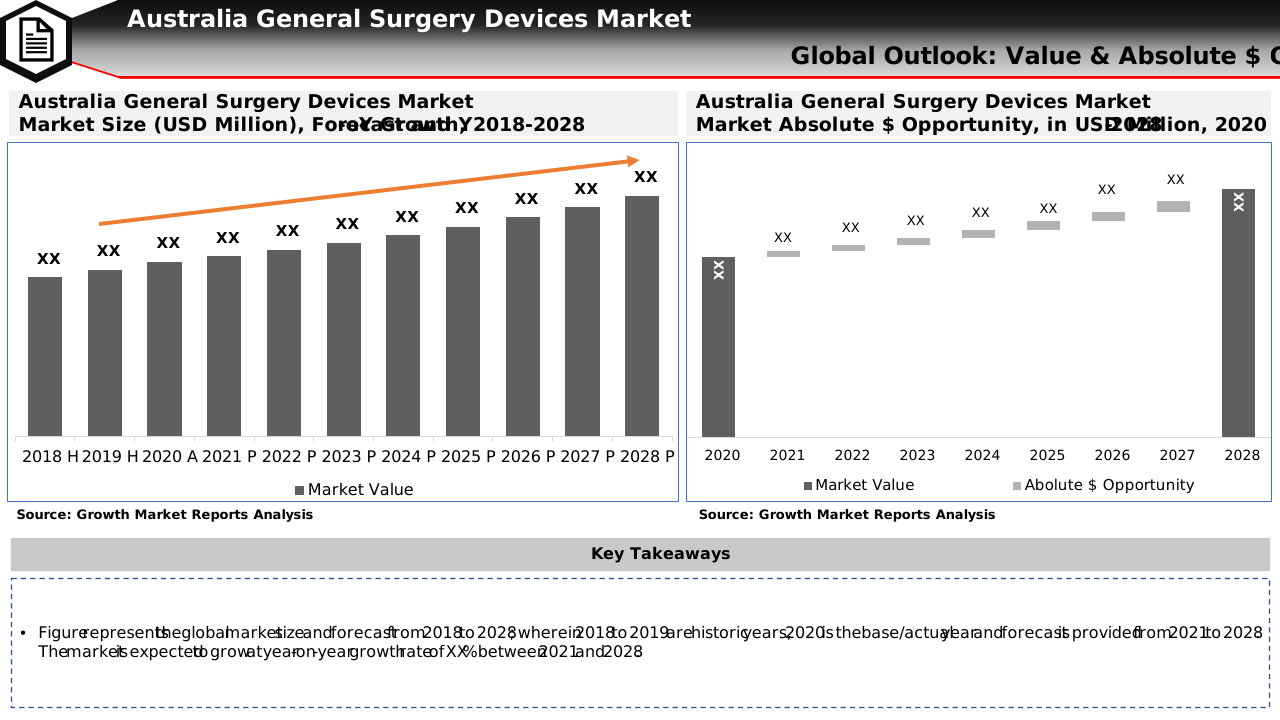
As per our latest research, the global General Surgery Devices market size reached USD 18.7 billion in 2024, demonstrating robust momentum driven by technological advancements and the rising prevalence of chronic diseases. The market is expected to grow at a CAGR of 7.1% during the forecast period, reaching an estimated USD 34.7 billion by 2033. This growth is primarily attributed to increasing surgical procedures worldwide, expanding healthcare infrastructure, and the integration of minimally invasive technologies.
One of the key growth factors fueling the general surgery devices market is the increasing adoption of minimally invasive surgical techniques. These procedures offer significant advantages, including reduced patient recovery times, lower risk of infection, and minimal scarring, which are highly valued by both patients and healthcare professionals. The evolution of advanced devices such as electrosurgical instruments and laparoscopic tools has further enhanced the efficacy and safety of general surgeries. As a result, hospitals and surgical centers are increasingly investing in state-of-the-art surgical equipment to improve clinical outcomes, thereby boosting the demand for general surgery devices across the globe.
Another significant driver propelling the market is the growing burden of chronic diseases and an aging global population. Conditions such as cardiovascular disorders, cancer, and orthopedic ailments often necessitate surgical intervention, leading to a consistent demand for reliable and innovative surgical devices. Furthermore, the rising incidence of trauma cases and road accidents, particularly in emerging economies, has intensified the need for effective surgical solutions. Governments and healthcare organizations are allocating substantial resources to upgrade surgical facilities and ensure the availability of advanced devices, which is expected to sustain market growth over the coming years.
Technological innovation is playing a pivotal role in shaping the trajectory of the general surgery devices market. The integration of robotics, artificial intelligence, and smart sensor technology into surgical instruments has revolutionized the precision and efficiency of surgical procedures. These advancements not only enhance the surgeonÂ’s capabilities but also improve patient safety and outcomes. Additionally, the growing trend of outpatient surgeries and the expansion of ambulatory surgical centers are creating new avenues for market expansion, as these facilities require compact, versatile, and user-friendly surgical devices.
The advent of Medical Devices for Remote Surgeries is revolutionizing the landscape of surgical procedures. These devices enable surgeons to perform operations from a distance, leveraging advanced robotics and telecommunication technologies. This innovation is particularly beneficial in remote or underserved areas where access to specialized surgical expertise is limited. By facilitating real-time collaboration between local medical teams and remote specialists, these devices enhance the quality of care and broaden the reach of surgical services. The integration of such technologies is expected to complement the existing capabilities of general surgery devices, offering new possibilities for patient treatment and expanding the market's potential.
From a regional perspective, North America continues to dominate the general surgery devices market, driven by a well-established healthcare infrastructure, high healthcare expenditure, and rapid adoption of advanced medical technologies. However, Asia Pacific is emerging as a high-growth region, fueled by rising healthcare investments, increasing awareness about modern surgical procedures, and a large patient pool. Europe also holds a significant share, supported by favorable reimbursement policies and robust research and development activities. Meanwhile, Latin America and the Middle East & Africa are witnessing steady growth as governments focus on improving healthcare access and infrastructure.
The product type segment of the general surgery devices market encompasses a diverse range of instruments, including handheld devices, surgical sutures and staplers, electrosurgical devices, ligation devices, and others. Among these, handheld devices such as forceps, scissors, and retractors remain foundational tools in surgical procedures. The enduring demand for these instruments is attributed to their versatility, ease of use, and critical role in various surgical interventions. Technological improvements have led to the development of ergonomic and precision-engineered handheld devices, which enhance surgical accuracy and reduce fatigue for surgeons during complex procedures. This segment continues to see steady growth as healthcare providers seek reliable and durable tools to support a wide range of surgeries.
Surgical sutures and staplers represent another vital product category, with a significant share in the general surgery devices market. The shift towards absorbable sutures and the increasing adoption of advanced stapling devices are transforming wound closure techniques. These innovations have resulted in fewer postoperative complications, faster healing, and improved patient outcomes. The introduction of automated suturing systems and bioabsorbable materials is further propelling this segment, as they align with the growing preference for minimally invasive and laparoscopic surgeries. Hospitals and ambulatory surgical centers are increasingly opting for these devices to optimize surgical efficiency and patient care.
Electrosurgical devices have witnessed substantial growth, driven by their ability to provide precise tissue dissection and coagulation with minimal blood loss. These devices are now integral to a variety of general surgeries, including gastrointestinal, urological, and gynecological procedures. Technological advancements such as the integration of advanced energy sources, safety features, and real-time monitoring are enhancing the performance and safety profile of electrosurgical instruments. The rising demand for minimally invasive surgeries is directly contributing to the increased adoption of electrosurgical devices, as they enable surgeons to perform complex procedures with reduced trauma and faster recovery times.
Ligation devices, including clips and bands, are essential for controlling bleeding and securing blood vessels during surgical procedures. Their importance in both open and minimally invasive surgeries has led to continuous innovation in design and materials, ensuring greater reliability and ease of application. The growing frequency of procedures such as laparoscopic cholecystectomy and bariatric surgery is fueling demand for advanced ligation devices. Other products in this segment, such as wound drains and surgical meshes, also play a crucial role in post-surgical management and are witnessing increased adoption, especially in hernia repair and reconstructive surgeries.
| Attributes | Details |
| Report Title | General Surgery Devices Market Research Report 2033 |
| By Product Type | Handheld Devices, Surgical Sutures and Staplers, Electrosurgical Devices, Ligation Devices, Others |
| By Application | Cardiology, Gynecology, Urology, Orthopedic, Others |
| By End User | Hospitals, Ambulatory Surgical Centers, Clinics, Others |
| Regions Covered | North America, Europe, APAC, Latin America, MEA |
| Base Year | 2024 |
| Historic Data | 2018-2023 |
| Forecast Period | 2025-2033 |
| Number of Pages | 290 |
| Number of Tables & Figures | 256 |
| Customization Available | Yes, the report can be customized as per your need. |
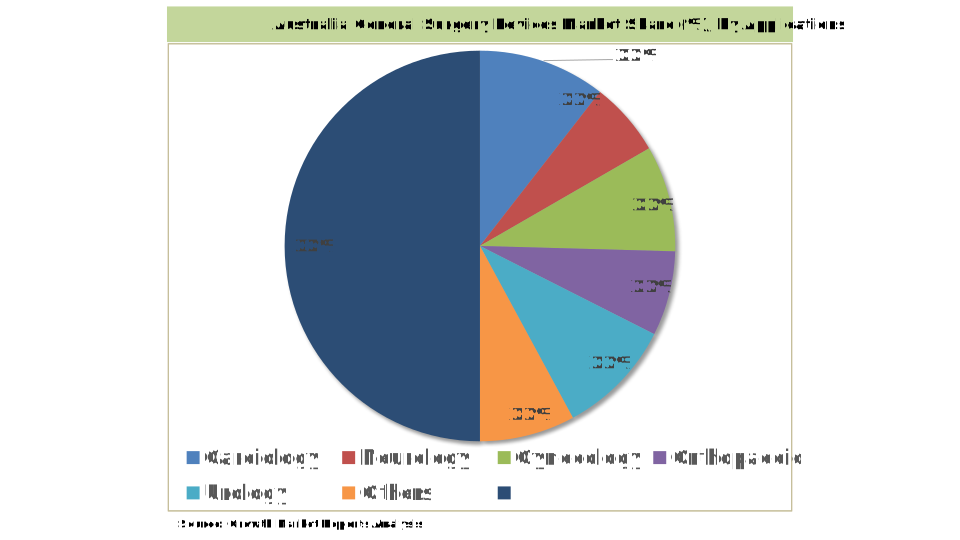
The application segment of the general surgery devices market is highly diverse, spanning cardiology, gynecology, urology, orthopedics, and other specialties. In cardiology, the demand for specialized surgical devices is being propelled by the rising incidence of cardiovascular diseases and the increasing number of cardiac surgeries performed globally. Surgeons rely on precision instruments for procedures such as coronary artery bypass grafting, valve replacement, and congenital heart defect repair. The integration of minimally invasive cardiac surgery techniques has further heightened the need for advanced devices that offer greater control and accuracy, contributing to the expansion of this application segment.
Gynecology represents a significant and rapidly growing application area within the general surgery devices market. The increasing prevalence of gynecological disorders, such as uterine fibroids, endometriosis, and ovarian cysts, has led to a surge in surgical interventions. Minimally invasive techniques, including laparoscopy and hysteroscopy, are being adopted widely, necessitating the use of specialized devices such as endoscopic instruments, energy-based devices, and advanced suturing systems. The focus on improving womenÂ’s health outcomes and reducing surgical complications is driving continuous innovation in gynecological surgical devices.
Urology is another prominent application segment, with a growing demand for devices used in procedures such as prostatectomy, nephrectomy, and bladder surgery. The increasing incidence of urological disorders, including prostate cancer and kidney stones, is fueling the adoption of minimally invasive surgical techniques. Surgeons require precise and reliable devices to navigate delicate anatomical structures and ensure optimal outcomes. The market is witnessing the introduction of robotic-assisted urological procedures, which further underscores the importance of advanced surgical devices in this specialty.
Orthopedic surgery constitutes a substantial share of the general surgery devices market, driven by the rising prevalence of musculoskeletal disorders, sports injuries, and age-related degenerative conditions. The demand for orthopedic surgical devices is being bolstered by the growing number of joint replacement, fracture fixation, and spinal surgeries. Innovations in implant materials, surgical navigation systems, and minimally invasive techniques are enhancing the efficacy and safety of orthopedic procedures. Additionally, other application areas, such as gastrointestinal, thoracic, and cosmetic surgery, are contributing to market growth as the scope of surgical interventions continues to expand.
The end user segment of the general surgery devices market comprises hospitals, ambulatory surgical centers, clinics, and other healthcare facilities. Hospitals remain the largest end user, accounting for a significant portion of the market share. This dominance is attributed to the high volume of surgical procedures performed in hospital settings, coupled with the availability of advanced infrastructure and skilled personnel. Hospitals are increasingly investing in state-of-the-art surgical devices to enhance patient outcomes, minimize complications, and support a broad spectrum of surgical specialties. The trend towards multi-specialty hospitals and the expansion of surgical departments are further augmenting the demand for general surgery devices.
Ambulatory surgical centers (ASCs) are emerging as a high-growth end user segment, driven by the rising preference for outpatient surgeries and the emphasis on cost-effective healthcare delivery. ASCs offer several advantages, including shorter patient stays, reduced risk of hospital-acquired infections, and streamlined surgical workflows. These facilities require compact, efficient, and user-friendly surgical devices to support a wide range of procedures within a limited space. The increasing number of ASCs, particularly in developed regions, is creating new opportunities for device manufacturers to cater to the unique needs of these settings.
Clinics, including specialty and multi-specialty clinics, are also contributing to the expansion of the general surgery devices market. The growing trend of office-based surgeries and minor procedures has led to increased adoption of portable and minimally invasive surgical devices in clinical settings. Clinics often focus on specific specialties, such as dermatology, gynecology, or orthopedics, necessitating the use of tailored surgical instruments and devices. The emphasis on patient convenience, rapid recovery, and personalized care is driving the demand for innovative and versatile surgical devices in clinics.
Other end users, such as academic and research institutions, military hospitals, and charitable organizations, play a vital role in advancing surgical techniques and training the next generation of surgeons. These entities often participate in clinical trials, product evaluations, and surgical education programs, contributing to the dissemination of best practices and the adoption of cutting-edge surgical devices. The collaboration between device manufacturers and academic institutions is fostering innovation and accelerating the development of next-generation surgical technologies.
The general surgery devices market is ripe with opportunities, particularly in the realm of technological innovation and product differentiation. The integration of robotics, artificial intelligence, and smart sensor technologies into surgical instruments is opening new frontiers for precision surgery and patient safety. Device manufacturers are investing heavily in research and development to introduce next-generation products that offer enhanced ergonomics, real-time feedback, and improved clinical outcomes. Additionally, the growing trend of outpatient and minimally invasive surgeries is creating demand for compact and versatile devices that can be used across diverse healthcare settings. Companies that can successfully address these evolving needs and deliver value-added solutions are poised to capture significant market share.
Another major opportunity lies in the expansion of healthcare infrastructure in emerging markets. Governments and private sector players in regions such as Asia Pacific, Latin America, and the Middle East & Africa are investing in new hospitals, surgical centers, and training facilities to meet the rising demand for surgical care. This presents a lucrative opportunity for device manufacturers to establish a strong presence in these fast-growing markets by offering cost-effective, reliable, and technologically advanced products. Strategic partnerships, local manufacturing, and tailored product offerings can help companies navigate regulatory challenges and capitalize on the untapped potential in these regions.
Despite these opportunities, the general surgery devices market faces several restraining factors, with stringent regulatory requirements being a primary challenge. The approval and commercialization of new surgical devices involve complex and time-consuming regulatory processes, which can delay product launches and increase development costs. Compliance with international quality standards, post-market surveillance, and the need for extensive clinical data add to the regulatory burden. Additionally, pricing pressures, reimbursement constraints, and the threat of counterfeit or substandard products pose ongoing challenges for manufacturers. Companies must navigate these hurdles by investing in robust quality assurance systems, regulatory expertise, and continuous innovation to maintain their competitive edge.
North America remains the dominant region in the global general surgery devices market, accounting for approximately 40% of the total market value in 2024, equivalent to nearly USD 7.5 billion. The region's leadership is underpinned by a well-established healthcare infrastructure, high per capita healthcare expenditure, and rapid adoption of advanced surgical technologies. The United States, in particular, is a major contributor, with a large number of accredited hospitals, skilled surgeons, and a strong focus on research and development. Favorable reimbursement policies and continuous investments in healthcare innovation further reinforce North America's position as the leading market for general surgery devices.
Europe holds a significant share of the general surgery devices market, with a market size of around USD 5.2 billion in 2024. The region benefits from universal healthcare coverage, robust regulatory frameworks, and a high standard of medical care. Countries such as Germany, France, and the United Kingdom are at the forefront of adopting minimally invasive surgical techniques and advanced medical devices. The presence of leading medical device manufacturers and active participation in clinical research contribute to the region's growth. Europe is expected to maintain a steady CAGR of 6.5% throughout the forecast period, driven by ongoing investments in healthcare infrastructure and the rising demand for innovative surgical solutions.
Asia Pacific is emerging as the fastest-growing region in the general surgery devices market, with a market value of USD 3.8 billion in 2024 and an impressive CAGR of 9.2% projected through 2033. The regionÂ’s growth is fueled by rising healthcare investments, a large and aging population, and increasing awareness about advanced surgical procedures. Countries such as China, India, and Japan are witnessing rapid expansion of healthcare facilities and a surge in surgical interventions. Government initiatives to improve healthcare access, coupled with the entry of global and local device manufacturers, are creating new growth opportunities in Asia Pacific. Meanwhile, Latin America and the Middle East & Africa collectively account for a smaller but growing share of the market, with a combined value of approximately USD 2.2 billion in 2024, driven by improvements in healthcare infrastructure and expanding access to surgical care.
The global general surgery devices market is characterized by intense competition among a mix of established multinational corporations and innovative emerging players. The competitive landscape is defined by continuous product innovation, strategic mergers and acquisitions, and a strong focus on research and development. Leading companies are investing heavily in the development of next-generation surgical devices, leveraging advancements in robotics, artificial intelligence, and digital health technologies to enhance their product portfolios. The emphasis on product differentiation, clinical efficacy, and safety is driving companies to collaborate with healthcare providers, academic institutions, and technology partners to stay ahead in the market.
Market leaders are also adopting strategies such as expanding their geographic footprint, establishing local manufacturing facilities, and entering into distribution partnerships to strengthen their presence in high-growth regions. The increasing demand for minimally invasive and outpatient surgical procedures is prompting companies to develop compact, versatile, and user-friendly devices tailored to the needs of ambulatory surgical centers and clinics. Additionally, the focus on cost containment and value-based healthcare is leading to the introduction of affordable and high-quality surgical devices, particularly in price-sensitive markets.
Intellectual property protection and regulatory compliance are critical factors shaping the competitive dynamics of the market. Companies that can navigate complex regulatory environments, secure necessary approvals, and demonstrate the clinical benefits of their products are better positioned to capture market share. The threat of counterfeit and substandard products, especially in emerging markets, underscores the importance of robust quality assurance systems and brand reputation. Ongoing investments in training and education programs for surgeons and healthcare professionals are further enhancing the adoption of advanced surgical devices and reinforcing the competitive advantage of leading players.
Some of the major companies operating in the general surgery devices market include Medtronic plc, Johnson & Johnson (Ethicon), B. Braun Melsungen AG, Becton, Dickinson and Company (BD), Stryker Corporation, Olympus Corporation, Boston Scientific Corporation, and Smith & Nephew plc. These companies are recognized for their extensive product portfolios, global distribution networks, and commitment to continuous innovation. For instance, Medtronic and Ethicon are leaders in minimally invasive surgical devices, while Stryker and B. Braun are renowned for their orthopedic and surgical instrument offerings. Olympus is a key player in endoscopic and imaging solutions, and Boston Scientific specializes in advanced energy-based devices. These companies are actively pursuing strategic acquisitions, product launches, and partnerships to expand their market reach and address the evolving needs of healthcare providers worldwide.
In summary, the general surgery devices market is poised for sustained growth, driven by technological advancements, increasing surgical volumes, and expanding healthcare infrastructure. The competitive landscape is marked by innovation, strategic collaborations, and a relentless focus on improving patient outcomes. As the market continues to evolve, companies that can anticipate emerging trends, address regulatory challenges, and deliver value-driven solutions will be well positioned to capitalize on the abundant opportunities in this dynamic sector.
The General Surgery Devices market has been segmented on the basis of
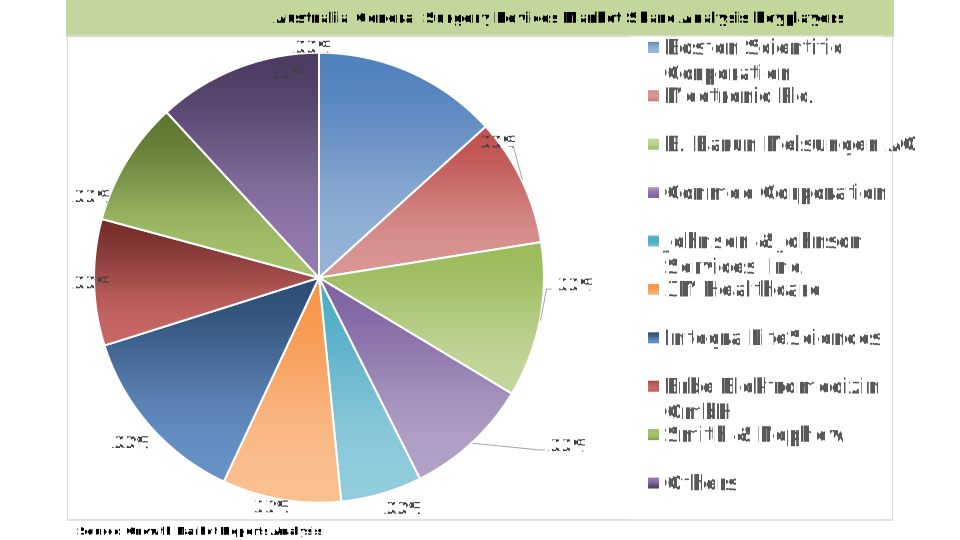
Key players competing in the Australia general surgery devices market include Boston Scientific Corporation; Medtronic Plc.; B. Barun Melsungen AG; Conmed Corporation; Johnson & Johnson Services, Inc.; 3M Healthcare; Integra LifeSciences; Erbe Elektromedizin GmbH; and Smith & Nephew. Some of these players are engaged in several market strategies such as mergers, acquisitions, partnerships, collaborations, capacity expansion, and product launches to enhance their market shares.
Technologies such as robotics, artificial intelligence, and smart sensors are enhancing surgical precision, safety, and outcomes, leading to the development of next-generation surgical devices.
Major players include Medtronic, Johnson & Johnson (Ethicon), Stryker Corporation, B. Braun Melsungen AG, Becton, Dickinson and Company (BD), Boston Scientific Corporation, Smith & Nephew plc, Olympus Corporation, and others.
Opportunities include technological innovation, expansion in emerging markets, and demand for minimally invasive devices. Challenges include stringent regulatory requirements, pricing pressures, and the threat of counterfeit products.
Hospitals are the largest end users, followed by ambulatory surgical centers, clinics, and other healthcare facilities such as academic institutions and military hospitals.
Key application areas include cardiology, gynecology, urology, orthopedics, and other specialties such as gastrointestinal, thoracic, and cosmetic surgery.
Minimally invasive surgeries are increasing demand for advanced surgical devices that offer reduced recovery times, lower infection risks, and minimal scarring, driving innovation and adoption of new technologies.
The main product types include handheld devices (forceps, scissors, retractors), surgical sutures and staplers, electrosurgical devices, ligation devices, wound drains, and surgical meshes.
North America dominates the market, followed by Europe and Asia Pacific. Asia Pacific is the fastest-growing region due to rising healthcare investments and a large patient pool.
Key growth drivers include technological advancements, rising prevalence of chronic diseases, increasing adoption of minimally invasive surgical techniques, expanding healthcare infrastructure, and a growing number of surgical procedures worldwide.
The global general surgery devices market reached USD 18.7 billion in 2024 and is expected to grow at a CAGR of 7.1%, reaching approximately USD 34.7 billion by 2033.