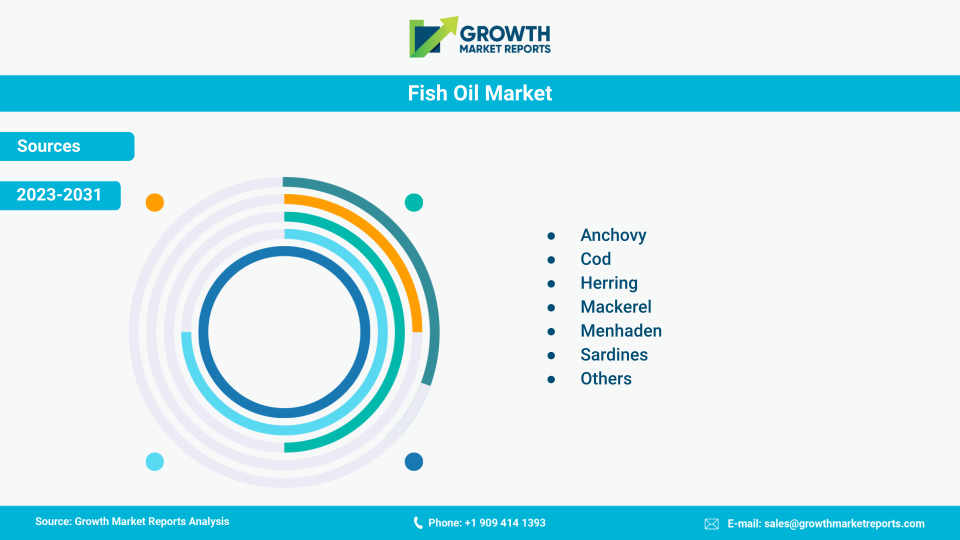
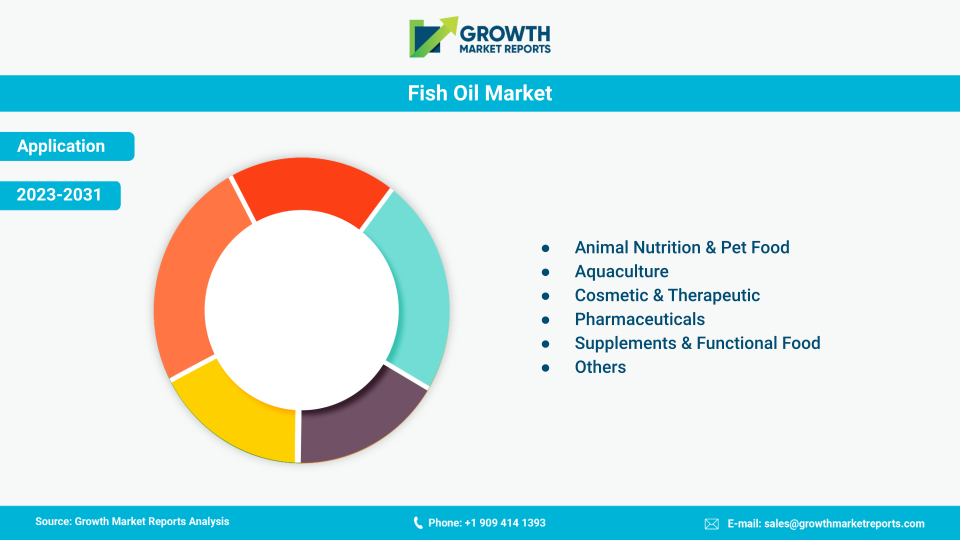
Segments - by Product Type (Liquid Fish Oil, Fish Oil Capsules, Fish Oil Softgels), by Application (Dietary Supplements, Pharmaceuticals, Animal Nutrition & Pet Food, Functional Food & Beverages, Others), by Source (Anchovy, Sardine, Mackerel, Cod, Salmon, Others), by Distribution Channel (Supermarkets/Hypermarkets, Pharmacies, Online Stores, Specialty Stores, Others)
According to our latest research, the global fish oil market size in 2024 stands at USD 2.48 billion, driven by robust demand across dietary supplements, pharmaceuticals, and animal nutrition sectors. The market is experiencing a healthy compound annual growth rate (CAGR) of 5.9% from 2025 to 2033, with the market expected to reach USD 4.42 billion by 2033. This growth is fueled by increasing consumer awareness regarding the health benefits of omega-3 fatty acids, expanding applications in animal feed, and the rising prevalence of lifestyle-related diseases globally.
One of the primary growth factors for the fish oil market is the surging demand for omega-3 enriched products, especially in the form of dietary supplements and functional foods. Consumers worldwide are becoming increasingly health-conscious, focusing on preventive healthcare and nutrition to combat chronic diseases such as cardiovascular disorders, arthritis, and cognitive decline. Fish oil, rich in EPA and DHA, has been scientifically validated for supporting heart health, brain function, and anti-inflammatory benefits. The growing body of clinical evidence supporting these health claims has significantly contributed to the adoption of fish oil supplements among various age groups, particularly in developed regions like North America and Europe. Furthermore, the trend towards natural and clean-label ingredients has positioned fish oil as a preferred choice among nutraceutical manufacturers, further boosting market expansion.
In addition to human nutrition, the fish oil market is witnessing substantial growth from the animal nutrition and pet food segment. As the global aquaculture industry continues to expand, fish oil remains a critical component in aquafeed, ensuring optimal growth and development of farmed fish. The rising demand for high-quality protein sources, coupled with the increasing adoption of companion animals, has led to greater utilization of fish oil in pet food formulations. Fish oilÂ’s role in enhancing coat health, joint mobility, and overall immunity in pets has been widely recognized, prompting pet owners and manufacturers alike to incorporate it more extensively. Moreover, regulatory guidelines emphasizing sustainable sourcing and traceability are encouraging industry players to invest in responsible fish oil production, bolstering long-term growth prospects.
Technological advancements in extraction and purification processes are another key driver propelling the fish oil market forward. Innovations such as molecular distillation and supercritical fluid extraction have enabled the production of high-purity fish oil with minimal contaminants, meeting stringent quality standards set by health authorities. These advancements have also facilitated the development of new product formats like softgels and emulsions, enhancing consumer convenience and broadening application possibilities. Additionally, the increasing penetration of e-commerce platforms and digital marketing strategies has made fish oil products more accessible to a wider consumer base, particularly in emerging economies. These factors, combined with ongoing research and development initiatives, are expected to sustain the marketÂ’s upward trajectory throughout the forecast period.
Mackerel Oil Capsule is emerging as a notable product within the fish oil market, particularly valued for its high omega-3 content and associated health benefits. As consumers increasingly seek alternative sources of omega-3 fatty acids, mackerel oil capsules offer a convenient and effective option. These capsules are gaining popularity not only for their nutritional value but also for their role in supporting cardiovascular health, cognitive function, and joint mobility. The encapsulation of mackerel oil ensures that the strong taste and odor typically associated with fish oils are minimized, enhancing consumer acceptance. Furthermore, the sustainable sourcing of mackerel, aligned with eco-friendly practices, is appealing to environmentally conscious consumers. This trend is contributing to the diversification of product offerings in the dietary supplements sector, catering to a broad range of consumer preferences and health needs.
From a regional perspective, the Asia Pacific region is emerging as a dominant force in the global fish oil market. Countries such as China, Japan, and India are witnessing rapid urbanization, rising disposable incomes, and changing dietary patterns, all of which are contributing to increased consumption of fish oil-based products. The regionÂ’s robust aquaculture industry, particularly in China and Southeast Asia, is a significant driver for fish oil demand in animal nutrition applications. Meanwhile, North America and Europe remain key markets due to high consumer awareness and well-established healthcare infrastructure. The Middle East & Africa and Latin America are also expected to register steady growth, supported by expanding distribution networks and increasing focus on preventive healthcare. Regional disparities in fish oil consumption patterns and regulatory frameworks, however, present both opportunities and challenges for market participants.
The fish oil market is segmented by product type into liquid fish oil, fish oil capsules, and fish oil softgels, each catering to specific consumer preferences and application requirements. Liquid fish oil remains a staple in the animal nutrition and aquaculture sectors, where it is primarily used as a feed additive. Its versatility and ease of blending with other feed ingredients make it highly valued among feed manufacturers. However, the strong taste and odor of liquid fish oil can limit its appeal for direct human consumption, leading to innovations in flavor masking and encapsulation technologies. These advancements are not only improving the palatability of liquid fish oil but also enhancing its oxidative stability, thereby extending shelf life and maintaining nutritional integrity.
Fish oil capsules have gained considerable traction in the dietary supplements and pharmaceuticals segments due to their convenience, precise dosage, and improved consumer compliance. Capsules effectively address the sensory challenges associated with fish oil, such as taste and odor, making them a preferred choice for individuals seeking omega-3 supplementation. The pharmaceutical industry, in particular, has witnessed a surge in prescription-based fish oil capsules for managing hypertriglyceridemia and cardiovascular risk factors. Manufacturers are increasingly focusing on developing high-concentration EPA and DHA formulations, targeting specific health conditions and demographic groups. The growing demand for premium, pharmaceutical-grade fish oil capsules is expected to drive innovation and differentiation within this segment.
Fish oil softgels represent another rapidly growing product type, offering enhanced bioavailability and user-friendly administration. Softgels are particularly popular among older adults and children, as they are easier to swallow compared to traditional capsules. The encapsulation technology used in softgels also provides superior protection against oxidation, ensuring the stability and efficacy of the active ingredients. The expanding application of fish oil softgels in functional foods and beverages is further contributing to segment growth. As consumer preferences shift towards convenient and health-focused product formats, manufacturers are investing in advanced encapsulation techniques and innovative delivery systems to capture a larger share of the market.
The competitive landscape within the product type segment is characterized by continuous product development and strategic partnerships. Leading companies are leveraging research and development capabilities to introduce novel formulations, such as enteric-coated capsules and flavored liquid fish oils, aimed at enhancing consumer experience and addressing specific health needs. Additionally, collaborations with healthcare professionals and nutritionists are helping brands build trust and credibility among target audiences. As regulatory scrutiny intensifies, particularly regarding product labeling and purity standards, market players are prioritizing transparency and quality assurance to maintain a competitive edge.
Overall, the product type segmentation of the fish oil market underscores the importance of innovation, consumer-centricity, and regulatory compliance. As the market evolves, the ability to offer differentiated, high-quality products tailored to diverse application areas will be a key determinant of success for industry participants. The ongoing shift towards value-added product formats, coupled with advancements in formulation and delivery technologies, is expected to shape the future trajectory of the fish oil market across all product types.
| Attributes | Details |
| Report Title | Fish Oil Market Research Report 2033 |
| By Product Type | Liquid Fish Oil, Fish Oil Capsules, Fish Oil Softgels |
| By Application | Dietary Supplements, Pharmaceuticals, Animal Nutrition & Pet Food, Functional Food & Beverages, Others |
| By Source | Anchovy, Sardine, Mackerel, Cod, Salmon, Others |
| By Distribution Channel | Supermarkets/Hypermarkets, Pharmacies, Online Stores, Specialty Stores, Others |
| Regions Covered | North America, Europe, APAC, Latin America, MEA |
| Base Year | 2024 |
| Historic Data | 2018-2023 |
| Forecast Period | 2025-2033 |
| Number of Pages | 280 |
| Number of Tables & Figures | 311 |
| Customization Available | Yes, the report can be customized as per your need. |
The fish oil marketÂ’s diverse range of applications underscores its versatility and critical role in both human and animal health. Dietary supplements continue to dominate the application segment, accounting for a significant share of global fish oil consumption. The rising incidence of lifestyle-related diseases, such as obesity, diabetes, and cardiovascular disorders, has heightened consumer interest in preventive healthcare and nutritional supplementation. Omega-3 fatty acids, particularly EPA and DHA derived from fish oil, are widely recognized for their cardioprotective, anti-inflammatory, and cognitive health benefits. The increasing adoption of fish oil supplements among health-conscious individuals, athletes, and aging populations is driving robust growth in this segment. Manufacturers are responding by launching a wide array of product formats, including capsules, softgels, gummies, and fortified foods, catering to diverse consumer preferences and life stages.
Pharmaceutical applications represent another key growth area for the fish oil market, driven by the development of prescription-grade omega-3 formulations for therapeutic use. Fish oil-based pharmaceuticals are commonly prescribed for managing hypertriglyceridemia, reducing the risk of cardiovascular events, and supporting neurological health. The pharmaceutical industryÂ’s focus on evidence-based product development, stringent quality control, and regulatory compliance has elevated the standards for fish oil purity and potency. As clinical research continues to unveil new therapeutic benefits of omega-3 fatty acids, the demand for high-quality, pharmaceutical-grade fish oil is expected to rise. Partnerships between pharmaceutical companies and fish oil producers are facilitating the development of innovative drug delivery systems and targeted formulations, expanding the scope of fish oil in modern medicine.
The animal nutrition and pet food segment is witnessing substantial growth, fueled by the expanding aquaculture industry and increasing pet ownership worldwide. Fish oil is a vital ingredient in aquafeed, providing essential fatty acids for the optimal growth, reproduction, and health of farmed fish. The shift towards sustainable aquaculture practices and the adoption of high-performance feed formulations are driving demand for premium-quality fish oil. In the pet food sector, fish oil is valued for its role in promoting healthy skin and coat, supporting joint health, and enhancing immunity in companion animals. The growing trend of humanization of pets, coupled with rising awareness about pet health and nutrition, is expected to sustain strong demand for fish oil in this segment.
Functional food and beverages constitute an emerging application area for fish oil, as consumers increasingly seek convenient ways to incorporate omega-3 fatty acids into their daily diets. The fortification of dairy products, bakery items, beverages, and infant formulas with fish oil is gaining traction, particularly in developed markets. Food and beverage manufacturers are leveraging advanced encapsulation technologies to overcome challenges related to taste, odor, and stability, ensuring seamless integration of fish oil into a wide range of products. The growing popularity of fortified foods and beverages among health-conscious consumers is expected to create new opportunities for fish oil market expansion.
Other applications of fish oil include cosmetics, personal care products, and industrial uses, albeit on a smaller scale. The multifunctional properties of fish oil, such as its emollient and antioxidant effects, are being explored in skincare and cosmetic formulations. Additionally, fish oil derivatives are finding applications in the production of lubricants, paints, and resins. As research and development efforts continue to uncover novel uses for fish oil, the application landscape is poised to become even more diverse and dynamic, driving sustained growth in the global fish oil market.
The fish oil market is segmented by source into anchovy, sardine, mackerel, cod, salmon, and others, with each source offering distinct nutritional profiles and market dynamics. Anchovy remains the predominant source of fish oil globally, accounting for a substantial share of total production. Anchovy fish oil is highly valued for its rich content of EPA and DHA, making it a preferred choice for both human and animal nutrition applications. The abundance of anchovy stocks in regions such as South America and Southeast Asia, coupled with efficient harvesting and processing infrastructure, has contributed to its dominance in the global fish oil supply chain. However, sustainability concerns related to overfishing and environmental impact are prompting industry stakeholders to adopt responsible sourcing practices and invest in fishery improvement projects.
Sardine and mackerel are also significant sources of fish oil, offering high concentrations of omega-3 fatty acids and essential nutrients. Sardine oil is particularly popular in the dietary supplements and pharmaceuticals segments, owing to its favorable fatty acid profile and relatively mild taste. Mackerel oil, on the other hand, is gaining traction in the animal nutrition sector, especially in aquafeed and pet food formulations. The seasonal availability and geographic distribution of sardine and mackerel stocks influence supply dynamics and pricing trends in the fish oil market. As demand for sustainable and traceable fish oil sources grows, companies are increasingly focusing on certification schemes and transparent sourcing practices to meet regulatory and consumer expectations.
Cod liver oil represents a traditional and well-established source of fish oil, renowned for its high vitamin A and D content in addition to omega-3 fatty acids. Cod liver oil has a long history of use in dietary supplements and pharmaceuticals, particularly for supporting bone health, immune function, and overall wellness. The market for cod liver oil is characterized by strong brand loyalty and a focus on purity and quality assurance. Recent advancements in extraction and purification technologies have further enhanced the appeal of cod liver oil, enabling the production of refined and deodorized products suitable for a wider range of applications.
Salmon oil is emerging as a premium source of fish oil, prized for its superior taste, color, and nutritional profile. Salmon oil is rich in both EPA and DHA, as well as astaxanthin, a potent antioxidant that contributes to its distinctive pink hue. The popularity of salmon oil is particularly high in the pet food and dietary supplements segments, where it is marketed as a natural and high-quality source of omega-3s. The expansion of salmon aquaculture, especially in regions like Norway and Chile, is supporting the steady growth of salmon oil production and consumption. However, the relatively higher cost of salmon oil compared to other sources may limit its adoption in price-sensitive markets.
Other sources of fish oil, such as tuna, menhaden, and herring, contribute to the diversity and resilience of the global fish oil supply chain. The utilization of by-products from fish processing operations is also gaining momentum, aligning with circular economy principles and sustainability objectives. As the fish oil market continues to evolve, the ability to ensure sustainable sourcing, traceability, and quality across diverse raw material streams will be critical for maintaining consumer trust and regulatory compliance.
The distribution channel landscape for the fish oil market is characterized by a mix of traditional and modern retail formats, each playing a pivotal role in reaching diverse consumer segments. Supermarkets and hypermarkets remain a key distribution channel for fish oil products, particularly in urban and developed markets. These large-format retail outlets offer consumers the convenience of one-stop shopping, access to a wide range of brands, and the ability to compare product attributes and prices. The prominent shelf placement of fish oil supplements, capsules, and fortified foods in supermarkets has contributed to increased product visibility and impulse purchases. Retailers are also leveraging in-store promotions, educational campaigns, and loyalty programs to drive sales and foster brand loyalty among health-conscious shoppers.
Pharmacies constitute another important distribution channel, especially for pharmaceutical-grade fish oil and prescription-based omega-3 formulations. The presence of trained pharmacists and healthcare professionals in these outlets provides consumers with expert guidance on product selection, dosage, and usage. Pharmacies are particularly popular among older adults, individuals with specific health conditions, and those seeking personalized recommendations. The growing trend of integrating nutraceuticals and dietary supplements into pharmacy offerings is expected to further strengthen the role of pharmacies in the fish oil market. Additionally, partnerships between pharmaceutical companies and pharmacy chains are facilitating the introduction of innovative fish oil products and targeted marketing initiatives.
The rise of online stores has revolutionized the distribution landscape for fish oil products, offering unparalleled convenience, product variety, and accessibility. E-commerce platforms enable consumers to browse, compare, and purchase fish oil supplements and functional foods from the comfort of their homes. The ability to access detailed product information, customer reviews, and expert recommendations has empowered consumers to make informed purchasing decisions. Online stores are particularly attractive to younger, tech-savvy consumers and those residing in remote or underserved areas. The proliferation of direct-to-consumer brands and subscription-based models is further driving the growth of online sales in the fish oil market. However, ensuring product authenticity, quality assurance, and timely delivery remains a priority for online retailers and manufacturers.
Specialty stores, including health food stores, nutrition outlets, and wellness centers, play a crucial role in catering to niche consumer segments seeking premium, organic, or specialty fish oil products. These stores often offer personalized service, expert advice, and curated product selections, appealing to discerning consumers with specific dietary preferences or health goals. Specialty stores are also instrumental in promoting new product launches, conducting sampling events, and fostering community engagement around health and wellness topics. The emphasis on quality, transparency, and customer education distinguishes specialty stores from mass-market retailers and contributes to their sustained relevance in the fish oil market.
Other distribution channels, such as direct sales, multi-level marketing, and institutional supply to hospitals and clinics, complement the retail landscape and provide additional avenues for market penetration. The ongoing digital transformation of the retail sector, coupled with evolving consumer preferences and purchasing behaviors, is expected to drive further innovation and competition across distribution channels. As the fish oil market continues to expand, the ability to deliver a seamless, omnichannel customer experience will be a key differentiator for brands seeking to capture and retain market share.
The fish oil market is poised for significant opportunities driven by the growing emphasis on preventive healthcare and the increasing integration of omega-3 fatty acids into mainstream diets. As consumer awareness regarding the health benefits of EPA and DHA continues to rise, there is a substantial opportunity for manufacturers to expand their product portfolios and cater to diverse demographic groups. The fortification of everyday food and beverage products with fish oil presents a promising avenue for market growth, particularly in regions with high prevalence of cardiovascular and metabolic disorders. Additionally, the burgeoning pet food and animal nutrition sectors offer new growth prospects, as pet owners and livestock producers seek scientifically validated solutions to enhance animal health and productivity. The development of innovative delivery systems, such as microencapsulation and nanoemulsion, is expected to further unlock the potential of fish oil across various application areas.
Sustainability and traceability represent another major opportunity for the fish oil market, as consumers and regulators increasingly demand environmentally responsible sourcing and production practices. Companies that invest in sustainable fisheries, certification programs, and transparent supply chains are likely to gain a competitive advantage and build long-term brand equity. The utilization of by-products and waste streams from fish processing operations aligns with circular economy principles and can enhance resource efficiency while reducing environmental impact. Furthermore, advancements in biotechnology and alternative sources of omega-3s, such as algal oil, present opportunities for diversification and risk mitigation. Strategic collaborations between industry stakeholders, research institutions, and regulatory bodies will be instrumental in driving innovation and ensuring the long-term sustainability of the fish oil market.
Despite these opportunities, the fish oil market faces several restraining factors that could impede growth. One of the primary challenges is the volatility of raw material supply, driven by factors such as overfishing, climate change, and regulatory restrictions on fishery operations. Fluctuations in fish oil prices and supply chain disruptions can adversely impact profit margins and market stability. Additionally, concerns regarding contaminants such as heavy metals, dioxins, and polychlorinated biphenyls (PCBs) in fish oil products have heightened scrutiny from health authorities and consumers alike. Ensuring product purity, safety, and compliance with stringent quality standards remains a top priority for manufacturers. The emergence of plant-based and synthetic alternatives to fish oil, such as algal oil, also presents competitive threats, particularly among vegan and environmentally conscious consumers. Addressing these challenges through innovation, responsible sourcing, and transparent communication will be essential for sustaining growth in the global fish oil market.
The Asia Pacific region is emerging as a powerhouse in the global fish oil market, accounting for approximately 38% of the total market value in 2024, which translates to about USD 942 million. The regionÂ’s dominance is underpinned by robust aquaculture industries in countries such as China, Vietnam, India, and Indonesia, where fish oil is a critical component of aquafeed. Rapid urbanization, rising disposable incomes, and growing health consciousness are driving increased consumption of fish oil-based dietary supplements and functional foods. The presence of large-scale fish oil processing facilities and favorable government policies supporting sustainable fisheries further contribute to the regionÂ’s strong growth prospects. With a projected CAGR of 6.7% through 2033, Asia Pacific is expected to maintain its leadership position and set the pace for global market expansion.
North America holds a significant share of the fish oil market, valued at approximately USD 670 million in 2024, driven by high consumer awareness, advanced healthcare infrastructure, and a strong focus on preventive nutrition. The United States remains the largest market within the region, supported by a well-established dietary supplements industry and a growing demand for omega-3 enriched products. The regionÂ’s pet food and animal nutrition sectors are also experiencing robust growth, fueled by the humanization of pets and increased spending on premium pet care products. Regulatory support for product innovation and labeling transparency is facilitating market development, while ongoing research into the health benefits of omega-3s is expected to drive further adoption across diverse consumer segments. North AmericaÂ’s mature market dynamics and emphasis on quality assurance position it as a key hub for fish oil innovation and commercialization.
Europe represents another major market for fish oil, with a market size of approximately USD 530 million in 2024. The regionÂ’s strong tradition of fish consumption, coupled with high levels of health consciousness and regulatory oversight, underpins steady demand for fish oil products. Countries such as Norway, Denmark, and the United Kingdom are leading producers and consumers of fish oil, benefiting from access to abundant marine resources and advanced processing technologies. The European UnionÂ’s focus on sustainable fisheries management and traceability is driving investments in certification schemes and eco-friendly production practices. Meanwhile, the Middle East & Africa and Latin America are emerging as growth markets, supported by expanding distribution networks and increasing consumer interest in health and wellness. As regional disparities in consumption patterns and regulatory frameworks persist, market participants must adopt tailored strategies to capture opportunities and navigate challenges across diverse geographic markets.
The competitive landscape of the global fish oil market is characterized by the presence of several multinational corporations, regional players, and niche specialists, all vying for market share through innovation, quality assurance, and strategic partnerships. Leading companies are investing heavily in research and development to create differentiated products tailored to specific health needs and consumer preferences. The emphasis on sustainable sourcing, traceability, and environmental stewardship is becoming a key differentiator, with market leaders actively participating in certification programs such as Marine Stewardship Council (MSC) and Friend of the Sea. Mergers and acquisitions, joint ventures, and strategic alliances are common strategies employed to enhance production capabilities, expand geographic reach, and diversify product portfolios.
Innovation remains at the forefront of competition, with companies focusing on advanced extraction and purification technologies to produce high-purity, contaminant-free fish oil. The development of novel delivery systems, such as microencapsulated powders, flavored emulsions, and enteric-coated capsules, is enabling brands to address sensory challenges and cater to evolving consumer preferences. Marketing and branding initiatives, including educational campaigns and influencer partnerships, are helping companies build trust and credibility among target audiences. As regulatory scrutiny intensifies, particularly regarding product labeling, safety, and environmental impact, market players are prioritizing transparency and compliance to maintain their competitive edge.
The rise of e-commerce and direct-to-consumer business models is reshaping the competitive dynamics of the fish oil market. Digital-first brands are leveraging data analytics, personalized marketing, and subscription-based services to engage consumers and drive loyalty. At the same time, established players are expanding their online presence and enhancing their digital capabilities to capture a larger share of the growing online market. The ability to deliver a seamless, omnichannel customer experience, supported by robust logistics and customer service infrastructure, is increasingly critical for sustaining long-term growth and competitiveness.
Major companies operating in the global fish oil market include Omega Protein Corporation, BASF SE, Koninklijke DSM N.V., Croda International Plc, GC Rieber Oils, TASA (Tecnologica de Alimentos S.A.), Copeinca ASA, FF Skagen A/S, and Pesquera Diamante S.A. Omega Protein Corporation is a leading producer of nutritional ingredients, specializing in fish oil and fish meal products for human and animal nutrition. BASF SE and DSM N.V. are global chemical and life sciences giants, leveraging their extensive research capabilities and global distribution networks to offer high-quality omega-3 solutions for dietary supplements, pharmaceuticals, and functional foods. Croda International Plc is renowned for its expertise in specialty chemicals and bio-based ingredients, with a strong focus on sustainability and innovation in the fish oil market.
GC Rieber Oils and TASA are prominent players in the marine oils sector, with a focus on sustainable sourcing, advanced processing technologies, and high-quality product offerings. Copeinca ASA and FF Skagen A/S are major suppliers of fish oil and fish meal for the global aquaculture and animal nutrition industries, leveraging their integrated value chains and strong market presence in key production regions. Pesquera Diamante S.A. is one of the largest fish oil and fish meal producers in Latin America, with a commitment to responsible fisheries management and product quality. These companies are actively investing in capacity expansion, product innovation, and sustainability initiatives to strengthen their market positions and capitalize on emerging opportunities in the global fish oil market.
In summary, the fish oil market is highly competitive, with success driven by a combination of innovation, sustainability, quality assurance, and customer-centric strategies. As the market continues to evolve, companies that can effectively balance these priorities and adapt to changing consumer and regulatory expectations will be well-positioned to achieve long-term growth and leadership in the global fish oil industry.
The Fish Oil market has been segmented on the basis of
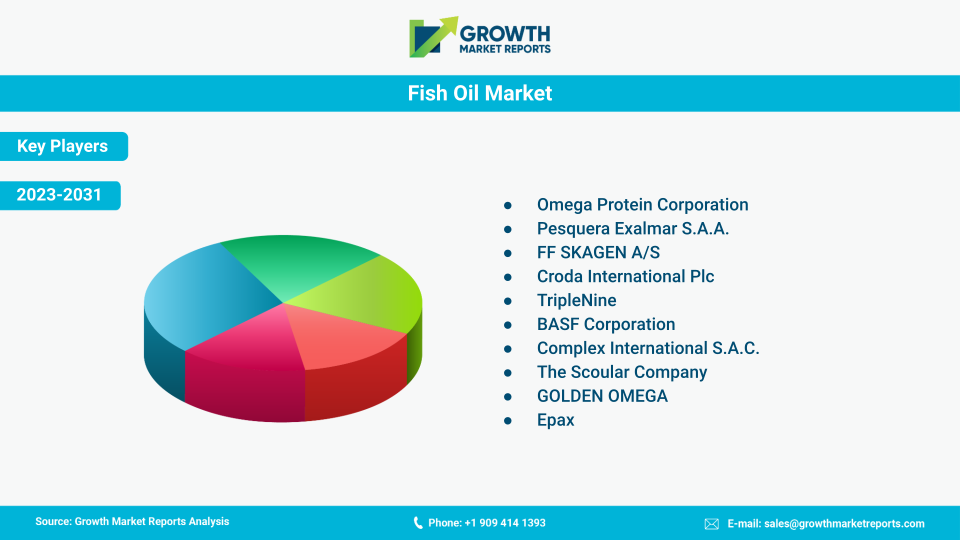
Key players competing in the global fish oil market are Omega Protein Corporation; Pesquera Exalmar S.A.A.; FF SKAGEN A/S; Croda International Plc; TripleNine; BASF Corporation; Complex International S.A.C.; The Scoular Company; GOLDEN OMEGA; and Epax. These players are constantly engaged in several business development activities such as collaborations, agreements, mergers & acquisitions, production capacity expansion, new product launches, and partnerships to strengthen their geographical presence and expand their customer base globally.
Technological advancements in extraction and purification, such as molecular distillation and supercritical fluid extraction, have improved fish oil purity and quality, enabling new product formats and expanding market applications.
Major companies include Omega Protein Corporation, BASF SE, DSM Nutritional Products, Croda International Plc, Copeinca ASA, Pesquera Diamante S.A., TripleNine Group A/S, FF Skagen A/S, Aker BioMarine AS, and GC Rieber Oils AS.
Opportunities include growing demand for omega-3s in preventive healthcare, fortified foods, and pet nutrition, as well as advancements in sustainable sourcing. Challenges include raw material supply volatility, sustainability concerns, contaminants, and competition from plant-based alternatives like algal oil.
Fish oil products are distributed through supermarkets/hypermarkets, pharmacies, online stores, specialty stores, and other channels such as direct sales and institutional supply.
Common sources include anchovy, sardine, mackerel, cod, and salmon. Anchovy is the predominant source globally, while salmon oil is gaining popularity for its premium nutritional profile.
The market offers liquid fish oil, fish oil capsules, and fish oil softgels. Each type caters to different consumer preferences and application requirements, with capsules and softgels preferred for human consumption due to convenience and palatability.
Fish oil is mainly used in dietary supplements, pharmaceuticals, animal nutrition and pet food, and functional food and beverages. It is also used in cosmetics, personal care, and some industrial applications.
Asia Pacific leads the global fish oil market, accounting for about 38% of market value in 2024, followed by North America and Europe. Growth in Asia Pacific is driven by robust aquaculture industries and rising health consciousness.
Key growth drivers include rising consumer awareness of omega-3 health benefits, expanding applications in dietary supplements and animal nutrition, technological advancements in extraction, and increasing demand for preventive healthcare solutions.
As of 2024, the global fish oil market size is valued at USD 2.48 billion, with expectations to reach USD 4.42 billion by 2033.