Segments - by Material Type (Paperboard, Polyethylene, Aluminum, Others), by Product Type (Standard Brick Cartons, Slim Brick Cartons, Mini Brick Cartons, Others), by Capacity (Less than 250ml, 250-500ml, 500-1000ml, Above 1000ml), by Application (Dairy Products, Beverages, Food, Pharmaceuticals, Others), by End-User (Food & Beverage Industry, Pharmaceutical Industry, Others), by Distribution Channel (Supermarkets/Hypermarkets, Convenience Stores, Online Retail, Others)
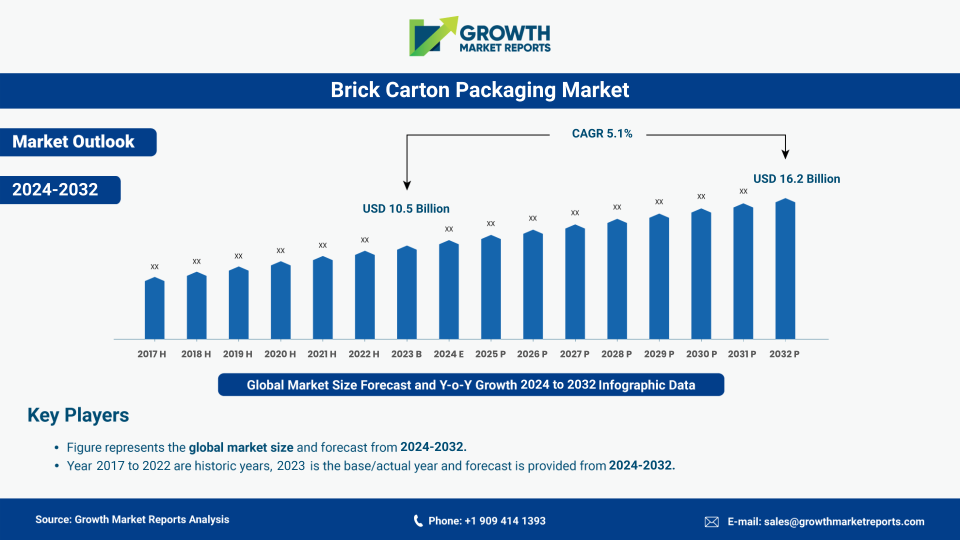
According to our latest research, the global brick carton packaging market size reached USD 13.8 billion in 2024, reflecting robust demand across food, beverage, and pharmaceutical sectors. The market is projected to grow at a CAGR of 4.9% from 2025 to 2033, with the forecasted market size expected to reach USD 21.2 billion by 2033. This growth is primarily driven by increasing consumer preference for sustainable packaging, the expanding beverage industry, and advancements in packaging technology that enhance shelf life and convenience. As per our latest research, the brick carton packaging market continues to evolve, with innovation and sustainability at its core, ensuring steady expansion through the forecast period.
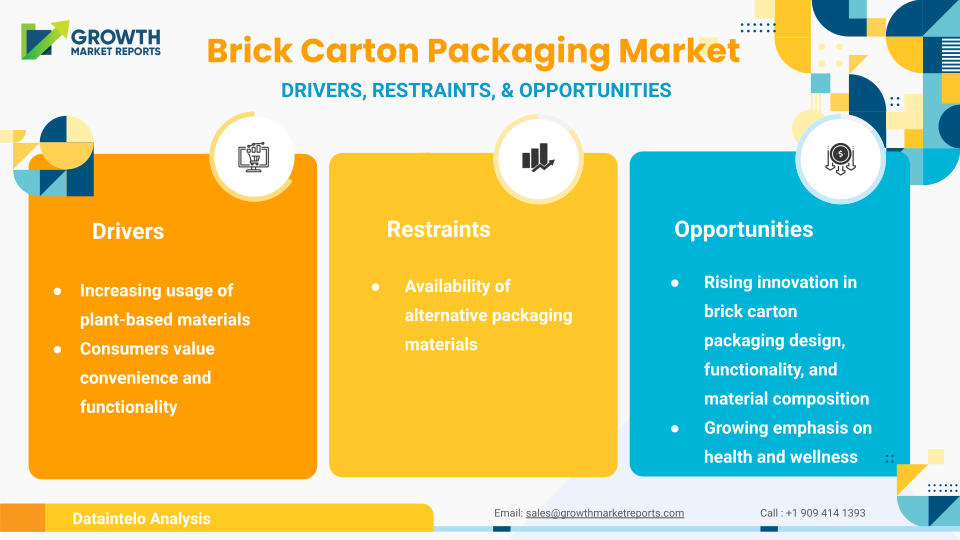
The brick carton packaging market is experiencing significant growth due to the rising demand for eco-friendly packaging solutions. Consumers and businesses alike are becoming increasingly conscious of environmental impacts, prompting a shift towards recyclable and biodegradable materials. Brick cartons, primarily composed of paperboard and layered with materials like polyethylene and aluminum, offer a sustainable alternative to traditional packaging. Their lightweight nature reduces transportation costs and carbon emissions, while the use of renewable resources aligns with global sustainability goals. Moreover, regulatory pressures and government initiatives promoting green packaging are compelling manufacturers to invest in advanced brick carton technologies, further fueling market expansion.
Another key growth factor for the brick carton packaging market is the rapid expansion of the beverage and dairy industries worldwide. The demand for ready-to-drink products, including milk, fruit juices, and plant-based beverages, has surged, especially in urban areas where convenience and portability are critical. Brick cartons, with their excellent barrier properties and ability to preserve freshness without refrigeration, have become the preferred choice for packaging liquid food products. The versatility in sizes and shapes—ranging from mini cartons for single servings to larger formats for family consumption—caters to diverse consumer needs, enhancing the market's appeal across different demographics.
Technological advancements in packaging machinery and materials have also contributed to the growth of the brick carton packaging market. Innovations such as aseptic processing, improved sealing techniques, and digital printing have enhanced the functionality, safety, and visual appeal of brick cartons. These developments not only extend product shelf life but also provide opportunities for branding and differentiation. As manufacturers focus on optimizing production efficiency and reducing waste, the adoption of state-of-the-art equipment and processes is expected to further accelerate market growth, particularly in emerging economies where industrialization and urbanization are on the rise.
Regionally, the Asia Pacific market stands out as the largest and fastest-growing segment, driven by rising disposable incomes, changing dietary habits, and the proliferation of modern retail formats. Countries like China, India, and Indonesia are witnessing a surge in packaged food and beverage consumption, propelling brick carton adoption. Meanwhile, Europe and North America maintain steady demand due to established food and beverage industries and stringent sustainability regulations. Latin America and the Middle East & Africa, though smaller in market share, are emerging as promising markets due to increasing urbanization and investments in food processing infrastructure. This regional diversification ensures resilience and growth opportunities for stakeholders across the global brick carton packaging market.
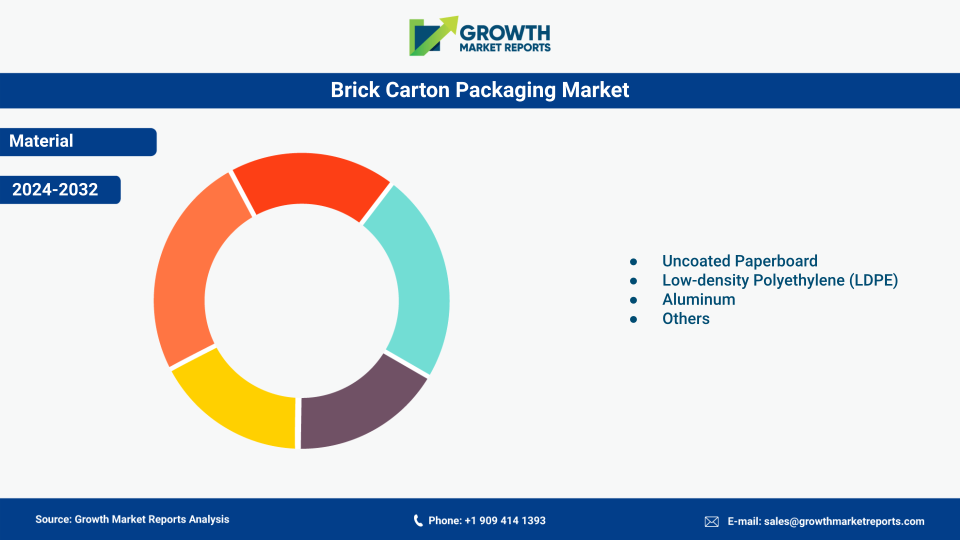
The material composition of brick cartons plays a pivotal role in determining their performance, sustainability, and market appeal. Paperboard remains the dominant material type, accounting for over 70% of the total market share in 2024. Its renewable nature, ease of recycling, and excellent printability make it the preferred choice for environmentally conscious brands and consumers. The paperboard layer provides structural integrity and allows for high-quality graphics, which are essential for branding and consumer engagement. Additionally, advancements in paperboard manufacturing have resulted in improved strength and moisture resistance, further enhancing its suitability for liquid packaging applications.
Polyethylene is another critical material, primarily used as a moisture barrier and sealing layer in brick cartons. Its flexibility and sealing properties ensure product safety and longevity, particularly for perishable items like dairy products and juices. The use of polyethylene, however, has come under scrutiny due to environmental concerns related to plastic waste. In response, manufacturers are exploring bio-based and compostable alternatives to conventional polyethylene, aiming to reduce the environmental footprint of brick cartons without compromising performance. This shift towards sustainable polymers is expected to gain momentum as regulatory pressures and consumer awareness grow.
Aluminum, though used in smaller quantities compared to paperboard and polyethylene, plays a crucial role in aseptic brick cartons by providing an effective barrier against light, oxygen, and contaminants. This ensures extended shelf life for sensitive products, such as UHT milk and fruit juices, without the need for refrigeration. The recyclability of aluminum adds to the sustainability credentials of brick cartons, but the extraction and processing of aluminum remain energy-intensive. As a result, the industry is investing in lightweighting and alternative barrier technologies to minimize aluminum usage while maintaining product protection.
Other materials, including specialty coatings and adhesives, are also integral to the performance of brick cartons. These materials enhance print quality, improve sealing, and provide additional functionalities such as tamper evidence and easy opening. Innovations in material science are driving the development of next-generation brick cartons with enhanced barrier properties, reduced material usage, and improved recyclability. As the market continues to prioritize sustainability, the adoption of bio-based coatings and water-based adhesives is expected to rise, offering new avenues for differentiation and growth.
In summary, the choice of materials in brick carton packaging is evolving in response to market demands for sustainability, functionality, and cost-effectiveness. While paperboard remains the backbone of the industry, the integration of advanced polymers, aluminum, and specialty materials is enabling manufacturers to meet the diverse needs of food, beverage, and pharmaceutical applications. Ongoing research and development in material science will be instrumental in shaping the future of the brick carton packaging market, ensuring continued innovation and competitiveness.
| Attributes | Details |
| Report Title | Brick Carton Packaging Market Research Report 2033 |
| By Material Type | Paperboard, Polyethylene, Aluminum, Others |
| By Product Type | Standard Brick Cartons, Slim Brick Cartons, Mini Brick Cartons, Others |
| By Capacity | Less than 250ml, 250-500ml, 500-1000ml, Above 1000ml |
| By Application | Dairy Products, Beverages, Food, Pharmaceuticals, Others |
| By End-User | Food & Beverage Industry, Pharmaceutical Industry, Others |
| By Distribution Channel | Supermarkets/Hypermarkets, Convenience Stores, Online Retail, Others |
| Regions Covered | North America, Europe, APAC, Latin America, MEA |
| Base Year | 2024 |
| Historic Data | 2018-2023 |
| Forecast Period | 2025-2033 |
| Number of Pages | 270 |
| Number of Tables & Figures | 378 |
| Customization Available | Yes, the report can be customized as per your need. |
The brick carton packaging market is segmented by product type into Standard Brick Cartons, Slim Brick Cartons, Mini Brick Cartons, and Others, each catering to specific consumer preferences and application requirements. Standard brick cartons, characterized by their rectangular shape and moderate capacity, are the most widely used format, particularly in the dairy and juice segments. Their robust structure and efficient space utilization make them ideal for both retail and bulk distribution. The standard format also offers ample surface area for branding and product information, which is crucial for consumer engagement in competitive retail environments.
Slim brick cartons have gained popularity in recent years, especially among health-conscious and on-the-go consumers. These cartons are designed to be more ergonomic and portable, making them suitable for single-serve beverages and snacks. The slim profile not only enhances shelf presence but also appeals to younger demographics seeking convenience and modern aesthetics. Manufacturers are leveraging digital printing and innovative closures to differentiate slim cartons, further driving their adoption in premium and functional beverage categories.
Mini brick cartons represent a growing segment, particularly in the children's beverage and snack market. With capacities typically below 250ml, these cartons are tailored for portion control and easy handling by young consumers. The safety features, such as tamper-evident seals and spill-proof closures, add to their appeal among parents and caregivers. Mini cartons are also increasingly used for sample packs and promotional offerings, providing brands with a cost-effective way to introduce new products and drive trial among target audiences.
Other product types in the brick carton packaging market include specialty formats designed for niche applications, such as multi-compartment cartons for mixed products, or cartons with integrated straws and handles for enhanced convenience. These innovations cater to evolving consumer lifestyles and the growing demand for differentiated packaging solutions. As competition intensifies, manufacturers are investing in design and functionality enhancements to capture market share and address emerging trends in health, wellness, and sustainability.
The diversity of product types within the brick carton packaging market underscores the importance of flexibility and innovation in meeting consumer needs. Standard, slim, and mini cartons each offer unique advantages, enabling brands to tailor their packaging strategies to specific market segments and consumption occasions. As the market continues to evolve, the development of new product formats and features will remain a key driver of growth and differentiation in the brick carton packaging industry.
Capacity is a critical factor influencing the adoption and performance of brick carton packaging across various applications. The market is segmented into Less than 250ml, 250-500ml, 500-1000ml, and Above 1000ml categories, each serving distinct consumer needs and usage occasions. The 250-500ml segment holds the largest market share, driven by its versatility and suitability for single-serve beverages, dairy products, and ready-to-drink formulations. This capacity range strikes a balance between convenience and value, making it a popular choice for both retail and foodservice channels.
The less than 250ml segment is primarily targeted at children, health-conscious consumers, and on-the-go lifestyles. Mini cartons in this capacity range are ideal for portion control, school lunches, and sampling, providing a convenient and hygienic packaging solution. The growing trend towards healthy snacking and the increasing demand for fortified and functional beverages are expected to drive growth in this segment, particularly in urban markets where convenience is a top priority.
The 500-1000ml segment caters to family consumption and bulk purchasing, making it a preferred choice for households and institutional buyers. Products such as family-sized milk, juice, and plant-based beverages are commonly packaged in this capacity range, offering cost savings and reduced packaging waste compared to smaller formats. The popularity of this segment is further supported by the rise of modern retail formats and the growing trend towards home-based consumption, especially in the wake of shifting consumer behaviors post-pandemic.
Above 1000ml cartons are used for large-volume applications, including catering, foodservice, and industrial use. While this segment represents a smaller share of the overall market, it offers significant growth potential in emerging economies where bulk purchasing is common. The development of innovative dispensing solutions and improved carton durability is expected to enhance the appeal of large-capacity brick cartons, particularly in institutional and commercial settings.
Overall, the capacity segmentation of the brick carton packaging market reflects the diverse and evolving needs of consumers and businesses. From mini cartons for individual servings to large formats for bulk consumption, the ability to offer a wide range of capacities is a key competitive advantage for manufacturers. As consumer preferences continue to shift towards convenience, health, and sustainability, the demand for flexible and customizable packaging solutions is expected to drive further innovation and growth in the brick carton packaging market.
The application landscape of the brick carton packaging market is broad, encompassing Dairy Products, Beverages, Food, Pharmaceuticals, and Others. Dairy products represent the largest application segment, accounting for over 40% of total market demand in 2024. The superior barrier properties and aseptic capabilities of brick cartons make them ideal for packaging milk, flavored milk, yogurt drinks, and other dairy-based products. The ability to extend shelf life without refrigeration is particularly valuable in regions with limited cold chain infrastructure, driving widespread adoption in both developed and emerging markets.
Beverages form the second-largest application segment, fueled by the rising consumption of fruit juices, plant-based drinks, and functional beverages. The convenience, portability, and branding opportunities offered by brick cartons have made them the packaging of choice for many beverage brands. The shift towards healthier and on-the-go beverage options is further boosting demand for brick cartons, especially in urban areas where busy lifestyles and health consciousness are driving changes in consumption patterns.
The food segment, though smaller in comparison to dairy and beverages, is witnessing steady growth as manufacturers explore new applications for brick cartons. Products such as soups, sauces, and ready-to-eat meals are increasingly being packaged in brick cartons, leveraging their protective properties and ease of handling. The trend towards convenient and sustainable packaging solutions is expected to drive further innovation and expansion in this segment, particularly as consumers seek alternatives to traditional cans and bottles.
Pharmaceutical applications of brick cartons are gaining traction, especially for liquid medicines, nutritional supplements, and health drinks. The tamper-evident and contamination-resistant features of brick cartons ensure product safety and compliance with regulatory standards. As the pharmaceutical industry continues to prioritize patient safety and convenience, the adoption of advanced packaging solutions like brick cartons is expected to rise, providing new growth opportunities for market players.
Other applications, including cosmetics, personal care, and industrial products, represent niche opportunities for brick carton packaging. The versatility and adaptability of brick cartons make them suitable for a wide range of products beyond food and beverages. As manufacturers continue to innovate and explore new use cases, the application scope of brick carton packaging is expected to expand, further enhancing its market potential and relevance across diverse industries.
The end-user landscape of the brick carton packaging market is dominated by the Food & Beverage Industry, which accounts for the majority of market demand. The industry's reliance on brick cartons for packaging dairy products, juices, and ready-to-drink beverages underscores the importance of functionality, safety, and sustainability in packaging decisions. Food and beverage manufacturers value the extended shelf life, tamper resistance, and branding opportunities offered by brick cartons, making them a staple in both mass-market and premium product lines. The ongoing trend towards health and wellness is also driving demand for fortified and functional beverages, further boosting the adoption of brick carton packaging.
The Pharmaceutical Industry represents a growing end-user segment, driven by the need for secure and hygienic packaging solutions for liquid medicines, nutritional supplements, and health drinks. Brick cartons offer significant advantages in terms of product protection, dosage accuracy, and ease of handling, making them increasingly popular among pharmaceutical manufacturers. The industry's focus on patient safety, regulatory compliance, and product differentiation is expected to drive continued growth in this segment, particularly as new formulations and delivery formats are developed.
Other end-users, including cosmetics, personal care, and industrial sectors, are exploring the potential of brick carton packaging for specialized applications. The adaptability of brick cartons to different product types, sizes, and functionalities makes them an attractive option for brands seeking to enhance product appeal and sustainability credentials. As consumer preferences continue to evolve and new market opportunities emerge, the diversification of end-user segments is expected to drive further innovation and growth in the brick carton packaging market.
The increasing adoption of brick carton packaging across diverse end-user industries highlights the versatility and adaptability of this packaging format. Whether in food, beverages, pharmaceuticals, or other sectors, brick cartons offer a unique combination of protection, convenience, and sustainability that aligns with the evolving needs of businesses and consumers. As manufacturers continue to invest in research and development, the end-user landscape of the brick carton packaging market is expected to become even more dynamic and diverse in the years ahead.
The distribution landscape for brick carton packaging is segmented into Supermarkets/Hypermarkets, Convenience Stores, Online Retail, and Others, reflecting the diverse ways in which consumers access packaged products. Supermarkets and hypermarkets remain the dominant distribution channels, accounting for over 50% of brick carton sales in 2024. These large-format retail outlets offer a wide variety of packaged goods, making them a key point of purchase for dairy products, beverages, and ready-to-eat foods packaged in brick cartons. The high foot traffic and shelf space available in supermarkets provide brands with significant visibility and opportunities for in-store promotions.
Convenience stores play a crucial role in the distribution of brick carton-packaged products, particularly in urban areas where consumers seek quick and easy access to snacks, beverages, and single-serve items. The compact size and portability of brick cartons make them ideally suited for the convenience store format, catering to on-the-go lifestyles and impulse purchases. As urbanization continues and consumer preferences shift towards convenience, the importance of this distribution channel is expected to grow.
Online retail has emerged as a rapidly growing distribution channel for brick carton packaging, driven by the rise of e-commerce and changing shopping behaviors. The convenience of home delivery, coupled with the ability to access a wide range of products, has made online platforms increasingly popular among consumers. Brands are leveraging digital marketing and direct-to-consumer strategies to reach new audiences and drive sales of brick carton-packaged products. The COVID-19 pandemic has further accelerated the shift towards online retail, highlighting the need for packaging solutions that are durable, tamper-resistant, and suitable for shipping.
Other distribution channels, including specialty stores, foodservice outlets, and institutional buyers, represent additional avenues for brick carton packaging. These channels cater to specific market segments and usage occasions, such as catering, schools, and hospitals. The ability to offer customized packaging solutions and bulk formats is a key advantage in these channels, enabling brands to address diverse customer needs and expand their market reach.
The distribution channel analysis of the brick carton packaging market underscores the importance of a multi-channel approach in reaching consumers and maximizing market penetration. As shopping habits continue to evolve and new retail formats emerge, the ability to adapt distribution strategies and leverage digital technologies will be critical for sustained growth and competitiveness in the brick carton packaging industry.
The brick carton packaging market presents numerous opportunities for growth and innovation, particularly in the areas of sustainability and product differentiation. The increasing demand for eco-friendly packaging solutions is driving investments in renewable materials, biodegradable coatings, and recyclable barriers. Manufacturers that can offer sustainable and high-performance brick cartons are well-positioned to capitalize on this trend, attracting environmentally conscious consumers and meeting regulatory requirements. Additionally, the expansion of the food and beverage industry, particularly in emerging markets, provides significant opportunities for market penetration and revenue growth. The ability to offer customized packaging solutions that cater to local preferences and consumption habits is a key differentiator in these markets.
Technological advancements in packaging machinery, digital printing, and smart packaging are creating new avenues for innovation and value creation in the brick carton packaging market. The integration of QR codes, augmented reality, and track-and-trace features enables brands to enhance consumer engagement, ensure product authenticity, and streamline supply chain operations. As the market becomes increasingly competitive, the adoption of advanced technologies and the development of innovative product formats will be essential for differentiation and sustained growth. Collaborations with material suppliers, technology providers, and research institutions can further accelerate innovation and enable manufacturers to stay ahead of market trends.
Despite the numerous opportunities, the brick carton packaging market faces several restraining factors that could impact growth. The high initial investment required for advanced packaging machinery and materials can be a barrier for small and medium-sized enterprises, limiting market entry and expansion. Additionally, the complexity of recycling multi-layered brick cartons, which often combine paperboard, polyethylene, and aluminum, poses challenges for waste management and environmental sustainability. Regulatory uncertainties, fluctuations in raw material prices, and supply chain disruptions can also affect market stability and profitability. Addressing these challenges will require ongoing investment in research and development, collaboration across the value chain, and proactive engagement with policymakers and stakeholders.
The regional analysis of the brick carton packaging market reveals significant variations in market size, growth rates, and adoption patterns across different geographies. In Asia Pacific, the market reached approximately USD 5.1 billion in 2024, making it the largest and fastest-growing region. The region is projected to grow at a CAGR of 6.1% through 2033, driven by rising disposable incomes, urbanization, and the expansion of the food and beverage industry. Countries such as China, India, and Indonesia are leading the charge, with increasing demand for packaged dairy products, juices, and ready-to-eat foods. The proliferation of modern retail formats and government initiatives promoting sustainable packaging are further supporting market growth in Asia Pacific.
In Europe, the brick carton packaging market was valued at USD 3.2 billion in 2024, reflecting steady demand from established food and beverage industries and a strong focus on sustainability. The region is characterized by stringent environmental regulations, high recycling rates, and widespread consumer awareness of sustainable packaging. Leading markets such as Germany, France, and the United Kingdom are at the forefront of innovation, driving the adoption of bio-based materials and advanced recycling technologies. The emphasis on circular economy principles and the transition towards low-carbon packaging solutions are expected to sustain market growth in Europe over the forecast period.
North America accounted for USD 2.9 billion in 2024, with the United States and Canada representing the largest markets. The region benefits from a mature food and beverage industry, high consumer purchasing power, and a growing preference for convenient and sustainable packaging. The adoption of brick cartons is supported by investments in packaging innovation, digital printing, and supply chain optimization. While growth rates are moderate compared to Asia Pacific, the focus on premiumization and product differentiation is expected to drive continued demand for brick carton packaging in North America. Latin America and Middle East & Africa together contributed approximately USD 2.6 billion to the global market in 2024, with growth driven by urbanization, rising middle-class populations, and investments in food processing infrastructure. These regions offer significant untapped potential for market expansion, particularly as consumer preferences shift towards packaged and convenience foods.
The competitive landscape of the brick carton packaging market is characterized by the presence of several global and regional players, each vying for market share through product innovation, strategic partnerships, and geographic expansion. Leading companies are investing heavily in research and development to enhance the sustainability, functionality, and aesthetics of their brick carton offerings. The focus on developing recyclable, biodegradable, and bio-based materials is particularly pronounced, as manufacturers seek to align with evolving consumer preferences and regulatory requirements. In addition to product innovation, companies are leveraging digital technologies and advanced manufacturing processes to improve efficiency, reduce costs, and enhance supply chain transparency.
Strategic collaborations and mergers and acquisitions are common strategies among major players seeking to expand their product portfolios, enter new markets, and gain access to advanced technologies. Partnerships with material suppliers, technology providers, and research institutions are enabling companies to accelerate innovation and respond quickly to market trends. The increasing importance of branding and differentiation is also driving investments in digital printing, smart packaging, and consumer engagement initiatives. As competition intensifies, the ability to offer customized solutions and value-added services is becoming a key differentiator in the brick carton packaging market.
Regional players play a crucial role in the competitive dynamics of the market, particularly in emerging economies where local knowledge, distribution networks, and regulatory expertise are critical for success. These companies often focus on niche segments, such as mini cartons or specialty applications, and leverage their agility to respond quickly to changing market conditions. The growing trend towards localization and the emphasis on sustainable sourcing are further enhancing the competitiveness of regional players, enabling them to capture market share from global giants.
Some of the major companies operating in the global brick carton packaging market include Tetra Pak International S.A., SIG Combibloc Group AG, Elopak ASA, Greatview Aseptic Packaging Co., Ltd., and Nippon Paper Industries Co., Ltd. Tetra Pak is widely recognized as a leader in the market, known for its commitment to sustainability and innovation in aseptic packaging. SIG Combibloc is another key player, offering a wide range of brick carton solutions for food and beverage applications. Elopak specializes in environmentally friendly packaging, with a strong focus on renewable materials and recycling. Greatview Aseptic Packaging has established a significant presence in Asia, leveraging cost-effective production and strong customer relationships. Nippon Paper Industries is known for its expertise in paper-based packaging and ongoing investments in sustainable materials and technologies.
These companies are continuously expanding their product portfolios, investing in advanced manufacturing facilities, and strengthening their global distribution networks to maintain a competitive edge. The focus on sustainability, innovation, and customer-centric solutions is expected to drive further consolidation and collaboration in the industry, shaping the future of the brick carton packaging market. As the market evolves, the ability to anticipate and respond to changing consumer preferences, regulatory requirements, and technological advancements will be critical for sustained success and growth.
The Brick Carton Packaging market has been segmented on the basis of
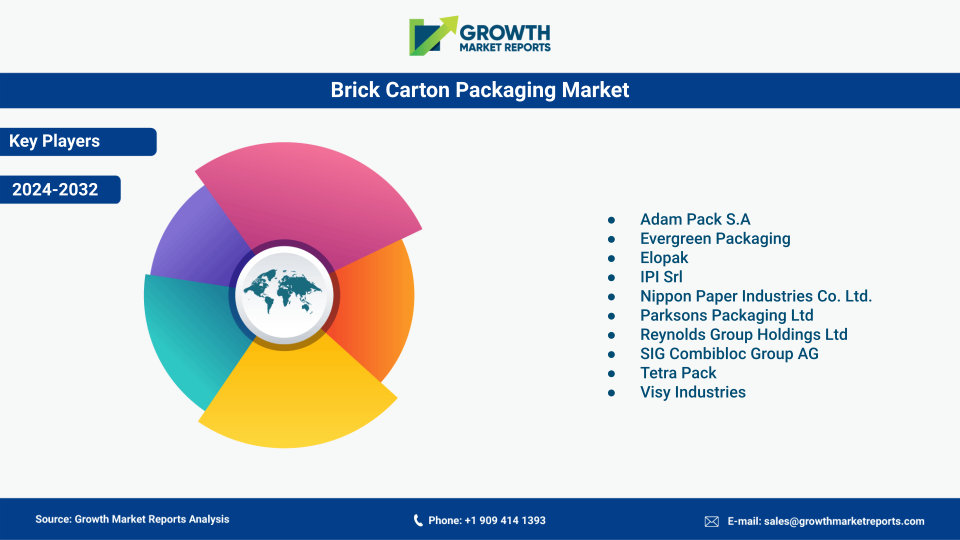
Key players competing in the global brick carton packaging market are Adam Pack S.A; Evergreen Packaging; Elopak; IPI Srl; Nippon Paper Industries Co. Ltd; Parksons Packaging Ltd; Reynolds Group Holdings Ltd; SIG Combibloc Group AG; Tetra Pack; and Visy Industries.
These players utilize several development strategies, including product launches, partnerships, acquisitions, and geographical expansion, to increase their global presence. For instance,

In April 2022, Elopak AS and GLS entered into a collaboration to deliver environmentally friendly packaging solutions to customers throughout India. The collaboration allows both companies to offer Roll-Fed aseptic cartons under the brand "ALPAK" in various sizes.
Brick carton-packaged products are distributed through supermarkets/hypermarkets, convenience stores, online retail, and specialty stores, with supermarkets/hypermarkets accounting for over 50% of sales.
Major companies include Tetra Pak International S.A., SIG Combibloc Group AG, Elopak ASA, Greatview Aseptic Packaging Co., Ltd., Nippon Paper Industries Co., Ltd., and others.
Sustainability is a major market driver, with increasing demand for recyclable, biodegradable, and bio-based materials. Regulatory pressures and consumer awareness are pushing manufacturers to innovate in eco-friendly packaging.
The market offers Standard Brick Cartons, Slim Brick Cartons, Mini Brick Cartons, and specialty formats, catering to different consumer needs and product applications.
Brick cartons are widely used for dairy products, beverages (such as juices and plant-based drinks), food (soups, sauces), and pharmaceuticals (liquid medicines, health drinks).
Asia Pacific is the largest and fastest-growing region, followed by Europe and North America. Latin America and the Middle East & Africa are emerging markets with significant growth potential.
Brick cartons are primarily made from paperboard (over 70% market share), polyethylene for moisture barriers, and aluminum for aseptic properties. Innovations in bio-based and recyclable materials are also gaining traction.
Key growth drivers include increasing consumer preference for sustainable packaging, expansion of the beverage and dairy industries, and advancements in packaging technology that enhance shelf life and convenience.
The brick carton packaging market is expected to grow at a CAGR of 4.9% from 2025 to 2033, reaching an estimated USD 21.2 billion by 2033.
As of 2024, the global brick carton packaging market size reached USD 13.8 billion, driven by strong demand in food, beverage, and pharmaceutical sectors.