Segments - by Product Type (Membrane, Coated, Densely Woven), by Material (Polyurethane, Polytetrafluoroethylene, Polyester, Polypropylene, Others), by Application (Active Sportswear, Protective Clothing, Outdoor Apparel, Footwear, Others), by End-User (Sports & Leisure, Healthcare, Military & Defense, Construction, Others), by Distribution Channel (Online, Offline)
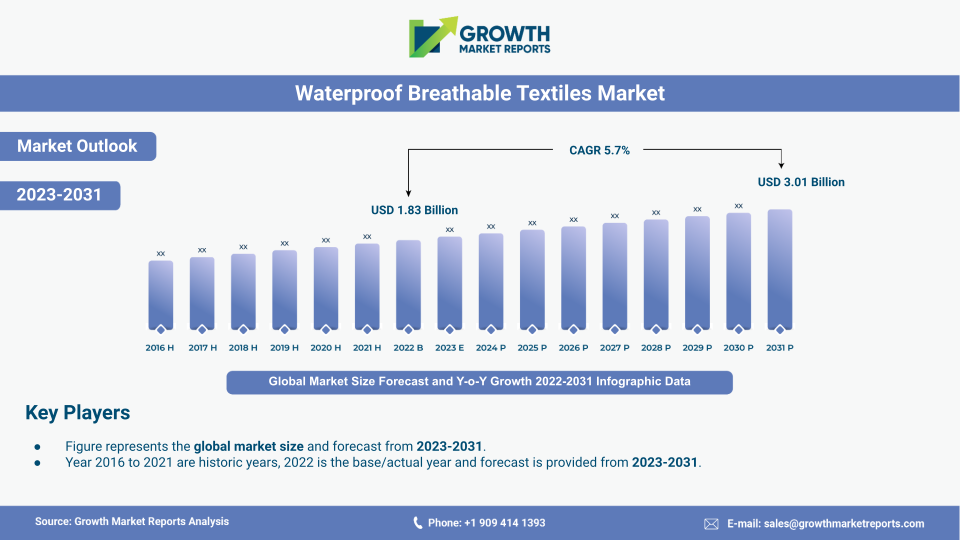
According to our latest research, the global waterproof breathable textiles market size reached USD 2.53 billion in 2024, demonstrating robust growth driven by heightened demand for functional apparel across several sectors. The market is expanding at a CAGR of 6.8% and is forecasted to attain a value of USD 4.64 billion by 2033. This growth is primarily fueled by the increasing adoption of high-performance textiles in sportswear, protective clothing, and outdoor apparel, as well as the rising consumer preference for comfort combined with weather protection.
A key growth factor for the waterproof breathable textiles market is the surging demand for advanced sportswear and outdoor apparel. Consumers are increasingly engaging in outdoor recreational activities such as hiking, trekking, and camping, which require clothing that provides both protection from environmental elements and comfort during strenuous activities. The integration of innovative textile technologies, such as membranes and coatings that allow moisture vapor transmission while preventing water ingress, has led to the development of garments that cater to these needs. Moreover, the proliferation of athleisure trends, where consumers seek versatile clothing suitable for both athletic and casual wear, is further stimulating the demand for waterproof breathable textiles. Brands are responding with product lines that combine style, functionality, and durability, thereby expanding the market footprint.
Another significant driver is the growing emphasis on workplace safety and performance in sectors such as healthcare, military, and construction. In these industries, protective clothing made from waterproof breathable textiles is essential to safeguard workers from hazardous environments, chemical exposure, and adverse weather conditions. The increasing implementation of stringent occupational safety regulations worldwide is compelling employers to invest in high-quality protective apparel. Furthermore, advancements in textile engineering have enabled the production of lightweight, flexible, and durable fabrics that enhance wearer comfort without compromising protection. This ongoing innovation is fostering the adoption of waterproof breathable textiles in specialized applications beyond traditional sportswear, thereby broadening the market’s application scope.
Sustainability concerns and environmental regulations are also shaping the waterproof breathable textiles market. Consumers and manufacturers alike are becoming more conscious of the environmental impact of synthetic materials and chemical treatments used in textile production. As a result, there is a rising trend toward the development and adoption of eco-friendly waterproof breathable textiles, such as those made from recycled polyester or bio-based membranes. Regulatory frameworks in regions like Europe and North America are pushing for greener production processes, which is prompting companies to invest in research and development of sustainable alternatives. This shift not only addresses environmental concerns but also enhances brand value and consumer loyalty, further propelling market growth.
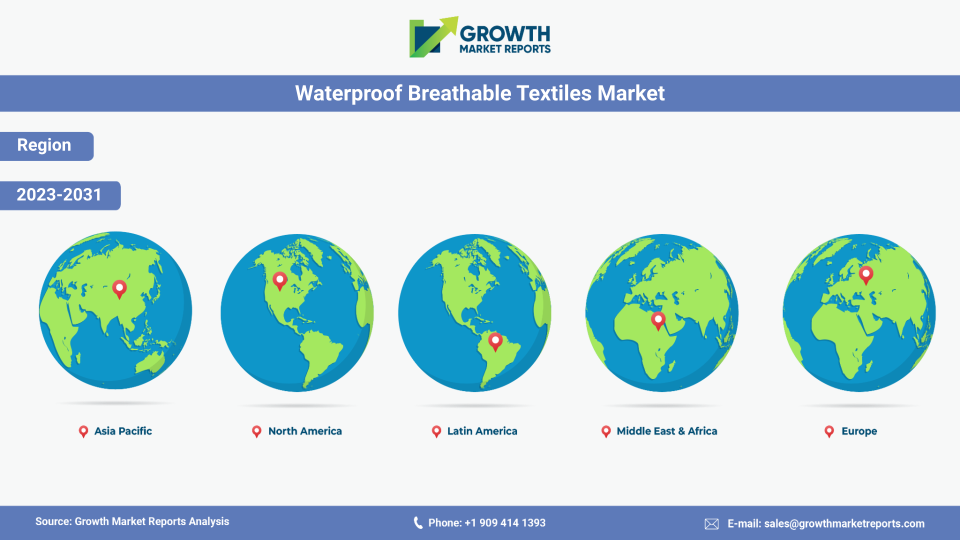
From a regional perspective, Asia Pacific continues to dominate the global waterproof breathable textiles market, accounting for over 38% of total revenue in 2024. This dominance is attributed to the presence of large-scale textile manufacturing hubs, rapid urbanization, and increasing disposable incomes in countries such as China, India, and Japan. North America and Europe also hold significant shares, driven by robust demand for high-performance outdoor apparel and stringent regulatory standards for occupational safety. The Middle East & Africa and Latin America, while smaller in market size, are witnessing steady growth due to rising awareness of functional textiles and expanding outdoor recreation activities. These regional dynamics are expected to persist, with Asia Pacific projected to maintain its lead through 2033.
The product type segment of the waterproof breathable textiles market is divided into membrane, coated, and densely woven textiles. Membrane-based textiles, such as those utilizing polytetrafluoroethylene (PTFE) and polyurethane (PU) membranes, are renowned for their superior performance in terms of water resistance and breathability. These membranes are engineered with microscopic pores that are small enough to block liquid water but large enough to allow water vapor to escape, making them ideal for high-performance sportswear and protective clothing. The demand for membrane-based products is particularly strong in premium segments, where end-users prioritize advanced functionality and long-lasting performance.
Coated textiles represent another significant product category, leveraging various polymer coatings to impart waterproof and breathable characteristics to fabrics. These coatings can be applied to a range of substrates, including polyester and nylon, to create versatile and cost-effective solutions for mass-market applications. While coated textiles may not match the breathability levels of membrane-based products, ongoing advancements in coating technologies are narrowing this gap. The coated segment is especially popular in applications where affordability and ease of production are critical, such as entry-level outdoor apparel and rainwear.
Densely woven textiles, which rely on tightly packed fibers to achieve water resistance, are gaining traction due to their natural feel and absence of chemical treatments. These fabrics are often favored in environmentally conscious markets, as they can be produced using organic or recycled fibers without the need for synthetic membranes or coatings. Densely woven textiles are commonly used in casual outerwear, lifestyle products, and certain segments of sportswear where moderate water resistance and breathability are sufficient. The resurgence of interest in traditional textile craftsmanship and sustainability is bolstering the growth of this segment.
The competitive dynamics within the product type segment are shaped by ongoing research and development aimed at enhancing performance, durability, and sustainability. Manufacturers are investing in hybrid products that combine multiple technologies, such as membrane-laminated densely woven fabrics, to deliver superior protection and comfort. This trend is expected to reshape the market landscape by offering consumers a wider array of choices tailored to specific needs and preferences. As a result, the product type segment will continue to evolve, with innovation serving as a key differentiator among market players.
| Attributes | Details |
| Report Title | Waterproof Breathable Textiles Market Research Report 2033 |
| By Product Type | Membrane, Coated, Densely Woven |
| By Material | Polyurethane, Polytetrafluoroethylene, Polyester, Polypropylene, Others |
| By Application | Active Sportswear, Protective Clothing, Outdoor Apparel, Footwear, Others |
| By End-User | Sports & Leisure, Healthcare, Military & Defense, Construction, Others |
| By Distribution Channel | Online, Offline |
| Regions Covered | North America, Europe, APAC, Latin America, MEA |
| Base Year | 2024 |
| Historic Data | 2018-2023 |
| Forecast Period | 2025-2033 |
| Number of Pages | 277 |
| Number of Tables & Figures | 293 |
| Customization Available | Yes, the report can be customized as per your need. |
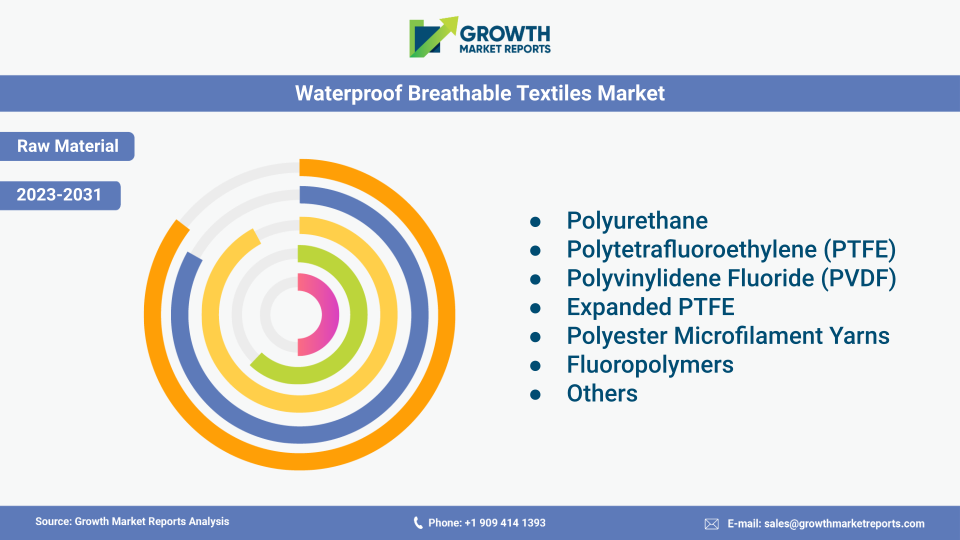
The material segment in the waterproof breathable textiles market is characterized by a diverse range of synthetic and natural fibers, each offering distinct performance attributes. Polyurethane (PU) is one of the most widely used materials due to its excellent flexibility, lightweight properties, and ability to form highly effective waterproof membranes. PU-based textiles are popular in both sportswear and protective clothing, as they provide a good balance between cost, durability, and breathability. The versatility of PU allows it to be utilized in both membrane and coating applications, making it a staple material in the industry.
Polytetrafluoroethylene (PTFE), commonly known by the brand name Gore-Tex, is another major material segment renowned for its exceptional waterproof and breathable capabilities. PTFE membranes are engineered with a unique microstructure that enables superior moisture vapor transmission while maintaining complete water resistance. This material is highly valued in premium outdoor apparel, military gear, and high-performance sportswear, where maximum comfort and protection are essential. Despite its higher cost, the durability and reliability of PTFE-based textiles make them a preferred choice for demanding applications.
Polyester and polypropylene are also prominent materials used in waterproof breathable textiles, particularly in mass-market and budget-conscious segments. Polyester offers advantages such as high tensile strength, resistance to shrinking and stretching, and ease of dyeing, making it suitable for a wide range of applications. Polypropylene, on the other hand, is valued for its lightweight nature, chemical resistance, and moisture-wicking properties. Both materials are often used as substrates for coatings or as components in composite fabrics, contributing to the affordability and accessibility of waterproof breathable textiles.
The market is witnessing a growing interest in sustainable and eco-friendly materials, driven by consumer demand and regulatory pressure. Manufacturers are increasingly incorporating recycled polyester, bio-based polymers, and natural fibers into their product lines to reduce environmental impact. Innovations in material science, such as the development of biodegradable membranes and coatings, are further expanding the range of sustainable options available. This shift toward greener materials is expected to gain momentum, particularly in regions with stringent environmental regulations and high consumer awareness.
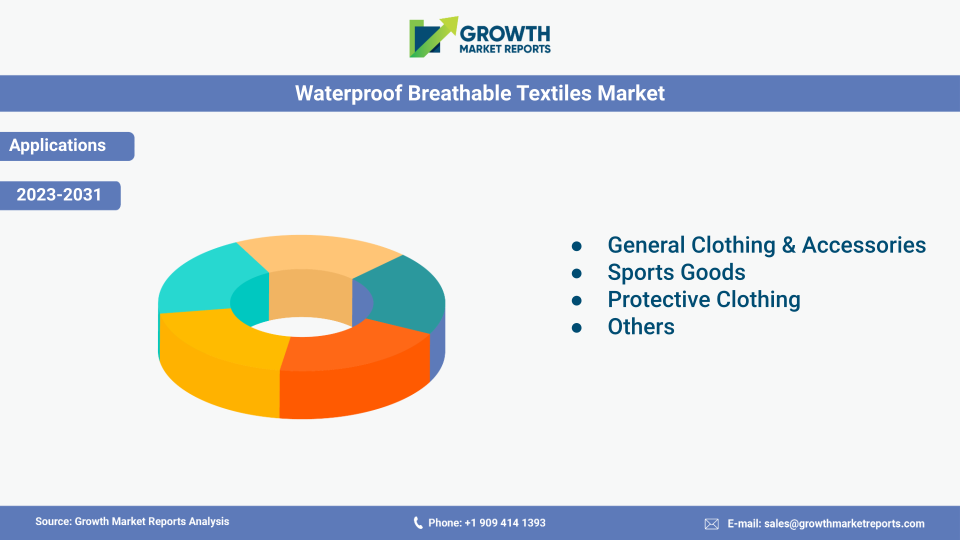
The application segment of the waterproof breathable textiles market is broad, encompassing active sportswear, protective clothing, outdoor apparel, footwear, and other specialized uses. Active sportswear remains the largest application area, driven by the increasing popularity of fitness activities, outdoor sports, and athleisure trends. Consumers are seeking apparel that offers protection from the elements while ensuring comfort and moisture management during high-intensity activities. Brands are responding with innovative product offerings that utilize advanced membranes and coatings to deliver optimal performance in diverse weather conditions.
Protective clothing is another critical application, particularly in sectors such as healthcare, military, and industrial safety. In these environments, waterproof breathable textiles are essential for safeguarding workers against hazardous substances, infectious agents, and extreme weather. The demand for protective clothing is being propelled by stricter workplace safety regulations and the need for reliable, high-performance gear. Manufacturers are focusing on developing textiles that combine robust protection with lightweight construction and ergonomic design, thereby enhancing wearer comfort and productivity.
Outdoor apparel, including jackets, pants, and hats, constitutes a significant portion of the market, catering to consumers who engage in recreational activities such as hiking, camping, and fishing. The outdoor segment is characterized by a strong emphasis on durability, versatility, and aesthetic appeal. Companies are leveraging cutting-edge textile technologies to create garments that offer superior water resistance, breathability, and thermal regulation. The growing trend of eco-tourism and adventure travel is further boosting demand for high-quality outdoor apparel made from waterproof breathable textiles.
Footwear is an emerging application area, with manufacturers integrating waterproof breathable membranes into shoes and boots to enhance comfort and performance. This trend is particularly evident in sports, hiking, and work footwear, where protection from moisture and breathability are critical. Advances in textile engineering have enabled the development of lightweight, flexible, and durable membranes that can be seamlessly integrated into footwear designs. As consumer expectations for comfort and functionality continue to rise, the footwear segment is expected to witness significant growth in the coming years.
The end-user segment for waterproof breathable textiles encompasses sports and leisure, healthcare, military and defense, construction, and other industries. The sports and leisure sector is the dominant end-user, accounting for a substantial share of market revenue. The increasing participation in sports and outdoor activities, coupled with the rising popularity of athleisure fashion, is driving demand for high-performance textiles that offer both protection and comfort. Leading sportswear brands are continually innovating to meet evolving consumer preferences, resulting in a dynamic and competitive market landscape.
Healthcare is another significant end-user, with waterproof breathable textiles playing a crucial role in the production of medical gowns, drapes, and protective gear. The COVID-19 pandemic underscored the importance of reliable and comfortable protective clothing for healthcare workers, leading to increased investment in advanced textile solutions. Manufacturers are focusing on developing textiles that provide effective barriers against liquids and pathogens while maintaining breathability to ensure wearer comfort during long shifts. This trend is expected to continue as healthcare systems prioritize worker safety and infection control.
The military and defense sector represents a high-value end-user segment, with waterproof breathable textiles being integral to the production of uniforms, outerwear, and gear designed for challenging environments. Military applications demand textiles that deliver exceptional durability, weather resistance, and breathability to support personnel in diverse operational scenarios. Governments and defense organizations are investing in the development of next-generation textiles that incorporate advanced materials and smart technologies, further driving market growth in this segment.
The construction industry also utilizes waterproof breathable textiles in protective clothing and safety gear for workers exposed to harsh weather and hazardous conditions. The adoption of such textiles is being driven by increasing awareness of occupational safety and compliance with regulatory standards. Additionally, other end-users, such as the hospitality and transportation sectors, are incorporating waterproof breathable textiles into uniforms and seating materials, expanding the market’s reach.
The distribution channel segment for waterproof breathable textiles is bifurcated into online and offline channels, each playing a pivotal role in shaping market dynamics. Offline channels, including specialty stores, department stores, and exclusive brand outlets, have traditionally dominated the market. These channels offer consumers the advantage of physically examining products, receiving personalized assistance, and immediate purchase fulfillment. Established brands leverage their extensive retail networks to enhance consumer trust and brand loyalty, particularly for high-value and technical products.
Online distribution channels are experiencing rapid growth, driven by the increasing penetration of e-commerce platforms and changing consumer shopping behaviors. Online channels offer unparalleled convenience, a wider product selection, and the ability to compare prices and read reviews. The digitalization of retail has enabled brands to reach a broader audience, including consumers in remote or underserved regions. The COVID-19 pandemic accelerated the shift toward online shopping, with consumers increasingly comfortable purchasing apparel and footwear online.
Manufacturers and retailers are adopting omnichannel strategies to provide a seamless shopping experience across both online and offline platforms. This approach allows consumers to browse products online, check availability in nearby stores, and choose from multiple delivery or pickup options. The integration of digital technologies, such as virtual fitting rooms and augmented reality, is enhancing the online shopping experience and reducing barriers to purchase. As a result, the distinction between online and offline channels is becoming increasingly blurred.
The choice of distribution channel often depends on the target market segment, product type, and brand positioning. Premium and technical products are more likely to be sold through specialized offline stores, where consumers can receive expert guidance. Mass-market and entry-level products, on the other hand, are well-suited to online channels, which offer greater price transparency and reach. Going forward, the balance between online and offline channels will continue to evolve, with consumer preferences and technological advancements driving change.
The waterproof breathable textiles market presents numerous opportunities for growth, particularly through the development of innovative and sustainable products. Advances in material science and textile engineering are enabling the creation of textiles that offer enhanced performance characteristics, such as improved breathability, moisture management, and durability. The growing consumer demand for eco-friendly and ethically produced products is prompting manufacturers to invest in sustainable materials, such as recycled polyester and bio-based membranes. This shift not only addresses environmental concerns but also differentiates brands in a competitive marketplace, opening new avenues for growth and market expansion.
Another significant opportunity lies in the diversification of end-use applications beyond traditional sportswear and outdoor apparel. The increasing adoption of waterproof breathable textiles in sectors such as healthcare, military, construction, and transportation is broadening the market’s scope. The integration of smart technologies, such as sensors and wearable electronics, into textiles offers the potential for value-added products that deliver enhanced functionality and user experience. Collaborations between textile manufacturers, technology providers, and end-user industries are expected to drive innovation and create new market opportunities.
Despite these opportunities, the market faces several restraining factors, including the high cost of advanced materials and production processes. Premium waterproof breathable textiles, such as those utilizing PTFE membranes, can be prohibitively expensive for price-sensitive consumers and applications. Additionally, the complexity of manufacturing processes and the need for specialized equipment can pose challenges for new entrants and smaller players. Regulatory requirements related to chemical use and environmental impact also add to the cost and complexity of production. These factors may limit market growth, particularly in developing regions with limited purchasing power.
The Asia Pacific region is the largest and fastest-growing market for waterproof breathable textiles, with a market size of USD 960 million in 2024. The region’s dominance is driven by the presence of major textile manufacturing hubs in China, India, and Southeast Asia, as well as rising disposable incomes and changing consumer lifestyles. The increasing popularity of outdoor activities and sports, coupled with rapid urbanization, is fueling demand for high-performance apparel and footwear. The Asia Pacific market is expected to maintain a strong growth trajectory, with a projected CAGR of 7.4% through 2033, supported by ongoing investments in technology and infrastructure.
North America is another significant market, accounting for approximately USD 700 million in revenue in 2024. The region’s growth is underpinned by robust demand for outdoor apparel, sportswear, and protective clothing, as well as a high level of consumer awareness regarding product performance and sustainability. The presence of leading brands and a well-developed retail infrastructure further contribute to market expansion. North America is also at the forefront of innovation, with companies investing in the development of advanced and eco-friendly textiles to meet evolving consumer preferences and regulatory requirements.
Europe holds a substantial share of the global waterproof breathable textiles market, with a market size of USD 650 million in 2024. The region is characterized by stringent environmental regulations, a strong emphasis on sustainability, and a mature outdoor recreation culture. European consumers are increasingly seeking high-quality, eco-friendly products, prompting manufacturers to prioritize sustainable materials and production processes. The Middle East & Africa and Latin America are smaller markets, with combined revenues of less than USD 220 million in 2024, but are witnessing steady growth driven by rising awareness of functional textiles and expanding outdoor activities.
The competitive landscape of the waterproof breathable textiles market is highly dynamic, with both established players and emerging entrants vying for market share. Leading companies are focusing on product innovation, sustainability, and strategic partnerships to differentiate themselves in a crowded marketplace. The market is characterized by intense competition in terms of technology, product performance, and pricing, with companies continually investing in research and development to stay ahead. Intellectual property, particularly in the form of proprietary membrane technologies and coating formulations, serves as a key competitive advantage for market leaders.
Mergers, acquisitions, and collaborations are common strategies employed by major players to expand their product portfolios, enter new markets, and enhance their technological capabilities. Companies are also investing in brand building and marketing to strengthen consumer loyalty and capture new customer segments. The shift toward direct-to-consumer sales, particularly through online channels, is enabling brands to engage more closely with end-users and gather valuable insights for product development. As consumer preferences evolve, agility and responsiveness will be critical for maintaining a competitive edge.
Sustainability is emerging as a central theme in the competitive landscape, with companies racing to develop eco-friendly materials and production processes. Brands that can effectively communicate their sustainability credentials and deliver tangible environmental benefits are likely to gain a competitive advantage. The integration of smart technologies and value-added features, such as moisture management and antimicrobial properties, is also becoming a key differentiator in the market. As the market matures, the ability to offer customized solutions tailored to specific end-user needs will become increasingly important.
Some of the leading companies in the waterproof breathable textiles market include W. L. Gore & Associates, Inc. (Gore-Tex), Toray Industries, Inc., Sympatex Technologies GmbH, Polartec LLC, HeiQ Materials AG, and eVent Fabrics. W. L. Gore & Associates is renowned for its proprietary PTFE membrane technology and strong brand presence in the outdoor and military segments. Toray Industries is a major player with a diversified product portfolio and a focus on sustainability and innovation. Sympatex Technologies specializes in eco-friendly membranes and coatings, catering to environmentally conscious consumers and brands. Polartec and HeiQ Materials are known for their advanced fabric technologies and collaborations with leading apparel brands. eVent Fabrics has carved a niche in high-performance sportswear and protective clothing with its air-permeable membrane technology.
These companies are continuously investing in research and development to enhance product performance, sustainability, and user experience. Strategic partnerships with apparel brands, sports organizations, and research institutions are enabling them to stay at the forefront of technological advancements and market trends. As competition intensifies, companies that can balance innovation, sustainability, and cost-effectiveness will be best positioned to capitalize on the growing demand for waterproof breathable textiles across diverse applications and regions.
The Waterproof Breathable Textiles market has been segmented on the basis of
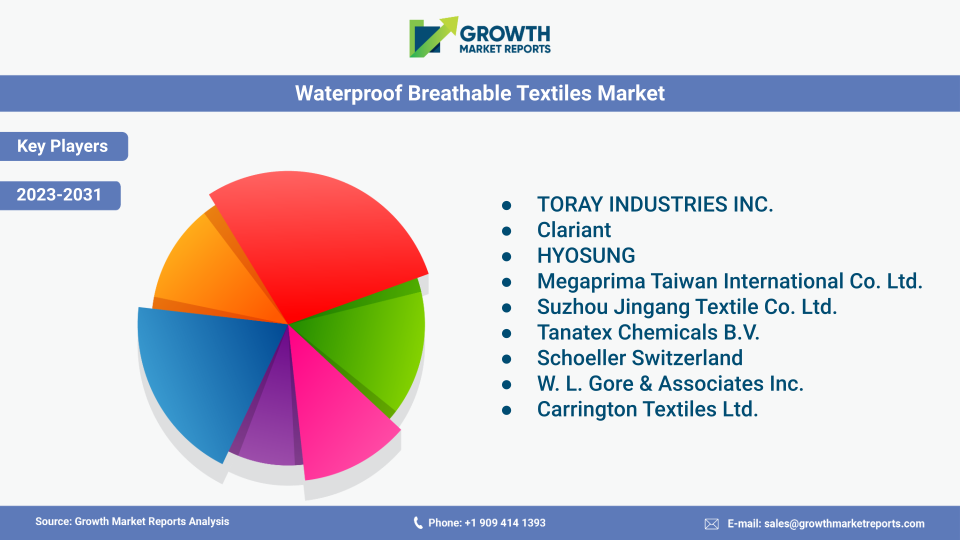
Some of the prominent players in the glboal waterproof breathable textiles market are TORAY INDUSTRIES, INC., Clariant, HYOSUNG, Megaprima Taiwan International Co., Ltd, Suzhou Jingang Textile Co., Ltd, Tanatex Chemicals B.V, schoeller Switzerland, W. L. Gore & Associates, Inc., Carrington Textiles Ltd, Wujiang Sunfeng Textile Co., Ltd, Spring Home Textile, Mountain Hardwear, Henderson Textiles, GTUT (Taiwan Dyeing & Fabric Co., Ltd.), and Polartec, LLC.
Challenges include the high cost of advanced materials like PTFE, complex manufacturing processes, regulatory requirements for chemical use and sustainability, and competition from low-cost alternatives.
Major players include W. L. Gore & Associates (Gore-Tex), Toray Industries, Sympatex Technologies, Polartec LLC, HeiQ Materials AG, eVent Fabrics, and several others specializing in advanced textile technologies.
Key trends include the development of eco-friendly and sustainable textiles, integration of smart technologies, hybrid products combining multiple textile technologies, and increased focus on customization and user comfort.
Products are sold through both offline channels (specialty stores, department stores, brand outlets) and online platforms (e-commerce sites). Omnichannel strategies are increasingly common to enhance the customer experience.
These textiles are widely used in active sportswear, protective clothing, outdoor apparel, and footwear. They are also found in specialized applications across healthcare, military, construction, and transportation sectors.
Common materials include polyurethane (PU), polytetrafluoroethylene (PTFE, known as Gore-Tex), polyester, and polypropylene. There is also a growing trend toward recycled and bio-based materials for sustainability.
The main product types are membrane-based textiles (e.g., PTFE and PU membranes), coated textiles, and densely woven textiles. Each type offers different balances of water resistance, breathability, and sustainability.
Asia Pacific leads the market, accounting for over 38% of global revenue in 2024, followed by North America and Europe. The Middle East & Africa and Latin America are also experiencing steady growth.
Key growth drivers include rising demand for high-performance sportswear and outdoor apparel, increased emphasis on workplace safety in industries like healthcare and construction, and growing consumer preference for comfort and weather protection.
As of 2024, the global waterproof breathable textiles market is valued at USD 2.53 billion and is growing at a CAGR of 6.8%. It is projected to reach USD 4.64 billion by 2033.