Segments - by Fashion Accessories Market Product Type (Headbands, Hats & Caps, Socks & Tights, Shoes, Belts, Gloves & Mittens, Jewelry, Others), by Material (Cotton, Wool, Synthetic, Blended, Others), by Age Group (0-12 Months, 1-2 Years, 2-3 Years, Others), by Distribution Channel (Online Stores, Supermarkets/Hypermarkets, Specialty Stores, Others)
As per our latest research, the global baby fashion accessories market size reached USD 8.45 billion in 2024, reflecting the sector’s robust expansion driven by evolving parental preferences and increasing disposable incomes worldwide. The market is set to grow at a CAGR of 5.2% from 2025 to 2033, reaching a projected value of USD 13.29 billion by 2033. This growth is primarily fueled by rising awareness regarding baby care, a surge in demand for premium and sustainable baby products, and the increasing influence of social media on parenting trends. The baby fashion accessories market is witnessing significant transformation as parents seek to balance style, comfort, and safety in their choices for infants and toddlers.
One of the key growth factors propelling the baby fashion accessories market is the heightened focus on quality and safety among modern parents. With increasing concerns over the materials used in baby products, there is a clear shift toward accessories made from organic, hypoallergenic, and eco-friendly materials such as organic cotton and bamboo. Furthermore, regulatory bodies across major markets have imposed stringent safety standards, compelling manufacturers to innovate and ensure compliance. These trends are not only enhancing product quality but also building trust among consumers, thereby driving higher demand. The proliferation of designer labels and celebrity-endorsed baby fashion lines has also contributed to the premiumization of the market, as parents are willing to invest more in stylish yet safe accessories for their children.
Another major driver is the rapid digitalization of retail channels, which has revolutionized the way consumers shop for baby fashion accessories. The rise of e-commerce platforms, coupled with the increasing penetration of smartphones and internet connectivity, has made it easier for parents to access a wide variety of products from the comfort of their homes. Online stores offer the advantage of extensive product information, customer reviews, and convenient return policies, which are particularly appealing to young, tech-savvy parents. Additionally, the influence of social media and parenting blogs has created a robust ecosystem where trends spread quickly, further boosting demand for fashionable baby accessories. This digital transformation is expected to continue shaping the market landscape over the coming years.
The baby fashion accessories market is also benefiting from demographic shifts, particularly in emerging economies. Countries in Asia Pacific, such as China and India, are witnessing a surge in birth rates and a burgeoning middle class with increased purchasing power. These factors, combined with urbanization and changing lifestyles, are leading to greater expenditure on baby products, including fashion accessories. Moreover, cultural factors and the growing importance of gifting in baby-related occasions such as baby showers and birthdays are driving sales across various product categories. This demographic momentum, coupled with innovative marketing strategies by leading brands, is expected to sustain market growth through the forecast period.
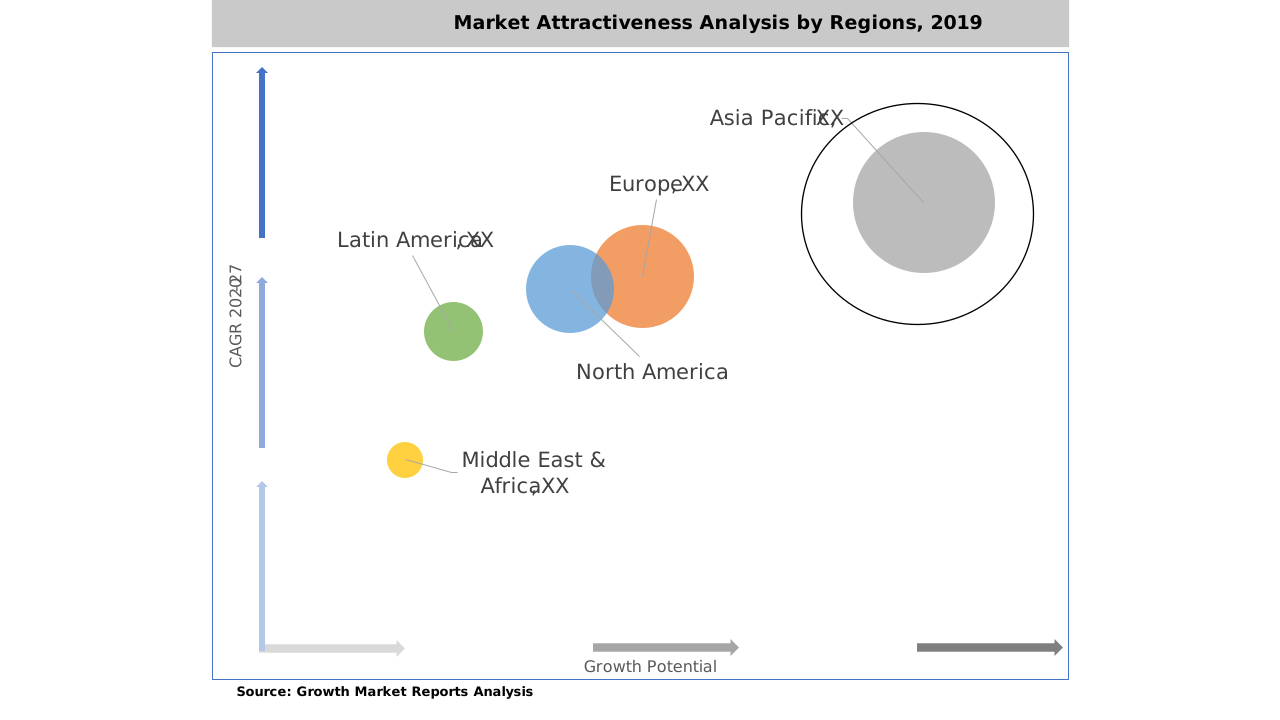
Regionally, Asia Pacific is emerging as the fastest-growing market for baby fashion accessories, owing to its large population base and rising disposable incomes. North America and Europe continue to dominate in terms of market share, thanks to established retail infrastructures, higher spending on premium products, and a strong culture of fashion-conscious parenting. Latin America and the Middle East & Africa are also witnessing steady growth, supported by increasing urbanization and expanding retail networks. Each region presents unique opportunities and challenges, making regional strategies crucial for market players aiming to capture a larger share of the global baby fashion accessories market.
The baby fashion accessories market is segmented by product type into headbands, hats & caps, socks & tights, shoes, belts, gloves & mittens, jewelry, and others. Among these, headbands and hats & caps have gained significant popularity due to their dual functionality of providing style and protection. Headbands, often made from soft, stretchable materials, are favored for their comfort and the ability to complement various outfits, making them a staple in baby wardrobes. Hats and caps, on the other hand, offer essential protection from the sun and cold, making them indispensable in different climates. The growing trend of themed and personalized accessories has also fueled demand in this segment, with parents increasingly seeking unique and fashionable options for their children.
Socks & tights and shoes represent another crucial segment, driven by the need for both comfort and protection. The increasing awareness of the importance of proper foot development in infants has led to a surge in demand for ergonomic baby shoes and high-quality socks. Manufacturers are focusing on using breathable, non-slip, and hypoallergenic materials to cater to the sensitive skin of babies. Additionally, the integration of playful designs and vibrant colors has made these products more appealing, not only to parents but also as popular gift items. The socks & tights segment, in particular, has witnessed innovation in terms of anti-bacterial and temperature-regulating fabrics, further enhancing their market appeal.
Belts, gloves & mittens, and jewelry, though smaller in terms of market share, are experiencing steady growth due to their role in enhancing overall baby outfits. Belts are often used for decorative purposes, especially in formal or festive attire, while gloves & mittens are essential in colder regions to protect babies from harsh weather. Jewelry, including bracelets and necklaces, has seen a rise in demand, particularly for special occasions and gifting purposes. However, safety concerns regarding small parts and choking hazards have led to increased regulatory scrutiny, pushing manufacturers to innovate with safer designs and materials.
The ‘others’ category, which includes items like scarves, sunglasses, and hair clips, is gaining traction as parents seek to accessorize their children in line with current fashion trends. Seasonal variations also play a significant role in the demand for certain accessories, with winter accessories such as scarves and mittens experiencing spikes during colder months. Overall, the product type segment is characterized by a high degree of innovation and customization, as manufacturers strive to meet the diverse preferences of modern parents while adhering to stringent safety standards.
| Attributes | Details |
| Report Title | Baby Fashion Accessories Market Research Report 2033 |
| By Fashion Accessories Market Product Type | Headbands, Hats & Caps, Socks & Tights, Shoes, Belts, Gloves & Mittens, Jewelry, Others |
| By Material | Cotton, Wool, Synthetic, Blended, Others |
| By Age Group | 0-12 Months, 1-2 Years, 2-3 Years, Others |
| By Distribution Channel | Online Stores, Supermarkets/Hypermarkets, Specialty Stores, Others |
| Regions Covered | North America, Europe, APAC, Latin America, MEA |
| Base Year | 2024 |
| Historic Data | 2018-2023 |
| Forecast Period | 2025-2033 |
| Number of Pages | 281 |
| Number of Tables & Figures | 397 |
| Customization Available | Yes, the report can be customized as per your need. |
Material choice is a critical factor in the baby fashion accessories market, with segments including cotton, wool, synthetic, blended, and others. Cotton remains the most preferred material due to its softness, breathability, and hypoallergenic properties, making it ideal for delicate baby skin. Parents are increasingly opting for organic cotton accessories, driven by concerns over chemical exposure and a growing emphasis on sustainability. The demand for cotton-based products is further supported by regulatory guidelines promoting the use of natural, non-toxic materials in baby accessories, especially in developed markets such as North America and Europe.
Wool-based accessories, while offering superior warmth and comfort, are particularly popular in colder regions. The natural insulating properties of wool make it an excellent choice for hats, mittens, and socks, ensuring babies remain warm during winter months. However, concerns regarding potential skin irritation and allergies have prompted manufacturers to blend wool with other materials or use specially treated wool to enhance comfort. The premium positioning of woolen accessories also appeals to parents seeking high-quality, durable products for their children.
Synthetic materials, including polyester and nylon, are widely used due to their affordability, durability, and ease of maintenance. These materials are often chosen for accessories that require frequent washing or are subject to rough use, such as shoes and belts. However, the increasing awareness of environmental issues and the potential health risks associated with synthetic fibers have led to a gradual shift toward more sustainable alternatives. Manufacturers are responding by developing eco-friendly synthetic blends and incorporating recycled materials into their product lines, catering to the growing demand for sustainable baby fashion accessories.
Blended materials, which combine the benefits of natural and synthetic fibers, are gaining popularity for their ability to offer enhanced comfort, durability, and aesthetic appeal. Blends such as cotton-polyester and wool-acrylic are commonly used to create accessories that are both soft and long-lasting. These materials also allow for greater design flexibility, enabling manufacturers to experiment with textures, colors, and patterns. The ‘others’ category, which includes bamboo, linen, and other innovative materials, is also witnessing growth as parents seek unique, eco-friendly options for their babies. Overall, material innovation remains a key differentiator in the competitive baby fashion accessories market.
The baby fashion accessories market is segmented by age group into 0-12 months, 1-2 years, 2-3 years, and others. The 0-12 months segment holds a significant share of the market, as newborns and infants require a variety of accessories for comfort, protection, and style. Products in this category are designed with a strong emphasis on safety, softness, and ease of use, given the delicate nature of infant skin. Parents are particularly cautious when selecting accessories for newborns, often favoring trusted brands and products with certifications for safety and hypoallergenicity. The demand for age-appropriate, ergonomic designs is also high in this segment, as parents seek to ensure maximum comfort and functionality for their babies.
The 1-2 years segment is characterized by a shift in parental preferences toward more fashionable and versatile accessories. As babies become more mobile and begin to explore their surroundings, there is an increased need for durable and practical accessories such as shoes, hats, and belts. Parents in this age group are more likely to experiment with colors, patterns, and styles, driven by the desire to express their child’s personality through fashion. The influence of social media and celebrity culture is particularly strong in this segment, with many parents seeking to replicate popular trends seen online.
For the 2-3 years segment, the focus shifts further toward style, self-expression, and functionality. Children in this age group often have a say in their clothing and accessory choices, prompting parents to opt for products that balance aesthetics with comfort. Accessories such as jewelry, belts, and headbands become more popular, especially for special occasions and outings. Manufacturers are responding by introducing themed collections and character-based designs that appeal to both children and parents. The growing popularity of gender-neutral accessories is also evident in this segment, reflecting broader societal trends toward inclusivity and diversity.
The ‘others’ category includes accessories for children beyond the age of three, as well as specialized products for premature babies or those with specific needs. This segment, while smaller in terms of market share, presents unique opportunities for innovation and customization. Parents of older children often seek accessories that are durable, easy to maintain, and suitable for active lifestyles. The demand for adaptive accessories designed for children with disabilities is also on the rise, highlighting the need for greater inclusivity in the baby fashion accessories market. Overall, age-specific product development and targeted marketing strategies are essential for success in this highly segmented market.
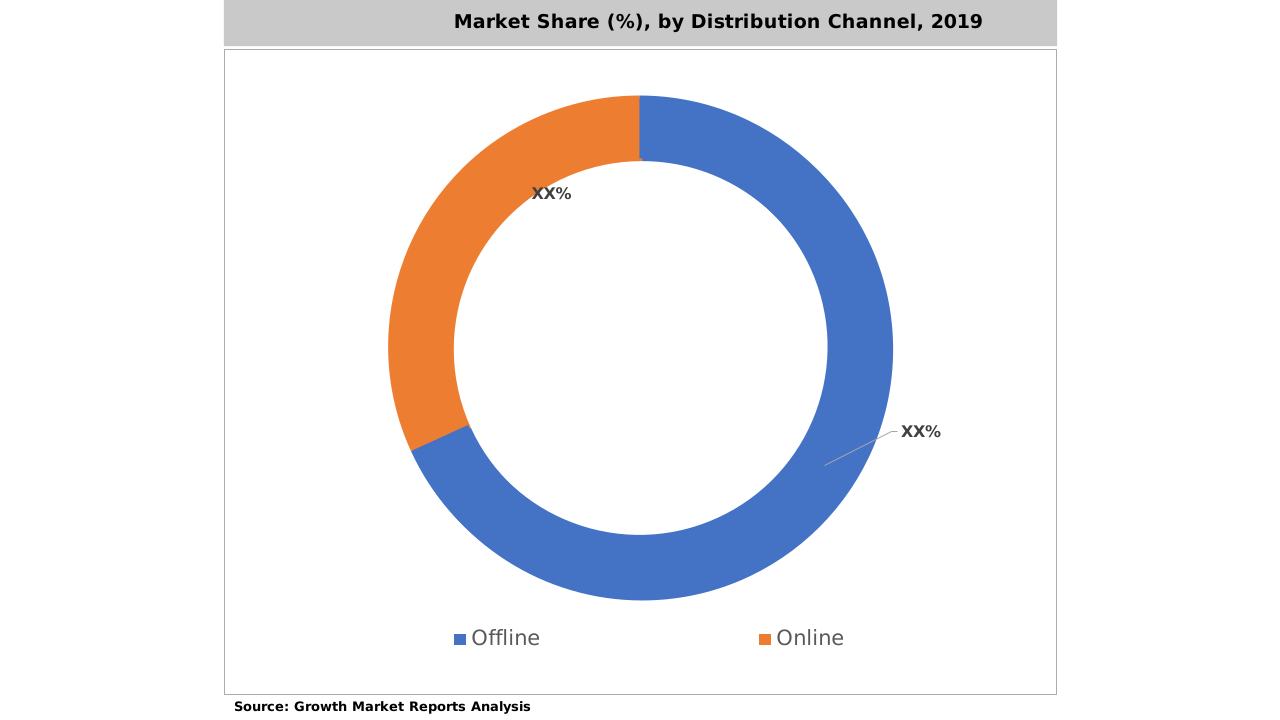
Distribution channels play a pivotal role in shaping the growth trajectory of the baby fashion accessories market. Online stores have emerged as the fastest-growing channel, driven by the convenience of home delivery, extensive product variety, and access to customer reviews. The digitalization of retail, coupled with the proliferation of smartphones and improved internet connectivity, has made it easier for parents to shop for baby accessories online. E-commerce platforms often collaborate with influencers and parenting bloggers to promote their products, leveraging social media to reach a wider audience. The ability to compare prices, avail discounts, and access exclusive collections online has further accelerated the shift toward digital retail.
Supermarkets and hypermarkets continue to be a major distribution channel, particularly in developed markets. These outlets offer a wide range of baby fashion accessories, often bundled with other baby care products, making them a one-stop solution for busy parents. The convenience of physical shopping, the ability to inspect products firsthand, and the presence of in-store promotions contribute to the popularity of this channel. Additionally, supermarkets and hypermarkets often carry both premium and budget-friendly options, catering to a diverse customer base. However, the growth of this channel is somewhat constrained by the increasing preference for online shopping, especially among younger parents.
Specialty stores, which focus exclusively on baby products, hold a unique position in the market. These stores are favored for their curated selections, expert staff, and personalized shopping experiences. Parents often turn to specialty stores for advice on product safety, material choices, and the latest trends in baby fashion accessories. The ability to offer customized and exclusive products gives specialty stores a competitive edge, particularly in the premium segment. However, the high operational costs and limited geographic reach of specialty stores can be a challenge, especially in regions with lower population densities.
The ‘others’ category encompasses various alternative distribution channels, including pop-up shops, baby fairs, and direct-to-consumer (DTC) brands. Pop-up shops and baby fairs offer immersive shopping experiences, allowing parents to interact with products and brands in a hands-on environment. DTC brands, on the other hand, are leveraging digital platforms to build direct relationships with consumers, often bypassing traditional retail channels. These alternative channels are gaining traction as brands seek to differentiate themselves and create unique value propositions in a highly competitive market. Overall, the distribution channel landscape is evolving rapidly, with omnichannel strategies becoming increasingly important for market success.
The baby fashion accessories market presents numerous opportunities for growth and innovation. One of the most significant opportunities lies in the development of sustainable and eco-friendly products. With growing environmental consciousness among consumers, there is a rising demand for accessories made from organic, biodegradable, and recycled materials. Brands that prioritize sustainability and transparency in their supply chains are likely to gain a competitive advantage, particularly among millennial and Gen Z parents. Additionally, the expansion of digital retail channels offers unprecedented opportunities for brands to reach global audiences, personalize marketing efforts, and leverage data analytics to understand consumer preferences and optimize product offerings.
Another promising opportunity is the increasing trend toward product customization and personalization. Parents are increasingly seeking unique, made-to-order accessories that reflect their child’s personality and style. Advances in manufacturing technology, such as 3D printing and digital embroidery, are enabling brands to offer a wide range of customizable options, from monogrammed headbands to bespoke jewelry. The integration of smart technology into baby accessories, such as temperature-regulating fabrics and wearable health monitors, also presents new avenues for innovation. Furthermore, the growing popularity of gender-neutral and inclusive designs is opening up new market segments, as brands cater to diverse family structures and cultural preferences.
Despite these opportunities, the baby fashion accessories market faces several restraining factors. Chief among these is the increasing regulatory scrutiny regarding product safety and quality. Stringent regulations governing the use of certain materials, labeling requirements, and safety standards can pose significant challenges for manufacturers, particularly small and medium-sized enterprises. Non-compliance with these regulations can lead to product recalls, legal liabilities, and reputational damage. Additionally, the market is highly price-sensitive, with consumers often comparing prices across multiple channels before making a purchase. Economic downturns and fluctuations in raw material prices can further impact profit margins, making it essential for brands to maintain a delicate balance between quality, affordability, and innovation.
Asia Pacific is poised to be the fastest-growing region in the baby fashion accessories market, with a market size of USD 2.65 billion in 2024 and an anticipated CAGR of 6.3% through 2033. Rapid urbanization, rising birth rates, and the expansion of the middle class in countries such as China, India, and Indonesia are key drivers of growth. The increasing influence of Western fashion trends, coupled with the proliferation of online retail channels, is further boosting demand for premium and fashionable baby accessories. Local brands are innovating to cater to diverse cultural preferences, while international players are expanding their presence through strategic partnerships and localized product offerings. The region’s dynamic retail landscape and favorable demographic trends make it a critical market for future growth.
North America remains a dominant force in the baby fashion accessories market, accounting for a market size of USD 2.23 billion in 2024. The region’s growth is driven by high consumer spending power, a strong culture of fashion-conscious parenting, and the widespread availability of premium and designer baby accessories. The presence of well-established retail infrastructures, including specialty stores and online platforms, ensures easy access to a wide range of products. The increasing emphasis on sustainability and ethical sourcing is shaping purchasing decisions, with many parents opting for eco-friendly and locally produced accessories. The United States continues to lead the region, supported by a vibrant ecosystem of innovative startups and established brands.
Europe holds a significant share of the global baby fashion accessories market, with a market size of USD 1.89 billion in 2024. The region is characterized by a high level of regulatory oversight, ensuring the safety and quality of baby products. European consumers are generally willing to pay a premium for accessories that combine style, comfort, and sustainability. The market is also influenced by cultural factors, with a strong tradition of gifting and a preference for locally crafted products. The expansion of e-commerce and cross-border trade is enabling brands to reach new customer segments, while the growing popularity of gender-neutral and minimalist designs is shaping product innovation. Together, Asia Pacific, North America, and Europe account for the majority of the global market, with Latin America and the Middle East & Africa representing emerging opportunities for growth.
The competitive landscape of the baby fashion accessories market is characterized by a mix of established global brands, emerging local players, and innovative startups. Intense competition has led to a high degree of product differentiation, with companies striving to stand out through unique designs, superior quality, and innovative materials. Branding and marketing play a crucial role, as companies leverage celebrity endorsements, collaborations with designers, and social media campaigns to build brand loyalty and drive sales. The increasing importance of sustainability and ethical sourcing is prompting many players to invest in eco-friendly materials and transparent supply chains, further raising the bar for industry standards.
Innovation remains a key driver of competitive advantage in the baby fashion accessories market. Leading companies are investing heavily in research and development to create products that meet the evolving needs of modern parents. This includes the development of smart accessories with integrated technology, as well as the use of advanced materials that offer enhanced comfort, durability, and safety. Customization and personalization are also emerging as important differentiators, with brands offering bespoke products and limited-edition collections to cater to individual preferences. The ability to quickly respond to changing fashion trends and consumer demands is critical for maintaining market relevance and sustaining growth.
The rise of digital retail has fundamentally transformed the competitive dynamics of the market. E-commerce platforms and direct-to-consumer brands are disrupting traditional retail channels, offering greater convenience, wider product selections, and competitive pricing. Companies are increasingly adopting omnichannel strategies, integrating online and offline touchpoints to provide a seamless shopping experience. Data analytics and customer insights are being leveraged to optimize product assortments, pricing strategies, and marketing campaigns. The ability to build strong online communities and engage with consumers through social media is becoming a key success factor in the digital age.
Some of the major players in the global baby fashion accessories market include Carter’s Inc., Nike Inc., Gap Inc., H&M Group, Mothercare plc, Gymboree Group Inc., FirstCry, The Children’s Place Inc., and Mayoral Group. Carter’s Inc. is renowned for its wide range of baby apparel and accessories, with a strong focus on quality and affordability. Nike Inc. and Gap Inc. have leveraged their global brand recognition to introduce stylish and functional baby accessories, often collaborating with designers and celebrities to create exclusive collections. H&M Group and Mothercare plc are known for their commitment to sustainability, offering organic and eco-friendly accessories that appeal to environmentally conscious parents.
Gymboree Group Inc. and The Children’s Place Inc. have established themselves as leaders in the specialty retail segment, offering curated selections of baby fashion accessories and personalized shopping experiences. FirstCry, a leading e-commerce platform in Asia, has capitalized on the region’s digital transformation and growing demand for premium baby products. Mayoral Group, with its strong presence in Europe, is recognized for its high-quality, stylish accessories that cater to diverse cultural preferences. These companies, along with a host of emerging local brands and innovative startups, are shaping the future of the baby fashion accessories market through continuous innovation, strategic partnerships, and a relentless focus on customer satisfaction.
The Baby Fashion Accessories market has been segmented on the basis of
Major Manufactures include M&Co, Burberry Group Plc, Carter’s, Inc., The Walt Disney Company, Esprit Global Image, Gerber Childrenswear, H&M Group, Kidiliz Group, Mamas & Papas, Mothercare plc, Nike, Inc., RALPH LAUREN, The Children's Place, Inc., The Gap, Inc., and ZARA.
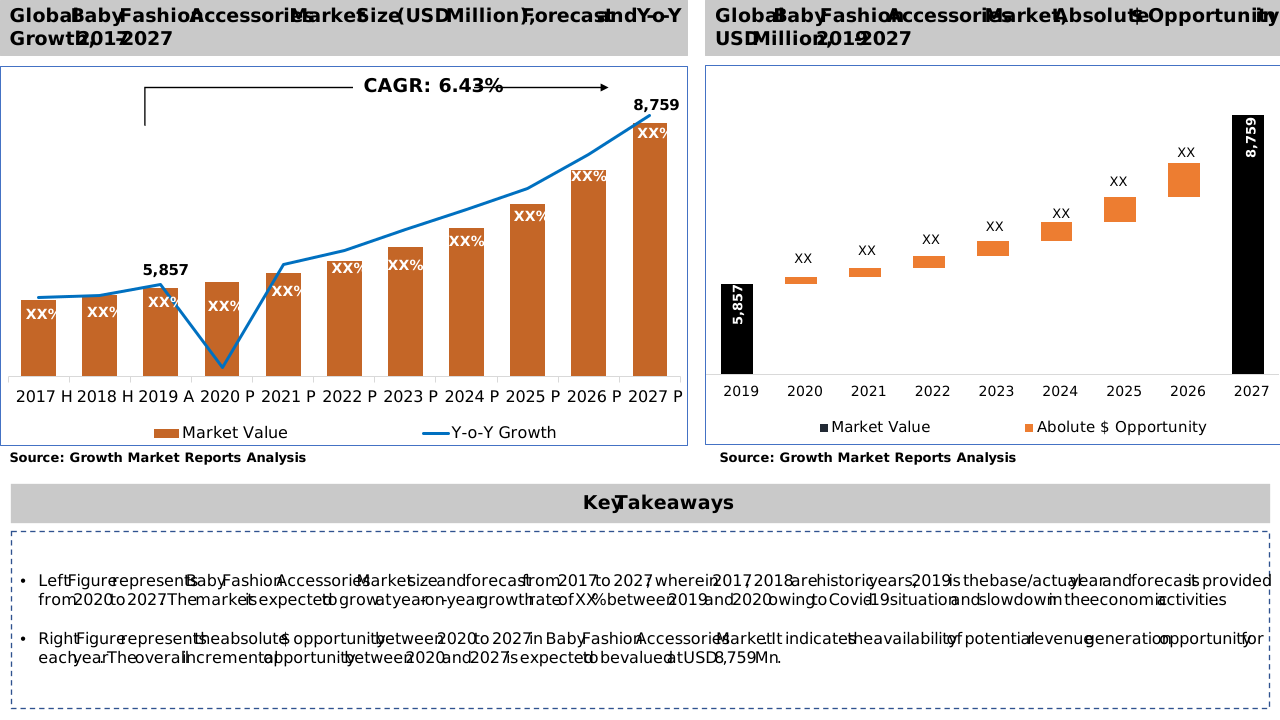
The base year considered for the global baby fashion accessories market report is 2019. The complete analysis period is 2017 to 2027, wherein, 2017 & 2018 are the historic years and the forecast is provided from 2020 to 2027.
The market is expected to witness slow growth during 2019-2020 owing to the negative impact of COVID-19 pandemic on the global Baby fashion accessories market.
Factors such as competitive strength and market positioning are key areas considered while selecting top companies to be profiled.
Product innovation and growing concerns regarding comfortable clothing driving the market growth.
The baby fashion accessories market is anticipated to grow significantly during forecast period due to increasing working women population and changing lifestyle standard.
In addition to market size (in USD Million), company market Share (in % for base year 2019), other data such macro-economic factors, COVID-19 Impact on the Baby fashion accessories market is available in final report.
According to this Growth Market Reports report, the market from stand-up Peddle board sis likely to register a CAGR of 6.4% during forecast period 2020-2027, with an anticipated valuation of USD 8,759 million by the end of the 2027.

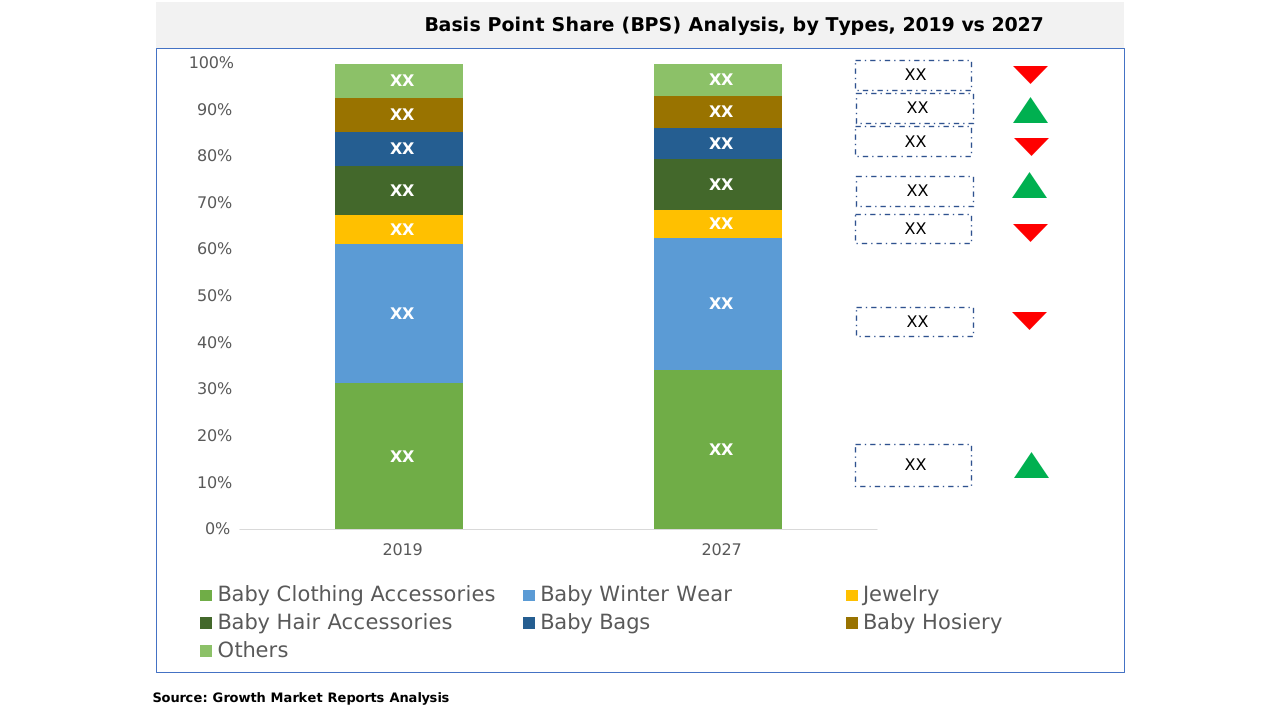
Yes, the report covers types of Baby fashion accessories such as baby clothing accessories and baby hair accessories.
Additional company profiles can be provided on request.