Pet Noise Anxiety Market Research Report 2033

Pet Noise Anxiety Market Research Report 2033

Segments - by Product Type (Medications, Supplements, Wearables, Calming Devices, Others), by Animal Type (Dogs, Cats, Others), by Distribution Channel (Veterinary Clinics, Pet Specialty Stores, Online Retail, Others), by End User (Households, Animal Shelters, Veterinary Hospitals, Others)

https://growthmarketreports.com/Debadatta
Author : Debadatta Patel
https://growthmarketreports.com/Vaibhav
Fact-checked by : V. Chandola
https://growthmarketreports.com/Shruti
Editor : Shruti Bhat

Upcoming | Report ID :CG-182 | 4.9 Rating | 49 Reviews | 273 Pages | Format : Docx PDF

Report Description


Pet Noise Anxiety Market Outlook

According to our latest research, the global pet noise anxiety market size reached USD 1.32 billion in 2024, with a robust compound annual growth rate (CAGR) of 6.8% expected from 2025 to 2033. By the end of the forecast period in 2033, the market is anticipated to attain a value of USD 2.41 billion. This growth is primarily fueled by the increasing awareness among pet owners regarding animal mental health, the rising prevalence of noise-induced anxiety in pets, and the expansion of innovative calming solutions in the marketplace. As per our latest research, the marketÂ’s dynamism is further driven by the surge in pet adoption rates and the growing humanization of pets, making pet wellness a top priority for consumers worldwide.

One of the pivotal growth factors in the pet noise anxiety market is the heightened recognition of behavioral health concerns in companion animals. As urbanization intensifies and environmental noise pollution becomes more pervasive, incidents of noise-induced anxiety—triggered by thunderstorms, fireworks, traffic, and household appliances—are increasingly reported among both dogs and cats. Pet owners are becoming more vigilant in identifying signs of distress, such as trembling, hiding, excessive barking, or destructive behavior. This growing awareness is supported by veterinarians and animal behaviorists who emphasize the importance of early intervention and tailored solutions. Consequently, there is a marked rise in demand for products and therapies specifically designed to alleviate noise-related stress in pets, ranging from pharmaceuticals to natural supplements and wearable calming devices.

Technological advancements and product innovation are also critical drivers propelling the growth of the pet noise anxiety market. Manufacturers are leveraging research in animal behavior and neuroscience to develop next-generation solutions, including pheromone diffusers, noise-canceling wearables, and smart calming devices that actively monitor and respond to a petÂ’s stress levels. The integration of artificial intelligence in pet care products enables real-time tracking and personalized intervention, enhancing the efficacy of these solutions. Additionally, the proliferation of e-commerce platforms has made it easier for consumers to access a wide array of products, compare options, and receive expert guidance, further boosting market penetration. Companies are increasingly investing in education campaigns and partnerships with veterinary professionals to raise awareness and foster trust in their offerings.
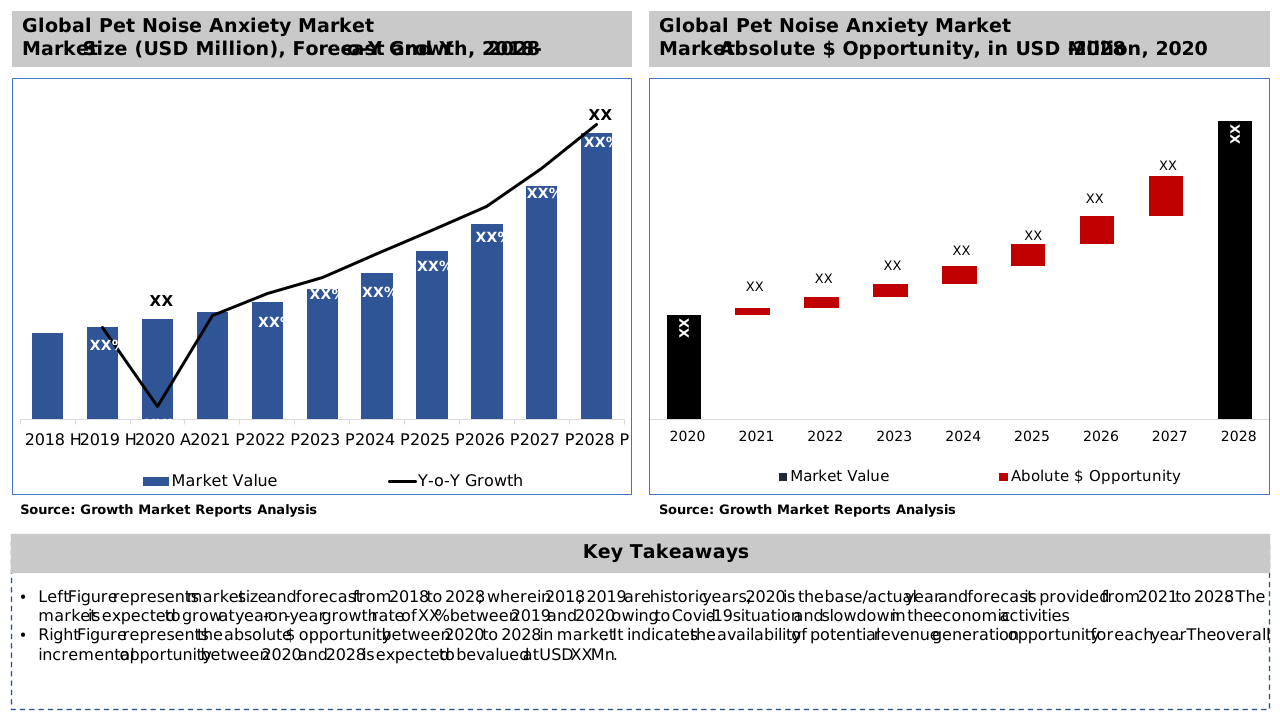
Another significant growth factor is the evolving demographic of pet owners, particularly the rise in single-person households and urban dwellers who view pets as family members. This trend has led to increased expenditure on pet health and wellness, with owners seeking out premium and holistic care options to ensure their petsÂ’ happiness and longevity. The growing willingness to invest in preventative healthcare, including anxiety management, is reflected in the expanding range of products available across various price points. Furthermore, the COVID-19 pandemic has accelerated pet adoption rates globally, bringing a new cohort of pet parents who are keenly attuned to their animalsÂ’ emotional well-being. This sustained demand is expected to drive continued growth in the pet noise anxiety market throughout the forecast period.

In recent years, the introduction of Veterinary Noise-Reducing Kennels has marked a significant advancement in managing pet noise anxiety. These specialized kennels are designed to provide a tranquil environment by minimizing external noise, thereby reducing stress for pets during high-anxiety events such as thunderstorms or fireworks. The kennels incorporate soundproofing materials and innovative design features that not only dampen noise but also create a comforting space for the pet. As urban environments become noisier, such solutions are gaining popularity among pet owners who seek to ensure their pets' well-being. Veterinary Noise-Reducing Kennels are particularly beneficial in veterinary clinics and animal shelters, where they help in calming anxious animals, leading to improved care and adoption rates. This innovation underscores the industry's commitment to enhancing animal welfare through practical, evidence-based solutions.

From a regional perspective, North America currently dominates the pet noise anxiety market, accounting for the largest share in 2024, followed closely by Europe and Asia Pacific. The robust market presence in North America is attributed to high pet ownership rates, advanced veterinary infrastructure, and a strong culture of pet humanization. Europe is witnessing steady growth, fueled by increasing awareness and supportive regulatory frameworks, while Asia Pacific is emerging as a high-potential region due to rising disposable incomes and growing pet adoption in urban centers. Latin America and the Middle East & Africa are gradually catching up, supported by improving access to veterinary care and changing societal attitudes towards pets. This regional diversity underscores the global nature of the market and the need for tailored solutions to address unique consumer preferences and regulatory environments.

Global Pet Noise Anxiety Industry Outlook

Product Type Analysis

The product type segment of the pet noise anxiety market encompasses a wide array of solutions, including medications, supplements, wearables, calming devices, and other innovative offerings. Medications, often prescribed by veterinarians, remain a cornerstone for managing acute anxiety episodes, particularly for pets with severe behavioral responses to noise. These pharmaceutical interventions, such as benzodiazepines and selective serotonin reuptake inhibitors (SSRIs), are rigorously tested for safety and efficacy, and their usage is supported by a growing body of clinical evidence. However, concerns regarding potential side effects and the need for veterinary supervision have led to a concurrent rise in demand for alternative solutions, such as natural supplements and non-pharmacological therapies.

Supplements, including those containing natural ingredients like L-theanine, chamomile, and valerian root, have gained significant traction among pet owners seeking gentle, holistic approaches to anxiety management. These products are often marketed as daily wellness boosters that promote calmness without causing drowsiness or dependency. The supplement segment is characterized by intense competition and rapid product innovation, with companies investing in clinical research to validate claims and differentiate their offerings. Additionally, the growing popularity of CBD-infused products for pets has opened new avenues for growth, although regulatory uncertainties and varying consumer perceptions continue to shape the trajectory of this sub-segment.

Wearable solutions, such as anxiety vests and compression garments, are another prominent category within the pet noise anxiety market. These products leverage the principle of gentle, constant pressure to provide a sense of security and reduce physiological signs of stress. Wearables are particularly appealing to pet owners who prefer non-invasive, drug-free options, and their effectiveness is often enhanced when combined with behavioral training techniques. Technological innovation has further expanded this segment, with some wearables now incorporating sensors and connectivity features that allow for real-time monitoring and data-driven insights into a petÂ’s anxiety triggers and responses.

Calming devices, including pheromone diffusers, white noise machines, and smart environmental controls, are increasingly popular as adjunctive therapies or standalone solutions. Pheromone-based products mimic natural calming signals, helping to create a soothing environment during high-stress events such as thunderstorms or fireworks. White noise machines and music therapy devices are designed to mask disruptive sounds and promote relaxation. The integration of these devices with mobile apps and smart home systems represents a key trend, enabling pet owners to remotely manage their petsÂ’ environment and receive timely alerts about potential stressors. Collectively, the diversity and innovation within the product type segment are central to the marketÂ’s sustained growth and resilience.

Report Scope

Attributes Details
Report Title Pet Noise Anxiety Market Research Report 2033
By Product Type Medications, Supplements, Wearables, Calming Devices, Others
By Animal Type Dogs, Cats, Others
By Distribution Channel Veterinary Clinics, Pet Specialty Stores, Online Retail, Others
By End User Households, Animal Shelters, Veterinary Hospitals, Others
Regions Covered North America, Europe, APAC, Latin America, MEA
Base Year 2024
Historic Data 2018-2023
Forecast Period 2025-2033
Number of Pages 273
Number of Tables & Figures 315
Customization Available Yes, the report can be customized as per your need.

Animal Type Analysis

The animal type segment of the pet noise anxiety market is primarily divided into dogs, cats, and other companion animals, each exhibiting distinct behavioral patterns and therapeutic needs. Dogs represent the largest share of the market, owing to their heightened sensitivity to environmental noise and their expressive behavioral responses to anxiety triggers. Breeds with predisposed nervous temperaments or those exposed to frequent urban noise are particularly susceptible. As a result, product development and marketing efforts are heavily focused on canine-specific solutions, with tailored formulations, dosing guidelines, and training protocols designed to address the unique needs of dogs.

Cats, while generally considered more independent, are not immune to noise anxiety, especially in multi-pet households or densely populated urban settings. Feline anxiety often manifests as hiding, aggression, or inappropriate elimination, which can be challenging for owners to manage. The market for cat-specific anxiety products is expanding, with manufacturers introducing pheromone-based diffusers, calming collars, and palatable supplements that cater to feline preferences and sensitivities. Education campaigns aimed at increasing owner awareness of subtle signs of stress in cats are also contributing to market growth, as early intervention is critical for effective anxiety management in this population.

Other companion animals, such as rabbits, birds, and small mammals, represent a smaller but growing segment of the pet noise anxiety market. These animals may experience stress from loud noises or sudden environmental changes, but their anxiety responses are often less overt and more difficult to diagnose. Product innovation in this segment is still nascent, with a focus on environmental enrichment, safe spaces, and gentle calming aids. As pet ownership diversifies and exotic pets become more common, there is potential for further expansion and specialization within this segment, particularly as research into the behavioral health of non-traditional pets advances.

Cross-species solutions and multi-pet households present unique challenges and opportunities for market players. Products that are effective and safe for multiple animal types are highly valued by owners with diverse pet populations, driving demand for universal formulations and adaptable delivery methods. Additionally, the integration of veterinary guidance and behavioral consultation services is increasingly recognized as essential for optimizing outcomes across different animal types. As the understanding of species-specific anxiety responses deepens, the market is poised for further segmentation and customization, ensuring that all companion animals have access to effective noise anxiety management.

Distribution Channel Analysis

The distribution channel segment of the pet noise anxiety market is characterized by a dynamic interplay between traditional brick-and-mortar outlets and the rapidly expanding online retail sector. Veterinary clinics remain a primary channel for prescription medications and professional-grade calming solutions, as pet owners often seek expert guidance when addressing behavioral health concerns. The trust and credibility associated with veterinary recommendations underscore the importance of this channel, particularly for new or severe cases of pet noise anxiety. Clinics also serve as hubs for educational outreach and product demonstrations, further driving awareness and adoption of anxiety management solutions.

Pet specialty stores represent another significant distribution channel, offering a curated selection of over-the-counter supplements, wearables, and calming devices. These stores cater to informed consumers who value personalized service and the opportunity to compare products in person. The in-store experience is often enhanced by knowledgeable staff, product samples, and promotional events, fostering brand loyalty and repeat purchases. Specialty stores are increasingly partnering with manufacturers to launch exclusive product lines and bundle deals, further differentiating themselves from general retail outlets.

Online retail has emerged as the fastest-growing distribution channel in the pet noise anxiety market, driven by the convenience of home delivery, broad product selection, and competitive pricing. E-commerce platforms enable consumers to access a wealth of information, reviews, and expert advice, empowering them to make informed purchasing decisions. The COVID-19 pandemic accelerated the shift towards online shopping, with many pet owners preferring contactless transactions and direct-to-doorstep delivery. Subscription services and auto-replenishment options are gaining popularity, ensuring consistent access to anxiety management products and fostering long-term customer relationships.

Other distribution channels, such as mass retailers, grocery stores, and direct sales, play a supplementary role in the market, particularly in regions with limited access to specialized pet care outlets. These channels often focus on entry-level and budget-friendly products, expanding the reach of the market to a broader consumer base. As competition intensifies, manufacturers are investing in omnichannel strategies that seamlessly integrate online and offline touchpoints, ensuring a cohesive customer experience and maximizing market penetration. The evolution of distribution channels is a key factor shaping the accessibility, affordability, and adoption of pet noise anxiety solutions worldwide.

End User Analysis

The end user segment of the pet noise anxiety market is diverse, encompassing households, animal shelters, veterinary hospitals, and other institutional settings. Households represent the largest end user group, reflecting the widespread prevalence of noise anxiety among companion animals and the growing commitment of pet owners to proactive wellness management. Within this segment, there is significant variation in purchasing behavior, influenced by factors such as pet type, severity of symptoms, and owner preferences for natural versus pharmaceutical interventions. The increasing availability of educational resources and telehealth consultations is empowering households to identify and address anxiety issues early, driving sustained demand for a wide range of products and services.

Animal shelters and rescue organizations are emerging as important end users in the pet noise anxiety market, particularly as they seek to improve the welfare and adoptability of animals under their care. Noise anxiety is a common challenge in shelter environments, where unfamiliar sounds and high-stress conditions can exacerbate behavioral issues and hinder successful placements. Shelters are investing in calming devices, environmental enrichment tools, and staff training programs to create more supportive environments for anxious animals. Partnerships with product manufacturers and veterinary professionals are facilitating access to affordable, effective solutions, contributing to better outcomes for both animals and adopters.

Veterinary hospitals and clinics play a dual role as end users and distribution channels, leveraging their expertise to diagnose, treat, and monitor noise anxiety in pets. These institutions are increasingly adopting a multidisciplinary approach, combining pharmacological interventions with behavioral therapy and environmental modifications to deliver comprehensive care. The integration of anxiety management protocols into routine wellness checks is becoming standard practice, reflecting the growing recognition of behavioral health as a critical component of overall pet well-being. Veterinary hospitals also serve as important centers for clinical research and product testing, driving innovation and evidence-based practice in the market.

Other end users, such as pet boarding facilities, grooming salons, and training centers, are gradually recognizing the impact of noise anxiety on animal welfare and business outcomes. These organizations are incorporating calming solutions into their service offerings to enhance the experience for both pets and their owners. As awareness of noise anxiety continues to grow, the end user landscape is expected to diversify further, creating new opportunities for product development, collaboration, and market expansion.

Opportunities & Threats

The pet noise anxiety market is ripe with opportunities, particularly as technological innovation and scientific research converge to create more effective, personalized solutions. The integration of smart technology, such as wearable sensors and AI-driven monitoring systems, allows for real-time detection of anxiety triggers and tailored interventions. These advancements not only improve outcomes for pets but also provide valuable data for ongoing research and product refinement. Additionally, the expansion of telehealth and remote consultation services is making expert guidance more accessible to pet owners, driving demand for both digital and physical anxiety management solutions. The growing emphasis on preventative care and holistic wellness is also opening new avenues for product development, from functional foods to environmental enrichment tools.

There is significant untapped potential in emerging markets, particularly in Asia Pacific and Latin America, where rising disposable incomes and shifting cultural attitudes towards pet ownership are fueling demand for advanced pet care solutions. Manufacturers and distributors who invest in localized product development, marketing, and distribution strategies are well-positioned to capture these high-growth opportunities. Collaborations with veterinary professionals, animal welfare organizations, and regulatory bodies can further enhance market access and consumer trust. The increasing prevalence of multi-pet households and the diversification of pet species present additional opportunities for market segmentation and specialization, enabling companies to address a broader range of consumer needs and preferences.

Despite these opportunities, the pet noise anxiety market faces several restraining factors, chief among them being regulatory uncertainty and the lack of standardized guidelines for product efficacy and safety. The proliferation of unregulated supplements and alternative therapies has raised concerns about quality control and consumer protection, particularly in the online retail space. Additionally, varying levels of awareness and acceptance among pet owners, coupled with economic constraints in certain regions, may limit market growth. Addressing these challenges will require concerted efforts from industry stakeholders, including investment in clinical research, transparent labeling, and consumer education initiatives that promote responsible product use and informed decision-making.

Regional Outlook

North America continues to lead the pet noise anxiety market, accounting for approximately 42% of the global market share in 2024, or roughly USD 554 million. This dominance is underpinned by high pet ownership rates, advanced veterinary care infrastructure, and a strong culture of pet humanization. The United States, in particular, is a major contributor, with a well-established ecosystem of manufacturers, distributors, and service providers. The regionÂ’s robust regulatory framework and emphasis on evidence-based practice further support market growth, while ongoing innovation and product diversification ensure sustained consumer engagement.

Europe represents the second-largest regional market, capturing around 28% of the global share, or approximately USD 370 million in 2024. Growth in this region is driven by increasing awareness of animal welfare, supportive legislation, and a rising trend of pet adoption, particularly in urban centers. Countries such as the United Kingdom, Germany, and France are at the forefront of market expansion, with a strong presence of both multinational and local players. The European market is characterized by a preference for natural and holistic solutions, as well as a growing emphasis on preventative healthcare and behavioral therapy. The region is expected to maintain a steady CAGR of 6.1% through 2033, reflecting ongoing investment in research and education.

Asia Pacific is emerging as a high-growth region in the pet noise anxiety market, with a projected CAGR of 8.2% over the forecast period. The region accounted for approximately 18% of the global market in 2024, or about USD 238 million. Rapid urbanization, rising disposable incomes, and changing attitudes towards pet ownership are fueling demand for advanced pet care solutions. Markets such as China, Japan, and Australia are witnessing significant investment in veterinary infrastructure, product innovation, and consumer education. While challenges remain in terms of regulatory harmonization and market access, the potential for growth in Asia Pacific is substantial, particularly as local players and international brands collaborate to address evolving consumer needs. Latin America and the Middle East & Africa collectively account for the remaining share, with gradual improvements in pet care infrastructure and awareness contributing to steady market development.

Pet Noise Anxiety Market Statistics

Competitor Outlook

The competitive landscape of the pet noise anxiety market is characterized by a diverse mix of multinational corporations, specialized pet care companies, and innovative startups. Market leaders are distinguished by their commitment to research and development, robust product portfolios, and strategic partnerships with veterinary professionals and animal welfare organizations. These companies invest heavily in clinical trials, consumer education, and brand building, ensuring that their offerings are trusted by both pet owners and industry stakeholders. The emphasis on evidence-based practice and regulatory compliance further differentiates leading players in an increasingly crowded marketplace.

Product innovation is a key driver of competitive advantage, with companies racing to develop next-generation solutions that combine efficacy, safety, and convenience. The integration of smart technology, personalized dosing, and multi-modal therapies is setting new standards for anxiety management in pets. Leading brands are also leveraging digital platforms to enhance customer engagement, offering online consultations, subscription services, and interactive educational content. The ability to adapt to changing consumer preferences and regulatory requirements is crucial for sustained success, particularly as the market continues to evolve and diversify.

Collaboration and partnership are central to the competitive strategy of many market players, enabling them to expand their reach, access new technologies, and accelerate product development. Joint ventures with veterinary clinics, animal shelters, and academic institutions are facilitating the translation of scientific research into practical solutions, while alliances with e-commerce platforms and specialty retailers are enhancing market access and brand visibility. Mergers and acquisitions are also common, as companies seek to consolidate their market position and diversify their product offerings.

Major companies operating in the pet noise anxiety market include Ceva Animal Health, Vetoquinol, Zoetis Inc., Pet Acoustics Inc., ThunderWorks, Adaptil, PetSafe, and Nutramax Laboratories. Ceva Animal Health is renowned for its pheromone-based calming products, such as Adaptil and Feliway, which are widely used in both clinical and home settings. Zoetis Inc., a global leader in animal health, offers a range of pharmaceutical and supplement solutions for behavioral health, supported by extensive research and veterinary partnerships. ThunderWorks, the creator of the ThunderShirt, has pioneered wearable anxiety solutions that leverage gentle pressure to calm pets during stressful events. Pet Acoustics Inc. specializes in sound therapy devices designed to soothe pets through carefully curated music and environmental sounds. Nutramax Laboratories is a key player in the supplement segment, offering natural and scientifically formulated products that address a range of behavioral health concerns.

These companies are continuously expanding their product lines, investing in clinical research, and exploring new distribution channels to capture emerging opportunities. Their commitment to quality, innovation, and customer education positions them as leaders in the evolving pet noise anxiety market. As competition intensifies and consumer expectations rise, the ability to deliver safe, effective, and accessible solutions will remain the hallmark of success in this dynamic industry.

Key Players

  • Ceva Santé Animale
  • Zoetis Inc.
  • Vetoquinol S.A.
  • Boehringer Ingelheim Animal Health
  • Elanco Animal Health
  • PetIQ, Inc.
  • PetMed Express, Inc.
  • Nutramax Laboratories, Inc.
  • Virbac S.A.
  • Bayer Animal Health
  • Adaptil (Ceva Animal Health)
  • ThunderWorks (ThunderShirt)
  • Pet Acoustics, Inc.
  • Comfort Zone (Central Garden & Pet Company)
  • Merial (now part of Boehringer Ingelheim)
  • HomeoPet, LLC
  • Mellow Shirt (The Company of Animals)
  • Sentry Pet Care (SergeantÂ’s Pet Care Products, Inc.)
  • Pet Remedy
  • Calmz Anxiety Relief System (Petmate)
Pet Noise Anxiety Market Overview

Segments

The Pet Noise Anxiety market has been segmented on the basis of

Product Type

  • Medications
  • Supplements
  • Wearables
  • Calming Devices
  • Others

Animal Type

  • Dogs
  • Cats
  • Others

Distribution Channel

  • Veterinary Clinics
  • Pet Specialty Stores
  • Online Retail
  • Others

End User

  • Households
  • Animal Shelters
  • Veterinary Hospitals
  • Others

Competitive Landscape

Key players in the global pet noise anxiety market include Vets4Pets, Zoetis Inc., Pegasus Laboratories, VioVet, PetSmart Inc., PetMed, Merck & Co., Inc., Elanco US, Inc., and Pets At Home. They engage in mergers & acquisitions, collaborations, agreements, and partnerships to strengthen their geographical presence and market share.
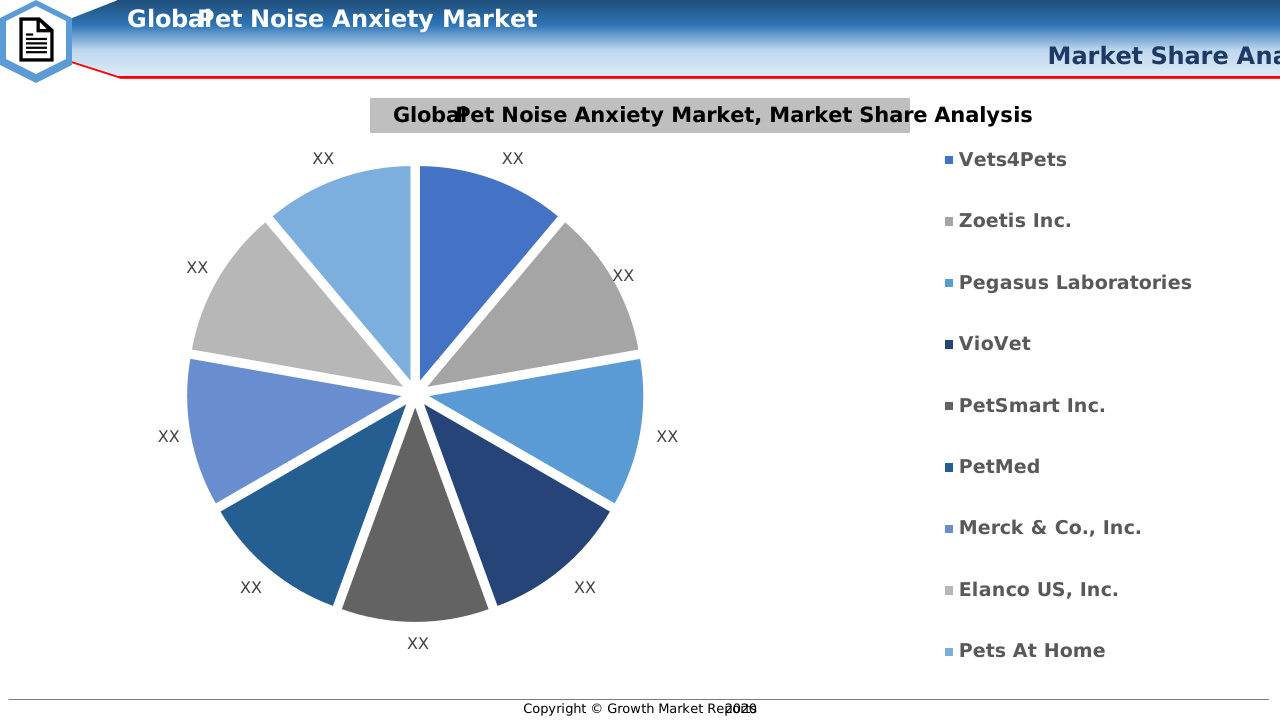

Pet noise anxiety by key players

Frequently Asked Questions

Major players include Ceva Santé Animale (Adaptil, Feliway), Zoetis Inc., Vetoquinol S.A., Boehringer Ingelheim Animal Health, Elanco Animal Health, ThunderWorks (ThunderShirt), Pet Acoustics Inc., Nutramax Laboratories, and others.

Challenges include regulatory uncertainty, lack of standardized guidelines for product efficacy and safety, quality control issues with unregulated supplements, and varying levels of consumer awareness.

Trends include the integration of AI and smart technology in calming devices, personalized dosing, wearable sensors, telehealth consultations, and the rise of CBD and natural supplements.

Primary end users include households, animal shelters, veterinary hospitals, pet boarding facilities, grooming salons, and training centers.

Products are available through veterinary clinics, pet specialty stores, online retailers, mass retailers, and grocery stores. Online retail is the fastest-growing channel.

Dogs are most commonly affected due to their sensitivity to noise, but cats and other companion animals (rabbits, birds, small mammals) can also experience noise-induced anxiety.

Product types include medications (such as benzodiazepines and SSRIs), natural supplements (like L-theanine and chamomile), wearable anxiety vests, pheromone diffusers, white noise machines, and smart calming devices.

North America leads the market, accounting for about 42% of the global share in 2024, followed by Europe and Asia Pacific. Asia Pacific is projected to see the fastest growth through 2033.

Key growth drivers include increased awareness of animal mental health, rising pet adoption rates, urbanization leading to more noise pollution, and the expansion of innovative calming solutions for pets.

The global pet noise anxiety market reached USD 1.32 billion in 2024 and is expected to grow at a CAGR of 6.8% from 2025 to 2033, reaching USD 2.41 billion by 2033.

Table Of Content

Chapter 1 Executive Summary
Chapter 2 Assumptions and Acronyms Used
Chapter 3 Research Methodology
Chapter 4 Pet Noise Anxiety Market Overview
   4.1 Introduction
      4.1.1 Market Taxonomy
      4.1.2 Market Definition
      4.1.3 Macro-Economic Factors Impacting the Market Growth
   4.2 Pet Noise Anxiety Market Dynamics
      4.2.1 Market Drivers
      4.2.2 Market Restraints
      4.2.3 Market Opportunity
   4.3 Pet Noise Anxiety Market - Supply Chain Analysis
      4.3.1 List of Key Suppliers
      4.3.2 List of Key Distributors
      4.3.3 List of Key Consumers
   4.4 Key Forces Shaping the Pet Noise Anxiety Market
      4.4.1 Bargaining Power of Suppliers
      4.4.2 Bargaining Power of Buyers
      4.4.3 Threat of Substitution
      4.4.4 Threat of New Entrants
      4.4.5 Competitive Rivalry
   4.5 Global Pet Noise Anxiety Market Size & Forecast, 2023-2032
      4.5.1 Pet Noise Anxiety Market Size and Y-o-Y Growth
      4.5.2 Pet Noise Anxiety Market Absolute $ Opportunity

Chapter 5 Global Pet Noise Anxiety Market Analysis and Forecast By Product Type
   5.1 Introduction
      5.1.1 Key Market Trends & Growth Opportunities By Product Type
      5.1.2 Basis Point Share (BPS) Analysis By Product Type
      5.1.3 Absolute $ Opportunity Assessment By Product Type
   5.2 Pet Noise Anxiety Market Size Forecast By Product Type
      5.2.1 Medications
      5.2.2 Supplements
      5.2.3 Wearables
      5.2.4 Calming Devices
      5.2.5 Others
   5.3 Market Attractiveness Analysis By Product Type

Chapter 6 Global Pet Noise Anxiety Market Analysis and Forecast By Animal Type
   6.1 Introduction
      6.1.1 Key Market Trends & Growth Opportunities By Animal Type
      6.1.2 Basis Point Share (BPS) Analysis By Animal Type
      6.1.3 Absolute $ Opportunity Assessment By Animal Type
   6.2 Pet Noise Anxiety Market Size Forecast By Animal Type
      6.2.1 Dogs
      6.2.2 Cats
      6.2.3 Others
   6.3 Market Attractiveness Analysis By Animal Type

Chapter 7 Global Pet Noise Anxiety Market Analysis and Forecast By Distribution Channel
   7.1 Introduction
      7.1.1 Key Market Trends & Growth Opportunities By Distribution Channel
      7.1.2 Basis Point Share (BPS) Analysis By Distribution Channel
      7.1.3 Absolute $ Opportunity Assessment By Distribution Channel
   7.2 Pet Noise Anxiety Market Size Forecast By Distribution Channel
      7.2.1 Veterinary Clinics
      7.2.2 Pet Specialty Stores
      7.2.3 Online Retail
      7.2.4 Others
   7.3 Market Attractiveness Analysis By Distribution Channel

Chapter 8 Global Pet Noise Anxiety Market Analysis and Forecast By End User
   8.1 Introduction
      8.1.1 Key Market Trends & Growth Opportunities By End User
      8.1.2 Basis Point Share (BPS) Analysis By End User
      8.1.3 Absolute $ Opportunity Assessment By End User
   8.2 Pet Noise Anxiety Market Size Forecast By End User
      8.2.1 Households
      8.2.2 Animal Shelters
      8.2.3 Veterinary Hospitals
      8.2.4 Others
   8.3 Market Attractiveness Analysis By End User

Chapter 9 Global Pet Noise Anxiety Market Analysis and Forecast by Region
   9.1 Introduction
      9.1.1 Key Market Trends & Growth Opportunities By Region
      9.1.2 Basis Point Share (BPS) Analysis By Region
      9.1.3 Absolute $ Opportunity Assessment By Region
   9.2 Pet Noise Anxiety Market Size Forecast By Region
      9.2.1 North America
      9.2.2 Europe
      9.2.3 Asia Pacific
      9.2.4 Latin America
      9.2.5 Middle East & Africa (MEA)
   9.3 Market Attractiveness Analysis By Region

Chapter 10 Coronavirus Disease (COVID-19) Impact 
   10.1 Introduction 
   10.2 Current & Future Impact Analysis 
   10.3 Economic Impact Analysis 
   10.4 Government Policies 
   10.5 Investment Scenario

Chapter 11 North America Pet Noise Anxiety Analysis and Forecast
   11.1 Introduction
   11.2 North America Pet Noise Anxiety Market Size Forecast by Country
      11.2.1 U.S.
      11.2.2 Canada
   11.3 Basis Point Share (BPS) Analysis by Country
   11.4 Absolute $ Opportunity Assessment by Country
   11.5 Market Attractiveness Analysis by Country
   11.6 North America Pet Noise Anxiety Market Size Forecast By Product Type
      11.6.1 Medications
      11.6.2 Supplements
      11.6.3 Wearables
      11.6.4 Calming Devices
      11.6.5 Others
   11.7 Basis Point Share (BPS) Analysis By Product Type 
   11.8 Absolute $ Opportunity Assessment By Product Type 
   11.9 Market Attractiveness Analysis By Product Type
   11.10 North America Pet Noise Anxiety Market Size Forecast By Animal Type
      11.10.1 Dogs
      11.10.2 Cats
      11.10.3 Others
   11.11 Basis Point Share (BPS) Analysis By Animal Type 
   11.12 Absolute $ Opportunity Assessment By Animal Type 
   11.13 Market Attractiveness Analysis By Animal Type
   11.14 North America Pet Noise Anxiety Market Size Forecast By Distribution Channel
      11.14.1 Veterinary Clinics
      11.14.2 Pet Specialty Stores
      11.14.3 Online Retail
      11.14.4 Others
   11.15 Basis Point Share (BPS) Analysis By Distribution Channel 
   11.16 Absolute $ Opportunity Assessment By Distribution Channel 
   11.17 Market Attractiveness Analysis By Distribution Channel
   11.18 North America Pet Noise Anxiety Market Size Forecast By End User
      11.18.1 Households
      11.18.2 Animal Shelters
      11.18.3 Veterinary Hospitals
      11.18.4 Others
   11.19 Basis Point Share (BPS) Analysis By End User 
   11.20 Absolute $ Opportunity Assessment By End User 
   11.21 Market Attractiveness Analysis By End User

Chapter 12 Europe Pet Noise Anxiety Analysis and Forecast
   12.1 Introduction
   12.2 Europe Pet Noise Anxiety Market Size Forecast by Country
      12.2.1 Germany
      12.2.2 France
      12.2.3 Italy
      12.2.4 U.K.
      12.2.5 Spain
      12.2.6 Russia
      12.2.7 Rest of Europe
   12.3 Basis Point Share (BPS) Analysis by Country
   12.4 Absolute $ Opportunity Assessment by Country
   12.5 Market Attractiveness Analysis by Country
   12.6 Europe Pet Noise Anxiety Market Size Forecast By Product Type
      12.6.1 Medications
      12.6.2 Supplements
      12.6.3 Wearables
      12.6.4 Calming Devices
      12.6.5 Others
   12.7 Basis Point Share (BPS) Analysis By Product Type 
   12.8 Absolute $ Opportunity Assessment By Product Type 
   12.9 Market Attractiveness Analysis By Product Type
   12.10 Europe Pet Noise Anxiety Market Size Forecast By Animal Type
      12.10.1 Dogs
      12.10.2 Cats
      12.10.3 Others
   12.11 Basis Point Share (BPS) Analysis By Animal Type 
   12.12 Absolute $ Opportunity Assessment By Animal Type 
   12.13 Market Attractiveness Analysis By Animal Type
   12.14 Europe Pet Noise Anxiety Market Size Forecast By Distribution Channel
      12.14.1 Veterinary Clinics
      12.14.2 Pet Specialty Stores
      12.14.3 Online Retail
      12.14.4 Others
   12.15 Basis Point Share (BPS) Analysis By Distribution Channel 
   12.16 Absolute $ Opportunity Assessment By Distribution Channel 
   12.17 Market Attractiveness Analysis By Distribution Channel
   12.18 Europe Pet Noise Anxiety Market Size Forecast By End User
      12.18.1 Households
      12.18.2 Animal Shelters
      12.18.3 Veterinary Hospitals
      12.18.4 Others
   12.19 Basis Point Share (BPS) Analysis By End User 
   12.20 Absolute $ Opportunity Assessment By End User 
   12.21 Market Attractiveness Analysis By End User

Chapter 13 Asia Pacific Pet Noise Anxiety Analysis and Forecast
   13.1 Introduction
   13.2 Asia Pacific Pet Noise Anxiety Market Size Forecast by Country
      13.2.1 China
      13.2.2 Japan
      13.2.3 South Korea
      13.2.4 India
      13.2.5 Australia
      13.2.6 South East Asia (SEA)
      13.2.7 Rest of Asia Pacific (APAC)
   13.3 Basis Point Share (BPS) Analysis by Country
   13.4 Absolute $ Opportunity Assessment by Country
   13.5 Market Attractiveness Analysis by Country
   13.6 Asia Pacific Pet Noise Anxiety Market Size Forecast By Product Type
      13.6.1 Medications
      13.6.2 Supplements
      13.6.3 Wearables
      13.6.4 Calming Devices
      13.6.5 Others
   13.7 Basis Point Share (BPS) Analysis By Product Type 
   13.8 Absolute $ Opportunity Assessment By Product Type 
   13.9 Market Attractiveness Analysis By Product Type
   13.10 Asia Pacific Pet Noise Anxiety Market Size Forecast By Animal Type
      13.10.1 Dogs
      13.10.2 Cats
      13.10.3 Others
   13.11 Basis Point Share (BPS) Analysis By Animal Type 
   13.12 Absolute $ Opportunity Assessment By Animal Type 
   13.13 Market Attractiveness Analysis By Animal Type
   13.14 Asia Pacific Pet Noise Anxiety Market Size Forecast By Distribution Channel
      13.14.1 Veterinary Clinics
      13.14.2 Pet Specialty Stores
      13.14.3 Online Retail
      13.14.4 Others
   13.15 Basis Point Share (BPS) Analysis By Distribution Channel 
   13.16 Absolute $ Opportunity Assessment By Distribution Channel 
   13.17 Market Attractiveness Analysis By Distribution Channel
   13.18 Asia Pacific Pet Noise Anxiety Market Size Forecast By End User
      13.18.1 Households
      13.18.2 Animal Shelters
      13.18.3 Veterinary Hospitals
      13.18.4 Others
   13.19 Basis Point Share (BPS) Analysis By End User 
   13.20 Absolute $ Opportunity Assessment By End User 
   13.21 Market Attractiveness Analysis By End User

Chapter 14 Latin America Pet Noise Anxiety Analysis and Forecast
   14.1 Introduction
   14.2 Latin America Pet Noise Anxiety Market Size Forecast by Country
      14.2.1 Brazil
      14.2.2 Mexico
      14.2.3 Rest of Latin America (LATAM)
   14.3 Basis Point Share (BPS) Analysis by Country
   14.4 Absolute $ Opportunity Assessment by Country
   14.5 Market Attractiveness Analysis by Country
   14.6 Latin America Pet Noise Anxiety Market Size Forecast By Product Type
      14.6.1 Medications
      14.6.2 Supplements
      14.6.3 Wearables
      14.6.4 Calming Devices
      14.6.5 Others
   14.7 Basis Point Share (BPS) Analysis By Product Type 
   14.8 Absolute $ Opportunity Assessment By Product Type 
   14.9 Market Attractiveness Analysis By Product Type
   14.10 Latin America Pet Noise Anxiety Market Size Forecast By Animal Type
      14.10.1 Dogs
      14.10.2 Cats
      14.10.3 Others
   14.11 Basis Point Share (BPS) Analysis By Animal Type 
   14.12 Absolute $ Opportunity Assessment By Animal Type 
   14.13 Market Attractiveness Analysis By Animal Type
   14.14 Latin America Pet Noise Anxiety Market Size Forecast By Distribution Channel
      14.14.1 Veterinary Clinics
      14.14.2 Pet Specialty Stores
      14.14.3 Online Retail
      14.14.4 Others
   14.15 Basis Point Share (BPS) Analysis By Distribution Channel 
   14.16 Absolute $ Opportunity Assessment By Distribution Channel 
   14.17 Market Attractiveness Analysis By Distribution Channel
   14.18 Latin America Pet Noise Anxiety Market Size Forecast By End User
      14.18.1 Households
      14.18.2 Animal Shelters
      14.18.3 Veterinary Hospitals
      14.18.4 Others
   14.19 Basis Point Share (BPS) Analysis By End User 
   14.20 Absolute $ Opportunity Assessment By End User 
   14.21 Market Attractiveness Analysis By End User

Chapter 15 Middle East & Africa (MEA) Pet Noise Anxiety Analysis and Forecast
   15.1 Introduction
   15.2 Middle East & Africa (MEA) Pet Noise Anxiety Market Size Forecast by Country
      15.2.1 Saudi Arabia
      15.2.2 South Africa
      15.2.3 UAE
      15.2.4 Rest of Middle East & Africa (MEA)
   15.3 Basis Point Share (BPS) Analysis by Country
   15.4 Absolute $ Opportunity Assessment by Country
   15.5 Market Attractiveness Analysis by Country
   15.6 Middle East & Africa (MEA) Pet Noise Anxiety Market Size Forecast By Product Type
      15.6.1 Medications
      15.6.2 Supplements
      15.6.3 Wearables
      15.6.4 Calming Devices
      15.6.5 Others
   15.7 Basis Point Share (BPS) Analysis By Product Type 
   15.8 Absolute $ Opportunity Assessment By Product Type 
   15.9 Market Attractiveness Analysis By Product Type
   15.10 Middle East & Africa (MEA) Pet Noise Anxiety Market Size Forecast By Animal Type
      15.10.1 Dogs
      15.10.2 Cats
      15.10.3 Others
   15.11 Basis Point Share (BPS) Analysis By Animal Type 
   15.12 Absolute $ Opportunity Assessment By Animal Type 
   15.13 Market Attractiveness Analysis By Animal Type
   15.14 Middle East & Africa (MEA) Pet Noise Anxiety Market Size Forecast By Distribution Channel
      15.14.1 Veterinary Clinics
      15.14.2 Pet Specialty Stores
      15.14.3 Online Retail
      15.14.4 Others
   15.15 Basis Point Share (BPS) Analysis By Distribution Channel 
   15.16 Absolute $ Opportunity Assessment By Distribution Channel 
   15.17 Market Attractiveness Analysis By Distribution Channel
   15.18 Middle East & Africa (MEA) Pet Noise Anxiety Market Size Forecast By End User
      15.18.1 Households
      15.18.2 Animal Shelters
      15.18.3 Veterinary Hospitals
      15.18.4 Others
   15.19 Basis Point Share (BPS) Analysis By End User 
   15.20 Absolute $ Opportunity Assessment By End User 
   15.21 Market Attractiveness Analysis By End User

Chapter 16 Competition Landscape 
   16.1 Pet Noise Anxiety Market: Competitive Dashboard
   16.2 Global Pet Noise Anxiety Market: Market Share Analysis, 2023
   16.3 Company Profiles (Details – Overview, Financials, Developments, Strategy) 
      16.3.1 Ceva Santé Animale
Zoetis Inc.
Vetoquinol S.A.
Boehringer Ingelheim Animal Health
Elanco Animal Health
PetIQ, Inc.
PetMed Express, Inc.
Nutramax Laboratories, Inc.
Virbac S.A.
Bayer Animal Health
Adaptil (Ceva Animal Health)
ThunderWorks (ThunderShirt)
Pet Acoustics, Inc.
Comfort Zone (Central Garden & Pet Company)
Merial (now part of Boehringer Ingelheim)
HomeoPet, LLC
Mellow Shirt (The Company of Animals)
Sentry Pet Care (Sergeant’s Pet Care Products, Inc.)
Pet Remedy
Calmz Anxiety Relief System (Petmate)

Methodology

Our Clients

Pfizer
Nestle SA
Siemens Healthcare
The John Holland Group
FedEx Logistics
General Mills
Deloitte
General Electric