Segments - by Product Type (Portable Analyzers, Benchtop Analyzers), by Animal Type (Companion Animals, Livestock Animals, Others), by Application (Critical Care, Emergency Care, Anesthesia Monitoring, Others), by End-User (Veterinary Hospitals, Veterinary Clinics, Research Institutes, Others)
According to our latest research, the global veterinary point of care blood gas analyzers market size in 2024 stands at USD 196.2 million, reflecting a robust demand for rapid diagnostic solutions in veterinary healthcare. The market is projected to grow at a CAGR of 8.1% from 2025 to 2033, reaching an estimated value of USD 385.2 million by 2033. This impressive growth trajectory is primarily driven by the increasing adoption of advanced diagnostic technologies in veterinary medicine, rising pet ownership, and the expanding scope of veterinary emergency and critical care services.
Several key factors are fueling the growth of the veterinary point of care blood gas analyzers market worldwide. One significant driver is the rising prevalence of chronic and acute diseases in animals, necessitating rapid and accurate diagnostics for timely intervention. As veterinarians face a growing caseload of conditions such as respiratory distress, metabolic imbalances, and anesthesia-related complications, the need for point of care blood gas analyzers becomes increasingly evident. These devices enable immediate assessment of vital parameters such as pH, oxygen, carbon dioxide, and electrolyte levels, facilitating prompt clinical decision-making and improving patient outcomes. Furthermore, the increasing awareness among veterinary professionals regarding the benefits of point of care diagnostics is contributing to widespread adoption across both companion and livestock animal healthcare settings.
Another prominent growth factor is the technological advancement in analyzer design and functionality. Modern veterinary point of care blood gas analyzers are now more compact, user-friendly, and capable of delivering highly accurate results within minutes. Integration of digital connectivity features, such as wireless data transfer and cloud-based record keeping, enhances workflow efficiency and enables seamless communication between veterinary teams. Additionally, manufacturers are focusing on developing analyzers with broader test menus, enabling simultaneous measurement of multiple blood parameters, which is particularly advantageous in critical and emergency care scenarios. The ongoing innovation in this segment is not only improving clinical outcomes but also reducing the overall cost and complexity of animal diagnostics.
The increasing trend of pet humanization and the corresponding rise in pet healthcare expenditures are also pivotal in propelling the veterinary point of care blood gas analyzers market. Pet owners are increasingly seeking high-quality, immediate care for their animals, paralleling the standards observed in human medicine. This trend has led to a surge in demand for advanced diagnostic tools in veterinary hospitals and clinics, particularly in developed regions such as North America and Europe. Moreover, the growth of veterinary specialty and emergency care facilities, coupled with the expansion of livestock health management programs in emerging markets, is broadening the market landscape. As a result, both established and emerging economies are witnessing heightened investment in veterinary diagnostic infrastructure, further supporting market growth.
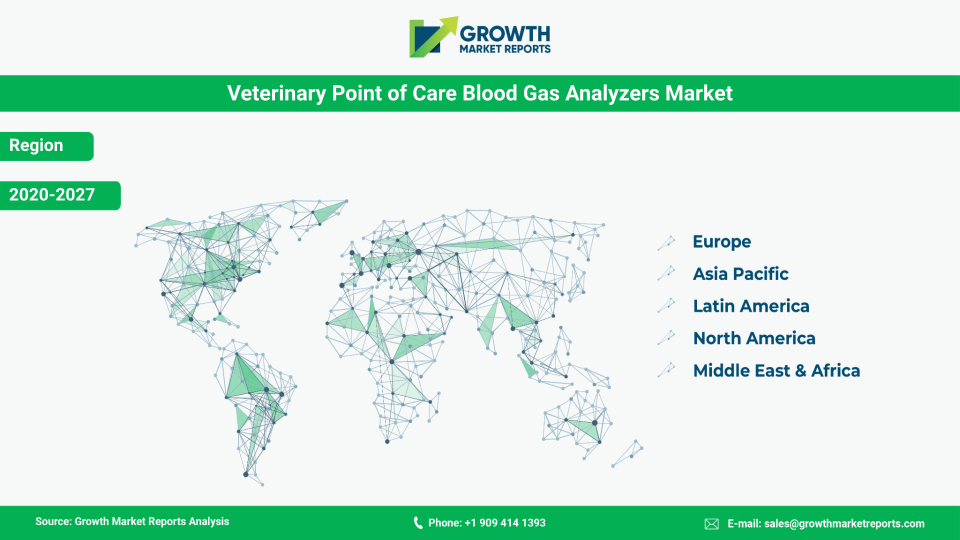
From a regional perspective, North America currently holds the largest share of the veterinary point of care blood gas analyzers market, supported by a well-established veterinary healthcare system, high pet ownership rates, and the presence of leading market players. Europe follows closely, with significant contributions from countries such as Germany, the United Kingdom, and France, where stringent animal health regulations and advanced veterinary practices prevail. The Asia Pacific region is expected to register the fastest growth during the forecast period, driven by increasing awareness regarding animal health, rising disposable incomes, and a growing livestock industry. Latin America and the Middle East & Africa, while representing smaller shares, are witnessing steady growth due to expanding veterinary infrastructure and government initiatives aimed at improving animal healthcare standards.
The product type segment of the veterinary point of care blood gas analyzers market is primarily categorized into portable analyzers and benchtop analyzers. Portable analyzers have seen a surge in demand owing to their flexibility, ease of use, and ability to deliver rapid results in a variety of clinical environments, including field settings, mobile clinics, and emergency scenarios. These compact devices are particularly valued in situations where immediate diagnostic information is critical for decision-making, such as during anesthesia monitoring or in critical care emergencies. The portability factor also enables veterinarians to extend advanced diagnostic capabilities beyond traditional brick-and-mortar facilities, addressing the needs of rural and remote animal populations.
Benchtop analyzers, while less mobile, offer comprehensive testing capabilities and higher throughput, making them ideal for high-volume veterinary hospitals and research institutes. These systems are designed to handle a larger number of samples simultaneously and can often provide a broader range of test parameters compared to their portable counterparts. The accuracy and reliability of benchtop analyzers are highly valued in settings where detailed and frequent blood gas analysis is required, such as in intensive care units or specialized veterinary laboratories. As veterinary practices expand their service offerings, the demand for benchtop analyzers is expected to remain strong, particularly among larger institutions.
Technological advancements have significantly influenced both portable and benchtop product segments. Modern analyzers, irrespective of form factor, now incorporate advanced features such as touch-screen interfaces, automated calibration, and integration with electronic medical record (EMR) systems. These innovations not only enhance user experience but also ensure consistent accuracy and reliability of results. Additionally, manufacturers are investing in the development of analyzers that require minimal sample volumes and provide rapid turnaround times, catering to the unique physiological characteristics of various animal species. Such advancements are bridging the gap between human and veterinary diagnostics, elevating the standard of care provided to animals.
The competitive landscape within the product type segment is marked by continuous innovation and strategic partnerships. Leading companies are focusing on expanding their product portfolios to include both portable and benchtop options, thereby addressing the diverse needs of veterinary healthcare providers. Furthermore, collaborations with veterinary hospitals and research institutes are facilitating the development of customized solutions tailored to specific clinical requirements. As end-users increasingly demand flexibility, accuracy, and speed, the product type segment is poised for substantial growth, with portable analyzers expected to capture a growing share of the market in the coming years.
| Attributes | Details |
| Report Title | Veterinary Point of Care Blood Gas Analyzers Market Research Report 2033 |
| By Product Type | Portable Analyzers, Benchtop Analyzers |
| By Animal Type | Companion Animals, Livestock Animals, Others |
| By Application | Critical Care, Emergency Care, Anesthesia Monitoring, Others |
| By End-User | Veterinary Hospitals, Veterinary Clinics, Research Institutes, Others |
| Regions Covered | North America, Europe, APAC, Latin America, MEA |
| Base Year | 2024 |
| Historic Data | 2018-2023 |
| Forecast Period | 2025-2033 |
| Number of Pages | 263 |
| Number of Tables & Figures | 260 |
| Customization Available | Yes, the report can be customized as per your need. |
The animal type segment of the veterinary point of care blood gas analyzers market is divided into companion animals, livestock animals, and others (including exotic and zoo animals). The companion animal sub-segment, which includes dogs, cats, and other household pets, represents the largest share of the market. This dominance is attributed to the rising trend of pet ownership, increased awareness of animal health, and the growing willingness of pet owners to invest in advanced diagnostic and therapeutic services. Companion animals often require rapid and accurate diagnostics, especially in emergency and critical care scenarios, making point of care blood gas analyzers an essential tool in veterinary clinics and hospitals.
Livestock animals, such as cattle, sheep, goats, pigs, and poultry, also constitute a significant portion of the market. The health and productivity of livestock are directly linked to the economic well-being of farmers and the broader agricultural sector. Blood gas analyzers are increasingly being utilized in livestock management programs to monitor metabolic and respiratory health, detect diseases early, and optimize treatment protocols. The adoption of point of care diagnostics in this segment is further driven by government initiatives aimed at improving animal health standards and ensuring food safety. As the global demand for animal protein continues to rise, the importance of effective livestock health management is expected to grow, supporting the expansion of this market segment.
The ‘others’ category, encompassing exotic pets, zoo animals, and wildlife, is gaining attention as veterinary care for non-traditional species becomes more prevalent. Zoos, aquariums, and wildlife rehabilitation centers are increasingly investing in advanced diagnostic tools to monitor the health of diverse animal populations. The unique physiological characteristics of these species often necessitate tailored diagnostic approaches, making the versatility and adaptability of point of care blood gas analyzers particularly valuable. As conservation efforts and exotic pet ownership rise, this sub-segment is likely to experience steady growth, albeit from a smaller base compared to companion and livestock animals.
The animal type segment is characterized by a growing emphasis on species-specific diagnostic protocols. Manufacturers are responding by developing analyzers and consumables optimized for different animal types, ensuring accurate and reliable results across a wide range of species. Training and education initiatives aimed at veterinary professionals are also playing a crucial role in promoting the adoption of point of care blood gas analyzers across all animal categories. As the veterinary profession continues to evolve, the demand for advanced diagnostic solutions tailored to the unique needs of various animal types is expected to remain strong, driving sustained growth in this market segment.
The application segment of the veterinary point of care blood gas analyzers market encompasses critical care, emergency care, anesthesia monitoring, and others. Critical care represents a major application area, as animals in intensive care units often require continuous monitoring of vital parameters to guide therapeutic interventions. Blood gas analyzers play a pivotal role in assessing respiratory and metabolic status, enabling veterinarians to make informed decisions regarding oxygen therapy, fluid management, and medication adjustments. The growing prevalence of complex medical conditions in both companion and livestock animals is driving the demand for advanced monitoring solutions in critical care settings.
Emergency care is another key application, with point of care blood gas analyzers providing rapid diagnostic information during acute medical crises such as trauma, poisoning, or severe infections. The ability to obtain immediate results at the bedside is crucial for initiating timely and effective treatment, particularly in life-threatening situations. Veterinary emergency clinics and mobile response units are increasingly incorporating portable analyzers into their diagnostic arsenals, enhancing their capacity to deliver high-quality care in urgent scenarios. The rising incidence of emergencies in both urban and rural areas is expected to sustain strong growth in this application segment.
Anesthesia monitoring is a specialized application where blood gas analyzers are used to assess the physiological status of animals undergoing surgical procedures. Monitoring blood gases and electrolytes during anesthesia is essential for preventing complications and ensuring patient safety. Veterinary surgeons and anesthesiologists rely on real-time data from these analyzers to make intraoperative adjustments and optimize outcomes. As veterinary surgical procedures become more advanced and complex, the demand for reliable anesthesia monitoring tools is on the rise, further supporting the growth of this application segment.
Other applications of point of care blood gas analyzers include routine health assessments, disease screening, and research studies. These devices are increasingly being utilized in preventive healthcare programs, herd health management, and academic research to gather valuable physiological data. The versatility of modern analyzers, coupled with their expanding test menus, is enabling broader utilization across diverse veterinary practice areas. As the scope of veterinary medicine continues to expand, the application segment is expected to witness ongoing diversification and growth, driven by the evolving needs of animal healthcare providers.
The end-user segment of the veterinary point of care blood gas analyzers market is segmented into veterinary hospitals, veterinary clinics, research institutes, and others. Veterinary hospitals represent the largest end-user group, owing to their comprehensive service offerings, high patient volumes, and advanced diagnostic infrastructure. These facilities are typically equipped with both portable and benchtop analyzers, enabling them to provide rapid and accurate diagnostic services across a wide range of clinical scenarios. The increasing prevalence of complex and critical cases in veterinary hospitals is driving the adoption of point of care blood gas analyzers as essential diagnostic tools.
Veterinary clinics, which serve as the first point of contact for many pet owners, are also significant contributors to market growth. The trend towards decentralized and community-based veterinary care has led to increased demand for compact, user-friendly analyzers that can deliver immediate results. Clinics are increasingly investing in portable blood gas analyzers to enhance their diagnostic capabilities and improve patient outcomes. As pet owners seek higher standards of care, clinics are under pressure to adopt advanced diagnostic technologies, further supporting market expansion in this segment.
Research institutes, including universities and specialized veterinary research centers, utilize point of care blood gas analyzers for a variety of purposes, including physiological studies, drug development, and disease modeling. The ability to obtain rapid and accurate blood gas measurements is invaluable in research settings, where timely data collection is critical for experimental success. As veterinary research continues to advance, the demand for high-quality diagnostic equipment in this segment is expected to grow, contributing to overall market development.
The ‘others’ category includes mobile veterinary units, wildlife rehabilitation centers, and animal shelters, all of which are increasingly recognizing the value of point of care diagnostics. Mobile units, in particular, benefit from portable analyzers that enable them to deliver advanced care in field settings, often under challenging conditions. As the reach of veterinary services expands to underserved and remote populations, the importance of accessible and reliable diagnostic tools is becoming increasingly apparent. Overall, the end-user segment is characterized by a growing emphasis on accessibility, efficiency, and quality of care, driving sustained demand for veterinary point of care blood gas analyzers.
The veterinary point of care blood gas analyzers market presents several compelling opportunities for growth and innovation. One of the most significant opportunities lies in the continued expansion of veterinary services into emerging markets. As countries in Asia Pacific, Latin America, and the Middle East invest in upgrading their veterinary healthcare infrastructure, there is a substantial unmet need for advanced diagnostic tools. Manufacturers and distributors that can effectively penetrate these markets stand to benefit from rapid growth and increased market share. Additionally, the ongoing trend towards pet humanization and the rising demand for high-quality animal healthcare are creating opportunities for premium product offerings and value-added services. Companies that can provide comprehensive support, training, and after-sales service are likely to gain a competitive edge in this evolving landscape.
Another major opportunity is the integration of digital health technologies with point of care blood gas analyzers. The adoption of cloud-based data management, telemedicine platforms, and artificial intelligence-driven analytics is transforming the way veterinary diagnostics are delivered and utilized. These advancements enable real-time data sharing, remote consultations, and more personalized treatment plans, enhancing the overall quality of care. Companies that invest in developing connected and intelligent diagnostic solutions are well-positioned to capitalize on this trend. Furthermore, the growing emphasis on preventive healthcare and wellness programs for animals is driving demand for routine diagnostic testing, opening new avenues for market expansion.
Despite the numerous opportunities, the market also faces certain restraints and threats that could impede growth. One of the primary challenges is the high cost of advanced blood gas analyzers, which can be prohibitive for small veterinary practices and clinics, particularly in developing regions. The initial investment, coupled with ongoing maintenance and consumable costs, may limit adoption among budget-constrained end-users. Additionally, the availability of skilled personnel to operate and interpret results from these devices can be a limiting factor, especially in rural and underserved areas. Regulatory hurdles and the need for compliance with varying international standards also present challenges for manufacturers seeking to expand globally. Addressing these barriers will be crucial for sustaining long-term growth and ensuring broad access to advanced veterinary diagnostics.
The regional analysis of the veterinary point of care blood gas analyzers market reveals significant variations in market dynamics and growth potential across different geographies. North America leads the global market, accounting for approximately 39% of total revenue in 2024, driven by a well-established veterinary healthcare system, high pet ownership rates, and robust adoption of advanced diagnostic technologies. The United States, in particular, is home to a large number of veterinary hospitals and clinics equipped with state-of-the-art diagnostic equipment. The presence of leading market players and ongoing investment in research and development further strengthen North America’s position as the dominant region in this market.
Europe follows closely, capturing around 32% of the global market share. Countries such as Germany, the United Kingdom, and France are at the forefront of veterinary healthcare innovation, supported by stringent animal health regulations and a strong focus on preventive care. The region’s advanced veterinary infrastructure and high standards of animal welfare contribute to widespread adoption of point of care blood gas analyzers. The market in Europe is expected to grow at a steady CAGR of 7.5% over the forecast period, driven by ongoing technological advancements and increasing demand for high-quality veterinary services.
The Asia Pacific region is emerging as the fastest-growing market, with a projected CAGR of 10.2% from 2025 to 2033. The region currently accounts for approximately 18% of global revenue, but this share is expected to increase significantly in the coming years. Rapid urbanization, rising disposable incomes, and growing awareness of animal health are key factors driving market growth in Asia Pacific. Countries such as China, India, and Australia are witnessing substantial investment in veterinary infrastructure and an expanding base of companion and livestock animals. Latin America and the Middle East & Africa, while representing smaller portions of the global market, are experiencing steady growth due to government initiatives, expanding veterinary services, and increasing focus on animal health and welfare.
The competitive landscape of the veterinary point of care blood gas analyzers market is characterized by the presence of several established players, as well as a growing number of emerging companies focused on innovation and niche market segments. Leading manufacturers are continuously investing in research and development to enhance the accuracy, reliability, and user-friendliness of their products. Strategic partnerships, mergers, and acquisitions are common strategies employed by market players to expand their product portfolios, strengthen distribution networks, and access new customer segments. The emphasis on providing comprehensive after-sales support, training, and technical assistance is also a key differentiator in this highly competitive market.
Innovation remains at the forefront of competition, with companies striving to develop analyzers that offer broader test menus, faster turnaround times, and seamless integration with digital health platforms. The trend towards miniaturization and portability is driving the development of compact, battery-operated analyzers that can be used in diverse clinical settings. Additionally, the integration of wireless connectivity and cloud-based data management solutions is enabling veterinarians to access and share diagnostic information in real time, improving collaboration and patient care. Companies that can successfully combine cutting-edge technology with user-centric design are well-positioned to capture a larger share of the market.
The market is also witnessing increased activity from regional and local players, particularly in emerging markets. These companies often focus on providing cost-effective solutions tailored to the specific needs of their local customer base. While global players dominate the high-end segment, regional manufacturers are gaining traction by offering affordable and accessible products, thereby expanding the overall market. The competitive landscape is further shaped by ongoing regulatory changes, with companies required to comply with varying standards and certification requirements across different regions.
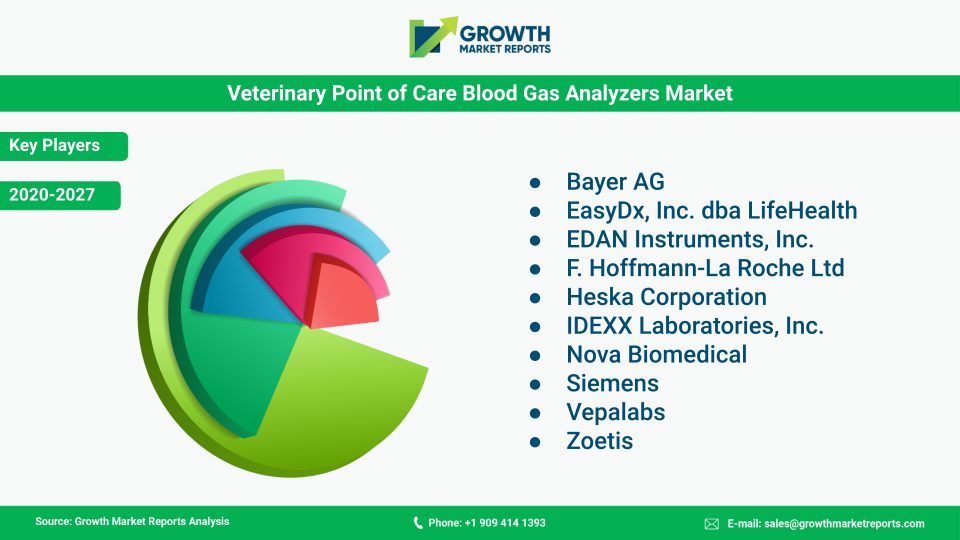
Some of the major companies operating in the veterinary point of care blood gas analyzers market include Idexx Laboratories, Inc., Zoetis Inc., Abaxis (a Zoetis Company), Heska Corporation, Edan Instruments, Inc., Woodley Equipment Company Ltd., Nova Biomedical, and LifeHealth LLC. Idexx Laboratories is recognized for its comprehensive range of veterinary diagnostics and its strong global presence. Zoetis and its subsidiary Abaxis offer advanced point of care analyzers known for their accuracy and ease of use. Heska Corporation specializes in innovative diagnostic solutions for both companion and livestock animals, while Edan Instruments is noted for its technologically advanced and user-friendly blood gas analyzers. Woodley Equipment and Nova Biomedical are also key players, known for their reliable and high-performance products. LifeHealth LLC is gaining recognition for its focus on portable and accessible diagnostic solutions tailored to the needs of mobile veterinary units and field practitioners.
These companies are actively investing in product development, geographic expansion, and customer support initiatives to maintain their competitive positions. Collaborations with veterinary hospitals, research institutes, and academic organizations are facilitating the development of customized solutions that address specific clinical challenges. As the market continues to evolve, the ability to anticipate and respond to emerging trends, such as the integration of digital health technologies and the expansion of veterinary services into new regions, will be critical for sustained success. The competitive outlook for the veterinary point of care blood gas analyzers market remains dynamic and promising, with ample opportunities for growth and innovation in the years ahead.
The Veterinary Point of Care Blood Gas Analyzers market has been segmented on the basis of
Key players in the market include Heska Corporation, Zoetis, and IDEXX Laboratories, Inc. They considered as key manufacturers of the market based on their different varieties of product availability, regional presence, better supply chain management system, and the increasing demand for the products. The players are adopting key strategies such as acquisition, and geographical expansion where potential opportunity for the Veterinary Point of Care Blood Gas Analyzers extraction is added in the company’s capacity.For instance,
Additional company profiles can be provided on request.
Yes, the report covers product types of APET specific information such as portable analyzers and handheld analyzers.
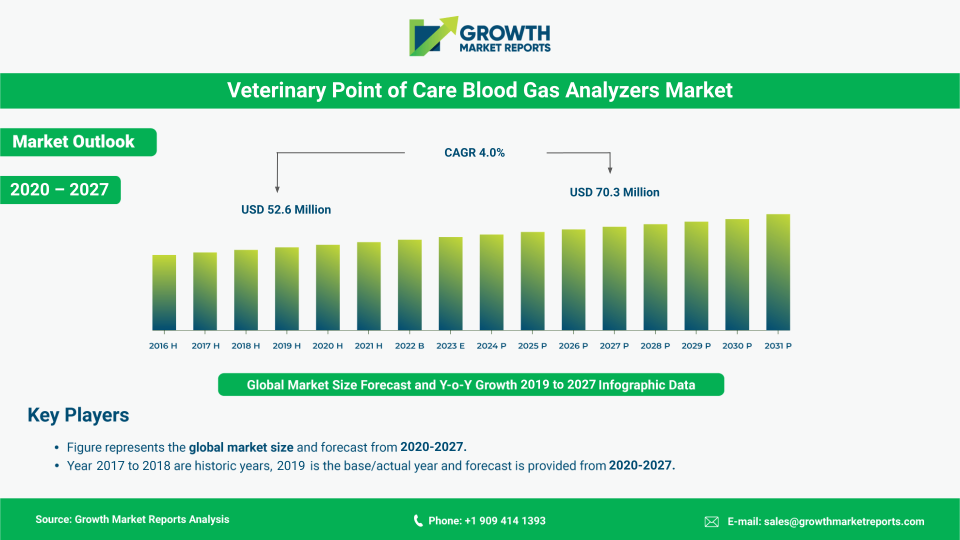
According to this Growth Market Reports report, the market from veterinary point of care blood gas analyzers is likely to register a CAGR of 4.0% during forecast period 2020-2027, with an anticipated valuation of USD 70.3 Million by the end of the 2027.
In addition to market size (in USD Million) and Company Market Share (in % for base year 2019), other data such macro-economic factors, COVID-19 Impact on the veterinary point of care blood gas analyzers is available in final report.
The market is driven by factors such as increase in the adoptions of companion animals, developments in technology for blood gas analyzers, rise in awareness regarding animal health, and growing animal care expenditures. However, less demand for veterinary point of care blood gas analyzers from emerging countries is a key restraint of this market.
Factors such as competitive strength and market positioning are key areas considered while selecting top companies to be profiled.
The market is expected to witness decrease in demand owing to the negative impact of COVID-19 pandemic on the veterinary point of care blood gas analyzers market.
The base year considered for the global veterinary point of care blood gas analyzers market report is 2019. The complete analysis period is 2017 to 2027, wherein, 2017 & 2018 are the historic years and the forecast is provided from 2020 to 2027.
Veterinary clinics, veterinary laboratories, research laboratories, and others are the key applications that are driving the veterinary point of care blood gas analyzers market.
Major Manufactures include, Heska Corporation, Zoetis, and IDEXX Laboratories, Inc., and Others.