Segments - by Product Type (Culture Media, Bacterial Strains, Instruments, Consumables, Others), by Application (Food & Beverage Testing, Pharmaceutical & Biotechnology Testing, Water & Environmental Testing, Cosmetics Testing, Others), by End-User (Industrial Laboratories, Research Institutes, Contract Testing Laboratories, Others)
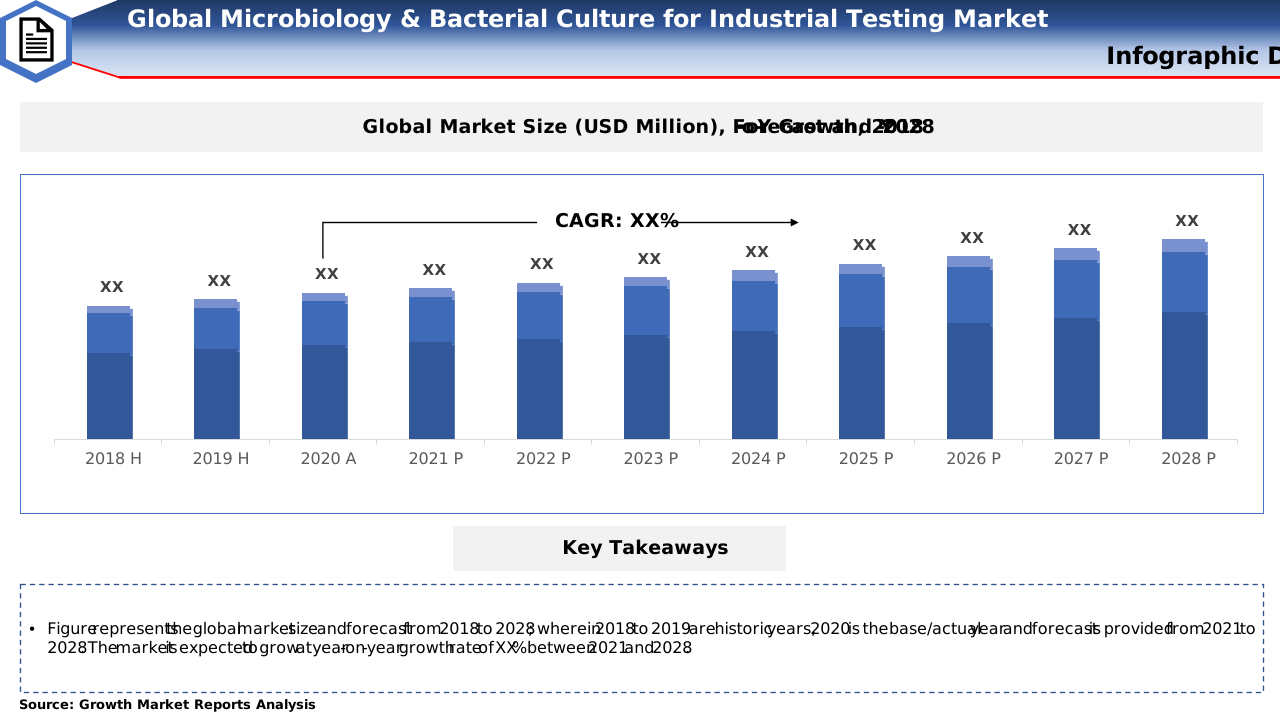
According to our latest research, the global Microbiology & Bacterial Culture for Industrial Testing market size reached USD 5.9 billion in 2024, reflecting the sectorÂ’s critical role in ensuring safety, quality, and compliance across multiple industries. The market is projected to expand at a robust CAGR of 7.2% from 2025 to 2033, reaching an estimated USD 11.1 billion by 2033. This growth is primarily driven by the rising demand for stringent quality control, regulatory compliance, and the increasing prevalence of foodborne and waterborne diseases, which are pushing industries to adopt advanced microbiological testing solutions.
The growth trajectory of the Microbiology & Bacterial Culture for Industrial Testing market is underpinned by several key factors. One of the most significant drivers is the increasing emphasis on food safety and quality assurance in the food and beverage industry. With globalization of food supply chains and heightened consumer awareness, regulatory bodies worldwide have imposed stricter mandates for microbial contamination testing. This has led to a surge in demand for bacterial culture media, testing instruments, and consumables, as manufacturers strive to meet both domestic and international standards. Additionally, the rise in foodborne illnesses and product recalls has compelled companies to invest in advanced microbiological testing, further fueling market expansion.
Another critical growth factor is the rapid advancement in biotechnology and pharmaceutical sectors. The development of novel therapeutics, vaccines, and biopharmaceuticals relies heavily on precise microbial testing for both raw materials and finished products. Regulatory frameworks such as Good Manufacturing Practices (GMP) necessitate the use of validated bacterial strains and culture media to ensure product safety and efficacy. The increasing prevalence of hospital-acquired infections and the growing threat of antimicrobial resistance have also heightened the need for robust microbiological surveillance in pharmaceutical manufacturing, thereby boosting the adoption of bacterial culture-based testing solutions.
Technological innovation is playing a pivotal role in shaping the Microbiology & Bacterial Culture for Industrial Testing market. The integration of automation, artificial intelligence, and digital data management in laboratory workflows has significantly improved the efficiency, accuracy, and reproducibility of microbial testing. Automated culture systems, high-throughput screening instruments, and rapid detection assays are enabling laboratories to process larger sample volumes with reduced turnaround times. Moreover, the development of synthetic and ready-to-use culture media has streamlined testing processes, minimized contamination risks, and enhanced laboratory productivity. These technological advancements are not only improving operational efficiency but also reducing costs and labor requirements, making microbiological testing more accessible to a wider range of end-users.
Microbial Testing plays a vital role in the industrial sector, particularly in the context of food safety and pharmaceutical manufacturing. As industries strive to meet stringent regulatory standards, microbial testing ensures that products are free from harmful microorganisms that could compromise safety and efficacy. The integration of advanced microbial testing techniques, such as rapid detection assays and automated culture systems, is enhancing the ability of laboratories to identify and control microbial contamination efficiently. This not only helps in maintaining product quality but also in safeguarding public health by preventing the spread of infectious diseases.
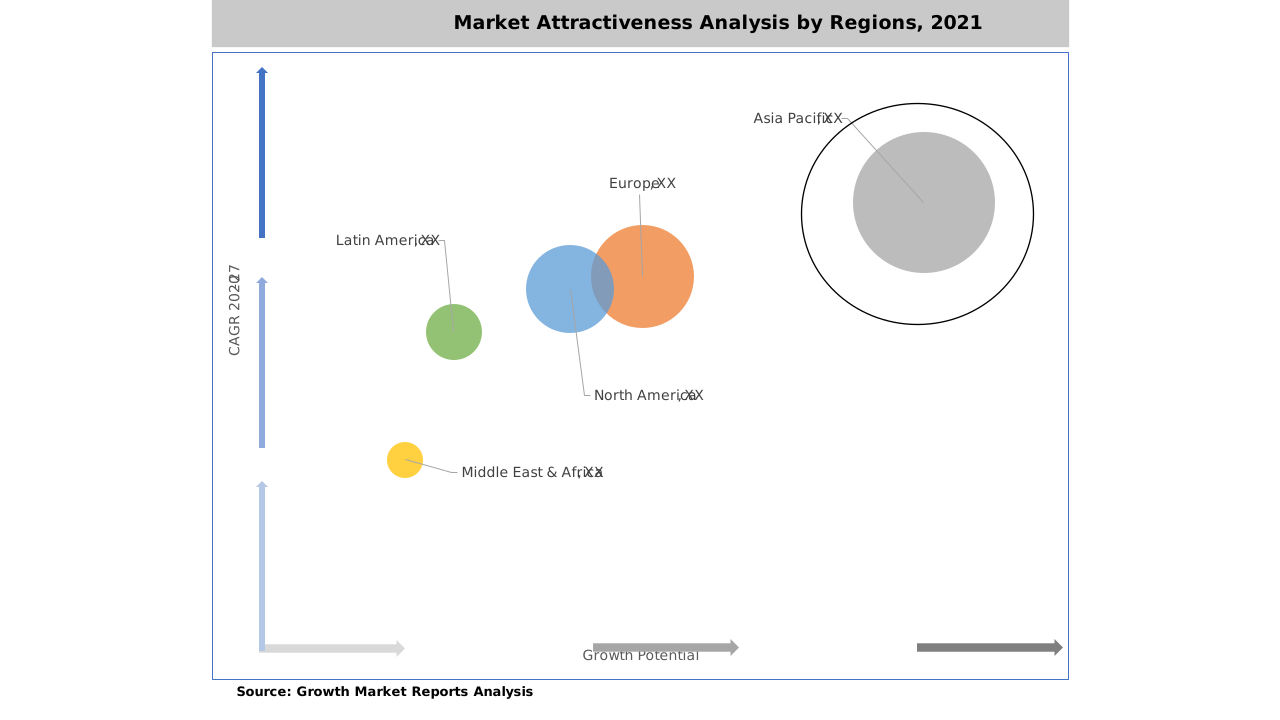
From a regional perspective, North America currently dominates the Microbiology & Bacterial Culture for Industrial Testing market, accounting for a significant share of global revenue. This leadership is attributed to the presence of well-established food, pharmaceutical, and biotechnology industries, coupled with stringent regulatory frameworks mandating comprehensive microbial testing. Europe follows closely, driven by robust quality control norms and a strong focus on environmental sustainability. Meanwhile, the Asia Pacific region is expected to witness the fastest growth during the forecast period, fueled by rapid industrialization, expanding manufacturing sectors, and increasing investments in healthcare infrastructure. Latin America and the Middle East & Africa are also emerging as promising markets, supported by improving regulatory standards and growing awareness of food and water safety.
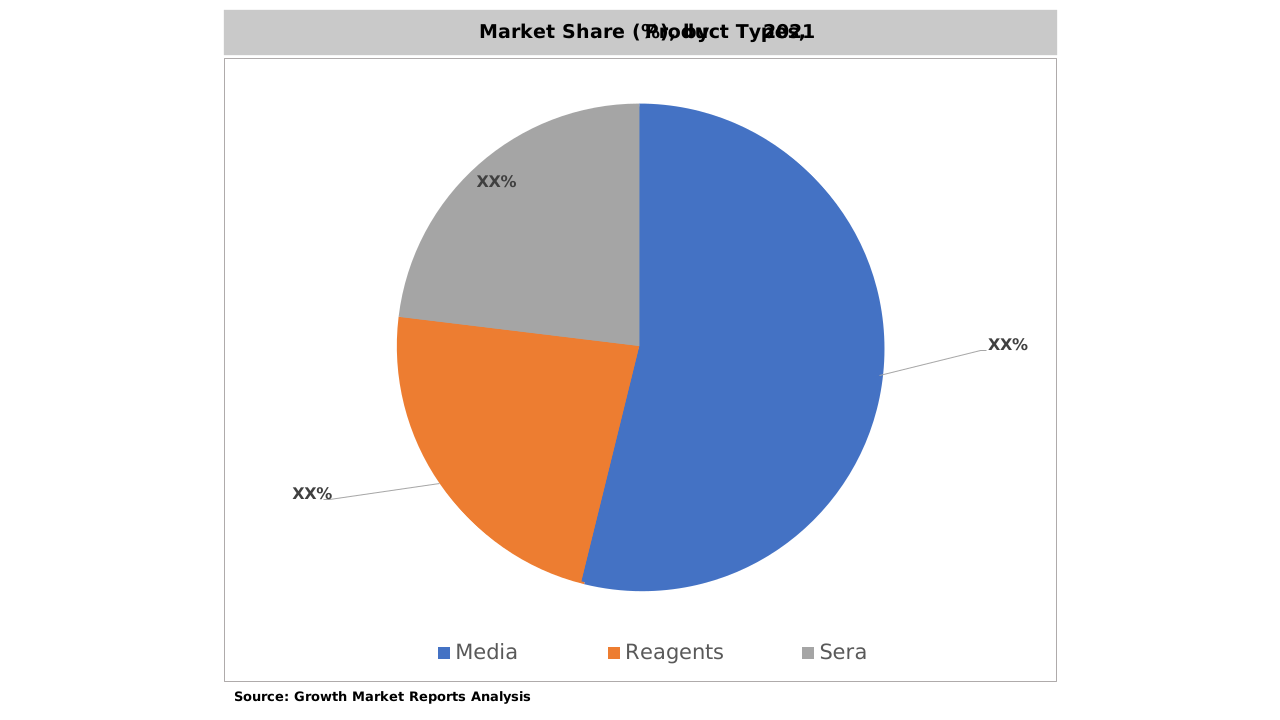
The Product Type segment of the Microbiology & Bacterial Culture for Industrial Testing market encompasses a diverse range of products including culture media, bacterial strains, instruments, consumables, and others. Culture media represent the cornerstone of microbial testing, providing essential nutrients for the growth and identification of bacteria and other microorganisms. The demand for specialized and ready-to-use culture media has surged in recent years, as laboratories seek to enhance consistency, reduce preparation time, and minimize contamination risks. Manufacturers are increasingly focusing on developing media tailored for specific applications, such as pathogen detection in food, pharmaceutical sterility testing, and environmental monitoring, thereby driving segment growth.
Bacterial strains are another critical component, serving as reference organisms for quality control, method validation, and proficiency testing. The availability of genetically characterized and authenticated strains ensures reproducibility and reliability in microbial testing. The pharmaceutical and biotechnology industries, in particular, rely on certified bacterial strains for evaluating the efficacy and safety of drugs and vaccines. The growing emphasis on biosafety and the need for compliance with international standards have spurred investments in the development and distribution of high-quality bacterial strains. Furthermore, advancements in genetic engineering and synthetic biology are enabling the creation of customized strains for specific industrial applications, expanding the scope of this segment.
Food Microbiology Testing is an essential component of ensuring food safety and quality across the supply chain. With the globalization of food production and distribution, the risk of microbial contamination has increased, necessitating rigorous testing protocols. Food microbiology testing involves the detection and quantification of pathogens, spoilage organisms, and indicator microbes to prevent foodborne illnesses and ensure compliance with food safety regulations. The adoption of cutting-edge technologies, such as molecular diagnostics and high-throughput screening, is revolutionizing food microbiology testing, enabling faster and more accurate results that help protect consumers and maintain brand integrity.
Instruments form the backbone of modern microbiological laboratories, enabling automated sample processing, incubation, detection, and data analysis. The adoption of high-throughput screening systems, automated colony counters, and molecular diagnostic platforms has revolutionized microbial testing by increasing speed, accuracy, and scalability. These instruments are particularly valuable in high-volume industrial settings such as food processing plants, pharmaceutical manufacturing facilities, and contract testing laboratories. The integration of digital technologies, such as cloud-based data management and remote monitoring, is further enhancing the functionality and utility of these instruments, driving their adoption across diverse end-user segments.
Consumables, including petri dishes, pipettes, reagents, and filtration units, are indispensable for routine laboratory operations. The recurring nature of consumable usage ensures a steady revenue stream for market participants. The increasing adoption of single-use and pre-sterilized consumables is driven by the need to prevent cross-contamination, streamline workflows, and comply with stringent regulatory requirements. Additionally, the growing trend towards outsourcing laboratory testing to contract research organizations has boosted demand for standardized consumables that support high-throughput and rapid turnaround times. Other product types, such as software and data management solutions, are also gaining traction as laboratories seek to digitize and automate their workflows for improved efficiency and compliance.
| Attributes | Details |
| Report Title | Microbiology & Bacterial Culture for Industrial Testing Market Research Report 2033 |
| By Product Type | Culture Media, Bacterial Strains, Instruments, Consumables, Others |
| By Application | Food & Beverage Testing, Pharmaceutical & Biotechnology Testing, Water & Environmental Testing, Cosmetics Testing, Others |
| By End-User | Industrial Laboratories, Research Institutes, Contract Testing Laboratories, Others |
| Regions Covered | North America, Europe, APAC, Latin America, MEA |
| Base Year | 2024 |
| Historic Data | 2018-2023 |
| Forecast Period | 2025-2033 |
| Number of Pages | 270 |
| Number of Tables & Figures | 268 |
| Customization Available | Yes, the report can be customized as per your need. |
The Application segment of the Microbiology & Bacterial Culture for Industrial Testing market is broad, encompassing food and beverage testing, pharmaceutical and biotechnology testing, water and environmental testing, cosmetics testing, and other specialized applications. Food and beverage testing represents the largest application segment, driven by the critical need to ensure product safety, prevent contamination, and comply with regulatory standards. The increasing incidence of foodborne illnesses and product recalls has heightened the focus on microbial testing throughout the food supply chain, from raw materials to finished products. Rapid detection methods, pathogen-specific culture media, and automated testing instruments are being widely adopted to meet the growing demand for high-throughput and accurate testing in this sector.
Pharmaceutical and biotechnology testing is another major application area, where microbiological quality control is essential for ensuring the safety, efficacy, and sterility of drugs, vaccines, and biologics. Regulatory agencies such as the FDA and EMA mandate rigorous microbial testing at multiple stages of the manufacturing process, including raw material screening, in-process monitoring, and final product release. The development of advanced therapeutics, such as cell and gene therapies, has further increased the complexity and volume of microbiological testing required in the pharmaceutical sector. The integration of rapid microbial detection technologies and automation is helping companies meet regulatory requirements while reducing time-to-market for new products.
Water and environmental testing is gaining prominence as concerns over waterborne diseases, industrial pollution, and environmental sustainability continue to rise. Municipalities, industrial facilities, and environmental agencies are increasingly investing in microbiological testing solutions to monitor water quality, detect pathogens, and comply with environmental regulations. The adoption of portable testing instruments, rapid detection assays, and specialized culture media is enabling real-time monitoring and early intervention to prevent outbreaks and contamination events. This trend is particularly pronounced in emerging economies, where improving access to clean water and sanitation is a key public health priority.
Cosmetics testing is an emerging application segment, driven by the need to ensure the microbiological safety and stability of personal care products. Regulatory authorities in various countries have established guidelines for microbial contamination limits in cosmetics, necessitating routine testing of raw materials, in-process samples, and finished products. The increasing demand for natural and preservative-free cosmetics has further complicated microbiological quality control, as these products are more susceptible to microbial growth. Advanced culture media, rapid detection methods, and automated testing platforms are being adopted by cosmetics manufacturers to comply with regulatory standards and meet consumer expectations for safety and quality.
The End-User segment of the Microbiology & Bacterial Culture for Industrial Testing market comprises industrial laboratories, research institutes, contract testing laboratories, and others. Industrial laboratories represent the largest end-user group, as they are integral to quality control and compliance in sectors such as food and beverage, pharmaceuticals, and environmental monitoring. These laboratories require a wide range of microbiological testing solutions, including culture media, bacterial strains, and automated instruments, to ensure product safety, regulatory compliance, and operational efficiency. The trend towards in-house testing is particularly strong among large manufacturers, who seek to maintain control over quality assurance processes and minimize risks associated with outsourcing.
Research institutes play a vital role in advancing microbiological testing methodologies, developing new bacterial strains, and validating novel culture media. These organizations often collaborate with industry partners to address emerging challenges such as antimicrobial resistance, biofilm formation, and rapid pathogen detection. The increasing focus on translational research and public-private partnerships is driving investments in state-of-the-art laboratory infrastructure and advanced testing technologies. Research institutes also serve as reference centers for method validation, proficiency testing, and training, contributing to the overall growth and innovation in the microbiological testing market.
Contract testing laboratories are experiencing significant growth, driven by the trend towards outsourcing non-core activities in the food, pharmaceutical, and environmental sectors. These laboratories offer a wide range of microbiological testing services, including routine quality control, regulatory compliance testing, and specialized analysis for product development and troubleshooting. The ability to provide rapid turnaround times, high-throughput testing, and regulatory expertise makes contract laboratories an attractive option for companies seeking to optimize costs and enhance operational flexibility. The increasing complexity of regulatory requirements and the need for specialized testing capabilities are expected to further boost demand for contract testing services in the coming years.
Other end-users, such as government agencies, environmental monitoring organizations, and non-profit entities, also contribute to market demand for microbiological testing solutions. These organizations are involved in public health surveillance, outbreak investigation, and environmental monitoring, requiring reliable and accurate testing methods to inform policy decisions and intervention strategies. The growing emphasis on food and water safety, environmental sustainability, and antimicrobial resistance is prompting increased investments in microbiological testing infrastructure across these sectors, supporting the overall expansion of the market.
The Microbiology & Bacterial Culture for Industrial Testing market presents significant opportunities for growth and innovation. One of the most promising avenues is the development and commercialization of rapid microbial detection technologies. Traditional culture-based methods, while reliable, are often time-consuming and labor-intensive. The advent of molecular diagnostics, biosensors, and next-generation sequencing has enabled the detection and identification of microorganisms within hours, rather than days. Companies that invest in the development of rapid, user-friendly, and cost-effective testing platforms are poised to capture a significant share of the market, as industries seek to minimize downtime, reduce product recalls, and enhance consumer safety.
Another key opportunity lies in the expansion of microbiological testing services in emerging markets. Rapid industrialization, urbanization, and rising disposable incomes in regions such as Asia Pacific, Latin America, and the Middle East are driving demand for safe and high-quality food, pharmaceuticals, and water. Governments and regulatory bodies in these regions are increasingly mandating comprehensive microbial testing as part of quality control and public health initiatives. Companies that establish a strong presence in these high-growth markets, through strategic partnerships, local manufacturing, and tailored product offerings, can leverage the expanding customer base and regulatory momentum to drive revenue growth and market share.
However, the market also faces several restraining factors that could impede growth. One of the primary challenges is the high cost of advanced microbiological testing instruments and consumables, which can be prohibitive for small and medium-sized enterprises (SMEs) and laboratories in resource-limited settings. The need for skilled personnel, ongoing training, and compliance with complex regulatory requirements further adds to the operational burden. Additionally, the risk of contamination, false positives, and variability in test results can undermine the reliability and credibility of microbiological testing, particularly in high-stakes applications such as pharmaceutical manufacturing and food safety. Addressing these challenges will require continued investment in technology development, workforce training, and quality assurance systems.
Regionally, North America leads the Microbiology & Bacterial Culture for Industrial Testing market, with a market size of approximately USD 2.1 billion in 2024. The United States is the primary contributor, driven by stringent regulatory frameworks, advanced laboratory infrastructure, and a strong focus on food and pharmaceutical safety. The presence of major industry players and a robust research ecosystem further supports market growth in this region. Canada also contributes significantly, particularly in the areas of environmental monitoring and water quality testing, reflecting the countryÂ’s commitment to public health and sustainability.
Europe follows closely, with a market size of around USD 1.7 billion in 2024. The region is characterized by well-established food and pharmaceutical industries, comprehensive regulatory standards, and a strong emphasis on environmental protection. Countries such as Germany, the United Kingdom, and France are leading adopters of advanced microbiological testing solutions, driven by the need to comply with both domestic and European Union regulations. The European market is expected to grow at a steady CAGR of 6.8% over the forecast period, supported by ongoing investments in research and development, public health initiatives, and environmental sustainability.
The Asia Pacific region is emerging as the fastest-growing market, with a size of approximately USD 1.3 billion in 2024 and a projected CAGR of 8.5% from 2025 to 2033. Rapid industrialization, expanding manufacturing sectors, and increasing investments in healthcare infrastructure are driving demand for microbiological testing solutions in countries such as China, India, and Japan. The regionÂ’s large and growing population, coupled with rising awareness of food and water safety, is further fueling market expansion. Latin America and the Middle East & Africa, with market sizes of USD 0.5 billion and USD 0.3 billion respectively in 2024, are also witnessing steady growth, supported by improving regulatory standards and increasing adoption of advanced testing technologies.
The Microbiology & Bacterial Culture for Industrial Testing market is characterized by intense competition, with numerous global and regional players vying for market share. The competitive landscape is shaped by ongoing innovation, strategic partnerships, mergers and acquisitions, and a relentless focus on quality and regulatory compliance. Leading companies are investing heavily in research and development to introduce new and improved culture media, bacterial strains, testing instruments, and consumables. The ability to offer comprehensive solutions, including software and data management platforms, is emerging as a key differentiator in the market, as laboratories seek to digitize and automate their workflows for enhanced efficiency and compliance.
Strategic collaborations and partnerships are becoming increasingly common, as companies seek to expand their product portfolios, enter new markets, and leverage complementary strengths. For example, partnerships between instrument manufacturers and culture media suppliers are enabling the development of integrated testing platforms that streamline laboratory workflows and improve data accuracy. Mergers and acquisitions are also reshaping the competitive landscape, with larger players acquiring specialized companies to enhance their technological capabilities and geographic reach. The trend towards consolidation is expected to continue, as companies strive to achieve economies of scale, reduce costs, and strengthen their market positions.
Quality assurance and regulatory compliance are critical success factors in the microbiological testing market. Leading companies are investing in state-of-the-art manufacturing facilities, robust quality control systems, and comprehensive training programs to ensure the reliability and consistency of their products. The ability to comply with international standards, such as ISO, GMP, and FDA regulations, is essential for gaining customer trust and securing contracts with major industrial clients. Companies that can demonstrate a track record of quality, innovation, and regulatory compliance are well-positioned to capitalize on the growing demand for microbiological testing solutions across diverse industries.
Major players in the Microbiology & Bacterial Culture for Industrial Testing market include Thermo Fisher Scientific, Merck KGaA, bioMérieux, Becton, Dickinson and Company (BD), HiMedia Laboratories, and 3M Company. Thermo Fisher Scientific is a global leader, offering a comprehensive portfolio of culture media, bacterial strains, and laboratory instruments. Merck KGaA is renowned for its high-quality culture media and reagents, serving pharmaceutical, food, and environmental testing laboratories worldwide. bioMérieux specializes in automated microbial detection systems and rapid diagnostic solutions, while BD is a major supplier of laboratory consumables and instruments. HiMedia Laboratories is a prominent player in emerging markets, offering a wide range of culture media and specialized testing solutions. 3M Company is known for its innovative rapid detection assays and food safety testing products.
These companies are continuously investing in research and development to expand their product offerings, improve testing accuracy, and address emerging challenges such as antimicrobial resistance and biofilm formation. Strategic initiatives, such as the launch of new rapid detection platforms, expansion into high-growth markets, and collaborations with research institutes, are enabling these players to maintain their competitive edge and drive market growth. The competitive landscape is expected to remain dynamic, with ongoing innovation, technological advancements, and evolving customer needs shaping the future of the Microbiology & Bacterial Culture for Industrial Testing market.
The Microbiology & Bacterial Culture for Industrial Testing market has been segmented on the basis of
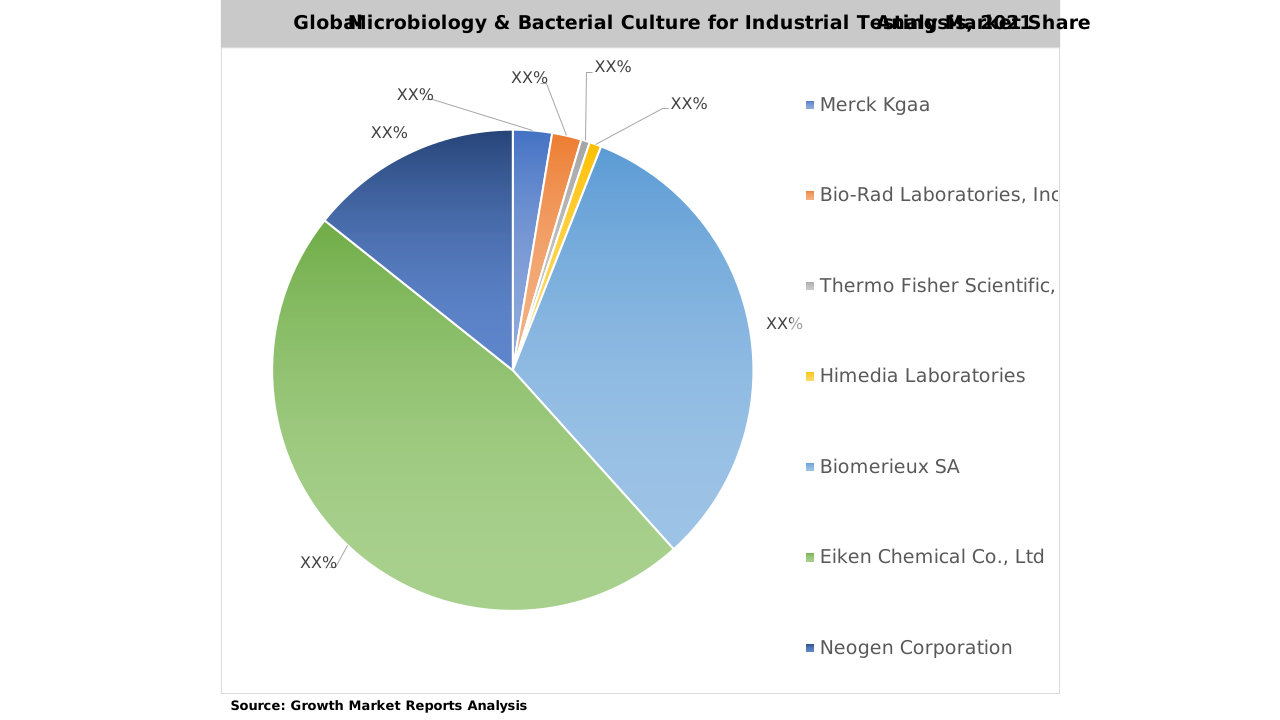
The key players of the global microbiology & bacterial culture for industrial testing market includes Merck Kgaa, Bio-Rad Laboratories, Inc., Thermo Fisher Scientific, Inc., Himedia Laboratories, Biomerieux SA, Eiken Chemical Co., Ltd, and Neogen Corporation.
In March 2017, Merck Announced the Launch of the Milli-Q IQ 7000 System, an improved water purification method.
Yes, the report offers customization options to meet specific client needs.
Emerging markets like Asia Pacific, Latin America, and the Middle East & Africa offer significant opportunities due to rapid industrialization, improving regulatory standards, and rising demand for safe food, pharmaceuticals, and water.
Automation, artificial intelligence, digital data management, rapid detection assays, high-throughput screening instruments, and synthetic ready-to-use culture media are key technological innovations improving efficiency and accuracy.
Major players include Thermo Fisher Scientific, Merck KGaA, bioMérieux, Becton, Dickinson and Company (BD), HiMedia Laboratories, and 3M Company.
Challenges include the high cost of advanced testing instruments and consumables, need for skilled personnel, complex regulatory requirements, and risks of contamination or false positives.
Key application areas include food and beverage testing, pharmaceutical and biotechnology testing, water and environmental testing, and cosmetics testing.
Major product types include culture media, bacterial strains, instruments, consumables, and others such as software and data management solutions.
North America currently dominates the market, followed by Europe. The Asia Pacific region is expected to witness the fastest growth due to rapid industrialization, expanding manufacturing sectors, and increased healthcare investments.
Key growth drivers include increasing demand for food safety and quality assurance, stricter regulatory compliance, rising prevalence of foodborne and waterborne diseases, and advancements in biotechnology and pharmaceutical sectors.
The global Microbiology & Bacterial Culture for Industrial Testing market reached USD 5.9 billion in 2024 and is projected to grow at a CAGR of 7.2% from 2025 to 2033, reaching an estimated USD 11.1 billion by 2033.