Segments - by Product Type (Lithium Carbonate, Lithium Hydroxide, Lithium Chloride, Lithium Bromide, Butyllithium, Others), by Application (Batteries, Glass & Ceramics, Lubricants, Air Treatment, Pharmaceuticals, Polymers, Others), by End-Use Industry (Automotive, Electronics, Industrial, Medical, Others)
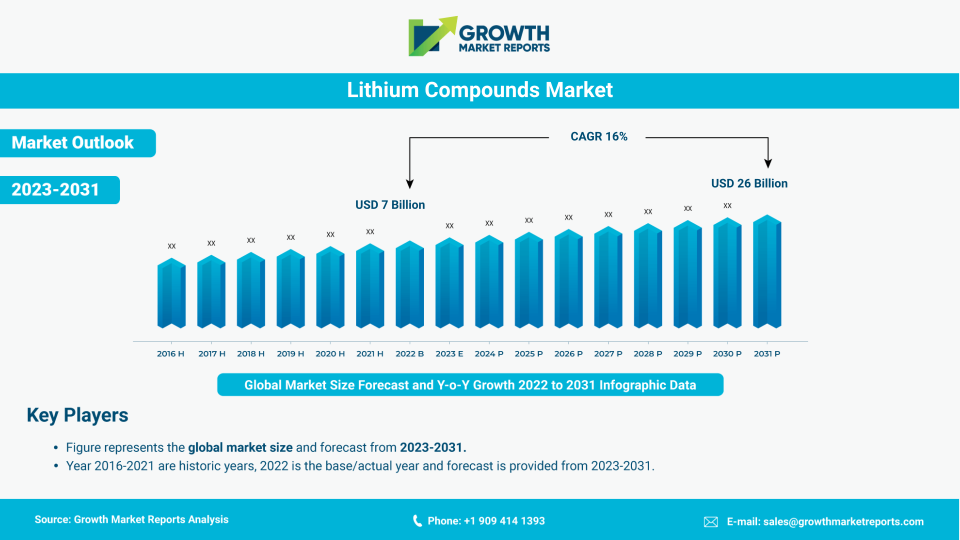
Based on our latest research, the global lithium compounds market size reached USD 9.8 billion in 2024, supported by robust demand from the battery and energy storage sectors. The market is experiencing a compelling surge, with a recorded CAGR of 13.7% from 2025 to 2033. By the end of 2033, the market is forecasted to attain a value of USD 29.4 billion, driven primarily by the electrification of transportation and innovations in energy storage technologies. The primary growth factor for this market is the rapid expansion of electric vehicles (EVs) and renewable energy storage solutions, which are significantly increasing the consumption of lithium compounds worldwide, as per our latest research.
One of the most influential growth factors for the lithium compounds market is the exponential rise in electric vehicle adoption across the globe. Governments in major economies such as China, the United States, and countries in the European Union are enacting stringent emission regulations and offering substantial incentives for EV adoption. These regulatory measures are stimulating automakers to shift towards lithium-ion battery-powered vehicles, thereby escalating the demand for lithium carbonate and lithium hydroxide—key ingredients in battery manufacturing. Furthermore, the ongoing advancements in battery technology, such as the development of solid-state batteries and improvements in energy density, are expected to further amplify the consumption of high-purity lithium compounds, ensuring sustained market growth over the coming years.
Another critical driver is the increasing integration of renewable energy sources into national grids, which necessitates efficient and reliable energy storage solutions. Lithium-ion batteries have become the technology of choice for grid-scale storage due to their high energy density, long cycle life, and declining costs. As countries strive to meet ambitious renewable energy targets and enhance grid stability, utility-scale storage projects are proliferating, directly boosting the demand for lithium compounds. Additionally, the growth of consumer electronics, including smartphones, laptops, and wearable devices, continues to contribute to the steady consumption of lithium-based materials, though this segment is being outpaced by the surging battery sector.
The versatility of lithium compounds extends their application beyond batteries, encompassing sectors such as glass and ceramics, lubricants, pharmaceuticals, and polymers. For instance, lithium carbonate and lithium oxide are integral to the production of specialty glass and ceramics, enhancing durability and thermal resistance. In the pharmaceutical sector, lithium compounds are used in medications for bipolar disorder, while industrial lubricants and air treatment systems also leverage lithiumÂ’s unique chemical properties. This diversification of applications not only insulates the market from sector-specific downturns but also provides a foundation for stable long-term growth, as innovation in these industries continues to generate new opportunities for lithium compound utilization.
Lithium Mining plays a crucial role in the supply chain of lithium compounds, as it is the initial step in extracting lithium from the earth. The process involves several methods, including hard rock mining and brine extraction, each with its own environmental and economic considerations. As the demand for lithium compounds continues to rise, driven by the growth of electric vehicles and renewable energy storage, the mining sector is under pressure to increase production while minimizing environmental impact. Innovations in mining technologies, such as direct lithium extraction (DLE) and sustainable water management practices, are being explored to enhance efficiency and reduce ecological footprints. These advancements are essential to ensure a steady and responsible supply of lithium, which is critical for meeting the future needs of the global market.
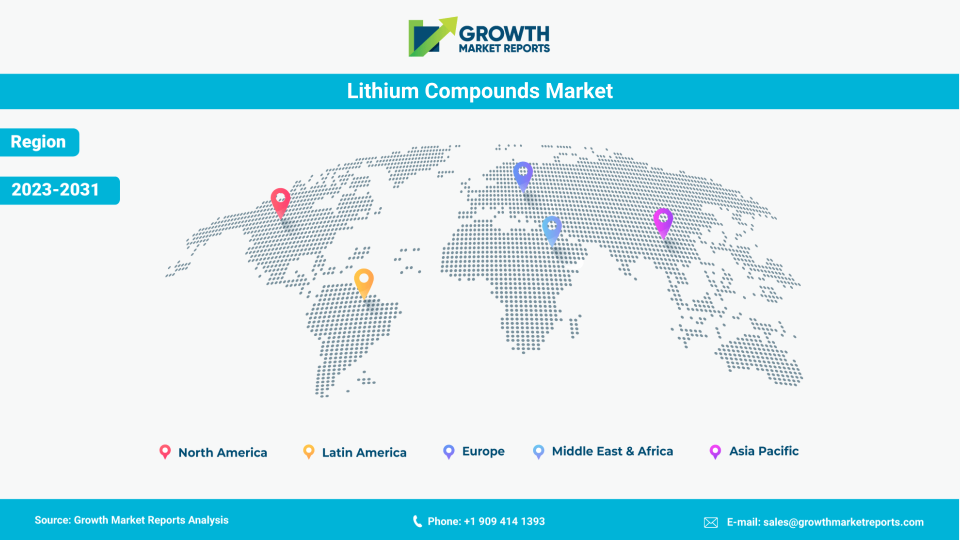
From a regional perspective, Asia Pacific dominates the global lithium compounds market, accounting for a substantial share due to its leadership in battery manufacturing and EV production. China, in particular, has established itself as the world’s largest market for lithium-ion batteries, supported by significant investments in both upstream and downstream supply chains. North America and Europe are also witnessing rapid growth, fueled by the expansion of local battery manufacturing facilities and supportive government policies. Meanwhile, Latin America, home to the “Lithium Triangle” (Argentina, Bolivia, and Chile), plays a crucial role as a primary source of lithium raw materials, ensuring a stable supply chain for global manufacturers. This regional interplay between production and consumption hubs is shaping the competitive dynamics and growth trajectory of the lithium compounds market worldwide.
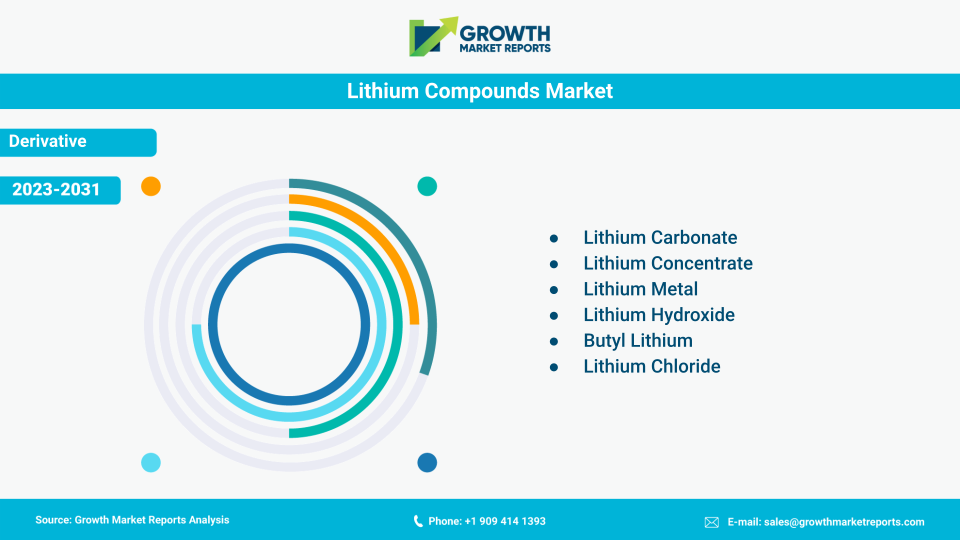
The product type segment of the lithium compounds market is highly diversified, comprising lithium carbonate, lithium hydroxide, lithium chloride, lithium bromide, butyllithium, and several other specialty derivatives. Lithium carbonate remains the most widely produced and consumed compound, owing to its central role in lithium-ion battery cathode production and its utility in glass, ceramics, and pharmaceutical applications. The surge in battery manufacturing, especially for electric vehicles and grid storage, has propelled lithium carbonate to the forefront, making it the backbone of the lithium compounds industry. Additionally, its relatively straightforward extraction and processing methods contribute to its dominant market share, positioning it as a critical raw material for downstream conversion into other lithium derivatives.
Lithium Oxide is another significant compound in the lithium industry, known for its applications beyond battery production. It is a key ingredient in the manufacturing of specialty glass and ceramics, where it contributes to improved thermal resistance and durability. The compound's unique properties make it valuable in high-temperature applications, such as in the production of ovenware and glass-ceramic cooktops. Additionally, lithium oxide is used in the production of certain types of cement and as a flux in the metallurgy industry. As the demand for advanced materials grows, the role of lithium oxide in enhancing product performance and sustainability becomes increasingly important, supporting the diversification of the lithium compounds market.
Lithium hydroxide is rapidly gaining traction, particularly in the context of high-nickel cathode chemistries used in advanced lithium-ion batteries. As automakers and battery manufacturers transition towards nickel-rich cathodes to enhance energy density and driving range, the demand for lithium hydroxide is escalating. This compound is favored for its superior electrochemical performance and ability to extend battery life cycles, making it indispensable for next-generation EV batteries. Investments in new hydroxide conversion facilities, especially in China and Australia, are further accelerating supply growth, with several industry players focusing on vertical integration to secure raw material sources and optimize production efficiencies.
Other lithium compounds such as lithium chloride and lithium bromide serve specialized roles in industrial and chemical processing. Lithium chloride is widely used as a precursor in lithium metal production and as a desiccant in air conditioning systems, while lithium bromide finds application as an absorption refrigerant in industrial chillers. Although their market volumes are smaller compared to carbonate and hydroxide, these compounds are essential for niche applications and contribute to the overall stability and resilience of the lithium compounds market. Their demand is closely tied to trends in industrial automation, HVAC systems, and specialty chemical manufacturing.
Nano Lithium Carbonate represents a cutting-edge development in the field of lithium compounds, offering enhanced properties for various applications. This nanoscale version of lithium carbonate is being explored for its potential in improving the performance of lithium-ion batteries, particularly in terms of energy density and charge-discharge rates. The nano-sized particles provide a larger surface area, which can lead to faster ion exchange and improved conductivity. Beyond batteries, nano lithium carbonate is also being investigated for its applications in medical and pharmaceutical fields, where its unique characteristics could lead to breakthroughs in drug delivery systems and other therapeutic technologies. As research in nanotechnology progresses, the integration of nano lithium carbonate into commercial applications could significantly impact the future landscape of the lithium compounds market.
Butyllithium and other organolithium compounds, while representing a smaller segment, are critical in the synthesis of polymers and pharmaceuticals. Butyllithium is a key initiator in the production of synthetic rubbers and elastomers, widely used in the automotive and industrial sectors. The high reactivity and versatility of organolithium compounds make them valuable for chemical synthesis and research applications, supporting innovation in material science and drug development. As the demand for advanced polymers and specialty chemicals grows, the consumption of these specialized lithium compounds is expected to rise steadily.
Overall, the product type landscape in the lithium compounds market is characterized by a dynamic interplay between high-volume battery materials and specialty chemicals. While lithium carbonate and hydroxide are set to dominate in terms of volume and value, the continued relevance of other compounds in industrial, medical, and research applications ensures a balanced and diversified market structure. Manufacturers are increasingly investing in process innovations and capacity expansions to meet evolving demand patterns, with a strong focus on sustainability and supply chain security.
| Attributes | Details |
| Report Title | Lithium Compounds Market Research Report 2033 |
| By Product Type | Lithium Carbonate, Lithium Hydroxide, Lithium Chloride, Lithium Bromide, Butyllithium, Others |
| By Application | Batteries, Glass & Ceramics, Lubricants, Air Treatment, Pharmaceuticals, Polymers, Others |
| By End-Use Industry | Automotive, Electronics, Industrial, Medical, Others |
| Regions Covered | North America, Europe, APAC, Latin America, MEA |
| Base Year | 2024 |
| Historic Data | 2018-2023 |
| Forecast Period | 2025-2033 |
| Number of Pages | 295 |
| Number of Tables & Figures | 326 |
| Customization Available | Yes, the report can be customized as per your need. |
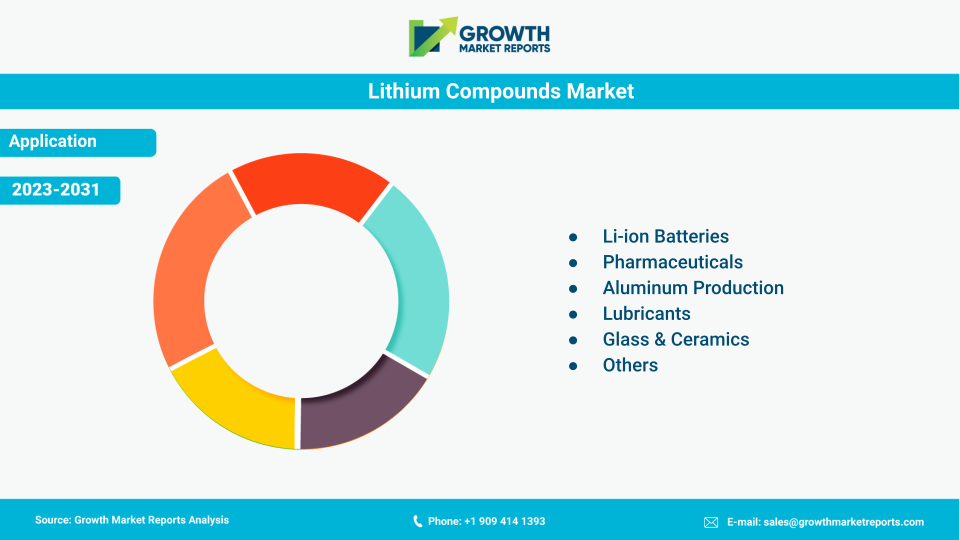
The application segment of the lithium compounds market is led by the batteries category, which commands the largest share due to the proliferation of lithium-ion batteries in electric vehicles, consumer electronics, and energy storage systems. The relentless push towards sustainable transportation and renewable energy integration has triggered an unprecedented demand for high-performance batteries, with lithium compounds serving as the cornerstone of cathode and electrolyte formulations. As battery technologies evolve, the requirements for purity, consistency, and supply reliability of lithium compounds are becoming increasingly stringent, prompting manufacturers to invest in advanced processing and quality control systems.
Beyond batteries, the glass and ceramics segment represents a significant application area, leveraging the unique properties of lithium compounds to enhance product durability, thermal resistance, and optical clarity. Lithium carbonate and lithium oxide are commonly added to glass formulations to lower melting points and improve resistance to thermal shock, making them indispensable in the production of specialty glass for smartphones, cookware, and industrial applications. The ceramics industry similarly benefits from lithium additives, which improve sintering behavior and mechanical strength, supporting the production of advanced technical ceramics for electronics, automotive, and aerospace sectors.
The lubricants segment is another important application domain, with lithium-based greases widely used in automotive, industrial, and aerospace machinery. Lithium greases offer superior water resistance, thermal stability, and load-carrying capacity compared to conventional alternatives, making them the lubricant of choice for high-performance and heavy-duty applications. The steady growth of manufacturing, transportation, and infrastructure sectors worldwide is sustaining demand for lithium-based lubricants, while ongoing research into high-temperature and environmentally friendly formulations is opening new avenues for market expansion.
In air treatment and pharmaceuticals, lithium compounds play specialized roles that underscore their versatility. Lithium chloride and lithium bromide are key components in industrial dehumidification and air conditioning systems, where their hygroscopic properties are harnessed to control humidity and improve air quality. In the pharmaceutical sector, lithium carbonate remains a critical ingredient in medications for mood stabilization and the treatment of bipolar disorder, with ongoing research into new therapeutic applications. The polymers segment, although smaller in scale, relies on organolithium compounds as catalysts and initiators in the synthesis of advanced plastics and elastomers, supporting innovation in packaging, automotive, and consumer goods.
Collectively, the diverse application landscape of the lithium compounds market ensures a robust and resilient demand base, mitigating the risks associated with sector-specific volatility. As technological advancements drive new uses for lithium compounds and as sustainability concerns shape product development, the market is poised for continued expansion across both established and emerging application areas.
The end-use industry analysis of the lithium compounds market reveals a pronounced dominance of the automotive sector, primarily due to the accelerating transition towards electric mobility. Automakers worldwide are ramping up production of electric vehicles to comply with tightening emission standards and to meet consumer demand for greener transportation options. This shift is translating into massive investments in battery manufacturing capacity, with lithium compounds at the core of cathode and electrolyte production. The automotive industryÂ’s commitment to electrification is expected to sustain double-digit growth rates in lithium compound consumption, with new developments in battery technologies further amplifying demand.
The electronics industry is another major consumer of lithium compounds, driven by the proliferation of portable devices such as smartphones, laptops, tablets, and wearables. Lithium-ion batteries have become the standard power source for these devices, thanks to their high energy density, lightweight design, and long cycle life. As consumer expectations for device performance and battery longevity continue to rise, electronics manufacturers are seeking higher quality and more reliable lithium compounds, encouraging suppliers to enhance their processing and quality assurance capabilities. The ongoing miniaturization and diversification of electronic products are also fueling innovation in battery chemistries and form factors, expanding the scope of lithium compound applications.
The industrial sector encompasses a wide array of applications for lithium compounds, ranging from specialty glass and ceramics to lubricants and air treatment systems. Manufacturing industries rely on lithium-based materials to improve product performance, durability, and efficiency, while the growth of infrastructure and construction projects is stimulating demand for lithium-enhanced glass and ceramics. In the realm of industrial lubricants, lithium greases are essential for maintaining machinery reliability and minimizing downtime, especially in heavy-duty and high-temperature environments. The diverse needs of the industrial sector ensure a stable baseline demand for lithium compounds, even as market dynamics evolve.
The medical industry utilizes lithium compounds primarily in pharmaceuticals, particularly for the treatment of mood disorders such as bipolar disorder. Lithium carbonate is the most widely prescribed form, and ongoing research is exploring its potential in new therapeutic areas, including neurodegenerative diseases and cancer. The medical sectorÂ’s stringent regulatory requirements and focus on product quality are driving suppliers to maintain high standards of purity and consistency in their lithium compounds, supporting the development of safe and effective medications. Additionally, the use of lithium-based materials in medical devices and diagnostics is an emerging area of interest, with potential to further expand the market.
Other end-use industries, such as energy storage, aerospace, and specialty chemicals, are also contributing to the growth and diversification of the lithium compounds market. The increasing adoption of renewable energy systems and the need for efficient grid storage solutions are creating new opportunities for lithium compound suppliers, while advancements in aerospace and defense technologies are driving demand for high-performance materials. This broad and dynamic end-use landscape ensures that the lithium compounds market remains resilient to sector-specific fluctuations and well-positioned for long-term growth.
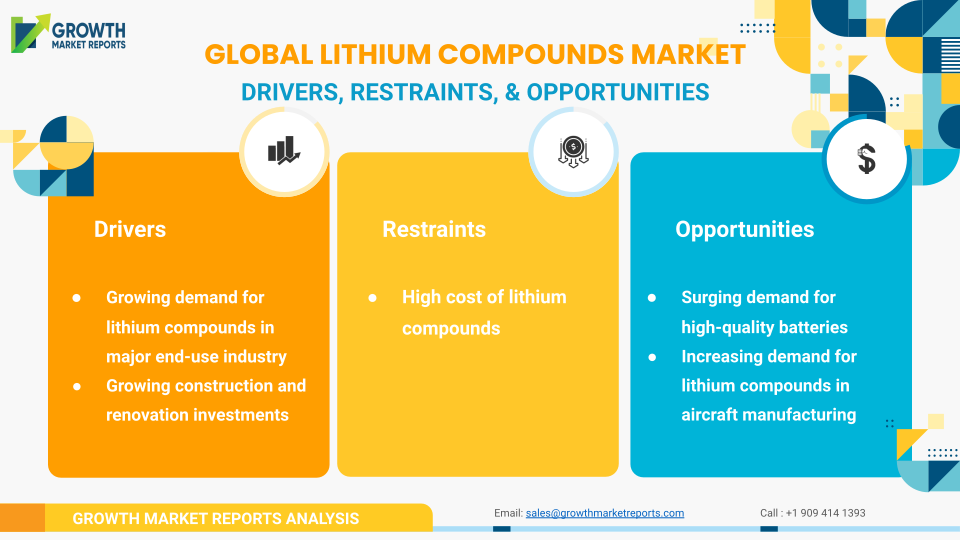
The lithium compounds market is brimming with opportunities, particularly in the context of the global transition towards clean energy and sustainable transportation. The rapid electrification of the automotive sector, coupled with ambitious renewable energy targets, is creating a surge in demand for lithium-ion batteries, and by extension, lithium compounds. Manufacturers and investors are capitalizing on this trend by expanding mining and processing capacities, developing new extraction technologies, and forging strategic partnerships across the value chain. The emergence of solid-state and next-generation battery technologies presents additional growth avenues, as these innovations require high-purity and specialized lithium compounds. Furthermore, the growing emphasis on recycling and circular economy practices is opening new markets for recovered lithium, supporting both environmental sustainability and supply security.
Another significant opportunity lies in the diversification of lithium compound applications beyond batteries. The glass and ceramics, lubricants, pharmaceuticals, and polymers sectors continue to evolve, driven by technological advancements and changing consumer preferences. For example, the rise of smart and energy-efficient buildings is spurring demand for lithium-enhanced glass and ceramics, while the expansion of the healthcare sector is increasing the use of lithium-based pharmaceuticals. Innovations in industrial lubricants and specialty chemicals are also creating new niches for lithium compounds, allowing manufacturers to tap into high-margin markets. As research and development efforts yield novel applications and improved product performance, the lithium compounds market is poised for sustained and broad-based growth.
Despite these opportunities, the market faces notable restrainers, chief among them being supply chain volatility and resource constraints. The extraction and processing of lithium are concentrated in a few regions, notably the Lithium Triangle in South America and Australia, making the market vulnerable to geopolitical risks, regulatory changes, and environmental concerns. Fluctuations in raw material prices, coupled with the lengthy permitting and development timelines for new projects, can create supply bottlenecks and price volatility. Additionally, environmental and social concerns related to lithium mining are prompting stricter regulations and community opposition in some regions, potentially limiting supply growth and increasing compliance costs for producers. These challenges underscore the need for sustainable sourcing practices, investment in recycling infrastructure, and the development of alternative lithium extraction technologies to ensure long-term market stability.
The Asia Pacific region stands as the undisputed leader in the global lithium compounds market, accounting for approximately 5.2 billion USD in 2024. This dominance is anchored by ChinaÂ’s preeminent position in battery manufacturing and electric vehicle production, supported by robust government policies, significant investments in R&D, and a well-established supply chain ecosystem. Japan and South Korea also contribute substantially, with leading battery and electronics manufacturers driving demand for high-purity lithium compounds. The region is projected to maintain a strong CAGR of 14.2% through 2033, underpinned by ongoing capacity expansions, technological advancements, and the rapid adoption of clean energy solutions.
North America is emerging as a key growth market, with a current market size of 2.1 billion USD in 2024. The United States and Canada are investing heavily in domestic battery manufacturing, EV production, and renewable energy integration, reducing their reliance on imported lithium compounds. The Inflation Reduction Act and other policy initiatives are incentivizing the development of local supply chains, while strategic partnerships between automakers, battery producers, and lithium miners are accelerating project timelines. The region is expected to witness robust growth, with a focus on sustainability, supply security, and technological innovation shaping market dynamics.
Europe is also making significant strides, with a market value of 1.7 billion USD in 2024, driven by aggressive decarbonization targets, expanding EV adoption, and the establishment of battery gigafactories across Germany, France, and Scandinavia. The European UnionÂ’s emphasis on building a resilient and sustainable battery supply chain is fostering investments in lithium extraction, processing, and recycling. Meanwhile, Latin America plays a pivotal role as a primary source of lithium raw materials, particularly from Argentina, Bolivia, and Chile, with a combined market size of 0.6 billion USD. The regionÂ’s abundant resources and favorable geology are attracting global investment, though regulatory and environmental challenges remain.
The competitive landscape of the lithium compounds market is marked by intense rivalry, strategic partnerships, and a pronounced focus on vertical integration. Leading players are investing in upstream resource acquisition, downstream processing, and technological innovation to secure their positions in an increasingly dynamic market. The race to establish a reliable and sustainable supply chain is prompting companies to expand mining operations, build new conversion facilities, and develop advanced refining technologies. Mergers, acquisitions, and joint ventures are common strategies, as firms seek to enhance their resource portfolios, optimize production efficiencies, and gain access to key end-user markets.
Innovation is a key differentiator among market leaders, with a strong emphasis on improving product quality, reducing environmental impact, and developing new applications for lithium compounds. Companies are investing in research and development to enhance extraction techniques, increase recovery rates, and minimize waste generation. The adoption of direct lithium extraction (DLE) technologies, for example, is gaining traction as a means to improve resource efficiency and reduce water usage. Additionally, the growing importance of recycling and circular economy practices is driving investments in lithium recovery from end-of-life batteries, supporting both sustainability goals and supply security.
Supply chain resilience and sustainability are becoming central themes in the competitive strategies of major players. Firms are working to diversify their sourcing options, establish long-term supply agreements, and develop local production capabilities to mitigate risks associated with geopolitical tensions, regulatory changes, and market volatility. Environmental, social, and governance (ESG) considerations are increasingly influencing investment decisions, with stakeholders demanding greater transparency and accountability in sourcing and production practices. Companies that can demonstrate a commitment to sustainability and responsible resource management are likely to gain a competitive edge in the evolving market landscape.
Major companies operating in the lithium compounds market include Albemarle Corporation, SQM (Sociedad QuÃmica y Minera de Chile), Ganfeng Lithium, Tianqi Lithium, and Livent Corporation. Albemarle is a global leader with a diversified portfolio spanning lithium extraction, processing, and specialty chemicals, while SQM leverages its extensive resources in the Lithium Triangle to supply high-purity lithium compounds for batteries and industrial applications. Ganfeng Lithium and Tianqi Lithium are prominent Chinese players with strong vertical integration and significant investments in both upstream and downstream operations. Livent Corporation, a spin-off from FMC Corporation, specializes in high-performance lithium compounds for batteries, polymers, and pharmaceuticals, with a focus on innovation and sustainability.
These companies are at the forefront of industry developments, driving advancements in extraction technology, product quality, and supply chain sustainability. Their strategic initiatives, including capacity expansions, partnerships with automakers and battery manufacturers, and investments in recycling infrastructure, are shaping the future of the lithium compounds market. As competition intensifies and new entrants seek to capitalize on market opportunities, the ability to innovate, adapt, and deliver value across the supply chain will be critical to long-term success.
The Lithium Compounds market has been segmented on the basis of
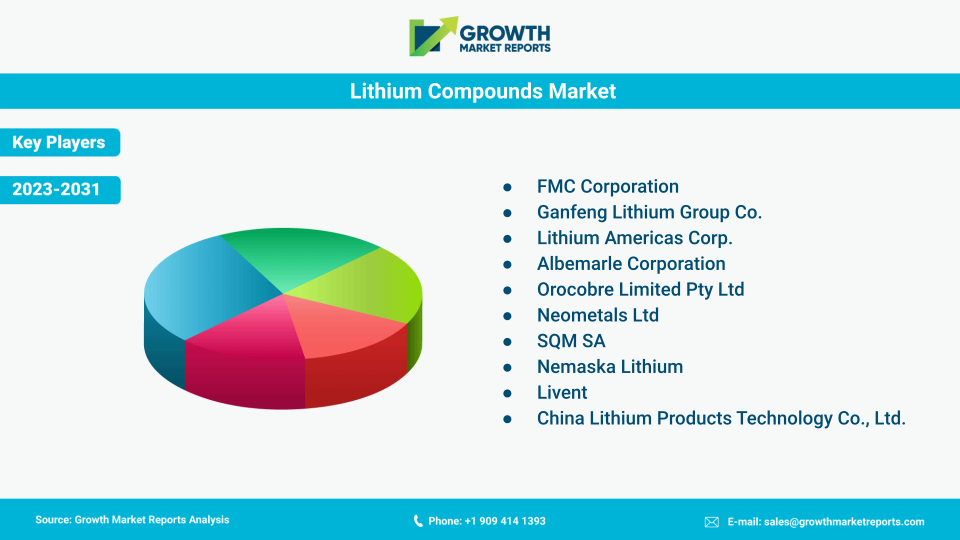
Key players operating in the global lithium compounds market include FMC Corporation; Ganfeng Lithium Group Co.; Lithium Americas Corp.; Albemarle Corporation; Orocobre Limited Pty Ltd; Neometals Ltd; SQM SA; Nemaska Lithium; Livent; and China Lithium Products Technology Co., Ltd.
Major companies are adopting market expansion & growth strategies such as acquisitions, divestitures, partnerships, R&D investments, collaboration, mergers, and product launches to boost their market share. For instance,
Yes, the Lithium Compounds Market Research Report 2033 offers customization options to meet specific client requirements.
Sustainability is driving investments in recycling, direct lithium extraction technologies, and responsible sourcing practices, as well as influencing regulatory and consumer expectations.
Major companies include Albemarle Corporation, SQM, Ganfeng Lithium, Tianqi Lithium, Livent Corporation, Allkem Limited, Mineral Resources Limited, and others.
The market faces challenges such as supply chain volatility, resource concentration in a few regions, environmental concerns, regulatory hurdles, and price fluctuations.
The main end-use industries are automotive (especially EVs), electronics, industrial manufacturing, and the medical sector.
Lithium carbonate is the most widely produced and consumed compound for battery cathode production, while lithium hydroxide is gaining traction for high-nickel cathode chemistries in advanced lithium-ion batteries.
Lithium compounds are mainly used in batteries, glass and ceramics, lubricants, air treatment systems, pharmaceuticals, and polymers.
Asia Pacific leads the market, particularly China, due to its dominance in battery manufacturing and EV production. North America and Europe are also experiencing significant growth, while Latin America is a crucial supplier of lithium raw materials.
Key drivers include the rapid expansion of electric vehicles (EVs), increased integration of renewable energy storage, advancements in battery technologies, and supportive government policies for clean energy and transportation.
The global lithium compounds market is forecasted to reach USD 29.4 billion by 2033, growing at a CAGR of 13.7% from 2025 to 2033.