Segments - by Product Type (Natural Sealants, Synthetic Sealants, Semi-Synthetic Sealants), by Application (Surgical Wounds, Traumatic Wounds, Ulcers, Burns, Others), by End-User (Hospitals, Clinics, Ambulatory Surgical Centers, Home Care Settings, Others)
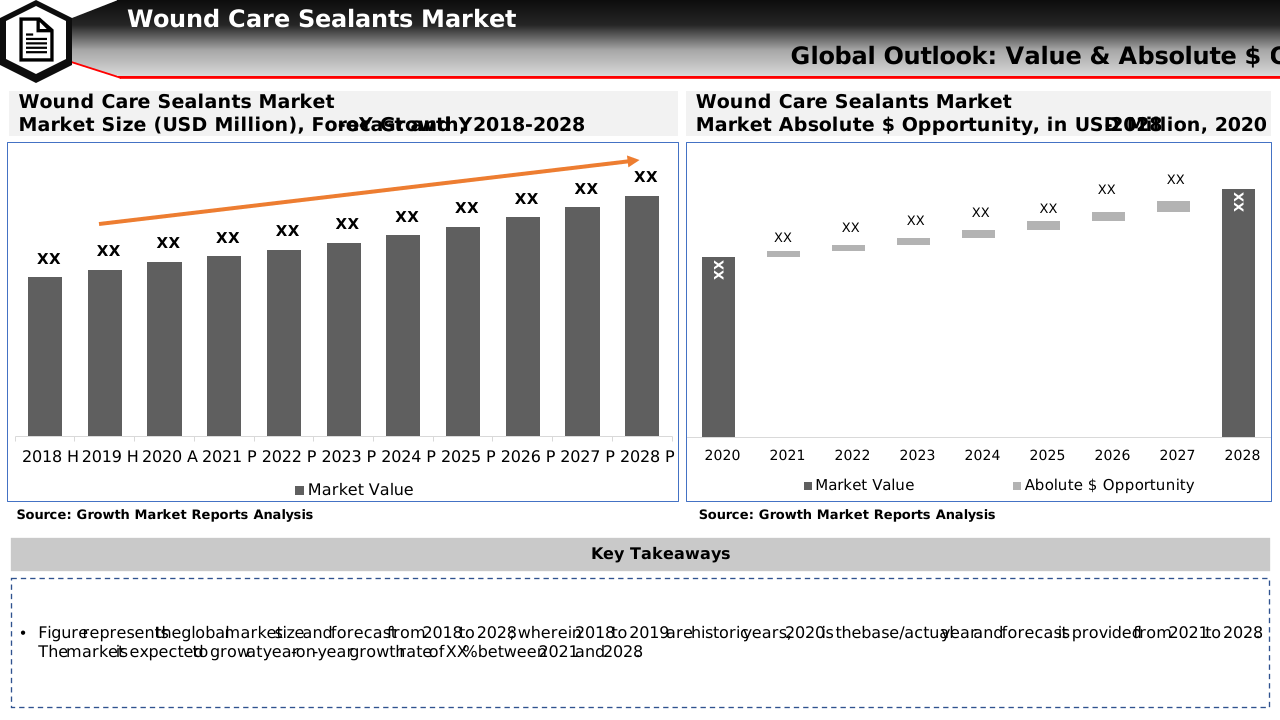
According to our latest research, the global wound care sealants market size reached USD 2.14 billion in 2024, with a robust CAGR of 7.2% projected through the forecast period. By 2033, the market is expected to grow significantly, reaching a value of USD 4.06 billion. This growth is primarily driven by advancements in biomaterial technologies, increasing incidences of chronic and traumatic wounds, and a growing geriatric population susceptible to wounds and surgical interventions. As per our latest findings, the continuous evolution of wound care solutions and the rising demand for minimally invasive procedures are catalyzing the expansion of the wound care sealants market globally.
One of the most significant growth factors propelling the wound care sealants market is the increasing prevalence of chronic diseases and the associated rise in surgical interventions. Conditions such as diabetes, cardiovascular diseases, and obesity are known to contribute to the formation of chronic wounds, slow healing, and increased risk of infection. The growing number of surgical procedures worldwide, particularly in aging populations, has intensified the demand for advanced wound closure solutions, including sealants. Wound care sealants offer distinct advantages such as rapid hemostasis, reduced risk of infection, and minimal tissue trauma, making them a preferred choice among healthcare professionals for a variety of wound types, from surgical incisions to traumatic injuries.
Another key driver is the ongoing technological innovation in the development of both natural and synthetic sealant formulations. Recent advancements have led to the introduction of bioactive and biocompatible sealants that not only provide effective wound closure but also promote tissue regeneration and healing. The integration of antimicrobial agents and growth factors into sealant products has further enhanced their therapeutic efficacy, reducing complications and improving patient outcomes. Additionally, the shift towards minimally invasive surgeries and outpatient care has spurred the adoption of wound care sealants in ambulatory surgical centers and home care settings, broadening the market's reach and applicability.
The wound care sealants market is also benefiting from favorable reimbursement policies and increased awareness about advanced wound management options. Government initiatives and healthcare programs, particularly in developed regions, are encouraging the adoption of innovative wound care solutions to reduce hospital stays and healthcare costs. Furthermore, the expansion of healthcare infrastructure in emerging economies is facilitating greater access to advanced wound care products. However, the market faces challenges such as stringent regulatory requirements and the high cost of advanced sealants, which may limit adoption in cost-sensitive regions. Nevertheless, ongoing R&D activities and strategic collaborations between key industry players are expected to overcome these barriers and sustain market growth.
Surgical Tissue Adhesive is becoming an integral component of modern wound care, particularly in surgical settings where precision and efficiency are paramount. These adhesives are specifically designed to provide strong tissue bonding, which is crucial during surgical procedures to ensure rapid hemostasis and minimize the risk of postoperative complications. The use of surgical tissue adhesives has been shown to reduce the need for traditional sutures and staples, thereby decreasing tissue trauma and improving patient comfort. As the demand for minimally invasive surgeries increases, the role of surgical tissue adhesives becomes even more significant, offering a seamless and effective solution for wound closure. Their application extends beyond traditional surgical settings, finding utility in complex cases where conventional methods may fall short, thus enhancing the overall outcomes of surgical interventions.
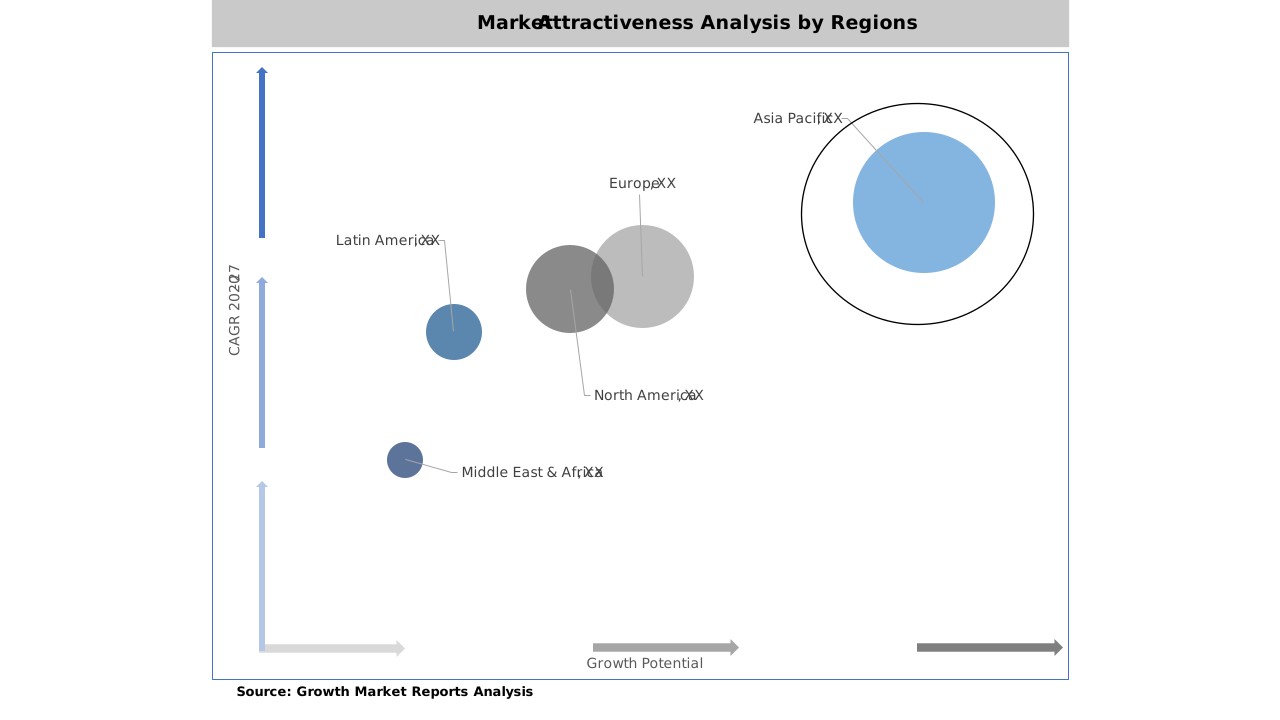
Regionally, North America continues to dominate the wound care sealants market, accounting for the largest share in 2024, followed by Europe and the Asia Pacific. The high prevalence of chronic wounds, well-established healthcare infrastructure, and strong presence of leading manufacturers are primary factors contributing to North America's market leadership. Meanwhile, the Asia Pacific region is anticipated to witness the fastest CAGR over the forecast period, driven by rising healthcare expenditure, increasing awareness, and a rapidly growing patient pool. Latin America and the Middle East & Africa are also experiencing steady growth, supported by improving healthcare access and expanding medical tourism.
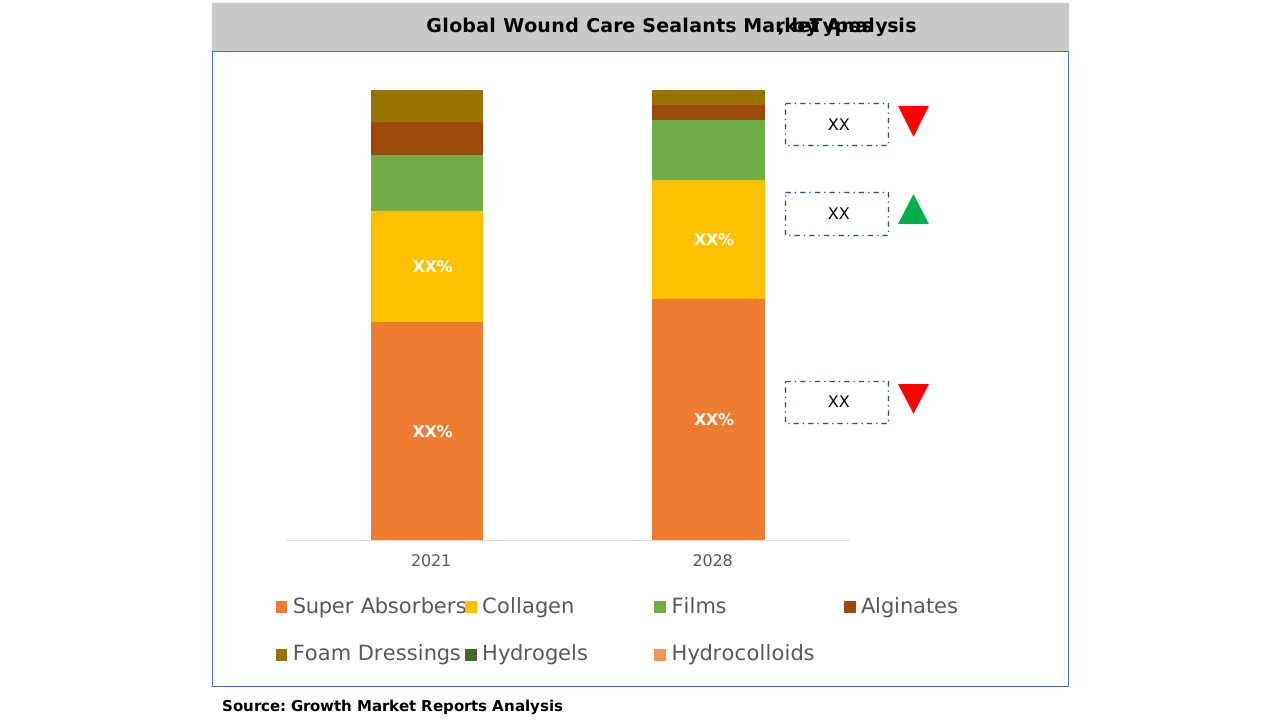
The wound care sealants market by product type is segmented into natural sealants, synthetic sealants, and semi-synthetic sealants. Natural sealants, derived from biological sources such as fibrin, collagen, and albumin, have gained substantial traction due to their biocompatibility and ability to promote natural healing processes. These products are particularly favored in applications where minimal tissue reaction and enhanced healing are essential, such as in delicate surgical procedures or in patients with heightened sensitivity to synthetic materials. The demand for natural sealants is further bolstered by the increasing preference for regenerative medicine and biologically derived wound care solutions, especially in developed markets with advanced healthcare systems.
Synthetic sealants, on the other hand, are engineered using polymers and other synthetic compounds, offering the advantages of customizable properties such as strength, elasticity, and degradation rates. These sealants are especially useful in situations requiring rapid hemostasis and strong tissue adhesion, such as in trauma care or major surgeries. The versatility of synthetic sealants allows for their application across a wide range of wound types, including those exposed to high levels of mechanical stress. The ongoing research and development in polymer science have led to the creation of next-generation synthetic sealants with improved safety profiles, reduced cytotoxicity, and enhanced performance, further driving their adoption in the wound care sealants market.
Semi-synthetic sealants, which combine the attributes of both natural and synthetic materials, are emerging as a promising segment within the wound care sealants market. These products are designed to leverage the biocompatibility of natural components and the strength and durability of synthetic ones, offering a balanced solution for complex wound management scenarios. Semi-synthetic sealants are increasingly being utilized in procedures where both rapid closure and biological integration are critical, such as in reconstructive surgeries and chronic wound care. The hybrid nature of these sealants allows for greater customization and adaptability, meeting the diverse needs of healthcare providers and patients alike.
Veterinary Sealants and Adhesives are gaining traction in the animal healthcare sector, reflecting the broader trends seen in human medicine. These products are engineered to meet the specific needs of veterinary procedures, providing reliable wound closure and promoting healing in a variety of animal species. The use of veterinary sealants and adhesives is particularly beneficial in surgeries and wound management for pets and livestock, where quick recovery and minimal stress are crucial. As the veterinary field continues to advance, the adoption of these innovative products is expected to rise, driven by the increasing demand for high-quality care and the growing awareness of advanced wound management techniques among veterinarians. The development of specialized formulations tailored to different animal types and wound conditions further underscores the potential of veterinary sealants and adhesives in improving animal health outcomes.
The competitive landscape within the product type segment is characterized by continuous innovation and product launches. Leading companies are investing heavily in research and development to create sealants with enhanced properties, such as faster setting times, improved adhesion, and antimicrobial capabilities. Additionally, regulatory approvals and clinical trials play a crucial role in the commercialization of new sealant products. The market is witnessing a trend towards the development of eco-friendly and sustainable sealant formulations, in response to growing environmental concerns and regulatory pressures. As a result, the product type segment is expected to remain dynamic and highly competitive throughout the forecast period.
| Attributes | Details |
| Report Title | Wound Care Sealants Market Research Report 2033 |
| By Product Type | Natural Sealants, Synthetic Sealants, Semi-Synthetic Sealants |
| By Application | Surgical Wounds, Traumatic Wounds, Ulcers, Burns, Others |
| By End-User | Hospitals, Clinics, Ambulatory Surgical Centers, Home Care Settings, Others |
| Regions Covered | North America, Europe, APAC, Latin America, MEA |
| Base Year | 2024 |
| Historic Data | 2018-2023 |
| Forecast Period | 2025-2033 |
| Number of Pages | 291 |
| Number of Tables & Figures | 277 |
| Customization Available | Yes, the report can be customized as per your need. |
The application segment of the wound care sealants market is broadly categorized into surgical wounds, traumatic wounds, ulcers, burns, and others. Surgical wounds represent the largest application segment, driven by the increasing number of surgical procedures worldwide and the need for effective wound closure solutions to minimize postoperative complications. Wound care sealants are widely used in various surgical specialties, including general surgery, orthopedics, cardiovascular surgery, and plastic surgery, due to their ability to provide rapid hemostasis, reduce infection risk, and promote faster healing. The growing adoption of minimally invasive and laparoscopic surgeries has further increased the demand for advanced sealants that can be applied efficiently in confined or hard-to-reach areas.
Traumatic wounds, resulting from accidents, injuries, or violence, constitute another significant application area for wound care sealants. The increasing incidence of road traffic accidents, sports injuries, and occupational hazards has led to a surge in demand for rapid and effective wound closure solutions in emergency and trauma care settings. Wound care sealants offer the advantage of quick application, strong tissue adhesion, and minimal need for sutures or staples, making them ideal for managing complex or irregularly shaped wounds. The development of portable and easy-to-use sealant delivery systems has further facilitated their use in pre-hospital and field settings, expanding their application beyond traditional healthcare facilities.
Ulcers, including diabetic foot ulcers, pressure ulcers, and venous leg ulcers, represent a growing challenge in wound management, particularly among elderly and diabetic populations. Chronic ulcers are often characterized by prolonged healing times and a high risk of infection, necessitating advanced wound care solutions that can provide a moist healing environment and protect against microbial invasion. Wound care sealants, particularly those with bioactive and antimicrobial properties, are increasingly being used as adjuncts to traditional wound dressings and therapies. Their ability to form a protective barrier and promote tissue regeneration makes them valuable tools in the management of chronic and non-healing ulcers.
Burns, both minor and severe, also constitute a significant application segment for wound care sealants. The unique challenges associated with burn wounds, such as extensive tissue damage, fluid loss, and infection risk, require specialized wound closure and protection strategies. Sealants designed for burn care often incorporate soothing and regenerative agents to facilitate healing and minimize scarring. The increasing incidence of burn injuries, particularly in low- and middle-income countries, is driving the demand for affordable and effective sealant solutions. The "others" category includes applications such as cosmetic procedures, dental surgeries, and veterinary medicine, highlighting the versatility and expanding scope of wound care sealants in diverse healthcare settings.
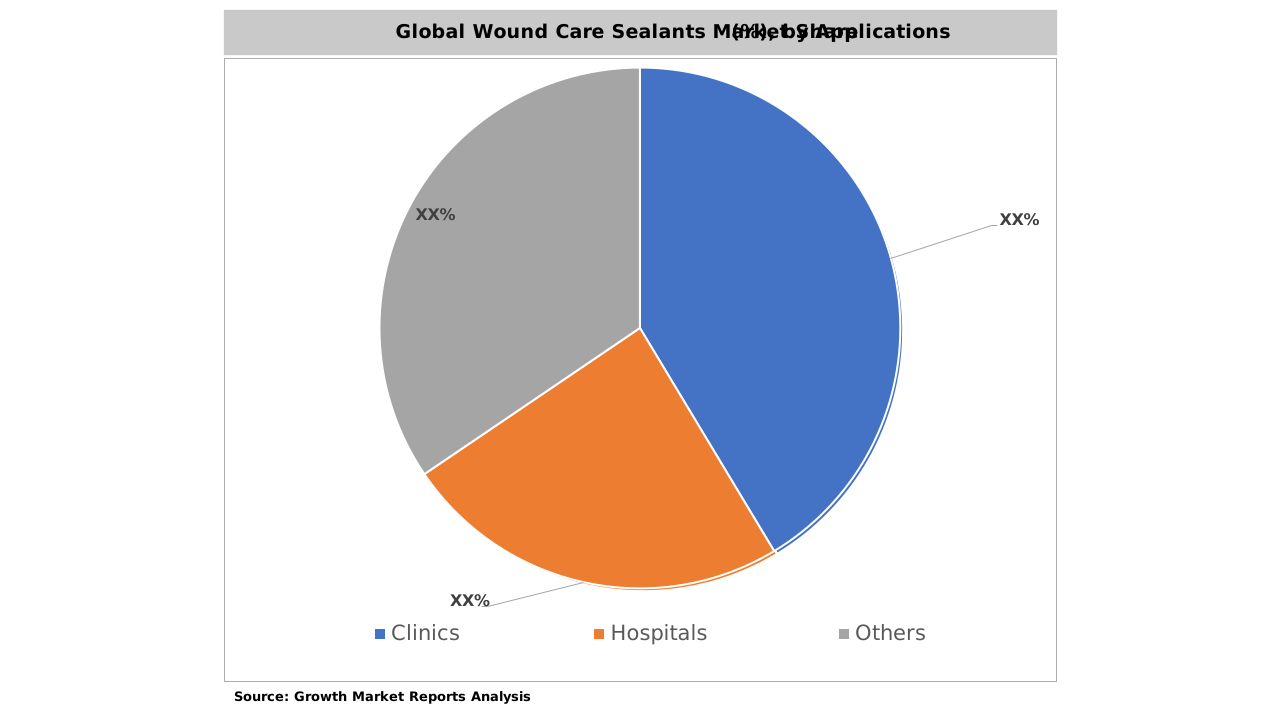
The end-user segment of the wound care sealants market comprises hospitals, clinics, ambulatory surgical centers, home care settings, and others. Hospitals remain the primary end-users, accounting for the largest market share due to the high volume of surgical procedures, advanced healthcare infrastructure, and access to a wide range of wound care products. The presence of skilled healthcare professionals and the availability of specialized wound care units further support the adoption of advanced sealant technologies in hospital settings. Hospitals also play a critical role in the evaluation and adoption of new sealant products through clinical trials and pilot programs, influencing market trends and product development.
Clinics, including specialty wound care centers and outpatient facilities, represent a growing segment within the wound care sealants market. The increasing focus on early intervention and outpatient care, coupled with the rising prevalence of chronic wounds and minor injuries, has driven the demand for sealants in clinic settings. Clinics offer the advantage of personalized care and follow-up, making them ideal for the management of non-complex wounds and post-surgical care. The availability of portable and easy-to-use sealant products has further facilitated their adoption in clinics, enabling healthcare providers to deliver effective wound closure solutions with minimal resources.
Ambulatory surgical centers (ASCs) are emerging as key contributors to the growth of the wound care sealants market, driven by the shift towards minimally invasive procedures and same-day surgeries. ASCs offer cost-effective and efficient alternatives to hospital-based surgeries, with a focus on patient convenience and rapid recovery. The use of wound care sealants in ASCs is particularly advantageous due to their ability to reduce procedure times, minimize the need for sutures, and lower the risk of postoperative complications. The growing number of ASCs, particularly in developed regions, is expected to drive the demand for advanced sealant products in the coming years.
Home care settings are gaining prominence as a result of the increasing trend towards home-based healthcare and the rising number of patients requiring long-term wound management. Wound care sealants designed for home use are typically easy to apply, safe, and effective, allowing patients and caregivers to manage wounds without frequent hospital visits. The expansion of telemedicine and remote monitoring technologies has further supported the adoption of wound care sealants in home care settings, enabling healthcare providers to guide and monitor patients remotely. The "others" category includes military and emergency medical services, veterinary care, and research institutions, reflecting the diverse end-user landscape of the wound care sealants market.
The wound care sealants market presents a multitude of opportunities for growth and innovation, particularly in the area of product development and technological advancement. The increasing demand for personalized and patient-centric wound care solutions has opened avenues for the development of next-generation sealants with enhanced properties, such as antimicrobial activity, bioactive components, and controlled release mechanisms. The integration of nanotechnology, regenerative medicine, and smart materials into sealant formulations is expected to revolutionize wound care, offering improved healing outcomes and reduced complications. Additionally, the expansion of healthcare infrastructure in emerging economies and the growing adoption of advanced wound care products in these regions present significant market opportunities for both established players and new entrants.
Another major opportunity lies in the expansion of the wound care sealants market into new application areas and end-user segments. The increasing awareness about the benefits of advanced wound care solutions, coupled with the rising prevalence of chronic wounds and surgical procedures, is driving the demand for sealants in non-traditional settings such as home care, military, and veterinary medicine. Strategic collaborations and partnerships between industry players, healthcare providers, and research institutions are expected to accelerate the development and commercialization of innovative sealant products. Furthermore, favorable regulatory environments and reimbursement policies in developed markets are supporting the adoption of advanced wound care sealants, creating a conducive environment for market growth.
Despite the numerous opportunities, the wound care sealants market faces certain restraints and challenges that may hinder its growth. One of the primary threats is the stringent regulatory requirements and approval processes for new sealant products, particularly those involving novel biomaterials or drug-device combinations. The high cost of advanced sealant products, coupled with limited reimbursement in certain regions, may also restrict their adoption, especially in cost-sensitive markets. Additionally, concerns regarding the safety, efficacy, and long-term outcomes of certain sealant formulations may impact market acceptance. Addressing these challenges through ongoing research, clinical validation, and stakeholder engagement will be critical to sustaining the growth of the wound care sealants market.
North America continues to lead the global wound care sealants market, accounting for the largest share with an estimated market size of USD 830 million in 2024. This dominance can be attributed to the high prevalence of chronic wounds, advanced healthcare infrastructure, and the strong presence of leading manufacturers and research institutions. The United States, in particular, is a major contributor to regional growth, driven by favorable reimbursement policies, high healthcare spending, and a large patient pool requiring surgical and wound care interventions. Canada also plays a significant role, with increasing investments in healthcare innovation and a growing focus on advanced wound management.
Europe is the second-largest regional market, with a market size of approximately USD 610 million in 2024. The region benefits from well-established healthcare systems, a high incidence of chronic diseases, and a strong emphasis on research and development. Countries such as Germany, the United Kingdom, and France are at the forefront of wound care innovation, supported by government initiatives and public-private partnerships. The European market is characterized by a high adoption rate of advanced wound care products, including sealants, and a growing focus on personalized medicine and regenerative therapies. The region is expected to maintain steady growth, with a projected CAGR of 6.9% through 2033.
The Asia Pacific region is emerging as the fastest-growing market for wound care sealants, with a market size of USD 430 million in 2024 and a projected CAGR of 8.5% during the forecast period. This rapid growth is driven by increasing healthcare expenditure, rising awareness about advanced wound care solutions, and a large and growing patient population. Countries such as China, India, and Japan are witnessing significant investments in healthcare infrastructure and innovation, creating new opportunities for market expansion. Latin America and the Middle East & Africa are also experiencing steady growth, supported by improving healthcare access, expanding medical tourism, and increasing adoption of advanced wound care products in both public and private healthcare settings.
The competitive landscape of the wound care sealants market is characterized by intense rivalry among leading players, continuous innovation, and a strong focus on research and development. Major companies are investing heavily in the development of new and improved sealant formulations, leveraging advances in biomaterials, polymer science, and regenerative medicine. The market is witnessing a trend towards the introduction of bioactive, antimicrobial, and smart sealant products that offer enhanced healing outcomes and reduced complications. Strategic collaborations, mergers and acquisitions, and partnerships with research institutions and healthcare providers are common strategies employed by market leaders to strengthen their product portfolios and expand their global presence.
In addition to product innovation, companies are focusing on regulatory compliance, clinical validation, and market access strategies to ensure the successful commercialization of new sealant products. The ability to demonstrate safety, efficacy, and cost-effectiveness through robust clinical trials and real-world evidence is critical to gaining regulatory approvals and securing reimbursement from healthcare payers. Companies are also investing in marketing and education initiatives to raise awareness among healthcare professionals and patients about the benefits of advanced wound care sealants. The competitive environment is further shaped by the entry of new players, particularly in emerging markets, driving price competition and product differentiation.
The wound care sealants market is also witnessing increased activity in terms of partnerships and collaborations aimed at accelerating innovation and expanding market reach. Leading companies are partnering with academic institutions, research organizations, and technology providers to leverage complementary expertise and resources. These collaborations are facilitating the development of next-generation sealants with novel properties, such as controlled drug release, enhanced biocompatibility, and real-time monitoring capabilities. The focus on sustainability and environmental responsibility is also driving the development of eco-friendly sealant formulations, in response to growing regulatory and consumer pressures.
Some of the major companies operating in the wound care sealants market include Johnson & Johnson (Ethicon), Baxter International Inc., B. Braun Melsungen AG, Medtronic plc, CryoLife, Inc., Integra LifeSciences Holdings Corporation, Cohera Medical, Inc., Advanced Medical Solutions Group plc, and Sealantis Ltd. These companies are at the forefront of innovation, with a strong focus on expanding their product portfolios, enhancing clinical evidence, and strengthening their global distribution networks. Johnson & Johnson (Ethicon) is a leader in surgical wound care solutions, offering a comprehensive range of sealants and adhesives for various surgical specialties. Baxter International is known for its advanced hemostatic agents and sealants, with a strong presence in both developed and emerging markets. B. Braun Melsungen AG and Medtronic plc are recognized for their commitment to research and development, with a focus on developing next-generation wound closure solutions. CryoLife, Integra LifeSciences, and Advanced Medical Solutions Group are also key players, with a strong emphasis on innovation, clinical validation, and global expansion. These companies are expected to play a pivotal role in shaping the future of the wound care sealants market through ongoing innovation, strategic partnerships, and a relentless focus on improving patient outcomes.
The Wound Care Sealants market has been segmented on the basis of
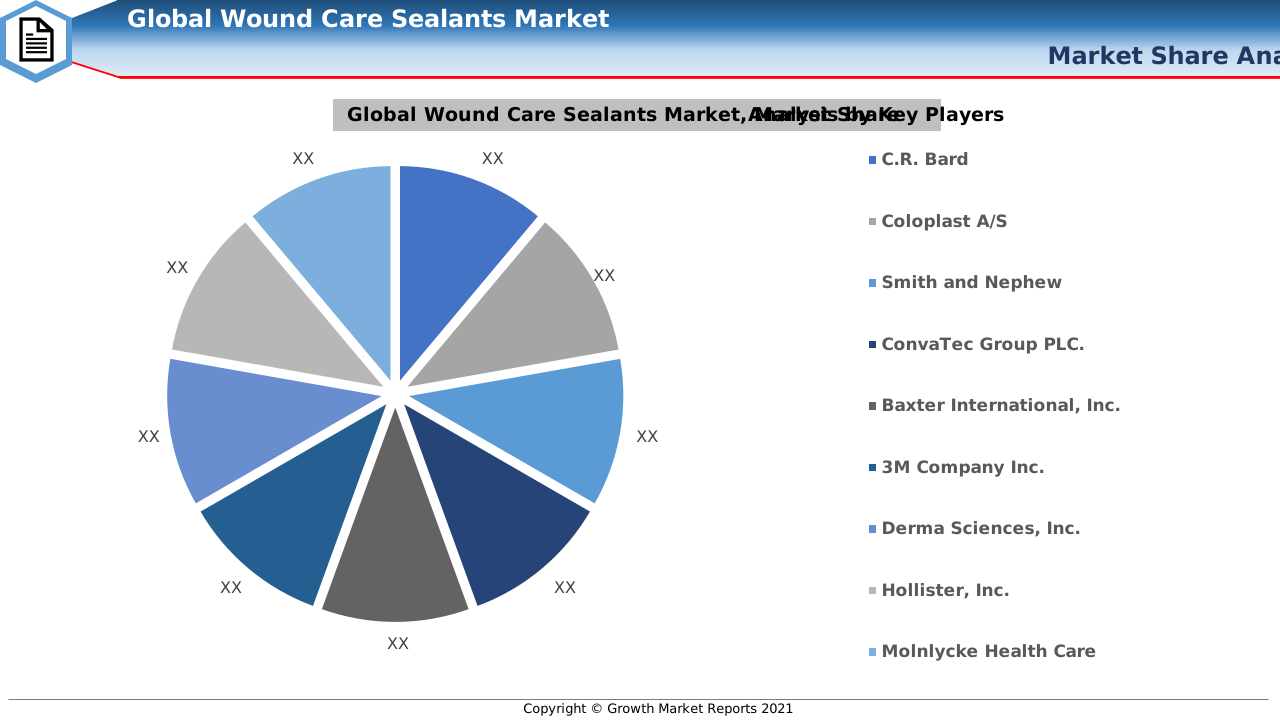
Some of the major players competing in the global wound care sealant market are C.R. Bard; Coloplast A/S; Smith and Nephew; ConvaTec Group PLC.; Baxter International, Inc.; 3M Company Inc.; Derma Sciences, Inc.; Hollister, Inc.; and Molnlycke Health Care. These companies are implementing strategies such as technological advancements, innovative solution, new developed product launches, research initiatives, merger & acquisitions, and regional expansions to secure their advantageous position in the market.
Opportunities include the development of next-generation sealants with enhanced antimicrobial and bioactive properties, expansion into emerging markets, and increased adoption in home care and non-traditional settings.
Major players include Johnson & Johnson (Ethicon), Baxter International Inc., B. Braun Melsungen AG, Medtronic plc, CryoLife, Integra LifeSciences, Advanced Medical Solutions Group, and Sealantis Ltd.
Recent advancements include the development of bioactive and biocompatible sealants, integration of antimicrobial agents and growth factors, and the use of nanotechnology and smart materials for improved healing outcomes.
Challenges include stringent regulatory requirements, high costs of advanced sealants, limited reimbursement in some regions, and concerns about the safety and efficacy of certain formulations.
North America holds the largest market share, followed by Europe and the Asia Pacific. The Asia Pacific region is expected to witness the fastest growth through 2033.
Primary end-users include hospitals, clinics, ambulatory surgical centers, home care settings, and others such as military, emergency medical services, and research institutions.
Wound care sealants are widely used for surgical wounds, traumatic wounds, ulcers (including diabetic foot and pressure ulcers), burns, and other applications such as cosmetic procedures and veterinary medicine.
The market is segmented into natural sealants (derived from biological sources like fibrin and collagen), synthetic sealants (engineered from polymers), and semi-synthetic sealants (combining natural and synthetic materials).
Key growth drivers include advancements in biomaterial technologies, increasing incidences of chronic and traumatic wounds, a growing geriatric population, and rising demand for minimally invasive procedures.
The global wound care sealants market reached USD 2.14 billion in 2024 and is projected to grow at a CAGR of 7.2%, reaching approximately USD 4.06 billion by 2033.