Winter Sports Injury Treatment Market Research Report 2033

Winter Sports Injury Treatment Market Research Report 2033

Segments - by Treatment Type (Medication, Physical Therapy, Surgery, Assistive Devices, Others), by Injury Type (Fractures, Sprains & Strains, Dislocations, Concussions, Others), by End-User (Hospitals, Clinics, Ambulatory Surgical Centers, Others)

https://growthmarketreports.com/raksha
Author : Raksha Sharma
https://growthmarketreports.com/Vaibhav
Fact-checked by : V. Chandola
https://growthmarketreports.com/Shruti
Editor : Shruti Bhat

Upcoming | Report ID :HC-2477 | 4.3 Rating | 85 Reviews | 284 Pages | Format : Docx PDF

Report Description


Winter Sports Injury Treatment Market Outlook

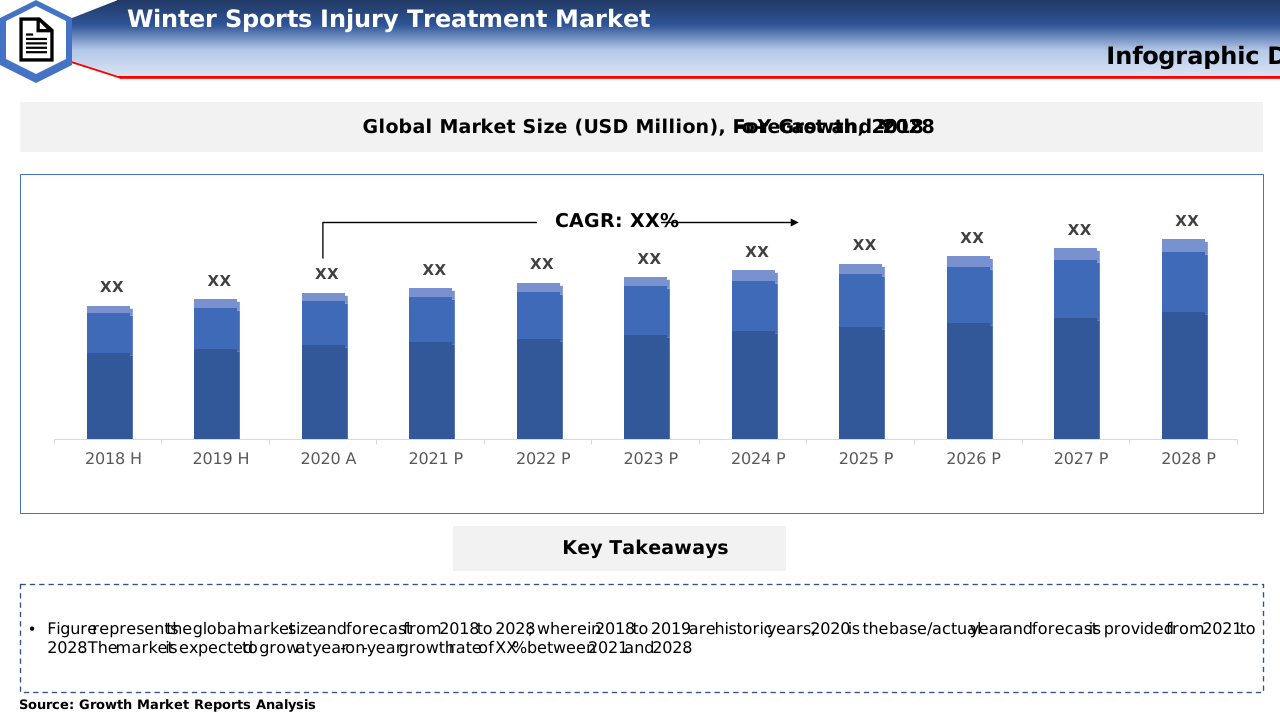
According to our latest research, the winter sports injury treatment market size reached USD 2.34 billion in 2024, reflecting the growing global participation in winter sports and the corresponding rise in sports-related injuries. The market is projected to grow at a robust CAGR of 6.2% from 2025 to 2033, with the total market size expected to reach USD 4.03 billion by 2033. This growth is primarily driven by advancements in treatment modalities, increased awareness regarding sports safety, and the expanding popularity of winter sports across both developed and emerging economies. As per our latest research, the market’s trajectory is shaped by technological innovation, a surge in winter sports tourism, and the rising prevalence of injuries requiring specialized medical intervention.

The growth of the winter sports injury treatment market is underpinned by several key factors. Firstly, the increasing global popularity of winter sports such as skiing, snowboarding, ice hockey, and figure skating has resulted in a higher incidence of sports-related injuries. With more people participating in both recreational and professional winter sports, the demand for effective injury treatment solutions has surged. Additionally, the proliferation of winter sports events, including the Winter Olympics and regional competitions, has not only fueled public interest but also necessitated better preparedness for injury management. This trend is further amplified by the rising number of winter sports facilities and clubs, particularly in North America and Europe, where winter sports are deeply ingrained in the culture. The growing emphasis on safety protocols and injury prevention has also led to earlier diagnosis and treatment, contributing to the market’s expansion.

Another significant growth driver is the continuous advancement in medical technology and treatment protocols. The development of minimally invasive surgical techniques, innovative assistive devices, and advanced physical therapy modalities has dramatically improved the prognosis and recovery time for winter sports injuries. Pharmaceutical companies are also investing in the development of specialized medications for pain management and inflammation control, catering specifically to sports injuries. The integration of telemedicine and digital health solutions has further enhanced patient access to expert care, especially in remote or mountainous regions where winter sports are prevalent. These technological advancements have not only improved clinical outcomes but also increased the adoption of professional treatment services, thereby boosting the overall market growth.

Furthermore, the growing awareness regarding the long-term impact of untreated or poorly managed sports injuries has led to a paradigm shift in how athletes and recreational participants approach injury management. Educational campaigns, both by government agencies and private organizations, have emphasized the importance of timely medical intervention and rehabilitation. This has resulted in a greater propensity among individuals to seek professional care rather than relying on self-treatment or alternative therapies. The insurance sector has also played a pivotal role by expanding coverage for sports-related injuries, making advanced treatment options more accessible to a wider demographic. Collectively, these factors have fostered a proactive approach to winter sports injury treatment, driving sustained market growth.

Regionally, the winter sports injury treatment market exhibits a strong presence in North America and Europe, owing to the widespread participation in winter sports and the availability of advanced healthcare infrastructure. North America, in particular, leads the market due to its established network of sports medicine clinics, high expenditure on healthcare, and the popularity of winter sports in countries like the United States and Canada. Europe follows closely, with countries such as Switzerland, Austria, and France being prominent hubs for winter sports tourism. Meanwhile, the Asia Pacific region is emerging as a lucrative market, driven by increasing disposable incomes, the growing influence of Western sports culture, and the development of winter sports facilities in countries like China, Japan, and South Korea. Latin America and the Middle East & Africa, although smaller in market size, are witnessing gradual growth as winter sports gain traction in select regions.

Global Winter Sports Injury Treatment Industry Outlook

Treatment Type Analysis

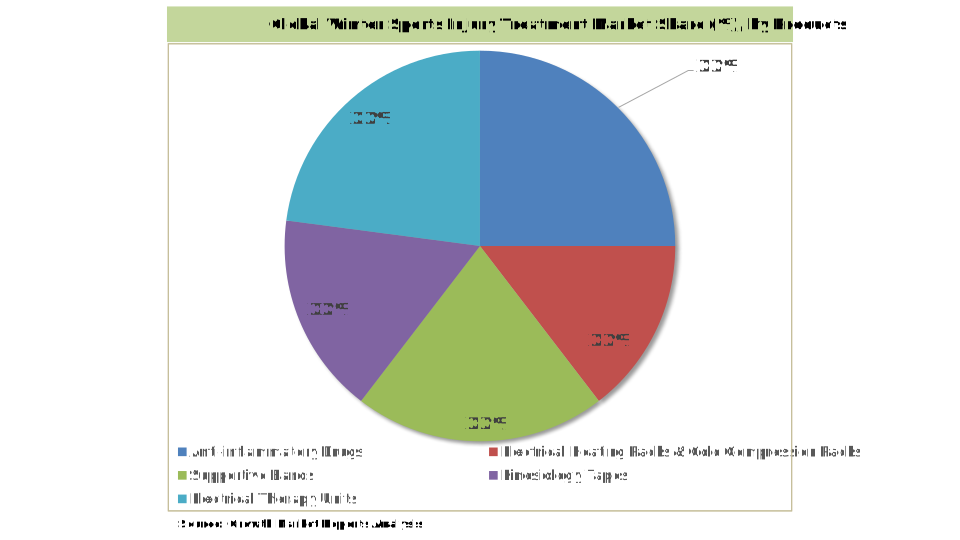
The treatment type segment of the winter sports injury treatment market is comprehensive, encompassing medication, physical therapy, surgery, assistive devices, and other specialized interventions. Medication remains a cornerstone for managing acute symptoms such as pain and inflammation, with pharmaceutical advancements leading to the introduction of targeted therapies that minimize side effects and enhance recovery. Non-steroidal anti-inflammatory drugs (NSAIDs) and muscle relaxants are commonly prescribed, while newer biologic agents are being explored for severe or chronic injuries. The rising trend of personalized medicine is also influencing prescribing patterns, with clinicians tailoring medication regimens based on individual patient profiles and injury characteristics. This segment continues to grow as pharmaceutical companies innovate to meet the specific needs of winter sports injury patients.

Physical therapy has emerged as a critical component in the rehabilitation of winter sports injuries, focusing on restoring mobility, strength, and function. Advances in rehabilitation science, including the use of robotics, virtual reality, and wearable sensors, have transformed traditional physical therapy into a more precise and outcome-driven discipline. Sports therapists are increasingly employing evidence-based protocols that expedite recovery and reduce the risk of re-injury. The integration of tele-rehabilitation platforms has further expanded access to expert care, enabling patients in remote or underserved regions to receive timely guidance and support. As awareness of the importance of rehabilitation grows, the demand for specialized physical therapy services is expected to rise significantly.

Surgical intervention is often required for severe winter sports injuries such as complex fractures, ligament tears, and dislocations. The field of orthopedic surgery has witnessed remarkable progress, with minimally invasive techniques, arthroscopy, and advanced fixation devices improving patient outcomes and reducing hospital stays. Surgeons are now able to perform intricate procedures with greater precision, leading to faster recovery times and lower complication rates. The adoption of 3D printing technology for custom implants and the use of biologics for tissue regeneration are further enhancing the efficacy of surgical treatments. As the number of high-impact sports injuries increases, the surgical segment is poised for substantial growth within the winter sports injury treatment market.

Assistive devices such as braces, splints, orthotics, and mobility aids play a pivotal role in both acute injury management and long-term rehabilitation. The market for assistive devices is driven by innovation in materials science, resulting in products that are lighter, more durable, and ergonomically designed. Customization options, including 3D scanning and printing, allow for tailored solutions that optimize patient comfort and functional recovery. The rising prevalence of sports injuries, coupled with the growing emphasis on early mobilization, has fueled demand for assistive devices across all age groups. Manufacturers are also focusing on integrating smart technologies, such as sensors and connectivity features, to monitor patient progress and enhance compliance.

The other treatment types segment encompasses a range of complementary and alternative therapies, including acupuncture, massage therapy, and regenerative medicine approaches such as platelet-rich plasma (PRP) and stem cell therapy. These modalities are gaining popularity among athletes seeking holistic or adjunctive treatment options. While clinical evidence supporting their efficacy varies, ongoing research and increasing patient interest are expected to drive growth in this segment. The integration of multidisciplinary care models, where conventional and alternative therapies are combined, is becoming more prevalent in specialized sports medicine centers, further expanding the scope of the winter sports injury treatment market.

Report Scope

Attributes Details
Report Title Winter Sports Injury Treatment Market Research Report 2033
By Treatment Type Medication, Physical Therapy, Surgery, Assistive Devices, Others
By Injury Type Fractures, Sprains & Strains, Dislocations, Concussions, Others
By End-User Hospitals, Clinics, Ambulatory Surgical Centers, Others
Regions Covered North America, Europe, APAC, Latin America, MEA
Base Year 2024
Historic Data 2018-2023
Forecast Period 2025-2033
Number of Pages 284
Number of Tables & Figures 280
Customization Available Yes, the report can be customized as per your need.

Injury Type Analysis

The injury type segment within the winter sports injury treatment market is diverse, reflecting the wide range of injuries commonly sustained during winter sports activities. Fractures are among the most prevalent injuries, particularly in high-impact sports such as skiing and snowboarding. The management of fractures has evolved with the introduction of advanced fixation devices, bone stimulators, and biologic agents that promote faster healing. Pediatric and geriatric populations, who are at higher risk for fractures, have specific treatment protocols tailored to their unique physiological needs. The increasing use of imaging technologies for accurate diagnosis and the adoption of minimally invasive surgical techniques are enhancing outcomes for patients with complex fractures.

Sprains and strains represent another significant category, often resulting from sudden twists, falls, or overuse during winter sports. The treatment of these soft tissue injuries typically involves a combination of medication, physical therapy, and the use of assistive devices. Advances in regenerative medicine, such as PRP and stem cell injections, are being explored for chronic or severe cases, with promising results in tissue repair and pain reduction. Sports medicine specialists are also emphasizing preventive strategies, including strength training and proprioceptive exercises, to reduce the incidence of sprains and strains. The growing awareness of the importance of early intervention and rehabilitation is expected to drive demand for specialized treatment services in this segment.

Dislocations, particularly of the shoulder, knee, and fingers, are common in contact sports like ice hockey and snowboarding. The management of dislocations has benefited from improvements in reduction techniques, immobilization devices, and post-injury rehabilitation protocols. Early mobilization and targeted physical therapy are prioritized to prevent complications such as joint instability or recurrent dislocation. Surgical intervention may be necessary in cases of severe ligament or cartilage damage, with arthroscopic procedures offering minimally invasive solutions. The integration of imaging modalities such as MRI and ultrasound has improved diagnostic accuracy, enabling more precise treatment planning for dislocations.

Concussions and other forms of traumatic brain injury (TBI) have garnered significant attention in recent years, given their potential long-term impact on cognitive and neurological function. Winter sports such as ice hockey and skiing carry a notable risk of head injuries, prompting the development of specialized treatment protocols and preventive measures. Multidisciplinary care involving neurologists, sports medicine physicians, and rehabilitation specialists is now standard practice for concussion management. The use of advanced neuroimaging, cognitive assessment tools, and evidence-based return-to-play guidelines has improved the safety and outcomes for athletes sustaining head injuries. Ongoing research into neuroprotective agents and rehabilitation strategies is expected to further enhance the management of concussions in the winter sports injury treatment market.

The other injury types category encompasses a range of less common but clinically significant injuries, including frostbite, hypothermia, and overuse syndromes such as tendinitis and bursitis. These injuries require specialized treatment approaches, often involving multidisciplinary teams and advanced medical technologies. The rising incidence of overuse injuries, driven by increased participation in competitive sports and year-round training, has highlighted the need for preventive education and early intervention. As the understanding of the unique challenges posed by winter sports injuries deepens, the market is expected to see continued innovation in both diagnostic and therapeutic modalities across all injury types.

End-User Analysis

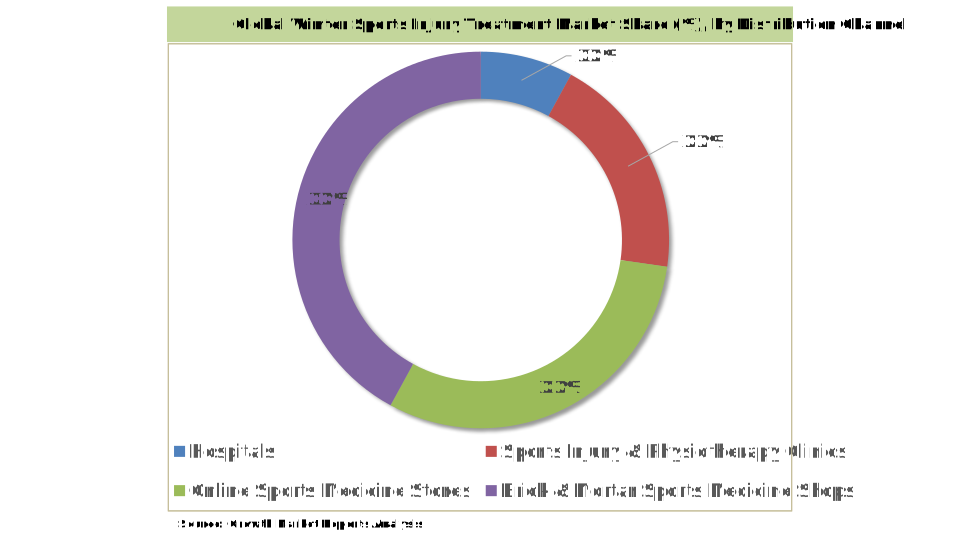
The end-user segment of the winter sports injury treatment market is dominated by hospitals, clinics, ambulatory surgical centers, and other healthcare facilities. Hospitals remain the primary providers of comprehensive injury treatment, particularly for severe or complex cases requiring multidisciplinary care. Equipped with advanced diagnostic and surgical capabilities, hospitals offer a full spectrum of services, from emergency care to rehabilitation. The presence of specialized sports medicine departments and trauma centers has further strengthened the role of hospitals in managing winter sports injuries. As the volume of injuries increases during the winter season, hospitals experience a surge in patient admissions, driving demand for advanced treatment solutions and skilled healthcare professionals.

Clinics, including specialized sports medicine and orthopedic clinics, play a crucial role in the outpatient management of winter sports injuries. These facilities are often the first point of contact for athletes and recreational participants seeking prompt evaluation and treatment. Clinics offer a wide range of services, including diagnosis, medication management, physical therapy, and minor surgical procedures. The growing trend towards ambulatory care and the emphasis on early intervention have contributed to the expansion of clinic-based services. Many clinics are also adopting digital health technologies, such as telemedicine and electronic health records, to enhance patient engagement and streamline care delivery.

Ambulatory surgical centers (ASCs) have gained prominence as efficient and cost-effective alternatives to hospital-based surgery for certain winter sports injuries. ASCs are equipped to perform a variety of minimally invasive procedures, including arthroscopy and fracture fixation, with shorter recovery times and lower infection rates compared to traditional hospital settings. The convenience and accessibility of ASCs make them an attractive option for both patients and payers, particularly for elective surgeries and same-day procedures. The increasing focus on value-based care and the shift towards outpatient treatment models are expected to drive continued growth in the ASC segment of the winter sports injury treatment market.

The other end-users category includes rehabilitation centers, sports clubs, and academic institutions that provide specialized injury management services. Rehabilitation centers, in particular, are critical for the long-term recovery and reintegration of athletes following severe injuries. These facilities offer comprehensive rehabilitation programs, including physical therapy, occupational therapy, and psychological support. Sports clubs and academic institutions are also investing in on-site medical facilities and injury prevention programs to support their athletes. The integration of multidisciplinary care teams and the use of advanced rehabilitation technologies are enhancing outcomes for patients across all end-user segments.

Overall, the end-user landscape of the winter sports injury treatment market is characterized by a diverse array of providers, each playing a unique role in the continuum of care. The increasing collaboration between hospitals, clinics, ASCs, and other facilities is fostering a more integrated and patient-centered approach to injury management. As the demand for specialized services continues to grow, end-users are expected to invest in advanced technologies, staff training, and quality improvement initiatives to meet the evolving needs of winter sports participants.

Opportunities & Threats

The winter sports injury treatment market presents a wealth of opportunities for stakeholders across the healthcare ecosystem. One of the most promising opportunities lies in the ongoing advancement of medical technology, particularly in the areas of minimally invasive surgery, regenerative medicine, and digital health. Companies that invest in research and development to create innovative treatment modalities and devices stand to gain a competitive edge. The growing adoption of telemedicine and remote monitoring solutions is also opening new avenues for patient engagement and care delivery, especially in remote or underserved regions. Furthermore, the increasing focus on preventive care and early intervention is creating demand for educational programs, wearable technologies, and injury surveillance systems. As winter sports gain popularity in emerging markets, there is significant potential for market expansion through strategic partnerships, capacity building, and localization of products and services.

Another key opportunity is the integration of multidisciplinary care models that combine conventional and alternative therapies to optimize patient outcomes. The rising interest in holistic and patient-centered care has led to the development of comprehensive rehabilitation programs that address not only the physical but also the psychological and social aspects of injury recovery. Collaborations between healthcare providers, sports organizations, and insurance companies are facilitating the creation of value-based care pathways that improve access, affordability, and quality of treatment. The increasing availability of insurance coverage for sports-related injuries is also reducing financial barriers and encouraging more individuals to seek professional care. As the understanding of the unique challenges posed by winter sports injuries deepens, there is ample scope for innovation and differentiation in both products and services.

Despite these opportunities, the winter sports injury treatment market faces several restraining factors that could impede growth. One of the primary challenges is the high cost of advanced treatment modalities, particularly surgical interventions and regenerative therapies, which may not be accessible to all patients. Limited reimbursement policies and variability in insurance coverage can further restrict access to care, especially in low- and middle-income countries. Additionally, the seasonal nature of winter sports and the concentration of injuries during specific months can lead to resource constraints and fluctuations in demand. The shortage of skilled healthcare professionals, particularly in remote or rural areas, also poses a significant barrier to timely and effective treatment. Addressing these challenges will require concerted efforts from policymakers, industry stakeholders, and healthcare providers to ensure equitable access and sustainable growth in the winter sports injury treatment market.

Regional Outlook

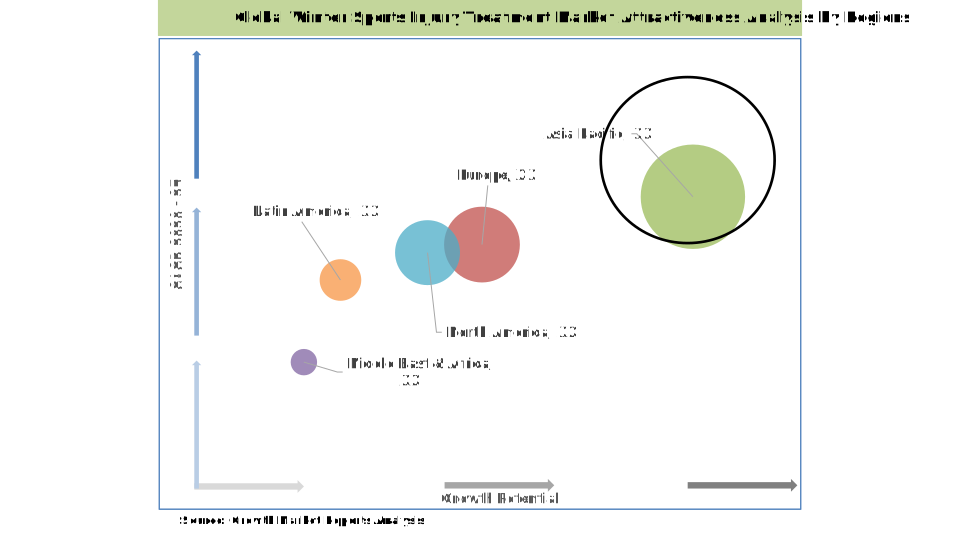
The regional outlook for the winter sports injury treatment market reveals distinct patterns of growth and demand across different geographies. North America dominates the market, accounting for approximately 38% of the global market size in 2024, with a valuation of USD 890 million. This leadership position is attributed to the widespread popularity of winter sports, advanced healthcare infrastructure, and the presence of leading sports medicine centers in the United States and Canada. The region also benefits from high healthcare expenditure, robust insurance coverage, and a strong focus on research and innovation. As winter sports continue to attract participants of all ages, the demand for injury treatment services is expected to remain strong, with North America projected to maintain a steady CAGR of 5.8% through 2033.

Europe follows closely, with a market size of USD 760 million in 2024, driven by the deep-rooted tradition of winter sports in countries such as Switzerland, Austria, France, and Germany. The region boasts a dense network of ski resorts, sports clubs, and specialized healthcare facilities, making it a hub for winter sports tourism and injury management. European countries are also at the forefront of adopting advanced treatment modalities and preventive strategies, supported by favorable government policies and public health initiatives. The market in Europe is anticipated to grow at a CAGR of 6.4% over the forecast period, fueled by increasing participation in winter sports and the rising prevalence of sports-related injuries.

The Asia Pacific region is emerging as a significant growth engine for the winter sports injury treatment market, with a market size of USD 410 million in 2024. Rapid urbanization, rising disposable incomes, and the growing influence of Western sports culture are driving increased participation in winter sports in countries such as China, Japan, and South Korea. The successful hosting of international events like the Winter Olympics has spurred investments in sports infrastructure and healthcare services. The Asia Pacific market is projected to register the highest CAGR of 7.2% from 2025 to 2033, as governments and private players focus on expanding access to quality injury treatment and preventive care. Latin America and the Middle East & Africa, while currently accounting for a smaller share of the global market, are expected to witness gradual growth as winter sports gain traction and healthcare systems evolve to meet the needs of sports participants.

Winter Sports Injury Treatment Market Statistics

Competitor Outlook

The winter sports injury treatment market is characterized by intense competition, with a diverse array of players ranging from multinational pharmaceutical companies and medical device manufacturers to specialized sports medicine clinics and rehabilitation centers. The competitive landscape is shaped by continuous innovation, strategic partnerships, and a strong emphasis on research and development. Leading companies are investing heavily in the development of advanced treatment modalities, including minimally invasive surgical techniques, regenerative therapies, and smart assistive devices. The integration of digital health solutions, such as telemedicine platforms and wearable technologies, is also redefining the standard of care and creating new opportunities for differentiation. As the market evolves, companies are increasingly focusing on patient-centered approaches, value-based care models, and the expansion of service offerings to capture a larger share of the growing demand for winter sports injury treatment.

Strategic collaborations and mergers and acquisitions are common in this market, as companies seek to strengthen their product portfolios, expand their geographic footprint, and leverage complementary capabilities. Partnerships between medical device manufacturers, pharmaceutical companies, and healthcare providers are facilitating the development of integrated care pathways that improve patient outcomes and streamline the treatment process. The entry of technology firms into the healthcare space is further intensifying competition, with digital platforms and artificial intelligence-driven solutions enhancing diagnosis, monitoring, and rehabilitation. Regulatory compliance and quality assurance remain critical success factors, as companies navigate the complex landscape of medical device approvals and clinical guidelines.

The market is also witnessing the emergence of niche players specializing in specific segments, such as regenerative medicine, sports rehabilitation, or pediatric injury management. These companies are leveraging their expertise and agility to address unmet needs and capitalize on emerging trends. The growing trend towards customization and personalization of treatment solutions is driving demand for tailored products and services, particularly in the areas of assistive devices and rehabilitation programs. As patient expectations evolve and the emphasis on holistic care increases, companies that can offer comprehensive, multidisciplinary solutions are likely to gain a competitive advantage.

Major companies operating in the winter sports injury treatment market include Zimmer Biomet Holdings, Inc., Stryker Corporation, Smith & Nephew plc, Johnson & Johnson (DePuy Synthes), DJO Global, Inc., Arthrex, Inc., Medtronic plc, Össur hf., Breg, Inc., and Mueller Sports Medicine, Inc. These industry leaders are known for their extensive product portfolios, strong distribution networks, and commitment to innovation. Zimmer Biomet and Stryker, for example, are renowned for their orthopedic implants and surgical solutions, while Smith & Nephew and Arthrex are leaders in arthroscopic and minimally invasive technologies. Johnson & Johnson, through its DePuy Synthes division, offers a wide range of trauma and sports medicine products, catering to both acute and chronic injury management.

DJO Global, Össur, and Breg are prominent players in the assistive devices and rehabilitation segment, offering a variety of braces, supports, and mobility aids designed specifically for sports injuries. Medtronic and Mueller Sports Medicine have established themselves as innovators in pain management and injury prevention, with a focus on developing advanced therapies and educational resources. These companies are actively engaged in research collaborations, clinical trials, and product launches to maintain their competitive edge and address the evolving needs of winter sports participants. As the market continues to grow and diversify, the competitive landscape is expected to remain dynamic, with both established and emerging players vying for leadership in the winter sports injury treatment market.

Key Players

  • Stryker Corporation
  • Smith & Nephew plc
  • Zimmer Biomet Holdings, Inc.
  • Johnson & Johnson (DePuy Synthes)
  • Arthrex, Inc.
  • Medtronic plc
  • Breg, Inc.
  • DJO Global, Inc.
  • Össur hf.
  • Mueller Sports Medicine, Inc.
  • Bauerfeind AG
  • Conmed Corporation
  • Enovis (formerly Colfax Corporation/DJO)
  • 3M Company
  • BSN Medical GmbH
  • Integra LifeSciences Holdings Corporation
  • Wright Medical Group N.V.
  • Orthofix Medical Inc.
  • VQ OrthoCare
  • Sanofi S.A.
Winter Sports Injury Treatment Market Overview

Segments

The Winter Sports Injury Treatment market has been segmented on the basis of

Treatment Type

  • Medication
  • Physical Therapy
  • Surgery
  • Assistive Devices
  • Others

Injury Type

  • Fractures
  • Sprains & Strains
  • Dislocations
  • Concussions
  • Others

End-User

  • Hospitals
  • Clinics
  • Ambulatory Surgical Centers
  • Others

Competitive Landscape

The key players competing in the global winter sports injury treatment market are Arthrex, Inc.; Smith & Nephew PLC; DePuySynthes; Stryker Corp.; and Mueller Sports Medicine, Inc. Some of these players have adopted several market development strategies such as launching new products, collaborations, mergers, and capacity expansion of production units to enhance their market positions.
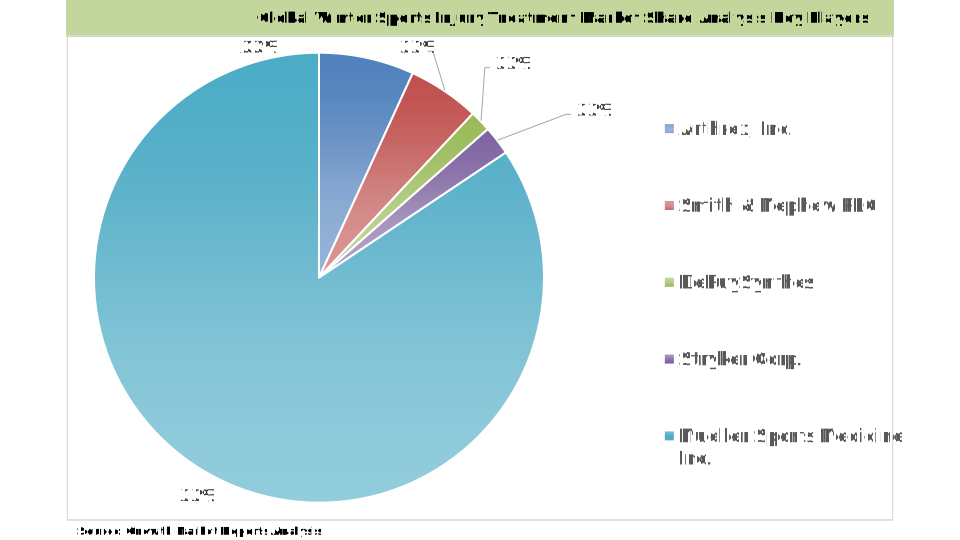

Global Winter Sports Injury Treatment Market Key Players

Frequently Asked Questions

Technological advancements such as minimally invasive surgery, regenerative medicine, telemedicine, wearable sensors, and digital health solutions are improving diagnosis, treatment outcomes, and patient access to care.

Key players include Stryker Corporation, Smith & Nephew plc, Zimmer Biomet Holdings, Johnson & Johnson (DePuy Synthes), Arthrex, Medtronic, Breg, DJO Global, Össur, and Mueller Sports Medicine.

Challenges include the high cost of advanced treatments, limited reimbursement policies, seasonal fluctuations in demand, and shortages of skilled healthcare professionals in certain regions.

Growth is driven by advancements in medical technology, increased awareness of sports safety, the popularity of winter sports, improved healthcare infrastructure, and expanded insurance coverage for sports-related injuries.

Major end-users include hospitals, clinics, ambulatory surgical centers, rehabilitation centers, sports clubs, and academic institutions.

The most common winter sports injuries include fractures, sprains and strains, dislocations, concussions, and overuse injuries like tendinitis and bursitis.

Key treatment types include medication (such as NSAIDs and muscle relaxants), physical therapy, surgery (including minimally invasive techniques), assistive devices (like braces and orthotics), and alternative therapies such as PRP and stem cell treatments.

North America leads the market, accounting for about 38% of the global share, followed by Europe. The Asia Pacific region is emerging as a fast-growing market due to rising participation in winter sports.

The market is expected to grow at a CAGR of 6.2% from 2025 to 2033, reaching an estimated USD 4.03 billion by 2033.

As of 2024, the winter sports injury treatment market is valued at USD 2.34 billion, reflecting increased global participation in winter sports and a rise in related injuries.

Table Of Content

Chapter 1 Executive Summary
Chapter 2 Assumptions and Acronyms Used
Chapter 3 Research Methodology
Chapter 4 Winter Sports Injury Treatment Market Overview
   4.1 Introduction
      4.1.1 Market Taxonomy
      4.1.2 Market Definition
      4.1.3 Macro-Economic Factors Impacting the Market Growth
   4.2 Winter Sports Injury Treatment Market Dynamics
      4.2.1 Market Drivers
      4.2.2 Market Restraints
      4.2.3 Market Opportunity
   4.3 Winter Sports Injury Treatment Market - Supply Chain Analysis
      4.3.1 List of Key Suppliers
      4.3.2 List of Key Distributors
      4.3.3 List of Key Consumers
   4.4 Key Forces Shaping the Winter Sports Injury Treatment Market
      4.4.1 Bargaining Power of Suppliers
      4.4.2 Bargaining Power of Buyers
      4.4.3 Threat of Substitution
      4.4.4 Threat of New Entrants
      4.4.5 Competitive Rivalry
   4.5 Global Winter Sports Injury Treatment Market Size & Forecast, 2023-2032
      4.5.1 Winter Sports Injury Treatment Market Size and Y-o-Y Growth
      4.5.2 Winter Sports Injury Treatment Market Absolute $ Opportunity

Chapter 5 Global Winter Sports Injury Treatment Market Analysis and Forecast By Treatment Type
   5.1 Introduction
      5.1.1 Key Market Trends & Growth Opportunities By Treatment Type
      5.1.2 Basis Point Share (BPS) Analysis By Treatment Type
      5.1.3 Absolute $ Opportunity Assessment By Treatment Type
   5.2 Winter Sports Injury Treatment Market Size Forecast By Treatment Type
      5.2.1 Medication
      5.2.2 Physical Therapy
      5.2.3 Surgery
      5.2.4 Assistive Devices
      5.2.5 Others
   5.3 Market Attractiveness Analysis By Treatment Type

Chapter 6 Global Winter Sports Injury Treatment Market Analysis and Forecast By Injury Type
   6.1 Introduction
      6.1.1 Key Market Trends & Growth Opportunities By Injury Type
      6.1.2 Basis Point Share (BPS) Analysis By Injury Type
      6.1.3 Absolute $ Opportunity Assessment By Injury Type
   6.2 Winter Sports Injury Treatment Market Size Forecast By Injury Type
      6.2.1 Fractures
      6.2.2 Sprains & Strains
      6.2.3 Dislocations
      6.2.4 Concussions
      6.2.5 Others
   6.3 Market Attractiveness Analysis By Injury Type

Chapter 7 Global Winter Sports Injury Treatment Market Analysis and Forecast By End-User
   7.1 Introduction
      7.1.1 Key Market Trends & Growth Opportunities By End-User
      7.1.2 Basis Point Share (BPS) Analysis By End-User
      7.1.3 Absolute $ Opportunity Assessment By End-User
   7.2 Winter Sports Injury Treatment Market Size Forecast By End-User
      7.2.1 Hospitals
      7.2.2 Clinics
      7.2.3 Ambulatory Surgical Centers
      7.2.4 Others
   7.3 Market Attractiveness Analysis By End-User

Chapter 8 Global Winter Sports Injury Treatment Market Analysis and Forecast by Region
   8.1 Introduction
      8.1.1 Key Market Trends & Growth Opportunities By Region
      8.1.2 Basis Point Share (BPS) Analysis By Region
      8.1.3 Absolute $ Opportunity Assessment By Region
   8.2 Winter Sports Injury Treatment Market Size Forecast By Region
      8.2.1 North America
      8.2.2 Europe
      8.2.3 Asia Pacific
      8.2.4 Latin America
      8.2.5 Middle East & Africa (MEA)
   8.3 Market Attractiveness Analysis By Region

Chapter 9 Coronavirus Disease (COVID-19) Impact 
   9.1 Introduction 
   9.2 Current & Future Impact Analysis 
   9.3 Economic Impact Analysis 
   9.4 Government Policies 
   9.5 Investment Scenario

Chapter 10 North America Winter Sports Injury Treatment Analysis and Forecast
   10.1 Introduction
   10.2 North America Winter Sports Injury Treatment Market Size Forecast by Country
      10.2.1 U.S.
      10.2.2 Canada
   10.3 Basis Point Share (BPS) Analysis by Country
   10.4 Absolute $ Opportunity Assessment by Country
   10.5 Market Attractiveness Analysis by Country
   10.6 North America Winter Sports Injury Treatment Market Size Forecast By Treatment Type
      10.6.1 Medication
      10.6.2 Physical Therapy
      10.6.3 Surgery
      10.6.4 Assistive Devices
      10.6.5 Others
   10.7 Basis Point Share (BPS) Analysis By Treatment Type 
   10.8 Absolute $ Opportunity Assessment By Treatment Type 
   10.9 Market Attractiveness Analysis By Treatment Type
   10.10 North America Winter Sports Injury Treatment Market Size Forecast By Injury Type
      10.10.1 Fractures
      10.10.2 Sprains & Strains
      10.10.3 Dislocations
      10.10.4 Concussions
      10.10.5 Others
   10.11 Basis Point Share (BPS) Analysis By Injury Type 
   10.12 Absolute $ Opportunity Assessment By Injury Type 
   10.13 Market Attractiveness Analysis By Injury Type
   10.14 North America Winter Sports Injury Treatment Market Size Forecast By End-User
      10.14.1 Hospitals
      10.14.2 Clinics
      10.14.3 Ambulatory Surgical Centers
      10.14.4 Others
   10.15 Basis Point Share (BPS) Analysis By End-User 
   10.16 Absolute $ Opportunity Assessment By End-User 
   10.17 Market Attractiveness Analysis By End-User

Chapter 11 Europe Winter Sports Injury Treatment Analysis and Forecast
   11.1 Introduction
   11.2 Europe Winter Sports Injury Treatment Market Size Forecast by Country
      11.2.1 Germany
      11.2.2 France
      11.2.3 Italy
      11.2.4 U.K.
      11.2.5 Spain
      11.2.6 Russia
      11.2.7 Rest of Europe
   11.3 Basis Point Share (BPS) Analysis by Country
   11.4 Absolute $ Opportunity Assessment by Country
   11.5 Market Attractiveness Analysis by Country
   11.6 Europe Winter Sports Injury Treatment Market Size Forecast By Treatment Type
      11.6.1 Medication
      11.6.2 Physical Therapy
      11.6.3 Surgery
      11.6.4 Assistive Devices
      11.6.5 Others
   11.7 Basis Point Share (BPS) Analysis By Treatment Type 
   11.8 Absolute $ Opportunity Assessment By Treatment Type 
   11.9 Market Attractiveness Analysis By Treatment Type
   11.10 Europe Winter Sports Injury Treatment Market Size Forecast By Injury Type
      11.10.1 Fractures
      11.10.2 Sprains & Strains
      11.10.3 Dislocations
      11.10.4 Concussions
      11.10.5 Others
   11.11 Basis Point Share (BPS) Analysis By Injury Type 
   11.12 Absolute $ Opportunity Assessment By Injury Type 
   11.13 Market Attractiveness Analysis By Injury Type
   11.14 Europe Winter Sports Injury Treatment Market Size Forecast By End-User
      11.14.1 Hospitals
      11.14.2 Clinics
      11.14.3 Ambulatory Surgical Centers
      11.14.4 Others
   11.15 Basis Point Share (BPS) Analysis By End-User 
   11.16 Absolute $ Opportunity Assessment By End-User 
   11.17 Market Attractiveness Analysis By End-User

Chapter 12 Asia Pacific Winter Sports Injury Treatment Analysis and Forecast
   12.1 Introduction
   12.2 Asia Pacific Winter Sports Injury Treatment Market Size Forecast by Country
      12.2.1 China
      12.2.2 Japan
      12.2.3 South Korea
      12.2.4 India
      12.2.5 Australia
      12.2.6 South East Asia (SEA)
      12.2.7 Rest of Asia Pacific (APAC)
   12.3 Basis Point Share (BPS) Analysis by Country
   12.4 Absolute $ Opportunity Assessment by Country
   12.5 Market Attractiveness Analysis by Country
   12.6 Asia Pacific Winter Sports Injury Treatment Market Size Forecast By Treatment Type
      12.6.1 Medication
      12.6.2 Physical Therapy
      12.6.3 Surgery
      12.6.4 Assistive Devices
      12.6.5 Others
   12.7 Basis Point Share (BPS) Analysis By Treatment Type 
   12.8 Absolute $ Opportunity Assessment By Treatment Type 
   12.9 Market Attractiveness Analysis By Treatment Type
   12.10 Asia Pacific Winter Sports Injury Treatment Market Size Forecast By Injury Type
      12.10.1 Fractures
      12.10.2 Sprains & Strains
      12.10.3 Dislocations
      12.10.4 Concussions
      12.10.5 Others
   12.11 Basis Point Share (BPS) Analysis By Injury Type 
   12.12 Absolute $ Opportunity Assessment By Injury Type 
   12.13 Market Attractiveness Analysis By Injury Type
   12.14 Asia Pacific Winter Sports Injury Treatment Market Size Forecast By End-User
      12.14.1 Hospitals
      12.14.2 Clinics
      12.14.3 Ambulatory Surgical Centers
      12.14.4 Others
   12.15 Basis Point Share (BPS) Analysis By End-User 
   12.16 Absolute $ Opportunity Assessment By End-User 
   12.17 Market Attractiveness Analysis By End-User

Chapter 13 Latin America Winter Sports Injury Treatment Analysis and Forecast
   13.1 Introduction
   13.2 Latin America Winter Sports Injury Treatment Market Size Forecast by Country
      13.2.1 Brazil
      13.2.2 Mexico
      13.2.3 Rest of Latin America (LATAM)
   13.3 Basis Point Share (BPS) Analysis by Country
   13.4 Absolute $ Opportunity Assessment by Country
   13.5 Market Attractiveness Analysis by Country
   13.6 Latin America Winter Sports Injury Treatment Market Size Forecast By Treatment Type
      13.6.1 Medication
      13.6.2 Physical Therapy
      13.6.3 Surgery
      13.6.4 Assistive Devices
      13.6.5 Others
   13.7 Basis Point Share (BPS) Analysis By Treatment Type 
   13.8 Absolute $ Opportunity Assessment By Treatment Type 
   13.9 Market Attractiveness Analysis By Treatment Type
   13.10 Latin America Winter Sports Injury Treatment Market Size Forecast By Injury Type
      13.10.1 Fractures
      13.10.2 Sprains & Strains
      13.10.3 Dislocations
      13.10.4 Concussions
      13.10.5 Others
   13.11 Basis Point Share (BPS) Analysis By Injury Type 
   13.12 Absolute $ Opportunity Assessment By Injury Type 
   13.13 Market Attractiveness Analysis By Injury Type
   13.14 Latin America Winter Sports Injury Treatment Market Size Forecast By End-User
      13.14.1 Hospitals
      13.14.2 Clinics
      13.14.3 Ambulatory Surgical Centers
      13.14.4 Others
   13.15 Basis Point Share (BPS) Analysis By End-User 
   13.16 Absolute $ Opportunity Assessment By End-User 
   13.17 Market Attractiveness Analysis By End-User

Chapter 14 Middle East & Africa (MEA) Winter Sports Injury Treatment Analysis and Forecast
   14.1 Introduction
   14.2 Middle East & Africa (MEA) Winter Sports Injury Treatment Market Size Forecast by Country
      14.2.1 Saudi Arabia
      14.2.2 South Africa
      14.2.3 UAE
      14.2.4 Rest of Middle East & Africa (MEA)
   14.3 Basis Point Share (BPS) Analysis by Country
   14.4 Absolute $ Opportunity Assessment by Country
   14.5 Market Attractiveness Analysis by Country
   14.6 Middle East & Africa (MEA) Winter Sports Injury Treatment Market Size Forecast By Treatment Type
      14.6.1 Medication
      14.6.2 Physical Therapy
      14.6.3 Surgery
      14.6.4 Assistive Devices
      14.6.5 Others
   14.7 Basis Point Share (BPS) Analysis By Treatment Type 
   14.8 Absolute $ Opportunity Assessment By Treatment Type 
   14.9 Market Attractiveness Analysis By Treatment Type
   14.10 Middle East & Africa (MEA) Winter Sports Injury Treatment Market Size Forecast By Injury Type
      14.10.1 Fractures
      14.10.2 Sprains & Strains
      14.10.3 Dislocations
      14.10.4 Concussions
      14.10.5 Others
   14.11 Basis Point Share (BPS) Analysis By Injury Type 
   14.12 Absolute $ Opportunity Assessment By Injury Type 
   14.13 Market Attractiveness Analysis By Injury Type
   14.14 Middle East & Africa (MEA) Winter Sports Injury Treatment Market Size Forecast By End-User
      14.14.1 Hospitals
      14.14.2 Clinics
      14.14.3 Ambulatory Surgical Centers
      14.14.4 Others
   14.15 Basis Point Share (BPS) Analysis By End-User 
   14.16 Absolute $ Opportunity Assessment By End-User 
   14.17 Market Attractiveness Analysis By End-User

Chapter 15 Competition Landscape 
   15.1 Winter Sports Injury Treatment Market: Competitive Dashboard
   15.2 Global Winter Sports Injury Treatment Market: Market Share Analysis, 2023
   15.3 Company Profiles (Details – Overview, Financials, Developments, Strategy) 
      15.3.1 Stryker Corporation
Smith & Nephew plc
Zimmer Biomet Holdings, Inc.
Johnson & Johnson (DePuy Synthes)
Arthrex, Inc.
Medtronic plc
Breg, Inc.
DJO Global, Inc.
Össur hf.
Mueller Sports Medicine, Inc.
Bauerfeind AG
Conmed Corporation
Enovis (formerly Colfax Corporation/DJO)
3M Company
BSN Medical GmbH
Integra LifeSciences Holdings Corporation
Wright Medical Group N.V.
Orthofix Medical Inc.
VQ OrthoCare
Sanofi S.A.

Methodology

Our Clients

The John Holland Group
Siemens Healthcare
sinopec
Nestle SA
Dassault Aviation
Pfizer
General Mills
General Electric