Segments - by Product Type (Multivitamin Tonics, Single Vitamin Tonics), by Application (Children, Adults, Geriatric), by Distribution Channel (Pharmacies/Drug Stores, Supermarkets/Hypermarkets, Online Stores, Specialty Stores, Others), by Form (Liquid, Syrup, Drops)
This report is updated with the latest market data and insights as of June 2026. Base year: 2025 | Forecast period: 2026-2034
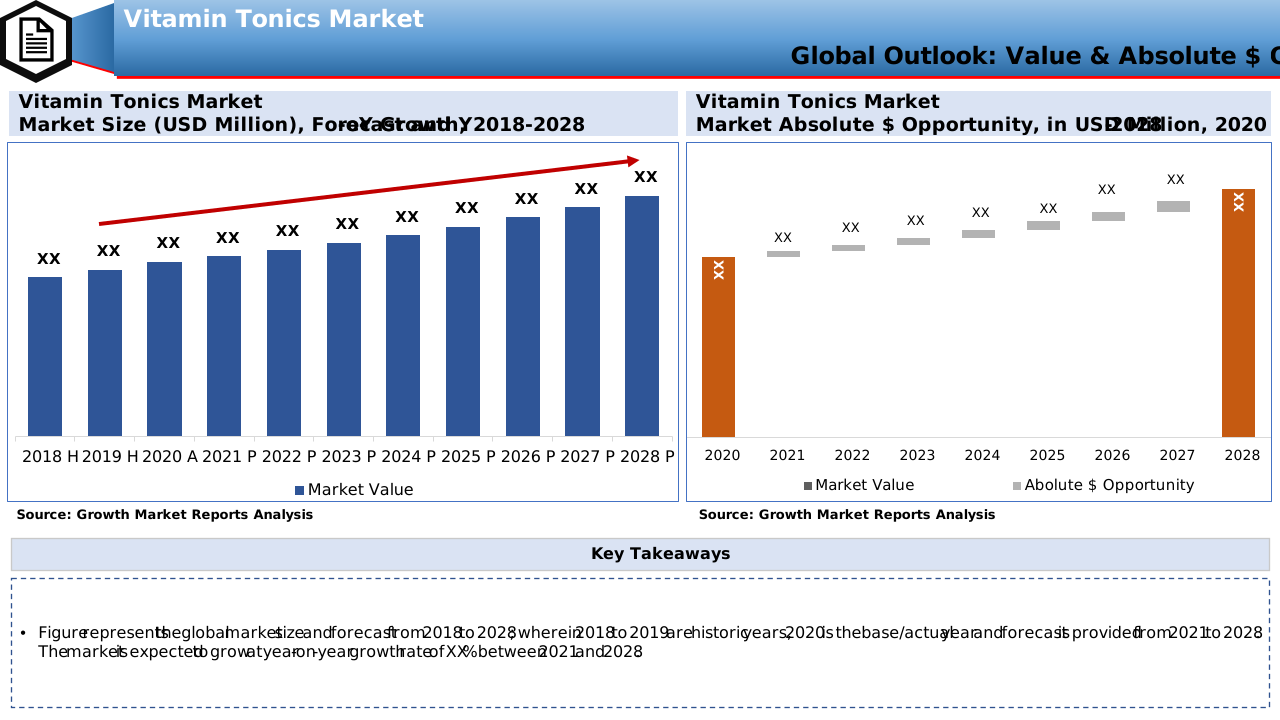
According to our latest research, the global vitamin tonics market size stood at USD 8.3 billion in 2025, reflecting robust demand across all major regions. The market is projected to expand at a CAGR of 6.6% from 2026 to 2034, reaching an estimated value of USD 14.8 billion by 2034. This steady growth is primarily driven by increasing consumer awareness regarding preventive healthcare, the rising prevalence of vitamin deficiencies worldwide, and a structural shift toward holistic wellness across all age groups. The vitamin tonics market is witnessing dynamic transformation as consumers seek convenient, effective, and palatable solutions for their nutritional needs, expanding the total addressable market considerably beyond historical norms.
One of the primary growth factors propelling the vitamin tonics market in 2025 and beyond is the heightened global focus on preventive health and wellness. As chronic diseases and lifestyle disorders become increasingly prevalent, consumers are turning to dietary supplements, especially vitamin tonics, to bridge nutritional gaps before clinical deficiencies arise. This trend is further amplified by health campaigns from governments and non-governmental organizations promoting micronutrient supplementation benefits. Additionally, advancements in nutritional science and product formulation have enabled manufacturers to launch innovative vitamin tonic products catering to specific health needs, such as immunity boosting, cognitive enhancement, and energy support. Consumers are increasingly exploring related wellness categories such as fortified energy beverages with added vitamins and concentrated vitamin shot formats, further broadening market appeal and reinforcing the sustained demand trajectory for the broader micronutrient supplementation industry.
Another significant driver is the evolving distribution landscape, with a marked rise in online and specialty retail channels. The digital transformation of the consumer healthcare sector has made vitamin tonics more accessible than ever before. E-commerce platforms offer a wider variety of products, detailed ingredient information, and consumer reviews, empowering customers to make informed purchasing decisions. Meanwhile, the proliferation of specialty stores and dedicated sections in supermarkets and hypermarkets has facilitated penetration of vitamin tonics into everyday shopping baskets. Manufacturers are increasingly investing in omnichannel strategies and digital marketing to capture a broader consumer base and foster brand loyalty, with direct-to-consumer subscription models gaining particular traction among health-focused millennials and Generation Z shoppers.
Demographic trends also play a pivotal role in shaping the vitamin tonics market. The aging global population, coupled with growing health consciousness among young adults and parents, is fueling demand across all age groups. Geriatric consumers are seeking products that address age-related nutritional deficiencies, while parents are increasingly opting for vitamin tonics formulated specifically for children. The market is also witnessing a surge in demand for clean-label, natural, and organic formulations, as consumers become more discerning about product safety and ingredient transparency. Brands positioned in adjacent wellness segments, including botanical and herbal tonic beverages and Ayurvedic wellness tonics, are informing consumer expectations for vitamin tonic formulations, pushing manufacturers to incorporate plant-based and traditional remedy elements alongside core vitamin actives.
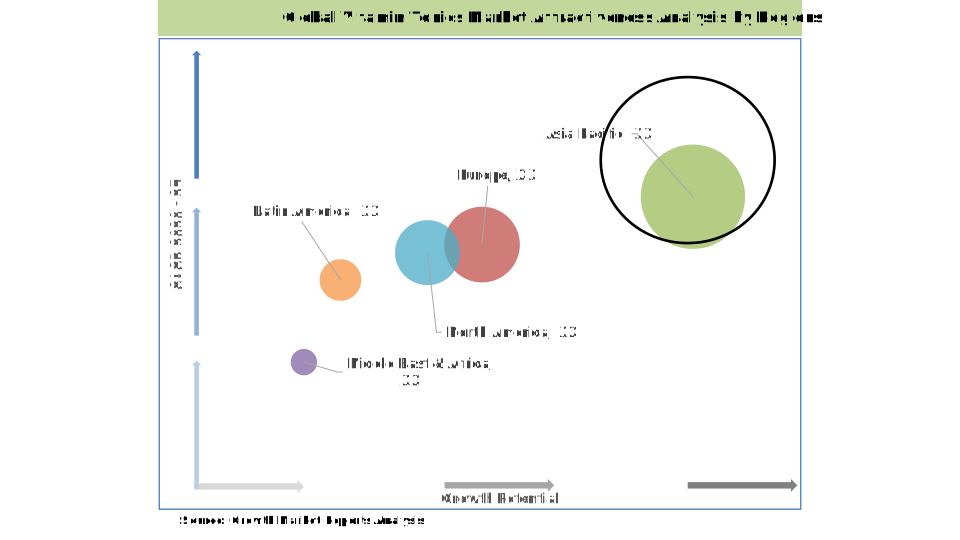
Regionally, the Asia Pacific market is the largest and fastest-growing engine for the global vitamin tonics industry, driven by large populations, rising disposable incomes, and increasing health awareness across urban and semi-urban populations. North America and Europe continue to hold substantial market shares, supported by established healthcare infrastructure and a high baseline prevalence of dietary supplement usage. Latin America and the Middle East and Africa are experiencing rapid market expansion from a lower base, as urbanization and changing lifestyles spur demand for convenient nutritional solutions. The regional outlook remains positive, with all geographies poised to contribute meaningfully to the sector's growth trajectory through 2034.
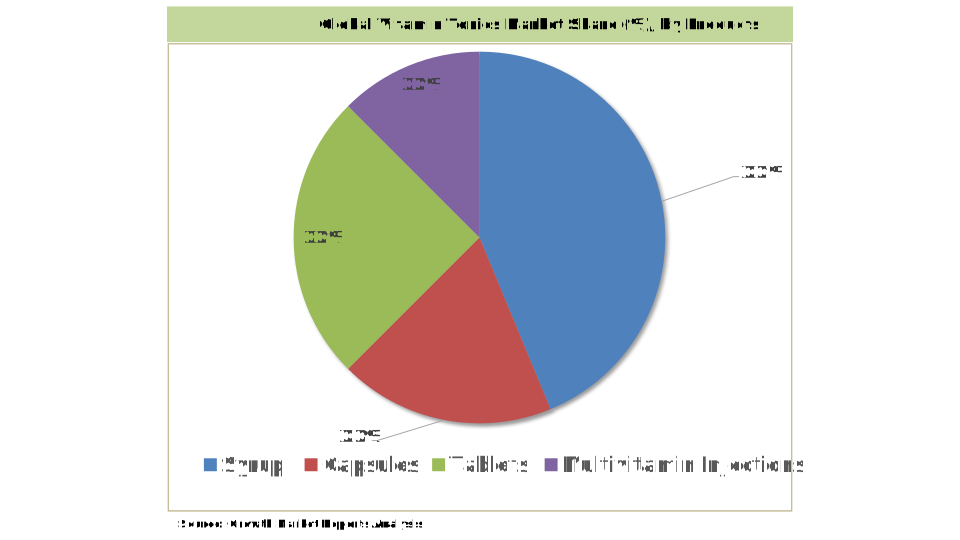
The product type segment of the vitamin tonics market is primarily bifurcated into multivitamin tonics and single vitamin tonics. Multivitamin tonics dominate the market, accounting for approximately 62.5% of total revenue in 2025, due to their comprehensive nutritional profile and ability to address multiple deficiencies simultaneously. The convenience of a single formulation containing a blend of essential vitamins appeals to consumers seeking holistic health benefits. Manufacturers are innovating with targeted multivitamin formulations designed for specific groups such as children, adults, and seniors, further driving adoption. The inclusion of additional nutrients like minerals, herbal extracts, and functional botanicals in multivitamin tonics is gaining traction, as consumers increasingly seek synergistic health benefits in a single product.
Single vitamin tonics cater to individuals with diagnosed deficiencies or specific health needs requiring targeted supplementation. Vitamin D, B-complex, and vitamin C tonics are particularly popular given the widespread prevalence of deficiencies and their well-documented roles in immune function, energy metabolism, and bone health. The demand for single vitamin tonics is especially pronounced in regions with high rates of specific deficiencies, such as vitamin D deficiency in northern latitudes and iron-deficiency anemia in developing markets. Manufacturers are focusing on bioavailability enhancement, flavor improvement, and sugar-free formulations to expand the appeal of single vitamin tonics. The rising consumer interest in gut health and microbiome-supporting tonics is also influencing single vitamin tonic innovation, with probiotic and prebiotic combinations increasingly appearing alongside core vitamin actives.
The product type segment is witnessing significant innovation in delivery formats and packaging. Ready-to-drink bottles, single-dose vials, and convenient on-the-go packaging are being introduced to cater to busy lifestyles and enhance user experience. The growing preference for natural and organic ingredients is prompting manufacturers to eliminate artificial additives and preservatives from their formulations. This trend is particularly evident in the premium segment, where consumers are willing to pay higher prices for perceived quality, safety, and ingredient transparency. Clean-label certifications, third-party testing endorsements, and sustainability credentials are becoming key purchase drivers in both developed and emerging markets.
As regulatory frameworks for dietary supplements become more stringent globally, product type differentiation is increasingly driven by compliance with quality standards and substantiated health claims. Manufacturers are investing in clinical trials and scientific validation to confirm the efficacy and safety of their vitamin tonic products. This not only builds consumer trust but also enables companies to differentiate their offerings in a competitive marketplace. Overall, the product type segment is characterized by intense rivalry, rapid innovation, and a strong focus on consumer-centric product development that balances science, taste, convenience, and value.
| Attributes | Details |
| Report Title | Vitamin Tonics Market Research Report 2034 |
| By Product Type | Multivitamin Tonics, Single Vitamin Tonics |
| By Application | Children, Adults, Geriatric |
| By Distribution Channel | Pharmacies/Drug Stores, Supermarkets/Hypermarkets, Online Stores, Specialty Stores, Others |
| By Form | Liquid, Syrup, Drops |
| Regions Covered | North America, Europe, APAC, Latin America, MEA |
| Base Year | 2025 |
| Historic Data | 2019-2024 |
| Forecast Period | 2026-2034 |
| Number of Pages | 292 |
| Number of Tables & Figures | 380 |
| Customization Available | Yes, the report can be customized as per your need. |
The application segment of the vitamin tonics market is divided into children, adults, and geriatric populations, each with distinct nutritional needs and consumption patterns. The children's segment commands a substantial share, driven by parental concerns about childhood nutrition, immunity, and growth. Pediatricians and healthcare professionals frequently recommend vitamin tonics to address common deficiencies and support overall development. Manufacturers are responding with palatable flavors, attractive packaging, and formulations tailored to the unique requirements of growing children, such as optimized concentrations of vitamin D, calcium, and iron. The segment is also benefiting from growing parental awareness in emerging economies, where childhood nutritional deficiencies remain a public health concern.
The adult segment is experiencing robust growth, fueled by rising health consciousness, demanding lifestyles, and the increasing prevalence of stress-related disorders. Adults are increasingly seeking vitamin tonics to boost energy, improve mental clarity, and support immune health. The trend toward preventive healthcare is particularly pronounced in this demographic, with consumers proactively incorporating vitamin tonics into daily routines. Manufacturers are innovating with functional blends that combine core vitamins with adaptogens, antioxidants, and other bioactive compounds to address specific concerns such as fatigue, stress resilience, and metabolic health. The adult segment is also the primary audience for personalized nutrition solutions delivered through digital health platforms, subscription wellness services, and direct-to-consumer brands.
The geriatric segment represents a rapidly expanding market opportunity, as the global population ages and the incidence of age-related conditions rises. Older adults are more susceptible to nutrient deficiencies due to factors such as reduced dietary intake, impaired gastrointestinal absorption, polypharmacy interactions, and chronic health conditions. Vitamin tonics formulated for the elderly often contain higher concentrations of vitamins B12, D, and K alongside calcium and magnesium to support bone health, cognitive function, cardiovascular health, and overall vitality. Easy-to-consume liquid and syrup formulations are particularly appealing to this demographic, as they are easier to swallow and digest compared to tablets or capsules, which frequently present adherence challenges for older consumers.
Manufacturers are focusing increasingly on personalized nutrition, leveraging advances in genomics, wearable health technology, and digital health ecosystems to develop vitamin tonics tailored to individual health profiles and lifestyle factors. This trend is expected to accelerate through the forecast period as consumers increasingly seek customized solutions addressing their unique nutritional needs. The application segment is thus characterized by a high degree of segmentation and specialization, with manufacturers striving to deliver targeted, clinically substantiated benefits to diverse consumer groups across all life stages.
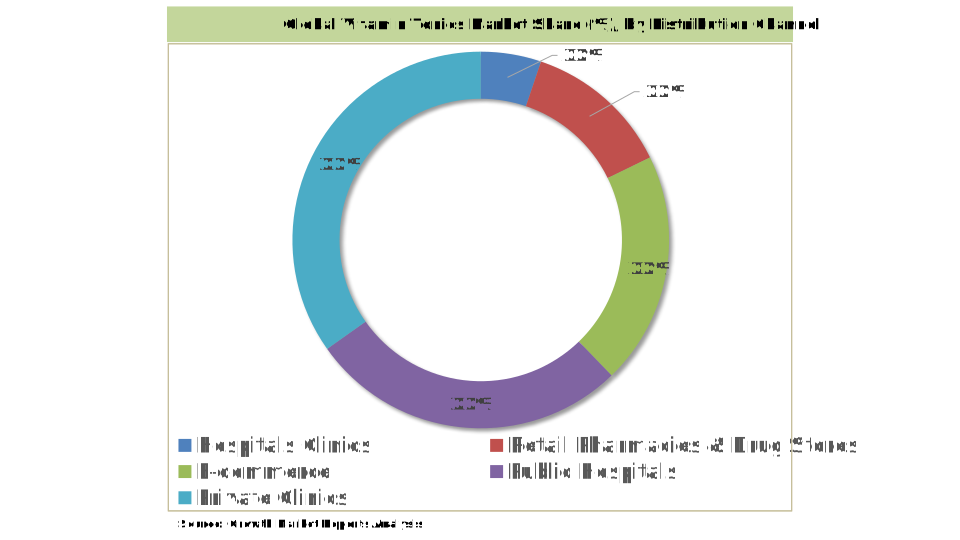
The distribution channel segment of the vitamin tonics market encompasses pharmacies/drug stores, supermarkets/hypermarkets, online stores, specialty stores, and others. Pharmacies and drug stores remain the dominant channel, accounting for the largest share of sales due to consumer trust in professional recommendations and the availability of a wide range of products. Pharmacists play a crucial role in educating consumers about the appropriate use of vitamin tonics and guiding them toward suitable formulations based on individual health needs. The presence of exclusive pharmaceutical-grade brands and healthcare professional-endorsed products further strengthens the position of this channel, particularly among first-time buyers and older consumers.
Supermarkets and hypermarkets are gaining ground as consumers increasingly seek convenience and one-stop shopping experiences. The availability of a diverse range of vitamin tonic brands, attractive promotional pricing, and prominent in-store displays encourages trial purchases and enhances product visibility. Retailers are investing in dedicated health and wellness sections with knowledgeable staff to assist customers and provide product information. This channel is particularly popular among urban consumers who value accessibility and the ability to physically compare multiple products before making a purchase decision.
The online store segment is experiencing exceptional growth, driven by the proliferation of e-commerce platforms, social commerce, and evolving post-pandemic consumer shopping behavior. Online retailers offer unparalleled convenience, competitive pricing, and access to a broad array of products including niche, premium, and specialty brands not typically available in physical retail. Detailed product descriptions, verified customer reviews, and algorithm-driven personalized recommendations enhance the online shopping experience and foster informed decision-making. Manufacturers are responding by optimizing their digital presence, investing in direct-to-consumer subscription platforms, and leveraging influencer and social media marketing to engage with health-conscious, digitally active consumers.
Specialty stores, including health food retailers and wellness boutiques, cater to discerning consumers seeking premium, organic, or specialty vitamin tonics. These stores often carry exclusive brands and offer expert guidance from trained staff, making them a preferred channel for consumers with specific health concerns or dietary philosophies. The distribution channel segment is highly dynamic overall, with manufacturers and retailers adopting integrated omnichannel strategies to maximize reach and adapt to rapidly evolving consumer purchasing preferences in both developed and emerging markets.
The form segment of the vitamin tonics market includes liquid, syrup, and drops, each offering distinct advantages in terms of convenience, palatability, and bioavailability. Liquid vitamin tonics are the most widely consumed form, owing to their ease of administration, rapid absorption profile, and universal suitability across age groups. Liquids are particularly favored for pediatric and geriatric populations, as they are easier to swallow and can be dosed accurately. Manufacturers are innovating with natural flavors, sugar-free options, and preservative-free formulations to enhance consumer appeal and satisfy demand from health-conscious buyers seeking clean-label products.
Syrup-based vitamin tonics are popular for their pleasant taste and ease of consumption, especially among children. Syrups can mask the often-unpleasant taste of certain vitamin actives and are available in a variety of flavors to encourage adherence. The syrup format also allows for the inclusion of additional functional ingredients such as herbal extracts and immune-boosting botanical compounds, further enhancing the perceived value of the product. Manufacturers are focusing on developing sugar-free and low-calorie syrup formulations to address concerns about childhood obesity and dental health, responding to guidance from pediatric health organizations and regulatory bodies. The growing market interest in electrolyte-enriched herbal tonic formats is also influencing syrup product development, as brands incorporate mineral replenishment alongside vitamin delivery.
Drops are gaining significant traction as a convenient and precise method of delivering vitamins, particularly for infants, young children, and individuals with swallowing difficulties. Drops can be easily added to food or beverages, making them an attractive option for parents and caregivers seeking flexible dosing. The drop format is also favored for high-potency formulations where small volumes are required to achieve therapeutic concentrations. Manufacturers are investing in innovative packaging solutions such as calibrated droppers and tamper-evident single-dose ampoules to ensure dosing accuracy and minimize contamination risks. Advances in formulation technology, including microencapsulation and lipid-based delivery systems, are improving the stability and bioavailability of drop-format vitamin tonics, creating additional differentiation opportunities for premium brands.
The form segment is characterized by a strong emphasis on user experience, with manufacturers striving to develop products that are not only effective but also genuinely enjoyable to consume. The growing demand for natural and organic ingredients is prompting the elimination of artificial colors, synthetic flavors, and chemical preservatives from formulations across all form types. Overall, the form segment remains highly competitive, with continuous technological and formulation innovation aimed at meeting the diverse needs of global consumers from infancy through advanced age.
The vitamin tonics market presents significant opportunities for growth, driven by rising health awareness, favorable demographic shifts, and accelerating advances in product innovation. The increasing prevalence of lifestyle diseases and micronutrient deficiencies is prompting consumers to seek preventive healthcare solutions, creating robust and durable demand for vitamin tonics. Manufacturers can capitalize on this trend by developing targeted formulations addressing specific health concerns such as immunity, energy, cognitive performance, and hormonal balance. The growing popularity of personalized nutrition and digital health platforms offers additional avenues for differentiation and deeper consumer engagement. By leveraging data analytics and behavioral consumer insights, companies can develop customized vitamin tonic products catering to individual needs, enhancing brand loyalty and defending market share against lower-priced competitors. Broader wellness consumer trends, including interest in functional vinegar-based tonic beverages and digestive bitters with micronutrient profiles, are cross-pollinating innovation pipelines and informing new vitamin tonic concepts.
The expansion of distribution channels, particularly online and specialty retail, represents another major opportunity for market players. The digital transformation of the consumer healthcare sector enables manufacturers to reach broader audiences, streamline supply chains, and reduce distribution costs. E-commerce platforms offer unparalleled convenience, product variety, and access to niche markets, making them an ideal channel for launching innovative and premium vitamin tonic products at scale. Strategic partnerships with pharmacies, healthcare professionals, corporate wellness programs, and influential digital content creators can further enhance brand visibility and credibility, driving sustained growth through 2034.
Despite the positive outlook, the vitamin tonics market faces several restraining factors that could hinder growth. Regulatory challenges, particularly regarding product safety, permissible health claims, and quality standards, pose significant risks for manufacturers operating across multiple jurisdictions. The dietary supplement industry is subject to stringent and frequently evolving regulations in major markets including the United States, the European Union, and China, requiring continuous compliance investment. Non-compliance can result in product recalls, regulatory sanctions, and lasting reputational damage. Additionally, the proliferation of counterfeit and substandard products in both online and physical retail channels undermines consumer trust and poses genuine health risks. Manufacturers must invest in robust quality assurance systems, blockchain-enabled supply chain transparency, and proactive consumer education to mitigate these threats and safeguard long-term market integrity.
In 2025, the Asia Pacific region represents the largest market for vitamin tonics, with a market size of approximately USD 2.9 billion, accounting for around 34.5% of global revenue. Rapid urbanization, rising disposable incomes, expanding middle-class populations, and increasing health awareness are driving demand across key markets including China, India, Indonesia, and Vietnam. The region's large and diverse population, combined with a high and well-documented prevalence of micronutrient deficiencies, presents exceptional growth opportunities for both global and regional manufacturers. The Asia Pacific market is projected to grow at a CAGR of 7.5% from 2026 to 2034, outpacing all other regions and solidifying its position as the primary growth engine for the global vitamin tonics industry.
North America holds the second-largest share of the global vitamin tonics market, with a market size of approximately USD 2.1 billion in 2025. The region benefits from a well-established healthcare infrastructure, high baseline consumer awareness of dietary supplementation, and strong disposable income levels supporting premium product adoption. The United States remains the dominant market within North America, driven by robust demand for preventive healthcare products, a well-developed e-commerce ecosystem, and a growing focus on functional wellness. The North American market is projected to grow at a steady CAGR of 5.8% through 2034, supported by product innovation, aging demographics, and continued expansion of digital direct-to-consumer channels.
Europe accounted for approximately USD 1.8 billion of the global vitamin tonics market in 2025, with demand concentrated in Germany, the United Kingdom, France, and the Nordic countries. The region is characterized by health-conscious consumers, a strong regulatory emphasis on product safety and substantiated health claims, and growing demand for organic and natural formulations. Latin America and the Middle East & Africa regions, with market sizes of approximately USD 0.9 billion and USD 0.6 billion respectively in 2025, are experiencing accelerating growth as urbanization, rising incomes, and changing dietary patterns drive demand for convenient nutritional supplementation. Latin America is expected to post a CAGR of 7.2% through 2034, while the Middle East and Africa region is forecast to grow at approximately 6.9%, both reflecting the considerable untapped potential in rapidly developing urban consumer markets across these regions.
The vitamin tonics market is characterized by intense competition, with a diverse array of global, regional, and local players vying for market share. Leading companies are focused on product innovation, brand equity building, and strategic partnerships to differentiate themselves in a crowded marketplace. The competitive landscape is shaped by continuous advancements in formulation and delivery technology, a growing emphasis on clean-label and scientifically validated ingredients, and the expansion of digital and omnichannel distribution models. Companies are investing heavily in research and development to create targeted, evidence-backed formulations addressing specific health needs and serving diverse demographic segments with distinct purchasing behaviors.
Brand reputation, product quality, and consumer trust are critical factors influencing competitive positioning in the vitamin tonics market as of 2025. Leading players are leveraging clinical research outcomes, transparent labeling practices, and third-party quality certifications to build credibility and foster long-term consumer loyalty. Marketing strategies are increasingly centered on digital engagement, health influencer partnerships, personalized wellness content, and community-building initiatives, reflecting the evolving preferences of health-conscious and digitally native consumers. The proliferation of private-label and retailer-branded vitamin tonics is intensifying price-based competition, prompting established brands to invest in premiumization strategies, value-added product features, and differentiated sustainable packaging solutions.
Mergers, acquisitions, and strategic alliances remain common in the vitamin tonics market, as companies seek to expand product portfolios, penetrate new geographic markets, and access innovative formulation technologies. The integration of digital health platforms, AI-driven personalized nutrition services, and direct-to-consumer subscription channels is reshaping competitive dynamics and creating new growth pathways. Regulatory compliance, quality assurance rigor, and supply chain transparency are increasingly important competitive differentiators, as consumers and regulatory authorities alike demand greater accountability and verifiable product safety from supplement manufacturers.
Major companies operating in the global vitamin tonics market include Bayer AG, Pfizer Inc., Sanofi S.A., Abbott Laboratories, and GlaxoSmithKline plc (operating its consumer health division as Haleon). These industry leaders are known for their extensive product portfolios, global distribution reach, and strong research and development capabilities. Bayer AG offers a wide range of multivitamin tonics under established consumer brands and invests substantially in clinical research and consumer health education. Abbott Laboratories and Sanofi leverage their pharmaceutical and nutritional science expertise to develop high-quality, science-backed formulations catering to diverse consumer needs across all age demographics.
In addition to these multinational leaders, several regional and specialty players are making significant inroads by focusing on organic, natural, and traditional formulations. Companies such as Himalaya Global Holdings Ltd., Amway Corporation, and Herbalife Nutrition Ltd. are leveraging their expertise in plant-based and herbal ingredients to capture growing demand for clean-label products. Pharmavite LLC, NOW Foods, and Nature's Bounty Co. continue to strengthen their positions through innovation, competitive pricing, and expanding e-commerce capabilities. Perrigo Company plc is gaining ground through private-label vitamin tonic solutions for major retail partners across North America and Europe. The competitive landscape is thus highly dynamic, with continuous innovation, targeted acquisitions, and an unwavering focus on consumer centricity driving the ongoing evolution of the global vitamin tonics market.
The Vitamin Tonics market has been segmented on the basis of
The vitamin tonics market faces several notable challenges, including increasingly stringent regulatory requirements around health claims, labeling, and permissible ingredients across different geographies. The proliferation of counterfeit and substandard products threatens consumer trust and market integrity. Intense price competition from private-label brands, rising raw material costs, and the need for continuous investment in research and development also represent significant hurdles for market participants seeking sustainable growth through 2034.
Leading companies in the global vitamin tonics market include Bayer AG, Pfizer Inc., Sanofi S.A., Abbott Laboratories, GlaxoSmithKline plc (now operating its consumer health division as Haleon), Otsuka Holdings Co., Himalaya Global Holdings Ltd., Amway Corporation, Herbalife Nutrition Ltd., Nature's Bounty Co., Pharmavite LLC, and NOW Foods, among others. These companies compete on the basis of product quality, formulation innovation, brand equity, and distribution reach.
Key trends driving innovation include the rise of personalized nutrition solutions leveraging genomics and digital health data, growing consumer preference for clean-label and organic formulations, advancements in bioavailability-enhancing technologies such as microencapsulation, and the integration of functional ingredients like adaptogens and antioxidants. The expansion of direct-to-consumer digital channels and sustainability-focused packaging are also shaping product development strategies through 2034.
Vitamin tonics are commercially available in three primary forms: liquid, syrup, and drops. Liquid formulations hold the largest share due to their ease of administration and rapid absorption. Syrups are widely preferred for pediatric applications due to palatability, while drops offer precision dosing and are ideal for infants and individuals with swallowing difficulties.
The major distribution channels include pharmacies and drug stores, supermarkets and hypermarkets, online stores, specialty stores, and others. Pharmacies and drug stores remain the leading channel due to consumer trust in professional guidance. Online stores are the fastest growing channel, fueled by e-commerce expansion and shifting post-pandemic consumer habits toward digital purchasing.
The key consumer groups for vitamin tonics are children, adults, and the geriatric population. Children represent a major segment driven by parental concerns about growth and immunity. Adults seek tonics for energy, mental clarity, and immune support, while the geriatric segment is among the fastest growing, as older adults face higher risks of nutrient deficiencies related to aging.
The two primary product types in the vitamin tonics market are multivitamin tonics and single vitamin tonics. Multivitamin tonics dominate with approximately 62.5% market share, offering comprehensive nutritional support in a single formulation. Single vitamin tonics, accounting for around 37.5%, target specific deficiencies such as vitamin D, B-complex, or vitamin C.
Asia Pacific leads the global vitamin tonics market with approximately 34.5% of total revenue in 2025, driven by large populations, rising disposable incomes, and high rates of micronutrient deficiency in countries such as China, India, and Indonesia. North America holds the second-largest share at around 25.5%, followed by Europe at 22.0%.
The global vitamin tonics market is projected to grow at a CAGR of 6.6% from 2026 to 2034, reaching an estimated value of USD 14.8 billion by 2034. This growth is underpinned by expanding health awareness, demographic shifts, and continuous product innovation across both developed and emerging markets.
The global vitamin tonics market was valued at USD 8.3 billion in 2025, reflecting robust and sustained demand across all major regions, driven by growing consumer focus on preventive healthcare and rising prevalence of micronutrient deficiencies worldwide.