Segments - by Product Type (Pharmaceuticals, Vaccines, Medicated Feed Additives, Diagnostics, Others), by Animal Type (Companion Animals, Livestock Animals), by End User (Veterinary Hospitals & Clinics, Reference Laboratories, Point-of-Care Testing/In-House Testing, Others), by Distribution Channel (Retail Pharmacies, E-commerce, Veterinary Hospitals & Clinics, Others)
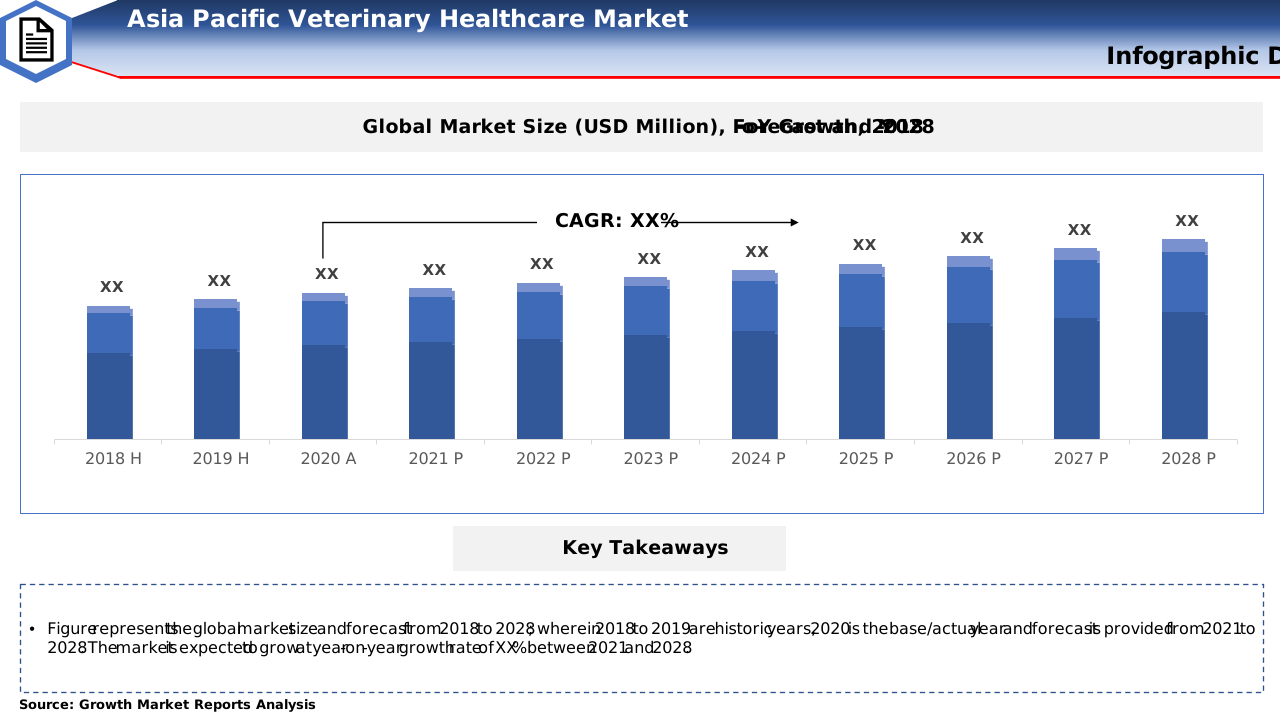
According to our latest research, the global veterinary healthcare market size reached USD 43.7 billion in 2024. The industry is expected to expand at a healthy CAGR of 7.2% from 2025 to 2033, reaching an estimated value of USD 82.1 billion by the end of the forecast period. The market's robust growth is propelled by increasing pet ownership, rising livestock production, and advancements in animal healthcare technologies. These factors collectively drive demand for pharmaceuticals, vaccines, diagnostics, and other veterinary healthcare services worldwide.
One of the primary growth drivers for the veterinary healthcare market is the surging global pet population, particularly in urban and developed regions. The humanization of pets has led to an increased willingness among owners to spend on advanced veterinary care, preventive medicine, and wellness products. This trend is further supported by the growing recognition of the importance of animal health and its direct impact on public health, especially concerning zoonotic diseases. Additionally, the proliferation of companion animals has spurred innovation in veterinary pharmaceuticals and diagnostics, ensuring that pets receive timely and effective treatments for a wide range of ailments. As a result, the market continues to witness a steady influx of new product launches and therapeutic solutions tailored to the evolving needs of companion animals.
The livestock segment also plays a crucial role in the expansion of the veterinary healthcare market. With the global demand for animal-derived food products on the rise, livestock farmers are increasingly adopting advanced healthcare solutions to enhance productivity and ensure the health of their herds. This is particularly evident in emerging economies, where government initiatives and private sector investments in animal health infrastructure are gaining momentum. The increased prevalence of infectious diseases among livestock has further underscored the need for effective vaccines, medicated feed additives, and diagnostic tools. As a result, the market is witnessing a surge in the adoption of preventive healthcare measures and the integration of digital technologies for herd management and disease surveillance.
Technological advancements and innovation in veterinary diagnostics and therapeutics are reshaping the market landscape. The development of point-of-care testing devices, molecular diagnostics, and telemedicine platforms is enabling veterinarians to provide faster and more accurate diagnoses, leading to improved treatment outcomes. The integration of artificial intelligence, big data analytics, and digital record-keeping is also streamlining clinical workflows and enhancing the overall efficiency of veterinary practices. These technological breakthroughs are not only improving the quality of animal care but are also making veterinary services more accessible and affordable, particularly in remote and underserved regions. Consequently, the market is poised for sustained growth as stakeholders continue to invest in research and development to address the evolving challenges of animal health management.
Veterinary Pharmaceuticals are at the forefront of innovation within the veterinary healthcare sector. The development of new pharmaceuticals is crucial in addressing the diverse health challenges faced by both companion and livestock animals. With the increasing prevalence of chronic diseases and the emergence of new pathogens, the demand for effective and safe veterinary pharmaceuticals is on the rise. Companies are investing significantly in research and development to create advanced therapeutics that cater to the specific needs of different animal species. This includes the formulation of novel antibiotics, antiparasitics, and anti-inflammatory drugs that ensure the well-being of animals while also considering the growing concerns around antimicrobial resistance. The role of veterinary pharmaceuticals is pivotal in enhancing the quality of animal care and supporting the overall growth of the veterinary healthcare market.
Regionally, North America continues to dominate the veterinary healthcare market, accounting for the largest share in 2024 due to its well-established animal healthcare infrastructure, high pet ownership rates, and strong presence of leading market players. Europe follows closely, driven by stringent animal health regulations and a growing focus on preventive care. The Asia Pacific region is emerging as the fastest-growing market, propelled by rising disposable incomes, increased awareness about animal health, and expanding livestock production. Latin America and the Middle East & Africa are also witnessing steady growth, supported by government initiatives and the gradual modernization of veterinary services.
The veterinary healthcare market, when segmented by product type, reveals a dynamic landscape characterized by innovation and diversification. Pharmaceuticals represent the largest segment, driven by the continuous demand for antibiotics, antiparasitics, and anti-inflammatory drugs for both companion and livestock animals. The increasing prevalence of chronic diseases, such as arthritis and diabetes in pets, as well as the need for effective disease management in livestock, has led to a surge in pharmaceutical product development. Leading pharmaceutical companies are investing heavily in research and development to introduce novel therapeutics, including biologics and specialty drugs, to address the unique needs of various animal species. This ongoing innovation is further supported by regulatory agencies that are streamlining approval processes to expedite the launch of critical veterinary medicines.
Vaccines constitute another significant product segment, with their importance underscored by the growing emphasis on preventive healthcare. The emergence of new and re-emerging infectious diseases in animals, coupled with the increased risk of zoonotic transmission, has heightened the demand for effective vaccination programs. Veterinary vaccine manufacturers are focusing on developing multivalent and recombinant vaccines that offer broad-spectrum protection against multiple pathogens. The adoption of vaccination protocols in both companion and livestock animals is being actively promoted by governments and industry stakeholders to ensure animal welfare and safeguard public health. As a result, the vaccine segment is expected to witness robust growth throughout the forecast period.
Medicated feed additives are gaining traction as an integral part of animal health management, particularly in the livestock sector. These products are designed to enhance feed efficiency, promote growth, and prevent disease outbreaks in large herds. The increasing focus on sustainable livestock production and the need to reduce the reliance on antibiotics have spurred the development of alternative feed additives, such as probiotics, prebiotics, and enzymes. Regulatory authorities are also imposing stricter guidelines on the use of medicated feed additives to mitigate the risk of antimicrobial resistance, prompting manufacturers to innovate and introduce safer, more effective products. The growing adoption of medicated feed additives is expected to contribute significantly to the overall expansion of the veterinary healthcare market.
Diagnostics represent a rapidly evolving segment within the veterinary healthcare market, driven by advancements in laboratory technologies and the rising demand for early disease detection. Modern diagnostic tools, including molecular assays, immunodiagnostics, and imaging systems, are enabling veterinarians to identify diseases with greater accuracy and speed. The shift towards preventive medicine and evidence-based veterinary practices is fueling the adoption of diagnostic solutions across both companion and livestock animal categories. Additionally, the integration of digital platforms and telemedicine is making diagnostic services more accessible, particularly in rural and underserved areas. The diagnostics segment is poised for substantial growth as ongoing research continues to yield innovative solutions for animal health monitoring.
Other products, such as dermatologicals, nutritional supplements, and wound care products, also play a vital role in the comprehensive management of animal health. These ancillary products address specific health needs and contribute to the overall well-being of animals. The increasing awareness about the importance of holistic animal care, coupled with the rising demand for specialty products, is driving growth in this segment. Manufacturers are responding by expanding their product portfolios to include a wide range of supportive care solutions, further enhancing the value proposition of the veterinary healthcare market.
Animal Health E-commerce is rapidly transforming the landscape of veterinary healthcare distribution. The convenience and accessibility offered by online platforms have revolutionized the way consumers purchase animal health products. With the rise of digital technology, e-commerce platforms provide a seamless shopping experience, allowing pet owners and livestock farmers to access a wide range of veterinary medicines, supplements, and diagnostic tools from the comfort of their homes. This shift towards digital purchasing has been further accelerated by the COVID-19 pandemic, which highlighted the need for contactless and efficient shopping solutions. As more consumers embrace e-commerce, companies are investing in robust digital infrastructures and logistics capabilities to enhance the online shopping experience and ensure prompt delivery of products. The growth of animal health e-commerce is expected to significantly contribute to the expansion of the veterinary healthcare market, particularly in regions with limited access to traditional retail outlets.
| Attributes | Details |
| Report Title | Veterinary Healthcare Market Research Report 2033 |
| By Product Type | Pharmaceuticals, Vaccines, Medicated Feed Additives, Diagnostics, Others |
| By Animal Type | Companion Animals, Livestock Animals |
| By End User | Veterinary Hospitals & Clinics, Reference Laboratories, Point-of-Care Testing/In-House Testing, Others |
| By Distribution Channel | Retail Pharmacies, E-commerce, Veterinary Hospitals & Clinics, Others |
| Regions Covered | North America, Europe, APAC, Latin America, MEA |
| Base Year | 2024 |
| Historic Data | 2018-2023 |
| Forecast Period | 2025-2033 |
| Number of Pages | 271 |
| Number of Tables & Figures | 361 |
| Customization Available | Yes, the report can be customized as per your need. |
The veterinary healthcare market, when analyzed by animal type, is broadly categorized into companion animals and livestock animals, each with distinct growth trajectories and market dynamics. The companion animal segment, which includes dogs, cats, horses, and other pets, has witnessed significant growth due to the rising trend of pet ownership and the increasing humanization of pets. Pet owners are increasingly seeking advanced healthcare services, preventive care, and wellness products for their animals, driving demand for pharmaceuticals, vaccines, and diagnostics. The growing popularity of pet insurance, coupled with the expanding network of veterinary clinics and hospitals, is further fueling market growth in this segment. Innovations in pet nutrition, behavioral health, and chronic disease management are also contributing to the sustained expansion of the companion animal healthcare market.
Livestock animals, including cattle, swine, poultry, sheep, and goats, represent a critical segment of the veterinary healthcare market, particularly in regions with large agricultural economies. The need to ensure the health and productivity of livestock is paramount, given the increasing global demand for animal-derived food products such as meat, milk, and eggs. Disease outbreaks in livestock populations can have devastating economic and public health consequences, underscoring the importance of effective healthcare interventions. Governments and industry stakeholders are investing in vaccination programs, disease surveillance, and biosecurity measures to safeguard livestock health. The adoption of advanced diagnostic tools and precision farming techniques is enabling farmers to monitor animal health more effectively and implement targeted interventions, thereby improving herd productivity and profitability.
The intersection of companion and livestock animal healthcare is also giving rise to new opportunities for market players. For instance, advancements in biotechnology and genomics are enabling the development of species-specific therapeutics and vaccines that address the unique needs of different animal groups. The integration of digital health platforms and telemedicine services is making veterinary care more accessible across both segments, particularly in rural and remote areas. Furthermore, the growing emphasis on sustainable animal agriculture and responsible pet ownership is shaping the future trajectory of the veterinary healthcare market, prompting manufacturers and service providers to innovate and diversify their offerings.
Within the companion animal segment, dogs and cats account for the majority of market revenue, driven by their popularity as household pets and the availability of a wide range of healthcare products and services tailored to their needs. The equine segment, while smaller in size, is characterized by high-value healthcare interventions, particularly in the areas of sports medicine and reproductive health. In the livestock segment, cattle and poultry are the dominant contributors, reflecting the scale of beef, dairy, and poultry production worldwide. The increasing adoption of precision livestock farming technologies, such as wearable sensors and automated health monitoring systems, is further enhancing the efficiency and effectiveness of animal healthcare management.
Overall, the animal type segmentation provides valuable insights into the diverse needs and growth drivers of the veterinary healthcare market. By understanding the unique challenges and opportunities associated with companion and livestock animal care, market participants can develop targeted strategies to capture value and drive long-term growth in this dynamic industry.
The end user landscape in the veterinary healthcare market is characterized by a diverse array of stakeholders, including veterinary hospitals and clinics, reference laboratories, point-of-care testing/in-house testing facilities, and others such as academic and research institutions. Veterinary hospitals and clinics represent the largest end user segment, accounting for a significant share of market revenue. These facilities serve as the primary point of care for both companion and livestock animals, offering a comprehensive range of services, from routine check-ups and vaccinations to advanced surgical procedures and emergency care. The growing network of veterinary hospitals and clinics, particularly in urban and semi-urban areas, is facilitating greater access to quality animal healthcare services and driving demand for pharmaceuticals, diagnostics, and medical devices.
Reference laboratories play a critical role in the veterinary healthcare ecosystem by providing specialized diagnostic services that support clinical decision-making and disease surveillance. These laboratories are equipped with advanced technologies and expertise to conduct complex tests, such as molecular diagnostics, serology, and pathology. The increasing prevalence of infectious diseases and the need for accurate disease identification are fueling demand for reference laboratory services. Collaborations between veterinary clinics and reference laboratories are becoming more common, enabling veterinarians to access a broader range of diagnostic capabilities and improve patient outcomes. The expansion of laboratory networks and investments in research and development are expected to further strengthen the role of reference laboratories in the veterinary healthcare market.
Point-of-care testing and in-house testing facilities are gaining popularity among veterinarians due to their ability to deliver rapid and reliable diagnostic results at the site of care. The advent of portable diagnostic devices and user-friendly testing kits has empowered veterinarians to perform a wide range of tests, such as blood chemistry, urinalysis, and infectious disease screening, within their own practices. This not only enhances the efficiency of veterinary services but also improves the timeliness of treatment interventions. The growing adoption of point-of-care testing solutions is particularly evident in rural and remote areas, where access to centralized laboratories may be limited. As technology continues to advance, the scope and accuracy of in-house testing are expected to expand, further driving market growth in this segment.
Other end users, including academic and research institutions, play a vital role in advancing veterinary science and developing new healthcare solutions. These organizations conduct cutting-edge research in areas such as animal genetics, infectious diseases, and pharmacology, contributing to the development of innovative therapeutics and diagnostics. Partnerships between academia, industry, and government agencies are fostering a collaborative approach to addressing the complex challenges of animal health management. The involvement of non-traditional end users, such as animal shelters and rescue organizations, is also expanding the reach of veterinary healthcare services, particularly for underserved animal populations.
The evolving needs and preferences of end users are shaping the future of the veterinary healthcare market. By offering tailored solutions and leveraging technological advancements, market participants can enhance the quality and accessibility of animal healthcare services, ultimately improving outcomes for both animals and their owners.
The distribution channel landscape in the veterinary healthcare market is multifaceted, encompassing retail pharmacies, e-commerce platforms, veterinary hospitals and clinics, and other channels such as distributors and wholesalers. Retail pharmacies have traditionally been the primary distribution channel for veterinary pharmaceuticals, vaccines, and over-the-counter healthcare products. These outlets offer convenience and accessibility to pet owners and livestock farmers, enabling them to purchase essential medications and health supplements for their animals. The expansion of retail pharmacy networks, particularly in emerging markets, is contributing to the steady growth of this distribution channel.
E-commerce has emerged as a transformative force in the veterinary healthcare market, offering a convenient and efficient platform for the purchase of animal health products. The proliferation of online pharmacies and specialized e-commerce portals has made it easier for consumers to access a wide range of veterinary medicines, supplements, and diagnostic tools from the comfort of their homes. The COVID-19 pandemic accelerated the adoption of e-commerce in the veterinary sector, as pet owners and farmers sought contactless and safe purchasing options. Leading market players are investing in robust digital infrastructure and logistics capabilities to enhance the online shopping experience and ensure timely delivery of products. The growing popularity of e-commerce is expected to drive significant market growth, particularly among tech-savvy consumers and in regions with limited access to traditional retail outlets.
Veterinary hospitals and clinics serve as a critical distribution channel for prescription medications, vaccines, and specialized healthcare products. These facilities not only dispense medications but also provide valuable guidance and support to pet owners and livestock farmers regarding the proper use and administration of animal health products. The integration of pharmacy services within veterinary practices is enhancing the overall quality of care and ensuring compliance with treatment protocols. The close relationship between veterinarians and their clients fosters trust and encourages the adoption of preventive healthcare measures, further driving demand for veterinary products through this channel.
Other distribution channels, such as distributors and wholesalers, play a vital role in ensuring the efficient and timely delivery of veterinary healthcare products to end users, particularly in rural and remote areas. These intermediaries facilitate the movement of goods from manufacturers to retailers, clinics, and farms, bridging gaps in the supply chain and expanding market reach. Strategic partnerships between manufacturers, distributors, and logistics providers are enhancing the efficiency and reliability of distribution networks, enabling market players to meet the evolving needs of a diverse customer base.
The distribution channel segment underscores the importance of accessibility, convenience, and reliability in the delivery of veterinary healthcare products and services. By leveraging a multi-channel distribution strategy, market participants can optimize their reach, improve customer satisfaction, and drive sustained growth in the highly competitive veterinary healthcare market.
The veterinary healthcare market is ripe with opportunities for growth and innovation, particularly as technological advancements continue to reshape the industry landscape. The integration of digital health solutions, such as telemedicine, remote monitoring, and artificial intelligence-powered diagnostics, is enabling veterinarians to deliver more personalized and efficient care to animals. These technologies are expanding access to veterinary services, particularly in underserved and remote regions, and are improving the quality of clinical decision-making. Moreover, the growing emphasis on preventive healthcare and wellness is creating new opportunities for the development of novel therapeutics, vaccines, and nutritional supplements. The increasing adoption of pet insurance is also driving demand for advanced healthcare services and products, providing a financial safety net for pet owners and encouraging investment in animal health.
Another significant opportunity lies in the expansion of the veterinary healthcare market in emerging economies, where rising incomes, urbanization, and changing lifestyles are driving increased pet ownership and demand for animal-derived food products. Governments and industry stakeholders are investing in the modernization of veterinary infrastructure, disease surveillance, and biosecurity measures to support the growth of the livestock sector. The implementation of public-private partnerships and capacity-building initiatives is facilitating the adoption of best practices in animal health management and creating a conducive environment for market expansion. Additionally, the growing focus on sustainability and responsible animal agriculture is prompting the development of eco-friendly and innovative healthcare solutions, such as alternative feed additives and vaccines that reduce the reliance on antibiotics.
Despite these opportunities, the veterinary healthcare market faces several restraining factors that could hinder its growth trajectory. One of the primary challenges is the high cost of advanced veterinary treatments and diagnostics, which can be prohibitive for many pet owners and livestock farmers, particularly in low- and middle-income countries. The lack of awareness about the importance of preventive healthcare and limited access to veterinary services in rural and remote areas further exacerbate this issue. Regulatory hurdles, particularly concerning the approval and commercialization of new animal health products, can also slow down innovation and market entry. Additionally, the growing threat of antimicrobial resistance and the need for stricter regulations on the use of antibiotics in animals are placing additional pressure on manufacturers and healthcare providers to develop safer and more sustainable alternatives.
North America remains the dominant force in the global veterinary healthcare market, accounting for a substantial share of global revenue in 2024 with a market value of approximately USD 17.2 billion. The region's leadership is attributed to its well-developed animal healthcare infrastructure, high levels of pet ownership, and the strong presence of leading pharmaceutical and diagnostics manufacturers. The United States, in particular, is a key contributor to regional growth, driven by robust investments in research and development, a favorable regulatory environment, and a growing emphasis on preventive care. The adoption of advanced technologies, such as telemedicine and digital diagnostics, is further enhancing the quality and accessibility of veterinary services in North America.
Europe holds the second-largest share of the veterinary healthcare market, with a market size of around USD 12.4 billion in 2024. The region is characterized by stringent animal health regulations, high standards of animal welfare, and a strong focus on disease prevention and control. Countries such as Germany, the United Kingdom, and France are at the forefront of veterinary healthcare innovation, supported by active government initiatives and a well-established network of veterinary clinics and reference laboratories. The European market is expected to grow at a steady CAGR of approximately 6.8% over the forecast period, driven by increasing pet ownership, rising demand for premium animal health products, and the adoption of sustainable livestock farming practices.
The Asia Pacific region is emerging as the fastest-growing market for veterinary healthcare, with a market size of USD 8.7 billion in 2024. The region's rapid growth is fueled by rising disposable incomes, urbanization, and increasing awareness about animal health and welfare. Countries such as China, India, and Japan are witnessing a surge in pet ownership and livestock production, creating significant opportunities for market expansion. Government initiatives aimed at improving veterinary infrastructure, disease surveillance, and biosecurity are further supporting market growth. Latin America and the Middle East & Africa, with market sizes of USD 3.2 billion and USD 2.2 billion respectively, are also experiencing steady growth, driven by the gradual modernization of veterinary services and the increasing adoption of advanced healthcare solutions.
The veterinary healthcare market is highly competitive, characterized by the presence of several global and regional players vying for market share through innovation, strategic partnerships, and expansion initiatives. The competitive landscape is shaped by continuous investments in research and development, resulting in the frequent launch of new pharmaceuticals, vaccines, diagnostics, and healthcare devices. Leading companies are focusing on expanding their product portfolios to address the diverse needs of companion and livestock animals, while also enhancing their distribution networks to improve market reach. The increasing emphasis on preventive healthcare and wellness is prompting companies to develop holistic solutions that encompass therapeutics, diagnostics, nutrition, and digital health platforms.
Strategic mergers and acquisitions are a common feature of the veterinary healthcare market, as companies seek to strengthen their market positions, access new technologies, and expand their geographic presence. Collaborations between pharmaceutical companies, diagnostics manufacturers, and research institutions are fostering innovation and accelerating the development of next-generation animal health solutions. The entry of new players, particularly in the e-commerce and digital health segments, is intensifying competition and driving the adoption of customer-centric business models. Market participants are also investing in marketing and educational initiatives to raise awareness about the importance of animal health and promote the adoption of preventive care practices.
Regulatory compliance and quality assurance are critical differentiators in the veterinary healthcare market, with companies striving to meet stringent standards set by regulatory agencies such as the US Food and Drug Administration (FDA), the European Medicines Agency (EMA), and other national authorities. The growing focus on sustainability and ethical practices is also influencing corporate strategies, prompting companies to adopt environmentally friendly manufacturing processes and develop products that minimize the risk of antimicrobial resistance. The ability to navigate complex regulatory environments and demonstrate a commitment to animal welfare and public health is becoming increasingly important for sustained success in the market.
Major companies operating in the veterinary healthcare market include Zoetis Inc., Merck Animal Health, Boehringer Ingelheim Animal Health, Elanco Animal Health, and Ceva Santé Animale. Zoetis Inc. is a global leader in the development and commercialization of animal health products, with a diverse portfolio spanning pharmaceuticals, vaccines, and diagnostics for both companion and livestock animals. Merck Animal Health is renowned for its innovative vaccines and therapeutics, as well as its commitment to advancing animal health through research and education. Boehringer Ingelheim Animal Health focuses on developing solutions that address the evolving needs of veterinarians and animal owners, with a strong emphasis on preventive healthcare and disease management.
Elanco Animal Health is a key player in the market, offering a comprehensive range of products and services for pets and livestock, including pharmaceuticals, vaccines, and feed additives. The company is actively engaged in strategic partnerships and acquisitions to expand its global footprint and enhance its product offerings. Ceva Santé Animale is recognized for its expertise in veterinary vaccines and pharmaceuticals, with a strong presence in both developed and emerging markets. These companies, along with several others, are driving innovation and shaping the future of the veterinary healthcare market through their commitment to research, quality, and customer satisfaction.
The Veterinary Healthcare market has been segmented on the basis of
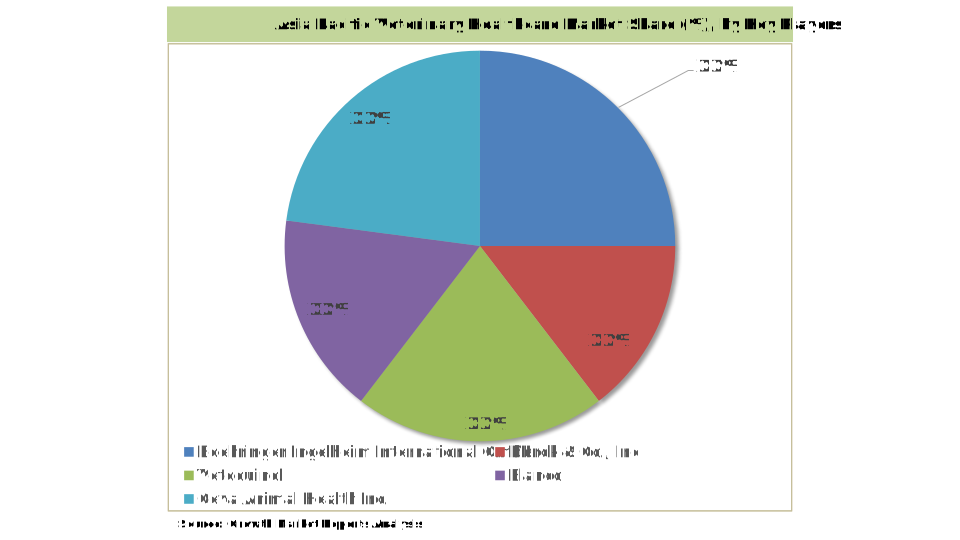
Key players competing in the Asia Pacific veterinary healthcare market include Boehringer Ingelheim International GmbH; Merck & Co., Inc; Vetoquinol; Elanco; Ceva Animal Health Inc.
Some of these players are using several market strategies such as acquisitions, merger, collaborations, partnerships, capacity expansion, and product launches to enhance their market. For instance,
On April 2020 Elanco Japan stated that it has gained marketing approval from the Ministry of Agriculture, Forestry, and Fisheries for the drug 'Galliprant,' which is used to treat canine osteoarthritis.
On June 2020 Vetina Healthcare LLP announced the introduction of 'Pawtect,' India's first pet medical cover for dogs.
End users include veterinary hospitals and clinics, reference laboratories, point-of-care/in-house testing facilities, and others such as academic and research institutions.
Opportunities include the adoption of digital health solutions, expansion in emerging economies, and development of eco-friendly products. Challenges include high costs of advanced treatments, regulatory hurdles, limited access in rural areas, and concerns over antimicrobial resistance.
Major players include Zoetis Inc., Boehringer Ingelheim Animal Health, Merck Animal Health, Elanco Animal Health, Ceva Santé Animale, Virbac SA, Vetoquinol SA, Dechra Pharmaceuticals PLC, and IDEXX Laboratories, Inc.
Veterinary healthcare products are distributed through retail pharmacies, e-commerce platforms, veterinary hospitals and clinics, as well as distributors and wholesalers.
Technological innovations such as point-of-care testing, molecular diagnostics, telemedicine, artificial intelligence, and digital record-keeping are improving diagnostic accuracy, treatment outcomes, and accessibility of veterinary services.
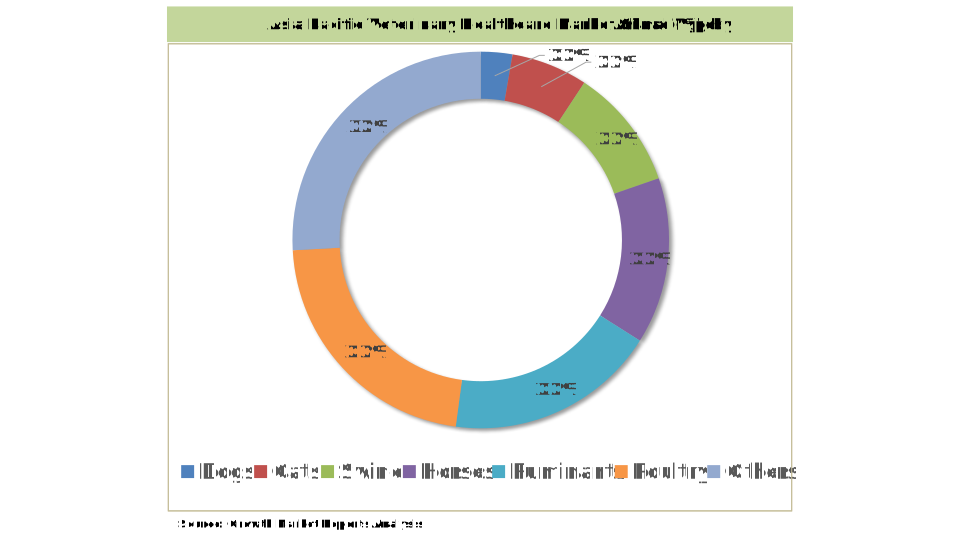
The market is segmented into companion animals (such as dogs, cats, and horses) and livestock animals (including cattle, swine, poultry, sheep, and goats), each with distinct growth drivers and healthcare needs.
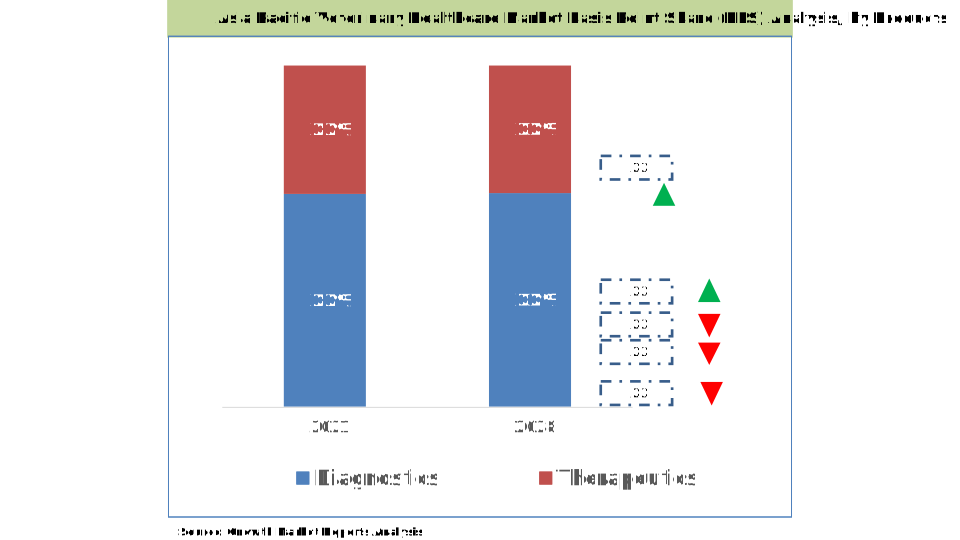
The main product segments are pharmaceuticals, vaccines, medicated feed additives, diagnostics, and other products such as dermatologicals and nutritional supplements.
North America leads the market due to its advanced animal healthcare infrastructure and high pet ownership, followed by Europe. The Asia Pacific region is the fastest-growing market, driven by rising incomes, urbanization, and increased awareness of animal health.
Key growth drivers include increasing pet ownership, rising livestock production, advancements in animal healthcare technologies, and a growing focus on preventive medicine and wellness products.
The global veterinary healthcare market reached USD 43.7 billion in 2024 and is expected to grow at a CAGR of 7.2% from 2025 to 2033, reaching an estimated value of USD 82.1 billion by 2033.