Vaginitis Therapeutics Market Report 2025-2034

Vaginitis Therapeutics Market Report 2025-2034

Segments - by Drug Type (Antibiotics, Antifungals, Antivirals, Hormonal Treatments, Others), by Route Of Administration (Oral, Topical, Intravaginal, Others), by Distribution Channel (Hospital Pharmacies, Retail Pharmacies, Online Pharmacies, Others), by End-User (Hospitals, Clinics, Homecare, Others)

https://growthmarketreports.com/raksha
Author : Raksha Sharma
https://growthmarketreports.com/Vaibhav
Fact-checked by : V. Chandola
https://growthmarketreports.com/Shruti
Editor : Shruti Bhat

Last Updated : Jun, 2026 | Report ID :HC-1982 | 4.6 Rating | 31 Reviews | 296 Pages | Format : Docx PDF

Report Description

This report is updated with the latest market data and insights as of June 2026. Base year: 2025  |  Forecast period: 2026-2034


Vaginitis Therapeutics Market Outlook

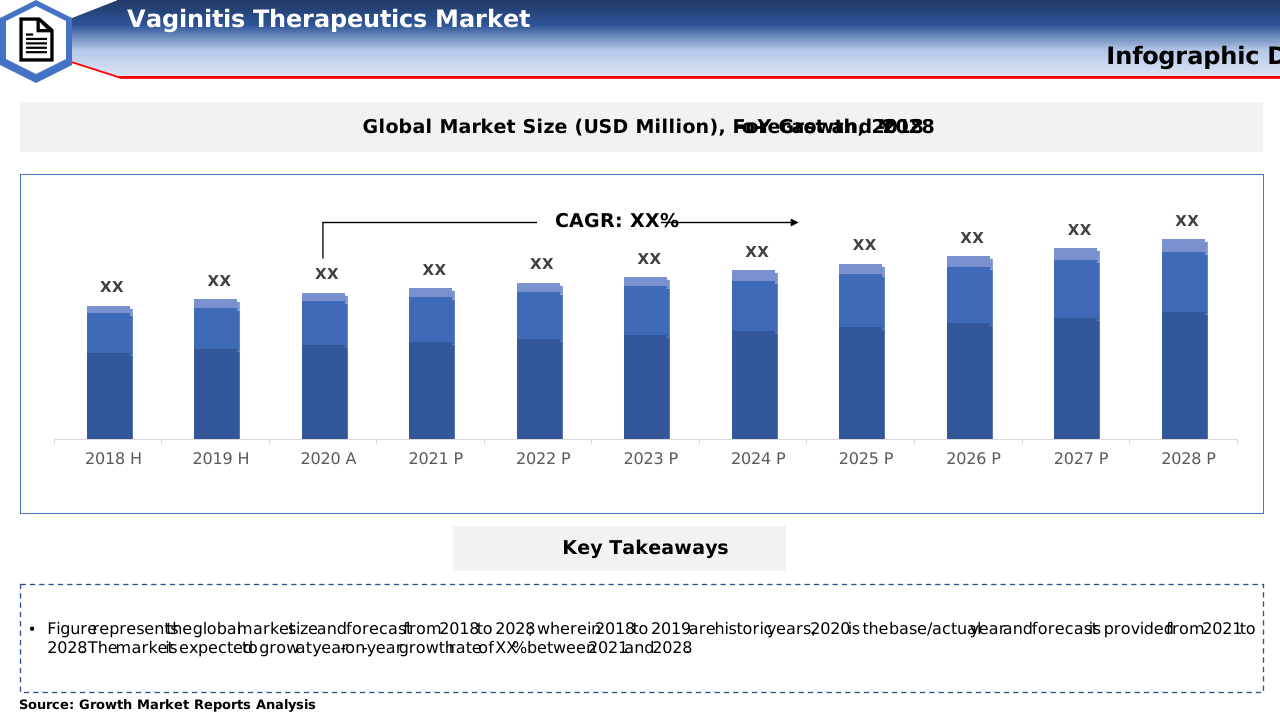
As per our latest research, the global Vaginitis Therapeutics market size stood at USD 3.65 billion in 2025, reflecting a robust landscape driven by rising awareness and increasing prevalence of vaginal infections. The market is projected to expand at a CAGR of 7.1% during the forecast period, reaching approximately USD 6.81 billion by 2034. This growth is primarily attributed to the escalating incidence of vaginitis, the introduction of advanced therapeutics, and a growing emphasis on women's health worldwide. The market's expansion is further propelled by increasing demand for effective, fast-acting, and patient-friendly treatment options for various forms of vaginitis, as well as supportive government initiatives aimed at improving women's healthcare infrastructure globally.

Global Vaginitis Therapeutics Market Size Forecast 2025-2034, USD Billion

One of the key growth factors driving the Vaginitis Therapeutics market is the rising prevalence of vaginal infections globally, including bacterial vaginosis, vulvovaginal candidiasis, and trichomoniasis. These conditions are among the most common reasons for gynecological consultations, especially in reproductive-age women. The increasing incidence can be attributed to changes in lifestyle, hormonal fluctuations, and the use of certain medications that disrupt the natural vaginal flora. Research into vaginal microbiome therapeutics is increasingly informing treatment approaches, with growing recognition that microbial balance plays a central role in both the onset and recurrence of vaginitis. Additionally, growing awareness regarding the importance of early diagnosis and treatment of vaginal infections has led to an uptick in healthcare-seeking behavior, further supporting market growth. Public health campaigns and educational initiatives by governmental and non-governmental organizations have played a significant role in dispelling stigma and encouraging women to seek timely medical attention, thereby driving demand for effective therapeutics.

The market is also benefiting from continuous advancements in drug formulations and delivery systems. Pharmaceutical companies are increasingly focusing on developing novel therapeutics with enhanced efficacy, reduced side effects, and improved patient compliance. The introduction of combination therapies, targeted antimicrobial agents, and hormone-based treatments has expanded the therapeutic arsenal available to clinicians. Moreover, the development of user-friendly delivery systems such as intravaginal rings, gels, and suppositories is enhancing patient adherence and convenience, which is particularly crucial for chronic or recurrent cases of vaginitis. The growing trend toward personalized medicine and the integration of molecular diagnostics are also expected to shape the future landscape of vaginitis therapeutics, allowing for more precise and individualized treatment approaches.

Another significant factor contributing to the growth of the Vaginitis Therapeutics market is the increasing investment in women's health research and the expansion of healthcare infrastructure in emerging economies. Governments and private organizations are channeling funds into the development of specialized women's health clinics, training healthcare professionals, and improving access to quality medications. The rising penetration of health insurance, coupled with favorable reimbursement policies for gynecological treatments, is making advanced therapeutics more accessible to a broader population base. Furthermore, the proliferation of telemedicine and online pharmacies is facilitating easier access to consultations and medications, particularly in remote or underserved regions, thereby expanding the reach of vaginitis therapeutics and complementing advances in closely related fields such as urinary tract infection therapeutics.

From a regional perspective, North America remains the dominant player in the Vaginitis Therapeutics market, accounting for the largest share due to its well-established healthcare infrastructure, high awareness levels, and the presence of leading pharmaceutical companies. However, the Asia Pacific region is poised for the fastest growth, driven by a large and underserved patient population, rising healthcare expenditure, and increasing awareness about women's health issues. Europe continues to maintain a strong position owing to proactive government initiatives and a high prevalence of vaginitis. Latin America and the Middle East & Africa are also witnessing gradual growth, supported by improving healthcare access and a growing focus on women's health. The regional dynamics are further influenced by cultural factors, economic development, and the regulatory landscape, all of which play a crucial role in shaping market trends and opportunities through 2034.

Drug Type Analysis

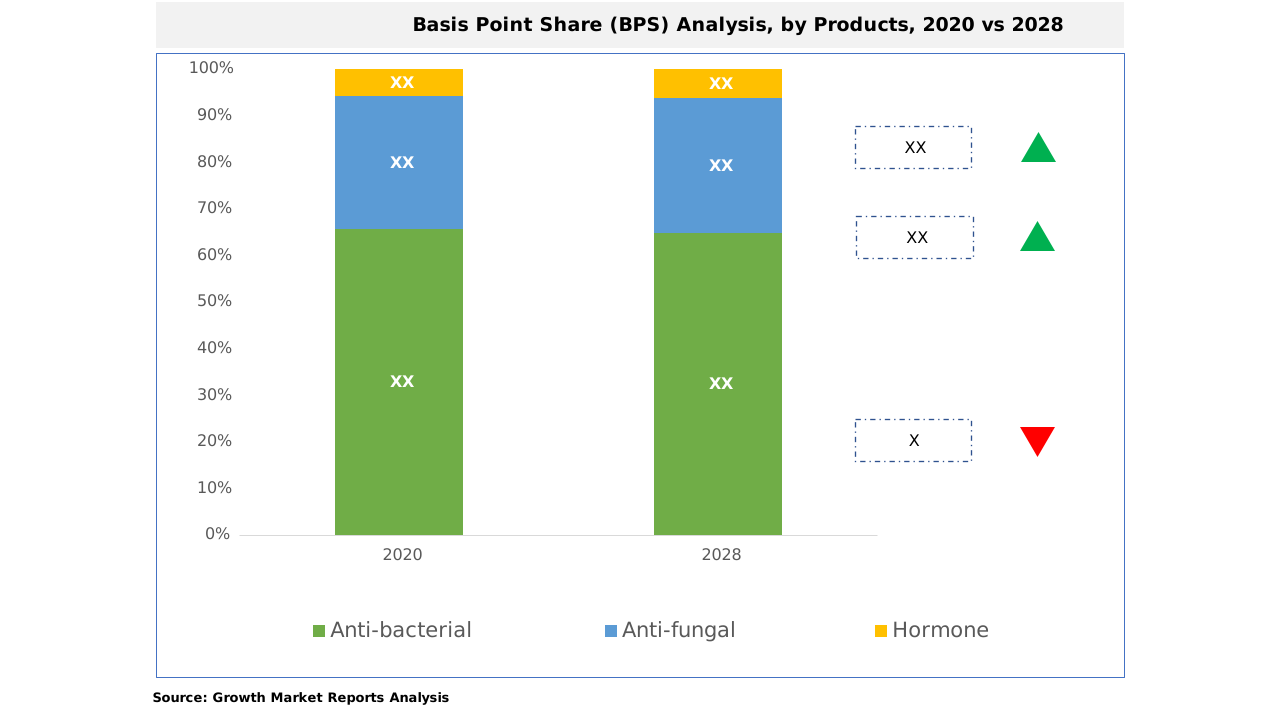
The drug type segment of the Vaginitis Therapeutics market encompasses antibiotics, antifungals, antivirals, hormonal treatments, and other specialized agents. Among these, antibiotics hold the largest market share of approximately 34.5% in 2025, primarily due to their widespread use in the treatment of bacterial vaginosis, which remains the most common cause of vaginitis globally. Detailed coverage of this specific area is available through dedicated research on bacterial vaginosis treatment trends and pipeline therapies. The growing prevalence of antibiotic-resistant strains is prompting pharmaceutical companies to invest in next-generation antibiotics and combination therapies that can effectively address resistance issues while minimizing side effects. Antifungals represent another critical segment at around 29.8% share, driven by the high incidence of vulvovaginal candidiasis. Broader trends in this area are also tracked under antifungal therapeutics, where pipeline innovation and resistance challenges mirror those seen in vaginitis-specific applications. The development of novel antifungal agents with improved pharmacokinetic profiles and reduced recurrence rates is further boosting the growth of this segment.

Vaginitis Therapeutics Market Share by Drug Type 2025

Antiviral drugs, while representing a smaller share of approximately 10.1% in 2025 compared to antibiotics and antifungals, are witnessing increased demand due to rising awareness of viral infections such as herpes simplex virus (HSV) that can cause vaginitis. The availability of targeted antiviral therapies and the integration of these drugs into broader treatment regimens are enhancing clinical outcomes for affected patients. Hormonal treatments, including estrogen-based therapies, hold around 18.2% market share and are gaining traction, particularly among postmenopausal women who experience atrophic vaginitis due to declining estrogen levels. The introduction of low-dose, locally administered hormonal therapies with minimal systemic absorption is improving safety and tolerability, making them a preferred choice for long-term management.

The "Others" category in drug types, accounting for approximately 7.4% of market share in 2025, includes probiotics, antiseptics, and emerging biologics. The growing body of evidence supporting the efficacy of vaginal probiotics in preventing recurrence and enhancing treatment outcomes is encouraging their adoption in clinical practice alongside standard antimicrobial therapies. Additionally, ongoing research into novel biologics and immunomodulatory agents holds promise for the development of targeted therapies that can address underlying immunological and microbial imbalances associated with chronic or recurrent vaginitis.

Overall, the drug type segment is characterized by continuous innovation and diversification, with pharmaceutical companies striving to develop safer, more effective, and patient-centric therapeutics. The shift toward combination therapies, personalized medicine, and the integration of supportive care agents is expected to redefine treatment paradigms through 2034. Regulatory agencies are also playing a pivotal role by expediting the approval of breakthrough therapies and fostering a favorable environment for clinical research and development in the vaginitis therapeutics space.

Report Scope

Attributes Details
Report Title Vaginitis Therapeutics Market Research Report 2025-2034
By Drug Type Antibiotics, Antifungals, Antivirals, Hormonal Treatments, Others
By Route Of Administration Oral, Topical, Intravaginal, Others
By Distribution Channel Hospital Pharmacies, Retail Pharmacies, Online Pharmacies, Others
By End-User Hospitals, Clinics, Homecare, Others
Regions Covered North America, Europe, APAC, Latin America, MEA
Base Year 2025
Historic Data 2019-2024
Forecast Period 2026-2034
Number of Pages 296
Number of Tables & Figures 387
Customization Available Yes, the report can be customized as per your need.

Route of Administration Analysis

The route of administration segment is a critical determinant of patient compliance, therapeutic efficacy, and overall treatment outcomes in the Vaginitis Therapeutics market. The primary routes include oral, topical, intravaginal, and others. Oral administration remains a popular choice due to its convenience and systemic action, particularly for infections that are recurrent or resistant to local treatments. However, oral therapies can be associated with systemic side effects and drug interactions, which may limit their use in certain patient populations. The development of oral agents with improved safety profiles and targeted delivery mechanisms is therefore a key focus for pharmaceutical companies as they plan pipelines through 2034.

Topical administration, encompassing creams, gels, and ointments, is widely favored for its ability to deliver high concentrations of the drug directly to the site of infection, minimizing systemic exposure and associated side effects. Topical therapies are particularly effective for mild to moderate cases of vaginitis and are often preferred by patients seeking rapid relief from local symptoms such as itching, burning, and discharge. The formulation of non-irritating, fast-absorbing topical agents with extended duration of action is enhancing patient adherence and satisfaction. Additionally, the integration of combination topical therapies that address both infectious and inflammatory components of vaginitis is gaining traction in clinical practice.

Intravaginal administration, including suppositories, tablets, and rings, offers targeted and sustained drug delivery, making it an ideal choice for chronic or recurrent cases. Intravaginal formulations are designed to provide prolonged contact with the vaginal mucosa, ensuring effective eradication of pathogens and reducing the risk of recurrence. The development of user-friendly, discreet, and self-administered intravaginal products is improving patient acceptance and adherence, particularly among women who prefer localized treatment options. Furthermore, the use of biodegradable and bioadhesive technologies in intravaginal delivery systems is enhancing therapeutic outcomes and patient comfort through the forecast period.

The "Others" category includes innovative delivery routes such as injectable therapies and emerging nanotechnology-based systems. Injectable therapies are typically reserved for severe or complicated cases that do not respond to conventional treatments, while nanotechnology-based delivery systems hold promise for improving drug solubility, stability, and targeted delivery. The ongoing research and development in this segment are expected to yield novel therapeutic options that can address unmet needs and improve the overall management of vaginitis. The route of administration segment is thus marked by a strong emphasis on patient-centricity, convenience, and the optimization of therapeutic efficacy across all major markets.

Distribution Channel Analysis

The distribution channel segment plays a pivotal role in ensuring the timely and efficient delivery of vaginitis therapeutics to end-users. The primary channels include hospital pharmacies, retail pharmacies, online pharmacies, and others. Hospital pharmacies account for a significant share of the market, particularly in developed regions where hospital-based care is the norm for acute and severe cases of vaginitis. These pharmacies are equipped to dispense a wide range of prescription medications, including specialized and high-cost therapeutics, and often serve as the first point of contact for patients presenting with complicated or recurrent infections.

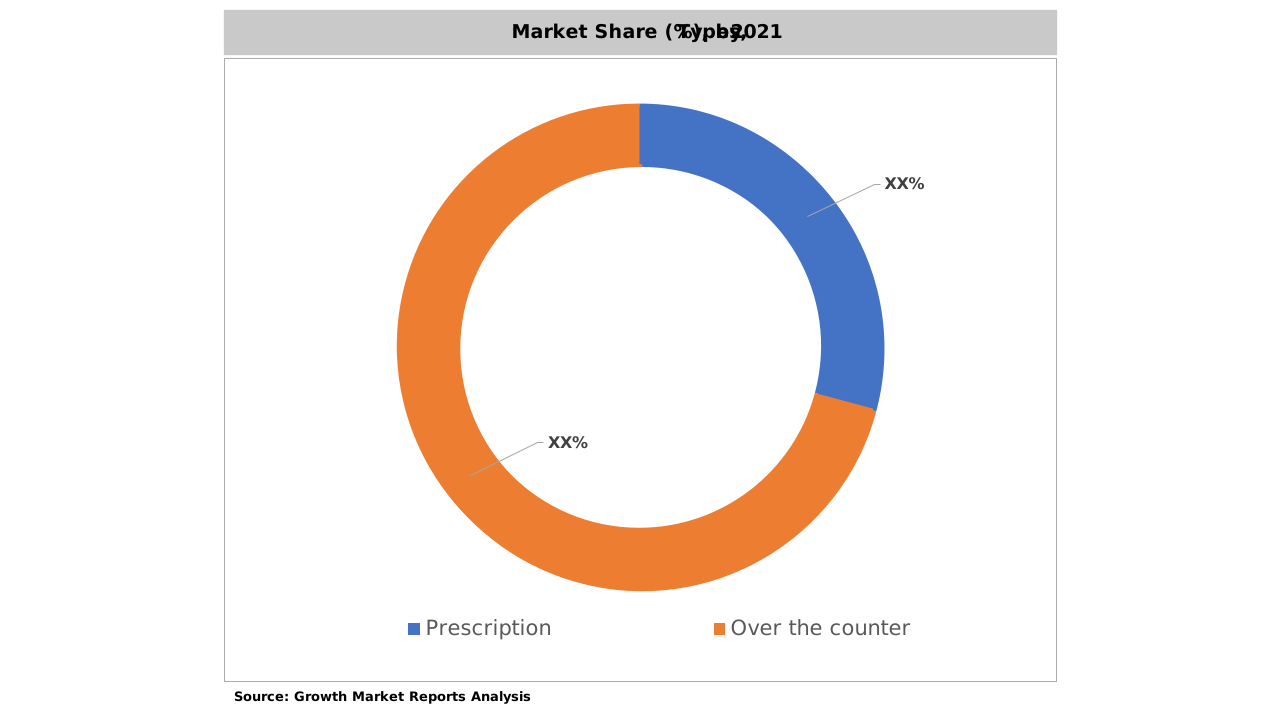
Retail pharmacies, both independent and chain outlets, represent a major distribution channel for over-the-counter and prescription vaginitis therapeutics. The widespread presence of retail pharmacies, coupled with their accessibility and convenience, makes them a preferred choice for many patients seeking prompt relief from mild to moderate symptoms. Retail pharmacies also play a crucial role in patient education, counseling, and the promotion of adherence to prescribed treatment regimens. The increasing availability of generic formulations and the expansion of product offerings are further strengthening the position of retail pharmacies in the market through 2034.

Online pharmacies are witnessing rapid growth, driven by the increasing adoption of digital health platforms and the growing preference for home delivery of medications. The convenience, privacy, and competitive pricing offered by online pharmacies are particularly appealing to women seeking discreet and hassle-free access to vaginitis therapeutics. The post-pandemic normalization of telehealth services has further accelerated the shift toward online channels, with many patients opting for virtual consultations and digital prescriptions. Regulatory authorities are also taking steps to ensure the safety, quality, and authenticity of medications dispensed through online platforms, thereby boosting consumer confidence and market penetration.

The "Others" category includes specialty clinics, community health centers, and direct-to-consumer channels. Specialty clinics and community health centers cater to specific patient populations, such as those with recurrent or complicated infections, and often provide integrated care services including diagnosis, treatment, and follow-up. Direct-to-consumer channels are gaining traction with the advent of subscription-based services and personalized medicine platforms. The distribution channel segment is thus characterized by a dynamic interplay of traditional and digital models, with a strong emphasis on accessibility, convenience, and patient-centricity across all regions.

End-User Analysis

The end-user segment of the Vaginitis Therapeutics market includes hospitals, clinics, homecare, and other healthcare settings. Hospitals remain the primary end-users, particularly for acute, severe, or complicated cases of vaginitis that require comprehensive diagnostic and therapeutic interventions. The availability of specialized gynecology departments, advanced diagnostic facilities, and multidisciplinary care teams in hospitals ensures optimal management of complex cases and enhances patient outcomes. Hospitals also serve as key centers for clinical research, education, and the dissemination of best practices in vaginitis management globally.

Clinics, including specialized women's health clinics and outpatient gynecology practices, play a crucial role in the early diagnosis and treatment of vaginitis. These settings are often the first point of contact for patients presenting with symptoms and are equipped to provide rapid, cost-effective, and patient-centered care. The increasing establishment of dedicated women's health clinics, particularly in urban and semi-urban areas, is improving access to quality care and driving demand for vaginitis therapeutics. Clinics also serve as important hubs for preventive care, education, and the management of recurrent or chronic cases through 2034.

Homecare is emerging as a significant end-user segment, driven by the growing preference for self-management and the availability of user-friendly, over-the-counter therapeutics. The normalization of telehealth since 2020 has sustained strong momentum for homecare solutions, with many patients opting for virtual consultations, home delivery of medications, and self-administered treatment regimens. The development of easy-to-use, safe, and effective homecare products is enhancing patient autonomy and adherence, particularly for mild to moderate cases. Homecare is expected to witness sustained growth through 2034, supported by technological advancements and the increasing emphasis on patient empowerment and convenience.

The "Others" category includes community health centers, non-governmental organizations, and mobile health units that cater to underserved populations in remote or resource-limited settings. These entities play a vital role in expanding access to vaginitis therapeutics, particularly in regions with limited healthcare infrastructure. Community-based interventions, health camps, and outreach programs are helping to bridge the gap in care and improve health outcomes for vulnerable populations. The end-user segment is thus characterized by a diverse and evolving landscape, with a strong focus on accessibility, quality, and patient-centered care.

Opportunities & Threats

The Vaginitis Therapeutics market presents numerous opportunities for growth and innovation. One of the most significant opportunities lies in the development of novel therapeutics and drug delivery systems that address unmet clinical needs and improve patient outcomes. The integration of advanced molecular diagnostics, personalized medicine approaches, and targeted therapies is opening new avenues for the precise and effective management of vaginitis. Pharmaceutical companies are increasingly investing in research and development to bring to market next-generation antibiotics, antifungals, antivirals, and hormone-based treatments with improved efficacy, safety, and tolerability. The growing emphasis on patient-centric care, coupled with advancements in telemedicine and digital health platforms, is also creating opportunities for expanding access to vaginitis therapeutics, particularly in underserved and remote regions.

Another major opportunity is the rising awareness and proactive approach toward women's health, driven by public health campaigns, educational initiatives, and advocacy efforts by governmental and non-governmental organizations. The increasing recognition of the importance of early diagnosis and treatment of vaginal infections is leading to greater healthcare-seeking behavior and higher demand for effective therapeutics. The expansion of healthcare infrastructure, particularly in emerging economies, and the growing penetration of health insurance are making advanced treatments more accessible to a broader population base. Additionally, the proliferation of online pharmacies and telemedicine platforms is facilitating easier access to consultations and medications, further expanding the reach of vaginitis therapeutics. Parallel innovations in adjacent fields, such as treatments for endometriosis, are also generating cross-sector R&D learnings that benefit the broader women's health therapeutics space.

However, the market is not without its challenges. One of the primary restrainers is the growing threat of antimicrobial resistance, particularly with the widespread use of antibiotics and antifungals. The emergence of resistant strains is limiting the effectiveness of existing therapies and necessitating the development of new drugs and combination regimens. Regulatory hurdles, high development costs, and the lengthy approval process for novel therapeutics are also significant barriers to market entry and growth. Furthermore, the persistent stigma and lack of awareness surrounding vaginal health in certain regions continue to impede timely diagnosis and treatment, underscoring the need for sustained education and advocacy efforts throughout the forecast period.

Regional Outlook

North America leads the global Vaginitis Therapeutics market, accounting for approximately 33.8% of market share in 2025, equivalent to around USD 1.23 billion. This dominance is attributed to the region's advanced healthcare infrastructure, high awareness levels, and the presence of leading pharmaceutical companies engaged in the development and commercialization of innovative therapeutics. The United States, in particular, is a major contributor, driven by robust research and development activities, favorable reimbursement policies, and the widespread adoption of advanced diagnostic and treatment modalities. The region is also witnessing a growing trend toward patient-centric care, with an increasing focus on preventive health and early intervention.

Vaginitis Therapeutics Market Regional Share 2025

Europe holds the second-largest market share at approximately 25.4%, valued at around USD 0.93 billion in 2025, supported by proactive government initiatives, high prevalence of vaginitis, and a well-established network of healthcare providers. Countries such as Germany, France, and the United Kingdom are at the forefront of market growth, driven by strong public health systems, comprehensive insurance coverage, and a high level of awareness about women's health issues. The region is also characterized by a strong emphasis on research, innovation, and the adoption of evidence-based clinical guidelines, which are contributing to the continuous improvement of diagnostic and therapeutic standards in vaginitis management.

The Asia Pacific region holds approximately 26.1% market share in 2025 and is poised for the fastest growth, with a projected CAGR of 8.7% during the forecast period, reaching a market size of approximately USD 2.18 billion by 2034. This rapid expansion is fueled by a large and underserved patient population, rising healthcare expenditure, and increasing awareness about women's health. Countries such as China, India, and Japan are witnessing significant investments in healthcare infrastructure, the establishment of specialized women's health clinics, and the adoption of digital health solutions. The proliferation of online pharmacies and telemedicine platforms is further enhancing access to vaginitis therapeutics in the region. Latin America accounts for around 8.7% of the global market, while the Middle East & Africa represents approximately 6.0% of global market share in 2025. Both regions are experiencing gradual growth, supported by improving healthcare access, government initiatives, and a growing focus on women's health, though challenges such as limited infrastructure, cultural barriers, and economic constraints continue to impact market penetration.

Competitor Outlook

The competitive landscape of the Vaginitis Therapeutics market is characterized by the presence of several global and regional players, each striving to strengthen their market position through innovation, strategic collaborations, and expansion into emerging markets. Leading pharmaceutical companies are heavily investing in research and development to introduce novel therapeutics with superior efficacy, safety, and patient compliance. The market is marked by a high degree of competition, with companies focusing on the development of differentiated products, combination therapies, and advanced drug delivery systems to address unmet clinical needs and gain a competitive edge.

Strategic partnerships, mergers and acquisitions, and licensing agreements are common strategies adopted by key players to expand their product portfolios, enhance their research capabilities, and accelerate market entry. Companies are also actively engaged in clinical trials and regulatory submissions to secure approvals for new indications, formulations, and delivery systems. The emphasis on patient-centric care, personalized medicine, and the integration of digital health solutions is driving innovation and shaping the future direction of the market through 2034. Additionally, companies are leveraging digital marketing, patient education programs, and direct-to-consumer channels to increase brand awareness and drive product adoption.

The market is also witnessing the entry of new players, particularly in the generic and biosimilar segments, which is intensifying competition and driving price pressures. However, established players continue to maintain a strong foothold through their extensive distribution networks, robust research pipelines, and strong brand equity. The focus on quality, safety, and regulatory compliance remains paramount, with companies investing in advanced manufacturing technologies, quality assurance systems, and pharmacovigilance programs to ensure the highest standards of product safety and efficacy.

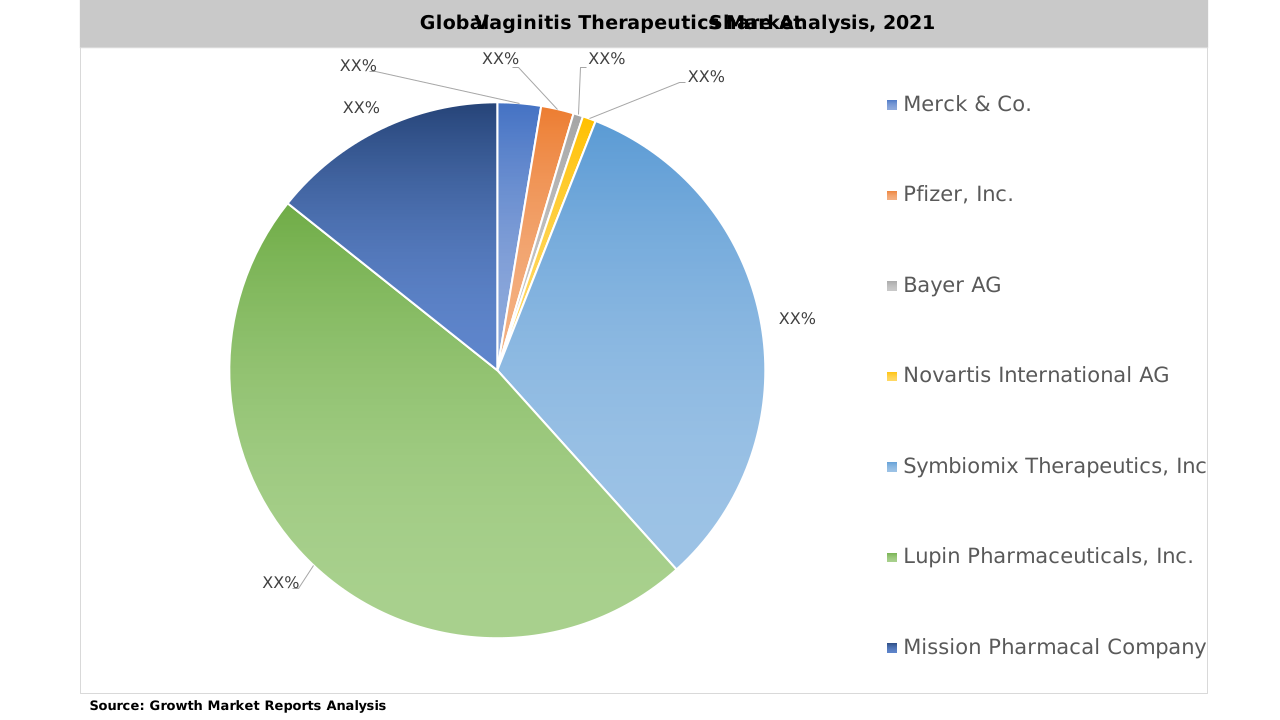
Some of the major companies operating in the Vaginitis Therapeutics market include Bayer AG, Pfizer Inc., Sanofi S.A., Merck & Co. Inc., GlaxoSmithKline plc, AbbVie Inc., Teva Pharmaceutical Industries Ltd., Viatris Inc., Cipla Limited, Lupin Limited, Sun Pharmaceutical Industries Ltd., Dr. Reddy's Laboratories Ltd., Bausch Health Companies Inc., Perrigo Company plc, TherapeuticsMD Inc., Astellas Pharma Inc., Shionogi & Co. Ltd., Amneal Pharmaceuticals Inc., and Assertio Holdings Inc. Bayer AG is recognized for its strong portfolio of women's health products and ongoing investments in research and development. Pfizer Inc. continues to be a leader in the anti-infective segment, with a focus on innovative therapies and global outreach. Sanofi S.A. and Merck & Co. Inc. are notable for their comprehensive product offerings, strategic partnerships, and commitment to advancing women's health. Lupin Limited and Viatris Inc. are prominent players in the generic and specialty therapeutics segments, with a strong presence in emerging markets. Teva Pharmaceutical Industries Ltd. and Sun Pharmaceutical Industries Ltd. are leveraging their global distribution networks and research capabilities to expand their footprint in the market. Cipla Limited is known for its focus on affordable and accessible therapeutics, particularly in developing regions. These companies are collectively shaping the competitive dynamics of the market, driving innovation, and improving access to effective vaginitis therapeutics worldwide through 2034.

Key Players

  • Bayer AG
  • Pfizer Inc.
  • Sanofi S.A.
  • Merck & Co., Inc.
  • GlaxoSmithKline plc
  • AbbVie Inc.
  • Teva Pharmaceutical Industries Ltd.
  • Viatris Inc.
  • Cipla Limited
  • Lupin Limited
  • Sun Pharmaceutical Industries Ltd.
  • Dr. Reddy's Laboratories Ltd.
  • Bausch Health Companies Inc.
  • Astellas Pharma Inc.
  • Shionogi & Co., Ltd.
  • Perrigo Company plc
  • TherapeuticsMD Inc.
  • Amneal Pharmaceuticals Inc.
  • Assertio Holdings Inc.

Segments

The Vaginitis Therapeutics market has been segmented on the basis of

Drug Type

  • Antibiotics
  • Antifungals
  • Antivirals
  • Hormonal Treatments
  • Others

Route Of Administration

  • Oral
  • Topical
  • Intravaginal
  • Others

Distribution Channel

  • Hospital Pharmacies
  • Retail Pharmacies
  • Online Pharmacies
  • Others

End-User

  • Hospitals
  • Clinics
  • Homecare
  • Others

Frequently Asked Questions

Innovation is transforming vaginitis management through the development of next-generation antimicrobials, microbiome-based therapies, and advanced drug delivery systems such as bioadhesive intravaginal rings and nanoparticle formulations. Personalized medicine approaches and molecular diagnostics are enabling more precise treatment selection. Emerging research into CRISPR-based microbiota therapy and biologics holds substantial promise for addressing chronic and recurrent vaginitis with greater precision and fewer side effects.

Key challenges include the growing threat of antimicrobial resistance limiting the effectiveness of antibiotics and antifungals, high costs and lengthy regulatory timelines for novel drug approvals, persistent social stigma surrounding vaginal health in certain regions, limited healthcare infrastructure in low-income countries, and the risk of self-medication and inappropriate use of over-the-counter products leading to suboptimal outcomes.

The primary distribution channels are hospital pharmacies, retail pharmacies, online pharmacies, and other specialty outlets. Hospital pharmacies dominate in developed markets for prescription and high-cost therapeutics. Retail pharmacies are widely used for over-the-counter and prescription products due to their accessibility. Online pharmacies are the fastest-growing channel, driven by digital health adoption, privacy preferences, and home delivery convenience.

Leading companies operating in the global Vaginitis Therapeutics market include Bayer AG, Pfizer Inc., Sanofi S.A., Merck & Co. Inc., GlaxoSmithKline plc, AbbVie Inc., Teva Pharmaceutical Industries Ltd., Viatris Inc., Cipla Limited, Lupin Limited, Sun Pharmaceutical Industries Ltd., Bausch Health Companies Inc., Perrigo Company plc, TherapeuticsMD Inc., and Astellas Pharma Inc., among others.

North America leads the market with approximately 33.8% share in 2025, followed by Asia Pacific at 26.1% and Europe at 25.4%. Asia Pacific is projected to record the fastest CAGR of around 8.7% from 2026 to 2034, driven by a large underserved population, rising healthcare spending, and improving digital health infrastructure. Latin America and Middle East & Africa collectively account for the remaining share.

The primary routes of administration are oral, topical, and intravaginal. Oral administration offers systemic action and convenience for recurrent or resistant infections. Topical formulations such as creams and gels deliver high local drug concentrations with minimal systemic side effects. Intravaginal routes including suppositories, tablets, and rings provide targeted and sustained drug delivery, making them ideal for chronic or recurrent cases.

Antibiotics represent the largest drug type segment with approximately 34.5% market share in 2025, primarily for bacterial vaginosis treatment. Antifungals follow closely at about 29.8%, driven by high incidence of vulvovaginal candidiasis. Hormonal treatments hold around 18.2% share, antivirals account for about 10.1%, and other agents including probiotics and antiseptics make up the remaining 7.4%.

Key growth drivers include the escalating global incidence of bacterial vaginosis, vulvovaginal candidiasis, and trichomoniasis, increased healthcare-seeking behavior among women, expanding telemedicine and online pharmacy access, favorable government initiatives supporting women's health, rising health insurance penetration, and continuous innovation in drug formulations and delivery systems.

The Vaginitis Therapeutics market is projected to grow at a compound annual growth rate (CAGR) of 7.1% during the forecast period from 2026 to 2034, reaching an estimated USD 6.81 billion by 2034. This growth is supported by expanding healthcare infrastructure, increasing research and development investment, and rising patient awareness globally.

As of 2025, the global Vaginitis Therapeutics market is valued at approximately USD 3.65 billion, reflecting strong demand driven by rising prevalence of vaginal infections, growing awareness of women's health, and the continuous introduction of advanced therapeutic options across all major regions.

Table Of Content

Chapter 1 Executive Summary
Chapter 2 Assumptions and Acronyms Used
Chapter 3 Research Methodology
Chapter 4 Vaginitis Therapeutics Market Overview
   4.1 Introduction
      4.1.1 Market Taxonomy
      4.1.2 Market Definition
      4.1.3 Macro-Economic Factors Impacting the Market Growth
   4.2 Vaginitis Therapeutics Market Dynamics
      4.2.1 Market Drivers
      4.2.2 Market Restraints
      4.2.3 Market Opportunity
   4.3 Vaginitis Therapeutics Market - Supply Chain Analysis
      4.3.1 List of Key Suppliers
      4.3.2 List of Key Distributors
      4.3.3 List of Key Consumers
   4.4 Key Forces Shaping the Vaginitis Therapeutics Market
      4.4.1 Bargaining Power of Suppliers
      4.4.2 Bargaining Power of Buyers
      4.4.3 Threat of Substitution
      4.4.4 Threat of New Entrants
      4.4.5 Competitive Rivalry
   4.5 Global Vaginitis Therapeutics Market Size & Forecast, 2023-2032
      4.5.1 Vaginitis Therapeutics Market Size and Y-o-Y Growth
      4.5.2 Vaginitis Therapeutics Market Absolute $ Opportunity

Chapter 5 Global Vaginitis Therapeutics Market Analysis and Forecast By Drug Type
   5.1 Introduction
      5.1.1 Key Market Trends & Growth Opportunities By Drug Type
      5.1.2 Basis Point Share (BPS) Analysis By Drug Type
      5.1.3 Absolute $ Opportunity Assessment By Drug Type
   5.2 Vaginitis Therapeutics Market Size Forecast By Drug Type
      5.2.1 Antibiotics
      5.2.2 Antifungals
      5.2.3 Antivirals
      5.2.4 Hormonal Treatments
      5.2.5 Others
   5.3 Market Attractiveness Analysis By Drug Type

Chapter 6 Global Vaginitis Therapeutics Market Analysis and Forecast By Route Of Administration
   6.1 Introduction
      6.1.1 Key Market Trends & Growth Opportunities By Route Of Administration
      6.1.2 Basis Point Share (BPS) Analysis By Route Of Administration
      6.1.3 Absolute $ Opportunity Assessment By Route Of Administration
   6.2 Vaginitis Therapeutics Market Size Forecast By Route Of Administration
      6.2.1 Oral
      6.2.2 Topical
      6.2.3 Intravaginal
      6.2.4 Others
   6.3 Market Attractiveness Analysis By Route Of Administration

Chapter 7 Global Vaginitis Therapeutics Market Analysis and Forecast By Distribution Channel
   7.1 Introduction
      7.1.1 Key Market Trends & Growth Opportunities By Distribution Channel
      7.1.2 Basis Point Share (BPS) Analysis By Distribution Channel
      7.1.3 Absolute $ Opportunity Assessment By Distribution Channel
   7.2 Vaginitis Therapeutics Market Size Forecast By Distribution Channel
      7.2.1 Hospital Pharmacies
      7.2.2 Retail Pharmacies
      7.2.3 Online Pharmacies
      7.2.4 Others
   7.3 Market Attractiveness Analysis By Distribution Channel

Chapter 8 Global Vaginitis Therapeutics Market Analysis and Forecast By End-User
   8.1 Introduction
      8.1.1 Key Market Trends & Growth Opportunities By End-User
      8.1.2 Basis Point Share (BPS) Analysis By End-User
      8.1.3 Absolute $ Opportunity Assessment By End-User
   8.2 Vaginitis Therapeutics Market Size Forecast By End-User
      8.2.1 Hospitals
      8.2.2 Clinics
      8.2.3 Homecare
      8.2.4 Others
   8.3 Market Attractiveness Analysis By End-User

Chapter 9 Global Vaginitis Therapeutics Market Analysis and Forecast by Region
   9.1 Introduction
      9.1.1 Key Market Trends & Growth Opportunities By Region
      9.1.2 Basis Point Share (BPS) Analysis By Region
      9.1.3 Absolute $ Opportunity Assessment By Region
   9.2 Vaginitis Therapeutics Market Size Forecast By Region
      9.2.1 North America
      9.2.2 Europe
      9.2.3 Asia Pacific
      9.2.4 Latin America
      9.2.5 Middle East & Africa (MEA)
   9.3 Market Attractiveness Analysis By Region

Chapter 10 Coronavirus Disease (COVID-19) Impact 
   10.1 Introduction 
   10.2 Current & Future Impact Analysis 
   10.3 Economic Impact Analysis 
   10.4 Government Policies 
   10.5 Investment Scenario

Chapter 11 North America Vaginitis Therapeutics Analysis and Forecast
   11.1 Introduction
   11.2 North America Vaginitis Therapeutics Market Size Forecast by Country
      11.2.1 U.S.
      11.2.2 Canada
   11.3 Basis Point Share (BPS) Analysis by Country
   11.4 Absolute $ Opportunity Assessment by Country
   11.5 Market Attractiveness Analysis by Country
   11.6 North America Vaginitis Therapeutics Market Size Forecast By Drug Type
      11.6.1 Antibiotics
      11.6.2 Antifungals
      11.6.3 Antivirals
      11.6.4 Hormonal Treatments
      11.6.5 Others
   11.7 Basis Point Share (BPS) Analysis By Drug Type 
   11.8 Absolute $ Opportunity Assessment By Drug Type 
   11.9 Market Attractiveness Analysis By Drug Type
   11.10 North America Vaginitis Therapeutics Market Size Forecast By Route Of Administration
      11.10.1 Oral
      11.10.2 Topical
      11.10.3 Intravaginal
      11.10.4 Others
   11.11 Basis Point Share (BPS) Analysis By Route Of Administration 
   11.12 Absolute $ Opportunity Assessment By Route Of Administration 
   11.13 Market Attractiveness Analysis By Route Of Administration
   11.14 North America Vaginitis Therapeutics Market Size Forecast By Distribution Channel
      11.14.1 Hospital Pharmacies
      11.14.2 Retail Pharmacies
      11.14.3 Online Pharmacies
      11.14.4 Others
   11.15 Basis Point Share (BPS) Analysis By Distribution Channel 
   11.16 Absolute $ Opportunity Assessment By Distribution Channel 
   11.17 Market Attractiveness Analysis By Distribution Channel
   11.18 North America Vaginitis Therapeutics Market Size Forecast By End-User
      11.18.1 Hospitals
      11.18.2 Clinics
      11.18.3 Homecare
      11.18.4 Others
   11.19 Basis Point Share (BPS) Analysis By End-User 
   11.20 Absolute $ Opportunity Assessment By End-User 
   11.21 Market Attractiveness Analysis By End-User

Chapter 12 Europe Vaginitis Therapeutics Analysis and Forecast
   12.1 Introduction
   12.2 Europe Vaginitis Therapeutics Market Size Forecast by Country
      12.2.1 Germany
      12.2.2 France
      12.2.3 Italy
      12.2.4 U.K.
      12.2.5 Spain
      12.2.6 Russia
      12.2.7 Rest of Europe
   12.3 Basis Point Share (BPS) Analysis by Country
   12.4 Absolute $ Opportunity Assessment by Country
   12.5 Market Attractiveness Analysis by Country
   12.6 Europe Vaginitis Therapeutics Market Size Forecast By Drug Type
      12.6.1 Antibiotics
      12.6.2 Antifungals
      12.6.3 Antivirals
      12.6.4 Hormonal Treatments
      12.6.5 Others
   12.7 Basis Point Share (BPS) Analysis By Drug Type 
   12.8 Absolute $ Opportunity Assessment By Drug Type 
   12.9 Market Attractiveness Analysis By Drug Type
   12.10 Europe Vaginitis Therapeutics Market Size Forecast By Route Of Administration
      12.10.1 Oral
      12.10.2 Topical
      12.10.3 Intravaginal
      12.10.4 Others
   12.11 Basis Point Share (BPS) Analysis By Route Of Administration 
   12.12 Absolute $ Opportunity Assessment By Route Of Administration 
   12.13 Market Attractiveness Analysis By Route Of Administration
   12.14 Europe Vaginitis Therapeutics Market Size Forecast By Distribution Channel
      12.14.1 Hospital Pharmacies
      12.14.2 Retail Pharmacies
      12.14.3 Online Pharmacies
      12.14.4 Others
   12.15 Basis Point Share (BPS) Analysis By Distribution Channel 
   12.16 Absolute $ Opportunity Assessment By Distribution Channel 
   12.17 Market Attractiveness Analysis By Distribution Channel
   12.18 Europe Vaginitis Therapeutics Market Size Forecast By End-User
      12.18.1 Hospitals
      12.18.2 Clinics
      12.18.3 Homecare
      12.18.4 Others
   12.19 Basis Point Share (BPS) Analysis By End-User 
   12.20 Absolute $ Opportunity Assessment By End-User 
   12.21 Market Attractiveness Analysis By End-User

Chapter 13 Asia Pacific Vaginitis Therapeutics Analysis and Forecast
   13.1 Introduction
   13.2 Asia Pacific Vaginitis Therapeutics Market Size Forecast by Country
      13.2.1 China
      13.2.2 Japan
      13.2.3 South Korea
      13.2.4 India
      13.2.5 Australia
      13.2.6 South East Asia (SEA)
      13.2.7 Rest of Asia Pacific (APAC)
   13.3 Basis Point Share (BPS) Analysis by Country
   13.4 Absolute $ Opportunity Assessment by Country
   13.5 Market Attractiveness Analysis by Country
   13.6 Asia Pacific Vaginitis Therapeutics Market Size Forecast By Drug Type
      13.6.1 Antibiotics
      13.6.2 Antifungals
      13.6.3 Antivirals
      13.6.4 Hormonal Treatments
      13.6.5 Others
   13.7 Basis Point Share (BPS) Analysis By Drug Type 
   13.8 Absolute $ Opportunity Assessment By Drug Type 
   13.9 Market Attractiveness Analysis By Drug Type
   13.10 Asia Pacific Vaginitis Therapeutics Market Size Forecast By Route Of Administration
      13.10.1 Oral
      13.10.2 Topical
      13.10.3 Intravaginal
      13.10.4 Others
   13.11 Basis Point Share (BPS) Analysis By Route Of Administration 
   13.12 Absolute $ Opportunity Assessment By Route Of Administration 
   13.13 Market Attractiveness Analysis By Route Of Administration
   13.14 Asia Pacific Vaginitis Therapeutics Market Size Forecast By Distribution Channel
      13.14.1 Hospital Pharmacies
      13.14.2 Retail Pharmacies
      13.14.3 Online Pharmacies
      13.14.4 Others
   13.15 Basis Point Share (BPS) Analysis By Distribution Channel 
   13.16 Absolute $ Opportunity Assessment By Distribution Channel 
   13.17 Market Attractiveness Analysis By Distribution Channel
   13.18 Asia Pacific Vaginitis Therapeutics Market Size Forecast By End-User
      13.18.1 Hospitals
      13.18.2 Clinics
      13.18.3 Homecare
      13.18.4 Others
   13.19 Basis Point Share (BPS) Analysis By End-User 
   13.20 Absolute $ Opportunity Assessment By End-User 
   13.21 Market Attractiveness Analysis By End-User

Chapter 14 Latin America Vaginitis Therapeutics Analysis and Forecast
   14.1 Introduction
   14.2 Latin America Vaginitis Therapeutics Market Size Forecast by Country
      14.2.1 Brazil
      14.2.2 Mexico
      14.2.3 Rest of Latin America (LATAM)
   14.3 Basis Point Share (BPS) Analysis by Country
   14.4 Absolute $ Opportunity Assessment by Country
   14.5 Market Attractiveness Analysis by Country
   14.6 Latin America Vaginitis Therapeutics Market Size Forecast By Drug Type
      14.6.1 Antibiotics
      14.6.2 Antifungals
      14.6.3 Antivirals
      14.6.4 Hormonal Treatments
      14.6.5 Others
   14.7 Basis Point Share (BPS) Analysis By Drug Type 
   14.8 Absolute $ Opportunity Assessment By Drug Type 
   14.9 Market Attractiveness Analysis By Drug Type
   14.10 Latin America Vaginitis Therapeutics Market Size Forecast By Route Of Administration
      14.10.1 Oral
      14.10.2 Topical
      14.10.3 Intravaginal
      14.10.4 Others
   14.11 Basis Point Share (BPS) Analysis By Route Of Administration 
   14.12 Absolute $ Opportunity Assessment By Route Of Administration 
   14.13 Market Attractiveness Analysis By Route Of Administration
   14.14 Latin America Vaginitis Therapeutics Market Size Forecast By Distribution Channel
      14.14.1 Hospital Pharmacies
      14.14.2 Retail Pharmacies
      14.14.3 Online Pharmacies
      14.14.4 Others
   14.15 Basis Point Share (BPS) Analysis By Distribution Channel 
   14.16 Absolute $ Opportunity Assessment By Distribution Channel 
   14.17 Market Attractiveness Analysis By Distribution Channel
   14.18 Latin America Vaginitis Therapeutics Market Size Forecast By End-User
      14.18.1 Hospitals
      14.18.2 Clinics
      14.18.3 Homecare
      14.18.4 Others
   14.19 Basis Point Share (BPS) Analysis By End-User 
   14.20 Absolute $ Opportunity Assessment By End-User 
   14.21 Market Attractiveness Analysis By End-User

Chapter 15 Middle East & Africa (MEA) Vaginitis Therapeutics Analysis and Forecast
   15.1 Introduction
   15.2 Middle East & Africa (MEA) Vaginitis Therapeutics Market Size Forecast by Country
      15.2.1 Saudi Arabia
      15.2.2 South Africa
      15.2.3 UAE
      15.2.4 Rest of Middle East & Africa (MEA)
   15.3 Basis Point Share (BPS) Analysis by Country
   15.4 Absolute $ Opportunity Assessment by Country
   15.5 Market Attractiveness Analysis by Country
   15.6 Middle East & Africa (MEA) Vaginitis Therapeutics Market Size Forecast By Drug Type
      15.6.1 Antibiotics
      15.6.2 Antifungals
      15.6.3 Antivirals
      15.6.4 Hormonal Treatments
      15.6.5 Others
   15.7 Basis Point Share (BPS) Analysis By Drug Type 
   15.8 Absolute $ Opportunity Assessment By Drug Type 
   15.9 Market Attractiveness Analysis By Drug Type
   15.10 Middle East & Africa (MEA) Vaginitis Therapeutics Market Size Forecast By Route Of Administration
      15.10.1 Oral
      15.10.2 Topical
      15.10.3 Intravaginal
      15.10.4 Others
   15.11 Basis Point Share (BPS) Analysis By Route Of Administration 
   15.12 Absolute $ Opportunity Assessment By Route Of Administration 
   15.13 Market Attractiveness Analysis By Route Of Administration
   15.14 Middle East & Africa (MEA) Vaginitis Therapeutics Market Size Forecast By Distribution Channel
      15.14.1 Hospital Pharmacies
      15.14.2 Retail Pharmacies
      15.14.3 Online Pharmacies
      15.14.4 Others
   15.15 Basis Point Share (BPS) Analysis By Distribution Channel 
   15.16 Absolute $ Opportunity Assessment By Distribution Channel 
   15.17 Market Attractiveness Analysis By Distribution Channel
   15.18 Middle East & Africa (MEA) Vaginitis Therapeutics Market Size Forecast By End-User
      15.18.1 Hospitals
      15.18.2 Clinics
      15.18.3 Homecare
      15.18.4 Others
   15.19 Basis Point Share (BPS) Analysis By End-User 
   15.20 Absolute $ Opportunity Assessment By End-User 
   15.21 Market Attractiveness Analysis By End-User

Chapter 16 Competition Landscape 
   16.1 Vaginitis Therapeutics Market: Competitive Dashboard
   16.2 Global Vaginitis Therapeutics Market: Market Share Analysis, 2023
   16.3 Company Profiles (Details – Overview, Financials, Developments, Strategy) 
      16.3.1 Bayer AG
      16.3.2 Pfizer Inc.
      16.3.3 Sanofi S.A.
      16.3.4 Merck & Co., Inc.
      16.3.5 GlaxoSmithKline plc
      16.3.6 AbbVie Inc.
      16.3.7 Teva Pharmaceutical Industries Ltd.
      16.3.8 Viatris Inc.
      16.3.9 Cipla Limited
      16.3.10 Lupin Limited
      16.3.11 Sun Pharmaceutical Industries Ltd.
      16.3.12 Dr. Reddy's Laboratories Ltd.
      16.3.13 Bausch Health Companies Inc.
      16.3.14 Astellas Pharma Inc.
      16.3.15 Shionogi & Co., Ltd.
      16.3.16 Perrigo Company plc
      16.3.17 Symbiomix Therapeutics (Lupin)
      16.3.18 TherapeuticsMD Inc.
      16.3.19 Amneal Pharmaceuticals Inc.
      16.3.20 Assertio Holdings Inc.

Methodology

Our Clients

General Electric
Pfizer
Microsoft
Deloitte
Honda Motor Co. Ltd.
Siemens Healthcare
General Mills
FedEx Logistics