Segments - by Product Type (Android, iOS, Others), by Condition (Used, Refurbished), by Sales Channel (Online, Offline), by Price Range (Low, Medium, Premium), by End User (Individual, Enterprise)
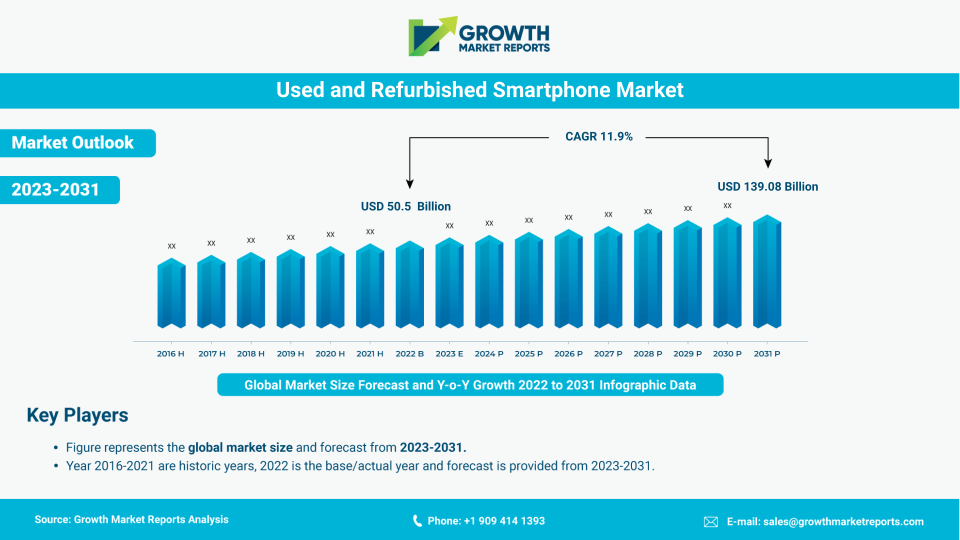
According to our latest research, the global used and refurbished smartphone market size reached USD 62.7 billion in 2024, reflecting robust momentum driven by rising consumer demand for affordable smart devices and sustainable purchasing options. The market is expected to grow at a CAGR of 10.1% from 2025 to 2033, projecting a market value of USD 147.1 billion by 2033. This remarkable growth is primarily fueled by increasing smartphone penetration, advancements in refurbishment technology, and growing environmental awareness among consumers seeking cost-effective and eco-friendly alternatives to new devices.
The used and refurbished smartphone market is experiencing significant expansion due to a convergence of economic, technological, and societal factors. Firstly, the constant innovation cycle in the smartphone industry leads to frequent model launches, prompting consumers to upgrade more often. This trend results in a substantial inventory of gently used devices entering the secondary market. Additionally, the rising cost of new flagship smartphones has driven price-sensitive consumers to seek value in the refurbished and used segment, where they can access premium features at a fraction of the original price. The increasing reliability and warranty assurances provided by certified refurbishers have also bolstered consumer confidence, further accelerating market growth.
Environmental concerns are another critical driver shaping the used and refurbished smartphone market. With e-waste becoming a pressing global issue, both consumers and enterprises are prioritizing sustainable purchasing decisions. The circular economy model, which emphasizes product reuse and lifecycle extension, has gained traction, encouraging the adoption of refurbished devices. Governments and regulatory bodies in various regions are also introducing policies and incentives to promote electronics recycling and reuse, providing further impetus to the market. As a result, more businesses and individuals are opting for refurbished smartphones, recognizing their role in reducing electronic waste and minimizing environmental impact.
Technological advancements in refurbishment processes have significantly enhanced the quality and reliability of used smartphones, making them an attractive option for a broader customer base. Modern refurbishment facilities employ rigorous testing, component replacement, and software optimization to ensure that devices meet stringent quality standards. The proliferation of online platforms specializing in certified refurbished devices has democratized access, enabling consumers to compare products, read reviews, and benefit from transparent pricing. These developments have contributed to the normalization of purchasing used and refurbished smartphones, transforming market perceptions and expanding the addressable customer base.
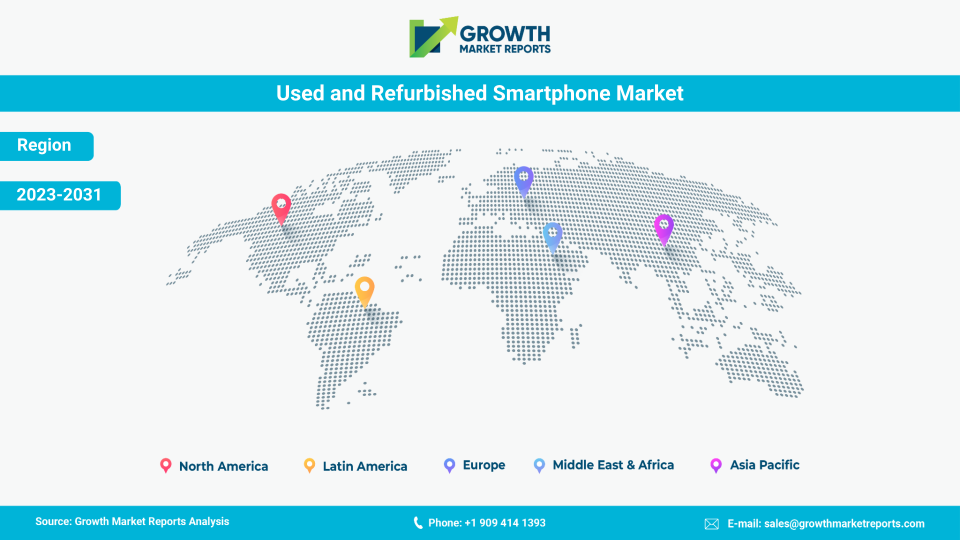
Regionally, Asia Pacific remains the dominant force in the used and refurbished smartphone market, accounting for the largest share in 2024. The region’s massive population, high smartphone penetration, and growing middle class have created a vibrant secondary market. North America and Europe also play significant roles, driven by high device turnover rates and strong consumer awareness of sustainability. Meanwhile, emerging markets in Latin America and the Middle East & Africa are witnessing rapid adoption as affordability becomes a key purchasing criterion. Each region exhibits unique dynamics, but the overarching theme is a global shift towards cost-effective, sustainable, and high-quality mobile solutions.
The product type segment in the used and refurbished smartphone market is primarily categorized into Android, iOS, and Others. Android smartphones hold the largest share due to their widespread adoption, diverse manufacturer base, and broad price range. The affordability and availability of Android devices make them particularly popular in emerging markets, where consumers are highly price-sensitive. Refurbished Android models from leading brands such as Samsung, Xiaomi, and Oppo are in high demand, especially among first-time smartphone buyers and budget-conscious users. The robust ecosystem of Android devices ensures a steady supply of pre-owned units, further fueling segment growth.
iOS devices, predominantly Apple iPhones, constitute a significant portion of the refurbished smartphone market, especially in developed regions like North America and Europe. The premium brand perception, longer software support lifecycle, and high residual value of iPhones make them highly sought after in the secondary market. Many consumers prefer refurbished iOS devices as they offer flagship features and seamless integration within the Apple ecosystem at a reduced cost. Certified refurbishment programs, such as Apple’s own initiative, have further legitimized this segment, providing warranties and quality assurance that rival new devices. This has led to a steady increase in demand for refurbished iOS smartphones among both individuals and enterprises.
The “Others” category, which includes alternative operating systems and niche brands, represents a smaller share of the market. However, there is growing interest in these devices among specific user groups such as tech enthusiasts, collectors, and users in regions where local brands have a strong presence. While their overall impact on the global market is limited, these devices contribute to market diversity and cater to unique consumer preferences. As the market matures, the segmentation by product type is expected to remain dynamic, with Android and iOS continuing to dominate but with potential for niche growth in the “Others” category.
The interplay between product type and regional preferences is also noteworthy. For instance, Android dominates in Asia Pacific and Africa due to affordability, while iOS enjoys a premium status in North America and Western Europe. The supply chain for used and refurbished smartphones is influenced by trade-in programs, carrier incentives, and manufacturer-led buyback schemes, which differ by product type and region. This segmentation enables market participants to tailor their offerings and marketing strategies to the specific needs and preferences of their target audiences.
Overall, the product type segment underscores the importance of brand reputation, software support, and device availability in shaping consumer choices within the used and refurbished smartphone market. As technology evolves and new models are introduced, the secondary market will continue to benefit from a steady influx of high-quality devices, ensuring sustained growth and innovation in this segment.
| Attributes | Details |
| Report Title | Used and Refurbished Smartphone Market Research Report 2033 |
| By Product Type | Android, iOS, Others |
| By Condition | Used, Refurbished |
| By Sales Channel | Online, Offline |
| By Price Range | Low, Medium, Premium |
| By End User | Individual, Enterprise |
| Regions Covered | North America, Europe, APAC, Latin America, MEA |
| Base Year | 2024 |
| Historic Data | 2018-2023 |
| Forecast Period | 2025-2033 |
| Number of Pages | 252 |
| Number of Tables & Figures | 379 |
| Customization Available | Yes, the report can be customized as per your need. |
The condition segment of the used and refurbished smartphone market is bifurcated into Used and Refurbished devices. Used smartphones are typically sold as-is, often with minimal inspection or repair, and are favored by consumers seeking the lowest possible price. This segment appeals to highly budget-conscious buyers and those comfortable with minor cosmetic imperfections or limited warranty coverage. Used devices are prevalent in informal markets and peer-to-peer sales channels, where price and immediate availability are the primary considerations. However, concerns regarding device reliability, hidden defects, and lack of after-sales support can limit the appeal of used smartphones for certain customer segments.
Refurbished smartphones, on the other hand, undergo a comprehensive restoration process that includes diagnostics, repairs, component replacement, and quality assurance testing. These devices are often sold by certified refurbishers or manufacturers, accompanied by warranties and customer support. The refurbished segment is experiencing rapid growth as consumers increasingly prioritize quality, reliability, and after-sales service. The availability of certified refurbished programs from leading brands and retailers has elevated consumer trust, making this segment particularly attractive to enterprise buyers and individuals seeking premium devices at discounted prices. Refurbished smartphones bridge the gap between new and used devices, offering a compelling balance of value and peace of mind.
The distinction between used and refurbished devices is becoming increasingly important as market awareness grows. Buyers are more informed and discerning, seeking transparency regarding device history, refurbishment standards, and warranty terms. This has led to the emergence of industry standards and certification programs aimed at ensuring consistency and quality across refurbished products. Market participants are investing in advanced refurbishment technologies, such as automated testing and component-level repairs, to enhance product quality and differentiate their offerings.
The supply dynamics for used and refurbished smartphones are influenced by trade-in programs, carrier upgrades, and corporate device refresh cycles. Refurbished devices tend to command higher resale values and profit margins, incentivizing retailers and manufacturers to expand their refurbishment capabilities. In contrast, the used device segment relies heavily on informal channels, which can pose challenges in terms of quality control and consumer protection. Regulatory frameworks and industry best practices are evolving to address these challenges, fostering greater consumer confidence and market transparency.
As the market matures, the refurbished segment is expected to outpace the growth of used devices, driven by rising consumer expectations, stricter quality standards, and the proliferation of online marketplaces specializing in certified pre-owned smartphones. The interplay between used and refurbished segments will continue to shape market dynamics, with each catering to distinct customer segments and value propositions.
The sales channel segment in the used and refurbished smartphone market is divided into Online and Offline channels, each playing a pivotal role in market expansion. Online sales channels, including e-commerce platforms, brand-owned websites, and specialized marketplaces, have witnessed exponential growth in recent years. The convenience, transparency, and wide selection offered by online platforms have attracted a broad spectrum of consumers, from tech-savvy millennials to enterprise buyers. Features such as detailed product descriptions, customer reviews, comparison tools, and secure payment options have enhanced the online buying experience, driving higher conversion rates and repeat purchases.
Offline sales channels, encompassing retail stores, authorized resellers, and carrier outlets, continue to hold significant market share, particularly in regions where digital infrastructure is less developed or consumer trust in online transactions remains low. The tactile experience of inspecting devices in person, coupled with the immediate availability and personalized service offered by offline retailers, appeals to a segment of buyers who prioritize hands-on evaluation and face-to-face interactions. Offline channels are especially prevalent in emerging markets, where informal trade and local retailers play a crucial role in device distribution.
The integration of omnichannel strategies is becoming increasingly important as market participants seek to deliver a seamless and consistent customer experience across online and offline touchpoints. Leading brands and refurbishers are investing in unified inventory management, click-and-collect services, and cross-channel marketing campaigns to capture a larger share of the market. The convergence of online and offline channels allows consumers to research products online, visit physical stores for inspection, and complete purchases through their preferred channel, enhancing convenience and satisfaction.
The rise of online marketplaces specializing in used and refurbished smartphones, such as Back Market, Swappa, and Amazon Renewed, has democratized access to high-quality pre-owned devices. These platforms employ rigorous vetting processes, offer warranties, and provide customer support, addressing common concerns associated with secondary market purchases. The scalability and global reach of online channels have enabled market participants to tap into new customer segments and geographies, driving overall market growth.
While online channels are expected to continue outpacing offline growth due to increasing internet penetration and digital literacy, offline channels will remain relevant, particularly for consumers seeking personalized service and immediate gratification. The interplay between online and offline sales channels will shape the competitive landscape, with successful market players leveraging both to maximize reach and customer satisfaction.
The price range segment is categorized into Low, Medium, and Premium tiers, reflecting diverse consumer preferences and purchasing power. The low-price segment dominates the market, catering to budget-conscious consumers, students, and first-time smartphone buyers. Devices in this segment are typically older models or entry-level smartphones, offering essential features at highly competitive prices. The affordability of low-priced used and refurbished smartphones has played a pivotal role in bridging the digital divide, particularly in emerging markets where cost remains a primary barrier to smartphone adoption.
The medium price segment encompasses mid-range smartphones that strike a balance between performance, features, and affordability. This segment appeals to value-conscious consumers seeking reliable devices with modern specifications without the premium price tag. Refurbished mid-range smartphones from reputable brands are particularly popular among working professionals, families, and small businesses. The medium price segment is characterized by strong demand for devices that offer robust performance, good camera quality, and software support, making it a key driver of market growth.
The premium segment targets consumers who desire flagship features, advanced technology, and brand prestige at a reduced cost. Refurbished premium smartphones, such as recent-generation iPhones and high-end Samsung Galaxy models, are in high demand among tech enthusiasts, early adopters, and enterprise users. The availability of warranties, certified refurbishment, and after-sales support has made premium refurbished devices an attractive alternative to new flagship models. This segment also appeals to environmentally conscious consumers who wish to minimize their carbon footprint without compromising on quality or performance.
Price sensitivity varies significantly by region and demographic, influencing the distribution of market share across price segments. In developed markets, the premium and medium segments are more prominent, driven by higher disposable incomes and demand for advanced features. In contrast, the low-price segment dominates in emerging economies, where affordability is paramount. Market participants are leveraging flexible financing options, trade-in programs, and promotional campaigns to cater to diverse price sensitivities and expand their customer base.
The segmentation by price range enables brands and retailers to tailor their product offerings, marketing strategies, and customer service to the unique needs of each customer segment. As the market continues to evolve, the availability of high-quality devices across all price points will remain a key factor in sustaining growth and meeting the diverse needs of global consumers.
The end user segment in the used and refurbished smartphone market is broadly classified into Individual and Enterprise categories. Individual consumers represent the largest share of the market, driven by diverse motivations such as affordability, brand aspiration, and environmental consciousness. Students, young professionals, and families are among the primary buyers, seeking reliable devices for communication, education, entertainment, and productivity. The increasing acceptance of refurbished smartphones among individuals is a testament to growing awareness of quality standards, warranty availability, and sustainable consumption practices.
Enterprises are emerging as a significant growth segment within the used and refurbished smartphone market. Businesses across various industries are increasingly adopting refurbished devices to optimize costs, support remote work, and equip large workforces with reliable mobile technology. The availability of bulk purchase options, customized configurations, and extended warranties has made refurbished smartphones an attractive proposition for enterprises seeking to balance performance and budget constraints. Corporate sustainability initiatives and e-waste reduction targets further incentivize the adoption of refurbished devices, aligning business objectives with environmental responsibility.
The requirements and purchasing behavior of individual and enterprise end users differ significantly, influencing product selection, sales channels, and after-sales support. Individual buyers often prioritize brand, model, aesthetics, and price, while enterprises focus on device reliability, security features, scalability, and total cost of ownership. Market participants are responding to these diverse needs by offering tailored solutions, such as device management services, bulk discounts, and dedicated customer support for enterprise clients.
The rise of the gig economy, remote work, and digital transformation initiatives has further expanded the enterprise segment, as organizations seek flexible and cost-effective mobile solutions. Refurbished smartphones enable businesses to rapidly scale their operations, deploy devices across multiple locations, and upgrade technology without incurring excessive capital expenditure. This trend is particularly pronounced in sectors such as logistics, retail, healthcare, and education, where mobile connectivity is essential for operational efficiency.
As the used and refurbished smartphone market continues to mature, the end user segmentation will play a critical role in shaping product development, marketing, and distribution strategies. The ability to address the unique needs of both individual and enterprise customers will be a key differentiator for market leaders seeking to capture a larger share of this dynamic and rapidly evolving market.
The used and refurbished smartphone market presents a wealth of opportunities for industry participants, driven by evolving consumer preferences, technological advancements, and regulatory support. One of the most significant opportunities lies in the expansion of certified refurbishment programs, which enhance consumer trust and broaden the addressable market. By investing in advanced refurbishment processes, quality assurance, and transparent grading systems, market players can differentiate their offerings and capture premium segments. Additionally, the proliferation of online marketplaces and omnichannel strategies enables brands to reach new customer segments, expand their geographic footprint, and drive higher sales volumes. Partnerships with carriers, retailers, and trade-in platforms further amplify market reach and create synergies across the value chain.
Another major opportunity stems from the growing emphasis on sustainability and circular economy principles. As environmental awareness increases, consumers and enterprises are seeking ways to reduce electronic waste and minimize their carbon footprint. The adoption of refurbished smartphones aligns with these objectives, offering a compelling value proposition that combines affordability with environmental responsibility. Governments and regulatory bodies are introducing incentives, policies, and standards to promote electronics reuse and recycling, creating a favorable regulatory environment for market growth. Market participants can leverage these trends by developing eco-friendly product lines, engaging in corporate social responsibility initiatives, and educating consumers about the benefits of refurbished devices.
Despite the numerous opportunities, the market faces several restraining factors that could impede growth. One of the primary challenges is the prevalence of counterfeit and substandard devices in the secondary market, which undermines consumer trust and poses risks to brand reputation. Inconsistent quality standards, lack of transparency, and limited warranty coverage can deter potential buyers, especially in regions with weak regulatory oversight. Addressing these challenges requires industry-wide collaboration, the establishment of certification programs, and investment in quality control processes. Market participants must also navigate evolving regulatory requirements, data privacy concerns, and supply chain complexities to maintain competitiveness and ensure long-term sustainability.
Asia Pacific leads the global used and refurbished smartphone market, accounting for an estimated USD 26.3 billion in 2024, representing over 40% of the global market share. The region’s dominance is attributed to its large population base, rapid urbanization, and high smartphone penetration rates. Countries such as China, India, and Indonesia are key growth engines, driven by rising middle-class incomes, digital inclusion initiatives, and the widespread availability of affordable refurbished devices. The presence of robust refurbishment ecosystems, extensive distribution networks, and government support for electronics recycling further bolster market growth in Asia Pacific. The region is projected to maintain a strong CAGR of 11.5% through 2033, outpacing other regions and solidifying its leadership position.
North America is the second-largest market, with a 2024 market size of USD 15.2 billion. The region’s growth is fueled by high device turnover rates, strong consumer awareness of sustainability, and the widespread adoption of certified refurbishment programs. The United States and Canada are at the forefront, with leading retailers, carriers, and manufacturers actively promoting trade-in and buyback schemes. The premium and medium price segments are particularly prominent in North America, reflecting higher disposable incomes and demand for advanced features. The region is expected to achieve a steady CAGR of 8.7% during the forecast period, supported by ongoing digital transformation and enterprise adoption.
Europe follows closely, with a market size of USD 12.5 billion in 2024. The region is characterized by strong regulatory support for electronics reuse, high environmental awareness, and a mature refurbishment ecosystem. Major markets include the United Kingdom, Germany, and France, where consumers and enterprises alike are embracing refurbished smartphones as part of their sustainability strategies. The premium segment is gaining traction, driven by demand for high-quality devices and comprehensive warranty coverage. Europe is anticipated to maintain a healthy CAGR of 9.2% through 2033, with ongoing investments in circular economy initiatives and digital infrastructure.
The competitive landscape of the used and refurbished smartphone market is highly dynamic, characterized by the presence of global brands, regional players, specialized refurbishers, and online marketplaces. Intense competition is driving innovation in refurbishment processes, quality assurance, and customer experience. Market leaders are leveraging economies of scale, advanced technology, and strategic partnerships to strengthen their market position and expand their geographic footprint. The rise of certified refurbishment programs by OEMs and major retailers has elevated industry standards, fostering greater consumer trust and accelerating market growth. Additionally, the proliferation of online platforms has democratized access to high-quality refurbished devices, enabling smaller players to compete effectively alongside established brands.
Strategic collaborations between manufacturers, carriers, and third-party refurbishers are becoming increasingly common, enabling seamless trade-in, buyback, and upgrade programs. These partnerships enhance supply chain efficiency, improve inventory management, and create value-added services such as extended warranties, device insurance, and after-sales support. Market participants are also investing in branding, marketing, and customer education to differentiate their offerings and capture a larger share of the market. The integration of artificial intelligence, machine learning, and automation in refurbishment processes is further enhancing product quality, reducing turnaround times, and optimizing pricing strategies.
The competitive landscape is also shaped by regulatory developments, evolving consumer preferences, and technological advancements. Companies that prioritize transparency, reliability, and sustainability are well-positioned to capitalize on emerging opportunities and navigate market challenges. The ability to adapt to changing regulatory requirements, address data privacy concerns, and maintain consistent quality standards will be critical for long-term success. As the market continues to evolve, consolidation among smaller players and the entry of new participants are expected to reshape the competitive dynamics, driving further innovation and growth.
Major companies operating in the used and refurbished smartphone market include Apple Inc., SAMSUNG Electronics, Amazon Renewed, Back Market, Recommerce Solutions, FoneGiant, and Cashify. Apple’s certified refurbished program offers high-quality iPhones with comprehensive warranties, setting industry benchmarks for quality and reliability. Samsung has established a strong presence in both the used and refurbished segments, leveraging its extensive distribution network and brand equity. Amazon Renewed is a leading online marketplace specializing in certified refurbished devices, offering a wide selection, competitive pricing, and customer support. Back Market has emerged as a global leader in the refurbished electronics space, partnering with certified refurbishers and promoting sustainability through its platform.
Recommerce Solutions and Cashify are prominent regional players, focusing on trade-in, buyback, and refurbishment services in Europe and Asia, respectively. These companies leverage local market expertise, robust logistics networks, and tailored service offerings to capture market share and drive growth. FoneGiant specializes in bulk sales and enterprise solutions, catering to the unique needs of business customers and institutional buyers. The continued expansion of these and other market participants underscores the vibrancy and diversity of the used and refurbished smartphone market, with innovation, quality, and customer-centricity serving as key differentiators in an increasingly competitive landscape.
The Used and Refurbished Smartphone market has been segmented on the basis of
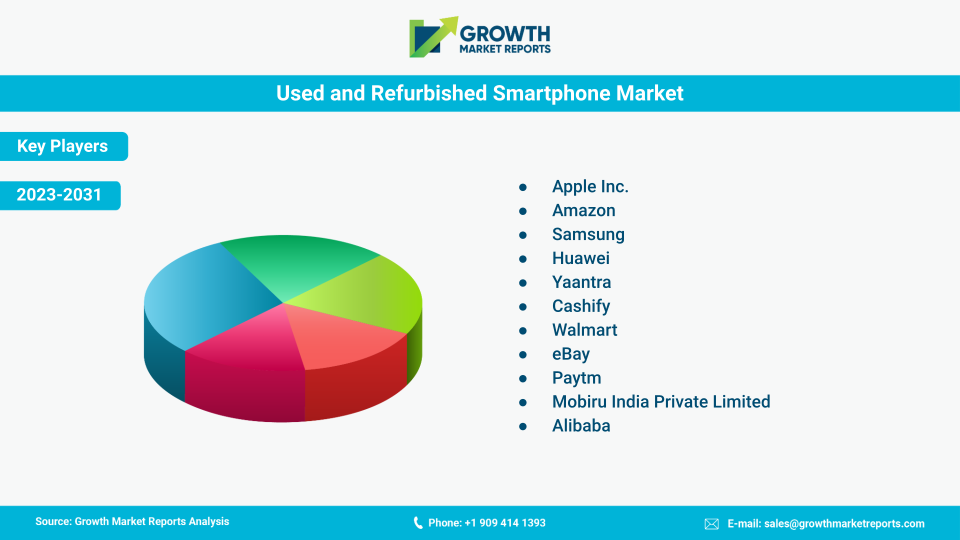
Key players in the global used and refurbished smartphone market are Apple Inc., Amazon, Samsung, Huawei, Yaantra, Cashify, Walmart, eBay, Paytm, Mobiru India Private Limited, and Alibaba. The key market players are working on providing good quality phones at affordable prices to the users. They are investing in R&D and acquisitions to maintain their geographical presence in the market.
Key companies include Apple Inc., Samsung Electronics, Amazon Renewed, Back Market, Recommerce Solutions, Cashify, FoneGiant, Swappa, and others. These players offer certified refurbishment programs, extensive warranties, and global distribution networks.
Challenges include the prevalence of counterfeit and substandard devices, inconsistent quality standards, limited warranty coverage, and evolving regulatory requirements.
The market is segmented into low, medium, and premium price ranges. Low-priced devices are popular in emerging markets, while medium and premium segments see higher demand in developed regions.
Individual consumers make up the largest segment, driven by affordability and sustainability. Enterprises are increasingly adopting refurbished devices for cost optimization, remote work, and sustainability initiatives.
The market is divided into online and offline channels. Online platforms like Amazon Renewed, Back Market, and Swappa are growing rapidly, while offline channels such as retail stores and authorized resellers remain important, especially in regions with lower digital penetration.
Android smartphones hold the largest share due to affordability and availability, especially in emerging markets. iOS devices, mainly iPhones, are highly sought after in developed regions for their brand value and longer software support.
Used smartphones are typically sold as-is with minimal inspection, appealing to highly budget-conscious buyers. Refurbished smartphones undergo comprehensive diagnostics, repairs, and quality assurance, often coming with warranties and after-sales support.
Asia Pacific leads the market with over 40% share, followed by North America and Europe. Rapid growth is also observed in Latin America and the Middle East & Africa due to increasing affordability and smartphone adoption.
Key growth drivers include rising consumer demand for affordable devices, advancements in refurbishment technology, increased environmental awareness, and supportive government policies promoting electronics recycling and reuse.
As of 2024, the global used and refurbished smartphone market is valued at USD 62.7 billion, with expectations to reach USD 147.1 billion by 2033.