Ultrasound Gels Market Research Report 2033

Ultrasound Gels Market Research Report 2033

Segments - by Product Type (Sterile, Non-Sterile), by Form (Gel, Lotion, Liquid), by Application (Diagnostic Imaging, Therapeutic Ultrasound, Others), by End-User (Hospitals, Diagnostic Centers, Ambulatory Surgical Centers, Clinics, Others), by Distribution Channel (Online, Offline)

https://growthmarketreports.com/raksha
Author : Raksha Sharma
https://growthmarketreports.com/Vaibhav
Fact-checked by : V. Chandola
https://growthmarketreports.com/Shruti
Editor : Shruti Bhat

Upcoming | Report ID :HC-2673 | 4.1 Rating | 94 Reviews | 285 Pages | Format : Docx PDF

Report Description


Ultrasound Gels Market Outlook

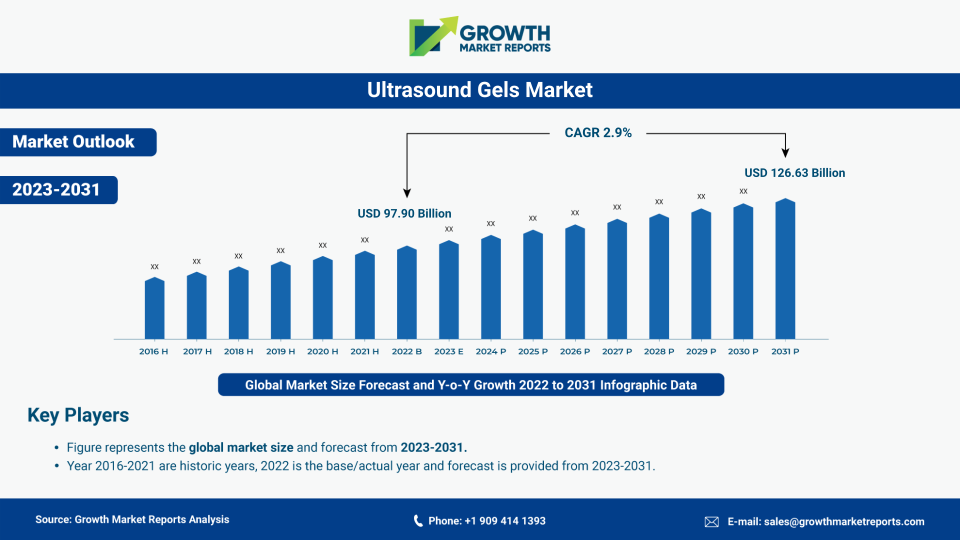
According to our latest research, the global ultrasound gels market size stood at USD 1020 million in 2024, reflecting robust demand across healthcare applications. The market is expected to witness a steady CAGR of 5.9% during the forecast period, reaching approximately USD 1,740 million by 2033. This growth trajectory is fueled by the increasing prevalence of chronic diseases, rising adoption of diagnostic imaging, and technological advancements in ultrasound equipment. As per our latest research, the surge in minimally invasive procedures and expanding applications of ultrasound technologies are significant contributors to the market’s sustained expansion.

One of the primary growth drivers for the ultrasound gels market is the escalating demand for non-invasive diagnostic imaging procedures. As healthcare providers increasingly rely on ultrasound for its safety, cost-effectiveness, and real-time imaging capabilities, the usage of ultrasound gels has surged correspondingly. These gels are essential for ensuring optimal transmission of ultrasonic waves, minimizing air gaps between the transducer and the patient’s skin, and thereby improving image quality. The growing geriatric population, which is more susceptible to chronic and lifestyle-related diseases, further propels the need for diagnostic imaging, directly impacting the demand for ultrasound gels. Additionally, the rise in awareness about early disease detection and preventive healthcare is encouraging more frequent use of ultrasound procedures in both hospital and outpatient settings.

Technological advancements in ultrasound devices and the introduction of portable and point-of-care ultrasound systems are also major growth factors for the ultrasound gels market. Modern ultrasound equipment is now widely used in emergency care, critical care, and remote settings, necessitating the consistent use of conductive gels. The development of specialty gels, such as sterile and hypoallergenic formulations, addresses specific clinical requirements and patient sensitivities, further expanding the market base. Moreover, the integration of ultrasound in therapeutic applications, such as physiotherapy and pain management, is broadening the spectrum of end-users and increasing overall gel consumption. The continuous innovation in gel formulations, focused on enhancing patient comfort and compatibility with advanced ultrasound probes, is expected to drive market growth over the forecast period.

Another significant factor contributing to the expansion of the ultrasound gels market is the growing focus on infection control and safety in healthcare settings. The COVID-19 pandemic has heightened awareness regarding hygiene and sterility, prompting healthcare providers to prefer sterile gels for certain procedures, particularly in critical care and surgical environments. Regulatory bodies have also tightened guidelines for the use of medical consumables, including ultrasound gels, to minimize the risk of cross-contamination. The increasing adoption of single-use and sterile gels in hospitals and ambulatory surgical centers underscores this trend. Furthermore, the rise in investments in healthcare infrastructure globally, especially in emerging markets, is facilitating greater access to advanced imaging technologies, thereby boosting the demand for ultrasound gels.

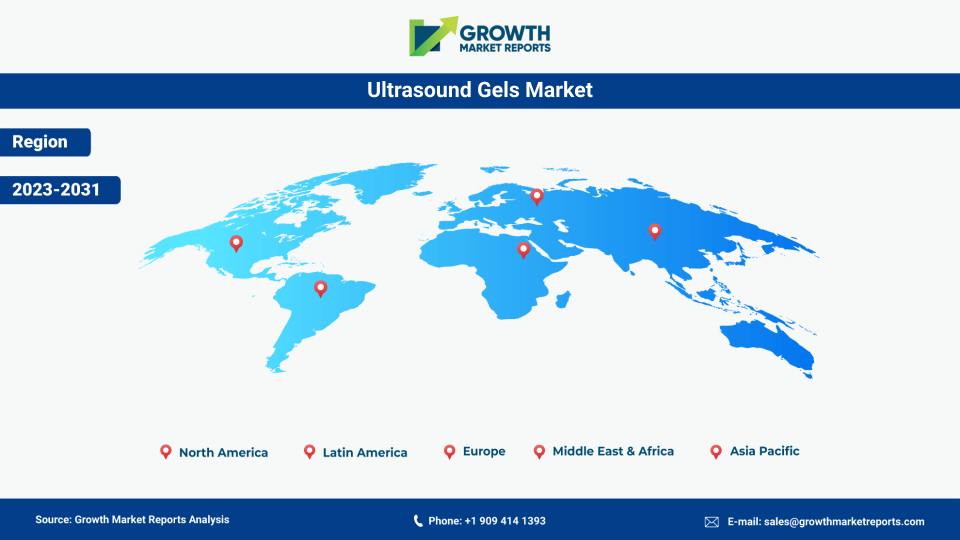
Regionally, North America dominates the ultrasound gels market, accounting for the largest share due to its advanced healthcare infrastructure, high adoption rate of diagnostic imaging, and presence of leading market players. Europe follows closely, driven by increasing healthcare expenditure and a growing elderly population. The Asia Pacific region is anticipated to witness the fastest growth, attributed to improving healthcare facilities, rising awareness about early diagnosis, and a burgeoning population base. Latin America and the Middle East & Africa are also experiencing steady growth, supported by government initiatives to upgrade healthcare services and expand access to diagnostic technologies. The regional outlook remains positive, with emerging economies playing an increasingly pivotal role in shaping the future landscape of the ultrasound gels market.

Global Ultrasound Gels Industry Outlook

Product Type Analysis

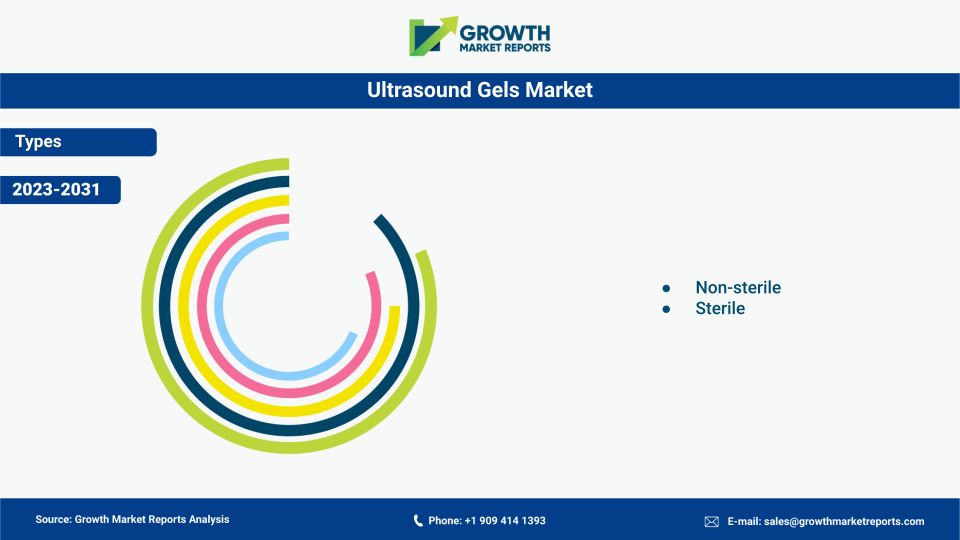
The ultrasound gels market is segmented by product type into sterile and non-sterile gels, each catering to specific clinical needs and regulatory requirements. Sterile ultrasound gels are primarily used in environments where infection control is paramount, such as in surgical procedures, biopsies, and obstetric imaging. The demand for sterile gels has grown significantly in recent years, particularly in response to heightened awareness about healthcare-associated infections and stricter regulatory standards. These gels undergo rigorous sterilization processes to ensure they are free from microbial contamination, making them suitable for invasive and sensitive procedures. The adoption of sterile gels is further supported by the increasing prevalence of immunocompromised patients and the need for enhanced patient safety in critical care settings.

Non-sterile ultrasound gels, on the other hand, are widely used in routine diagnostic imaging and therapeutic applications where the risk of infection is minimal. These gels are preferred for their cost-effectiveness, ease of availability, and suitability for a broad range of non-invasive procedures. Non-sterile gels dominate the overall market share due to their extensive use in outpatient clinics, diagnostic centers, and general hospital settings. The flexibility in packaging sizes and formulations allows healthcare providers to select products that best fit their operational needs and budget constraints. Despite the dominance of non-sterile gels, the shift towards improved hygiene practices is gradually increasing the adoption of sterile alternatives, especially in developed markets.

The competitive landscape within the product type segment is characterized by continuous innovation aimed at enhancing gel properties such as viscosity, spreadability, and compatibility with advanced ultrasound probes. Manufacturers are investing in research and development to create gels that offer superior acoustic coupling, minimize residue, and reduce the risk of allergic reactions. The introduction of specialty gels, such as those designed for sensitive skin or with added antimicrobial agents, is gaining traction among healthcare providers seeking to improve patient experience and procedural outcomes. Furthermore, the availability of both sterile and non-sterile options enables providers to tailor their choices based on the specific requirements of each clinical application.

Pricing strategies and regulatory compliance play a crucial role in the product type segment. Sterile gels generally command a premium price due to the additional sterilization processes and packaging requirements. Regulatory bodies such as the FDA and EMA have established stringent guidelines for the production and labeling of sterile medical consumables, ensuring product safety and efficacy. Compliance with these standards is essential for manufacturers to maintain market access and build trust among healthcare professionals. As the market continues to evolve, the balance between cost, safety, and performance will remain a key consideration for both manufacturers and end-users in the selection of ultrasound gels.

Report Scope

Attributes Details
Report Title Ultrasound Gels Market Research Report 2033
By Product Type Sterile, Non-Sterile
By Form Gel, Lotion, Liquid
By Application Diagnostic Imaging, Therapeutic Ultrasound, Others
By End-User Hospitals, Diagnostic Centers, Ambulatory Surgical Centers, Clinics, Others
By Distribution Channel Online, Offline
Regions Covered North America, Europe, APAC, Latin America, MEA
Base Year 2024
Historic Data 2018-2023
Forecast Period 2025-2033
Number of Pages 285
Number of Tables & Figures 343
Customization Available Yes, the report can be customized as per your need.

Form Analysis

The ultrasound gels market is further segmented by form into gel, lotion, and liquid variants, each offering distinct advantages for different clinical applications and user preferences. The gel form is the most widely used, favored for its optimal viscosity, ease of application, and ability to stay in place during procedures. Gels provide excellent acoustic coupling, ensuring clear and accurate imaging results. Their non-drip consistency minimizes mess and waste, making them ideal for both stationary and portable ultrasound examinations. The widespread adoption of gel-based ultrasound products is driven by their proven efficacy, versatility, and compatibility with a variety of ultrasound probes and devices.

Lotion-based ultrasound products are gaining popularity, particularly in therapeutic and physiotherapy applications. These formulations are designed to offer enhanced spreadability and skin hydration, making them suitable for prolonged procedures or treatments involving large surface areas. Lotions are often preferred by practitioners who require a smoother texture and a more comfortable experience for patients. The inclusion of skin-friendly ingredients and hypoallergenic properties further broadens their appeal, especially in settings where patient comfort and safety are top priorities. As the market evolves, manufacturers are exploring new lotion formulations that combine the benefits of traditional gels with additional therapeutic or cosmetic properties.

Liquid ultrasound gels represent a niche but growing segment, particularly in applications that require rapid application and minimal residue. Liquids are typically used in high-volume diagnostic centers and emergency settings where speed and efficiency are critical. Their low viscosity allows for quick and even coverage, reducing preparation time and facilitating faster patient throughput. However, liquid gels may be less suitable for procedures requiring prolonged contact or where precise application is necessary, as they tend to spread more easily and may require frequent reapplication. Despite these limitations, the demand for liquid ultrasound gels is expected to rise in response to the increasing need for streamlined workflows in busy healthcare environments.

The form segment is also influenced by ongoing research and development efforts aimed at enhancing product performance and user satisfaction. Innovations such as temperature-sensitive gels, color-changing indicators, and biodegradable formulations are emerging as potential differentiators in a competitive market. Manufacturers are focusing on creating products that not only meet clinical requirements but also address environmental concerns and regulatory challenges. The availability of multiple forms enables healthcare providers to select the most appropriate product for each specific procedure, patient population, and clinical setting, thereby optimizing both clinical outcomes and operational efficiency.

Application Analysis

The application segment of the ultrasound gels market encompasses diagnostic imaging, therapeutic ultrasound, and other applications, each contributing uniquely to overall market growth. Diagnostic imaging remains the dominant application, accounting for the majority of ultrasound gel consumption globally. The increasing use of ultrasound for abdominal, obstetric, cardiac, and musculoskeletal imaging is driving demand for high-quality gels that ensure optimal image clarity and patient safety. Advances in imaging technology, such as 3D and 4D ultrasound, further underscore the importance of reliable and effective coupling agents in achieving accurate diagnostic results.

Therapeutic ultrasound applications, including physiotherapy, pain management, and targeted drug delivery, represent a rapidly growing segment within the market. The use of ultrasound in therapeutic settings requires gels with specific properties, such as enhanced conductivity, hypoallergenic formulations, and compatibility with various treatment modalities. As the adoption of therapeutic ultrasound expands across rehabilitation centers, sports medicine clinics, and home care settings, the demand for specialized gels tailored to these applications is expected to increase. The integration of ultrasound in emerging therapeutic areas, such as oncology and regenerative medicine, further broadens the scope of this segment.

Other applications of ultrasound gels include veterinary medicine, research laboratories, and educational institutions. In veterinary settings, ultrasound is widely used for diagnostic and therapeutic purposes, necessitating the use of safe and effective gels suitable for animal patients. Research laboratories utilize ultrasound gels in experimental studies and device testing, while educational institutions employ them in training programs for medical and allied health students. The versatility of ultrasound gels across diverse applications highlights their critical role in supporting the expanding use of ultrasound technology in various fields. As the market continues to evolve, the development of multipurpose and specialty gels is expected to address the unique needs of these niche segments.

The application segment is characterized by a strong emphasis on product quality, safety, and regulatory compliance. Healthcare providers and regulatory bodies prioritize gels that meet stringent standards for purity, biocompatibility, and performance. The increasing focus on patient-centered care and personalized medicine is driving demand for gels that cater to specific clinical scenarios and patient populations. Manufacturers are responding by offering a wide range of products designed to meet the diverse requirements of diagnostic, therapeutic, and other applications, thereby supporting the ongoing growth and diversification of the ultrasound gels market.

End-User Analysis

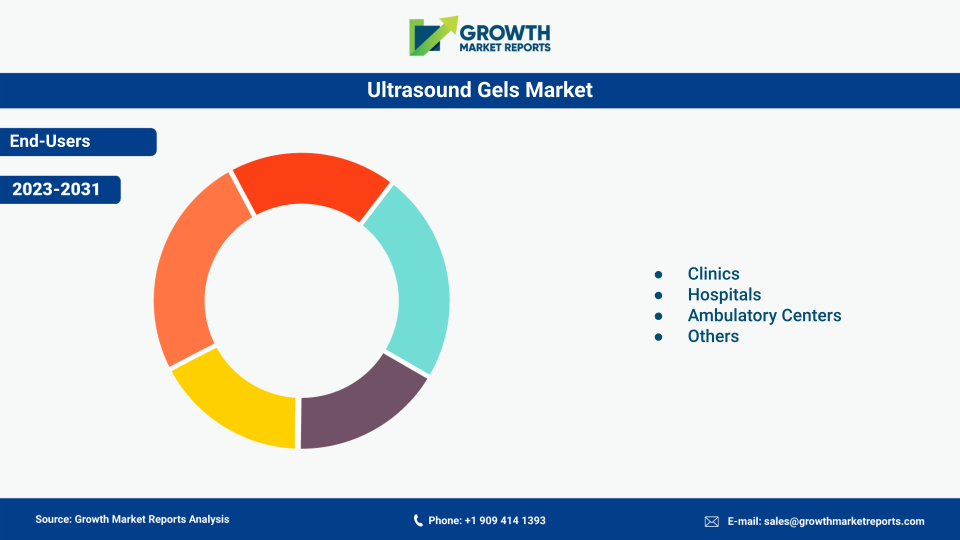
The ultrasound gels market is segmented by end-user into hospitals, diagnostic centers, ambulatory surgical centers, clinics, and others, reflecting the broad spectrum of healthcare facilities utilizing ultrasound technology. Hospitals represent the largest end-user segment, driven by their comprehensive range of diagnostic and therapeutic services, high patient volumes, and advanced infrastructure. The adoption of ultrasound gels in hospitals is fueled by the need for reliable and safe coupling agents for a wide array of procedures, including emergency care, surgery, obstetrics, and cardiology. The emphasis on infection control and adherence to regulatory standards further supports the preference for high-quality gels in hospital settings.

Diagnostic centers constitute a significant share of the ultrasound gels market, benefiting from the growing demand for outpatient imaging services and preventive healthcare. These centers typically handle a high volume of routine and specialized ultrasound procedures, necessitating a consistent supply of gels that deliver optimal performance and patient comfort. The focus on efficiency, cost-effectiveness, and rapid turnaround times drives the selection of gels that are easy to use, clean, and store. As diagnostic imaging becomes increasingly central to disease detection and management, the role of diagnostic centers as key end-users of ultrasound gels is expected to strengthen further.

Ambulatory surgical centers and clinics are emerging as important end-users, particularly in the context of the shift towards minimally invasive procedures and outpatient care. These facilities prioritize products that support streamlined workflows, enhance patient experience, and minimize the risk of cross-contamination. The adoption of portable and point-of-care ultrasound devices in these settings is contributing to the rising demand for gels that are compatible with a variety of equipment and procedural requirements. The availability of single-use and specialty gels tailored to the needs of ambulatory and clinic-based care is facilitating market growth in this segment.

Other end-users, including veterinary clinics, research institutions, and educational facilities, also contribute to the overall demand for ultrasound gels. Veterinary clinics utilize gels for animal diagnostics and treatments, while research and educational institutions require gels for training, experimentation, and device calibration. The diverse end-user base underscores the versatility and indispensability of ultrasound gels across multiple sectors. Manufacturers are increasingly offering customized solutions and packaging options to meet the unique needs of each end-user group, thereby enhancing market penetration and customer satisfaction.

Distribution Channel Analysis

The distribution channel segment of the ultrasound gels market is bifurcated into online and offline channels, each playing a pivotal role in ensuring product availability and accessibility. Offline channels, including direct sales, medical supply distributors, and retail pharmacies, have traditionally dominated the market, particularly in regions with established healthcare infrastructure. These channels offer healthcare providers the advantage of immediate product access, personalized service, and the ability to evaluate product quality firsthand. The longstanding relationships between manufacturers, distributors, and healthcare facilities contribute to the continued preference for offline procurement, especially for bulk orders and specialized products.

However, the online distribution channel is experiencing rapid growth, driven by the increasing digitalization of healthcare procurement and the convenience of e-commerce platforms. Online channels offer healthcare providers and end-users the ability to compare products, access detailed specifications, and benefit from competitive pricing and promotional offers. The expansion of online medical supply stores and the integration of advanced logistics solutions have made it easier for customers to order and receive ultrasound gels efficiently. The COVID-19 pandemic further accelerated the shift towards online purchasing, as healthcare facilities sought to minimize physical interactions and streamline supply chain management.

The rise of online distribution is particularly notable in emerging markets, where digital adoption is increasing, and healthcare providers are seeking cost-effective and reliable sourcing options. Manufacturers and distributors are responding by enhancing their online presence, offering user-friendly platforms, and providing comprehensive product information and customer support. The ability to reach a wider customer base, including smaller clinics and remote facilities, is a significant advantage of the online channel. Additionally, the growing trend of direct-to-consumer sales, particularly for home-use ultrasound devices and accessories, is contributing to the expansion of the online segment.

Despite the growth of online channels, challenges such as product authenticity, regulatory compliance, and logistics remain important considerations for both buyers and sellers. Ensuring the quality and safety of ultrasound gels purchased online is critical, particularly for medical-grade products used in clinical settings. Manufacturers and regulatory authorities are working to establish guidelines and certification processes to enhance the reliability of online medical supply chains. As the market continues to evolve, the integration of online and offline channels, supported by robust quality assurance and customer service, will be essential for meeting the diverse needs of end-users and sustaining market growth.

Opportunities & Threats

The ultrasound gels market is poised for significant opportunities driven by the expanding applications of ultrasound technology in both diagnostic and therapeutic domains. The growing adoption of point-of-care ultrasound devices in emergency medicine, critical care, and remote settings is creating new avenues for market expansion. As healthcare providers increasingly seek portable and user-friendly solutions, the demand for specialty gels tailored to specific devices and procedures is expected to rise. Furthermore, the integration of advanced features such as antimicrobial properties, hypoallergenic formulations, and biodegradable ingredients presents opportunities for manufacturers to differentiate their products and capture emerging market segments. The rise of telemedicine and home healthcare, particularly in the wake of the COVID-19 pandemic, is also opening up new channels for the distribution and use of ultrasound gels in non-traditional settings.

Another major opportunity lies in the untapped potential of emerging markets, where improving healthcare infrastructure, rising healthcare expenditure, and increasing awareness about early disease detection are driving the adoption of diagnostic imaging technologies. Governments and private sector players are investing in the expansion of healthcare facilities and the deployment of advanced medical equipment, including ultrasound systems. This trend is expected to fuel demand for ultrasound gels, particularly in regions such as Asia Pacific, Latin America, and the Middle East & Africa. Collaborations between global manufacturers and local distributors, as well as the development of region-specific products, can further enhance market penetration and growth prospects. Additionally, ongoing research and innovation in gel formulations, focused on improving patient comfort and clinical outcomes, are likely to create new growth opportunities for industry players.

Despite the positive outlook, the ultrasound gels market faces certain restraining factors that could impact growth. The presence of low-cost, substandard products in the market poses a significant threat to product quality and patient safety. Counterfeit and unregulated gels may not meet the required standards for purity, biocompatibility, and performance, increasing the risk of adverse reactions and compromised diagnostic accuracy. Regulatory authorities are intensifying efforts to monitor and control the quality of medical consumables, but the proliferation of unauthorized products remains a challenge, particularly in regions with less stringent oversight. Addressing these concerns will require coordinated efforts from manufacturers, regulators, and healthcare providers to ensure the availability of safe and effective ultrasound gels in all markets.

Regional Outlook

North America holds the largest share of the global ultrasound gels market, with a market size of approximately USD 390 million in 2024. This dominance is attributed to the region’s advanced healthcare infrastructure, high adoption rate of diagnostic and therapeutic ultrasound procedures, and the presence of leading market players. The United States, in particular, is a major contributor, driven by a well-established network of hospitals, diagnostic centers, and research institutions. The region also benefits from strong regulatory frameworks that ensure product quality and safety, fostering trust among healthcare providers and patients. As the demand for minimally invasive procedures and preventive healthcare continues to rise, North America is expected to maintain its leading position in the global market.

Europe is the second-largest market for ultrasound gels, with a market size of around USD 280 million in 2024. The region’s growth is fueled by increasing healthcare expenditure, a growing elderly population, and a strong emphasis on early disease detection and management. Countries such as Germany, the United Kingdom, and France are at the forefront of adopting advanced imaging technologies and implementing stringent regulatory standards for medical consumables. The European market is characterized by a high degree of product innovation, with manufacturers focusing on developing specialty gels that cater to specific clinical needs and patient populations. The region is expected to witness a steady CAGR of 5.6% over the forecast period, supported by ongoing investments in healthcare infrastructure and technology.

The Asia Pacific region is poised for the fastest growth in the ultrasound gels market, with a market size of approximately USD 230 million in 2024 and a projected CAGR of 7.2% from 2025 to 2033. Rapid urbanization, improving healthcare facilities, and increasing awareness about the benefits of early diagnosis are driving the adoption of ultrasound technologies in countries such as China, India, and Japan. Government initiatives to expand access to healthcare services and upgrade medical equipment are further supporting market growth. The region’s large and diverse population base presents significant opportunities for manufacturers to expand their footprint and introduce region-specific products. Latin America and the Middle East & Africa are also experiencing steady growth, with a combined market size of USD 120 million in 2024, driven by efforts to enhance healthcare delivery and increase the availability of diagnostic imaging services.

Ultrasound Gels Market Statistics

Competitor Outlook

The global ultrasound gels market is characterized by intense competition, with a mix of established multinational companies and emerging regional players vying for market share. The competitive landscape is shaped by factors such as product quality, innovation, pricing, regulatory compliance, and distribution reach. Leading companies are investing heavily in research and development to introduce advanced gel formulations that offer superior performance, patient comfort, and compatibility with the latest ultrasound technologies. Strategic collaborations, mergers, and acquisitions are common as players seek to expand their product portfolios, enter new markets, and leverage synergies to enhance their competitive positioning.

Innovation remains a key differentiator in the ultrasound gels market, with manufacturers focusing on developing products that address evolving clinical needs and regulatory requirements. The introduction of specialty gels, such as those with antimicrobial properties, hypoallergenic ingredients, and biodegradable formulations, is gaining traction among healthcare providers seeking to improve patient outcomes and support sustainability initiatives. Companies are also exploring new packaging solutions, such as single-use sachets and eco-friendly containers, to enhance convenience and minimize environmental impact. The ability to offer a diverse range of products tailored to specific applications and end-user preferences is critical for maintaining a competitive edge in this dynamic market.

Distribution strategies play a crucial role in shaping the competitive landscape, with companies leveraging both online and offline channels to maximize market reach and customer engagement. The expansion of digital platforms and e-commerce solutions has enabled manufacturers to connect directly with healthcare providers, streamline supply chain operations, and offer personalized services. At the same time, strong relationships with medical supply distributors and retail partners remain essential for ensuring product availability and support, particularly in regions with less developed digital infrastructure. Companies that can effectively integrate online and offline distribution channels are well-positioned to capture emerging opportunities and respond to shifting market dynamics.

Key players in the global ultrasound gels market include Parker Laboratories Inc., Eco-Med Pharmaceuticals, Ultragel Hungary 2000 Kft, Pharmaceutical Innovations Inc., and Sonogel Vertriebs GmbH. Parker Laboratories Inc. is renowned for its extensive product portfolio and commitment to quality, with a strong presence in North America and international markets. Eco-Med Pharmaceuticals specializes in innovative gel formulations and has established a solid reputation for product safety and efficacy. Ultragel Hungary 2000 Kft is a leading European manufacturer known for its high-quality gels and focus on research and development. Pharmaceutical Innovations Inc. and Sonogel Vertriebs GmbH are also prominent players, offering a wide range of products and solutions tailored to diverse clinical applications. These companies continue to invest in product innovation, regulatory compliance, and strategic partnerships to maintain their leadership positions and drive growth in the global ultrasound gels market.

Key Players

  • Parker Laboratories, Inc.
  • Eco-Med Pharmaceutical, Inc.
  • National Therapy Products Inc.
  • TensCare Ltd.
  • Ultragel Hungary 2000 Kft.
  • Medline Industries, LP
  • Sonogel Vertriebs GmbH
  • Pharmaceutical Innovations, Inc.
  • Tele-Paper Malaysia
  • HR Pharmaceuticals, Inc.
  • Besmed Health Business Corp.
  • Medicom Healthcare
  • Aquasonic (Parker Laboratories)
  • Ultrasound Technologies Ltd.
  • Medisave UK Ltd.
  • Meditech Devices Pvt. Ltd.
  • Shenzhen Huikang Medical Apparatus Co., Ltd.
  • Reckitt Benckiser Group plc (KY Jelly)
  • Sonic Imaging
  • Dynarex Corporation
Ultrasound Gels Market Overview

Segments

The Ultrasound Gels market has been segmented on the basis of

Product Type

  • Sterile
  • Non-Sterile

Form

  • Gel
  • Lotion
  • Liquid

Application

  • Diagnostic Imaging
  • Therapeutic Ultrasound
  • Others

End-User

  • Hospitals
  • Diagnostic Centers
  • Ambulatory Surgical Centers
  • Clinics
  • Others

Distribution Channel

  • Online
  • Offline

Competitive Landscape

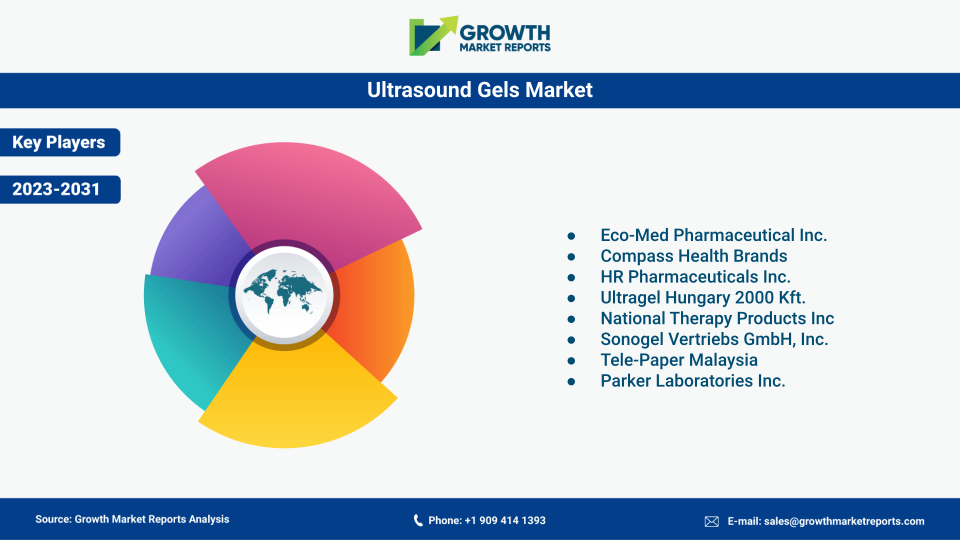
Some of the major players competing the global ultrasound gels market are Eco-Med Pharmaceutical Inc.; Compass Health Brands; HR Pharmaceuticals Inc.; Ultragel Hungary 2000 Kft.; National Therapy Products Inc; Sonogel Vertriebs GmbH, Inc.; Tele-Paper Malaysia; Parker Laboratories Inc.; Medline Industries Inc.; Besmed Health Business Corp.; and Scrip Inc.

Major players are trying to expand their businesses in developing regions to increase their market share. Furthermore, companies are adopting marketing strategies such as new product development, mergers & acquisitions, and partnership & collaboration. For example, Parker Laboratories has attended the Florida International Medical Expo (FIME), which took place in June 2020 in Florida.

HR Pharmaceuticals has announced the expansion of its EcoVue product range in March 2021, with the introduction of EcoVue HV Ultrasound Gel, a high viscosity formula that is 35% thicker than the previous composition. Users may be able to select the ideal viscosity based on the technique with this service. SonoClear, a new acoustic coupling fluid from a start-up, was listed for clinical studies in February 2021 to evaluate its efficacy and safety. This coupling fluid has the ability to replicate normal brain waves.

Ultrasound Gels Market key players

Frequently Asked Questions

Notable companies include Parker Laboratories Inc., Eco-Med Pharmaceuticals, Ultragel Hungary 2000 Kft, Pharmaceutical Innovations Inc., Sonogel Vertriebs GmbH, Medline Industries, and others.

Key challenges include the presence of low-cost, substandard, or counterfeit products, regulatory compliance issues, and ensuring product quality and safety, especially with the rise of online distribution.

Ultrasound gels are distributed through both offline channels (direct sales, distributors, pharmacies) and online channels (e-commerce platforms, online medical supply stores), with online sales growing rapidly due to digitalization.

Major end-users include hospitals, diagnostic centers, ambulatory surgical centers, clinics, veterinary clinics, research institutions, and educational facilities.

Ultrasound gels are primarily used in diagnostic imaging (such as abdominal, obstetric, cardiac, and musculoskeletal scans), therapeutic ultrasound (physiotherapy, pain management), and other areas like veterinary medicine and research.

Ultrasound gels are available in gel, lotion, and liquid forms. Gel is most popular for its viscosity and ease of use, lotion is favored for therapeutic applications and skin hydration, and liquid is used for rapid application in high-volume settings.

North America holds the largest market share, followed by Europe. The Asia Pacific region is expected to experience the fastest growth due to improving healthcare infrastructure and rising awareness about early diagnosis.

Ultrasound gels are available as sterile and non-sterile types. Sterile gels are used in procedures requiring strict infection control, such as surgeries and biopsies, while non-sterile gels are commonly used in routine diagnostic imaging and therapeutic applications.

Key growth drivers include the rising prevalence of chronic diseases, increased adoption of diagnostic imaging, technological advancements in ultrasound equipment, and the growing demand for minimally invasive and preventive healthcare procedures.

The global ultrasound gels market was valued at USD 1,020 million in 2024 and is expected to reach approximately USD 1,740 million by 2033, growing at a CAGR of 5.9% during the forecast period.

Table Of Content

Chapter 1 Executive Summary
Chapter 2 Assumptions and Acronyms Used
Chapter 3 Research Methodology
Chapter 4 Ultrasound Gels Market Overview
   4.1 Introduction
      4.1.1 Market Taxonomy
      4.1.2 Market Definition
      4.1.3 Macro-Economic Factors Impacting the Market Growth
   4.2 Ultrasound Gels Market Dynamics
      4.2.1 Market Drivers
      4.2.2 Market Restraints
      4.2.3 Market Opportunity
   4.3 Ultrasound Gels Market - Supply Chain Analysis
      4.3.1 List of Key Suppliers
      4.3.2 List of Key Distributors
      4.3.3 List of Key Consumers
   4.4 Key Forces Shaping the Ultrasound Gels Market
      4.4.1 Bargaining Power of Suppliers
      4.4.2 Bargaining Power of Buyers
      4.4.3 Threat of Substitution
      4.4.4 Threat of New Entrants
      4.4.5 Competitive Rivalry
   4.5 Global Ultrasound Gels Market Size & Forecast, 2023-2032
      4.5.1 Ultrasound Gels Market Size and Y-o-Y Growth
      4.5.2 Ultrasound Gels Market Absolute $ Opportunity

Chapter 5 Global Ultrasound Gels Market Analysis and Forecast By Product Type
   5.1 Introduction
      5.1.1 Key Market Trends & Growth Opportunities By Product Type
      5.1.2 Basis Point Share (BPS) Analysis By Product Type
      5.1.3 Absolute $ Opportunity Assessment By Product Type
   5.2 Ultrasound Gels Market Size Forecast By Product Type
      5.2.1 Sterile
      5.2.2 Non-Sterile
   5.3 Market Attractiveness Analysis By Product Type

Chapter 6 Global Ultrasound Gels Market Analysis and Forecast By Form
   6.1 Introduction
      6.1.1 Key Market Trends & Growth Opportunities By Form
      6.1.2 Basis Point Share (BPS) Analysis By Form
      6.1.3 Absolute $ Opportunity Assessment By Form
   6.2 Ultrasound Gels Market Size Forecast By Form
      6.2.1 Gel
      6.2.2 Lotion
      6.2.3 Liquid
   6.3 Market Attractiveness Analysis By Form

Chapter 7 Global Ultrasound Gels Market Analysis and Forecast By Application
   7.1 Introduction
      7.1.1 Key Market Trends & Growth Opportunities By Application
      7.1.2 Basis Point Share (BPS) Analysis By Application
      7.1.3 Absolute $ Opportunity Assessment By Application
   7.2 Ultrasound Gels Market Size Forecast By Application
      7.2.1 Diagnostic Imaging
      7.2.2 Therapeutic Ultrasound
      7.2.3 Others
   7.3 Market Attractiveness Analysis By Application

Chapter 8 Global Ultrasound Gels Market Analysis and Forecast By End-User
   8.1 Introduction
      8.1.1 Key Market Trends & Growth Opportunities By End-User
      8.1.2 Basis Point Share (BPS) Analysis By End-User
      8.1.3 Absolute $ Opportunity Assessment By End-User
   8.2 Ultrasound Gels Market Size Forecast By End-User
      8.2.1 Hospitals
      8.2.2 Diagnostic Centers
      8.2.3 Ambulatory Surgical Centers
      8.2.4 Clinics
      8.2.5 Others
   8.3 Market Attractiveness Analysis By End-User

Chapter 9 Global Ultrasound Gels Market Analysis and Forecast By Distribution Channel
   9.1 Introduction
      9.1.1 Key Market Trends & Growth Opportunities By Distribution Channel
      9.1.2 Basis Point Share (BPS) Analysis By Distribution Channel
      9.1.3 Absolute $ Opportunity Assessment By Distribution Channel
   9.2 Ultrasound Gels Market Size Forecast By Distribution Channel
      9.2.1 Online
      9.2.2 Offline
   9.3 Market Attractiveness Analysis By Distribution Channel

Chapter 10 Global Ultrasound Gels Market Analysis and Forecast by Region
   10.1 Introduction
      10.1.1 Key Market Trends & Growth Opportunities By Region
      10.1.2 Basis Point Share (BPS) Analysis By Region
      10.1.3 Absolute $ Opportunity Assessment By Region
   10.2 Ultrasound Gels Market Size Forecast By Region
      10.2.1 North America
      10.2.2 Europe
      10.2.3 Asia Pacific
      10.2.4 Latin America
      10.2.5 Middle East & Africa (MEA)
   10.3 Market Attractiveness Analysis By Region

Chapter 11 Coronavirus Disease (COVID-19) Impact 
   11.1 Introduction 
   11.2 Current & Future Impact Analysis 
   11.3 Economic Impact Analysis 
   11.4 Government Policies 
   11.5 Investment Scenario

Chapter 12 North America Ultrasound Gels Analysis and Forecast
   12.1 Introduction
   12.2 North America Ultrasound Gels Market Size Forecast by Country
      12.2.1 U.S.
      12.2.2 Canada
   12.3 Basis Point Share (BPS) Analysis by Country
   12.4 Absolute $ Opportunity Assessment by Country
   12.5 Market Attractiveness Analysis by Country
   12.6 North America Ultrasound Gels Market Size Forecast By Product Type
      12.6.1 Sterile
      12.6.2 Non-Sterile
   12.7 Basis Point Share (BPS) Analysis By Product Type 
   12.8 Absolute $ Opportunity Assessment By Product Type 
   12.9 Market Attractiveness Analysis By Product Type
   12.10 North America Ultrasound Gels Market Size Forecast By Form
      12.10.1 Gel
      12.10.2 Lotion
      12.10.3 Liquid
   12.11 Basis Point Share (BPS) Analysis By Form 
   12.12 Absolute $ Opportunity Assessment By Form 
   12.13 Market Attractiveness Analysis By Form
   12.14 North America Ultrasound Gels Market Size Forecast By Application
      12.14.1 Diagnostic Imaging
      12.14.2 Therapeutic Ultrasound
      12.14.3 Others
   12.15 Basis Point Share (BPS) Analysis By Application 
   12.16 Absolute $ Opportunity Assessment By Application 
   12.17 Market Attractiveness Analysis By Application
   12.18 North America Ultrasound Gels Market Size Forecast By End-User
      12.18.1 Hospitals
      12.18.2 Diagnostic Centers
      12.18.3 Ambulatory Surgical Centers
      12.18.4 Clinics
      12.18.5 Others
   12.19 Basis Point Share (BPS) Analysis By End-User 
   12.20 Absolute $ Opportunity Assessment By End-User 
   12.21 Market Attractiveness Analysis By End-User
   12.22 North America Ultrasound Gels Market Size Forecast By Distribution Channel
      12.22.1 Online
      12.22.2 Offline
   12.23 Basis Point Share (BPS) Analysis By Distribution Channel 
   12.24 Absolute $ Opportunity Assessment By Distribution Channel 
   12.25 Market Attractiveness Analysis By Distribution Channel

Chapter 13 Europe Ultrasound Gels Analysis and Forecast
   13.1 Introduction
   13.2 Europe Ultrasound Gels Market Size Forecast by Country
      13.2.1 Germany
      13.2.2 France
      13.2.3 Italy
      13.2.4 U.K.
      13.2.5 Spain
      13.2.6 Russia
      13.2.7 Rest of Europe
   13.3 Basis Point Share (BPS) Analysis by Country
   13.4 Absolute $ Opportunity Assessment by Country
   13.5 Market Attractiveness Analysis by Country
   13.6 Europe Ultrasound Gels Market Size Forecast By Product Type
      13.6.1 Sterile
      13.6.2 Non-Sterile
   13.7 Basis Point Share (BPS) Analysis By Product Type 
   13.8 Absolute $ Opportunity Assessment By Product Type 
   13.9 Market Attractiveness Analysis By Product Type
   13.10 Europe Ultrasound Gels Market Size Forecast By Form
      13.10.1 Gel
      13.10.2 Lotion
      13.10.3 Liquid
   13.11 Basis Point Share (BPS) Analysis By Form 
   13.12 Absolute $ Opportunity Assessment By Form 
   13.13 Market Attractiveness Analysis By Form
   13.14 Europe Ultrasound Gels Market Size Forecast By Application
      13.14.1 Diagnostic Imaging
      13.14.2 Therapeutic Ultrasound
      13.14.3 Others
   13.15 Basis Point Share (BPS) Analysis By Application 
   13.16 Absolute $ Opportunity Assessment By Application 
   13.17 Market Attractiveness Analysis By Application
   13.18 Europe Ultrasound Gels Market Size Forecast By End-User
      13.18.1 Hospitals
      13.18.2 Diagnostic Centers
      13.18.3 Ambulatory Surgical Centers
      13.18.4 Clinics
      13.18.5 Others
   13.19 Basis Point Share (BPS) Analysis By End-User 
   13.20 Absolute $ Opportunity Assessment By End-User 
   13.21 Market Attractiveness Analysis By End-User
   13.22 Europe Ultrasound Gels Market Size Forecast By Distribution Channel
      13.22.1 Online
      13.22.2 Offline
   13.23 Basis Point Share (BPS) Analysis By Distribution Channel 
   13.24 Absolute $ Opportunity Assessment By Distribution Channel 
   13.25 Market Attractiveness Analysis By Distribution Channel

Chapter 14 Asia Pacific Ultrasound Gels Analysis and Forecast
   14.1 Introduction
   14.2 Asia Pacific Ultrasound Gels Market Size Forecast by Country
      14.2.1 China
      14.2.2 Japan
      14.2.3 South Korea
      14.2.4 India
      14.2.5 Australia
      14.2.6 South East Asia (SEA)
      14.2.7 Rest of Asia Pacific (APAC)
   14.3 Basis Point Share (BPS) Analysis by Country
   14.4 Absolute $ Opportunity Assessment by Country
   14.5 Market Attractiveness Analysis by Country
   14.6 Asia Pacific Ultrasound Gels Market Size Forecast By Product Type
      14.6.1 Sterile
      14.6.2 Non-Sterile
   14.7 Basis Point Share (BPS) Analysis By Product Type 
   14.8 Absolute $ Opportunity Assessment By Product Type 
   14.9 Market Attractiveness Analysis By Product Type
   14.10 Asia Pacific Ultrasound Gels Market Size Forecast By Form
      14.10.1 Gel
      14.10.2 Lotion
      14.10.3 Liquid
   14.11 Basis Point Share (BPS) Analysis By Form 
   14.12 Absolute $ Opportunity Assessment By Form 
   14.13 Market Attractiveness Analysis By Form
   14.14 Asia Pacific Ultrasound Gels Market Size Forecast By Application
      14.14.1 Diagnostic Imaging
      14.14.2 Therapeutic Ultrasound
      14.14.3 Others
   14.15 Basis Point Share (BPS) Analysis By Application 
   14.16 Absolute $ Opportunity Assessment By Application 
   14.17 Market Attractiveness Analysis By Application
   14.18 Asia Pacific Ultrasound Gels Market Size Forecast By End-User
      14.18.1 Hospitals
      14.18.2 Diagnostic Centers
      14.18.3 Ambulatory Surgical Centers
      14.18.4 Clinics
      14.18.5 Others
   14.19 Basis Point Share (BPS) Analysis By End-User 
   14.20 Absolute $ Opportunity Assessment By End-User 
   14.21 Market Attractiveness Analysis By End-User
   14.22 Asia Pacific Ultrasound Gels Market Size Forecast By Distribution Channel
      14.22.1 Online
      14.22.2 Offline
   14.23 Basis Point Share (BPS) Analysis By Distribution Channel 
   14.24 Absolute $ Opportunity Assessment By Distribution Channel 
   14.25 Market Attractiveness Analysis By Distribution Channel

Chapter 15 Latin America Ultrasound Gels Analysis and Forecast
   15.1 Introduction
   15.2 Latin America Ultrasound Gels Market Size Forecast by Country
      15.2.1 Brazil
      15.2.2 Mexico
      15.2.3 Rest of Latin America (LATAM)
   15.3 Basis Point Share (BPS) Analysis by Country
   15.4 Absolute $ Opportunity Assessment by Country
   15.5 Market Attractiveness Analysis by Country
   15.6 Latin America Ultrasound Gels Market Size Forecast By Product Type
      15.6.1 Sterile
      15.6.2 Non-Sterile
   15.7 Basis Point Share (BPS) Analysis By Product Type 
   15.8 Absolute $ Opportunity Assessment By Product Type 
   15.9 Market Attractiveness Analysis By Product Type
   15.10 Latin America Ultrasound Gels Market Size Forecast By Form
      15.10.1 Gel
      15.10.2 Lotion
      15.10.3 Liquid
   15.11 Basis Point Share (BPS) Analysis By Form 
   15.12 Absolute $ Opportunity Assessment By Form 
   15.13 Market Attractiveness Analysis By Form
   15.14 Latin America Ultrasound Gels Market Size Forecast By Application
      15.14.1 Diagnostic Imaging
      15.14.2 Therapeutic Ultrasound
      15.14.3 Others
   15.15 Basis Point Share (BPS) Analysis By Application 
   15.16 Absolute $ Opportunity Assessment By Application 
   15.17 Market Attractiveness Analysis By Application
   15.18 Latin America Ultrasound Gels Market Size Forecast By End-User
      15.18.1 Hospitals
      15.18.2 Diagnostic Centers
      15.18.3 Ambulatory Surgical Centers
      15.18.4 Clinics
      15.18.5 Others
   15.19 Basis Point Share (BPS) Analysis By End-User 
   15.20 Absolute $ Opportunity Assessment By End-User 
   15.21 Market Attractiveness Analysis By End-User
   15.22 Latin America Ultrasound Gels Market Size Forecast By Distribution Channel
      15.22.1 Online
      15.22.2 Offline
   15.23 Basis Point Share (BPS) Analysis By Distribution Channel 
   15.24 Absolute $ Opportunity Assessment By Distribution Channel 
   15.25 Market Attractiveness Analysis By Distribution Channel

Chapter 16 Middle East & Africa (MEA) Ultrasound Gels Analysis and Forecast
   16.1 Introduction
   16.2 Middle East & Africa (MEA) Ultrasound Gels Market Size Forecast by Country
      16.2.1 Saudi Arabia
      16.2.2 South Africa
      16.2.3 UAE
      16.2.4 Rest of Middle East & Africa (MEA)
   16.3 Basis Point Share (BPS) Analysis by Country
   16.4 Absolute $ Opportunity Assessment by Country
   16.5 Market Attractiveness Analysis by Country
   16.6 Middle East & Africa (MEA) Ultrasound Gels Market Size Forecast By Product Type
      16.6.1 Sterile
      16.6.2 Non-Sterile
   16.7 Basis Point Share (BPS) Analysis By Product Type 
   16.8 Absolute $ Opportunity Assessment By Product Type 
   16.9 Market Attractiveness Analysis By Product Type
   16.10 Middle East & Africa (MEA) Ultrasound Gels Market Size Forecast By Form
      16.10.1 Gel
      16.10.2 Lotion
      16.10.3 Liquid
   16.11 Basis Point Share (BPS) Analysis By Form 
   16.12 Absolute $ Opportunity Assessment By Form 
   16.13 Market Attractiveness Analysis By Form
   16.14 Middle East & Africa (MEA) Ultrasound Gels Market Size Forecast By Application
      16.14.1 Diagnostic Imaging
      16.14.2 Therapeutic Ultrasound
      16.14.3 Others
   16.15 Basis Point Share (BPS) Analysis By Application 
   16.16 Absolute $ Opportunity Assessment By Application 
   16.17 Market Attractiveness Analysis By Application
   16.18 Middle East & Africa (MEA) Ultrasound Gels Market Size Forecast By End-User
      16.18.1 Hospitals
      16.18.2 Diagnostic Centers
      16.18.3 Ambulatory Surgical Centers
      16.18.4 Clinics
      16.18.5 Others
   16.19 Basis Point Share (BPS) Analysis By End-User 
   16.20 Absolute $ Opportunity Assessment By End-User 
   16.21 Market Attractiveness Analysis By End-User
   16.22 Middle East & Africa (MEA) Ultrasound Gels Market Size Forecast By Distribution Channel
      16.22.1 Online
      16.22.2 Offline
   16.23 Basis Point Share (BPS) Analysis By Distribution Channel 
   16.24 Absolute $ Opportunity Assessment By Distribution Channel 
   16.25 Market Attractiveness Analysis By Distribution Channel

Chapter 17 Competition Landscape 
   17.1 Ultrasound Gels Market: Competitive Dashboard
   17.2 Global Ultrasound Gels Market: Market Share Analysis, 2023
   17.3 Company Profiles (Details – Overview, Financials, Developments, Strategy) 
      17.3.1 Parker Laboratories, Inc.
Eco-Med Pharmaceutical, Inc.
National Therapy Products Inc.
TensCare Ltd.
Ultragel Hungary 2000 Kft.
Medline Industries, LP
Sonogel Vertriebs GmbH
Pharmaceutical Innovations, Inc.
Tele-Paper Malaysia
HR Pharmaceuticals, Inc.
Besmed Health Business Corp.
Medicom Healthcare
Aquasonic (Parker Laboratories)
Ultrasound Technologies Ltd.
Medisave UK Ltd.
Meditech Devices Pvt. Ltd.
Shenzhen Huikang Medical Apparatus Co., Ltd.
Reckitt Benckiser Group plc (KY Jelly)
Sonic Imaging
Dynarex Corporation

Methodology

Our Clients

FedEx Logistics
The John Holland Group
General Mills
General Electric
Honda Motor Co. Ltd.
sinopec
Nestle SA
Siemens Healthcare