Segments - by Product Type (Perfumes & Cosmetics, Wine & Spirits, Tobacco Products, Fashion & Accessories, Electronics, Food & Confectionery, Others), by Channel (Airports, Airlines, Ferries & Cruise Lines, Border, Downtown & Hotel Shops, Others)
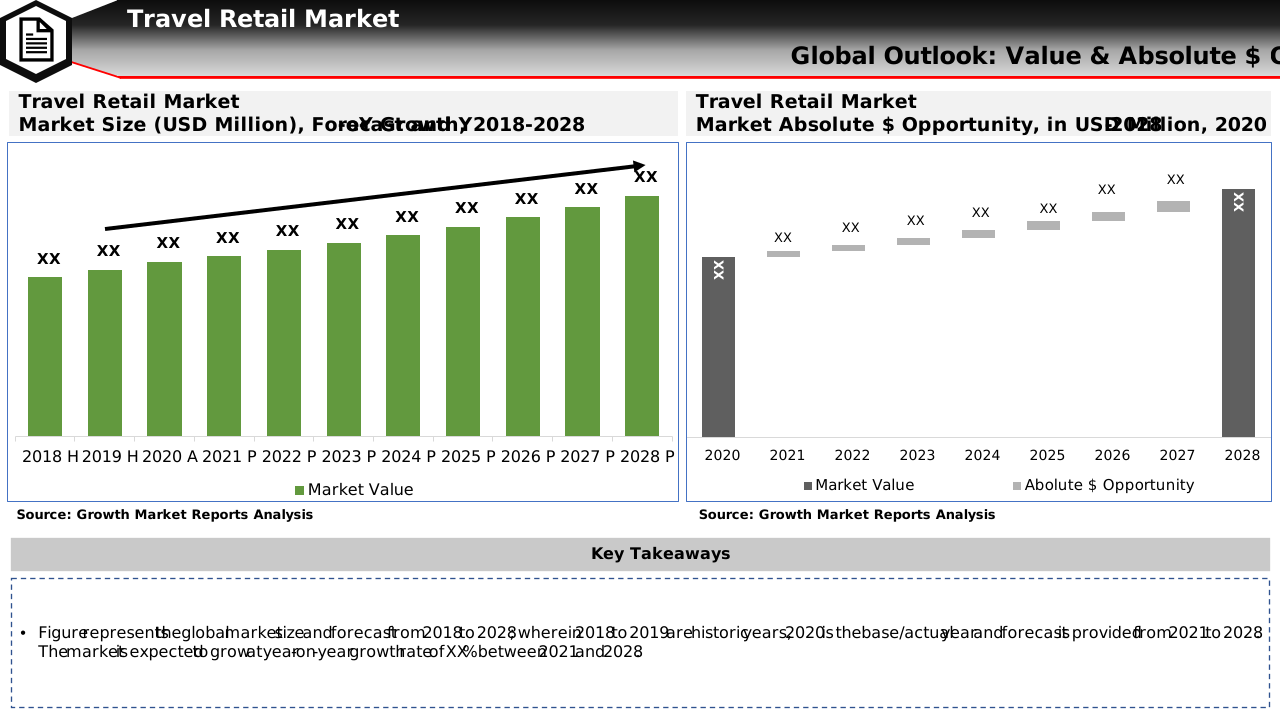
According to our latest research, the global travel retail market size reached USD 75.3 billion in 2024, reflecting robust momentum driven by post-pandemic travel recovery and evolving consumer preferences. The market is experiencing a healthy resurgence with a projected CAGR of 8.2% from 2025 to 2033. By 2033, the market is expected to reach USD 145.4 billion, propelled by a surge in international passenger traffic, premiumization of offerings, and digital innovation across retail channels. This growth trajectory underscores the sector’s adaptability and the increasing role of travel retail as a vital revenue stream for both retailers and travel operators worldwide.
One of the primary growth factors fueling the travel retail market is the significant rebound in global tourism and air travel post-pandemic. As borders reopen and travel restrictions ease, international passenger volumes have surged, particularly in major transit hubs across Asia Pacific, Europe, and the Middle East. This resurgence is not only driving footfall in airport retail but also stimulating demand for luxury and duty-free products. Additionally, the growing middle-class population in emerging markets, especially in Asia, is contributing to higher discretionary spending on premium products such as perfumes, cosmetics, and fashion accessories. The allure of exclusive travel retail offerings, combined with the convenience of shopping while in transit, continues to attract a broad spectrum of travelers, thus reinforcing the sector’s growth prospects.
Digital transformation and omnichannel strategies are also pivotal in shaping the future of the travel retail market. Retailers are increasingly leveraging advanced technologies such as artificial intelligence, data analytics, and mobile commerce to personalize the shopping experience and streamline operations. The integration of e-commerce with physical retail, including click-and-collect and pre-order services, is enhancing convenience for time-constrained travelers. Moreover, immersive experiences, such as virtual try-ons and interactive displays, are elevating customer engagement and driving higher conversion rates. These innovations are not only meeting evolving consumer expectations but also enabling retailers to capture valuable data insights, refine inventory management, and optimize product offerings across diverse travel retail environments.
Another critical factor contributing to market expansion is the strategic collaboration between brands, retailers, and travel operators. Exclusive product launches, limited-edition collections, and tailored loyalty programs are increasingly prevalent in travel retail, fostering brand differentiation and customer loyalty. The sector is witnessing a growing emphasis on sustainability, with eco-friendly packaging, ethical sourcing, and responsible marketing practices gaining traction among both consumers and industry stakeholders. Furthermore, the diversification of product assortments to include local specialties, artisanal goods, and health-oriented products is broadening the appeal of travel retail beyond traditional luxury categories. This collaborative and adaptive approach is ensuring sustained relevance and competitiveness in a rapidly evolving global landscape.
Regionally, the Asia Pacific market stands out as the most dynamic and fastest-growing segment, driven by the rapid expansion of air travel infrastructure and the rising affluence of travelers from China, India, and Southeast Asia. Europe remains a key market, benefiting from its dense network of international airports and established duty-free culture, while North America is witnessing robust growth fueled by increased outbound travel and innovative retail concepts. The Middle East, particularly the Gulf Cooperation Council (GCC) countries, continues to invest in world-class airport facilities, positioning itself as a major transit and shopping destination. Latin America and Africa are emerging markets with significant untapped potential, supported by improving connectivity and a growing appetite for premium products among international travelers. This diverse regional landscape highlights the global nature of the travel retail market and its capacity for sustained expansion across both mature and emerging economies.
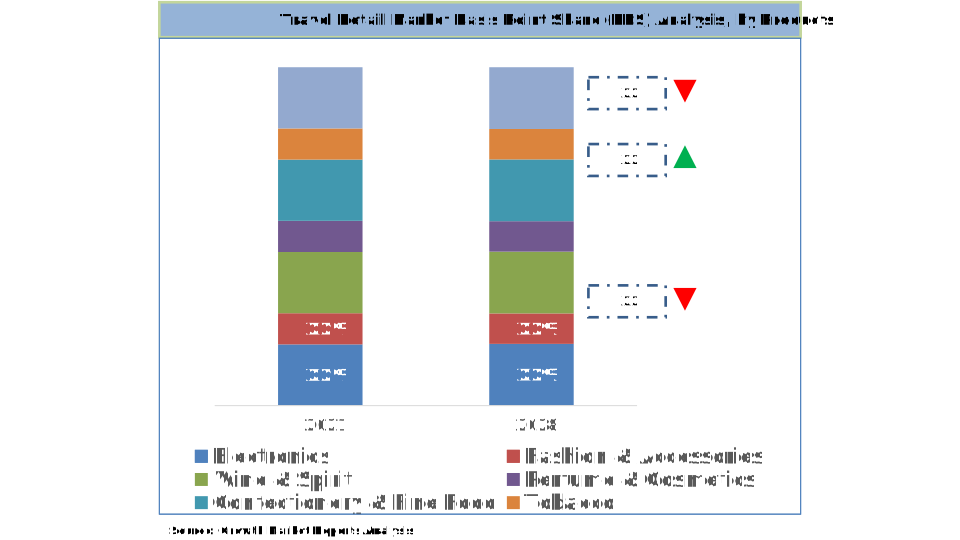
The product type segmentation in the travel retail market is a critical driver of overall growth, with each category catering to distinct consumer preferences and travel behaviors. Perfumes & cosmetics dominate the market, accounting for the largest share due to their high demand among international travelers seeking exclusive and tax-free luxury products. The appeal of travel-exclusive editions, premium brands, and personalized beauty experiences has elevated this segment, making it a cornerstone of airport and downtown duty-free stores. The willingness of travelers to indulge in high-value purchases during their journeys, combined with innovative merchandising and promotional strategies, continues to fuel robust growth in this category.
The wine & spirits segment is another significant contributor, benefiting from the tradition of gifting and the appeal of premium international brands. Duty-free pricing and the availability of rare and limited-edition products make this segment particularly attractive to both leisure and business travelers. Retailers are leveraging experiential marketing, such as tastings and brand storytelling, to enhance the shopping experience and drive impulse purchases. The segment is also witnessing a shift toward craft and artisanal beverages, reflecting broader consumer trends toward authenticity and quality. The integration of digital engagement tools, such as mobile apps and loyalty programs, is further enhancing customer retention and repeat purchases in this category.
Tobacco products remain a staple in travel retail, despite increasing regulatory scrutiny and shifting consumer attitudes toward healthier lifestyles. The segment continues to attract a dedicated customer base, particularly in regions with favorable duty-free regulations. Retailers are adapting to changing dynamics by offering innovative product formats, such as heated tobacco and vaping devices, and by focusing on premiumization and brand exclusivity. Strategic partnerships with leading tobacco companies and the introduction of loyalty incentives are helping to sustain demand, even as the segment faces mounting challenges related to health awareness and regulatory compliance.
The fashion & accessories segment is experiencing rapid growth, driven by the rising demand for branded apparel, watches, jewelry, and travel-related accessories. The segment benefits from the aspirational appeal of luxury brands and the convenience of last-minute shopping opportunities in transit environments. Collaborations with renowned designers, the launch of travel-exclusive collections, and the adoption of digital marketing campaigns are expanding the reach and visibility of fashion brands in travel retail. The segment is also witnessing increasing interest in sustainable and ethically sourced products, aligning with evolving consumer values and preferences.
Other notable product categories include electronics, food & confectionery, and a diverse array of specialty goods. Electronics, such as headphones, travel gadgets, and mobile accessories, cater to the needs of tech-savvy travelers seeking convenience and connectivity on the go. Food & confectionery offerings, including premium chocolates, gourmet snacks, and local delicacies, provide travelers with unique gifting and indulgence options. The growing emphasis on health and wellness is also driving demand for organic and functional food products. The ability of travel retailers to curate a diverse and appealing product mix is essential for maximizing basket size and enhancing the overall customer experience.
| Attributes | Details |
| Report Title | Travel Retail Market Research Report 2033 |
| By Product Type | Perfumes & Cosmetics, Wine & Spirits, Tobacco Products, Fashion & Accessories, Electronics, Food & Confectionery, Others |
| By Channel | Airports, Airlines, Ferries & Cruise Lines, Border, Downtown & Hotel Shops, Others |
| Regions Covered | North America, Europe, APAC, Latin America, MEA |
| Base Year | 2024 |
| Historic Data | 2018-2023 |
| Forecast Period | 2025-2033 |
| Number of Pages | 259 |
| Number of Tables & Figures | 375 |
| Customization Available | Yes, the report can be customized as per your need. |
The channel segmentation of the travel retail market reveals distinct dynamics and growth opportunities across various retail environments. Airports remain the dominant channel, accounting for the largest share of travel retail sales globally. The strategic location of duty-free stores within airport terminals ensures high visibility and accessibility to a captive audience of international travelers. Airports are investing heavily in upgrading retail infrastructure, expanding commercial spaces, and integrating digital technologies to enhance the shopping experience. The proliferation of luxury boutiques, experiential zones, and personalized services is transforming airports into vibrant retail destinations, driving higher footfall and transaction values.
Airlines represent a unique and evolving channel within travel retail, offering onboard shopping experiences that cater to passengers during their journeys. The segment is witnessing a shift toward digitalization, with many airlines introducing pre-order and home delivery options, as well as curated product catalogs accessible via in-flight entertainment systems. The ability to target passengers with personalized offers and exclusive deals is enhancing the relevance and appeal of airline retail. Collaborations with leading brands and the introduction of limited-edition products are further differentiating airline retail from traditional ground-based channels.
Ferries & cruise lines constitute another important channel, particularly in regions with high volumes of cross-border and leisure travel. The unique environment of cruise ships and ferries provides retailers with opportunities to engage travelers in immersive and leisurely shopping experiences. Duty-free shopping is a key attraction for cruise passengers, who often have extended periods of time to explore a wide range of products. Retailers are capitalizing on this by offering themed events, brand activations, and exclusive promotions tailored to the preferences of cruise travelers. The segment is also benefiting from the increasing popularity of luxury cruises and the expansion of cruise itineraries to new destinations.
Border, downtown & hotel shops offer an alternative to airport-based retail, catering to both international travelers and local consumers seeking duty-free or tax-free products. These channels are particularly prominent in regions with land borders and high volumes of cross-border traffic, such as Europe and parts of Asia. Downtown duty-free stores and hotel-based boutiques are leveraging their proximity to major tourist attractions and business districts to attract a diverse clientele. The integration of digital marketing, loyalty programs, and personalized services is enhancing the competitiveness of these channels and driving incremental sales.
Other channels, including pop-up stores, event-based retail, and online platforms, are emerging as innovative avenues for travel retail. The adoption of omnichannel strategies is enabling retailers to engage customers at multiple touchpoints throughout their travel journey, from pre-trip planning to post-arrival shopping. The ability to offer seamless and convenient shopping experiences across physical and digital channels is becoming a key differentiator in the highly competitive travel retail landscape. As consumer preferences continue to evolve, the agility and adaptability of travel retailers in leveraging diverse channels will be instrumental in capturing new growth opportunities.
The travel retail market is brimming with opportunities for growth and innovation, particularly as global tourism continues to rebound and consumer expectations evolve. The increasing adoption of digital technologies presents a significant opportunity for retailers to enhance the customer experience and drive operational efficiencies. The integration of mobile apps, personalized marketing, and data analytics enables retailers to deliver targeted offers, streamline inventory management, and optimize product assortments. Additionally, the expansion of travel retail into emerging markets, such as Southeast Asia, Latin America, and Africa, offers untapped potential for market penetration and revenue diversification. The growing demand for sustainable and ethically sourced products is also creating new avenues for differentiation and brand loyalty, as environmentally conscious travelers seek out responsible and transparent brands.
Another major opportunity lies in the strategic collaboration between brands, retailers, and travel operators to create exclusive and memorable shopping experiences. The development of travel-exclusive product lines, limited-edition collections, and tailored loyalty programs can drive higher engagement and repeat purchases among international travelers. The rise of experiential retail, including immersive brand activations, interactive displays, and personalized services, is transforming travel retail environments into destinations in their own right. The increasing popularity of health and wellness products, local specialties, and artisanal goods is broadening the appeal of travel retail and attracting new customer segments. By embracing innovation and collaboration, travel retailers can capitalize on shifting consumer trends and sustain long-term growth.
Despite these opportunities, the travel retail market faces several restrainers that could impact its growth trajectory. Regulatory challenges, such as changing duty-free allowances, tobacco and alcohol restrictions, and evolving customs regulations, can create uncertainty and limit market access in certain regions. The sector is also vulnerable to external shocks, including geopolitical tensions, economic downturns, and public health crises, which can disrupt travel patterns and reduce passenger volumes. Intense competition among retailers and brands, coupled with rising operational costs and margin pressures, poses additional challenges to profitability and market share. To mitigate these risks, industry stakeholders must remain agile, invest in risk management strategies, and proactively adapt to regulatory and market developments.
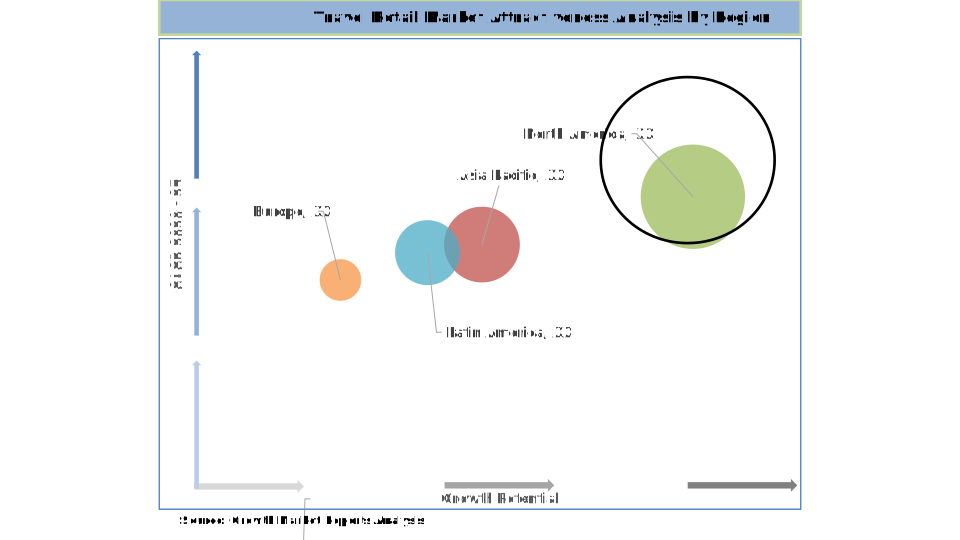
The Asia Pacific region is the undisputed leader in the global travel retail market, accounting for approximately 37% of total sales, or around USD 27.9 billion in 2024. This dominance is driven by the rapid expansion of air travel infrastructure, rising disposable incomes, and the increasing propensity of consumers in China, India, and Southeast Asia to spend on premium and luxury products. Major airports in cities such as Singapore, Hong Kong, and Seoul are setting new benchmarks for retail innovation, offering a wide array of exclusive products and immersive shopping experiences. The region is forecast to maintain a robust CAGR of 9.3% through 2033, outpacing other global markets and reinforcing its status as the primary engine of growth for travel retail.
Europe remains a key market, contributing roughly 28% of global travel retail sales, or about USD 21.1 billion in 2024. The region benefits from its dense network of international airports, well-established duty-free culture, and high levels of inbound and outbound tourism. Leading travel retail hubs such as London Heathrow, Paris Charles de Gaulle, and Frankfurt International Airport continue to attract high-spending travelers from around the world. Europe is also at the forefront of sustainability initiatives, with many retailers and brands adopting eco-friendly practices and transparent sourcing. The region’s mature market dynamics and focus on innovation ensure its continued relevance and competitiveness in the global travel retail landscape.
North America accounts for approximately 19% of the market, or USD 14.3 billion in 2024, driven by increased outbound travel, the expansion of airport retail infrastructure, and the adoption of digital and omnichannel retail strategies. The United States and Canada are witnessing a resurgence in international travel, with major airports investing in luxury boutiques, experiential retail concepts, and personalized services to cater to diverse traveler profiles. The region is also characterized by a strong focus on technology integration, with retailers leveraging data analytics, mobile commerce, and loyalty programs to enhance customer engagement and drive sales. The Middle East & Africa and Latin America are emerging markets with significant growth potential, supported by improving connectivity, investment in airport infrastructure, and a growing appetite for premium products among international travelers.
The travel retail market is characterized by intense competition, with a diverse array of global, regional, and local players vying for market share across various product categories and retail channels. The competitive landscape is shaped by the presence of leading duty-free operators, luxury and premium brands, and innovative retail startups, all of whom are leveraging strategic partnerships, digital transformation, and experiential retail to differentiate themselves. The ability to offer exclusive products, personalized services, and seamless omnichannel experiences is becoming increasingly important in attracting and retaining customers in a highly competitive environment. Retailers are also investing in staff training, store design, and customer engagement initiatives to enhance the overall shopping experience and drive higher conversion rates.
Major players in the travel retail market are pursuing aggressive expansion strategies, both organically and through mergers and acquisitions, to strengthen their global footprint and diversify their product portfolios. Leading duty-free operators are expanding their presence in high-traffic airports, cruise terminals, and downtown locations, while also investing in digital platforms and loyalty programs to capture a larger share of traveler spending. The entry of new players, including e-commerce platforms and niche brands, is intensifying competition and driving innovation across the value chain. The ability to adapt to changing consumer preferences, regulatory requirements, and market dynamics is critical for sustained success in the travel retail sector.
Brand partnerships and exclusive collaborations are playing a pivotal role in shaping the competitive landscape, with retailers and brands joining forces to create unique and memorable shopping experiences for travelers. The launch of travel-exclusive product lines, limited-edition collections, and bespoke services is enabling brands to differentiate themselves and build stronger relationships with international customers. Retailers are also leveraging data analytics and customer insights to tailor their offerings and marketing strategies, ensuring relevance and resonance with diverse traveler segments. The growing emphasis on sustainability and corporate social responsibility is further influencing competitive dynamics, as consumers increasingly seek out brands and retailers that align with their values.
Some of the major companies in the travel retail market include Dufry AG, LVMH Moët Hennessy Louis Vuitton, Lagardère Travel Retail, DFS Group, Heinemann SE & Co. KG, King Power International Group, and Aer Rianta International. Dufry AG is a global leader with a presence in over 60 countries, offering a comprehensive portfolio of duty-free and duty-paid products across airports, cruise lines, and downtown locations. LVMH, through its DFS Group subsidiary, is renowned for its luxury retail offerings and exclusive collaborations with leading brands. Lagardère Travel Retail operates a diverse network of stores across airports, railway stations, and urban centers, focusing on innovation, sustainability, and customer experience. Heinemann is a key player in Europe, known for its extensive product range and commitment to sustainable retail practices. King Power International and Aer Rianta International are prominent operators in Asia and the Middle East, respectively, leveraging their regional expertise and strong brand partnerships to capture market share.
These industry leaders are continually investing in technology, talent, and infrastructure to enhance their competitive positioning and capitalize on emerging growth opportunities. Their ability to anticipate and respond to market trends, regulatory changes, and shifting consumer preferences will be instrumental in shaping the future trajectory of the global travel retail market. As competition intensifies and the market continues to evolve, the most successful players will be those that can deliver exceptional value, innovation, and experiences to travelers across the globe.
The Travel Retail market has been segmented on the basis of
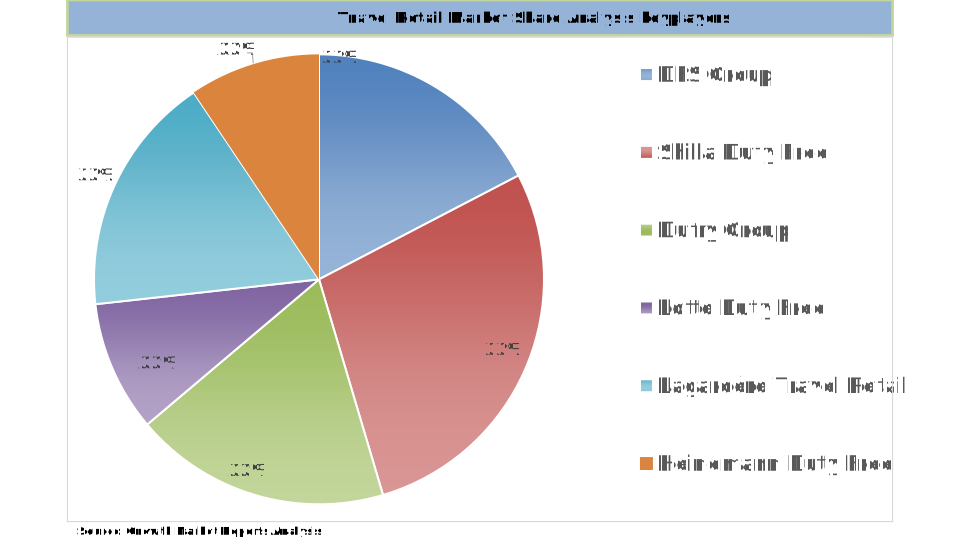
Key players competing in the global travel retail market are DFS Group; Shilla Duty Free; Dufry Group; Lotte Duty Free; Lagardère Travel Retail; and Heinemann Duty Free. Some of these players are actively engaged in various market development strategies, such as capacity expansion, new product launches, acquisition, partnership, collaboration, and mergers to increase their market share.
For instance, in September 2018, Dufry Group made a deal with Perth Airport Pty. Ltd. (PAPL) to open two duty-free stores at departure and arrival areas at the international terminal in the airport. This deal helped the company to expand its footprint in Australia.
Yes, the Travel Retail Market Research Report 2033 offers customization options to meet specific client requirements.
Challenges include regulatory changes (duty-free allowances, tobacco/alcohol restrictions), geopolitical and economic uncertainties, intense competition, and the need to adapt to shifting consumer preferences and sustainability demands.
Major players include Dufry AG, LVMH Moët Hennessy Louis Vuitton (DFS Group), Lagardère Travel Retail, Heinemann SE & Co. KG, King Power International Group, Aer Rianta International, Lotte Duty Free, and The Shilla Duty Free.
Key trends include the rebound of global tourism, premiumization of products, digital innovation, sustainability initiatives, exclusive product launches, and the expansion into emerging markets.
Digital transformation is reshaping travel retail through AI, data analytics, mobile commerce, and omnichannel strategies. Innovations like click-and-collect, pre-order services, and immersive digital experiences are enhancing convenience and customer engagement.
Airports are the dominant channel for travel retail sales, thanks to high passenger traffic and strategic retail locations. Other channels include airlines, ferries & cruise lines, border shops, downtown & hotel shops, and online platforms.
Key product categories include perfumes & cosmetics, wine & spirits, tobacco products, fashion & accessories, electronics, food & confectionery, and other specialty goods.
Asia Pacific is the fastest-growing and largest region, accounting for about 37% of global sales, followed by Europe (28%) and North America (19%). The Middle East, Latin America, and Africa are emerging markets with significant growth potential.
The travel retail market is expected to grow at a CAGR of 8.2% from 2025 to 2033, reaching an estimated USD 145.4 billion by 2033.
As of 2024, the global travel retail market size reached USD 75.3 billion, reflecting strong growth driven by the recovery of international travel and evolving consumer preferences.