Segments - by Product Type (Semi-solid Formulations, Liquid Formulations, Solid Formulations, Transdermal Products), by Application (Dermal, Ophthalmic, Rectal, Vaginal, Nasal), by End-User (Hospitals, Home Care, Clinics, Others), by Distribution Channel (Hospital Pharmacies, Retail Pharmacies, Online Pharmacies)
This report is updated with the latest market data and insights as of June 2026. Base year: 2025 | Forecast period: 2026-2034
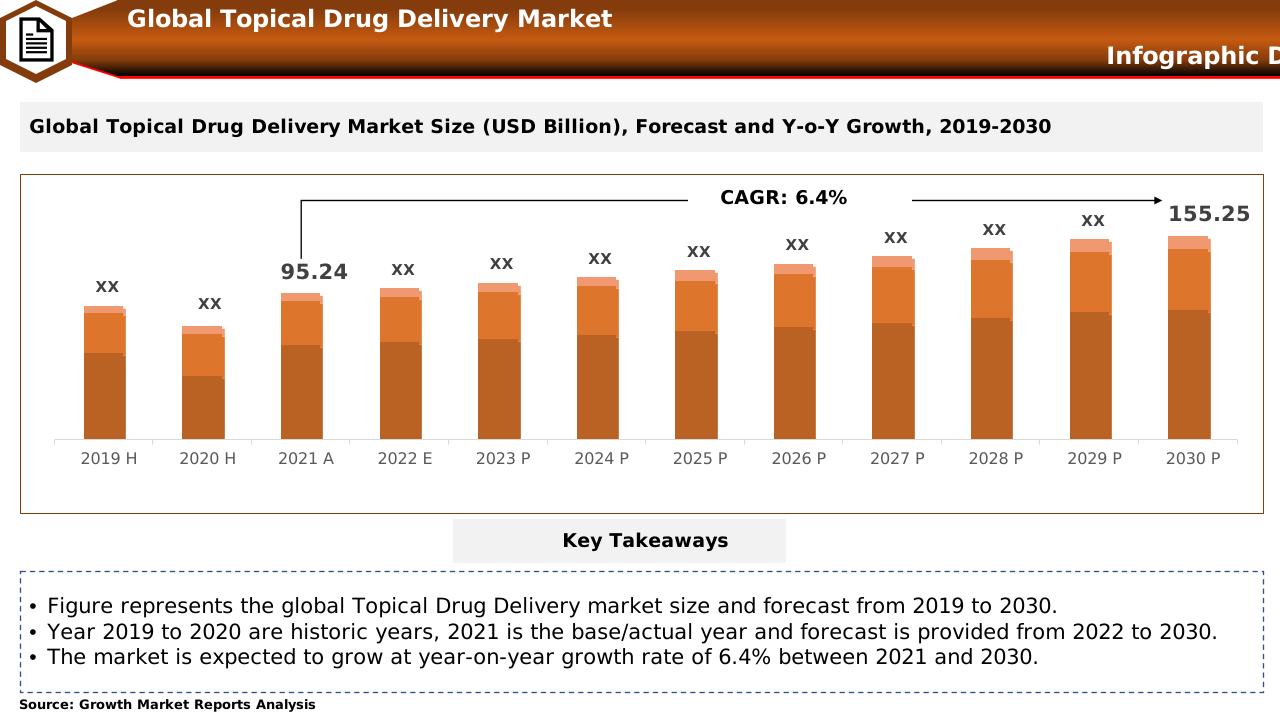
According to our latest research, the global topical drug delivery market size reached USD 130.1 billion in 2025, demonstrating robust expansion driven by rising demand for targeted therapies and improved patient compliance. The market is expected to grow at a compelling CAGR of 7.2% from 2026 to 2034, reaching an estimated USD 244.8 billion by 2034. This dynamic growth is attributed to increasing incidences of chronic skin diseases, advancements in transdermal drug delivery technologies, and a growing preference for non-invasive administration routes. As per our latest research, the market's acceleration is further supported by a surge in innovation within pharmaceutical formulations and the expanding geriatric population globally.
One of the primary growth drivers for the topical drug delivery market is the escalating prevalence of dermatological conditions such as psoriasis, eczema, and skin infections. These chronic diseases necessitate long-term treatment regimens, often making systemic administration less viable due to potential side effects and reduced patient adherence. Topical drug delivery offers a localized, targeted approach, minimizing systemic absorption and enhancing patient comfort. Furthermore, the rise in awareness about skincare, coupled with increasing disposable incomes in emerging economies, is fueling the demand for advanced topical formulations. Pharmaceutical companies are responding by investing in research and development to create innovative products with improved efficacy and safety profiles, further propelling market growth. The broader drug delivery technology landscape continues to evolve rapidly, providing a fertile environment for topical applications to benefit from cross-segment innovation.
Technological advancements are playing a pivotal role in shaping the topical drug delivery landscape. The introduction of novel transdermal patches, nano-formulations, and microemulsion-based systems has revolutionized the way drugs are delivered through the skin. These innovations not only improve drug bioavailability but also enable controlled and sustained release, reducing dosing frequency and enhancing patient compliance. The integration of smart drug delivery systems, including microneedle arrays and iontophoresis, is opening new avenues for the market, especially for drugs that were previously challenging to administer topically. Additionally, regulatory agencies are providing clearer pathways for approval, encouraging manufacturers to bring cutting-edge products to market more efficiently. The rise of wearable patch platforms is a particularly noteworthy development, enabling continuous drug release and real-time patient monitoring outside clinical settings.
The topical drug delivery market is also benefiting from the growing trend toward self-administration and home healthcare. With the global healthcare system under pressure due to rising costs and an aging population, patients and providers are increasingly seeking solutions that reduce hospital visits and enable convenient, at-home treatment. Topical formulations, especially those designed for chronic conditions, are well-suited for this shift in care delivery. The proliferation of online pharmacies and digital health platforms is making it easier for patients to access these products, further supporting market expansion. As healthcare infrastructure improves in developing regions, the adoption of topical drug delivery systems is expected to accelerate, creating significant opportunities for market participants.
In recent years, the development of innovative products such as TYK2 Topical Ointment has gained significant attention in the topical drug delivery market. TYK2 Topical Ointment, designed for targeted treatment of inflammatory skin conditions, exemplifies the industry's shift towards more specialized and effective therapies. This ointment leverages advanced formulation techniques to enhance drug penetration and efficacy, providing patients with a potent alternative to traditional treatments. The growing interest in such targeted therapies underscores the market's commitment to addressing specific dermatological needs with precision and care. As more pharmaceutical companies explore similar innovations, the landscape of topical drug delivery is poised for further transformation, offering new hope for patients with chronic skin conditions.
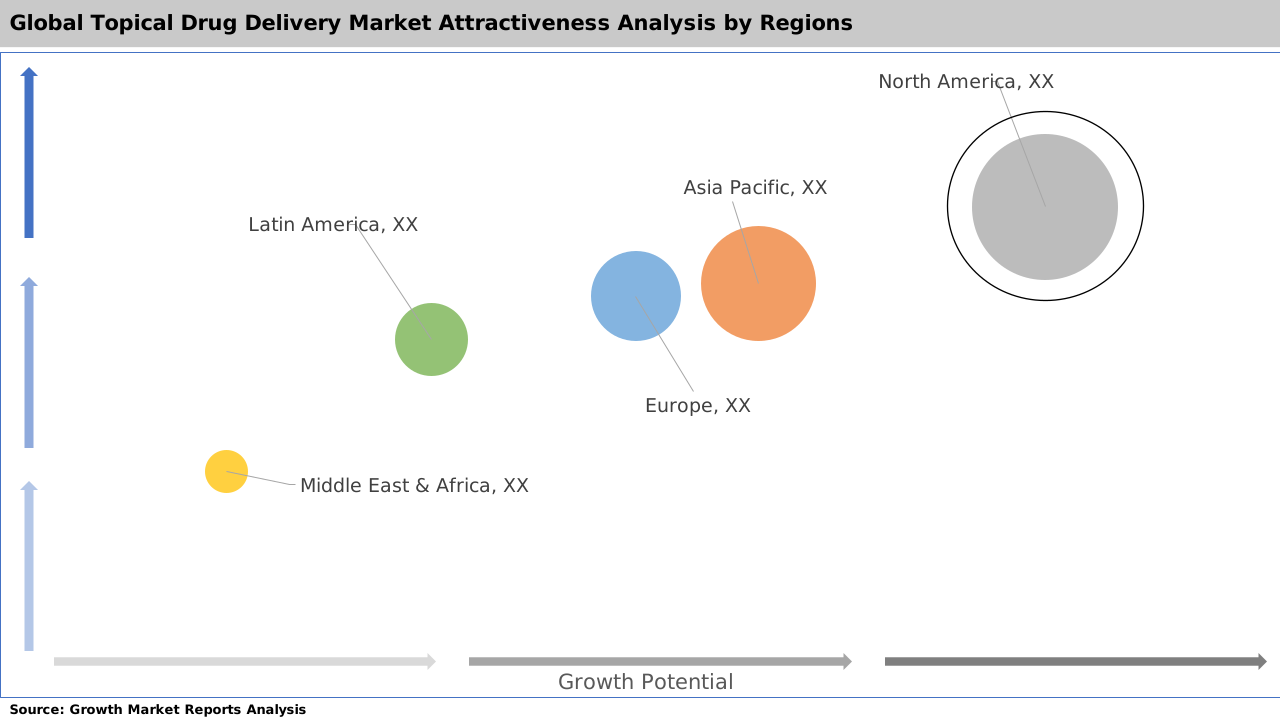
Regionally, North America dominates the topical drug delivery market, accounting for the largest revenue share in 2025. This leadership is attributed to advanced healthcare infrastructure, high prevalence of skin disorders, and strong presence of leading pharmaceutical companies. However, the Asia Pacific region is emerging as the fastest-growing market, driven by rising healthcare expenditure, increasing awareness about advanced therapies, and a burgeoning middle-class population. Europe remains a key market, supported by robust research activities and favorable reimbursement policies. Meanwhile, Latin America and the Middle East and Africa are witnessing steady growth, fueled by improving access to healthcare and rising investments in pharmaceutical manufacturing.
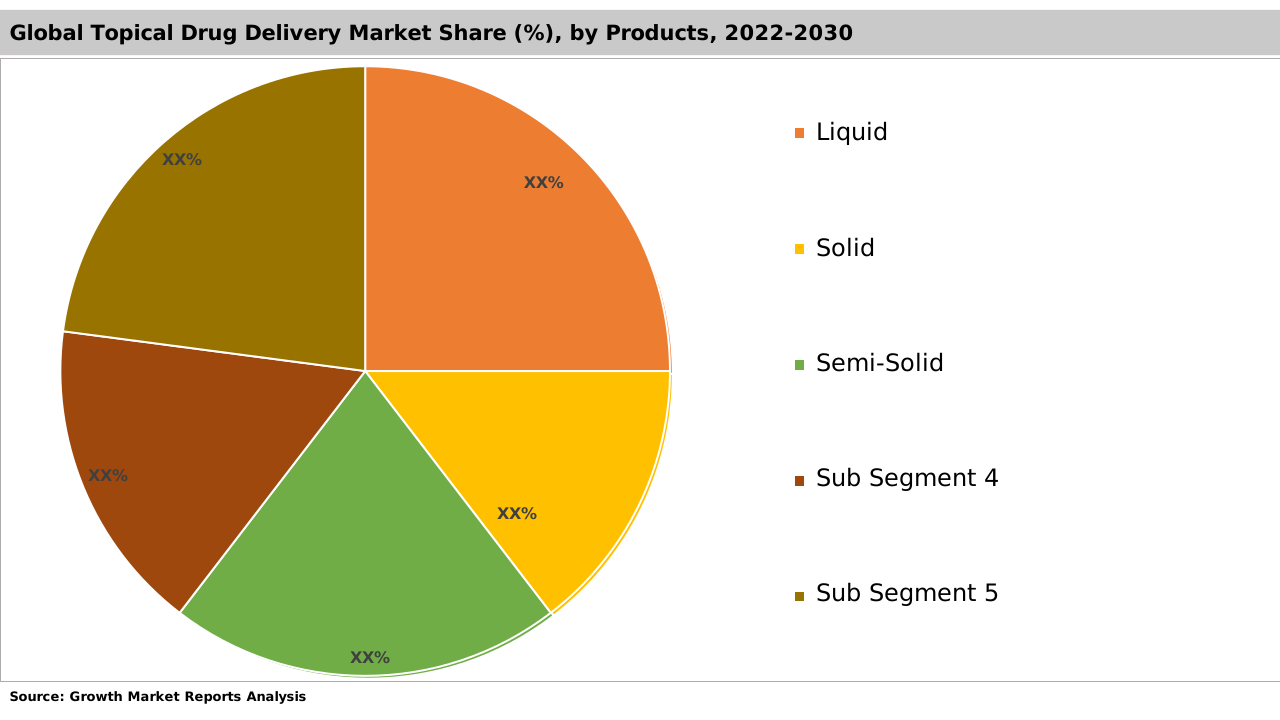
The product type segment of the topical drug delivery market is broadly categorized into semi-solid formulations, liquid formulations, solid formulations, and transdermal products. Among these, semi-solid formulations, including creams, ointments, gels, and pastes, hold the largest market share, representing approximately 42.5% of global revenue in 2025, due to their widespread use in dermatology and ease of application. These formulations are preferred for their ability to deliver both hydrophilic and lipophilic drugs, offering versatility across various therapeutic indications. The growing incidence of chronic skin conditions and the increasing demand for cosmetic and cosmeceutical products continue to boost the adoption of semi-solid formulations, making them a cornerstone of the topical drug delivery market.
Liquid formulations, such as solutions, lotions, and sprays, are gaining traction, particularly in the treatment of scalp and mucosal conditions where even distribution and rapid absorption are critical. The convenience offered by liquid formulations, coupled with advancements in formulation technology that enhance stability and penetration, is driving their uptake. Pharmaceutical companies are focusing on developing innovative delivery systems, such as emulsions and microemulsions, to improve the efficacy and patient experience associated with liquid topical products. This segment is expected to witness steady growth, especially in the management of pediatric and geriatric patients who require gentle, non-irritating formulations.
Solid formulations, including powders and patches, represent a smaller but steadily growing segment of the market. These products offer advantages such as extended shelf-life, ease of transportation, and reduced risk of contamination. Transdermal products, particularly patches, have revolutionized the delivery of systemic medications through the skin. The ability to provide controlled, sustained release of drugs makes transdermal patches highly attractive for managing chronic conditions such as pain, hormone replacement, and cardiovascular diseases. The increasing adoption of transdermal patches, supported by continuous innovation in adhesive technologies and drug permeation enhancers, is expected to drive significant growth in this segment over the forecast period. Transdermal products accounted for approximately 26.8% of the market in 2025, reflecting the strong momentum behind patch-based and wearable delivery technologies.
The competitive landscape within the product type segment is characterized by continuous innovation and product differentiation. Leading manufacturers are investing in the development of multi-functional formulations that offer enhanced therapeutic benefits, improved patient compliance, and superior cosmetic acceptability. The integration of nanotechnology and advanced drug delivery systems is enabling the creation of products with improved skin penetration and targeted action. As regulatory agencies become more supportive of novel formulations, the product type segment is poised for robust expansion, with semi-solid and transdermal products leading the way through 2034.
| Attributes | Details |
| Report Title | Topical Drug Delivery Market Research Report 2034 |
| By Product Type | Semi-solid Formulations, Liquid Formulations, Solid Formulations, Transdermal Products |
| By Application | Dermal, Ophthalmic, Rectal, Vaginal, Nasal |
| By End-User | Hospitals, Home Care, Clinics, Others |
| By Distribution Channel | Hospital Pharmacies, Retail Pharmacies, Online Pharmacies |
| Regions Covered | North America, Europe, APAC, Latin America, MEA |
| Base Year | 2025 |
| Historic Data | 2019-2024 |
| Forecast Period | 2026-2034 |
| Number of Pages | 274 |
| Number of Tables & Figures | 339 |
| Customization Available | Yes, the report can be customized as per your need. |
The application segment of the topical drug delivery market encompasses dermal, ophthalmic, rectal, vaginal, and nasal routes. Dermal application dominates the market, accounting for the largest share in 2025, driven by the high prevalence of skin diseases, increasing demand for cosmetic dermatology, and the widespread use of over-the-counter (OTC) products. The convenience and efficacy of topical dermal formulations make them the preferred choice for both acute and chronic skin conditions. Pharmaceutical companies are focusing on developing targeted therapies for conditions such as acne, psoriasis, and atopic dermatitis, further fueling the growth of the dermal application segment.
Ophthalmic applications represent a significant and rapidly growing segment, supported by rising incidences of eye disorders such as conjunctivitis, dry eye syndrome, and glaucoma. The unique anatomical and physiological characteristics of the eye necessitate specialized formulations that ensure adequate drug delivery while minimizing irritation and systemic absorption. Advances in ocular drug delivery, including the use of gels, ointments, and in-situ forming systems, are enhancing therapeutic outcomes and patient compliance. The growing aging population, which is more susceptible to eye diseases, is expected to drive continued growth in this segment through the forecast period. Additionally, emerging technologies such as contact lens-based drug delivery are opening new frontiers for sustained ophthalmic therapy with minimal patient burden.
Rectal, vaginal, and nasal applications, while smaller in terms of market share, are gaining importance due to their ability to deliver drugs directly to localized sites, bypassing the gastrointestinal tract and first-pass metabolism. Rectal formulations are widely used in pediatric and geriatric populations, where oral administration may be challenging. Vaginal formulations are critical for the treatment of gynecological conditions, offering targeted therapy with minimal systemic exposure. Nasal drug delivery is emerging as a promising route for both local and systemic administration, particularly for conditions such as allergic rhinitis and migraine. The development of advanced delivery systems, including sprays and gels, is expected to boost the adoption of these applications across the 2026-2034 forecast window.
The application segment is characterized by a strong focus on patient-centric product development. Companies are investing in research to understand patient preferences and develop formulations that offer ease of use, minimal side effects, and enhanced therapeutic efficacy. The increasing emphasis on personalized medicine is driving the development of tailored topical therapies for specific patient populations and disease states. As the burden of chronic and lifestyle-related diseases continues to rise globally, the application segment is expected to witness sustained growth across all routes of administration.
The end-user segment of the topical drug delivery market is categorized into hospitals, home care, clinics, and others. Hospitals remain the largest end-user, accounting for a significant share of the market in 2025. This dominance is attributed to the high volume of patients treated for acute and chronic conditions requiring topical therapies, as well as the presence of specialized healthcare professionals who can ensure proper administration. Hospitals also serve as key centers for clinical trials and the introduction of new topical drug delivery systems, making them critical stakeholders in the market's evolution.
Home care is emerging as a rapidly growing end-user segment, driven by the increasing trend toward self-administration and the shift toward outpatient care. The convenience and cost-effectiveness of home-based treatment, coupled with the availability of easy-to-use topical formulations, are encouraging patients to manage chronic conditions outside of traditional healthcare settings. The proliferation of digital health platforms and telemedicine is further facilitating access to topical drug delivery products, enabling remote monitoring and support for patients. This trend is expected to accelerate as healthcare systems worldwide seek to reduce the burden on hospitals and improve patient outcomes through decentralized care.
Clinics, including dermatology and specialty clinics, represent a significant end-user group, particularly for the management of skin diseases, minor injuries, and cosmetic procedures. These settings offer personalized care and access to advanced topical therapies, making them an important channel for product adoption. The growing demand for aesthetic treatments and minimally invasive procedures is driving the use of topical anesthetics and post-procedure care products in clinics. Pharmaceutical companies are partnering with clinics to introduce innovative formulations and gather real-world evidence on product efficacy and safety.
The "others" category includes nursing homes, rehabilitation centers, and ambulatory care facilities, which are increasingly adopting topical drug delivery systems to manage a wide range of conditions. The aging population and the rising prevalence of chronic diseases are driving demand for convenient, non-invasive therapies in these settings. As healthcare delivery models continue to evolve, the end-user segment is expected to witness significant diversification, with home care and outpatient settings playing an increasingly prominent role in the topical drug delivery market through 2034.
The distribution channel segment of the topical drug delivery market is divided into hospital pharmacies, retail pharmacies, and online pharmacies. Hospital pharmacies constitute the primary distribution channel, particularly for prescription-based topical formulations used in acute care and specialized treatments. The integration of hospital pharmacies within healthcare facilities ensures timely access to medications, proper storage conditions, and professional guidance for patients. Hospital pharmacies also play a critical role in the supply chain for clinical trials and the introduction of new products, making them a vital component of the market.
Retail pharmacies are the most accessible distribution channel for over-the-counter and prescription topical products. The widespread presence of retail pharmacy chains, coupled with increasing consumer preference for convenient, walk-in access to medications, is driving growth in this segment. Retail pharmacies offer a wide range of topical formulations, including creams, ointments, and patches, catering to diverse patient needs. The growing trend toward self-medication and the availability of pharmacist counseling services are further supporting the expansion of retail pharmacies in the topical drug delivery market.
Online pharmacies are rapidly emerging as a transformative force in the distribution of topical drug delivery products. The convenience of home delivery, competitive pricing, and the ability to access a broad range of products are key factors driving the adoption of online pharmacies. The strong e-commerce momentum that took hold during 2020-2022 has become an entrenched consumer behavior, with patients continuing to turn to digital platforms for their medication needs in 2025 and beyond. Regulatory authorities are implementing guidelines to ensure the safety and authenticity of products sold online, further boosting consumer confidence. As digital health ecosystems continue to evolve, online pharmacies are expected to play an increasingly important role in the market's growth through 2034.
The distribution channel segment is characterized by increasing competition and the need for robust supply chain management. Pharmaceutical companies are partnering with leading pharmacy chains and e-commerce platforms to expand their reach and improve product accessibility. The integration of digital health technologies, such as e-prescriptions and teleconsultations, is enhancing the efficiency of distribution channels and enabling seamless patient experiences. As the market continues to evolve, the distribution channel segment will remain a critical determinant of product availability, patient access, and overall market growth.
The topical drug delivery market presents significant opportunities for growth, particularly in the development of advanced formulations and the expansion into emerging markets. The increasing focus on personalized medicine and targeted therapies is creating a demand for innovative topical products that cater to specific patient populations and disease states. Technological advancements, such as the integration of nanotechnology, microneedles, and smart drug delivery systems, are enabling the creation of products with enhanced efficacy, safety, and patient compliance. Pharmaceutical companies that invest in research and development to bring novel formulations to market are well-positioned to capitalize on these opportunities and drive long-term growth through the 2026-2034 forecast period.
Another major opportunity lies in the growing trend toward self-administration and home-based care. As healthcare systems worldwide seek to reduce costs and improve patient outcomes, there is a rising demand for easy-to-use, non-invasive therapies that can be administered outside of traditional healthcare settings. The proliferation of digital health platforms and telemedicine is facilitating access to topical drug delivery products, enabling remote monitoring and support for patients. Companies that develop user-friendly formulations and leverage digital health technologies to enhance patient engagement are likely to gain a competitive edge in the market.
Despite the promising outlook, the topical drug delivery market faces certain restraining factors. One of the primary challenges is the variability in skin permeability among different patient populations, which can impact drug absorption and therapeutic outcomes. The development of formulations that ensure consistent and effective drug delivery across diverse skin types remains a complex task. Regulatory hurdles and the need for extensive clinical testing to demonstrate safety and efficacy can also delay product launches and increase development costs. Additionally, the presence of counterfeit and substandard products in the market poses risks to patient safety and undermines consumer confidence. Addressing these challenges will require ongoing investment in research, robust regulatory frameworks, and effective quality control measures.
North America remains the largest regional market for topical drug delivery, with a market size of approximately USD 46.6 billion in 2025, representing around 35.8% of global revenue. This region's dominance is driven by advanced healthcare infrastructure, a high prevalence of skin diseases, and strong R&D capabilities among leading pharmaceutical companies. The United States accounts for the majority of the North American market, supported by favorable reimbursement policies, a high rate of adoption for innovative therapies, and a well-established regulatory framework. Canada also contributes significantly, with growing investments in healthcare and increasing awareness about advanced drug delivery systems.
Europe is the second-largest market, with a market size of around USD 35.9 billion in 2025, accounting for approximately 27.6% of global revenue. The region benefits from a robust pharmaceutical industry, strong research activities, and supportive regulatory policies that encourage the development and commercialization of novel topical formulations. Countries such as Germany, France, and the United Kingdom are at the forefront of innovation, driving market growth through investments in clinical research and the adoption of advanced therapies. The European market is expected to grow at a steady CAGR through 2034, supported by an aging population and rising demand for both prescription and OTC topical products.
The Asia Pacific region is emerging as the fastest-growing market, with a market size of approximately USD 29.1 billion in 2025, representing around 22.4% of global revenue, and a projected CAGR of 9.1% from 2026 to 2034. This rapid growth is fueled by increasing healthcare expenditure, improving access to healthcare services, and rising awareness about the benefits of topical drug delivery. China, India, and Japan are leading the regional expansion, supported by a large patient population, a growing middle class, and favorable government initiatives to promote pharmaceutical manufacturing. As healthcare infrastructure continues to develop and disposable incomes rise, the Asia Pacific market is expected to offer significant opportunities for both multinational and local players through 2034.
The competitive landscape of the topical drug delivery market is characterized by intense rivalry among leading pharmaceutical companies, biotechnology firms, and emerging startups. Major players are focusing on strategic collaborations, mergers and acquisitions, and product launches to strengthen their market position and expand their product portfolios. The emphasis on innovation is evident, with companies investing heavily in research and development to create advanced formulations that address unmet medical needs and improve patient outcomes. Intellectual property protection and regulatory compliance are critical factors influencing the competitive dynamics, as companies seek to differentiate their products and secure market exclusivity.
The market is witnessing a surge in partnerships between pharmaceutical companies and technology providers, aimed at integrating advanced drug delivery systems with digital health solutions. These collaborations are enabling the development of smart topical products that offer real-time monitoring, personalized dosing, and enhanced patient engagement. The entry of new players, particularly in the Asia Pacific and Latin American regions, is intensifying competition and driving innovation. Established companies are leveraging their global reach and extensive distribution networks to penetrate emerging markets and capitalize on growing demand for topical therapies.
Product differentiation is a key strategy adopted by market leaders, with a focus on developing multi-functional formulations that offer superior efficacy, safety, and cosmetic acceptability. The integration of nanotechnology, microemulsion systems, and transdermal patches is enabling companies to create products with improved skin penetration and targeted action. Regulatory compliance and quality assurance remain top priorities, as companies seek to build trust with healthcare providers and patients. The growing emphasis on sustainability and environmentally friendly packaging is also influencing product development and marketing strategies as the market moves through 2025 and into the 2026-2034 forecast window.
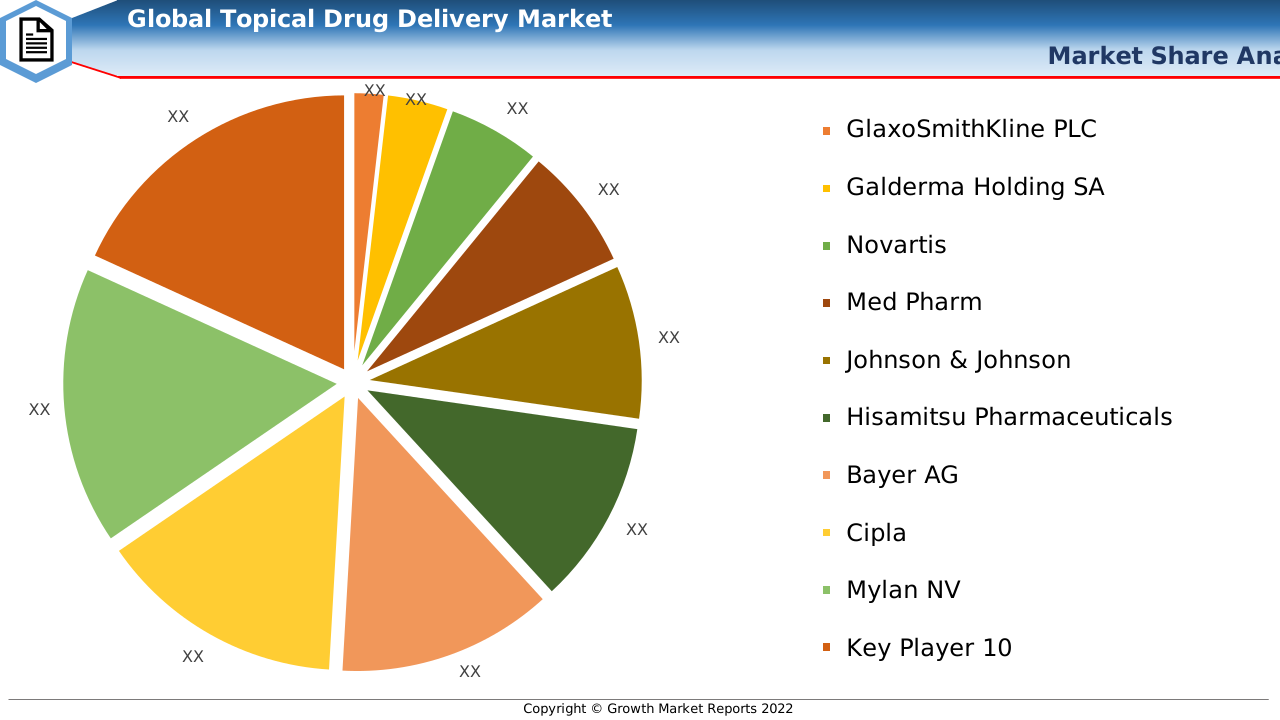
Some of the major companies operating in the topical drug delivery market include GlaxoSmithKline plc, Johnson & Johnson, Novartis AG, Bausch Health Companies Inc., Galderma S.A., 3M Company, Hisamitsu Pharmaceutical Co., Inc., MedPharm Ltd., and LEO Pharma A/S. GlaxoSmithKline plc is renowned for its broad portfolio of dermatological and transdermal products, leveraging its extensive R&D capabilities to introduce innovative therapies. Johnson & Johnson has a strong presence in both prescription and OTC topical products, with a focus on consumer health and wound care. Novartis AG is recognized for its advanced ophthalmic formulations, while Bausch Health Companies Inc. specializes in a wide range of topical treatments for dermatology and eye care. Galderma S.A. is a global leader in dermatology, offering a comprehensive portfolio of topical therapies for skin health.
3M Company is a key player in the transdermal drug delivery segment, known for its expertise in adhesive technologies and patch design. Hisamitsu Pharmaceutical Co., Inc. is a pioneer in pain management patches, with a strong presence in both domestic and international markets. MedPharm Ltd. is recognized for its contract development and manufacturing services, supporting the development of innovative topical products for pharmaceutical companies worldwide. LEO Pharma A/S is dedicated to advancing dermatology, with a focus on developing new treatments for chronic skin conditions. Almirall S.A. continues to strengthen its position in medical dermatology through targeted acquisitions and pipeline expansion. These companies are continuously investing in research, partnerships, and market expansion to maintain their competitive edge and drive the growth of the topical drug delivery market through 2034.
The Topical Drug Delivery market has been segmented on the basis of
Leading companies in the topical drug delivery market include Johnson & Johnson, GlaxoSmithKline plc, Novartis AG, Bayer AG, Pfizer Inc., 3M Company, Bausch Health Companies Inc., Galderma S.A., Hisamitsu Pharmaceutical Co., Inc., LEO Pharma A/S, Sanofi S.A., Teva Pharmaceutical Industries Ltd., Almirall S.A., Sun Pharmaceutical Industries Ltd., Cipla Limited, and MedPharm Ltd., among others.
North America accounted for the largest share of the topical drug delivery market in 2025, representing approximately 35.8% of global revenue. This leadership is supported by advanced healthcare infrastructure, high prevalence of skin disorders, strong R&D investment from leading pharmaceutical companies, and favorable regulatory and reimbursement frameworks.
Key drivers include the escalating prevalence of dermatological conditions such as psoriasis, eczema, and atopic dermatitis, growing preference for non-invasive administration routes, rapid advancements in transdermal patch and microneedle technologies, rising geriatric populations worldwide, and increasing consumer awareness of advanced skincare and cosmeceutical formulations.
The topical drug delivery market is forecast to grow at a CAGR of 7.2% from 2026 to 2034, driven by continuous innovation in transdermal and nano-formulation technologies, rising prevalence of chronic skin diseases, and expanding home-care adoption globally.
The global topical drug delivery market was valued at USD 130.1 billion in 2025, the base year of this report, and is projected to reach approximately USD 244.8 billion by 2034, reflecting sustained demand for non-invasive, targeted drug administration across multiple therapeutic areas.