Telemedicine Market Research Report 2033

Telemedicine Market Research Report 2033

Segments - by Component (Software, Hardware, Services), by Application (Teleradiology, Telepsychiatry, Telepathology, Teledermatology, Telecardiology, Others), by Mode Of Delivery (Web-Based, Cloud-Based, On-Premises), by End-User (Hospitals, Clinics, Home Care, Others)

https://growthmarketreports.com/raksha
Author : Raksha Sharma
https://growthmarketreports.com/Vaibhav
Fact-checked by : V. Chandola
https://growthmarketreports.com/Shruti
Editor : Shruti Bhat

Upcoming | Report ID :HC-1362 | 4.0 Rating | 52 Reviews | 255 Pages | Format : Docx PDF

Report Description


Telemedicine Market Outlook

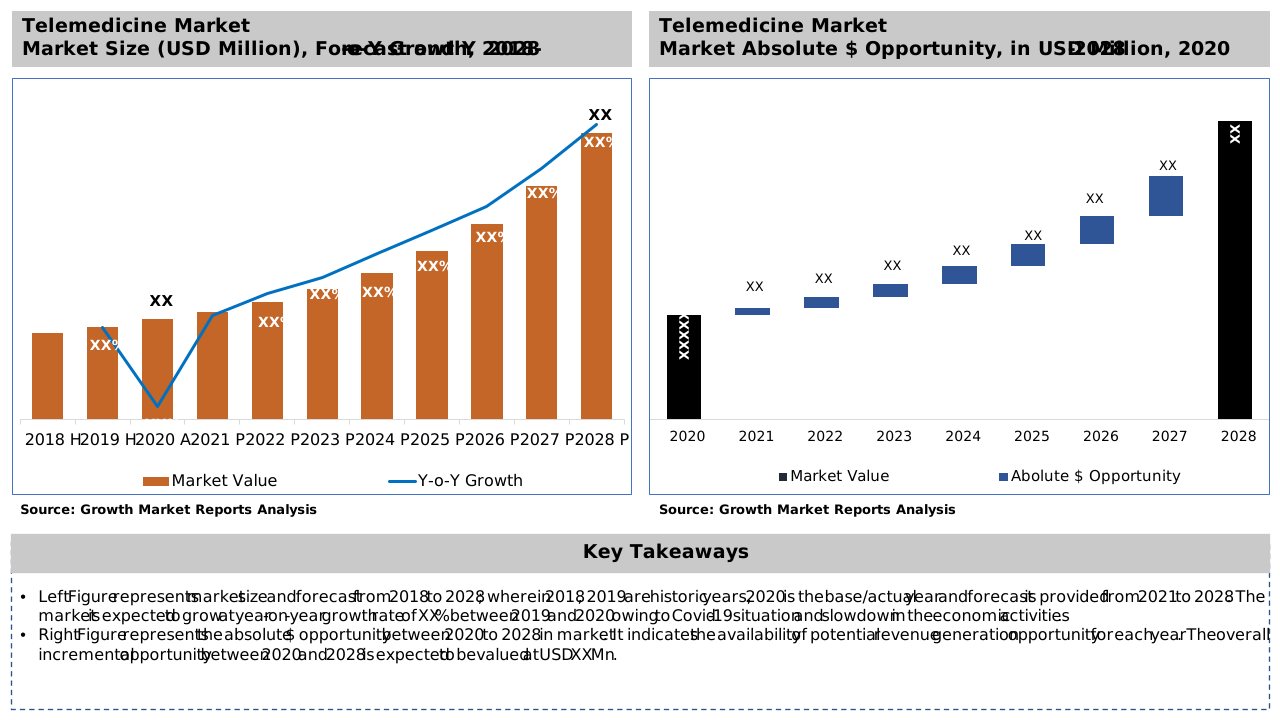
According to our latest research, the global telemedicine market size reached USD 121.2 billion in 2024, demonstrating robust expansion driven by increasing digital healthcare adoption and the need for remote medical services. The market is expected to grow at a CAGR of 18.7% from 2025 to 2033, reaching USD 576.4 billion by 2033. This impressive growth is primarily fueled by advancements in communication technology, rising chronic disease prevalence, and a global shift toward patient-centric healthcare delivery models.

One of the most significant growth factors for the telemedicine market is the rapid adoption of digital health solutions by both healthcare providers and patients. The COVID-19 pandemic served as a pivotal catalyst, accelerating the integration of telemedicine into mainstream healthcare systems worldwide. Patients are increasingly seeking convenient, timely, and cost-effective care, while healthcare professionals are leveraging telemedicine to extend their reach, optimize resource allocation, and reduce the burden on physical infrastructure. The proliferation of smartphones, high-speed internet connectivity, and user-friendly telemedicine platforms has further facilitated this transition, making virtual consultations and remote monitoring more accessible than ever before. As a result, telemedicine has emerged as a critical component in bridging healthcare gaps, especially in rural and underserved regions.

Another key driver is the ongoing evolution of healthcare policies and reimbursement frameworks that support telemedicine adoption. Governments and regulatory bodies across major economies are recognizing the value of telemedicine in improving healthcare accessibility and outcomes. Policies that encourage telehealth utilization, expand insurance coverage for remote consultations, and promote interoperability between health IT systems are fostering a favorable environment for market growth. Additionally, technological innovations such as artificial intelligence (AI), machine learning, and data analytics are enhancing the capabilities of telemedicine platforms, enabling more accurate diagnoses, personalized treatment plans, and proactive patient management. These advancements are not only improving the quality of care but also boosting patient engagement and satisfaction.

The telemedicine market is also benefiting from the increasing prevalence of chronic diseases and the growing aging population worldwide. Chronic conditions such as diabetes, cardiovascular diseases, and respiratory disorders require continuous monitoring and frequent consultations, making telemedicine an ideal solution for ongoing care management. Remote patient monitoring tools and wearable devices are empowering patients to track their health metrics in real-time and share data seamlessly with healthcare providers. This shift toward proactive and preventive care is reducing hospital readmissions, lowering healthcare costs, and improving patient outcomes. Furthermore, the integration of telemedicine with electronic health records (EHRs) and other digital health systems is streamlining workflows and enabling holistic, data-driven care delivery.

From a regional perspective, North America continues to dominate the global telemedicine market, accounting for the largest share in 2024. The region's advanced healthcare infrastructure, high digital literacy, and supportive regulatory environment have fostered widespread telemedicine adoption. Europe is also witnessing significant growth, driven by increasing government initiatives and investments in digital health. The Asia Pacific region is emerging as a high-growth market, propelled by rising healthcare demand, expanding internet penetration, and government efforts to improve rural healthcare access. While Latin America and the Middle East & Africa are still in the nascent stages of telemedicine adoption, these regions present substantial opportunities for market expansion due to their large underserved populations and evolving healthcare systems.

Global Telemedicine Industry Outlook

Component Analysis

The telemedicine market by component is segmented into Software, Hardware, and Services, each playing a pivotal role in the overall ecosystem. Software forms the backbone of telemedicine platforms, encompassing electronic health records (EHRs), teleconsultation applications, and patient management systems. The demand for advanced telemedicine software is surging as healthcare providers seek solutions that offer seamless integration with existing health IT infrastructure, robust data security, and user-friendly interfaces. Key trends in this segment include the adoption of cloud-based platforms, artificial intelligence-driven diagnostic tools, and customizable telehealth applications tailored to specific clinical workflows. The software segment is expected to witness the fastest growth, driven by continuous innovation, increasing interoperability standards, and the need for scalable, secure digital health solutions.

The Hardware segment includes medical devices, communication tools, and peripheral equipment essential for remote consultations and patient monitoring. This encompasses high-definition cameras, digital stethoscopes, wearable health trackers, and remote diagnostic instruments. The proliferation of connected devices and the Internet of Medical Things (IoMT) is transforming the hardware landscape, enabling real-time health data transmission and remote patient monitoring. As telemedicine becomes more embedded in routine care, demand for reliable, interoperable, and user-friendly hardware solutions is rising. Innovations such as portable diagnostic kits, smart wearables, and home-based monitoring devices are enhancing patient engagement and empowering individuals to take a proactive role in their health management.

Services represent a critical component of the telemedicine market, encompassing a wide array of offerings such as teleconsultation, remote monitoring, technical support, training, and telehealth program management. Service providers play a key role in ensuring the successful implementation and operation of telemedicine platforms, offering end-to-end solutions tailored to the unique needs of healthcare organizations. The services segment is witnessing robust growth as healthcare providers increasingly outsource telemedicine operations, seek expert guidance on regulatory compliance, and require ongoing technical support. Additionally, managed telemedicine services are gaining traction, enabling hospitals and clinics to rapidly scale their virtual care capabilities without significant upfront investment in technology or personnel.

The interplay between software, hardware, and services is critical for the seamless functioning of telemedicine solutions. Integrated platforms that combine robust software with compatible hardware and comprehensive support services are in high demand, as they offer a unified experience for both providers and patients. Market leaders are focusing on developing interoperable solutions that facilitate data exchange, enhance clinical workflows, and improve patient outcomes. As the telemedicine market matures, the emphasis is shifting toward holistic, end-to-end solutions that address the full spectrum of virtual care delivery, from initial consultation to follow-up and chronic disease management.

Report Scope

Attributes Details
Report Title Telemedicine Market Research Report 2033
By Component Software, Hardware, Services
By Application Teleradiology, Telepsychiatry, Telepathology, Teledermatology, Telecardiology, Others
By Mode Of Delivery Web-Based, Cloud-Based, On-Premises
By End-User Hospitals, Clinics, Home Care, Others
Regions Covered North America, Europe, APAC, Latin America, MEA
Base Year 2024
Historic Data 2018-2023
Forecast Period 2025-2033
Number of Pages 255
Number of Tables & Figures 273
Customization Available Yes, the report can be customized as per your need.

Application Analysis

The telemedicine market encompasses a diverse range of applications, each addressing specific clinical needs and patient populations. Teleradiology is one of the most mature and widely adopted telemedicine applications, enabling healthcare providers to remotely interpret medical images such as X-rays, CT scans, and MRIs. This application has revolutionized diagnostic workflows, particularly in regions with limited access to radiology specialists. Teleradiology platforms leverage advanced image processing, AI algorithms, and secure data transmission to deliver accurate, timely diagnoses, improving patient outcomes and reducing turnaround times. The demand for teleradiology is expected to continue growing, driven by increasing imaging volumes, rising chronic disease prevalence, and the need for 24/7 diagnostic services.

Telepsychiatry is another rapidly expanding application, addressing the global shortage of mental health professionals and the stigma associated with seeking in-person care. Telepsychiatry platforms facilitate remote mental health consultations, therapy sessions, and medication management, making mental health services more accessible and convenient for patients. The COVID-19 pandemic highlighted the critical role of telepsychiatry in maintaining continuity of care during periods of social distancing and lockdowns. As awareness of mental health issues grows and regulatory barriers are reduced, telepsychiatry is poised for sustained growth, particularly in underserved and rural areas.

Smart Telemedicine Devices are revolutionizing the way healthcare is delivered, offering advanced capabilities for remote monitoring and diagnostics. These devices, which include wearable health trackers, smart diagnostic tools, and connected medical equipment, enable real-time data collection and transmission to healthcare providers. By integrating smart devices with telemedicine platforms, clinicians can gain valuable insights into patient health, allowing for more accurate diagnoses and timely interventions. The use of smart telemedicine devices is particularly beneficial for managing chronic diseases, as they facilitate continuous monitoring and proactive care. As technology continues to advance, these devices are expected to play a pivotal role in enhancing patient engagement, improving health outcomes, and reducing healthcare costs.

Telepathology and Teledermatology are emerging as valuable tools for remote diagnosis and consultation in pathology and dermatology, respectively. Telepathology enables pathologists to review and interpret digital pathology slides remotely, facilitating expert consultations and reducing diagnostic delays. Teledermatology platforms allow patients to share images of skin conditions with dermatologists, enabling remote assessment, diagnosis, and treatment recommendations. These applications are gaining traction due to their ability to improve access to specialist care, reduce wait times, and enhance diagnostic accuracy. The integration of AI and machine learning is further enhancing the capabilities of telepathology and teledermatology platforms, enabling automated image analysis and decision support.

Telecardiology is playing a crucial role in the management of cardiovascular diseases, enabling remote monitoring of patients with heart conditions and facilitating timely interventions. Telecardiology platforms support the transmission of electrocardiograms (ECGs), echocardiograms, and other cardiac data to specialists for remote interpretation and consultation. This application is particularly valuable in rural and remote areas, where access to cardiology expertise may be limited. The adoption of wearable cardiac monitors and mobile health applications is further driving the growth of telecardiology, enabling continuous monitoring and early detection of cardiac events. Other emerging telemedicine applications include teleophthalmology, teleoncology, and telerehabilitation, each addressing specific clinical needs and expanding the scope of virtual care.

Mode of Delivery Analysis

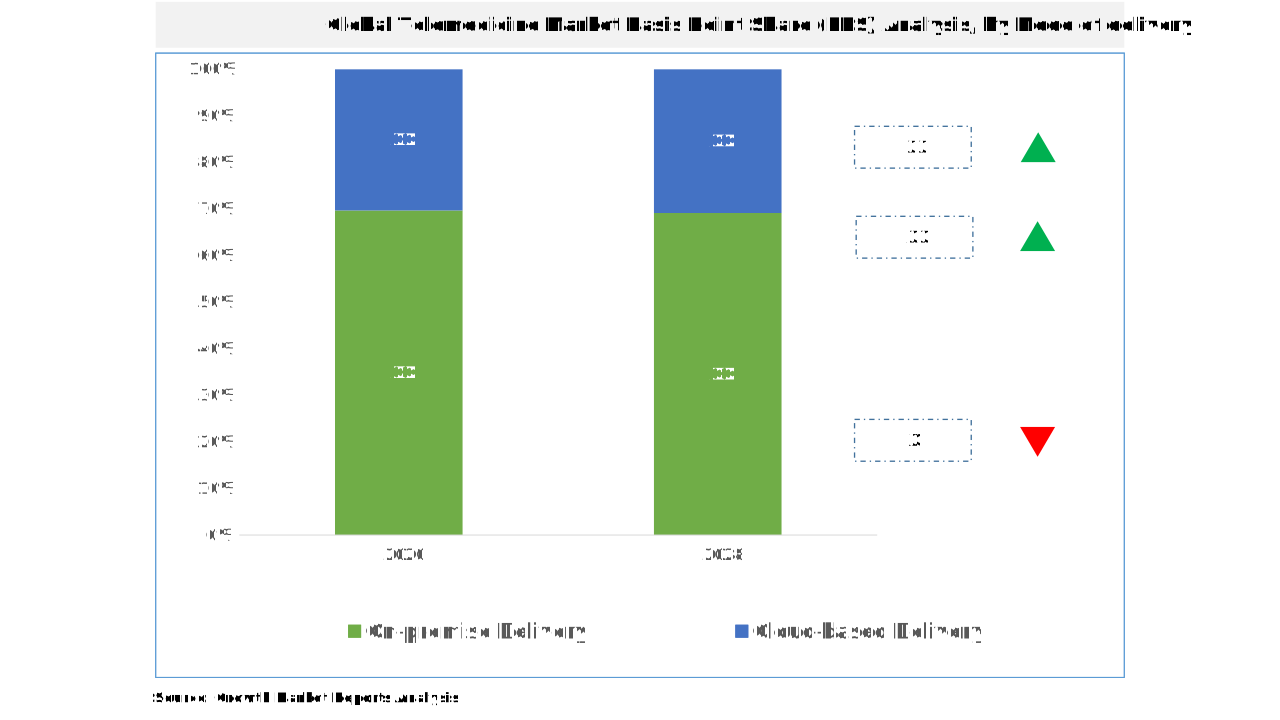
The telemedicine market can be segmented by mode of delivery into Web-Based, Cloud-Based, and On-Premises solutions. Web-based telemedicine platforms are among the most commonly adopted due to their ease of use, accessibility, and minimal infrastructure requirements. These platforms enable healthcare providers and patients to connect via secure web portals, facilitating virtual consultations, appointment scheduling, and data sharing. Web-based solutions are particularly popular among small and medium-sized healthcare organizations seeking cost-effective, scalable telemedicine options. The simplicity and flexibility of web-based platforms make them an attractive choice for a wide range of telemedicine applications, from primary care to specialist consultations.

Cloud-based telemedicine solutions are gaining significant traction, driven by their scalability, cost-effectiveness, and ability to support real-time data exchange and collaboration. Cloud-based platforms enable healthcare organizations to store and access patient data securely, integrate with other digital health systems, and rapidly deploy new telemedicine services. The adoption of cloud-based solutions is being fueled by advancements in cloud security, data encryption, and regulatory compliance frameworks. Healthcare providers are increasingly recognizing the benefits of cloud-based telemedicine, including reduced IT maintenance costs, improved disaster recovery capabilities, and enhanced interoperability. As the demand for remote care continues to rise, cloud-based platforms are expected to dominate the telemedicine market, offering flexible, future-proof solutions for healthcare organizations of all sizes.

On-premises telemedicine solutions are typically preferred by large healthcare organizations and institutions with stringent data security and privacy requirements. These solutions are hosted and managed within the organization's own IT infrastructure, offering greater control over data management and system customization. On-premises platforms are often integrated with existing health IT systems, such as electronic health records (EHRs) and hospital information systems (HIS), enabling seamless workflows and data exchange. While on-premises solutions offer robust security and customization, they require significant upfront investment in hardware, software, and IT personnel. As a result, their adoption is primarily limited to large hospitals, academic medical centers, and government healthcare institutions.

The choice of delivery mode is influenced by factors such as organizational size, budget, regulatory requirements, and IT infrastructure. Many healthcare providers are adopting hybrid approaches that combine the flexibility of cloud-based solutions with the security and control of on-premises systems. The ongoing evolution of telemedicine delivery models is enabling healthcare organizations to tailor their virtual care offerings to meet the unique needs of their patient populations and operational environments. As telemedicine becomes an integral part of healthcare delivery, the focus is shifting toward interoperability, data security, and seamless user experiences across all modes of delivery.

End-User Analysis

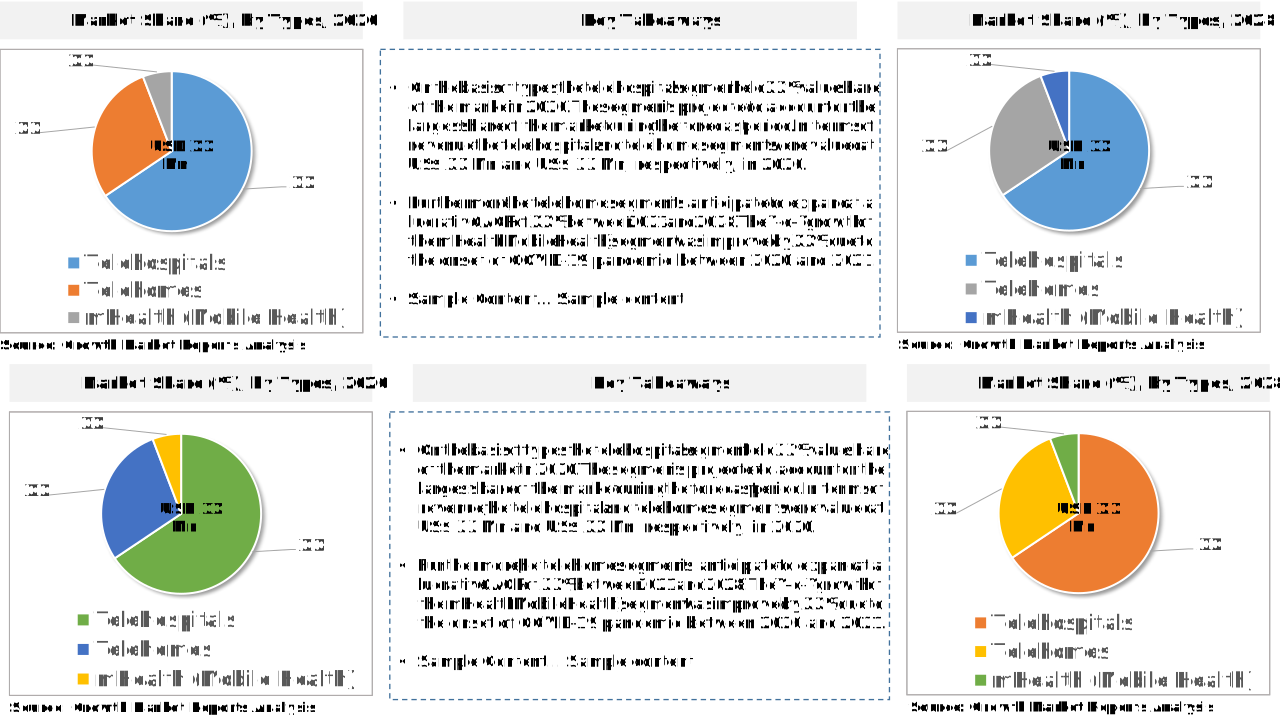
The telemedicine market serves a diverse array of end-users, including Hospitals, Clinics, Home Care, and Others. Hospitals are the largest end-users, leveraging telemedicine to extend their reach, optimize resource allocation, and enhance patient care. Large hospitals and health systems are integrating telemedicine into their clinical workflows, enabling remote consultations, virtual follow-ups, and remote patient monitoring. Telemedicine is particularly valuable in hospital settings for improving access to specialists, reducing emergency department overcrowding, and supporting post-discharge care. The adoption of telemedicine in hospitals is being driven by the need to improve operational efficiency, reduce costs, and enhance patient satisfaction.

Clinics represent a significant segment of the telemedicine market, particularly in primary care, urgent care, and specialty clinics. Clinics are adopting telemedicine to expand their service offerings, attract new patients, and improve care coordination. Telemedicine enables clinics to provide timely consultations, manage chronic conditions, and offer preventive care services without the need for in-person visits. The flexibility and scalability of telemedicine platforms make them well-suited for clinics of all sizes, from solo practitioners to large multi-specialty groups. The growing emphasis on value-based care and patient-centered models is further driving telemedicine adoption in clinic settings.

Home care is an emerging and rapidly growing end-user segment, driven by the shift toward patient-centric care and the increasing prevalence of chronic diseases. Telemedicine enables patients to receive medical consultations, remote monitoring, and follow-up care from the comfort of their homes. Home-based telemedicine solutions are particularly valuable for elderly patients, individuals with mobility limitations, and those with complex, ongoing healthcare needs. The integration of wearable devices, mobile health applications, and remote monitoring tools is empowering patients to actively participate in their care and share real-time health data with providers. The home care segment is expected to witness significant growth as healthcare systems seek to reduce hospital readmissions, lower costs, and improve patient outcomes.

The Others category includes a wide range of end-users such as government agencies, academic medical centers, correctional facilities, and corporate health programs. These organizations are leveraging telemedicine to improve healthcare access, support public health initiatives, and address specific population health needs. Government agencies are implementing telemedicine programs to reach underserved populations, while academic medical centers are using telemedicine for research, education, and specialist consultations. Corporate health programs are adopting telemedicine to provide employees with convenient access to healthcare services, reduce absenteeism, and improve overall well-being. The diverse range of end-users underscores the versatility and broad applicability of telemedicine across the healthcare continuum.

Opportunities & Threats

The telemedicine market presents a wealth of opportunities for stakeholders across the healthcare ecosystem. One of the most promising opportunities lies in the integration of advanced technologies such as artificial intelligence, machine learning, and big data analytics into telemedicine platforms. These technologies have the potential to enhance diagnostic accuracy, personalize treatment plans, and enable proactive patient management. The adoption of AI-powered chatbots, virtual health assistants, and remote monitoring tools is transforming the telemedicine landscape, enabling real-time health insights and automated decision support. Additionally, the expansion of telemedicine into emerging markets presents significant growth potential, as governments and healthcare providers seek to address healthcare disparities and improve access to care in underserved regions. Strategic partnerships, mergers, and acquisitions are also creating new opportunities for market expansion and innovation.

Another major opportunity is the growing demand for remote patient monitoring and chronic disease management solutions. The rising prevalence of chronic conditions such as diabetes, hypertension, and cardiovascular diseases is driving the need for continuous, remote care. Telemedicine platforms that offer integrated remote monitoring, data analytics, and personalized care plans are well-positioned to capture this growing market segment. Furthermore, the increasing acceptance of telemedicine among both patients and providers is opening new avenues for virtual care delivery, including telepharmacy, telerehabilitation, and tele-homecare services. As healthcare systems worldwide continue to evolve, telemedicine is expected to play an increasingly central role in delivering high-quality, cost-effective, and patient-centered care.

Despite the numerous opportunities, the telemedicine market faces several challenges and restraining factors. Data security and privacy concerns remain a significant barrier to widespread adoption, particularly in regions with stringent regulatory requirements. Healthcare providers must ensure that telemedicine platforms comply with data protection laws such as HIPAA and GDPR, implement robust cybersecurity measures, and educate both staff and patients on best practices for data security. Additionally, the lack of standardized reimbursement policies, interoperability issues, and resistance to change among healthcare professionals can hinder market growth. Addressing these challenges will require ongoing collaboration between technology providers, healthcare organizations, regulators, and policymakers to create a secure, interoperable, and sustainable telemedicine ecosystem.

Regional Outlook

In 2024, North America dominated the global telemedicine market, accounting for a market size of USD 46.8 billion. The region's leadership is attributed to its advanced healthcare infrastructure, high digital literacy, and supportive regulatory environment. The United States is at the forefront, with widespread adoption of telemedicine across hospitals, clinics, and home care settings. Government initiatives, favorable reimbursement policies, and the presence of major telemedicine companies are further driving market growth in North America. The region is expected to maintain its leading position through 2033, supported by ongoing technological innovation and increasing demand for virtual care services.

Europe holds the second-largest share of the global telemedicine market, with a market size of USD 29.4 billion in 2024. The region is experiencing robust growth, driven by increasing government investments in digital health, expanding telemedicine pilot programs, and rising awareness of the benefits of virtual care. Countries such as the United Kingdom, Germany, and France are leading the adoption of telemedicine, supported by favorable regulatory frameworks and initiatives to improve healthcare access in rural and remote areas. The European telemedicine market is projected to grow at a CAGR of 17.2% from 2025 to 2033, fueled by technological advancements, aging populations, and the need for efficient healthcare delivery systems.

The Asia Pacific region is emerging as a high-growth market for telemedicine, with a market size of USD 22.1 billion in 2024. Rapid urbanization, expanding internet penetration, and government efforts to improve healthcare access are driving telemedicine adoption across countries such as China, India, Japan, and Australia. The region's large and diverse population, combined with significant healthcare infrastructure gaps, presents substantial opportunities for market expansion. Telemedicine is playing a critical role in addressing healthcare disparities, particularly in rural and underserved areas. The Asia Pacific telemedicine market is expected to experience the fastest growth rate globally, as stakeholders invest in digital health infrastructure and innovative care delivery models. Latin America and the Middle East & Africa are also witnessing increased telemedicine adoption, with market sizes of USD 12.3 billion and USD 10.6 billion respectively in 2024, driven by evolving healthcare systems and growing demand for accessible, cost-effective care.

Telemedicine Market Statistics

Competitor Outlook

The global telemedicine market is characterized by intense competition, with a diverse array of players ranging from established healthcare technology companies to innovative startups. The competitive landscape is shaped by rapid technological advancements, evolving regulatory requirements, and shifting patient expectations. Market leaders are investing heavily in research and development to enhance the functionality, security, and scalability of their telemedicine platforms. Strategic partnerships, mergers, and acquisitions are common, as companies seek to expand their product portfolios, enter new markets, and strengthen their competitive positions. The ability to offer integrated, end-to-end telemedicine solutions that address the full spectrum of virtual care needs is emerging as a key differentiator in the market.

Companies are focusing on developing user-friendly platforms that support seamless integration with existing health IT systems, enable secure data exchange, and deliver personalized patient experiences. Interoperability, data security, and regulatory compliance are top priorities, as healthcare providers demand solutions that meet stringent privacy and security standards. Artificial intelligence, machine learning, and data analytics are increasingly being integrated into telemedicine platforms, enabling advanced diagnostic capabilities, automated decision support, and real-time health insights. Companies that can effectively leverage these technologies to deliver innovative, value-added services are well-positioned to capture a larger share of the market.

The competitive landscape is also being shaped by the entry of non-traditional players, such as technology giants and telecommunications companies, who are leveraging their expertise in digital platforms, cloud computing, and connectivity to disrupt the telemedicine market. These entrants are partnering with healthcare organizations to co-develop telemedicine solutions, expand their reach, and drive adoption among new user segments. At the same time, established healthcare technology companies are enhancing their offerings through acquisitions, partnerships, and in-house innovation, ensuring they remain at the forefront of the rapidly evolving telemedicine landscape.

Some of the major companies operating in the global telemedicine market include Teladoc Health, Inc., American Well Corporation (Amwell), Doctor On Demand, Inc., MDLive Inc., Philips Healthcare, Siemens Healthineers, Cisco Systems, Inc., and GE Healthcare. Teladoc Health is a global leader, offering a comprehensive suite of virtual care services spanning primary care, mental health, chronic disease management, and specialty consultations. Amwell is known for its robust telehealth platform, serving hospitals, health systems, and health plans with scalable, customizable solutions. Doctor On Demand and MDLive are prominent in the direct-to-consumer telemedicine space, providing on-demand access to physicians and specialists via mobile and web platforms. Philips Healthcare and Siemens Healthineers are leveraging their expertise in medical imaging and diagnostics to develop advanced telemedicine solutions for hospitals and clinics.

Cisco Systems and GE Healthcare are focusing on the integration of telemedicine with health IT infrastructure, offering secure, interoperable platforms that support virtual consultations, remote monitoring, and data analytics. These companies are also investing in AI, cloud computing, and cybersecurity to enhance the capabilities and security of their telemedicine offerings. The competitive landscape is further enriched by a host of innovative startups and regional players, who are developing niche solutions tailored to specific clinical applications, patient populations, and geographic markets. As the telemedicine market continues to evolve, companies that can deliver integrated, secure, and user-centric solutions will be best positioned to capitalize on the significant growth opportunities ahead.

Key Players

  • Teladoc Health
  • American Well (Amwell)
  • MDLive
  • Doctor On Demand
  • Philips Healthcare
  • Siemens Healthineers
  • GE Healthcare
  • Cerner Corporation
  • Allscripts Healthcare Solutions
  • Medtronic
  • GlobalMed
  • Cisco Systems
  • Honeywell Life Care Solutions
  • MeMD
  • InTouch Health
  • Babylon Health
  • Ping An Good Doctor
  • HealthTap
  • Virtuwell
  • eVisit
Telemedicine Market Overview

Segments

The Telemedicine market has been segmented on the basis of

Component

  • Software
  • Hardware
  • Services

Application

  • Teleradiology
  • Telepsychiatry
  • Telepathology
  • Teledermatology
  • Telecardiology
  • Others

Mode Of Delivery

  • Web-Based
  • Cloud-Based
  • On-Premises

End-User

  • Hospitals
  • Clinics
  • Home Care
  • Others

Competitive Landscape

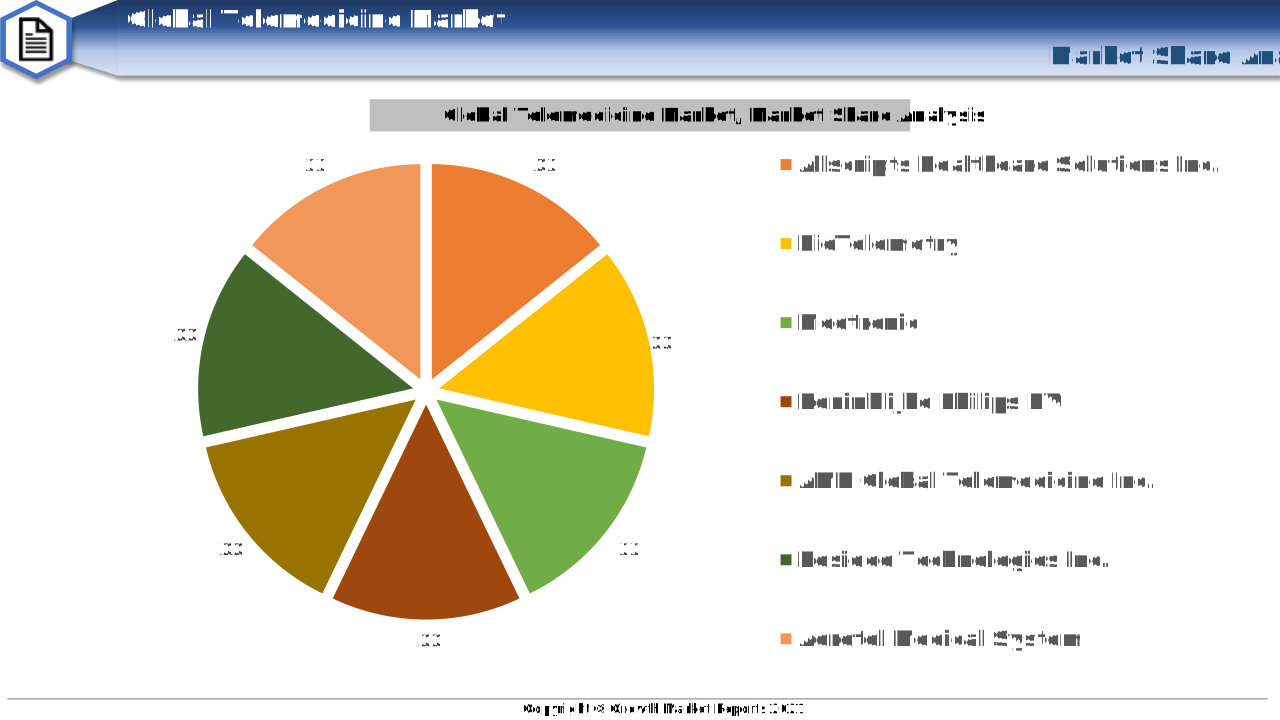
Key players operating in the market includes Allscripts Healthcare Solutions Inc., BioTelemetry, Medtronic, Koninklijke Philips NV, AMD Global Telemedicine Inc., Resideo Technologies Inc. and Aerotel Medical System,

Telemedicine Market Share

Frequently Asked Questions

Key players include Teladoc Health, American Well (Amwell), MDLive, Doctor On Demand, Philips Healthcare, Siemens Healthineers, GE Healthcare, Cisco Systems, and several innovative startups and regional players.

Opportunities include the integration of AI and data analytics, expansion into emerging markets, and growing demand for remote patient monitoring. Challenges include data security and privacy concerns, lack of standardized reimbursement, and interoperability issues.

Primary end-users include hospitals, clinics, home care providers, and others such as government agencies, academic centers, and corporate health programs.

Telemedicine can be delivered via web-based, cloud-based, or on-premises platforms. Cloud-based solutions are gaining popularity due to scalability and cost-effectiveness, while on-premises solutions are preferred by organizations with strict data security needs.

Major applications include teleradiology, telepsychiatry, telepathology, teledermatology, telecardiology, and emerging areas like teleophthalmology and telerehabilitation.

The telemedicine market is segmented into Software (such as EHRs and teleconsultation apps), Hardware (medical devices, wearables), and Services (teleconsultation, remote monitoring, technical support).

North America dominates the telemedicine market, followed by Europe and the Asia Pacific region. North America benefits from advanced healthcare infrastructure and supportive regulations, while Asia Pacific is experiencing rapid growth due to expanding internet access and government initiatives.

Key growth drivers include advancements in communication technology, rising prevalence of chronic diseases, increased digital healthcare adoption, supportive healthcare policies, and the shift toward patient-centric care.

The telemedicine market is expected to grow at a CAGR of 18.7% from 2025 to 2033, reaching USD 576.4 billion by 2033.

As of 2024, the global telemedicine market size reached USD 121.2 billion, reflecting strong growth driven by digital healthcare adoption and the need for remote medical services.

Table Of Content

Chapter 1 Executive Summary
Chapter 2 Assumptions and Acronyms Used
Chapter 3 Research Methodology
Chapter 4 Telemedicine Market Overview
   4.1 Introduction
      4.1.1 Market Taxonomy
      4.1.2 Market Definition
      4.1.3 Macro-Economic Factors Impacting the Market Growth
   4.2 Telemedicine Market Dynamics
      4.2.1 Market Drivers
      4.2.2 Market Restraints
      4.2.3 Market Opportunity
   4.3 Telemedicine Market - Supply Chain Analysis
      4.3.1 List of Key Suppliers
      4.3.2 List of Key Distributors
      4.3.3 List of Key Consumers
   4.4 Key Forces Shaping the Telemedicine Market
      4.4.1 Bargaining Power of Suppliers
      4.4.2 Bargaining Power of Buyers
      4.4.3 Threat of Substitution
      4.4.4 Threat of New Entrants
      4.4.5 Competitive Rivalry
   4.5 Global Telemedicine Market Size & Forecast, 2023-2032
      4.5.1 Telemedicine Market Size and Y-o-Y Growth
      4.5.2 Telemedicine Market Absolute $ Opportunity

Chapter 5 Global Telemedicine Market Analysis and Forecast By Component
   5.1 Introduction
      5.1.1 Key Market Trends & Growth Opportunities By Component
      5.1.2 Basis Point Share (BPS) Analysis By Component
      5.1.3 Absolute $ Opportunity Assessment By Component
   5.2 Telemedicine Market Size Forecast By Component
      5.2.1 Software
      5.2.2 Hardware
      5.2.3 Services
   5.3 Market Attractiveness Analysis By Component

Chapter 6 Global Telemedicine Market Analysis and Forecast By Application
   6.1 Introduction
      6.1.1 Key Market Trends & Growth Opportunities By Application
      6.1.2 Basis Point Share (BPS) Analysis By Application
      6.1.3 Absolute $ Opportunity Assessment By Application
   6.2 Telemedicine Market Size Forecast By Application
      6.2.1 Teleradiology
      6.2.2 Telepsychiatry
      6.2.3 Telepathology
      6.2.4 Teledermatology
      6.2.5 Telecardiology
      6.2.6 Others
   6.3 Market Attractiveness Analysis By Application

Chapter 7 Global Telemedicine Market Analysis and Forecast By Mode Of Delivery
   7.1 Introduction
      7.1.1 Key Market Trends & Growth Opportunities By Mode Of Delivery
      7.1.2 Basis Point Share (BPS) Analysis By Mode Of Delivery
      7.1.3 Absolute $ Opportunity Assessment By Mode Of Delivery
   7.2 Telemedicine Market Size Forecast By Mode Of Delivery
      7.2.1 Web-Based
      7.2.2 Cloud-Based
      7.2.3 On-Premises
   7.3 Market Attractiveness Analysis By Mode Of Delivery

Chapter 8 Global Telemedicine Market Analysis and Forecast By End-User
   8.1 Introduction
      8.1.1 Key Market Trends & Growth Opportunities By End-User
      8.1.2 Basis Point Share (BPS) Analysis By End-User
      8.1.3 Absolute $ Opportunity Assessment By End-User
   8.2 Telemedicine Market Size Forecast By End-User
      8.2.1 Hospitals
      8.2.2 Clinics
      8.2.3 Home Care
      8.2.4 Others
   8.3 Market Attractiveness Analysis By End-User

Chapter 9 Global Telemedicine Market Analysis and Forecast by Region
   9.1 Introduction
      9.1.1 Key Market Trends & Growth Opportunities By Region
      9.1.2 Basis Point Share (BPS) Analysis By Region
      9.1.3 Absolute $ Opportunity Assessment By Region
   9.2 Telemedicine Market Size Forecast By Region
      9.2.1 North America
      9.2.2 Europe
      9.2.3 Asia Pacific
      9.2.4 Latin America
      9.2.5 Middle East & Africa (MEA)
   9.3 Market Attractiveness Analysis By Region

Chapter 10 Coronavirus Disease (COVID-19) Impact 
   10.1 Introduction 
   10.2 Current & Future Impact Analysis 
   10.3 Economic Impact Analysis 
   10.4 Government Policies 
   10.5 Investment Scenario

Chapter 11 North America Telemedicine Analysis and Forecast
   11.1 Introduction
   11.2 North America Telemedicine Market Size Forecast by Country
      11.2.1 U.S.
      11.2.2 Canada
   11.3 Basis Point Share (BPS) Analysis by Country
   11.4 Absolute $ Opportunity Assessment by Country
   11.5 Market Attractiveness Analysis by Country
   11.6 North America Telemedicine Market Size Forecast By Component
      11.6.1 Software
      11.6.2 Hardware
      11.6.3 Services
   11.7 Basis Point Share (BPS) Analysis By Component 
   11.8 Absolute $ Opportunity Assessment By Component 
   11.9 Market Attractiveness Analysis By Component
   11.10 North America Telemedicine Market Size Forecast By Application
      11.10.1 Teleradiology
      11.10.2 Telepsychiatry
      11.10.3 Telepathology
      11.10.4 Teledermatology
      11.10.5 Telecardiology
      11.10.6 Others
   11.11 Basis Point Share (BPS) Analysis By Application 
   11.12 Absolute $ Opportunity Assessment By Application 
   11.13 Market Attractiveness Analysis By Application
   11.14 North America Telemedicine Market Size Forecast By Mode Of Delivery
      11.14.1 Web-Based
      11.14.2 Cloud-Based
      11.14.3 On-Premises
   11.15 Basis Point Share (BPS) Analysis By Mode Of Delivery 
   11.16 Absolute $ Opportunity Assessment By Mode Of Delivery 
   11.17 Market Attractiveness Analysis By Mode Of Delivery
   11.18 North America Telemedicine Market Size Forecast By End-User
      11.18.1 Hospitals
      11.18.2 Clinics
      11.18.3 Home Care
      11.18.4 Others
   11.19 Basis Point Share (BPS) Analysis By End-User 
   11.20 Absolute $ Opportunity Assessment By End-User 
   11.21 Market Attractiveness Analysis By End-User

Chapter 12 Europe Telemedicine Analysis and Forecast
   12.1 Introduction
   12.2 Europe Telemedicine Market Size Forecast by Country
      12.2.1 Germany
      12.2.2 France
      12.2.3 Italy
      12.2.4 U.K.
      12.2.5 Spain
      12.2.6 Russia
      12.2.7 Rest of Europe
   12.3 Basis Point Share (BPS) Analysis by Country
   12.4 Absolute $ Opportunity Assessment by Country
   12.5 Market Attractiveness Analysis by Country
   12.6 Europe Telemedicine Market Size Forecast By Component
      12.6.1 Software
      12.6.2 Hardware
      12.6.3 Services
   12.7 Basis Point Share (BPS) Analysis By Component 
   12.8 Absolute $ Opportunity Assessment By Component 
   12.9 Market Attractiveness Analysis By Component
   12.10 Europe Telemedicine Market Size Forecast By Application
      12.10.1 Teleradiology
      12.10.2 Telepsychiatry
      12.10.3 Telepathology
      12.10.4 Teledermatology
      12.10.5 Telecardiology
      12.10.6 Others
   12.11 Basis Point Share (BPS) Analysis By Application 
   12.12 Absolute $ Opportunity Assessment By Application 
   12.13 Market Attractiveness Analysis By Application
   12.14 Europe Telemedicine Market Size Forecast By Mode Of Delivery
      12.14.1 Web-Based
      12.14.2 Cloud-Based
      12.14.3 On-Premises
   12.15 Basis Point Share (BPS) Analysis By Mode Of Delivery 
   12.16 Absolute $ Opportunity Assessment By Mode Of Delivery 
   12.17 Market Attractiveness Analysis By Mode Of Delivery
   12.18 Europe Telemedicine Market Size Forecast By End-User
      12.18.1 Hospitals
      12.18.2 Clinics
      12.18.3 Home Care
      12.18.4 Others
   12.19 Basis Point Share (BPS) Analysis By End-User 
   12.20 Absolute $ Opportunity Assessment By End-User 
   12.21 Market Attractiveness Analysis By End-User

Chapter 13 Asia Pacific Telemedicine Analysis and Forecast
   13.1 Introduction
   13.2 Asia Pacific Telemedicine Market Size Forecast by Country
      13.2.1 China
      13.2.2 Japan
      13.2.3 South Korea
      13.2.4 India
      13.2.5 Australia
      13.2.6 South East Asia (SEA)
      13.2.7 Rest of Asia Pacific (APAC)
   13.3 Basis Point Share (BPS) Analysis by Country
   13.4 Absolute $ Opportunity Assessment by Country
   13.5 Market Attractiveness Analysis by Country
   13.6 Asia Pacific Telemedicine Market Size Forecast By Component
      13.6.1 Software
      13.6.2 Hardware
      13.6.3 Services
   13.7 Basis Point Share (BPS) Analysis By Component 
   13.8 Absolute $ Opportunity Assessment By Component 
   13.9 Market Attractiveness Analysis By Component
   13.10 Asia Pacific Telemedicine Market Size Forecast By Application
      13.10.1 Teleradiology
      13.10.2 Telepsychiatry
      13.10.3 Telepathology
      13.10.4 Teledermatology
      13.10.5 Telecardiology
      13.10.6 Others
   13.11 Basis Point Share (BPS) Analysis By Application 
   13.12 Absolute $ Opportunity Assessment By Application 
   13.13 Market Attractiveness Analysis By Application
   13.14 Asia Pacific Telemedicine Market Size Forecast By Mode Of Delivery
      13.14.1 Web-Based
      13.14.2 Cloud-Based
      13.14.3 On-Premises
   13.15 Basis Point Share (BPS) Analysis By Mode Of Delivery 
   13.16 Absolute $ Opportunity Assessment By Mode Of Delivery 
   13.17 Market Attractiveness Analysis By Mode Of Delivery
   13.18 Asia Pacific Telemedicine Market Size Forecast By End-User
      13.18.1 Hospitals
      13.18.2 Clinics
      13.18.3 Home Care
      13.18.4 Others
   13.19 Basis Point Share (BPS) Analysis By End-User 
   13.20 Absolute $ Opportunity Assessment By End-User 
   13.21 Market Attractiveness Analysis By End-User

Chapter 14 Latin America Telemedicine Analysis and Forecast
   14.1 Introduction
   14.2 Latin America Telemedicine Market Size Forecast by Country
      14.2.1 Brazil
      14.2.2 Mexico
      14.2.3 Rest of Latin America (LATAM)
   14.3 Basis Point Share (BPS) Analysis by Country
   14.4 Absolute $ Opportunity Assessment by Country
   14.5 Market Attractiveness Analysis by Country
   14.6 Latin America Telemedicine Market Size Forecast By Component
      14.6.1 Software
      14.6.2 Hardware
      14.6.3 Services
   14.7 Basis Point Share (BPS) Analysis By Component 
   14.8 Absolute $ Opportunity Assessment By Component 
   14.9 Market Attractiveness Analysis By Component
   14.10 Latin America Telemedicine Market Size Forecast By Application
      14.10.1 Teleradiology
      14.10.2 Telepsychiatry
      14.10.3 Telepathology
      14.10.4 Teledermatology
      14.10.5 Telecardiology
      14.10.6 Others
   14.11 Basis Point Share (BPS) Analysis By Application 
   14.12 Absolute $ Opportunity Assessment By Application 
   14.13 Market Attractiveness Analysis By Application
   14.14 Latin America Telemedicine Market Size Forecast By Mode Of Delivery
      14.14.1 Web-Based
      14.14.2 Cloud-Based
      14.14.3 On-Premises
   14.15 Basis Point Share (BPS) Analysis By Mode Of Delivery 
   14.16 Absolute $ Opportunity Assessment By Mode Of Delivery 
   14.17 Market Attractiveness Analysis By Mode Of Delivery
   14.18 Latin America Telemedicine Market Size Forecast By End-User
      14.18.1 Hospitals
      14.18.2 Clinics
      14.18.3 Home Care
      14.18.4 Others
   14.19 Basis Point Share (BPS) Analysis By End-User 
   14.20 Absolute $ Opportunity Assessment By End-User 
   14.21 Market Attractiveness Analysis By End-User

Chapter 15 Middle East & Africa (MEA) Telemedicine Analysis and Forecast
   15.1 Introduction
   15.2 Middle East & Africa (MEA) Telemedicine Market Size Forecast by Country
      15.2.1 Saudi Arabia
      15.2.2 South Africa
      15.2.3 UAE
      15.2.4 Rest of Middle East & Africa (MEA)
   15.3 Basis Point Share (BPS) Analysis by Country
   15.4 Absolute $ Opportunity Assessment by Country
   15.5 Market Attractiveness Analysis by Country
   15.6 Middle East & Africa (MEA) Telemedicine Market Size Forecast By Component
      15.6.1 Software
      15.6.2 Hardware
      15.6.3 Services
   15.7 Basis Point Share (BPS) Analysis By Component 
   15.8 Absolute $ Opportunity Assessment By Component 
   15.9 Market Attractiveness Analysis By Component
   15.10 Middle East & Africa (MEA) Telemedicine Market Size Forecast By Application
      15.10.1 Teleradiology
      15.10.2 Telepsychiatry
      15.10.3 Telepathology
      15.10.4 Teledermatology
      15.10.5 Telecardiology
      15.10.6 Others
   15.11 Basis Point Share (BPS) Analysis By Application 
   15.12 Absolute $ Opportunity Assessment By Application 
   15.13 Market Attractiveness Analysis By Application
   15.14 Middle East & Africa (MEA) Telemedicine Market Size Forecast By Mode Of Delivery
      15.14.1 Web-Based
      15.14.2 Cloud-Based
      15.14.3 On-Premises
   15.15 Basis Point Share (BPS) Analysis By Mode Of Delivery 
   15.16 Absolute $ Opportunity Assessment By Mode Of Delivery 
   15.17 Market Attractiveness Analysis By Mode Of Delivery
   15.18 Middle East & Africa (MEA) Telemedicine Market Size Forecast By End-User
      15.18.1 Hospitals
      15.18.2 Clinics
      15.18.3 Home Care
      15.18.4 Others
   15.19 Basis Point Share (BPS) Analysis By End-User 
   15.20 Absolute $ Opportunity Assessment By End-User 
   15.21 Market Attractiveness Analysis By End-User

Chapter 16 Competition Landscape 
   16.1 Telemedicine Market: Competitive Dashboard
   16.2 Global Telemedicine Market: Market Share Analysis, 2023
   16.3 Company Profiles (Details – Overview, Financials, Developments, Strategy) 
      16.3.1 Teladoc Health
American Well (Amwell)
MDLive
Doctor On Demand
Philips Healthcare
Siemens Healthineers
GE Healthcare
Cerner Corporation
Allscripts Healthcare Solutions
Medtronic
GlobalMed
Cisco Systems
Honeywell Life Care Solutions
MeMD
InTouch Health
Babylon Health
Ping An Good Doctor
HealthTap
Virtuwell
eVisit

Methodology

Our Clients

The John Holland Group
Honda Motor Co. Ltd.
Microsoft
Pfizer
Siemens Healthcare
Nestle SA
General Mills
General Electric