Segments - by Product Type (Tomato Sauce, Soy Sauce, Chili Sauce, Barbecue Sauce, Mayonnaise, Mustard Sauce, Others), by Packaging Type (Bottles, Sachets, Jars, Others), by Distribution Channel (Supermarkets/Hypermarkets, Convenience Stores, Online Retail, Specialty Stores, Others), by End-User (Household, Foodservice, Industrial)
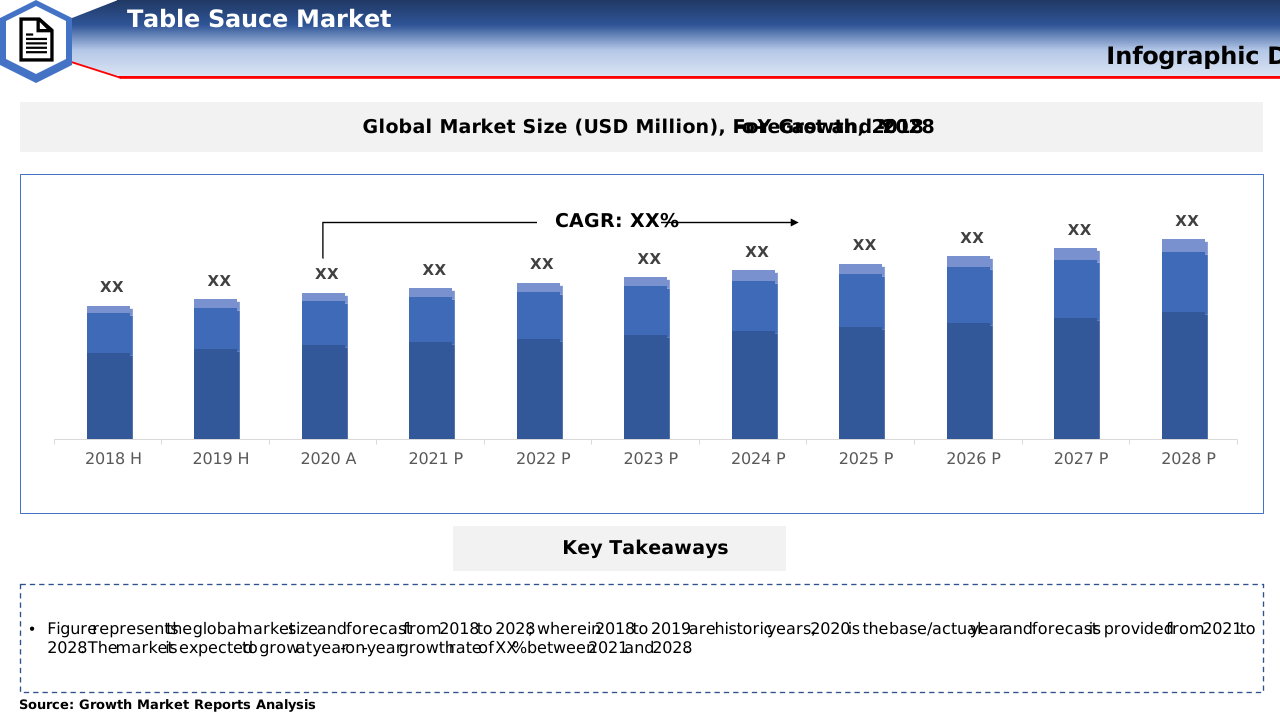
According to our latest research, the global table sauce market size reached USD 25.7 billion in 2024, reflecting robust demand across both developed and emerging markets. The sector is projected to expand at a CAGR of 5.2% during the forecast period, with the market anticipated to attain a value of USD 39.9 billion by 2033. This growth is primarily fueled by evolving consumer preferences, increased urbanization, and the rising inclination toward convenient and flavorful meal accompaniments. The market's steady upward trajectory is further supported by product innovation and the proliferation of international cuisines worldwide.
The growth of the table sauce market is strongly influenced by shifting dietary habits and the increasing popularity of global cuisines. As consumers become more adventurous in their food choices, there is a notable rise in the demand for a diverse range of sauces such as tomato, soy, chili, barbecue, mayonnaise, and mustard. The proliferation of fast food chains and casual dining restaurants has also played a pivotal role in popularizing these condiments, leading to widespread adoption in both foodservice and household segments. Furthermore, the trend of home cooking and experimenting with international recipes has driven the uptake of specialty sauces, especially in urban centers where exposure to global flavors is higher.
Another significant growth factor for the table sauce market is the surge in health-conscious consumers seeking products with clean labels, natural ingredients, and reduced sugar or sodium content. Manufacturers are responding to this trend by launching organic, gluten-free, and preservative-free variants, thereby expanding their target audience. The increasing awareness regarding the nutritional value of certain sauces, such as those fortified with vitamins or probiotics, has also contributed to market expansion. Additionally, the convenience offered by ready-to-use sauces aligns well with the fast-paced lifestyles of modern consumers, further bolstering market demand.
Technological advancements and innovation in packaging have also significantly contributed to the growth of the table sauce market. The introduction of user-friendly and sustainable packaging solutions, such as squeezable bottles, single-serve sachets, and eco-friendly jars, has enhanced product accessibility and shelf life. These innovations not only cater to the on-the-go consumption trend but also address environmental concerns, which are increasingly influencing purchasing decisions. Enhanced packaging also ensures product freshness, safety, and convenience, making sauces more appealing to both retail and foodservice end-users.
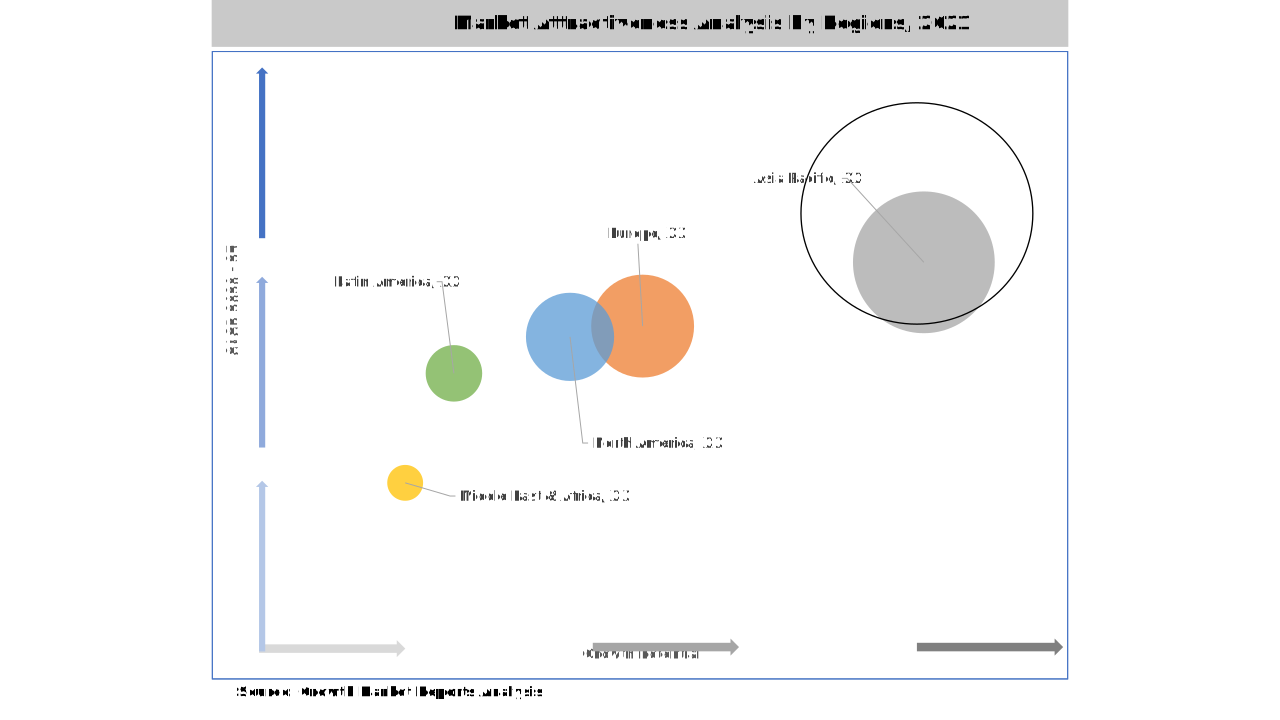
From a regional perspective, Asia Pacific dominates the table sauce market owing to the immense popularity of sauces in local cuisines and the presence of a large consumer base. North America and Europe follow closely, driven by high consumption of ketchup, mayonnaise, and barbecue sauces. Latin America and the Middle East & Africa are emerging as fast-growing markets due to rising urbanization, increasing disposable incomes, and greater exposure to international food trends. The regional dynamics are shaped by cultural preferences, economic development, and the presence of key market players, creating a competitive yet opportunistic landscape for both global and local manufacturers.
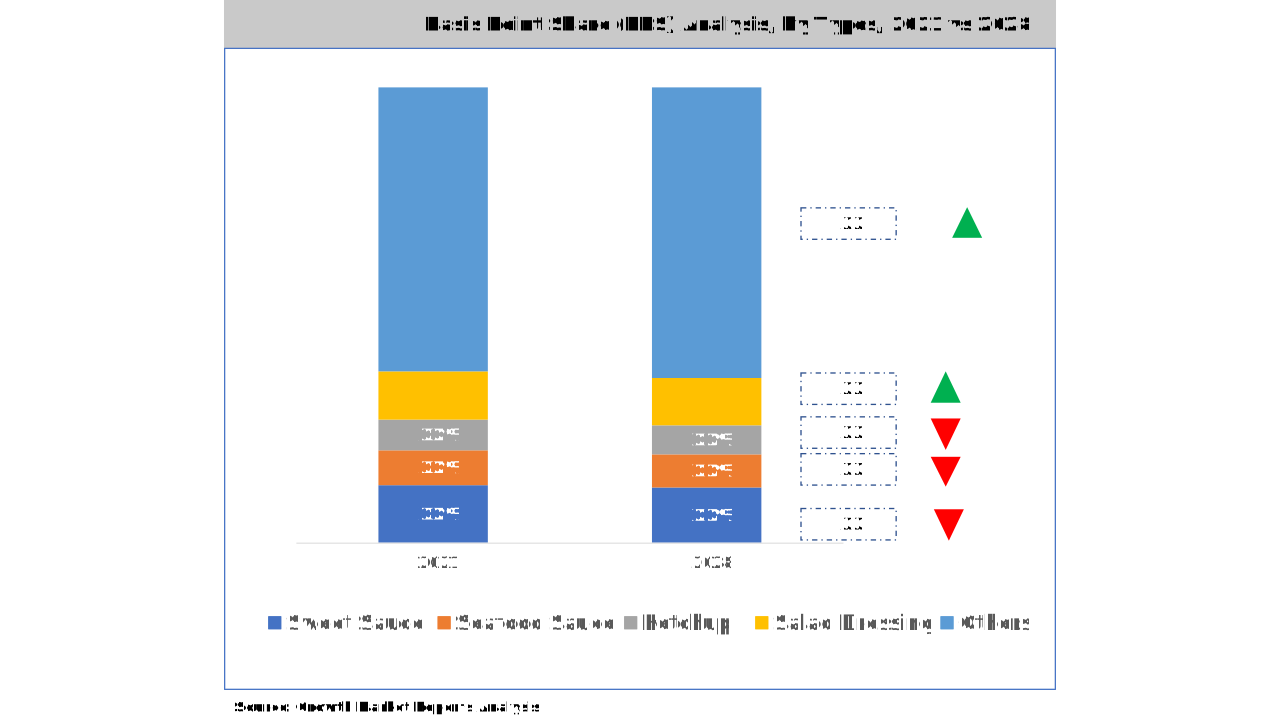
The table sauce market is segmented by product type into tomato sauce, soy sauce, chili sauce, barbecue sauce, mayonnaise, mustard sauce, and others. Among these, tomato sauce remains the most widely consumed, particularly in Western countries where it is a staple accompaniment to fast food and snacks. The versatility of tomato sauce, its compatibility with a wide range of dishes, and its appeal across age groups have ensured its sustained dominance. In addition, the trend toward organic and preservative-free tomato sauces has further boosted category growth, as health-aware consumers seek cleaner alternatives without compromising on taste.
Soy sauce holds a prominent position in the Asia Pacific region, where it is integral to many traditional cuisines. The growing global popularity of Asian food has led to increased soy sauce consumption in North America, Europe, and Latin America as well. Manufacturers are introducing low-sodium and gluten-free variants to cater to health-conscious consumers and those with dietary restrictions. The expansion of Asian restaurant chains and the rising trend of home-cooked Asian meals have further fueled demand, making soy sauce one of the fastest-growing segments in the table sauce market.
Chili sauce and barbecue sauce are experiencing substantial growth, driven by the rising demand for spicy and smoky flavors. The increasing influence of Tex-Mex, Korean, and other spicy cuisines has contributed to the popularity of chili sauces, especially among younger consumers. Barbecue sauce, on the other hand, is gaining traction not only for grilling but also as a marinade and dip, reflecting its versatility. Both segments are witnessing innovation in terms of flavor profiles, heat levels, and ingredient sourcing, catering to evolving consumer palates and preferences.
Mayonnaise and mustard sauce are established favorites in North America and Europe, where they are commonly used in sandwiches, salads, and dressings. The trend toward plant-based and vegan diets has prompted manufacturers to develop egg-free and dairy-free versions, broadening the appeal of these sauces. Additionally, the introduction of flavored mayonnaise and gourmet mustard variants has attracted food enthusiasts seeking unique culinary experiences. The "others" category, which includes emerging sauces like sriracha, pesto, and aioli, is also witnessing growth as consumers seek new and exotic flavors to enhance their meals.
| Attributes | Details |
| Report Title | Table Sauce Market Research Report 2033 |
| By Product Type | Tomato Sauce, Soy Sauce, Chili Sauce, Barbecue Sauce, Mayonnaise, Mustard Sauce, Others |
| By Packaging Type | Bottles, Sachets, Jars, Others |
| By Distribution Channel | Supermarkets/Hypermarkets, Convenience Stores, Online Retail, Specialty Stores, Others |
| By End-User | Household, Foodservice, Industrial |
| Regions Covered | North America, Europe, APAC, Latin America, MEA |
| Base Year | 2024 |
| Historic Data | 2018-2023 |
| Forecast Period | 2025-2033 |
| Number of Pages | 251 |
| Number of Tables & Figures | 338 |
| Customization Available | Yes, the report can be customized as per your need. |
Packaging plays a crucial role in the table sauce market, with consumers seeking convenience, safety, and sustainability in their purchases. Bottles remain the most popular packaging type, favored for their ease of use, resealability, and ability to preserve product freshness. Glass and plastic bottles are widely used, with manufacturers increasingly adopting recyclable materials to address environmental concerns. Bottled sauces are particularly prevalent in household and foodservice settings, where larger quantities and repeated usage are common.
Sachets have gained significant traction, especially in the foodservice and on-the-go segments. Single-serve sachets offer portion control, reduce waste, and are ideal for quick-service restaurants, takeaways, and travel. Their lightweight nature and easy disposability make them a preferred choice for outdoor events and packed lunches. However, the environmental impact of single-use sachets has prompted manufacturers to explore biodegradable and compostable alternatives, aligning with the growing demand for sustainable packaging solutions in the table sauce market.
Jars, particularly glass jars, are popular for premium and specialty sauces, such as gourmet mustard, pesto, and artisanal mayonnaise. The aesthetic appeal of jars, coupled with their ability to preserve flavor and quality, makes them suitable for high-end retail and gifting purposes. Jars are also favored for sauces that require refrigeration after opening, as they provide an airtight seal and are easy to store. The trend toward reusable and recyclable packaging is further driving the adoption of glass jars in the market.
The "others" category includes innovative packaging formats such as pouches, tubes, and dispensers, which are gaining popularity for their convenience and functionality. Flexible pouches, for example, are lightweight, space-saving, and reduce transportation costs, making them attractive to both manufacturers and consumers. Dispenser packaging is increasingly being adopted in foodservice establishments for hygienic and efficient sauce dispensing. These innovations in packaging are not only enhancing the consumer experience but also contributing to brand differentiation and market growth.
The table sauce market is distributed through a variety of channels, with supermarkets and hypermarkets accounting for the largest share. These retail outlets offer a wide selection of brands and product types, enabling consumers to compare, choose, and purchase sauces conveniently. The presence of dedicated condiment sections, promotional offers, and in-store tastings further drive sales through this channel. Supermarkets and hypermarkets are particularly dominant in urban areas, where consumers seek one-stop shopping solutions for their grocery needs.
Convenience stores play a vital role in the distribution of table sauces, especially in densely populated urban centers and areas with high foot traffic. The accessibility and extended operating hours of convenience stores make them a preferred choice for quick and impulse purchases. Smaller pack sizes and single-serve options are particularly popular in this channel, catering to the needs of individual consumers and small households. The strategic location of convenience stores near residential and commercial areas ensures consistent demand for table sauces.
Online retail has emerged as a rapidly growing distribution channel in the table sauce market, driven by the increasing penetration of e-commerce platforms and changing consumer shopping habits. Online channels offer the convenience of home delivery, a broader product assortment, and the ability to access specialty and international sauces that may not be available in local stores. The COVID-19 pandemic accelerated the shift toward online grocery shopping, and this trend is expected to persist, with manufacturers investing in digital marketing and direct-to-consumer sales models.
Specialty stores, including gourmet food shops and ethnic grocery stores, cater to niche markets and consumers seeking unique, high-quality, or imported sauces. These outlets often offer exclusive brands, artisanal products, and specialty packaging, attracting food enthusiasts and gift buyers. The personalized service and curated product selection in specialty stores enhance the shopping experience and foster brand loyalty. The "others" category encompasses direct sales, institutional supply, and emerging channels such as subscription boxes, reflecting the diverse ways in which table sauces reach end consumers.
The table sauce market serves a diverse range of end-users, with households constituting the largest segment. Home consumption of sauces is driven by the increasing trend of cooking at home, experimenting with new recipes, and the desire for convenient meal solutions. Table sauces are essential pantry staples in many households, used as condiments, marinades, and cooking ingredients. The availability of a wide variety of flavors and packaging options ensures that household consumers can find products that suit their preferences and dietary needs.
The foodservice segment, which includes restaurants, cafes, quick-service outlets, and catering services, represents a significant portion of table sauce consumption. The expansion of the hospitality industry, the proliferation of international fast-food chains, and the growing popularity of casual dining have all contributed to increased demand for sauces in foodservice settings. Bulk packaging, customized blends, and branded dispensers are commonly used to meet the specific needs of foodservice operators. The emphasis on food safety, quality, and consistency is paramount in this segment, driving manufacturers to adhere to stringent standards.
Industrial end-users, such as food manufacturers and processors, utilize table sauces as ingredients in the production of ready-to-eat meals, snacks, and processed foods. The integration of sauces into packaged foods enhances flavor profiles, extends shelf life, and adds value to the final product. Industrial demand is characterized by large-volume purchases, customized formulations, and the need for consistent quality and supply. Collaborations between sauce manufacturers and food processors are increasingly common, enabling the development of innovative products tailored to evolving consumer tastes.
The interplay between these end-user segments drives overall market growth, with manufacturers adapting their product offerings, packaging, and distribution strategies to cater to diverse requirements. The ability to meet the specific needs of households, foodservice operators, and industrial clients is a key competitive advantage in the table sauce market. Ongoing research and development efforts, coupled with strategic partnerships, are expected to further strengthen the market's position across all end-user segments.
The table sauce market presents significant opportunities for growth, particularly through product innovation and the expansion into emerging markets. Manufacturers can capitalize on the growing demand for health-oriented and specialty sauces by developing organic, low-calorie, and allergen-free variants. The increasing popularity of plant-based and vegan diets offers a lucrative avenue for the introduction of egg-free mayonnaise, dairy-free dressings, and plant-based alternatives to traditional sauces. Additionally, the rising trend of premiumization, driven by consumers seeking unique flavors and high-quality ingredients, provides scope for launching gourmet and artisanal sauces that command higher price points.
Another major opportunity lies in leveraging digital platforms and e-commerce to reach a broader consumer base. The shift toward online grocery shopping, accelerated by the COVID-19 pandemic, has created a favorable environment for direct-to-consumer sales, subscription models, and personalized marketing campaigns. Manufacturers can enhance brand visibility and consumer engagement through social media, influencer partnerships, and interactive content. Furthermore, collaborations with foodservice operators, chefs, and food bloggers can drive product adoption and foster brand loyalty. The adoption of sustainable packaging and eco-friendly practices also presents an opportunity to appeal to environmentally conscious consumers and differentiate brands in a competitive market.
However, the table sauce market faces certain restraining factors, notably the rising scrutiny of ingredients and health concerns associated with high sugar, sodium, and preservative content in some sauces. Increasing regulatory oversight and labeling requirements may pose challenges for manufacturers, necessitating reformulation and compliance efforts. Intense competition, price sensitivity, and the threat of counterfeit or low-quality products in certain regions also present obstacles to sustained growth. The need to balance taste, health, and affordability while adhering to evolving regulations remains a critical challenge for industry participants.
Asia Pacific is the leading region in the table sauce market, accounting for approximately USD 8.7 billion in 2024, propelled by the widespread use of soy sauce, chili sauce, and other condiments in local cuisines. The region's large population, rapid urbanization, and increasing disposable incomes have driven demand for both traditional and international sauces. China, Japan, India, and Southeast Asian countries are major contributors, with local and global brands competing for market share. The region is expected to maintain a strong growth trajectory, supported by the expansion of modern retail channels and the rising popularity of fusion cuisine.
North America holds a significant share of the table sauce market, with a market size of USD 7.2 billion in 2024. The region is characterized by high consumption of tomato sauce, mayonnaise, and barbecue sauce, driven by the prevalence of fast food culture and the popularity of grilling and outdoor dining. The United States is the largest market within the region, followed by Canada and Mexico. The North American market is projected to grow at a CAGR of 4.8% through 2033, fueled by ongoing product innovation, the introduction of healthier variants, and the increasing adoption of ethnic and specialty sauces.
Europe represents another key region, with a market size of USD 6.5 billion in 2024. The region's diverse culinary traditions, high per capita consumption of sauces, and the presence of established brands contribute to its strong market position. The United Kingdom, Germany, France, and Italy are major markets, with growing demand for organic, gluten-free, and gourmet sauces. Latin America and the Middle East & Africa are emerging as high-growth regions, collectively accounting for USD 3.3 billion in 2024. These regions are witnessing increased urbanization, greater exposure to international cuisines, and rising consumer spending, creating new opportunities for market expansion.
The table sauce market is highly competitive, with a mix of multinational corporations, regional players, and emerging startups vying for market share. The competitive landscape is characterized by continuous product innovation, aggressive marketing strategies, and a focus on expanding distribution networks. Leading companies invest heavily in research and development to introduce new flavors, healthier formulations, and sustainable packaging solutions. Brand recognition, product quality, and pricing strategies are critical factors influencing consumer preferences and brand loyalty.
Major players in the market are increasingly leveraging digital platforms, social media, and influencer marketing to enhance brand visibility and engage with consumers. Partnerships with foodservice operators, retail chains, and e-commerce platforms are common strategies to expand market reach and drive sales. Companies are also focusing on mergers and acquisitions to strengthen their product portfolios, enter new markets, and achieve economies of scale. The trend toward localization, with manufacturers developing products tailored to regional tastes and preferences, is gaining momentum, further intensifying competition in the market.
Innovation in packaging, such as the adoption of eco-friendly materials, squeezable bottles, and single-serve sachets, is a key differentiator in the table sauce market. Companies are also investing in supply chain optimization, quality control, and sustainability initiatives to enhance operational efficiency and meet evolving consumer expectations. The ability to respond swiftly to changing market trends, regulatory requirements, and consumer demands is essential for maintaining a competitive edge. The entry of new players and private label brands, particularly in emerging markets, is adding to the competitive intensity and driving price competition.
Some of the major companies operating in the table sauce market include The Kraft Heinz Company, Unilever PLC, Nestlé S.A., McCormick & Company, Inc., Kikkoman Corporation, Conagra Brands, Inc., Campbell Soup Company, and Hormel Foods Corporation. The Kraft Heinz Company is renowned for its iconic ketchup and a wide range of condiments, leveraging its global presence and strong distribution network. Unilever PLC offers popular brands such as Hellmann's and Knorr, focusing on innovation and sustainability. Nestlé S.A. and McCormick & Company, Inc. have diversified product portfolios, catering to both retail and foodservice segments with a focus on flavor innovation and health-oriented products.
Kikkoman Corporation is a leading player in the soy sauce segment, with a strong presence in Asia Pacific and expanding operations in North America and Europe. Conagra Brands, Inc. and Campbell Soup Company are known for their extensive range of sauces and dressings, targeting both household and industrial end-users. Hormel Foods Corporation has a strong foothold in the barbecue and specialty sauce segments, emphasizing quality and authenticity. These companies, along with numerous regional and local players, are shaping the future of the table sauce market through continuous innovation, strategic partnerships, and a commitment to meeting diverse consumer needs worldwide.
The Table Sauce market has been segmented on the basis of
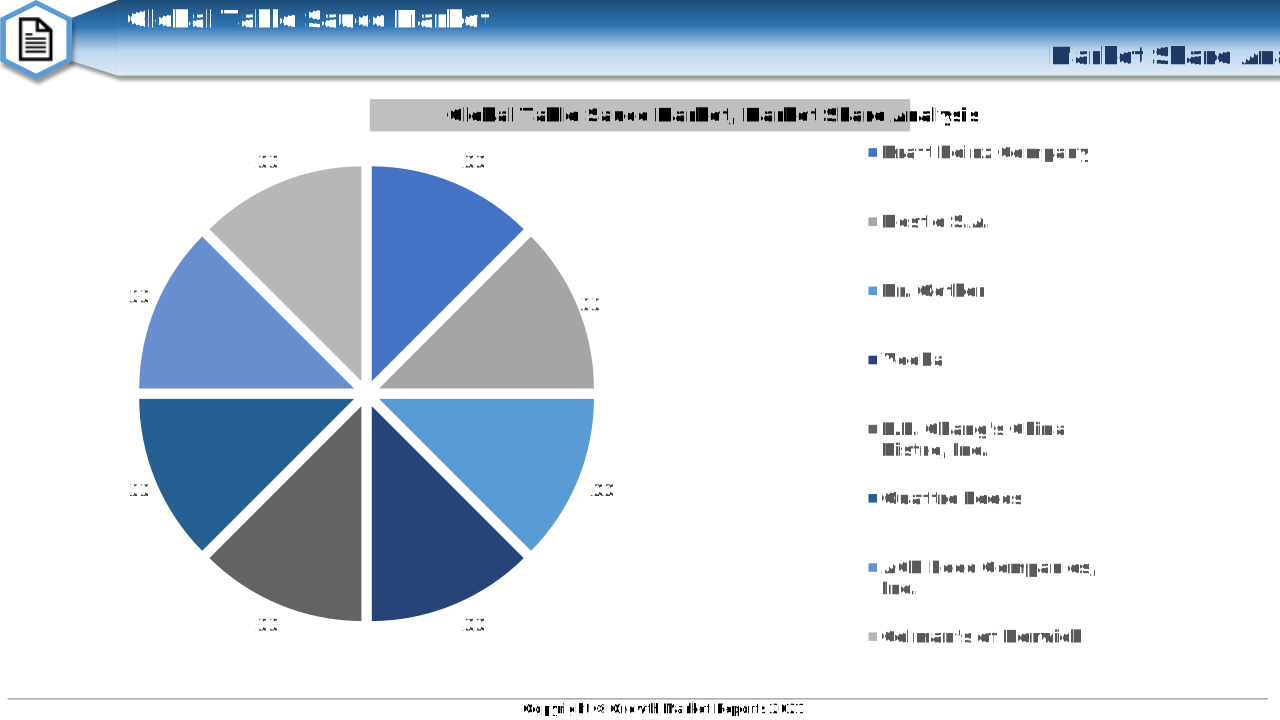
Key players competing in the global table sauce market include Kraft Heinz Company, Nestle S.A., Dr. Oetker, Veeba, P.F. Chang’s China Bistro, Inc., Quattro Foods, ACH Food Companies, Inc., Colman’s of Norwich.
Some of the players are engaging in several business strategies including mergers, acquisitions, partnerships, collaborations, capacity expansion, and product launches to enhance their market shares. For instance, in March 2019, TPZ ventures introduced a new hot sauce in Puerto Rican style which is known as pique.
Opportunities include product innovation, health-oriented and specialty sauces, plant-based options, and e-commerce expansion. Challenges involve ingredient scrutiny, regulatory compliance, intense competition, and the need for sustainable packaging.
Key players include The Kraft Heinz Company, Unilever PLC, Nestlé S.A., McCormick & Company, Kikkoman Corporation, Conagra Brands, Campbell Soup Company, and Hormel Foods Corporation.
Supermarkets and hypermarkets hold the largest share, followed by convenience stores, online retail, specialty stores, and emerging channels like subscription boxes.
Innovations include squeezable bottles, single-serve sachets, eco-friendly jars, pouches, and dispensers. Sustainable and user-friendly packaging is increasingly important to consumers.
Rising health consciousness has led to increased demand for clean-label, organic, gluten-free, and low-sugar or low-sodium sauces. Manufacturers are also introducing probiotic and vitamin-fortified options.
Tomato sauce is the most widely consumed globally, especially in Western countries. Soy sauce is prominent in Asia Pacific, while chili, barbecue, mayonnaise, and mustard sauces are also popular worldwide.
Growth is driven by evolving consumer preferences, urbanization, the popularity of global cuisines, product innovation, and the demand for convenient, flavorful meal accompaniments.
Asia Pacific leads the table sauce market, followed by North America and Europe. Latin America and the Middle East & Africa are emerging as fast-growing regions.
The table sauce market is expected to grow at a CAGR of 5.2% from 2025 to 2033, reaching an estimated value of USD 39.9 billion by 2033.
As of 2024, the global table sauce market size reached USD 25.7 billion, with strong demand across both developed and emerging markets.