Segments - by Product Type (Creams, Lotions, Sprays, Sticks, Gels, Others), by SPF Range (SPF 15 and Below, SPF 16-30, SPF 31-50, SPF 50+), by Formulation (Chemical-based, Mineral-based, Hybrid), by Distribution Channel (Supermarkets/Hypermarkets, Specialty Stores, Online Retail, Pharmacies, Others), by End User (Men, Women, Children)
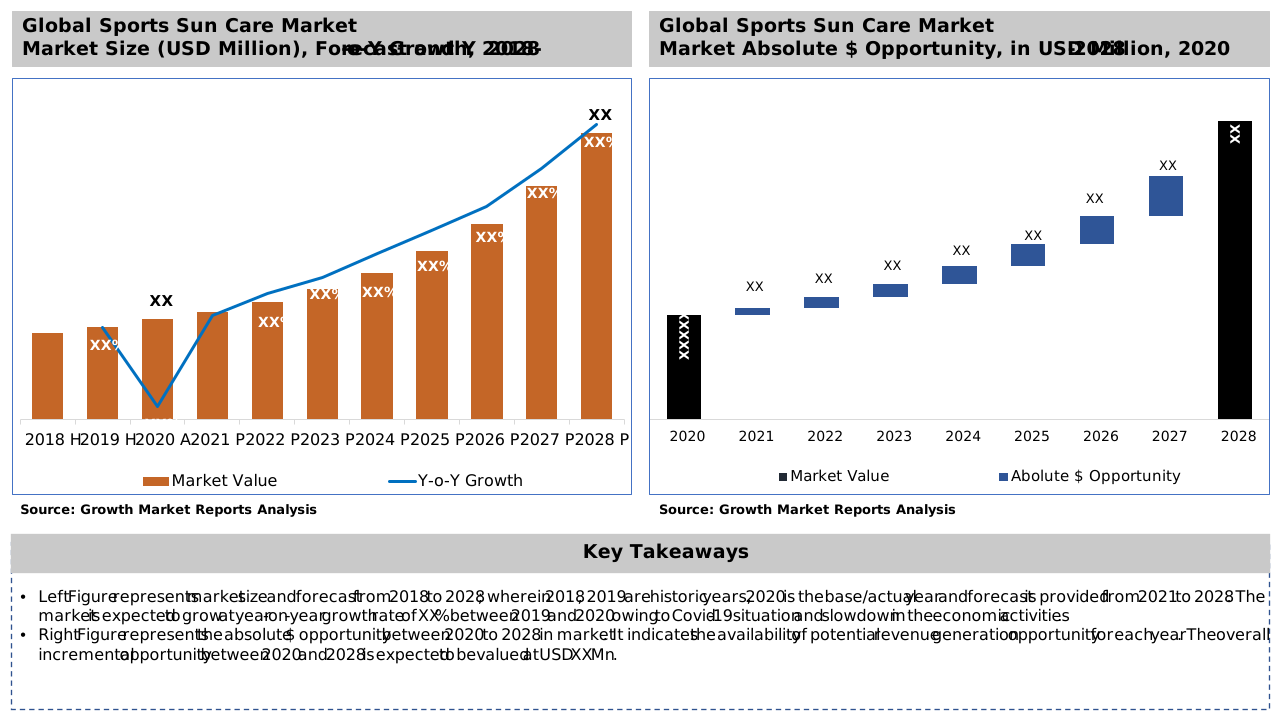
According to our latest research, the global Sports Sun Care market size reached USD 1.43 billion in 2024, with a robust compound annual growth rate (CAGR) of 7.2% projected through the forecast period. By 2033, the market is anticipated to attain a value of USD 2.68 billion, driven by increasing awareness about UV protection among athletes and outdoor enthusiasts, as well as the integration of advanced skin care ingredients in sun care formulations. The market’s dynamic expansion is underpinned by a growing consumer focus on skin health and the adoption of active outdoor lifestyles across the globe.
One of the primary growth factors for the Sports Sun Care market is the heightened awareness regarding the harmful effects of ultraviolet (UV) radiation, particularly among athletes and fitness-conscious consumers. The proliferation of outdoor sports events, marathons, and recreational activities has contributed significantly to the demand for specialized sun protection products. Sports sun care products are specifically formulated to offer long-lasting protection, sweat resistance, and water resistance, which are crucial for individuals engaged in rigorous physical activities. The increasing prevalence of skin cancer and other UV-induced skin disorders has further emphasized the need for effective sun care solutions, prompting manufacturers to innovate and enhance product efficacy.
Another key driver propelling the market is the rapid innovation in product formulations and packaging. Companies are investing heavily in research and development to introduce sun care products that not only provide high SPF protection but also offer additional skin benefits such as hydration, anti-aging properties, and soothing effects. The emergence of mineral-based and hybrid formulations has addressed consumer concerns about chemical ingredients, leading to a notable shift towards safer, more natural alternatives. Additionally, the convenience of various formats, such as sprays, sticks, and gels, has made sun care products more accessible and user-friendly, catering to the diverse needs of athletes and outdoor enthusiasts.
The Sports Sun Care market is also benefiting from the growing influence of digital platforms and e-commerce. The rise of online retail channels has made it easier for consumers to access a wide range of sun care products, compare formulations, and read reviews before making a purchase. Social media influencers and sports personalities play a pivotal role in promoting sun care awareness and educating consumers about the importance of regular sun protection. The integration of technology in marketing strategies, such as augmented reality for virtual product trials, is further enhancing consumer engagement and driving market growth.
From a regional perspective, North America dominated the Sports Sun Care market in 2024, accounting for a significant share of total revenue, followed closely by Europe and Asia Pacific. The high prevalence of outdoor sports culture, coupled with stringent regulations on sun care labeling and efficacy, has fostered a mature market environment in these regions. However, Asia Pacific is expected to witness the fastest growth during the forecast period, fueled by rising disposable incomes, increased participation in outdoor activities, and growing awareness of skin care. Latin America and the Middle East & Africa are also emerging as promising markets, supported by expanding retail infrastructure and increasing health consciousness among the population.
The Product Type segment in the Sports Sun Care market encompasses creams, lotions, sprays, sticks, gels, and other specialized formats. Creams and lotions continue to hold the largest market share, attributed to their widespread availability, ease of application, and broad-spectrum protection. These traditional formats are favored by consumers seeking consistent coverage and hydration, especially during prolonged outdoor activities. Manufacturers have focused on enhancing the sensory experience of creams and lotions by improving their texture, absorption rate, and non-greasy finish, making them suitable for daily use by athletes and sports enthusiasts.
Sprays have gained significant traction in recent years, emerging as a popular choice for consumers seeking quick and convenient sun protection. The spray format is highly valued for its portability, even application, and suitability for hard-to-reach areas of the body. Sports participants, particularly those involved in team sports and water activities, prefer sprays due to their ability to provide uniform coverage without the need for manual spreading. The innovation in aerosol technology and the introduction of continuous spray mechanisms have further boosted the adoption of spray-based sun care products in the sports segment.
Sticks and gels represent niche but rapidly growing categories within the Sports Sun Care market. Sticks are particularly favored for targeted application on the face, lips, and sensitive areas, offering mess-free protection that can be easily reapplied during sports activities. Gels, on the other hand, are appreciated for their lightweight, fast-absorbing properties, and are often chosen by athletes with oily or acne-prone skin. The cooling effect of gels provides additional comfort during intense physical exertion, making them a preferred option for runners, cyclists, and outdoor fitness enthusiasts.
The "Others" category includes innovative formats such as powders, wipes, and roll-ons, which cater to specific consumer preferences and emerging trends in personal care. These alternative formats are gaining popularity among consumers seeking portability and ease of use, especially for on-the-go sun protection. The diversification of product types within the Sports Sun Care market reflects the industry's commitment to addressing the evolving needs of a diverse consumer base, ensuring that sun protection remains accessible and effective for all types of sports and outdoor activities.
| Attributes | Details |
| Report Title | Sports Sun Care Market Research Report 2033 |
| By Product Type | Creams, Lotions, Sprays, Sticks, Gels, Others |
| By SPF Range | SPF 15 and Below, SPF 16-30, SPF 31-50, SPF 50+ |
| By Formulation | Chemical-based, Mineral-based, Hybrid |
| By Distribution Channel | Supermarkets/Hypermarkets, Specialty Stores, Online Retail, Pharmacies, Others |
| By End User | Men, Women, Children |
| Regions Covered | North America, Europe, APAC, Latin America, MEA |
| Base Year | 2024 |
| Historic Data | 2018-2023 |
| Forecast Period | 2025-2033 |
| Number of Pages | 270 |
| Number of Tables & Figures | 346 |
| Customization Available | Yes, the report can be customized as per your need. |
The SPF Range segment plays a critical role in the Sports Sun Care market, as consumers increasingly seek products that offer higher levels of protection against UV radiation. The market is segmented into SPF 15 and below, SPF 16-30, SPF 31-50, and SPF 50+. Products with SPF 31-50 and SPF 50+ have witnessed the highest demand, especially among athletes and individuals with prolonged sun exposure. High-SPF formulations are preferred for their ability to provide extended protection, reducing the frequency of reapplication during intense physical activity. The growing awareness of the link between sun exposure and skin cancer has driven consumers to opt for products with higher SPF ratings.
While high-SPF products dominate the market, there remains a steady demand for SPF 16-30 formulations, particularly among consumers with sensitive skin or those participating in moderate outdoor activities. These products strike a balance between effective protection and skin comfort, often incorporating moisturizing and soothing ingredients to minimize irritation. Manufacturers are leveraging advanced UV filters and innovative delivery systems to enhance the efficacy and wearability of mid-range SPF products, catering to a broader spectrum of end users.
The segment for SPF 15 and below, though smaller in market share, continues to attract a niche consumer base that prefers lighter protection for short-duration outdoor activities or cloudy weather conditions. These products are often marketed as daily moisturizers with added sun protection, appealing to consumers who prioritize skin care convenience. The trend towards multi-functional products has led to the development of sun care creams and lotions with added benefits such as antioxidants, vitamins, and anti-pollution properties.
SPF labeling and regulatory compliance have become increasingly important in the Sports Sun Care market, with authorities in North America, Europe, and Asia Pacific enforcing stringent guidelines to ensure product safety and efficacy. The emphasis on broad-spectrum protection, which guards against both UVA and UVB rays, has further shaped product development and marketing strategies. As consumers become more educated about the nuances of sun protection, the demand for transparent labeling and scientifically validated claims is expected to drive innovation and competition within the SPF range segment.
The Formulation segment is a key determinant of consumer preference in the Sports Sun Care market, encompassing chemical-based, mineral-based, and hybrid formulations. Chemical-based sun care products have traditionally dominated the market due to their lightweight texture, ease of application, and ability to provide high SPF protection with minimal residue. These formulations rely on organic compounds that absorb UV radiation, offering broad-spectrum coverage suitable for sports and outdoor activities. However, concerns about the potential health and environmental impact of certain chemical ingredients have prompted a gradual shift towards alternative formulations.
Mineral-based sun care products, which utilize natural minerals such as zinc oxide and titanium dioxide, have gained significant traction among health-conscious consumers and those with sensitive skin. These formulations provide physical barriers that reflect UV rays, offering immediate protection upon application. Mineral-based products are often marketed as "reef-safe" and environmentally friendly, aligning with the growing demand for sustainable and non-toxic personal care solutions. The challenge for manufacturers lies in improving the sensory attributes of mineral sunscreens, such as reducing white cast and enhancing spreadability, to match the convenience of chemical-based alternatives.
Hybrid formulations represent a convergence of chemical and mineral technologies, aiming to deliver the best of both worlds in terms of efficacy, safety, and user experience. These products combine the fast-absorbing, lightweight properties of chemical filters with the gentle, broad-spectrum protection of mineral ingredients. Hybrid sun care products are particularly appealing to athletes and outdoor enthusiasts who require high-performance protection without compromising on skin comfort or environmental responsibility. The rise of hybrid formulations has spurred innovation in ingredient sourcing and product development, fostering greater diversity and customization within the Sports Sun Care market.
The formulation segment is also influenced by evolving consumer preferences for clean, natural, and hypoallergenic ingredients. Brands are responding by incorporating botanicals, antioxidants, and skin-soothing agents into their sun care products, enhancing their appeal to a wider audience. Regulatory trends favoring ingredient transparency and safety have accelerated the adoption of alternative UV filters and preservatives, ensuring that sports sun care products meet the highest standards of efficacy and consumer trust.
The Distribution Channel segment is a crucial aspect of the Sports Sun Care market, shaping how products reach end consumers and influencing purchasing behavior. Supermarkets and hypermarkets continue to be the dominant sales channels, leveraging their extensive reach, product variety, and promotional activities to attract a broad customer base. These retail formats offer consumers the convenience of one-stop shopping, enabling them to compare different brands and formulations before making a purchase. The visibility and accessibility of sports sun care products in high-traffic retail environments have contributed significantly to market growth.
Specialty stores, including sports and outdoor equipment retailers, have carved out a niche in the sun care market by offering expert guidance and tailored product assortments. These stores cater to athletes, fitness enthusiasts, and outdoor adventurers seeking high-performance sun protection solutions. The personalized shopping experience, coupled with knowledgeable staff, helps consumers make informed decisions based on their specific needs and activity levels. Specialty stores also serve as platforms for product demonstrations, sampling, and brand engagement, enhancing consumer loyalty and brand differentiation.
Online retail has emerged as a transformative force in the Sports Sun Care market, driven by the proliferation of e-commerce platforms, mobile shopping apps, and digital marketing campaigns. The convenience of home delivery, competitive pricing, and access to a wider range of products have made online channels increasingly popular among tech-savvy consumers. Brands are leveraging digital platforms to launch exclusive products, offer virtual consultations, and engage with consumers through social media and influencer partnerships. The rise of direct-to-consumer (DTC) models has further disrupted traditional retail channels, enabling brands to build closer relationships with their target audience and gather valuable insights into consumer preferences.
Pharmacies and drugstores remain important distribution channels for sports sun care products, particularly for consumers seeking medically endorsed or dermatologist-recommended solutions. The credibility and trust associated with pharmacy retail, combined with the availability of professional advice, make these outlets a preferred choice for families, parents, and individuals with specific skin care needs. The integration of sun care products into pharmacy wellness programs and health campaigns has further strengthened their market presence. Other channels, such as convenience stores and travel retail, also contribute to the market by catering to impulse purchases and on-the-go consumers.
The End User segment in the Sports Sun Care market is characterized by distinct preferences and requirements among men, women, and children. Men constitute a significant portion of the market, driven by their active participation in outdoor sports, fitness routines, and recreational activities. Sports sun care products targeted at men often emphasize sweat resistance, quick absorption, and non-greasy formulations, catering to their practical needs and lifestyle preferences. Marketing campaigns featuring male athletes and sports personalities have further fueled demand within this demographic.
Women represent another substantial segment, with a growing emphasis on holistic skin care and sun protection. Female consumers tend to prioritize multi-functional products that offer not only UV protection but also hydration, anti-aging benefits, and a pleasant sensory experience. The trend towards clean beauty and natural ingredients has influenced product development, with brands introducing mineral-based and hybrid formulations tailored to women's skin sensitivities. The rise of women’s sports leagues and outdoor fitness communities has also contributed to increased awareness and adoption of sports sun care products among women.
Children constitute a vital end user group within the Sports Sun Care market, as parents and caregivers seek safe, gentle, and effective sun protection solutions for young athletes and outdoor enthusiasts. Pediatric sun care products are formulated with hypoallergenic ingredients, broad-spectrum protection, and easy-to-apply formats such as sprays and sticks. The emphasis on child-friendly packaging, fun fragrances, and dermatologist-tested claims has enhanced the appeal of these products to both parents and children. The growing participation of children in organized sports, summer camps, and outdoor activities has driven demand for specialized sun care solutions that cater to their unique needs.
The segmentation of the Sports Sun Care market by end user highlights the importance of targeted marketing, product customization, and inclusive branding strategies. Brands that successfully address the distinct preferences and concerns of men, women, and children are well-positioned to capture a larger share of the market and foster long-term consumer loyalty. The ongoing evolution of gender-neutral and family-oriented sun care products further reflects the industry’s commitment to inclusivity and accessibility.
The Sports Sun Care market presents significant opportunities for growth and innovation, particularly in the areas of product development, sustainability, and digital engagement. The increasing demand for natural and organic sun care products has opened up new avenues for brands to differentiate themselves through clean, eco-friendly formulations. The integration of advanced skin care ingredients, such as antioxidants, vitamins, and botanical extracts, offers additional value to consumers seeking comprehensive protection and skin health benefits. The expansion of e-commerce and direct-to-consumer channels provides brands with greater flexibility to reach diverse consumer segments and gather real-time feedback for continuous improvement.
Another major opportunity lies in the customization and personalization of sports sun care products. Advances in data analytics, artificial intelligence, and digital health platforms enable brands to offer tailored recommendations based on individual skin types, activity levels, and environmental conditions. The adoption of smart packaging, mobile apps, and wearable technology can enhance user experience, facilitate compliance with sun protection guidelines, and drive brand loyalty. Collaborations with sports organizations, fitness influencers, and wellness communities offer additional avenues for market expansion and consumer engagement.
Despite the favorable growth outlook, the Sports Sun Care market faces several restraining factors that could impact its trajectory. Regulatory challenges related to ingredient safety, SPF labeling, and environmental sustainability pose ongoing risks for manufacturers. The scrutiny of certain chemical UV filters and the push for "reef-safe" formulations have necessitated reformulation and increased compliance costs. Intense competition, price sensitivity, and counterfeit products in emerging markets further complicate the operating environment. Economic uncertainties and shifting consumer priorities may also affect discretionary spending on premium sun care products, underscoring the need for continuous innovation and value-driven marketing strategies.
North America remains the largest regional market for Sports Sun Care, accounting for USD 490 million in 2024, driven by a strong sports culture, high consumer awareness, and stringent regulatory standards. The United States, in particular, leads the region with a well-established retail infrastructure and a diverse portfolio of sun care brands catering to athletes and outdoor enthusiasts. The prevalence of skin cancer awareness campaigns and the widespread adoption of preventive health measures have further bolstered market growth. Canada and Mexico also contribute to regional expansion, supported by increasing participation in outdoor sports and recreational activities.
Europe holds the second-largest share in the global Sports Sun Care market, with revenues reaching USD 380 million in 2024. The region benefits from a robust regulatory framework, high consumer education, and a growing focus on sustainable and natural sun care solutions. Countries such as Germany, France, and the United Kingdom are at the forefront of product innovation, emphasizing eco-friendly packaging, reef-safe formulations, and inclusive branding. The rising popularity of outdoor festivals, adventure sports, and wellness tourism has further fueled demand for specialized sun care products across Europe.
Asia Pacific is poised to exhibit the fastest growth in the Sports Sun Care market, with a projected CAGR of 9.1% through 2033. The market size in the region stood at USD 320 million in 2024, and is expected to surpass USD 700 million by 2033, driven by rising disposable incomes, urbanization, and increased participation in sports and fitness activities. China, Japan, South Korea, and Australia are key contributors, supported by expanding retail networks, digital adoption, and growing health consciousness. The region’s youthful population, coupled with government initiatives promoting outdoor recreation and skin cancer prevention, presents significant opportunities for market expansion.
The competitive landscape of the Sports Sun Care market is characterized by the presence of both established multinational corporations and emerging niche players. Leading companies leverage their extensive R&D capabilities, strong brand equity, and global distribution networks to maintain market leadership and drive innovation. The industry is marked by frequent product launches, strategic partnerships, and mergers and acquisitions aimed at expanding product portfolios and geographic reach. Intense competition has led to continuous advancements in formulation technology, packaging design, and marketing strategies, ensuring that brands remain responsive to evolving consumer preferences and regulatory requirements.
Key players in the Sports Sun Care market focus on differentiating their offerings through unique value propositions, such as sweat resistance, water resistance, and multi-functional benefits. The emphasis on clean, natural, and environmentally friendly ingredients has prompted leading brands to reformulate products and obtain certifications such as "reef-safe" and "cruelty-free." The adoption of digital marketing, influencer collaborations, and experiential campaigns has enhanced brand visibility and consumer engagement, particularly among younger and digitally connected demographics. Private label brands and direct-to-consumer startups are also gaining traction, challenging traditional players with innovative products and agile business models.
Collaboration with sports organizations, athletes, and event organizers has emerged as a key strategy for market penetration and brand building. Sponsorship of marathons, triathlons, and outdoor festivals provides companies with valuable exposure to target audiences and reinforces the association between sun care and active lifestyles. The integration of technology, such as smart packaging and mobile apps, has further enhanced the user experience and facilitated compliance with sun protection guidelines. Companies that invest in consumer education, sustainability initiatives, and community engagement are well-positioned to capture long-term market share and foster brand loyalty.
Prominent companies in the Sports Sun Care market include Beiersdorf AG (NIVEA), Johnson & Johnson (Neutrogena), L'Oréal Group (La Roche-Posay), Edgewell Personal Care (Banana Boat, Hawaiian Tropic), Shiseido Company, Ltd., Unilever (Vaseline, Dove), and Procter & Gamble (Olay). These companies are renowned for their commitment to quality, innovation, and consumer safety, offering a wide range of products tailored to the needs of athletes, outdoor enthusiasts, and families. Emerging brands such as Supergoop!, Thinksport, and Blue Lizard have also made significant inroads with their focus on mineral-based, reef-safe, and dermatologist-recommended formulations.
For instance, Beiersdorf AG continues to expand its sports sun care portfolio through the NIVEA Sun brand, emphasizing advanced UV filter technology and skin-friendly ingredients. Johnson & Johnson has strengthened its market position with the Neutrogena Sport line, offering sweat-resistant and water-resistant sunscreens designed for active lifestyles. L'Oréal Group leverages its expertise in dermatological research to develop high-performance sun care products under the La Roche-Posay and Vichy brands, targeting both professional athletes and everyday consumers. Edgewell Personal Care remains a leader in the mass market segment, with Banana Boat and Hawaiian Tropic catering to diverse consumer preferences and outdoor activities.
In conclusion, the Sports Sun Care market is poised for sustained growth, supported by innovation, consumer education, and the adoption of active, health-conscious lifestyles. Companies that prioritize product efficacy, safety, and sustainability, while embracing digital transformation and inclusive marketing, are likely to emerge as leaders in this dynamic and evolving market.
The Sports Sun Care market has been segmented on the basis of
Major players in the global sports sun care market include Beiersdorf, Estée Lauder Companies, Johnson and Johnson, L’oreal, Shiseido Co. Ltd, Amway, Clarins, Edgewell Personal Care, Lotus Herbals, and Proctor & Gamble. Many companies have adopted research and development as a market strategy tool to withstand the competition. The strategy is aimed at providing better quality and new features to sports sun care products to attract more customers.

Trends include the shift to natural and reef-safe formulations, digital and direct-to-consumer sales, product customization, and the integration of advanced skin care ingredients. Opportunities exist in sustainability, smart packaging, and collaborations with sports organizations and influencers.
Major players include Johnson & Johnson (Neutrogena), Beiersdorf AG (NIVEA, Coppertone), L'Oréal S.A. (La Roche-Posay), Edgewell Personal Care (Banana Boat, Hawaiian Tropic), Procter & Gamble, Unilever, Shiseido, and emerging brands like Supergoop! and Blue Lizard.
North America leads the market, followed by Europe and Asia Pacific. Asia Pacific is expected to experience the fastest growth due to rising disposable incomes, increased outdoor activity participation, and growing skin care awareness.
The main end users are men, women, and children. Each group has distinct preferences, such as sweat resistance for men, multi-functional and natural ingredients for women, and gentle, easy-to-apply products for children.
Supermarkets/hypermarkets, specialty stores, online retail, and pharmacies are key distribution channels. Online retail is rapidly growing due to convenience, wider product selection, and digital marketing strategies.
Formulations include chemical-based, mineral-based, and hybrid products. Mineral-based and hybrid sunscreens are gaining traction due to consumer demand for natural, reef-safe, and hypoallergenic options.
The market is segmented into SPF 15 and below, SPF 16-30, SPF 31-50, and SPF 50+. Products with SPF 31-50 and SPF 50+ are in highest demand, especially among athletes and those with prolonged sun exposure, due to their extended protection.
Creams and lotions hold the largest market share due to their ease of application and broad-spectrum protection. Sprays, sticks, and gels are also gaining popularity for their convenience, targeted application, and suitability for various skin types and activities.
Key growth drivers include increased awareness of UV radiation risks, the popularity of outdoor sports and activities, innovation in product formulations (such as sweat and water resistance), and the rising prevalence of skin cancer and UV-induced skin disorders.
The global Sports Sun Care market reached USD 1.43 billion in 2024 and is projected to grow at a CAGR of 7.2%, reaching USD 2.68 billion by 2033, driven by rising awareness of UV protection and innovations in sun care formulations.